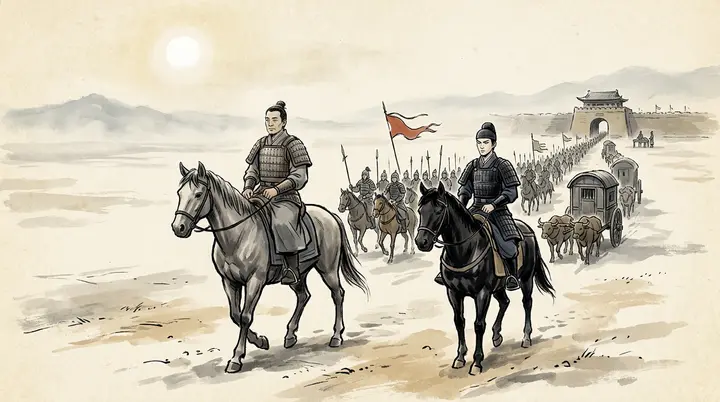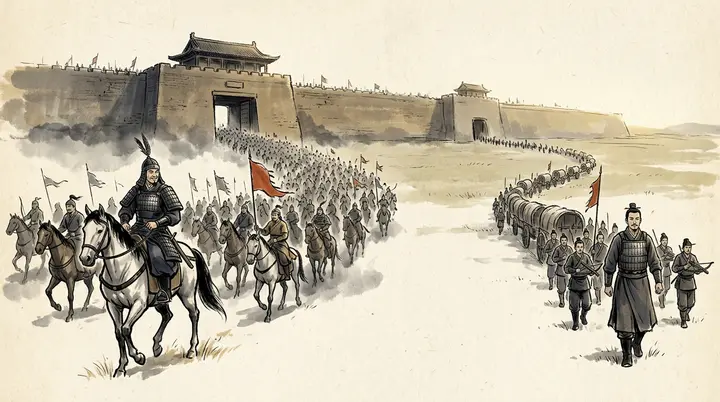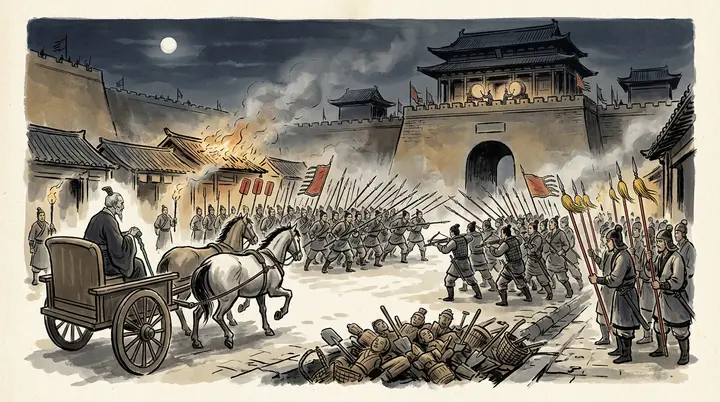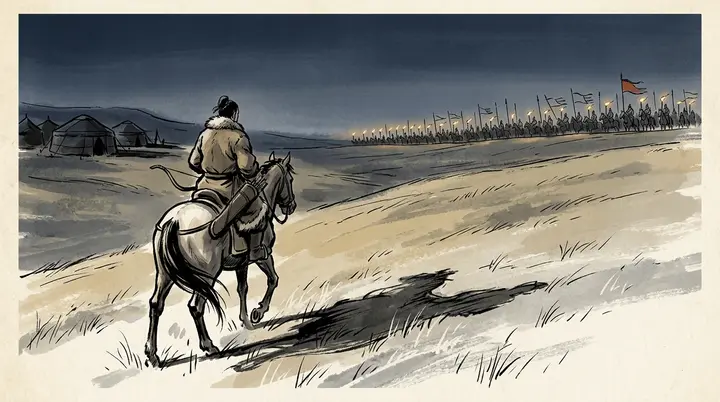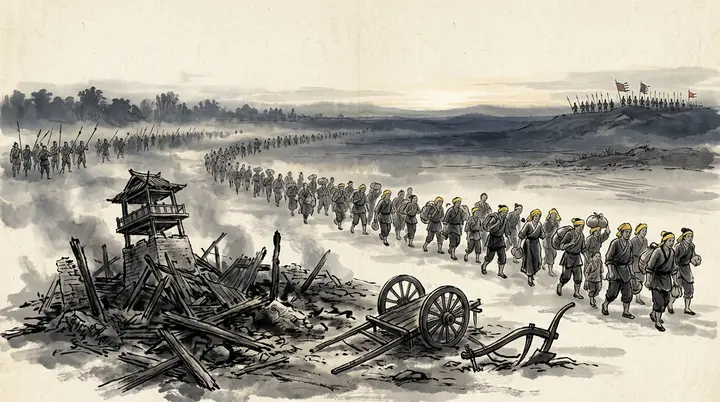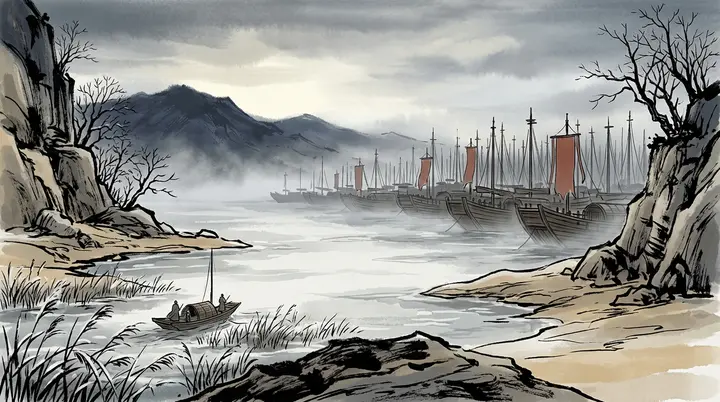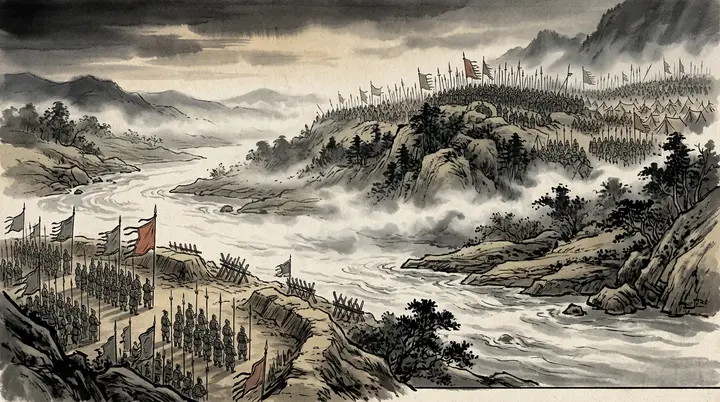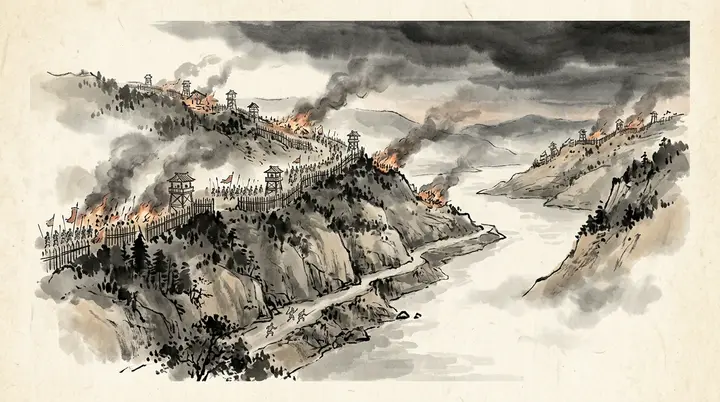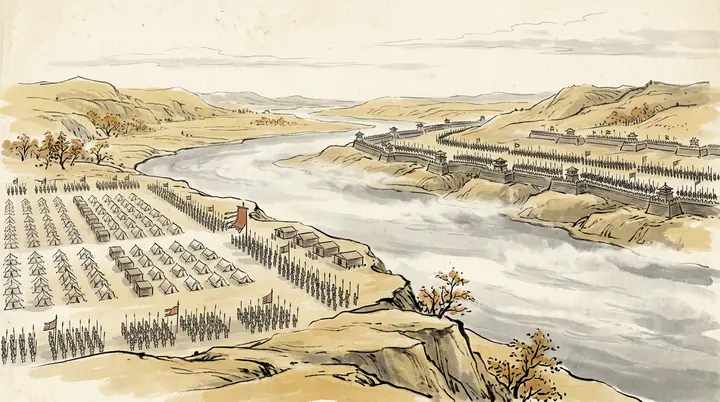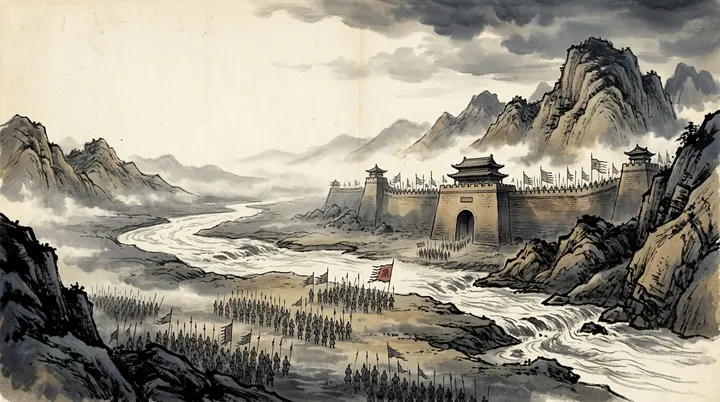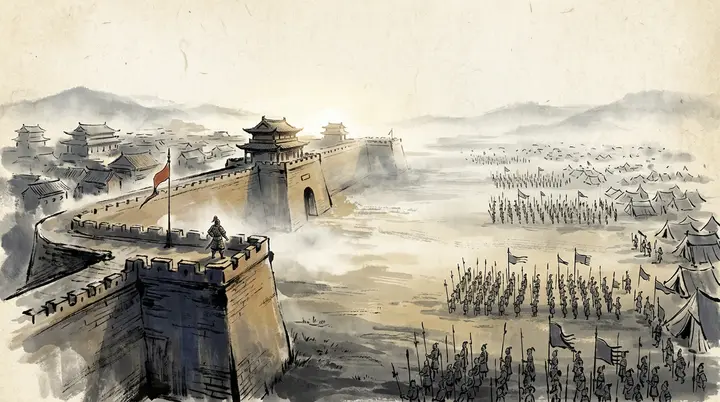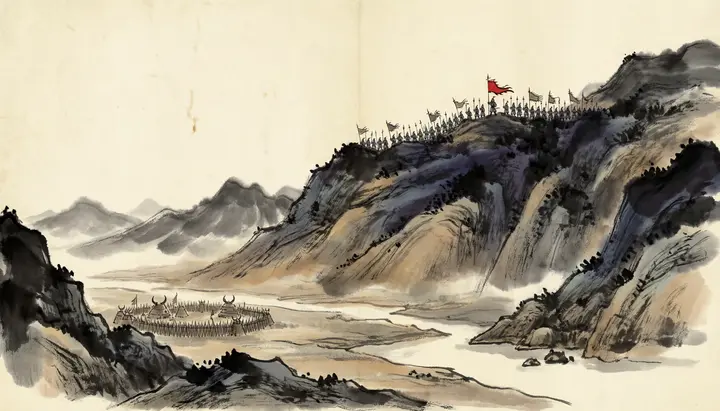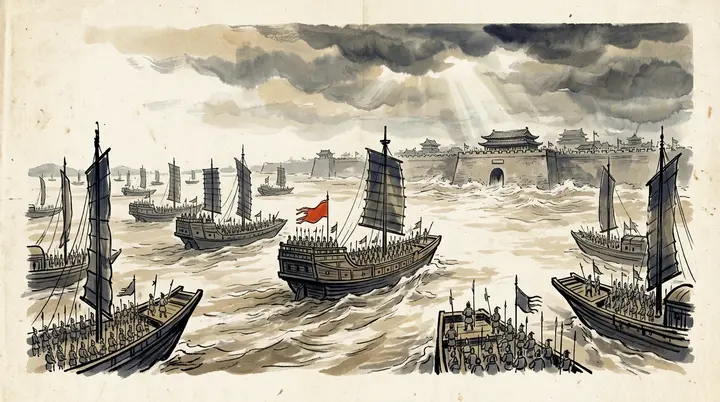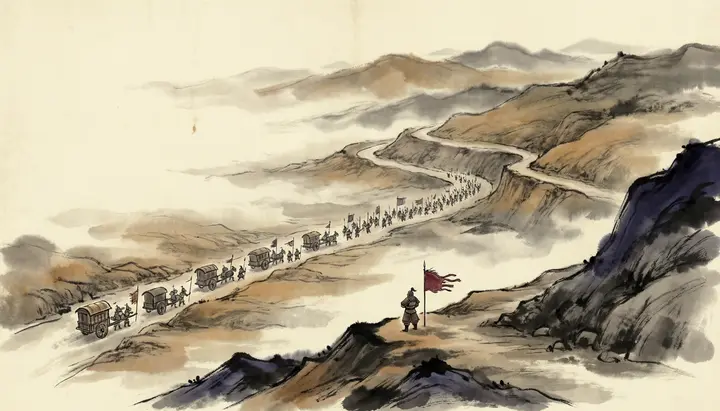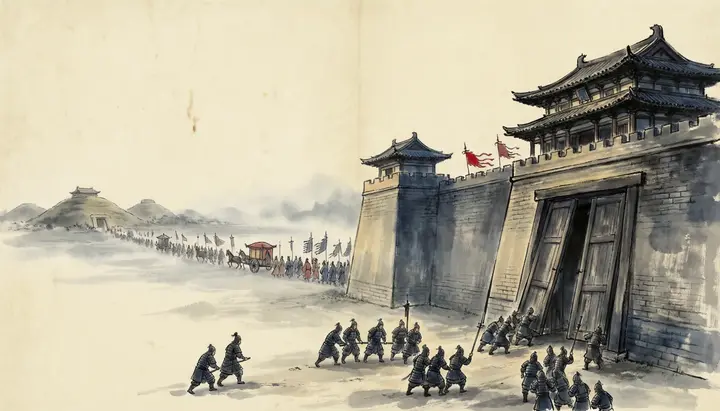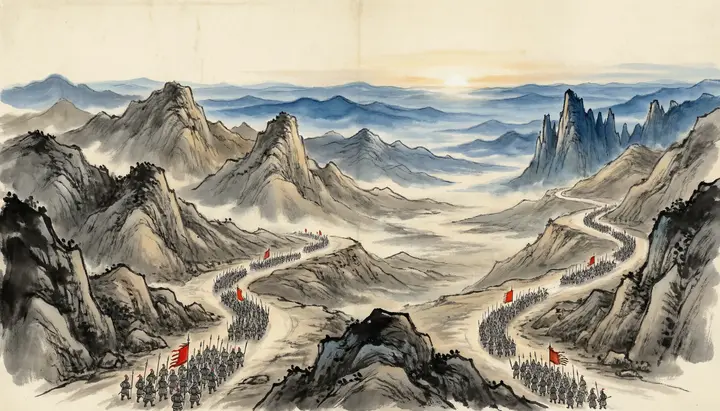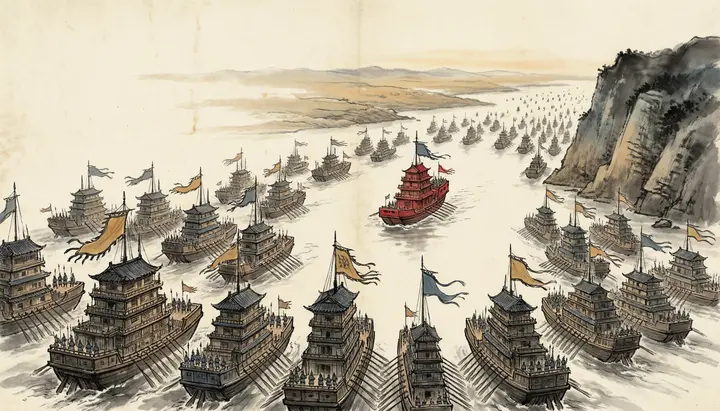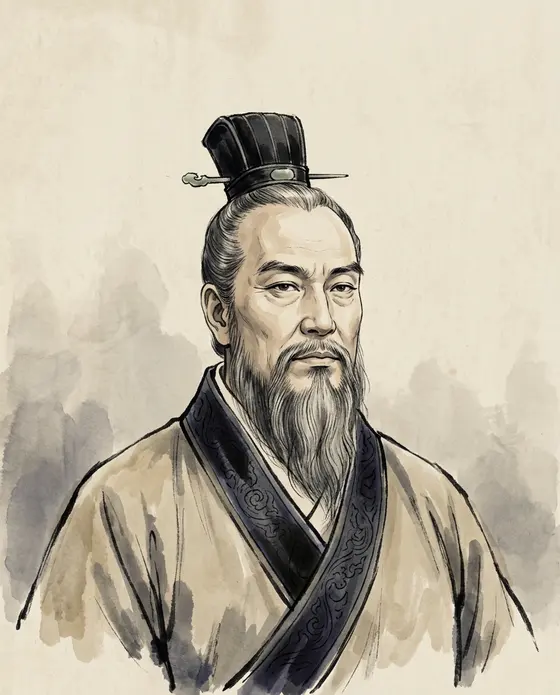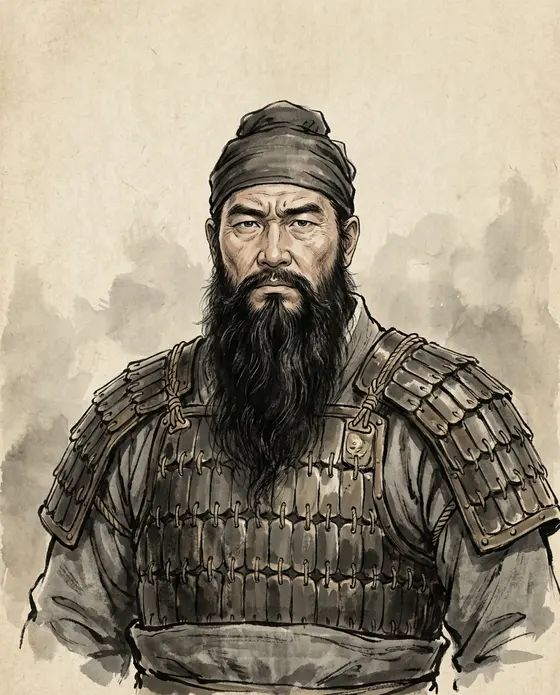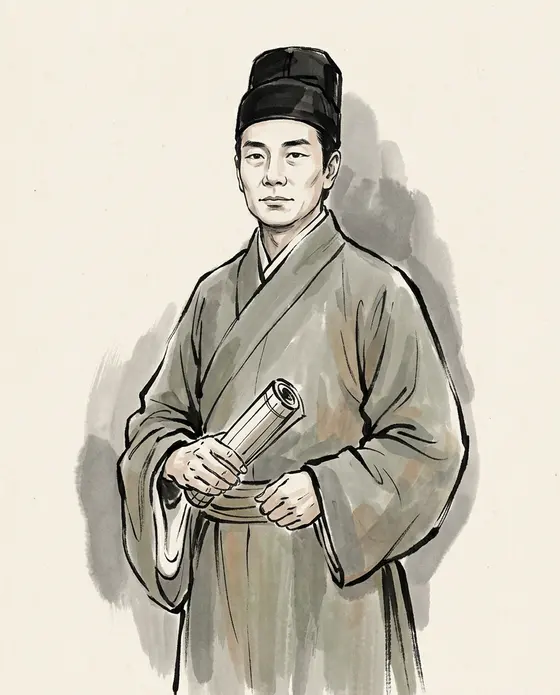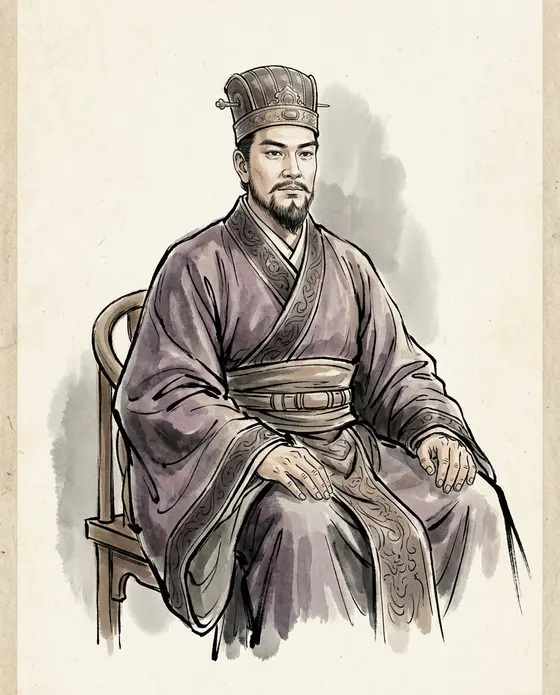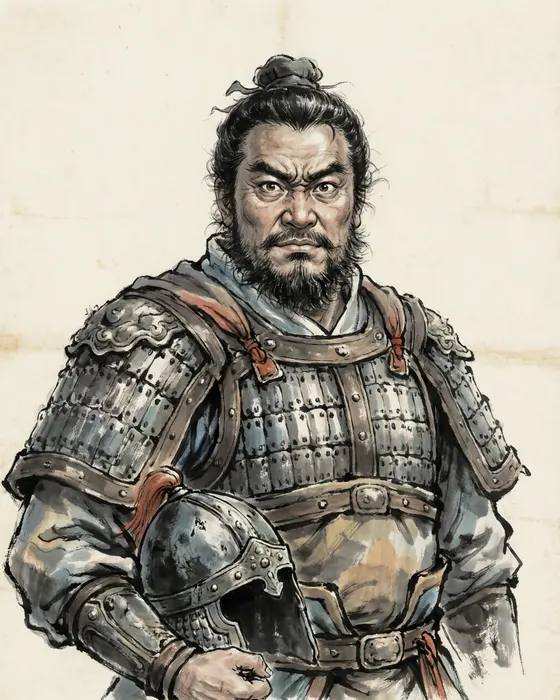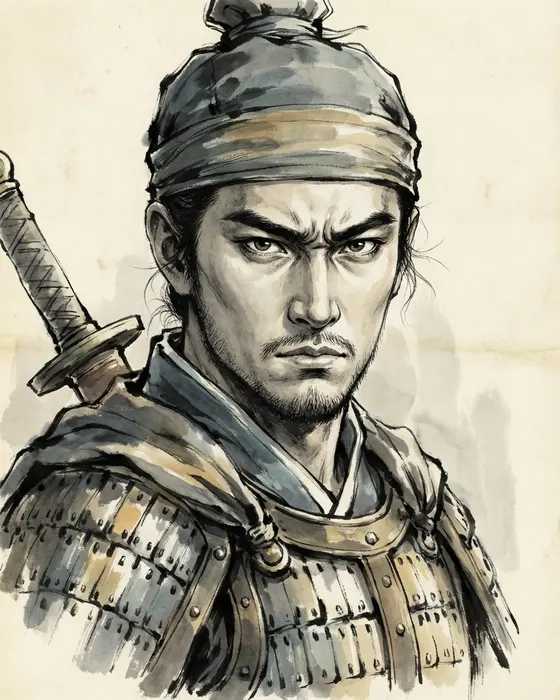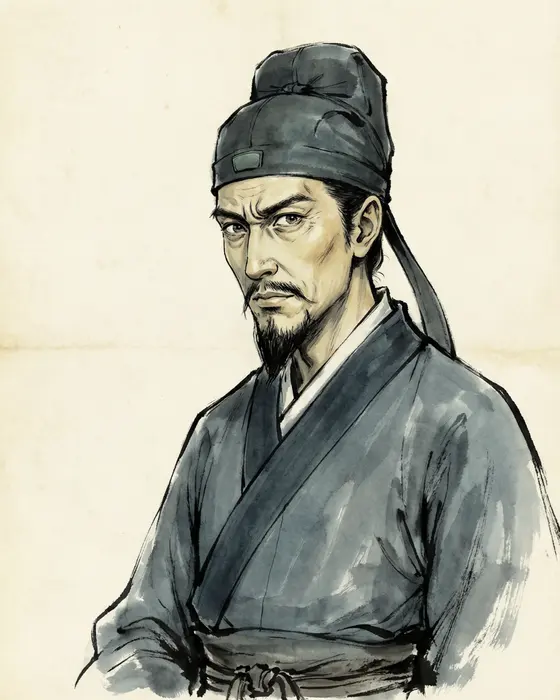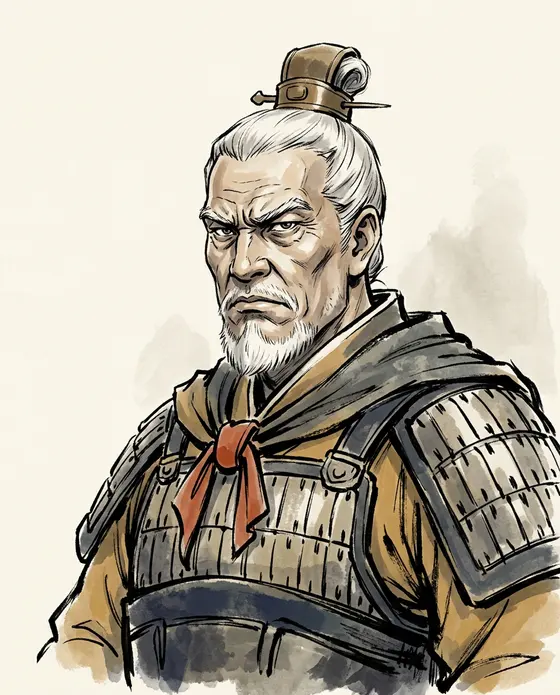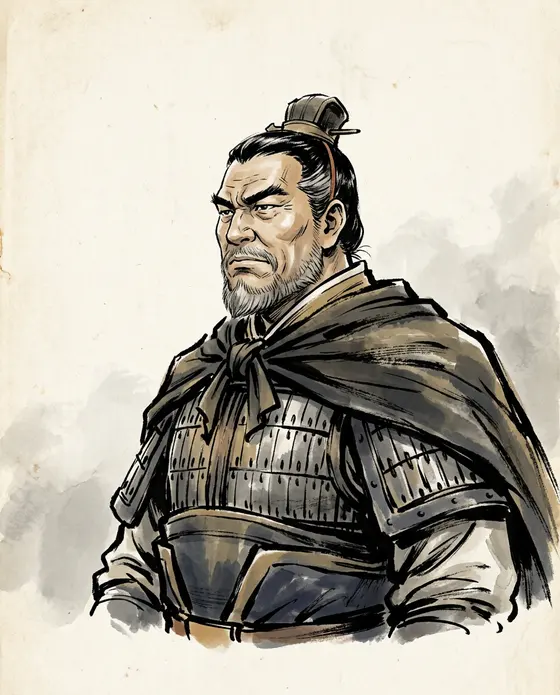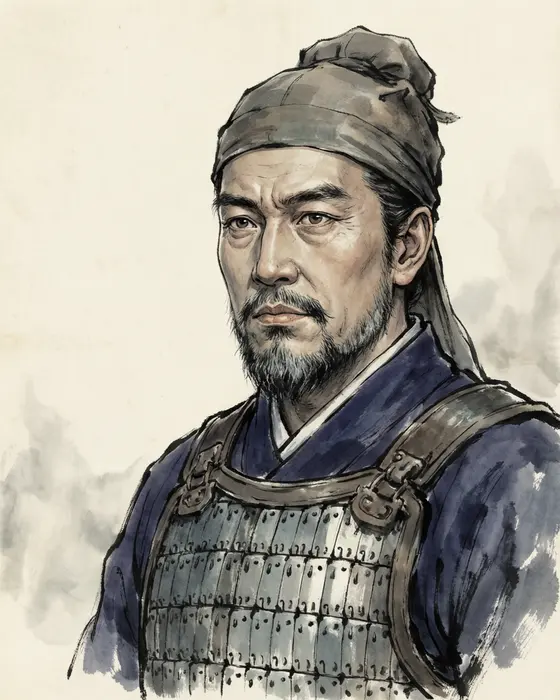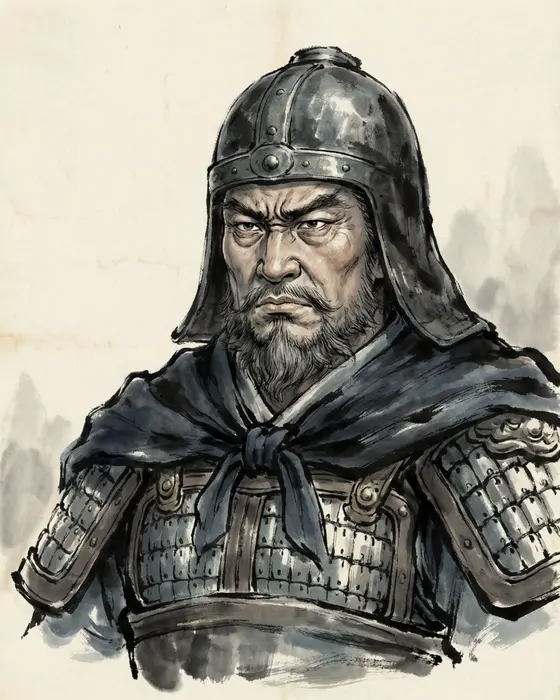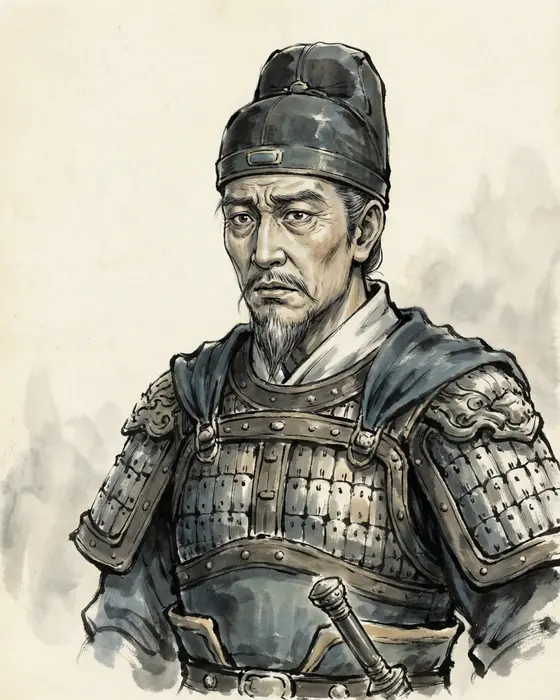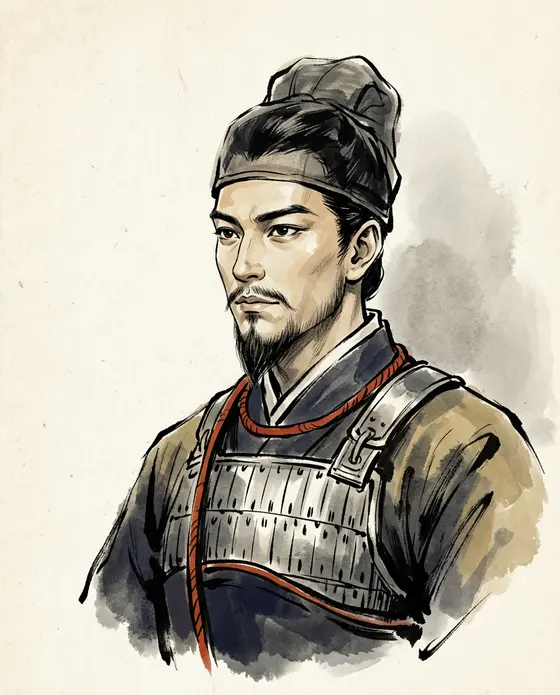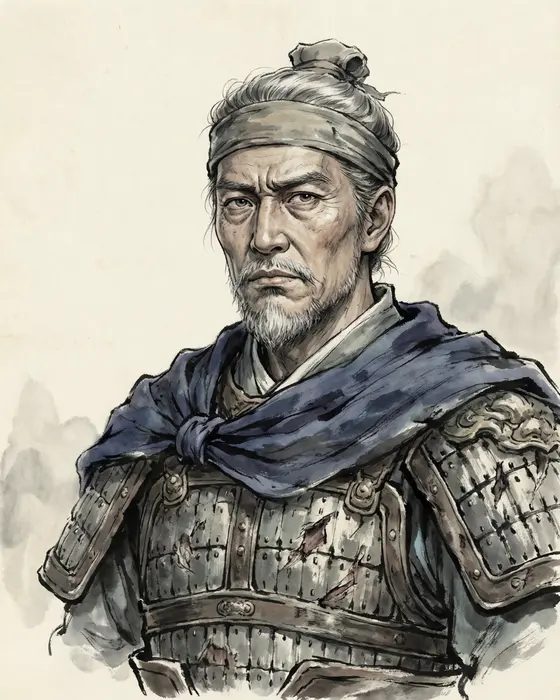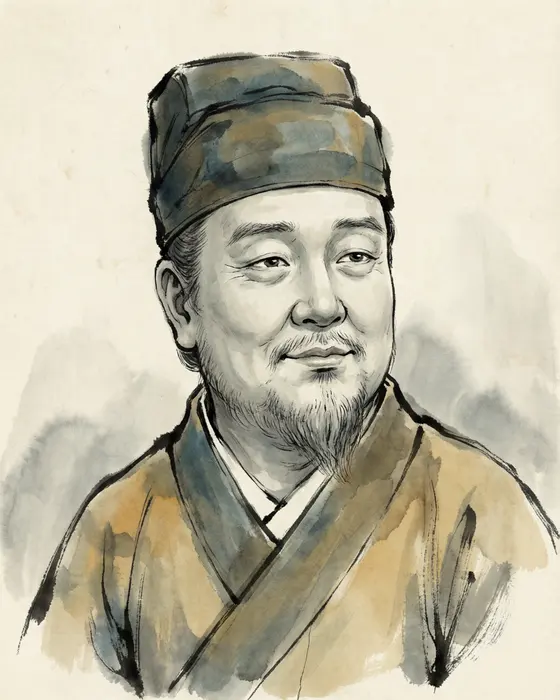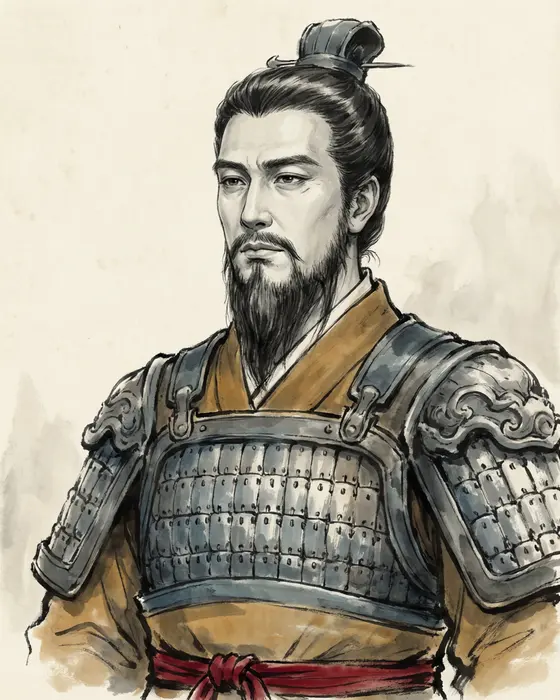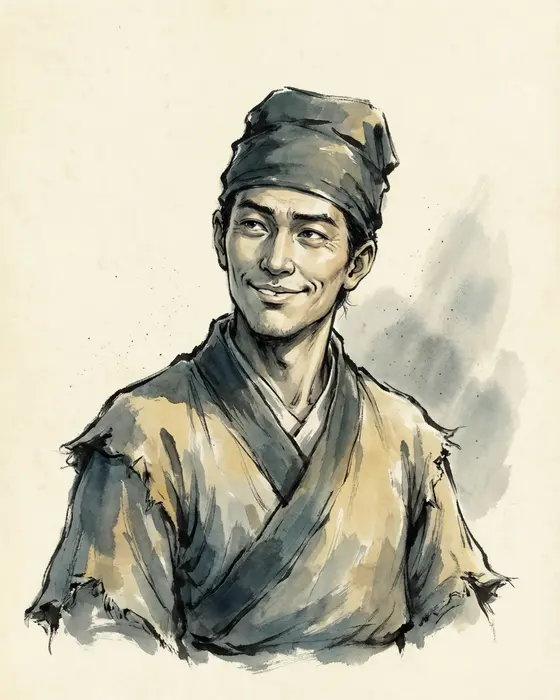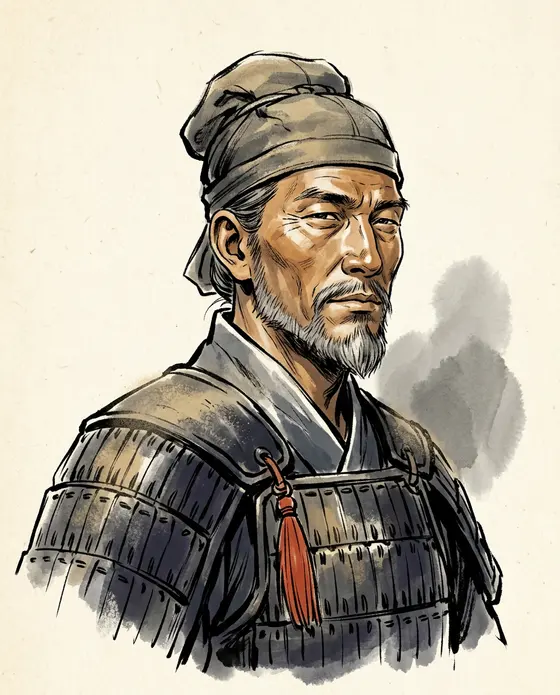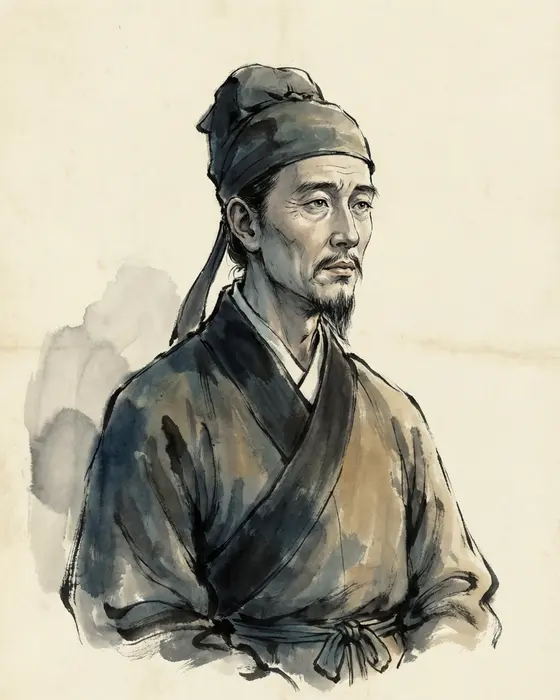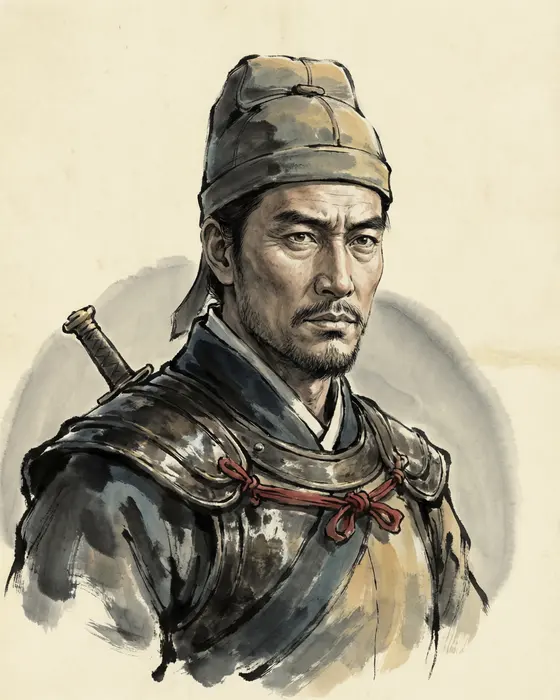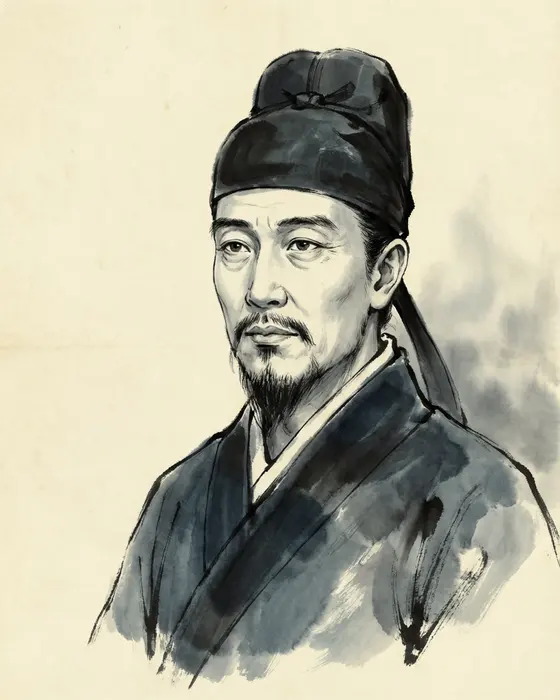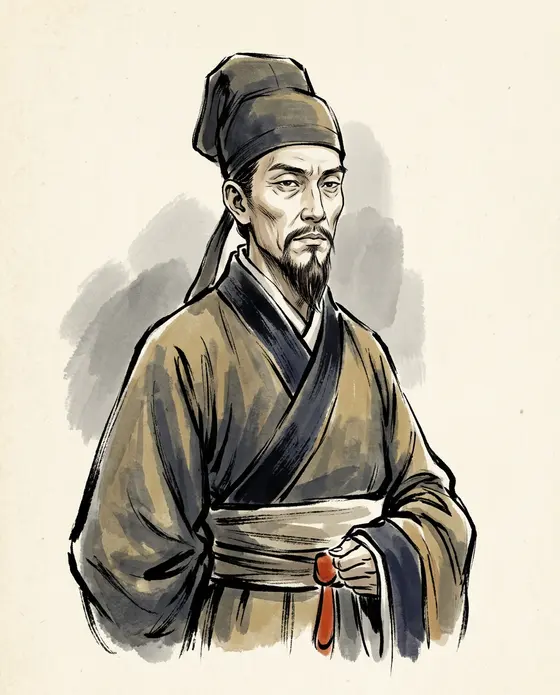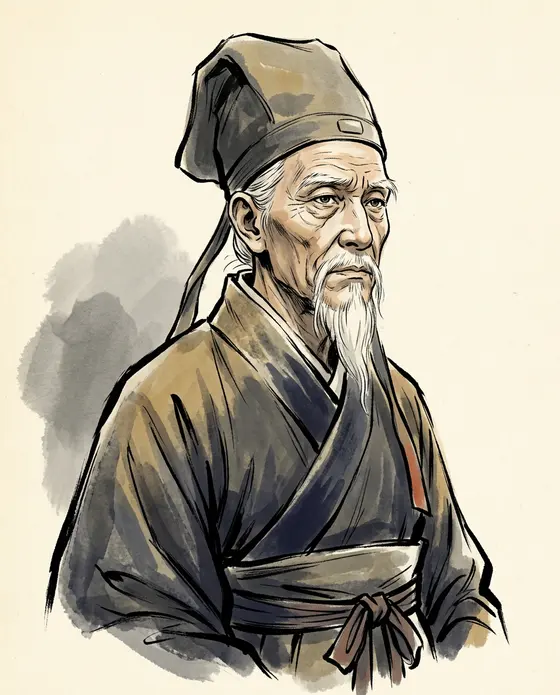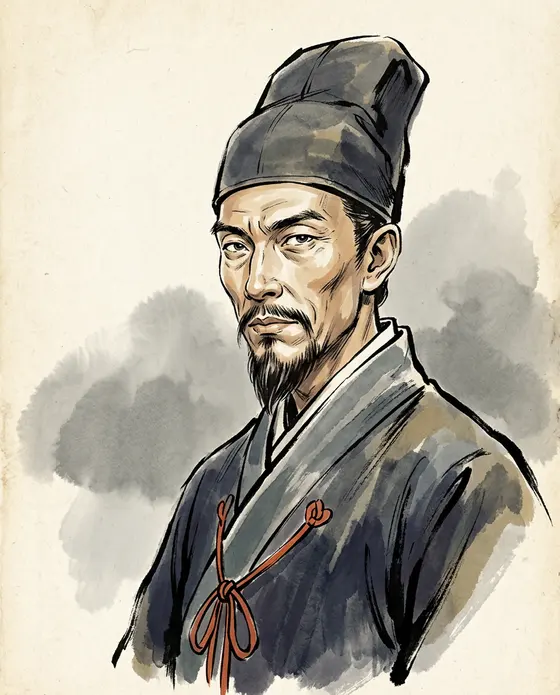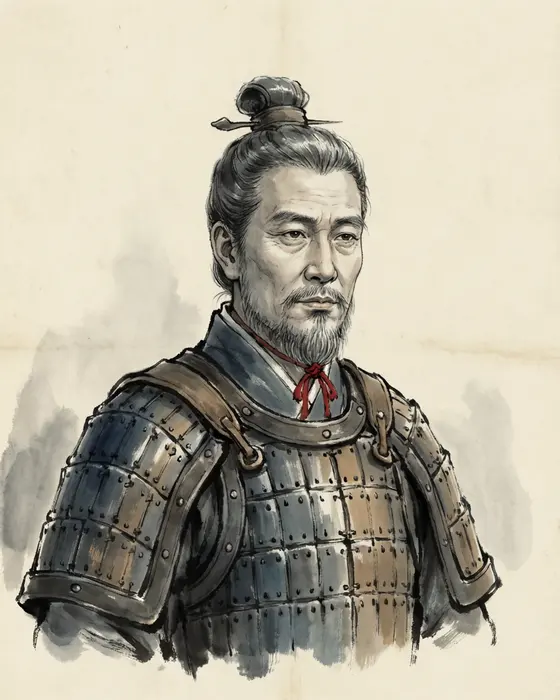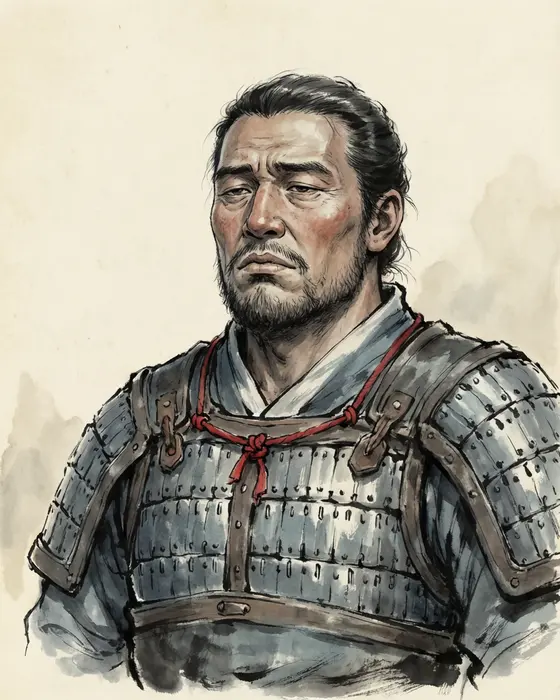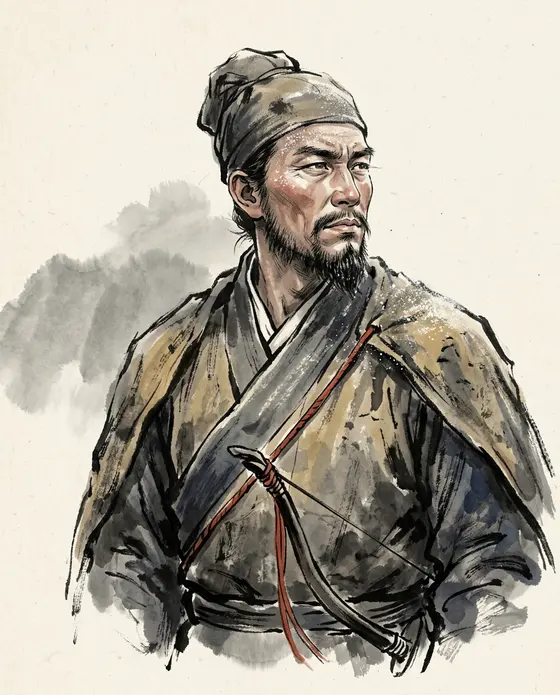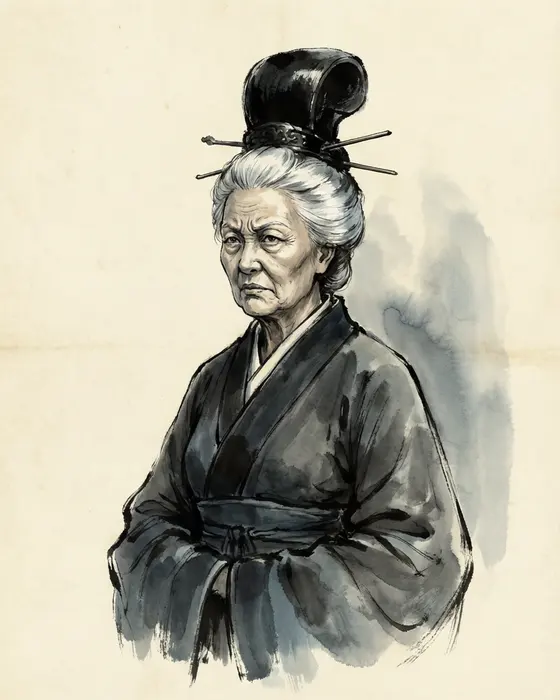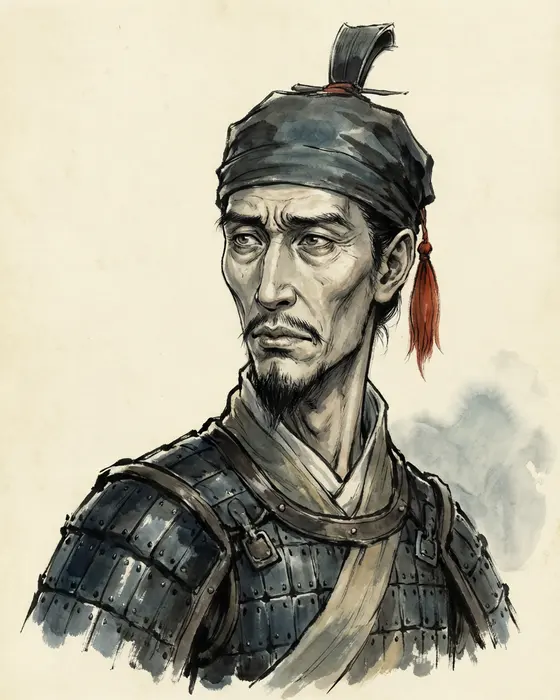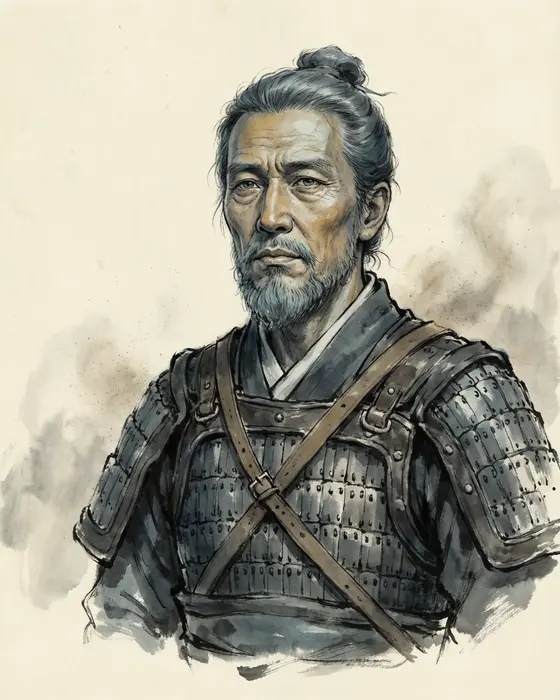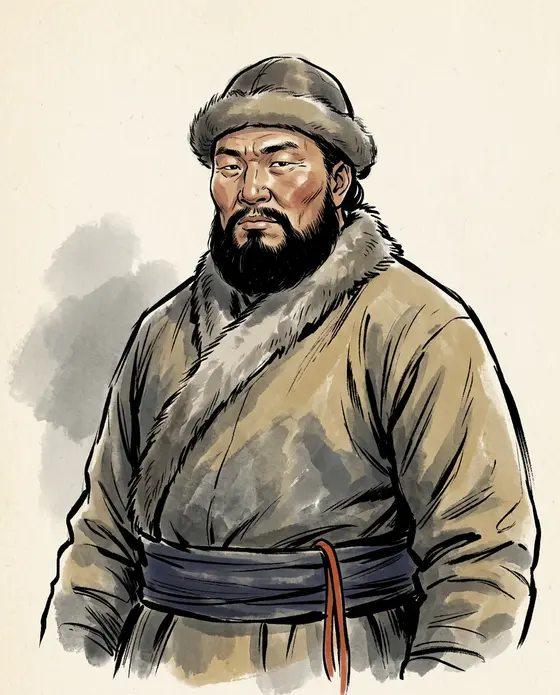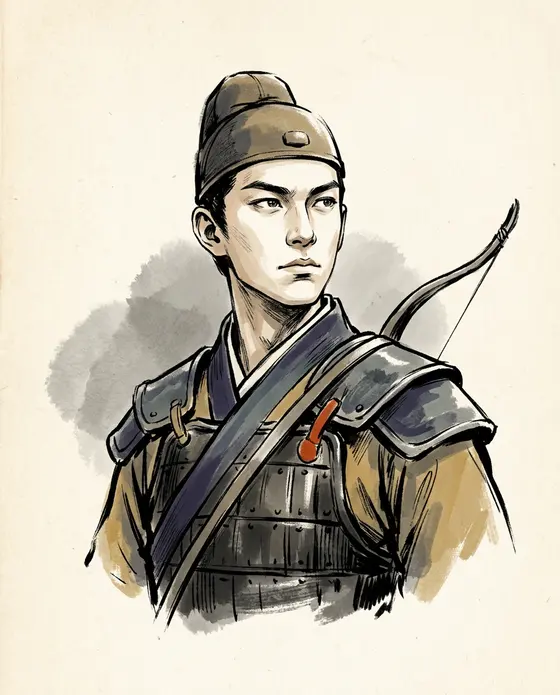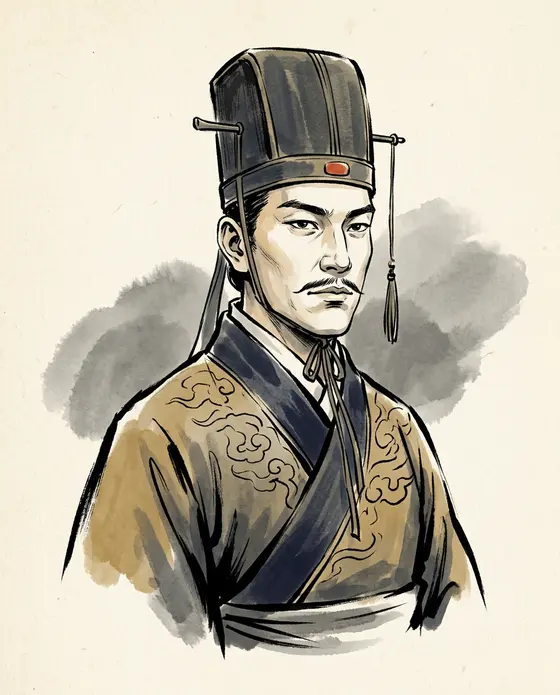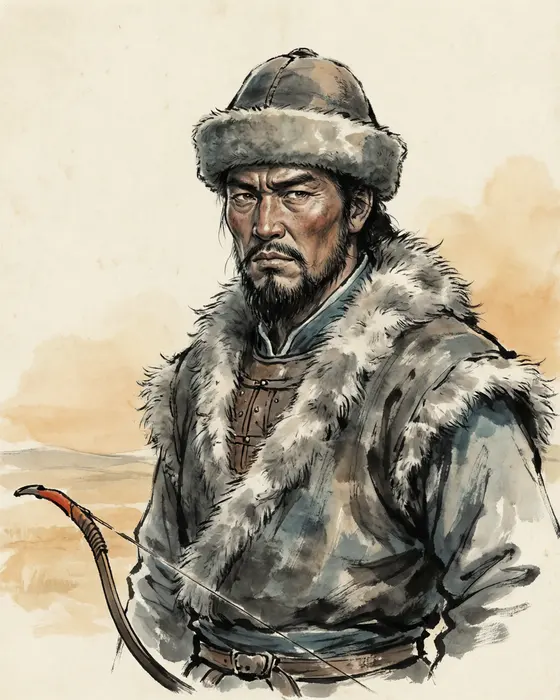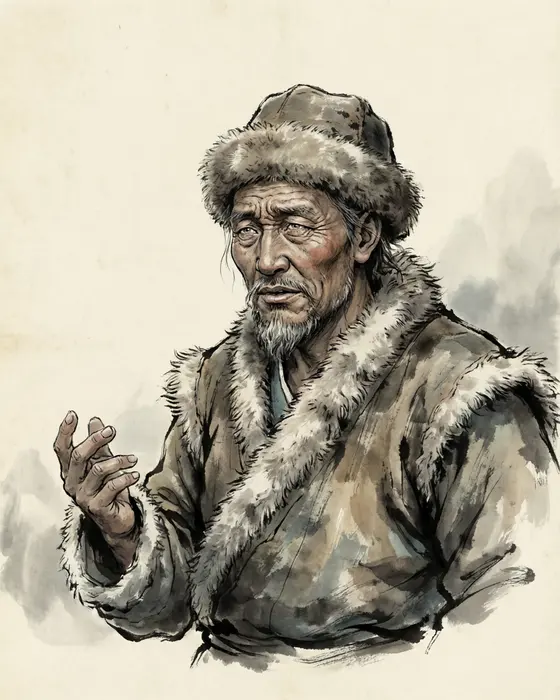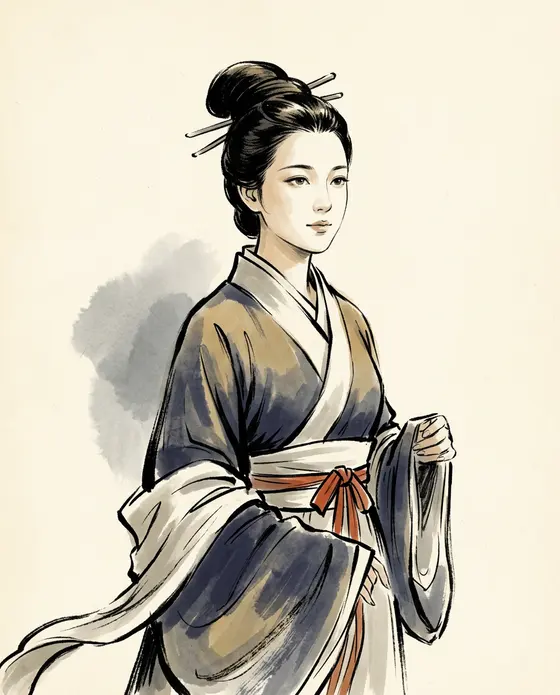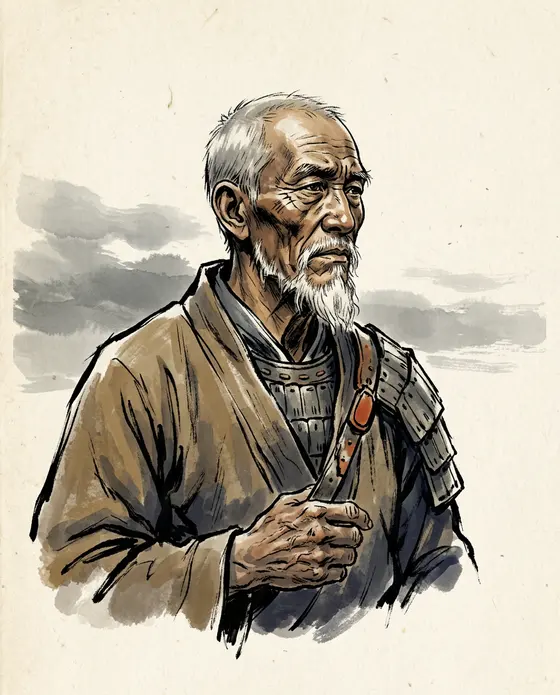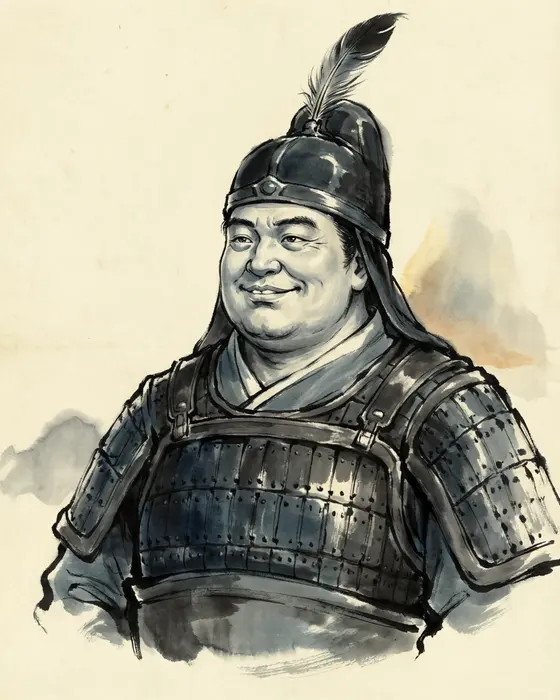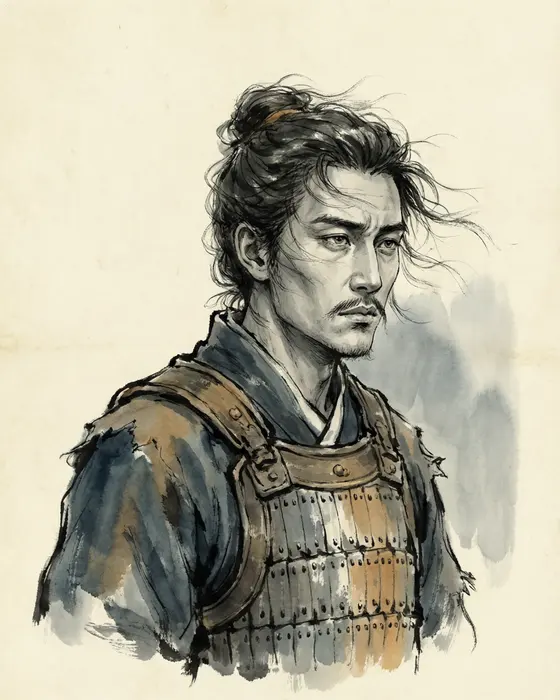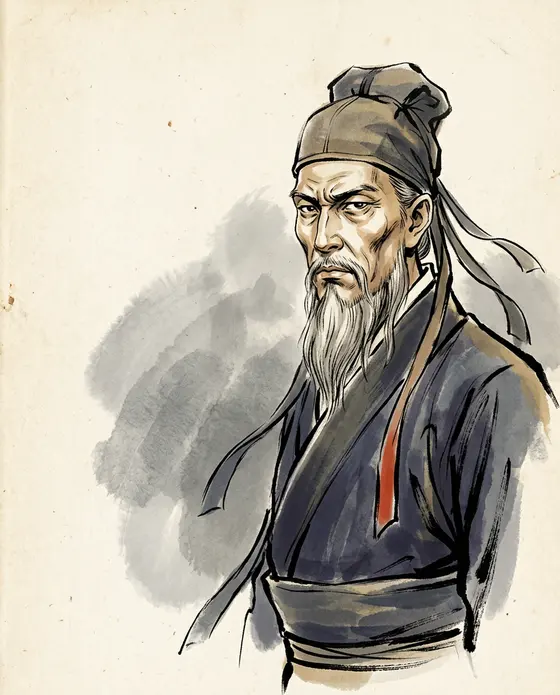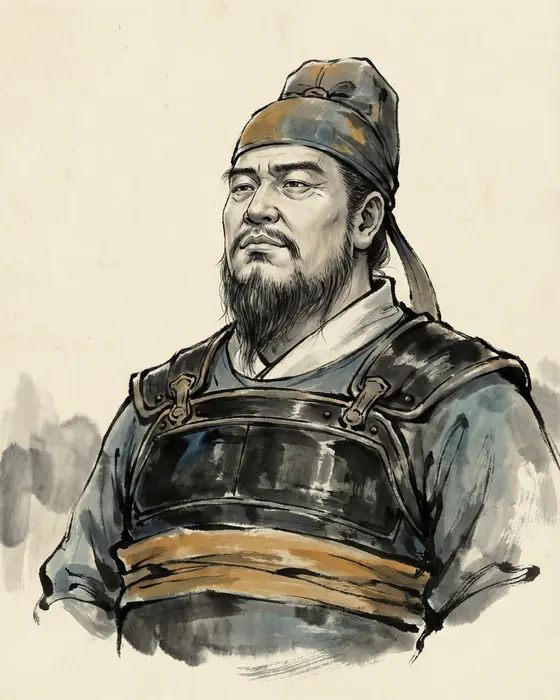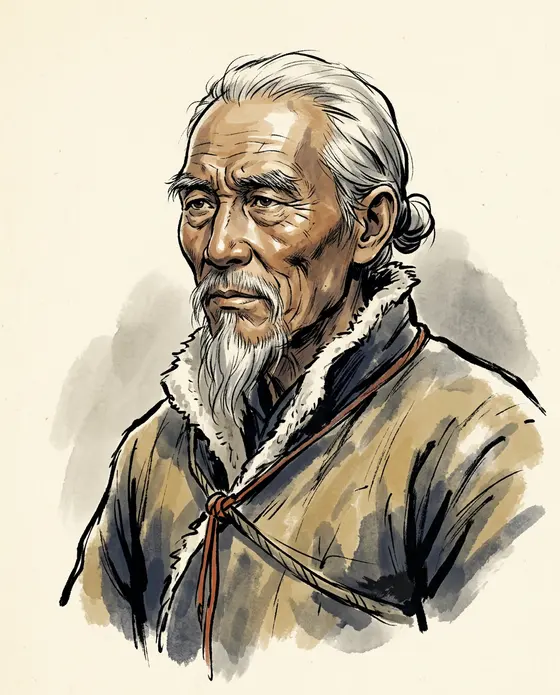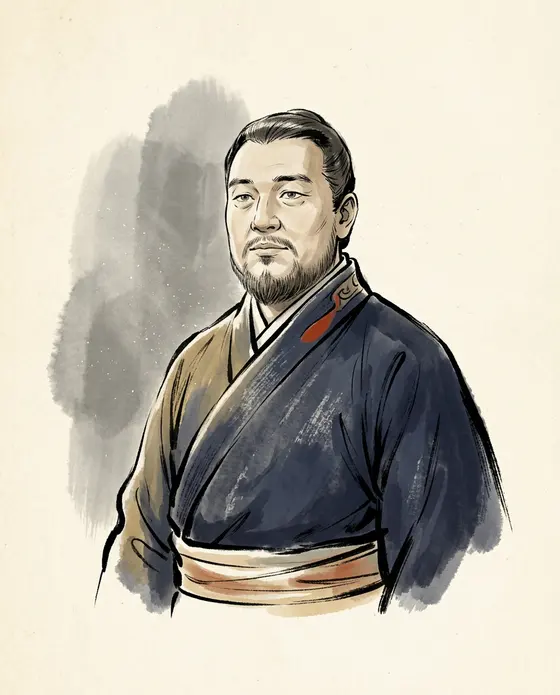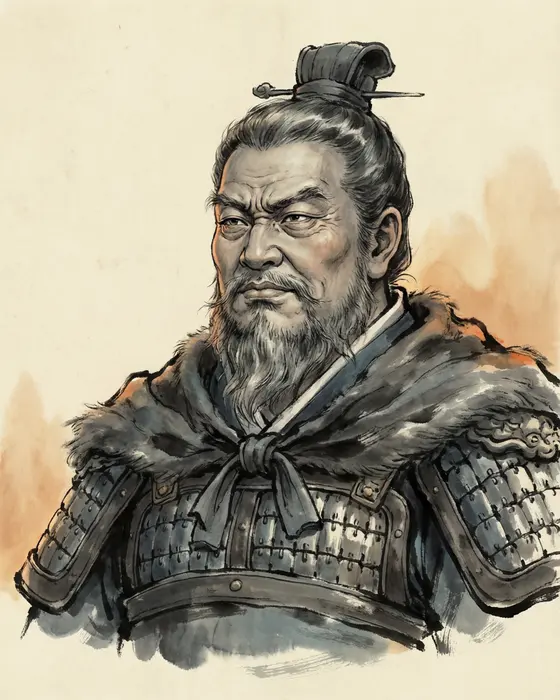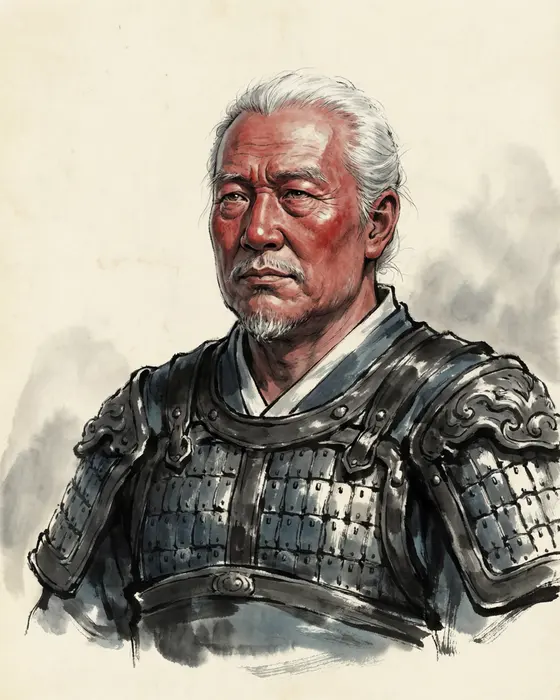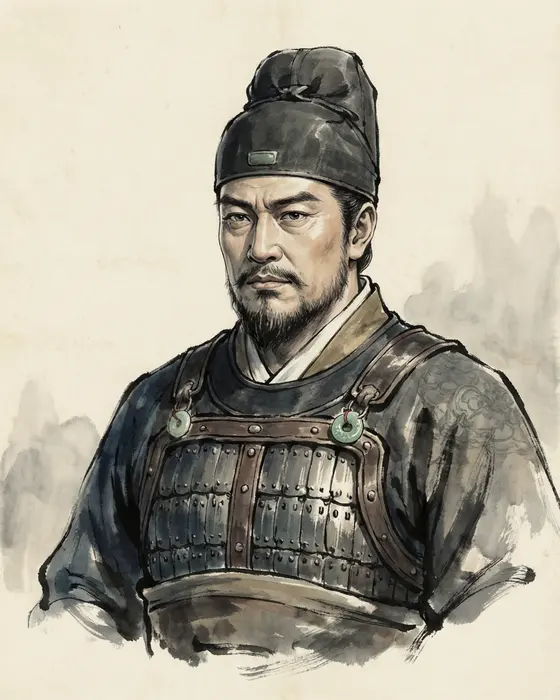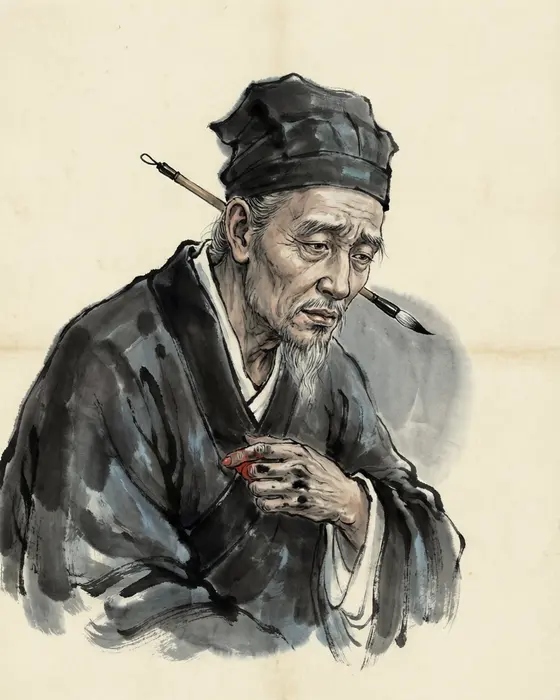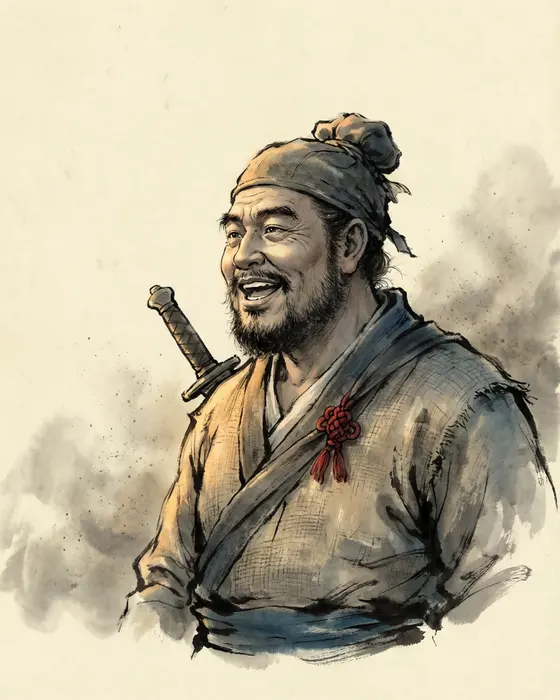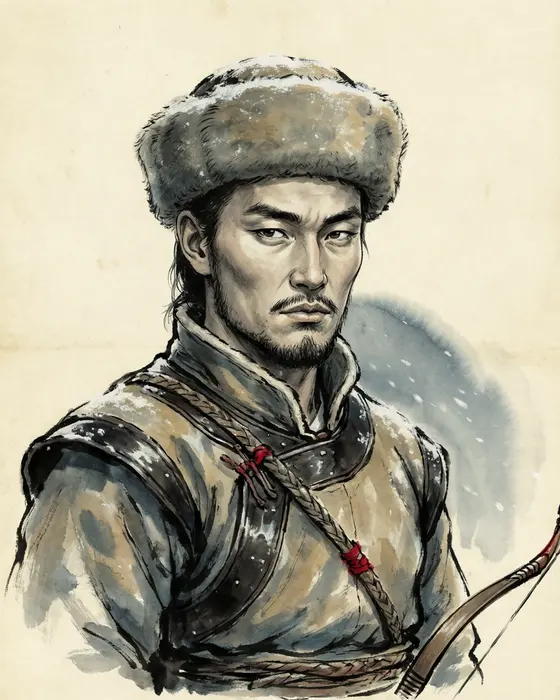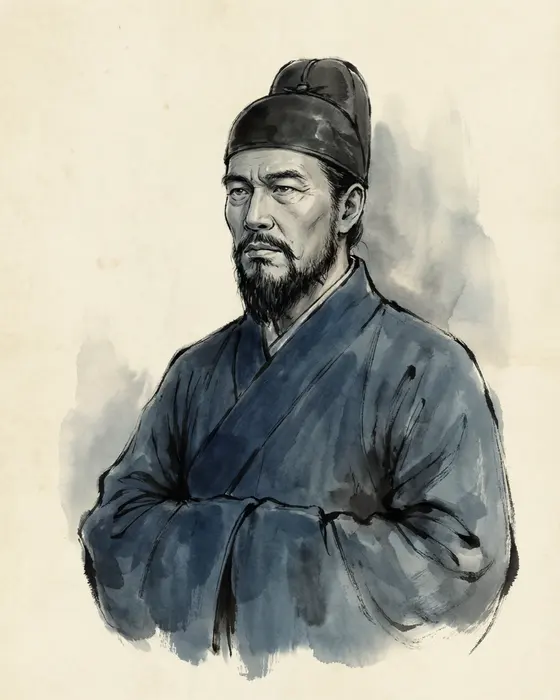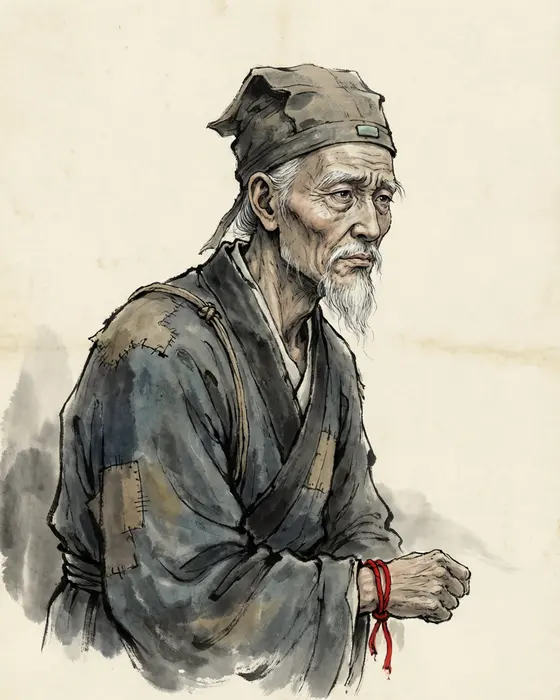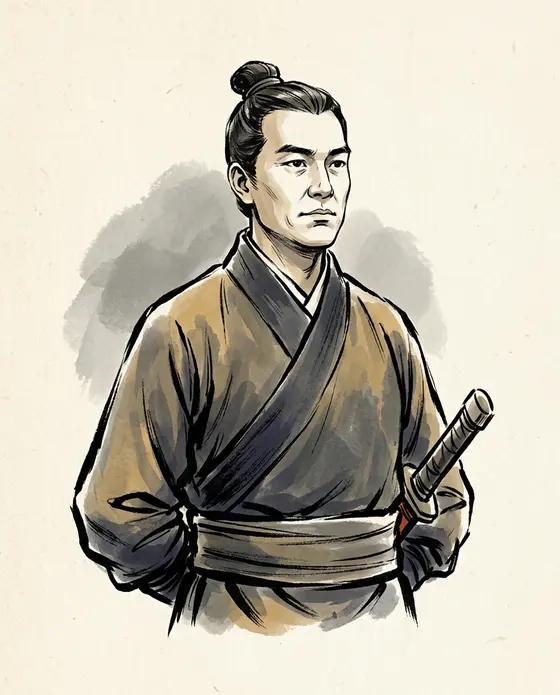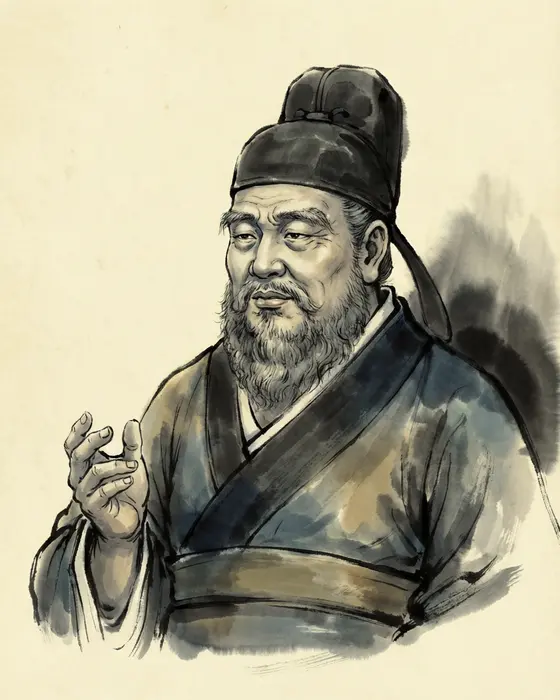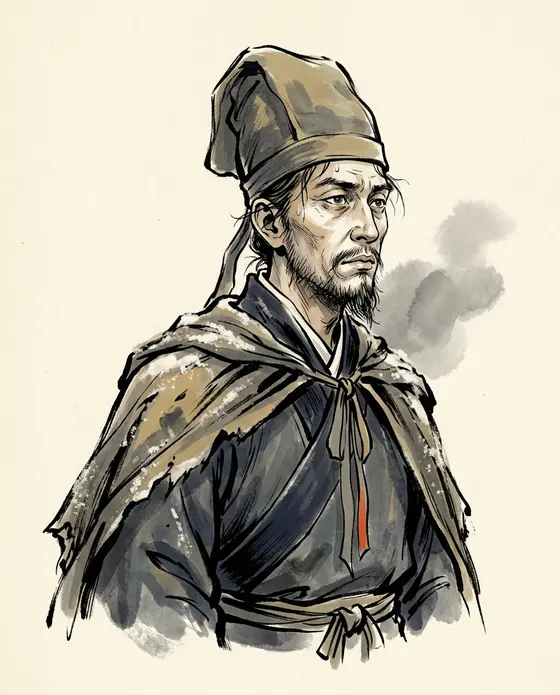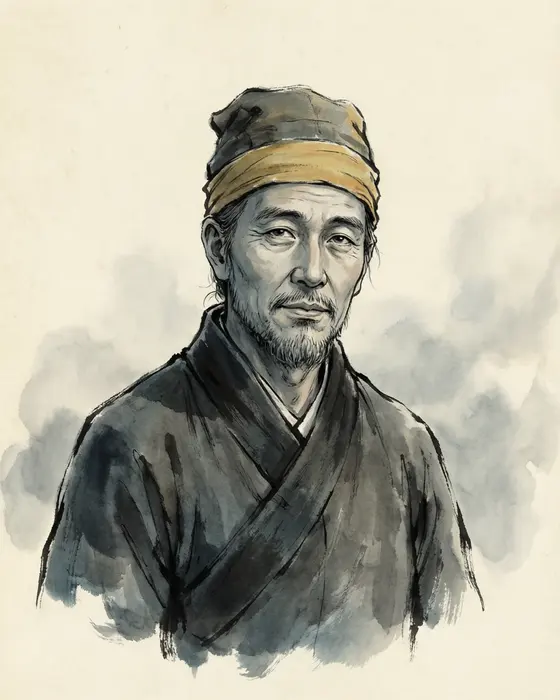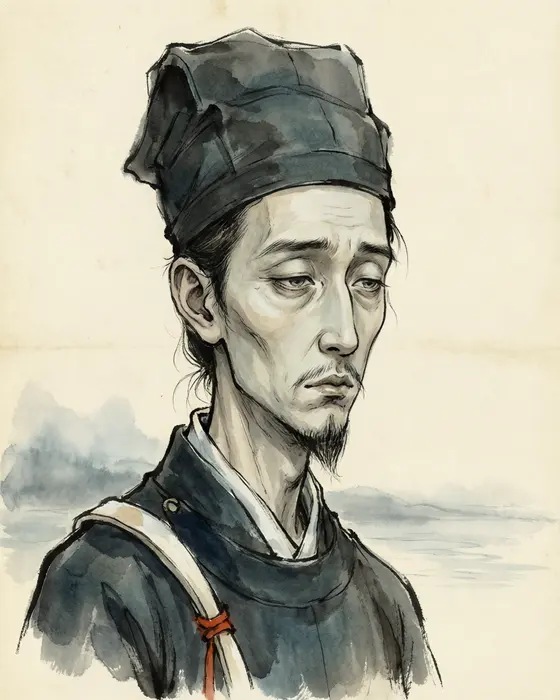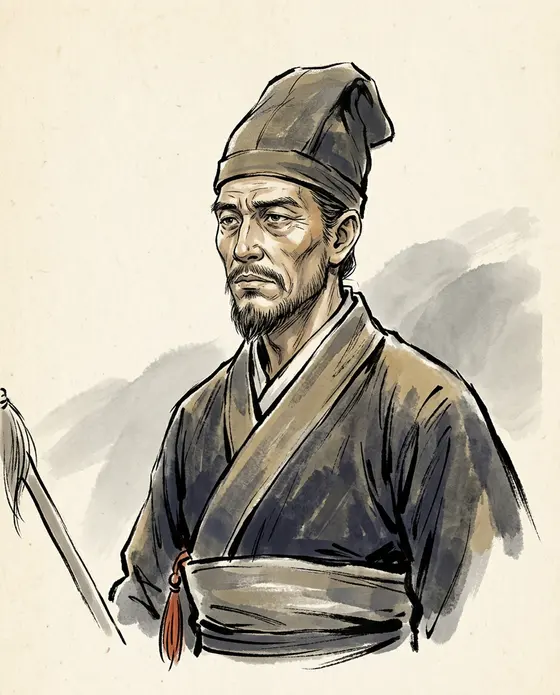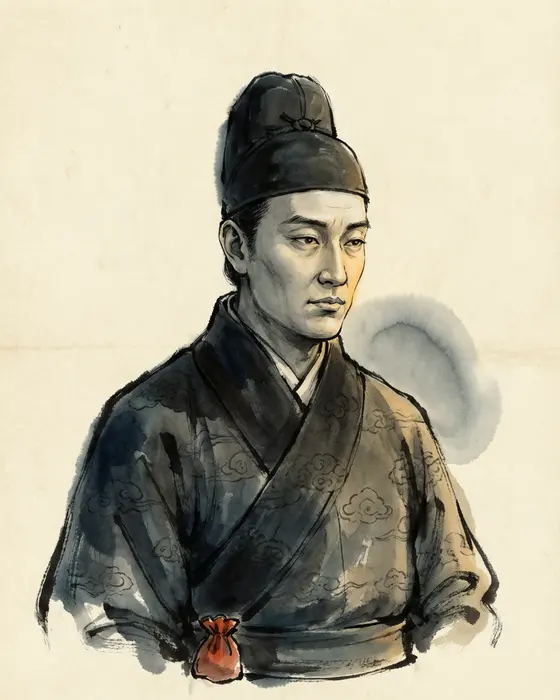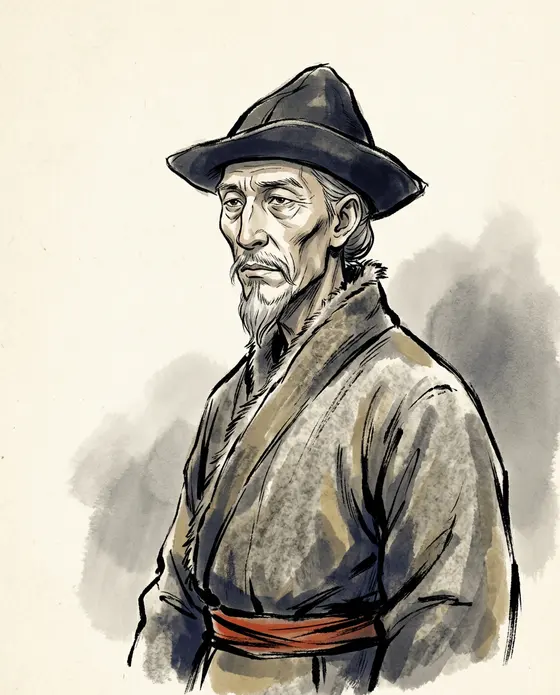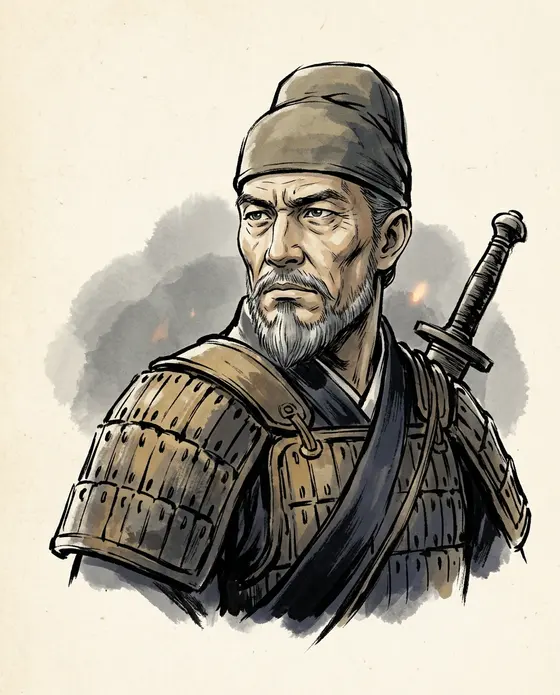
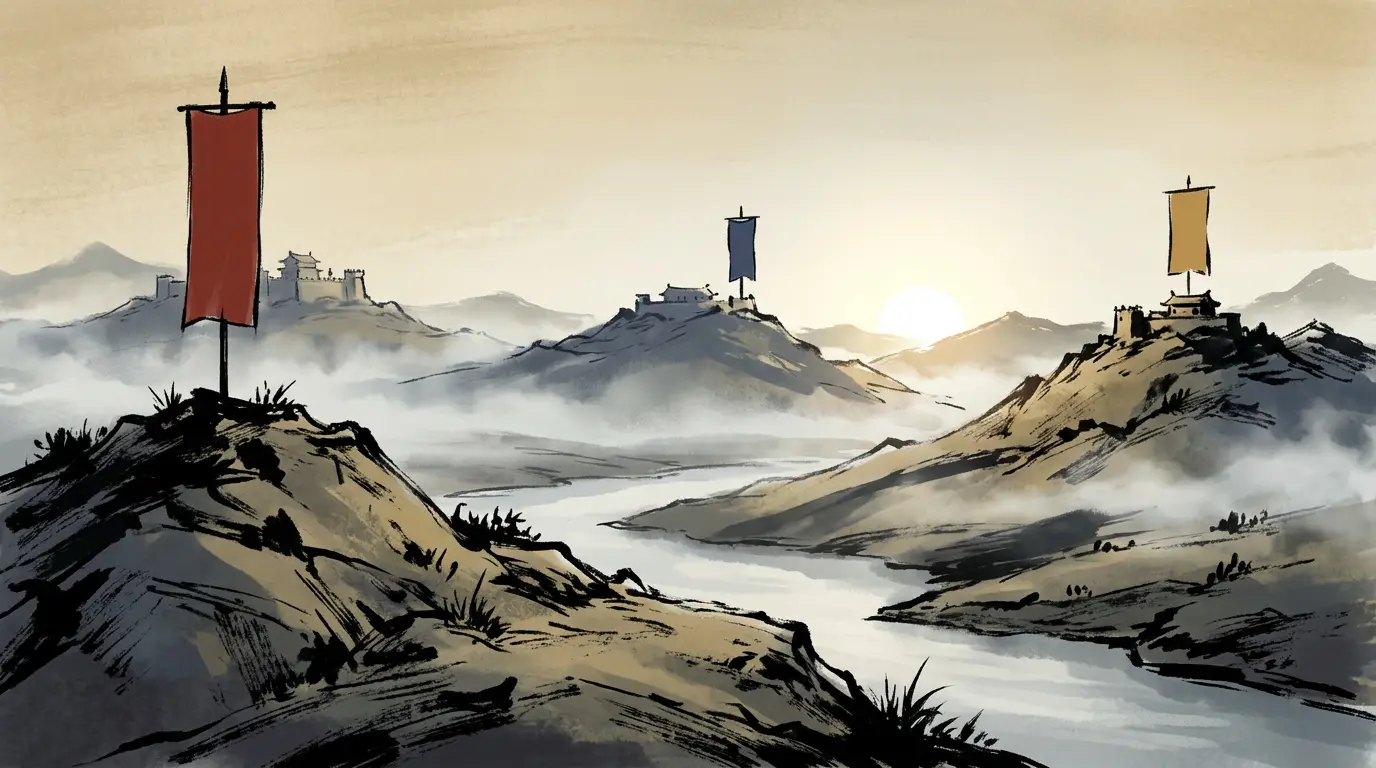
Three banners on three hills at dawn
Bamboo Scroll · a source-backed history comic

The Three Kingdoms,
before the legend.

A free English comic about the people, wars and choices that broke the Han empire — told from the histories, not from the novel.

Begin the Three Kingdoms · Fire on the Yangtze See the whole story →

12 episodes184–280 CEEvery line sourced
The first season

Three Kingdoms: history behind the legend

Start with Red Cliff, follow the river through Guandu, Yiling and Hanzhong, and watch three names become one empire again. Each episode takes about seven minutes to read.

Open the Three Kingdoms timeline and cast →
01Read the storyShort, illustrated episodes for curious readers.
02Meet the peopleFollow Cao Cao, Liu Bei, Sun Quan and the people around them.
03Check the legendMyth Checks show where the famous novel parts ways with the record.

The dynasties

The Three Kingdoms are the first season. The wider scroll will continue backward and forward through Chinese history.

The Han

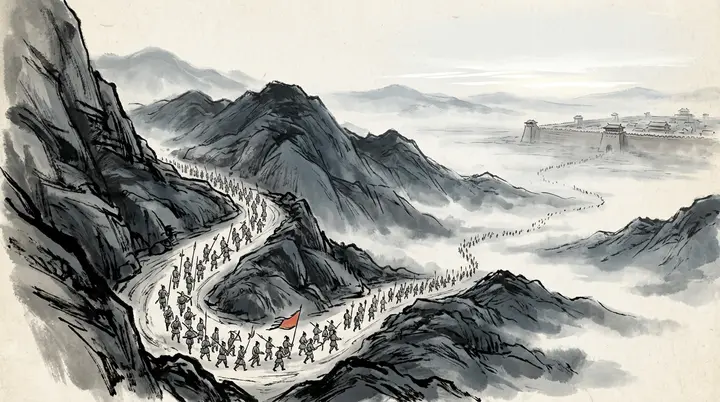
Thirteen episodes across the four centuries that gave China its name — from the hour a rebel army walked out of a mountain pass and promised the conquered a law worth obeying, to the year the empire's glue failed and the warlords inherited its provinces. Read them in order, or start anywhere.

Three Kingdoms

Twelve episodes, running the whole arc of the age from Guandu (200) to the fall of Wu (280) — read them in order, or start anywhere. The Han line above tells you how the empire got into the state that broke.

The cast so far

Every person page leads into the exact panel they appear in.

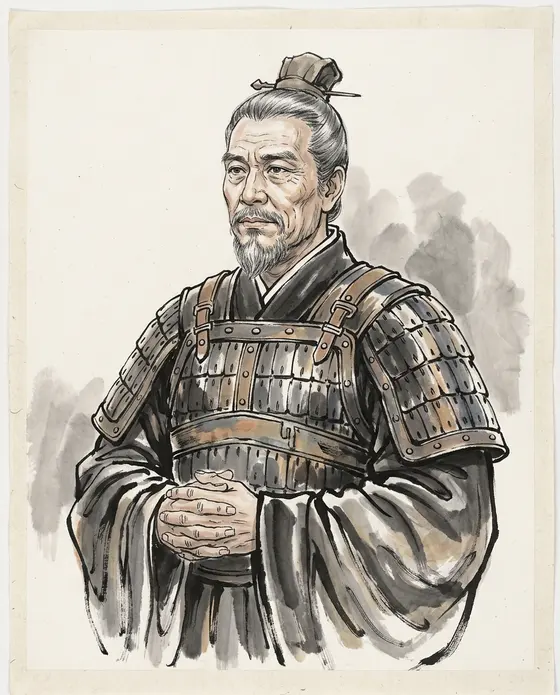
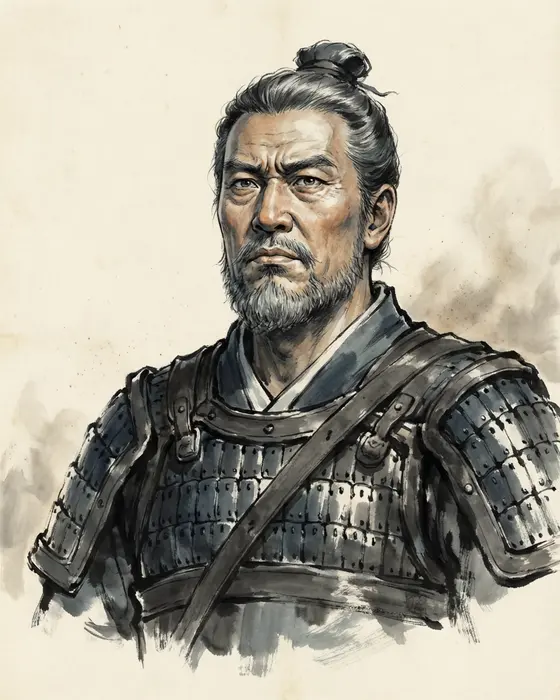
Portrait of Cao Cao
Cao Cao曹操
155–220 CE
Chancellor of Han and master of the north. Poet, administrator, and the man the novel made its villain.
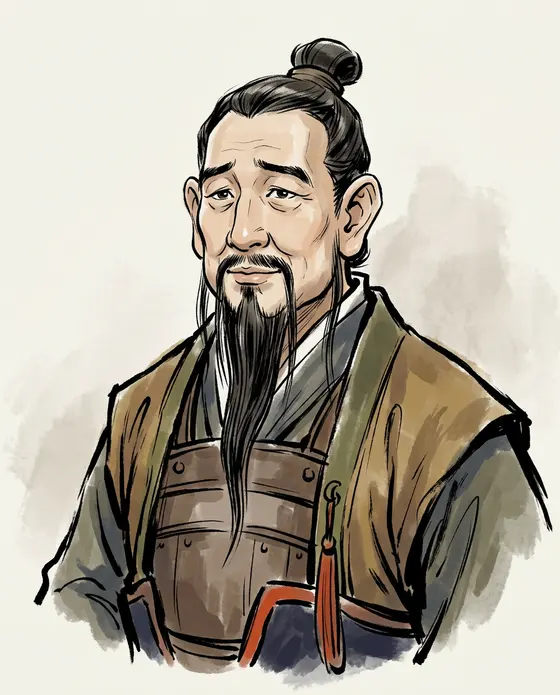
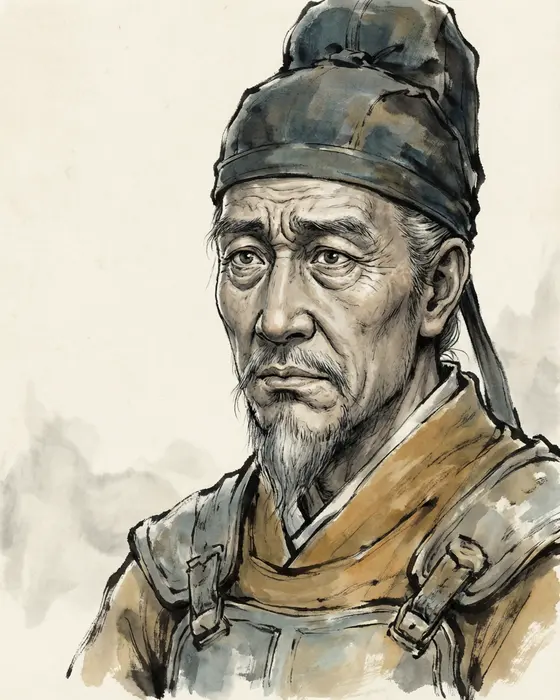
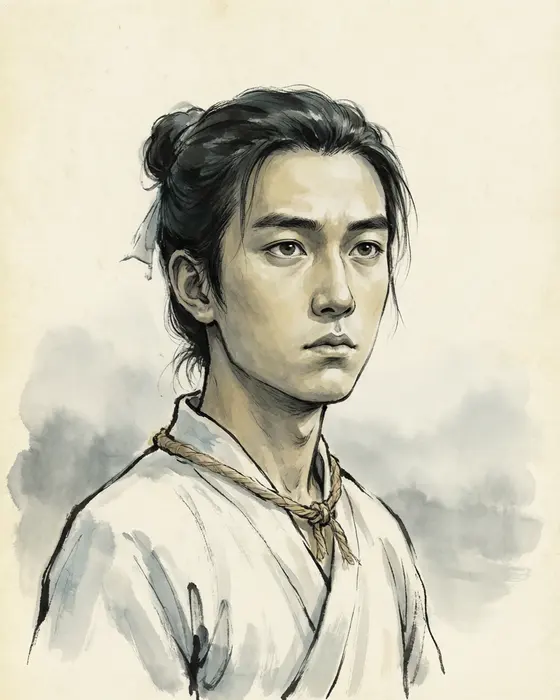
Portrait of Liu Bei
Liu Bei劉備
161–223 CE
A claimant with a famous name and almost nothing else. Began 208 in flight; ended it holding the south of Jing.
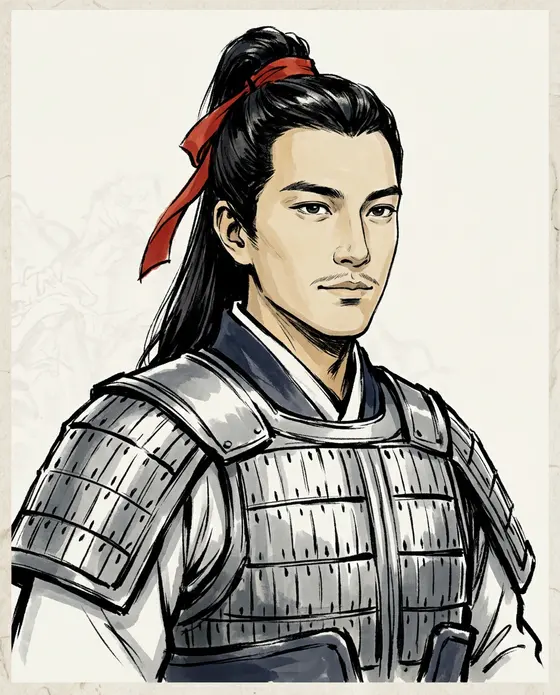
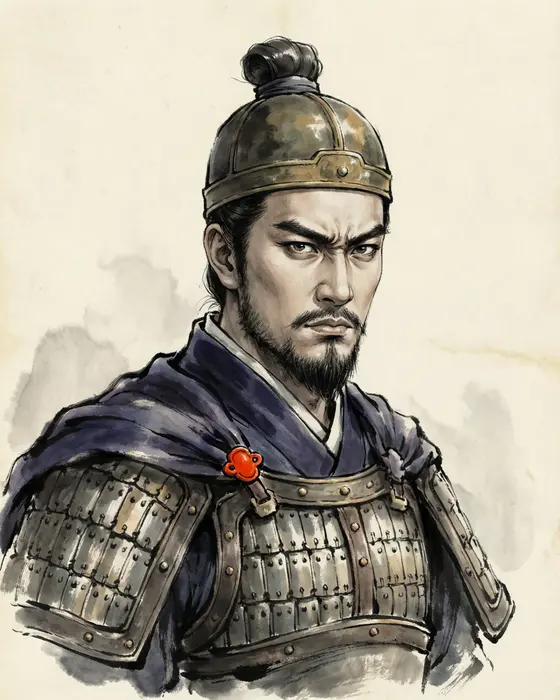
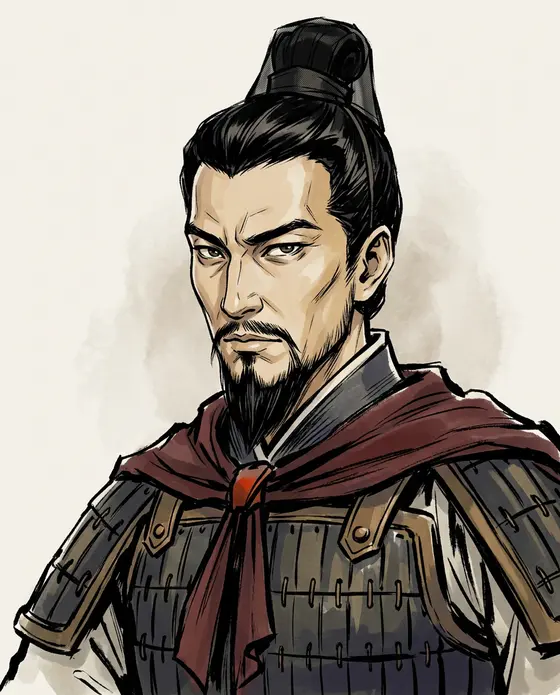
Portrait of Zhou Yu
Zhou Yu周瑜
175–210 CE
Chief commander of Wu. Read Cao Cao's army correctly and burned it. Died of illness in 210, aged 36.
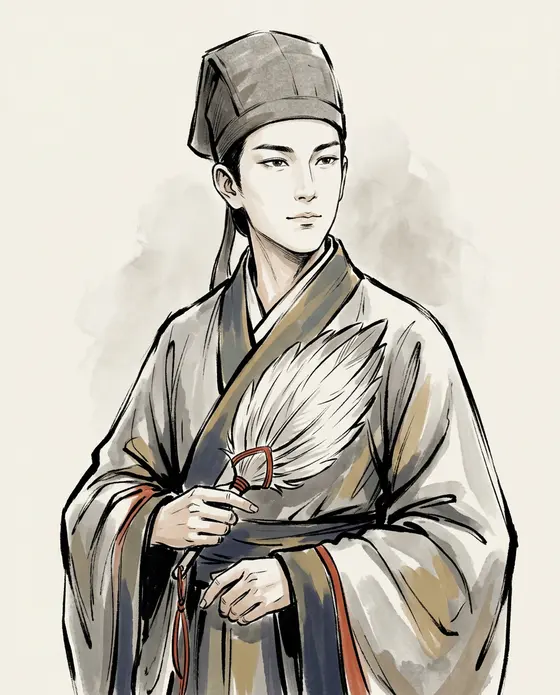
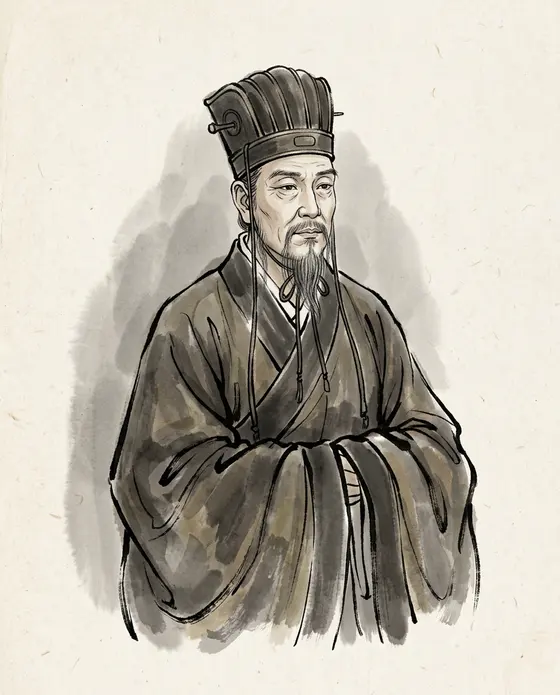
Portrait of Zhuge Liang
Zhuge Liang諸葛亮
181–234 CE
Liu Bei's strategist, 27 years old in 208. Negotiated the alliance; later governed Shu-Han.
Portrait of Yuan Shao
Yuan Shao袁紹
d. 202 CE
Heir of the Yuan clan of Runan, four generations of senior ministers. Master of four provinces north of the Yellow River — until Guandu.
Portrait of Guan Yu
Guan Yu關羽
d. 220 CE
A general of Liu Bei from the first raising of troops. In 200, briefly in Cao Cao's camp, he ended Yan Liang at Boma — then went back.
Portrait of Lu Xun
Lu Xun陸遜
183–245 CE
Grand commander of Wu at thirty-nine. Waited six months against his own generals' contempt, then burned four hundred li of stockades in a night.
Portrait of Sun Quan
Sun Quan孫權
182–252 CE
King of Wu, emperor from 229. Bought the north's neutrality on paper to take Jing province in fact, then held the river for half a century.
Portrait of Huang Quan
d. 240 CE
Counsellor of Shu who argued against the eastern war, commanded its northern bank, was cut off by the fire, and ended a honoured general of Wei.
Portrait of Sima Yi
Sima Yi司馬懿
179–251 CE
Wei's commander in the west from 231. Refused battle at the Wuzhang Plains, outlived Zhuge Liang, and left his house the empire.
Portrait of Ma Chao
Ma Chao馬超
176–222 CE
Frontier warlord of Liang Province, head of the coalition at thirty-five. Rose while his father sat hostage at Ye, broke at Tong Pass, and died in Shu.
Portrait of Han Sui
Han Sui韓遂
d. 215 CE
Old fox of the western frontier, thirty years in arms. His long acquaintance with Cao Cao became the wedge that split the coalition.
Portrait of Jia Xu
Jia Xu賈詡
147–223 CE
The coldest counsellor of the age. Answered a request for a battle plan with two words — part them — and won the war with a doctored letter.
Portrait of Xu Chu
Xu Chu許褚
d. c. 230 CE
Cao Cao's bodyguard, a man strong enough to drag an ox by the tail. At the river crossing he held up a saddle against the arrows and cut the clinging men from the boat.
Portrait of Zhang Liao
169–222 CE
Defender of Hefei. Read the sealed letter, picked eight hundred men who dared to die, and rode at their head to the king's banner. In Wu, his name quieted crying children.
Portrait of Li Dian
Li Dian李典
c. 180–215 CE
A scholarly general with a blood feud against Zhang Liao. On the morning that mattered he set it aside: public duty first, private wrong second.
Portrait of Yue Jin
Yue Jin樂進
d. 218 CE
Third general of the garrison, small of build and first over every wall. The sealed letter gave him the quieter half of the plan: hold the city.
Portrait of Ling Tong
Ling Tong凌統
189–217 CE
At the ford he spent his last hundred men to buy Sun Quan one leap of a horse, and swam back alone in full armour. Died two years later, aged twenty-nine.
Portrait of Fa Zheng
Fa Zheng法正
176–220 CE
Chief strategist of the campaign. Argued for the march on Hanzhong, planned the stroke at Dingjun, and became Prefect of the Masters of Writing in the new kingdom; died the year after the victory.
Portrait of Huang Zhong
d. 220 CE
Liu Bei's veteran general. Charged down Mount Dingjun with the drums rolling in 219, broke Xiahou Yuan's army, and slew him.
Portrait of Xiahou Yuan
Xiahou Yuan夏侯淵
d. 219 CE
Cao Cao's general in the west, of whom his soldiers said five hundred li in three days. Held Hanzhong for four years; died beneath the heights of Dingjun.
Portrait of Lu Meng
Lu Meng呂蒙
178–220 CE
Sun Quan's commander on the Yangtze. Feigned illness, crossed in merchant dress, and took a province without a pitched battle. Died weeks after the victory.
Portrait of Cao Ren
Cao Ren曹仁
168–223 CE
Cao Cao's cousin, holding Fancheng against the flood. Bailed the walls and would not go; the siege broke around him, not through him.
Portrait of Yu Jin
Yu Jin于禁
d. 221 CE
The senior veteran of Cao Cao's frontier wars. The rains drowned the seven armies he brought to Fancheng; he surrendered, and lived to be ashamed of it.
Portrait of Cao Xiu
Cao Xiu曹休
d. 228 CE
Cousin of the Wei house and commander of the eastern front. Believed the defector, marched deepest of the three Wei armies, and died within the year.
Portrait of Zhou Fang
Zhou Fang周魴
d. c. 228 CE
Grand Administrator of Poyang. Sent seven articles of false intelligence, cut his hair before his own king, and pulled a hundred thousand men into an ambush.
Portrait of Jia Kui
Jia Kui賈逵
d. 228 CE
Governor of Yuzhou on Wei's eastern flank. Warned, marched anyway, arrived too late for the battle — and just in time to save Cao Xiu.
Portrait of Cao Shuang
d. 249 CE
Co-regent and kinsman of the imperial house. Held the court through his brothers and favourites, pushed Sima Yi aside, and rode out of the city on the morning that mattered. Surrendered on a promise of safety; executed with his faction ten days later.
Portrait of Cao Fang
Cao Fang曹芳
c. 231–274 CE
Emperor of Wei from the age of eight. Rode out to the Gaoping Tombs and rode back a guest in his own palace; deposed by the Sima house in 254, he died in retirement in 274.
Portrait of Jiang Ji
Jiang Ji蔣濟
d. 249 CE
Veteran minister whose name gave weight to an oath. His letter to the camp promised Cao Shuang no more than the loss of office; he watched the promise break, and died of remorse within months.
Portrait of Sima Shi
Sima Shi司馬師
208–255 CE
Sima Yi's elder son. Quietly gathered three thousand sworn retainers who answered when the gates closed; after his father's death he ruled Wei in all but name.
Portrait of Deng Ai
Deng Ai鄧艾
d. 264 CE
Frontier general who rose out of poverty. Held the western border against Jiang Wei for a decade, then took some thirty thousand men over seven hundred li of trackless mountains, broke Zhuge Zhan at Mianzhu, and received Chengdu's surrender. He was dead within months, killed in the aftermath of his own victory.
Portrait of Zhong Hui
Zhong Hui鍾會
225–264 CE
Son of the calligrapher Zhong You, and the man who planned the conquest of Shu. Led more than a hundred thousand to Jiange and could not pass it; watched Deng Ai win the war; then raised rebellion at Chengdu and died in the mutiny, aged forty.
Portrait of Jiang Wei
Jiang Wei姜維
202–264 CE
Shu-Han's last great general, twenty-five years at war with the north. Held Zhong Hui's main army at Jiange, took his own emperor's order to surrender, and then tried to turn the conquerors against each other; died in the mutiny at Chengdu in 264.
Portrait of Liu Shan
Liu Shan劉禪
207–271 CE
Liu Bei's son, forty-one years emperor of Shu-Han. Surrendered Chengdu in 263 to spare it a sack; at Luoyang told Sima Zhao he was content and did not miss Shu. The record keeps his words and leaves the judgment to the reader.
Portrait of Zhuge Zhan
Zhuge Zhan諸葛瞻
227–263 CE
Zhuge Liang's son and Shu's last field commander. Refused Deng Ai's offer of a kingship and killed the messenger, then died with his son at Mianzhu in 263, aged thirty-seven.
Portrait of Wang Jun
Wang Jun王濬
206–285 CE
Governor of Yi Province who spent seven years building the great fleet, melted the river's iron chains with torches of sesame oil, and sailed into Shitou to receive the last emperor's surrender.
Portrait of Sima Yan
Sima Yan司馬炎
236–290 CE
Grandson of Sima Yi. Took the throne from Wei in 265 as first emperor of Jin, decided on Wu at the go board, and received Sun Hao's surrender at Luoyang.
Portrait of Sun Hao
Sun Hao孫皓
242–284 CE
Grandson of Sun Quan and last emperor of Wu. Ruled with flayed faces and gouged eyes; met the invasion with a surrender, and died the Marquis of Guiming at Luoyang.
Portrait of Du Yu
Du Yu杜預
222–285 CE
Grand general of the south who took Jiangling and said the war would open like split bamboo. A soldier with a scholar's library — the age called him the Armory.
Portrait of Ai Zhang
Ai Zhang哀章
fl. 8–9 CE
A man of Zitong studying in the capital, recorded as fond of large talk. He cast the bronze casket, wrote the eleven names inside it, added his own, and became a duke.
Portrait of Ban Chao
Ban Chao班超
32–102 CE
The clerk who took the road west. Thirty-six men at Shanshan, thirty years in the Western Regions, and the title Marquis Who Settles the Far.
Portrait of Ban Gu
Ban Gu班固
d. 92 CE
The historian of Han who traded his pen for a sword-stroke at the Yanran Mountain; author of the stele's inscription, dead in the Luoyang gaol the year after it was raised.
Portrait of Ban Yong
Ban Yong班勇
fl. 102–127 CE
Ban Chao's son, who inherited the western business, argued the court back into the Western Regions and recovered it with a staff of five hundred.
Portrait of Bing Ji
Bing Ji丙吉
d. 55 BCE
An officer of the Commandant of Justice set to work the witchcraft cases in the prison of the commandery residences. He kept the emperor's great-grandson alive on his own money and never spoke of it.
Portrait of Chao Cuo
Chao Cuo晁錯
d. 154 BCE
Imperial adviser turned Censor-in-chief, called the bag of wit of the eastern palace while he served the crown prince. He wrote the plan to cut the fiefs back and was delivered to the block in his court robes to buy the rebels' withdrawal.
Portrait of Chen Fan
Chen Fan陳蕃
d. 168 CE
Grand Tutor, eighty-ish and unbought; in 168 he tried to wipe the inner court out in one morning and died with his cap-strings undone.
Portrait of Chen Ping
Chen Ping陳平
d. 178 BCE
The emperor's planter of stratagems, ennobled six times for counsels the record says were kept too secret to be heard. At Baideng what it will let him say is an order of march: crossbows strung, two arrows nocked to the outside, and walk.
Portrait of Chen Tang
Chen Tang陳湯
fl. 47–36 BCE
Deputy commander: poor, always borrowing, disliked in his home district, twice in gaol. He forged the edict, the garrison colonies marched on his signature, and he spent the rest of his life defending it.
Portrait of Deng Yu
Deng Yu鄧禹
d. 58 CE
The boy who attached himself to Liu Xiu in the capital's college, rode north to tell him an empire was there for the taking, and was made Grand Minister over the Masses in the field at twenty-four with a fief of ten thousand households. His house was still choosing emperors in 106 CE.
Portrait of Dou Wu
Dou Wu竇武
d. 168 CE
Regent and general-in-chief for one season, empress-dowager's kinsman; betrayed by the officers he trusted, he died outside the capital rather than be taken.
Portrait of Dou Xian
Dou Xian竇憲
d. 92 CE
Grand general of the imperial in-laws. Rode five thousand li past the Altai to the Yanran Mountain and cut his victory in stone — and fell three years later, with the man who wrote that inscription, Ban Gu, dead in gaol.
Portrait of Du Mi
Du Mi杜密
d. 169 CE
The governor who would not run: the order to arrest him reached his own commandery while he sat at his office, and he went to the prison-wagon of his own will.
Portrait of Emperor Guangwu
d. 57 CE
Liu Xiu of Nanyang, a distant grandson of the first Han emperor who took the throne in 25 CE at thirty-one and died in 57 CE at sixty-two. He spent the thirty-two years between on taking the empire's size down.
Portrait of Emperor Jing
188–141 BCE
Liu Qi, second emperor of Han, the prince who had killed the heir of Wu with a gaming board. He approved the strategy that won, gave way to the one that did not, and said afterwards that he regretted it.
Portrait of Emperor Wu
156–87 BCE
Wanted a diversion for his wife's brother's army, took a boast for a promise, then suspected the man who made it. He wished the defeated general dead on the steppe, killed his mother and wife on a misreport, and admitted later that he had been wrong about the relief.
Portrait of Empress Lu
d. 180 BCE
Wife of the founder, mother of the heir and of one daughter, and the power in the court after 195 BCE. The bargain on the table needed that daughter. She wept day and night, and the girl who went north was somebody else.
Portrait of Fan Kuai
Fan Kuai樊噲
d. 189 BCE
A dog butcher of Pei by trade, brother-in-law to Liu Bang. Remonstrated with his lord at the palace and carried a shield through the gate at Hong Gate.
Portrait of Fan Pang
Fan Pang范滂
137–169 CE
The inspector who took up his reins with the resolve to make the whole empire clear. When the second list came for him he refused to run, and went into the prison-wagon himself.
Portrait of Fan Zeng
Fan Zeng范增
d. 204 BCE
An old man of Juchao, the strategist behind Xiang Yu's throne. Read Liu Bang's abstinence as ambition, and cursed the feast afterwards.
Portrait of Feng Yi
Feng Yi馮異
d. 34 CE
A surrendered prefect of five walled counties who became the army's model of good order, brought a bowl of hot bean porridge at Raoyang, and was nicknamed the Tree General because he stood aside under a tree while the other officers sat and argued about their credits.
Portrait of Gan Yanshou
Gan Yanshou甘延壽
fl. 36–33 BCE
Protector General in the Western Regions, a frontiersman picked for his strength at throwing stones. He was ill in bed when his deputy raised an army in the emperor's name, and ended up riding at the head of it.
Portrait of Gan Ying
Gan Ying甘英
fl. 97 CE
Ban Chao's envoy, the farthest-reaching messenger of Han: he came to the Western Sea and looked at Rome — and was talked out of the crossing.
Portrait of Grand Empress Dowager Wang
d. 13 CE
The Han's great-grandmother and the Wang family's own root. She held the transmission seal, threw it down at her nephew's man, and told his brothers they would be clan-exterminated.
Portrait of Han Xin
Han Xin韓信
d. 196 BCE
King of Han on the frontier, and not the marquis with the same name. Besieged at Mayi, scolded by his own court for treating for peace, he handed the town to the Xiongnu and gave the emperor the war he was caught in. He died leading Xiongnu cavalry five years later.
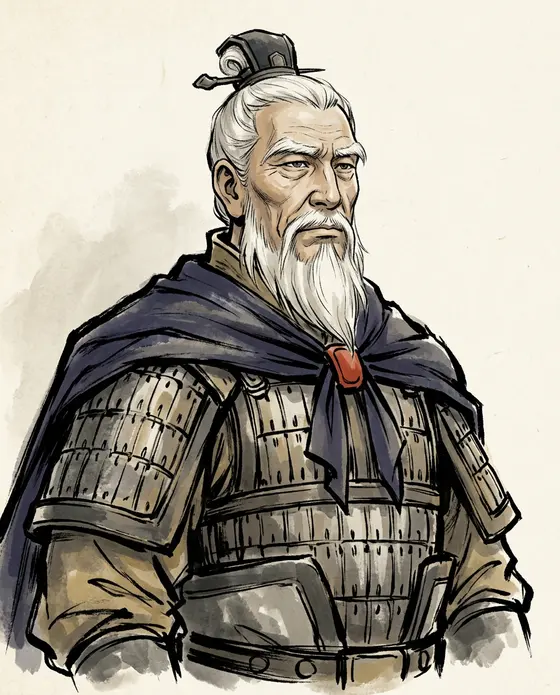
Portrait of Huangfu Song
Huangfu Song皇甫嵩
d. 195 CE
Left Commandant of the Guards, sent west into Yingchuan with Zhu Jun. He won that war in one night's fire and the north in a dawn assault, and in the year after, an accusation from two Regular Attendants he had offended took his general's seal and six thousand of his households.
Portrait of Huhanye Chanyu
Huhanye Chanyu呼韓邪單于
d. 31 BCE
Claimant in a five-cornered civil war who took his adviser's advice and gave the Han his name. Ended with a title above every vassal king, a Han bride, and a Han guard left at his camp.
Portrait of Huo Qubing
Huo Qubing霍去病
d. 117 BCE
Son of the empress's elder sister and nephew of his own commander, a palace attendant at eighteen. Given the picked men and no subordinate generals; buried with a tomb shaped like the mountains he took.
Portrait of Jiang Chong
d. 91 BCE
An informer out of Handan who destroyed a crown prince to save himself and was trusted for it. He rode with a shaman to read the ground and heated iron to make men confess.
Portrait of Junchen
Junchen軍臣單于
d. 126 BCE
Chanyu of the Xiongnu, who caught the envoy at the frontier and saw no reason at all to let him through — and who kept him for over a decade, gave him a wife, and never got the Han staff out of the envoy's own hand.
Portrait of Kunmo
Kunmo昆莫
fl. 119–105 BCE
Kunmi of the Wusun, the horse-lords of the Ili valley whom the second mission was sent to move east. He was old, his kingdom was split three ways, and his ministers were afraid of the Xiongnu; he took the gifts and did not move.
Portrait of Lady Yin Lihua
fl. 24–41 CE
The beauty of Nanyang he admitted wanting as a poor young man, who refused the empresshood because her rival had the elder son, and whose son became the next emperor. Her own record is the Book of the Later Han's memoir of the empresses.
Portrait of Li Guang
Li Guang李廣
d. 119 BCE
The old frontier shot, past sixty and with the luck against him, given the long road east instead of the Chanyu. He lost the way, and refused to be written up by a clerk.
Portrait of Li Guangli
Li Guangli李廣利
d. 88 BCE
General of Ershi, named for the Dayuan town his army had been sent to take, and brother of a consort the emperor was burying honours under. Thirty thousand horse out of Jiuquan, and out again with a hundred-odd men after an encirclement.
Portrait of Li Ling
Li Ling李陵
d. 74 BCE
Grandson of the famous shot Li Guang and heir to his posthumous marquisate. Given five thousand foot and no horse: thirty days north, a month of retreat south, a surrender, then twenty-odd years as the Chanyu's son-in-law.
Portrait of Li Ying
Li Ying李膺
d. 169 CE
The judge whose severity made the eunuchs' kin afraid to leave their gates. The first name on the faction's lists, and the first great name it killed.
Portrait of Liu Bang
Liu Bang劉邦
256–195 BCE
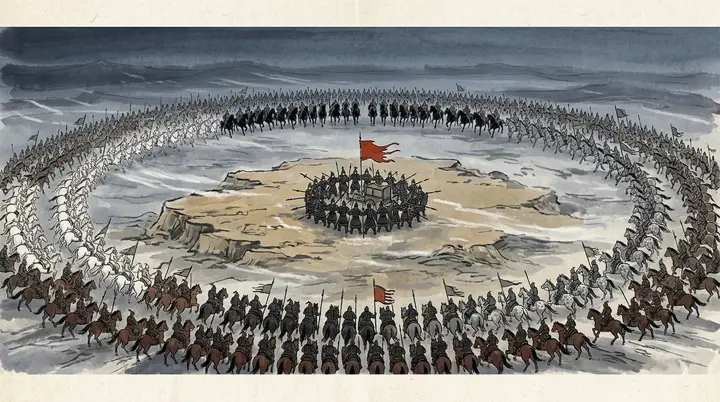
Emperor Gaozu of Han, founder. Took the field in the tenth month against a vassal's revolt, reached Pingcheng before his own army, and spent seven days inside a closed ring of cavalry. On the way home he apologised to a man he had put in irons and told the army he had killed the ten who had advised the march.
Portrait of Liu Jing
Liu Jing劉敬
fl. 202–198 BCE
A conscript from Qi in a sheepskin coat who argued the court into camping the capital inside the pass, then reported that the Xiongnu could not be attacked and was chained for it. Released with a marquisate of two thousand households, he wrote the marriage-tribute agreement and proposed moving over a hundred thousand people into the Wei valley.
Portrait of Liu Ju
Liu Ju劉據
d. 91 BCE
Son of a singing girl who became empress, heir for thirty-one years. He struck off the investigator's head with his own hand, held Chang'an five days, and hanged at Hu.
Portrait of Liu Pi
Liu Pi劉濞
d. 154 BCE
King of Wu, sixty-two in 154 BCE, son of the founder's elder brother and therefore the founder's nephew. He had coins cast from his mountains and salt boiled from his sea, had not attended court for a generation, and lost a war that lasted three months.
Portrait of Liu Quli
Liu Quli劉屈氂
d. 91 BCE
The emperor's nephew and the second chancellor of these eleven months. He won the street war, and was cut in two afterwards on a fresh charge of witchcraft.
Portrait of Liu Wu
Liu Wu劉武
d. 144 BCE
King of Liang, the emperor's full brother and the empire's richest prince. He held Suiyang through the siege, was deliberately abandoned while he held it, and spent the rest of his life getting even.
Portrait of Liu Xin
Liu Xin劉歆
d. 23 CE
The age's greatest scholar of texts and the New's Teaching Master of the State, the man who wrote its ceremonies. An open indictment named him as the one who had inverted the Five Classics; he took his own life after a plot.
Portrait of Liu Yan
Liu Yan劉縯
d. 23 CE
His elder brother, Bo Sheng, who liked retainers and hard drinkers more than ploughing and who actually raised the rising. Killed by the emperor the family had made, in 23 CE; honoured by his brother twenty-odd years later.
Portrait of Liu Yan of Yi
d. 194 CE
Imperial clansman who in 188 proposed turning the regional inspectors into governors with real power, then asked for such a post himself — a far southern province, to be out of the way — and got Yizhou instead.
Portrait of Lu Bode
Lu Bode路博德
fl. 102–99 BCE
Strong-Crossbow Commandant, ordered to meet Li Ling halfway. Ashamed to be another man's rear, he asked to postpone the stroke to spring; the emperor read the plea as treachery and marched the five thousand out.
Portrait of Lu Zhi
Lu Zhi盧植
d. 192 CE
North Commandant of the Guards, leading the northern army's five campuses, and the age's great teacher of the classics. He would not fee the Yellow Gate envoy sent to his camp, was reported for it by the man himself, and lost his command and very nearly his life.
Portrait of Ma Yuanyi
Ma Yuanyi馬元義
d. 184 CE
Zhang Jue's chief of one great battalion, who gathered tens of thousands out of Jing and Yang for a junction at Ye, came and went to the capital and took two Regular Attendants at the emperor's elbow as his men inside it, and was torn apart by teams at Luoyang when a fellow disciple gave the whole arrangement away.
Portrait of Modu
Modu冒頓單于
d. 174 BCE
Chanyu of the Xiongnu. He drilled his escort with a whistling arrow, killed his father with it, took a horse, a wife and a thousand li of empty grazing from the Eastern Hu, then hid his fat cattle and strong riders to lure the Han north.
Portrait of Ou Bo
Ou Bo區博
fl. 12 CE
A middle-rank palace officer. One memorial of his — the well-field has been dead a thousand years, not even Yao and Shun could revive it in a hundred — reversed the dynasty's central law.
Portrait of Ouyang Xi
Ouyang Xi歐陽歙
d. 39 CE
Grand Minister over the Masses, a teacher of the Documents from Runan, put in chains in 39 CE over the figures in the land-and-household audit and dead in prison within the year.
Portrait of Ren An
Ren An任安
d. 91 BCE
Courtesy Shaoqing: an officer in Wei Qing's household who would not change masters when the younger general rose, later protector of the Northern Army. He wrote to a friend in the inner chambers to reproach him with the duty of recommending men, and got this answer.
Portrait of Shi De
Shi De石德
d. 91 BCE
One of the prince's teachers, afraid of dying with his pupil. The only voice the record keeps from inside the eastern palace: proof dug up by an accuser, he says, proves nothing.
Portrait of Sima Qian
Sima Qian司馬遷
fl. 108–91 BCE
Grand Astrologer, keeper of the stone chamber and the golden cases. He had never drunk a cup with Li Ling; asked his opinion he gave it, and took the palace punishment rather than leave a hundred and thirty chapters unfinished.
Portrait of Tangyi Fu
Tangyi Fu堂邑父
fl. 138–126 BCE
A Xiongnu-born slave of the Tangyi household who went with him as guide and bowman and kept the party fed by shooting game when the rations gave out. One of the two men, out of over a hundred, who came back.
Portrait of Tian Qianqiu
Tian Qianqiu田千秋
d. 77 BCE
An officer of the high tomb, over eight feet tall, who put the dead prince's case in one sentence about a son playing with his father's weapons and was made chancellor for it.
Portrait of Wang Mang
Wang Mang王莽
d. 23 CE
Regent, then the one emperor of the New. Poor in a house of nine marquisates, famous for his own frugality, he governed an empire the way he had read a classic: by correcting the words.
Portrait of Wang Yi
Wang Yi王邑
d. 23 CE
Commander-in-chief of the New and Marquis of Chengdu. He led the mobilisation of a million, refused good advice twice under Kunyang, and rode back to Luoyang with a few thousand men.
Portrait of Wang Zhaojun
Wang Zhaojun王昭君
fl. 33–31 BCE
A woman of Nan commandery chosen into the palaces, given to the chanyu as a consort when the northern war was over. The era name was changed the same spring to mark the gift as finished.
Portrait of Wei Qing
Wei Qing衛青
d. 118 BCE
A marquis's household servant who called himself a slave's son, and rose to General-in-Chief. Formed his waggons into a ring, fought the Chanyu in a sandstorm, and never again received an increase of his fief.
Portrait of Wu Han
Wu Han吳漢
d. 56 CE
A fugitive horse-dealer from the far north-east who had sold grain on the road; Marshal-in-Chief for twenty years, the man who burned Chengdu after it had surrendered, and the one whose wife was scolded for buying land while the soldiers had none.
Portrait of Xiang Yu
Xiang Yu項羽
232–202 BCE
Commander of the allied armies, forty thousand strong. Broken the Qin main body already, he came west to punish a man he had agreed to make king.
Portrait of Xiao He
Xiao He蕭何
d. 193 BCE
Liu Bang's old superior in the county office. While the generals scrambled for gold he loaded the archives: maps, registers, statutes.
Portrait of Xiao Wangzhi
Xiao Wangzhi蕭望之
d. 47 BCE
The grandee who argued that a chanyu should be received as a guest and not a subject. He won, was painted on the wall of honoured ministers while still alive, and was driven to poison two years later.
Portrait of Yan You
Yan You嚴尤
d. 23 CE
The one commander who argued against every frontier at once, and against encircling Kunyang. He got the king's head he said he would not hunt, and lost his rank for putting the bandits first.
Portrait of Yuan Ang
Yuan Ang袁盎
d. 148 BCE
A former chancellor's rival and the one man the emperor had not let Chao Cuo destroy. He proposed the execution that was meant to end the war, carried the pardon to Wu, and was refused audience.
Portrait of Zhang Jian
d. 198 CE
The inspector who accused the great eunuch's mother's house and was hunted for it; he fled a year and every door he came to took him in, and the age named the flight for him.
Portrait of Zhang Jue
Zhang Jue張角
d. 184 CE
The healer of Julu who styled himself Great Excellent Teacher, da xianliang shi, and served the way of the Yellow Emperor and Laozi, later called the way of Great Peace. Ten-odd years of charmed water and confession made him head of an enrolled empire inside the empire; he died of sickness before it was broken.
Portrait of Zhang Liang
fl. 218–195 BCE
Heir of a destroyed state, counselor to both men in turn. Persuaded his general to sleep in the open and later walked him out of a banquet.
Portrait of Zhang Qian
d. 114 BCE
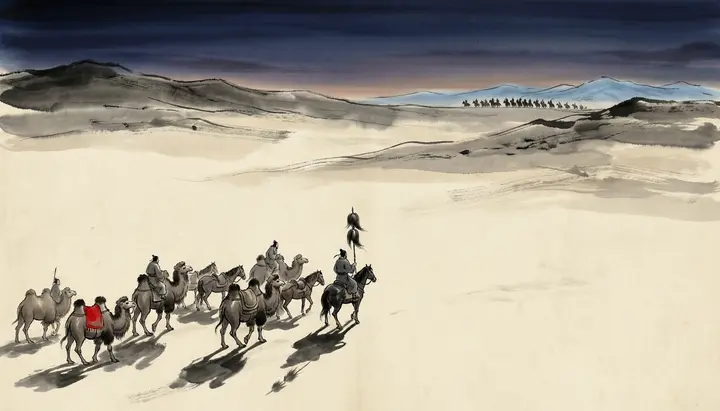
An imperial attendant of Hanzhong who answered an advertisement for a man who could get there. Captured on the way out and again on the way back, gone thirteen years in all and more than ten of them in Xiongnu hands, he reached Ferghana, the Yuezhi, Bactria and Kangju and brought back the west as information.
Portrait of Zhang Rang
d. 189 CE
Regular Attendant, the man the emperor said was his lord. When the capital's plot was found out the emperor turned on the Regular Attendants, and Zhang Rang and his fellows went bareheaded and barefoot, paid their private wealth into the war, and were left in office; the officer who pressed for their deaths died in prison on a charge worked up against him.
Portrait of Zhizhi Chanyu
Zhizhi Chanyu郅支單于
d. 36 BCE
His elder brother, who would not kneel and rode ten thousand li west instead. Built a city on the Talas, killed the envoys sent to talk to him, and was shot through the nose on the wall and died in his inner quarters.
Portrait of Zhou Yafu
Zhou Yafu周亞夫
d. 143 BCE
Marquis of Jiang, commander-in-chief. The man whose camp the late emperor had been stopped outside for discipline. He let the rebels beat the empire's richest fief to pieces, cut their grain, and would not fight until they were starving.
Portrait of Zhu Jun
Zhu Jun朱儁
d. 195 CE
Right Commandant of the Guards, fighting his own war at Wan. The one officer who argues that men with no way out must fight to the death — and who refused a surrender for that reason, took the place by storm, and is credited with the killing either way.
Portrait of Ziying
Ziying子嬰
d. 206 BCE
Forty-six days King of Qin. He killed the minister who had enthroned him, then came out in a plain cart with a cord about his neck.
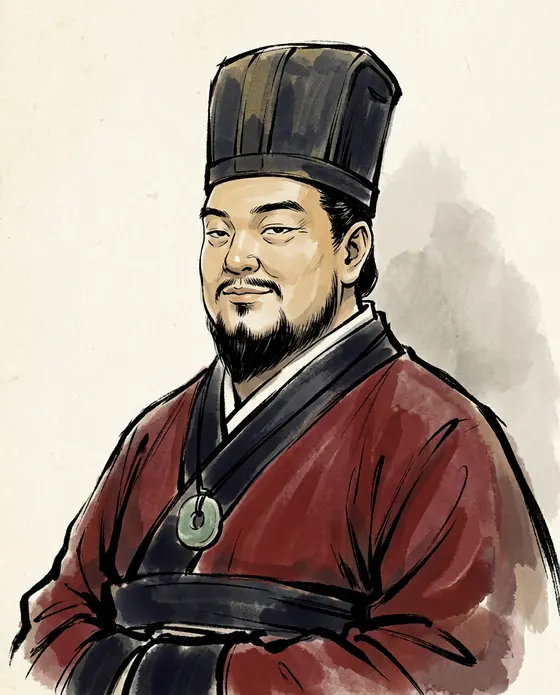
Why trust a comic?

Sourced to the scroll. Every caption and quotation carries its book and chapter. No "it is said".
The novel stays out. Romance of the Three Kingdoms is literature, not evidence. It appears only in Myth Checks.
Disagreement shown. Numbers, sites and motives the scholars argue about are tagged Debated, not smoothed over.
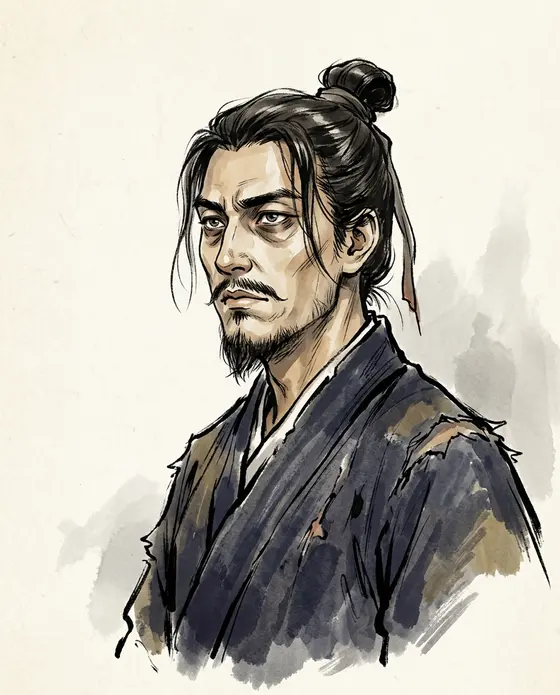
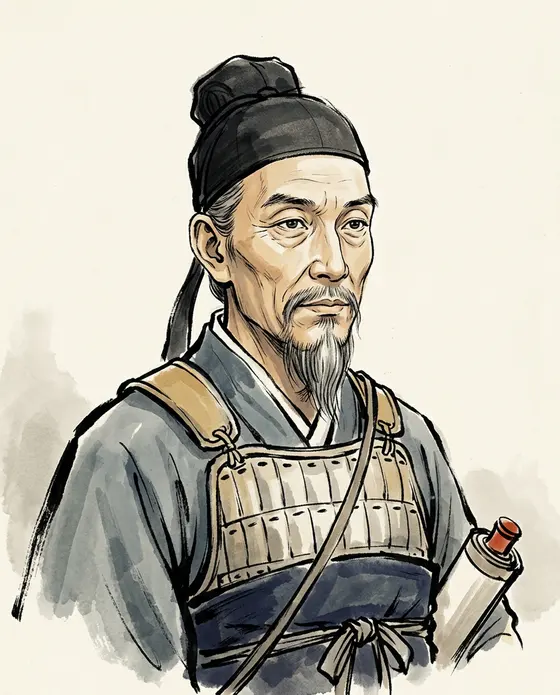
Free to read. Classrooms may print, translate and teach these comics — see the footer for the licence.
Read the full method →