Dynasty

Three Kingdoms 三國

184 CE – 280 CE

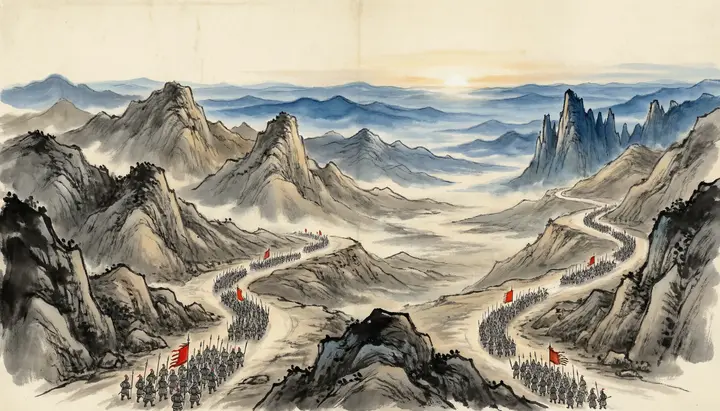
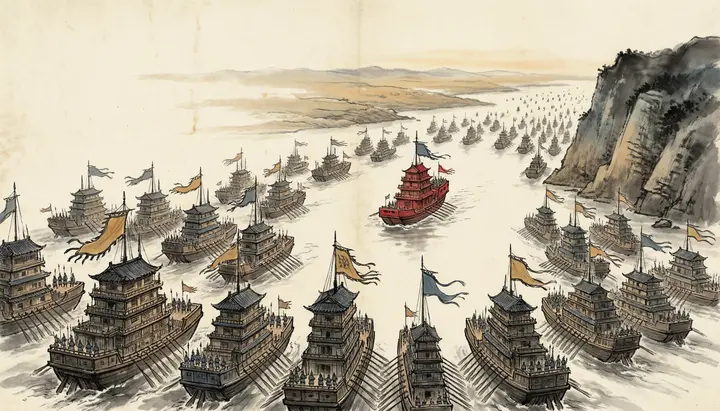
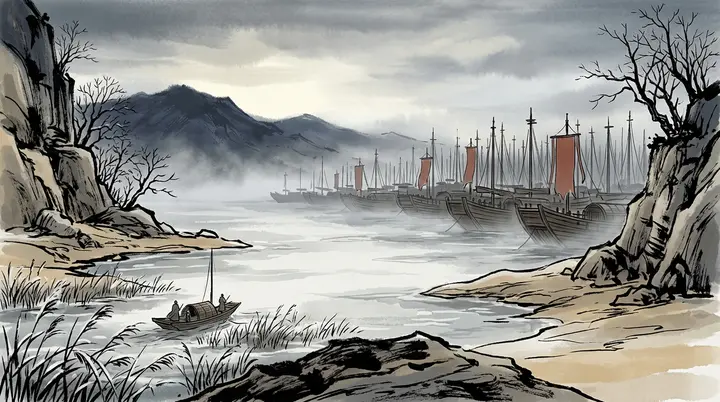
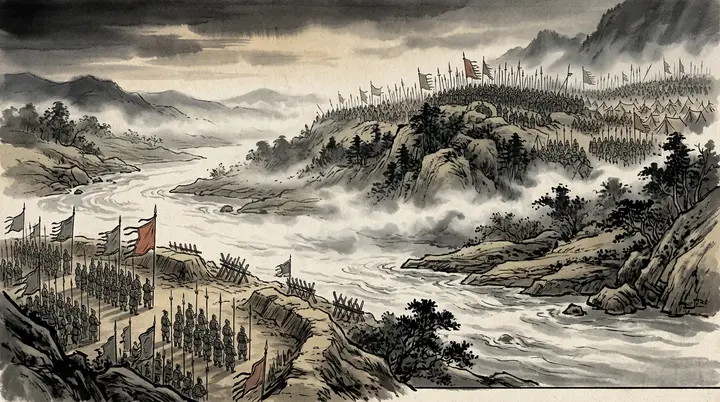
The empire breaks in three; the stories never stopped. The states were proclaimed from 220; the war that made them began in the last years of Han, and that is where our episodes start.
Episodes

People of this age

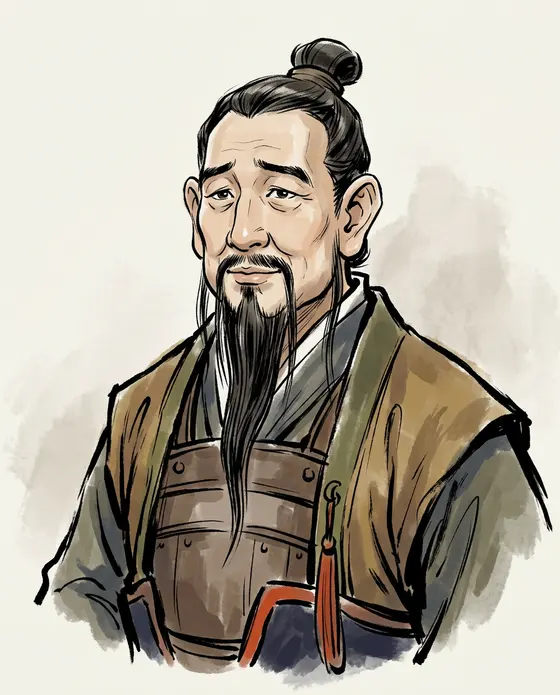
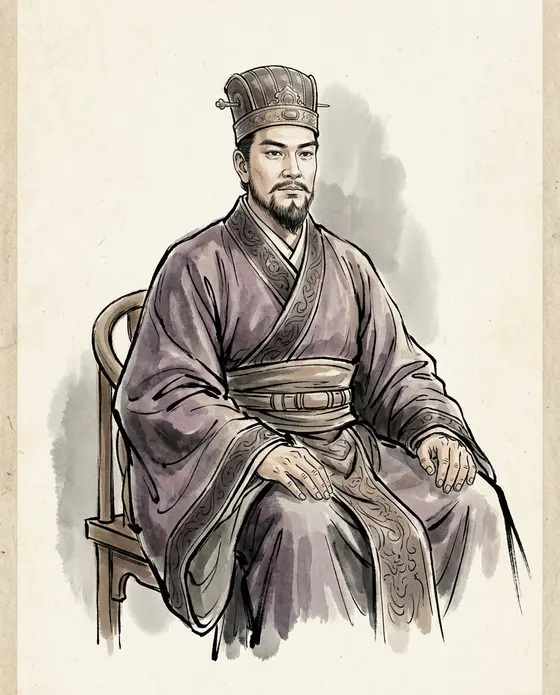
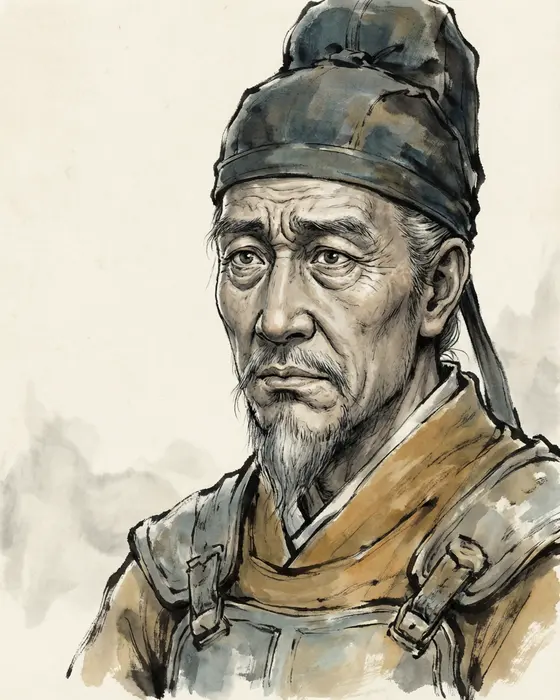
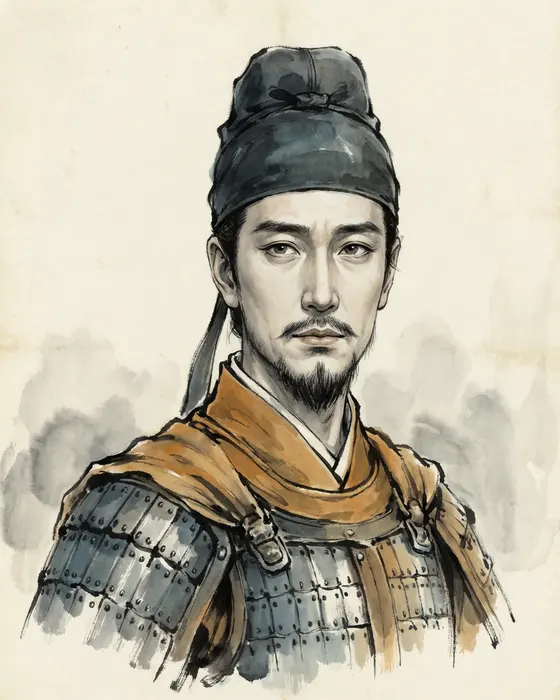
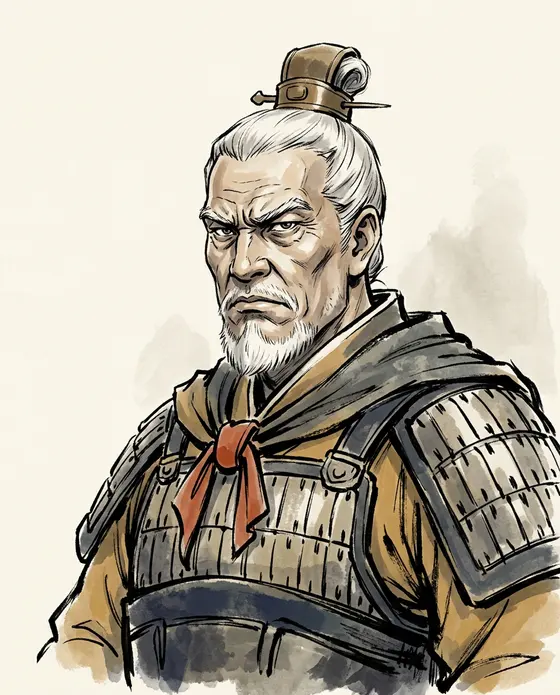
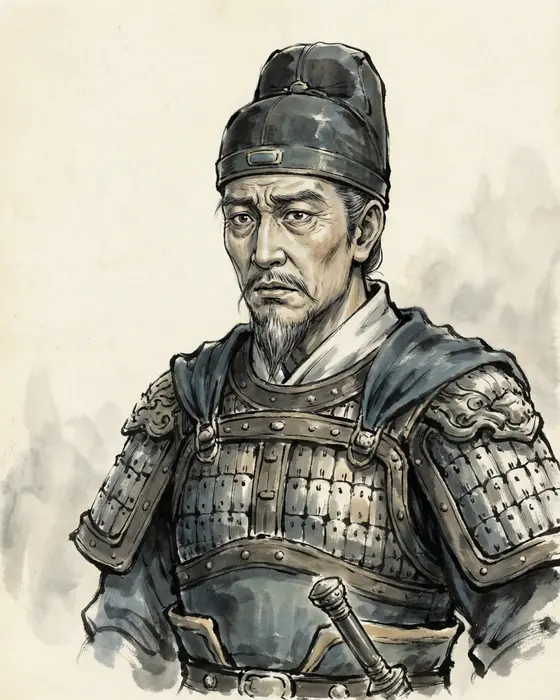
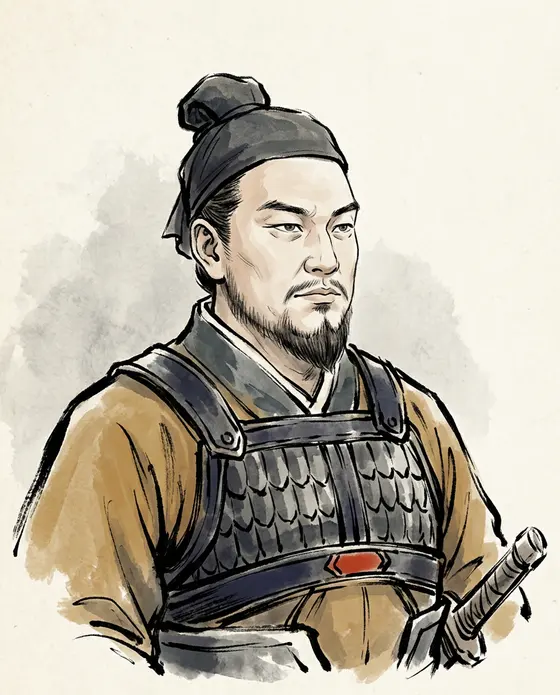
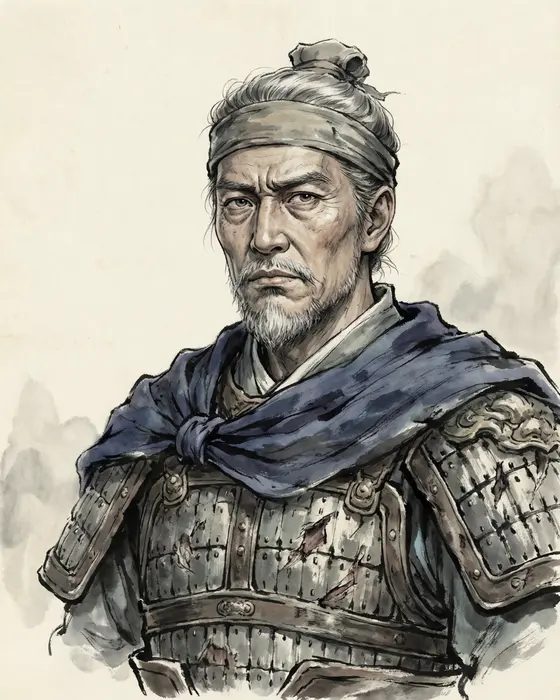
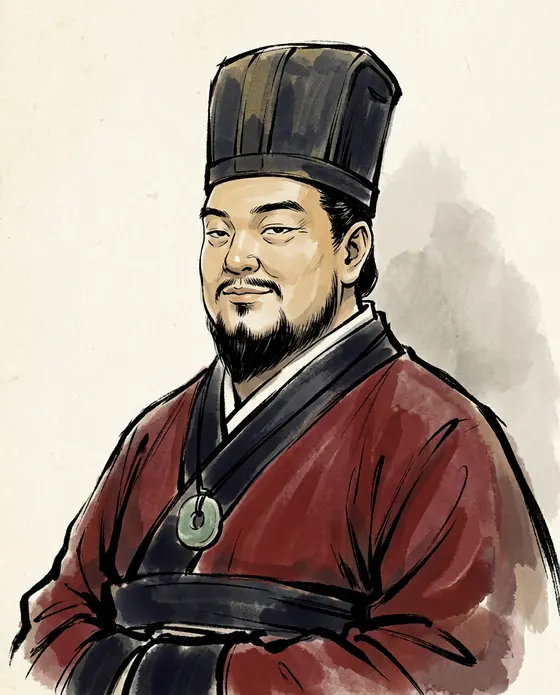
Portrait of Cao Cao
Cao Cao曹操
155–220 CE
Chancellor of Han and master of the north. Poet, administrator, and the man the novel made its villain.
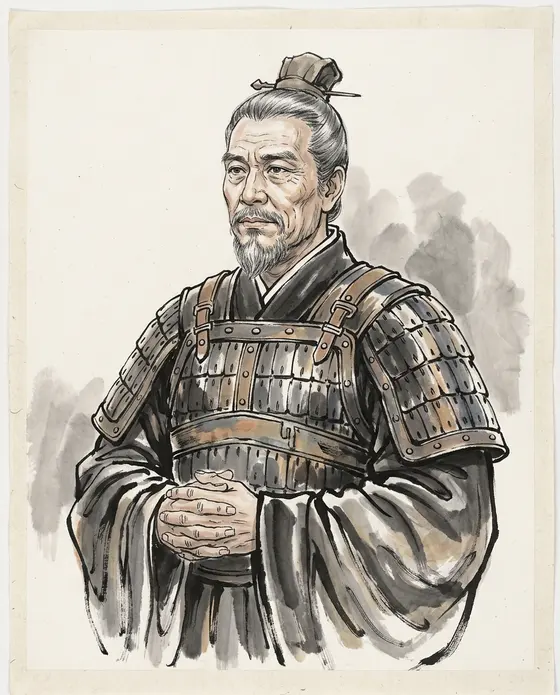
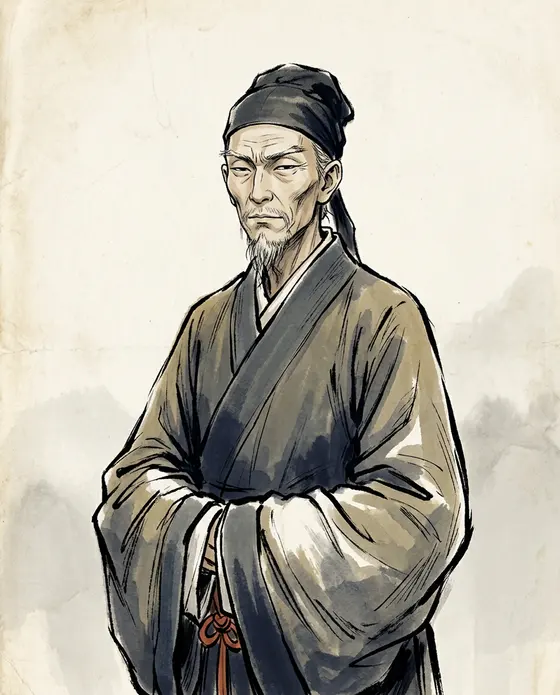
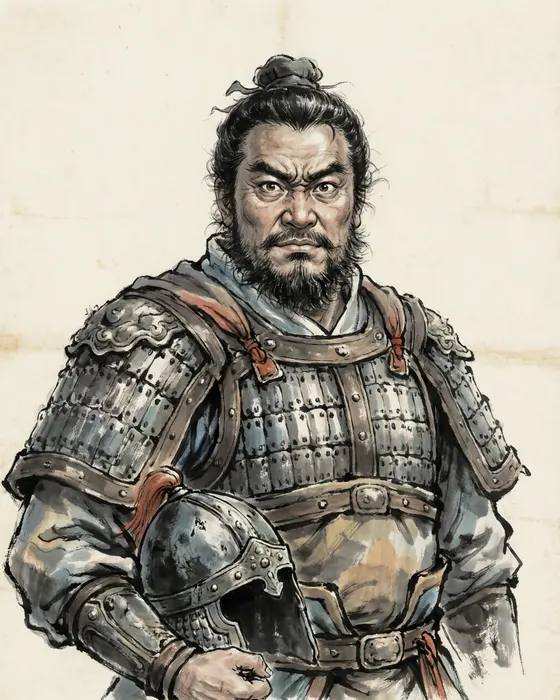
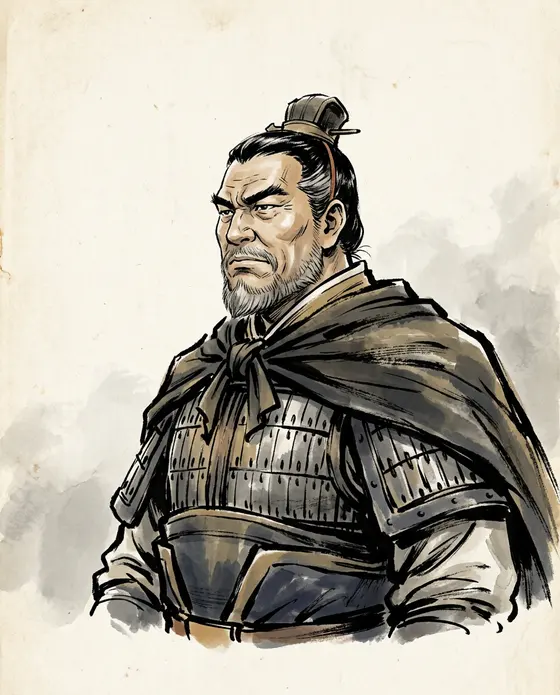
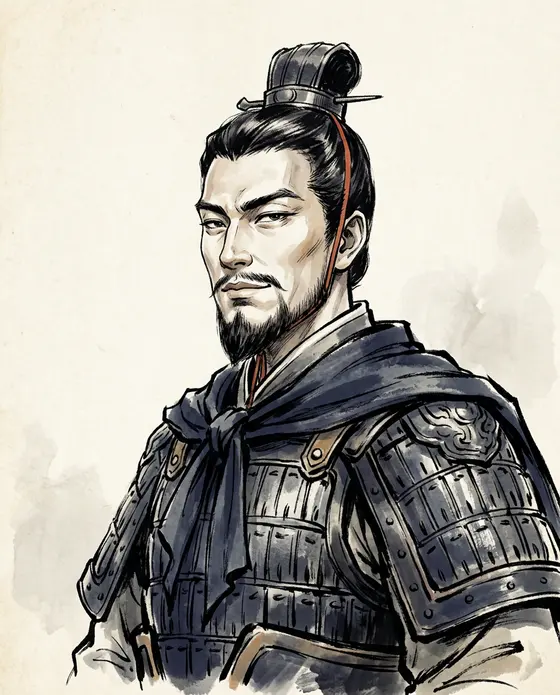
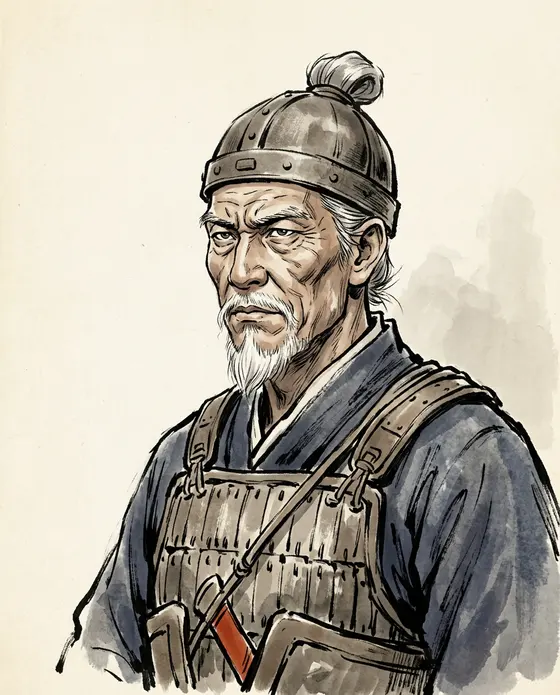
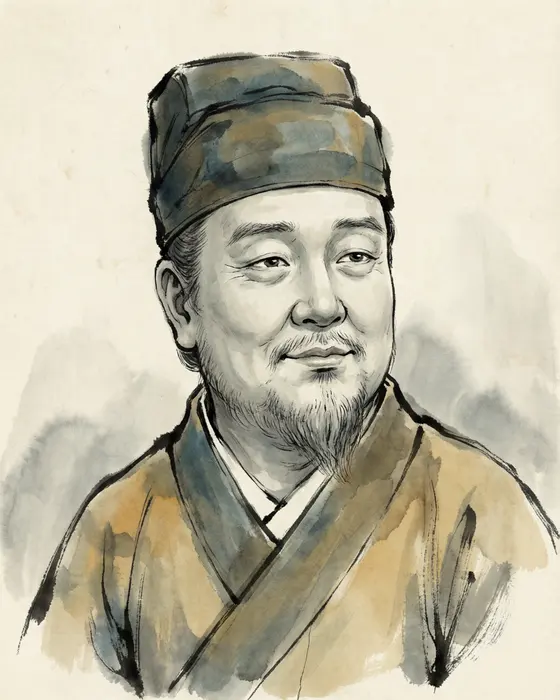
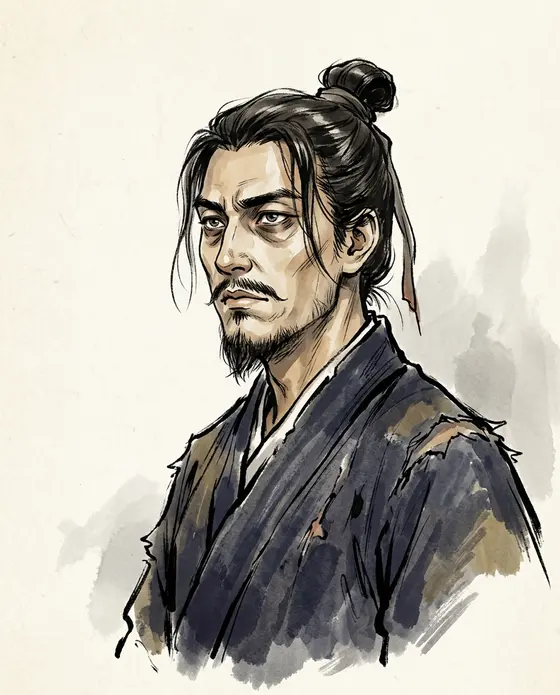
Portrait of Liu Bei
Liu Bei劉備
161–223 CE
A claimant with a famous name and almost nothing else. Began 208 in flight; ended it holding the south of Jing.
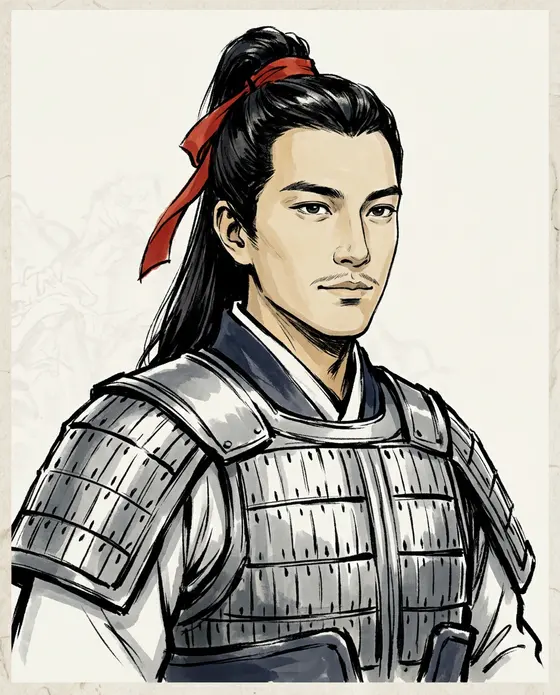
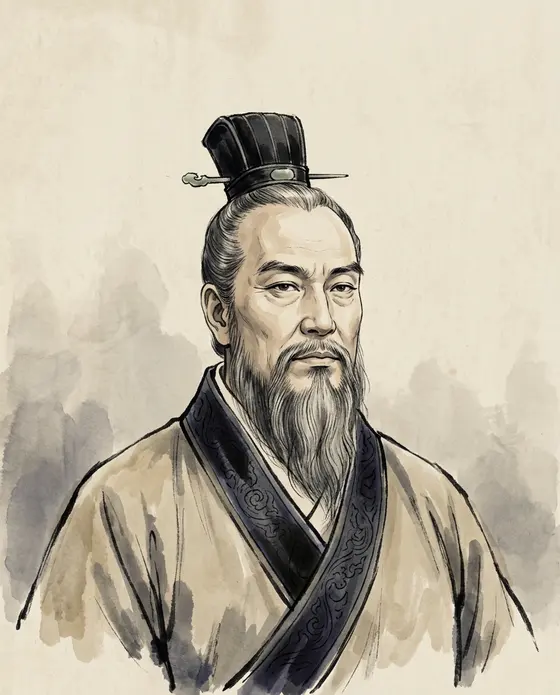
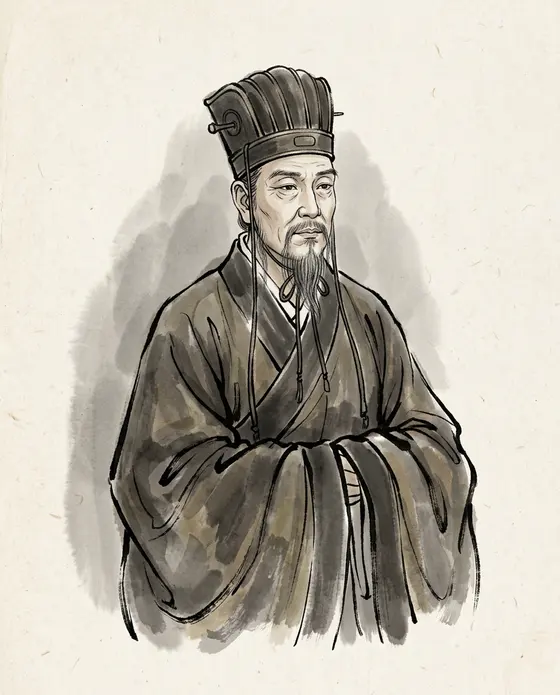
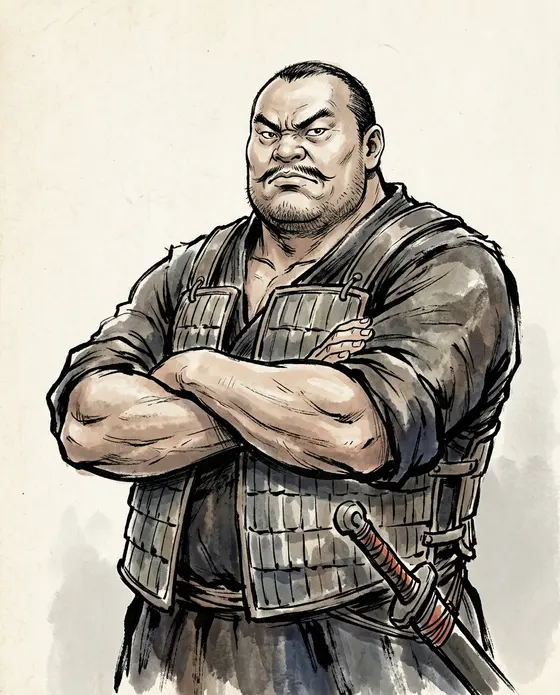
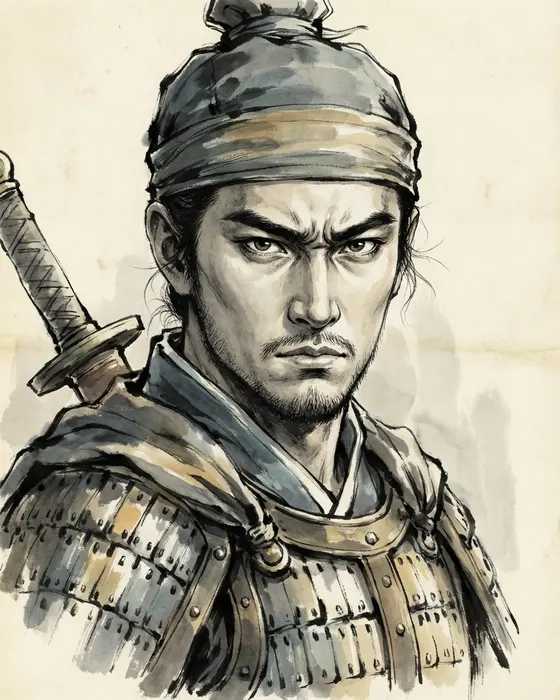
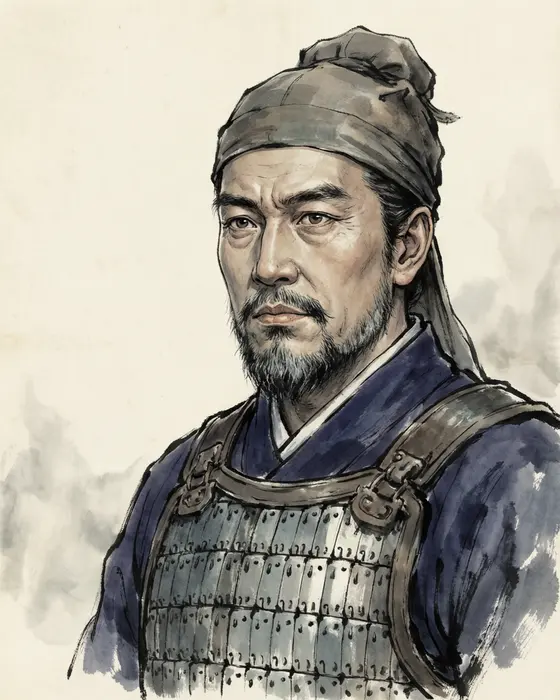
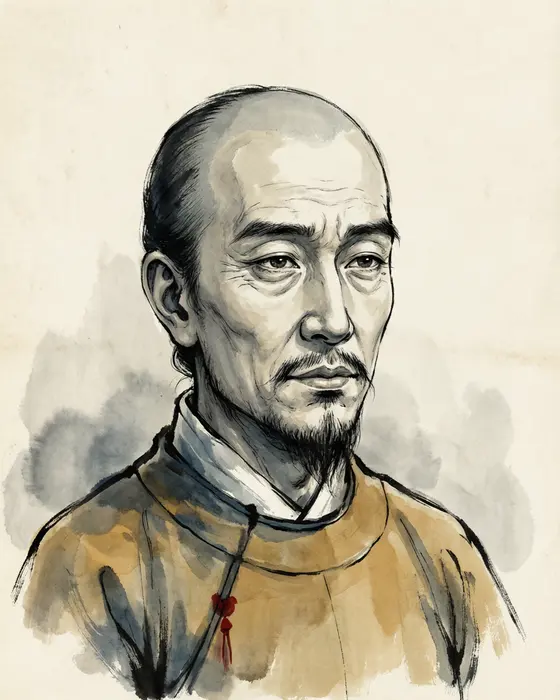
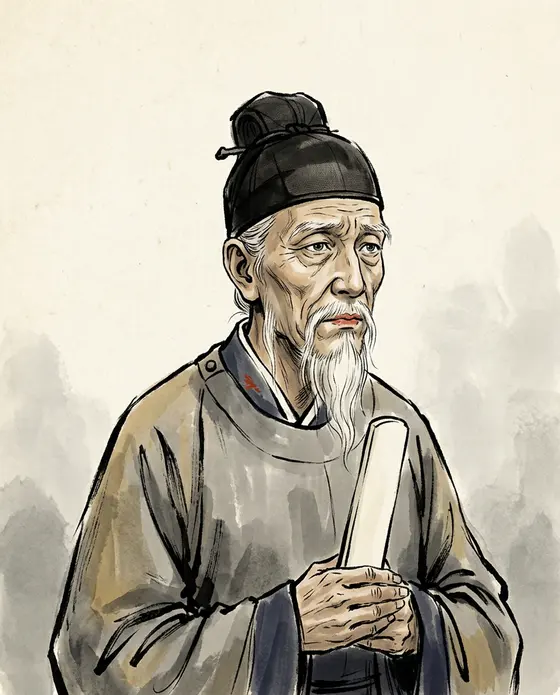
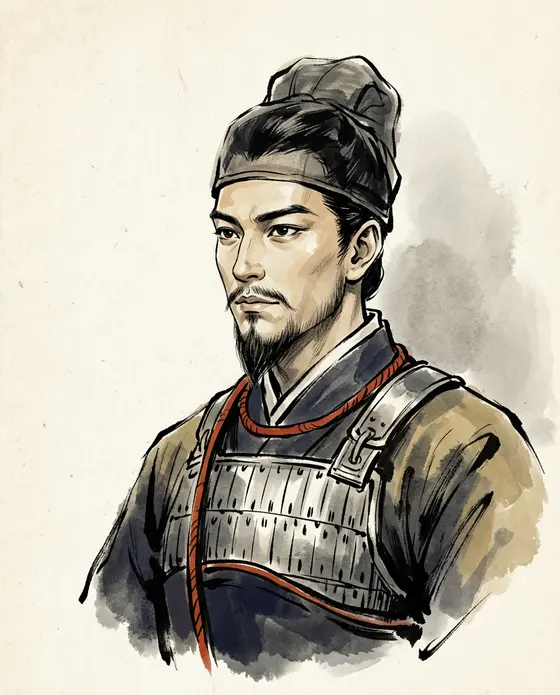
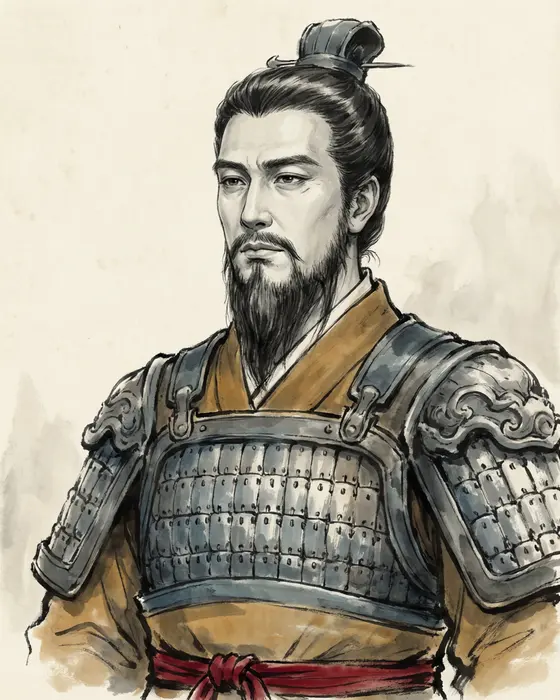
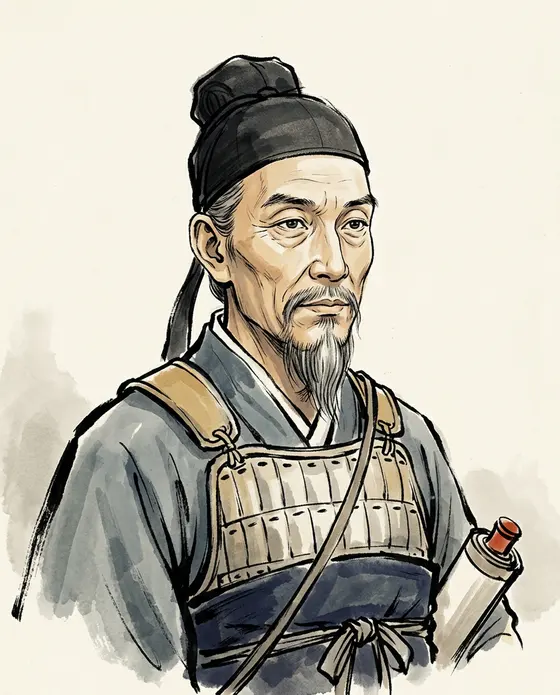
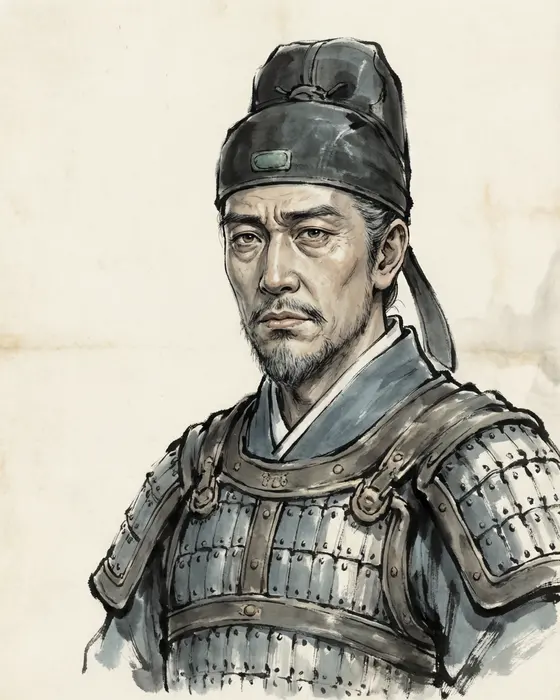
Portrait of Zhou Yu
Zhou Yu周瑜
175–210 CE
Chief commander of Wu. Read Cao Cao's army correctly and burned it. Died of illness in 210, aged 36.
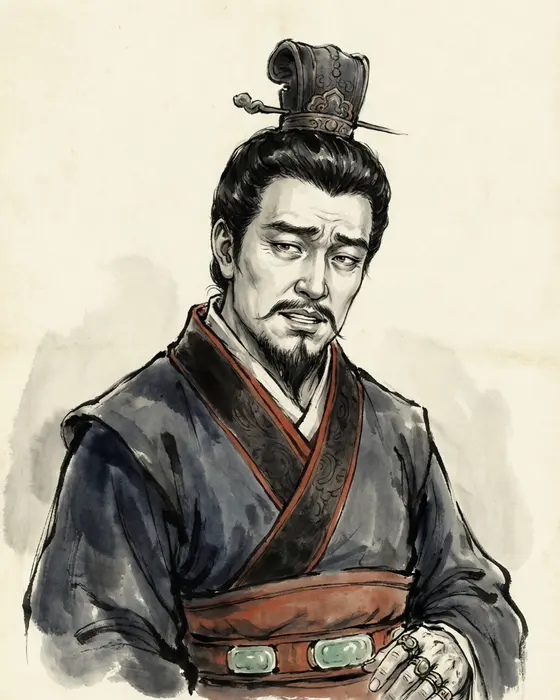
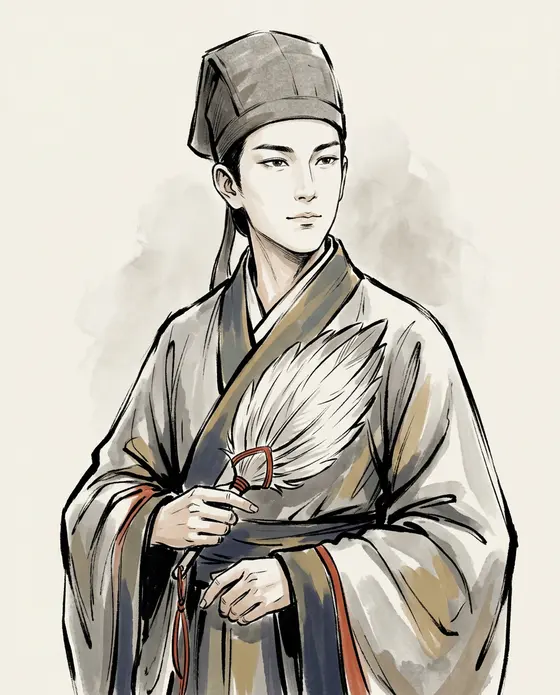
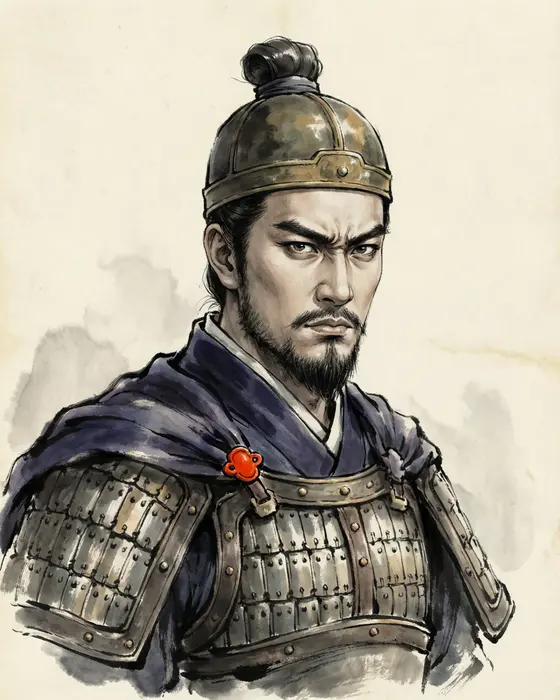
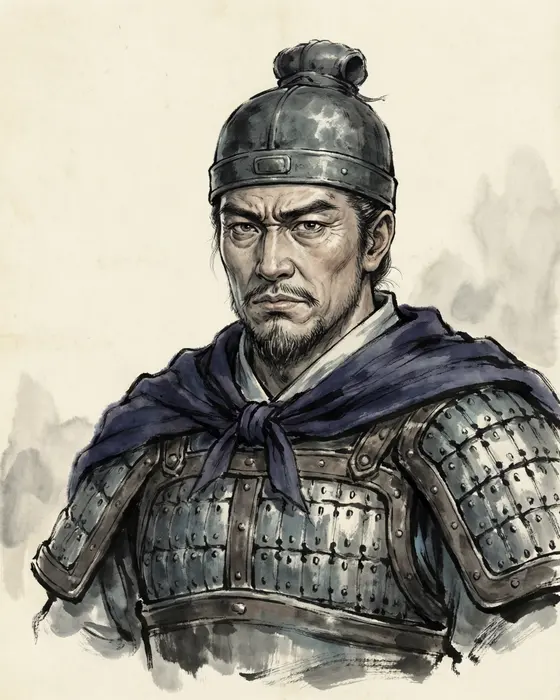
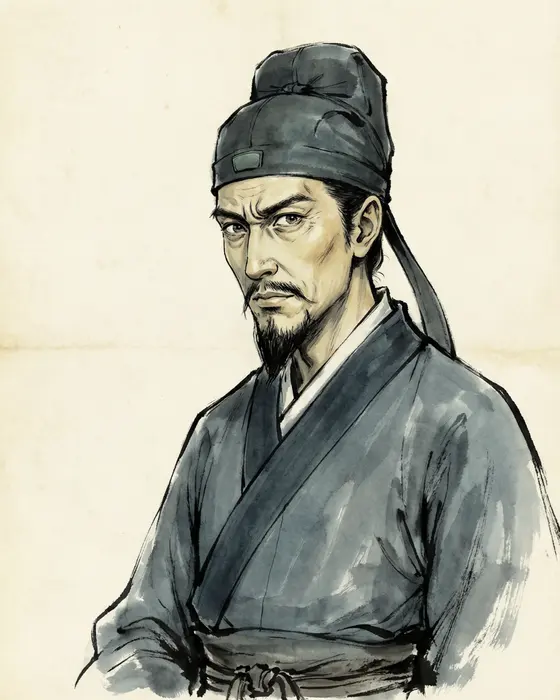
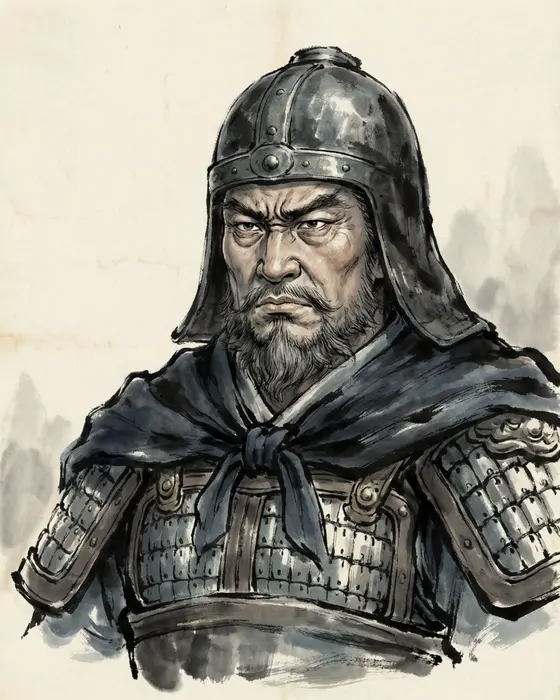
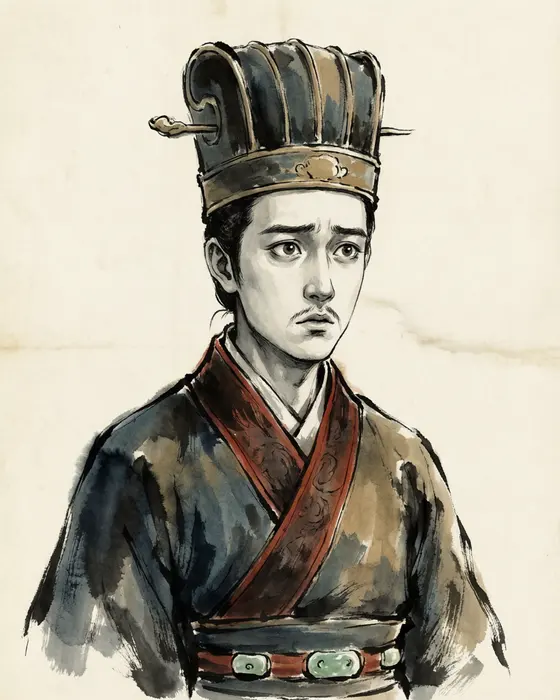
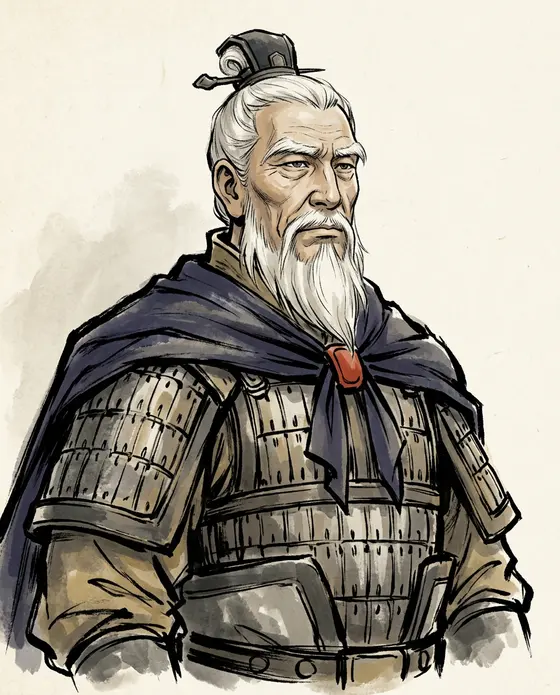
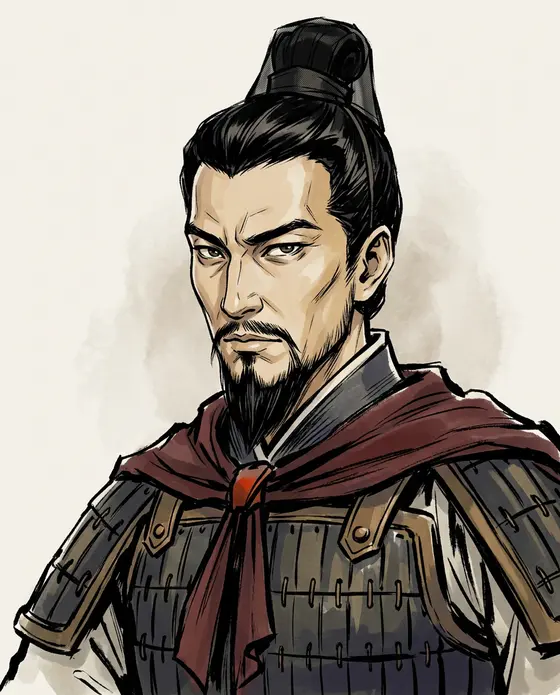
Portrait of Zhuge Liang
Zhuge Liang諸葛亮
181–234 CE
Liu Bei's strategist, 27 years old in 208. Negotiated the alliance; later governed Shu-Han.
Portrait of Yuan Shao
Yuan Shao袁紹
d. 202 CE
Heir of the Yuan clan of Runan, four generations of senior ministers. Master of four provinces north of the Yellow River — until Guandu.
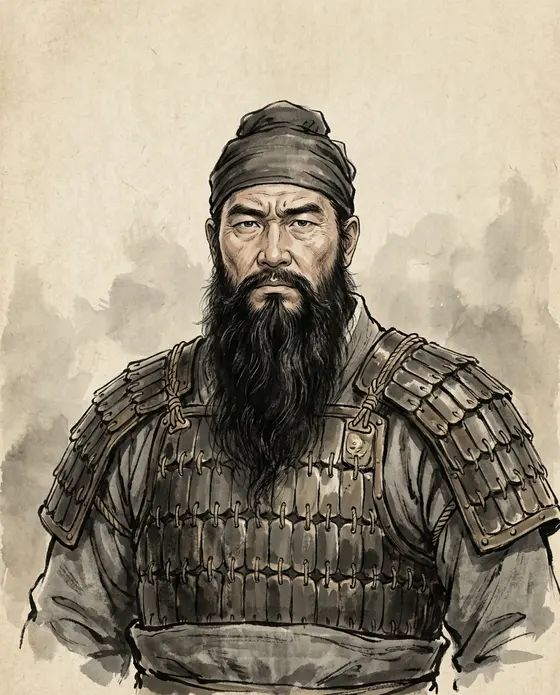
Portrait of Guan Yu
Guan Yu關羽
d. 220 CE
A general of Liu Bei from the first raising of troops. In 200, briefly in Cao Cao's camp, he ended Yan Liang at Boma — then went back.
Portrait of Lu Xun
Lu Xun陸遜
183–245 CE
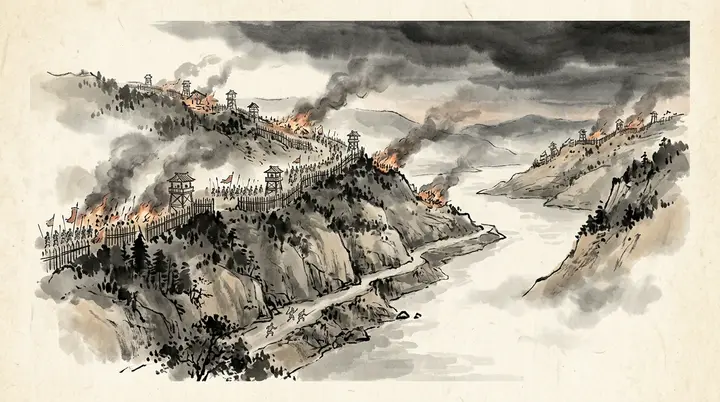
Grand commander of Wu at thirty-nine. Waited six months against his own generals' contempt, then burned four hundred li of stockades in a night.
Portrait of Sun Quan
Sun Quan孫權
182–252 CE
King of Wu, emperor from 229. Bought the north's neutrality on paper to take Jing province in fact, then held the river for half a century.
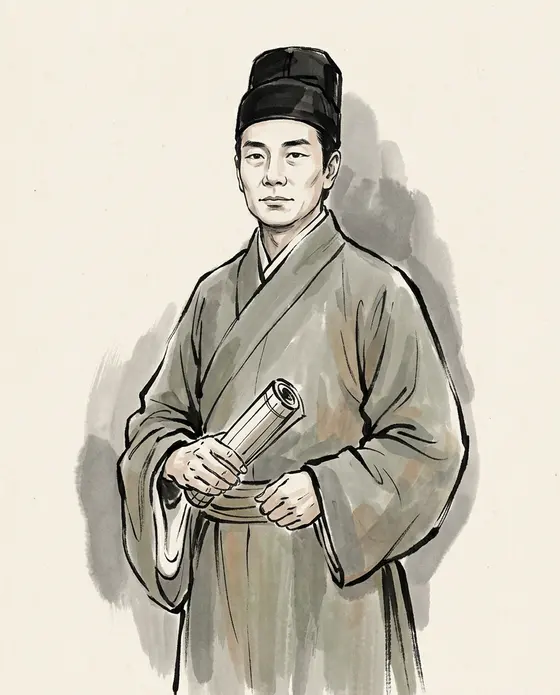
Portrait of Huang Quan
d. 240 CE
Counsellor of Shu who argued against the eastern war, commanded its northern bank, was cut off by the fire, and ended a honoured general of Wei.
Portrait of Sima Yi
Sima Yi司馬懿
179–251 CE
Wei's commander in the west from 231. Refused battle at the Wuzhang Plains, outlived Zhuge Liang, and left his house the empire.
Portrait of Ma Chao
Ma Chao馬超
176–222 CE
Frontier warlord of Liang Province, head of the coalition at thirty-five. Rose while his father sat hostage at Ye, broke at Tong Pass, and died in Shu.
Portrait of Han Sui
Han Sui韓遂
d. 215 CE
Old fox of the western frontier, thirty years in arms. His long acquaintance with Cao Cao became the wedge that split the coalition.
Portrait of Jia Xu
Jia Xu賈詡
147–223 CE
The coldest counsellor of the age. Answered a request for a battle plan with two words — part them — and won the war with a doctored letter.
Portrait of Xu Chu
Xu Chu許褚
d. c. 230 CE
Cao Cao's bodyguard, a man strong enough to drag an ox by the tail. At the river crossing he held up a saddle against the arrows and cut the clinging men from the boat.
Portrait of Zhang Liao
169–222 CE
Defender of Hefei. Read the sealed letter, picked eight hundred men who dared to die, and rode at their head to the king's banner. In Wu, his name quieted crying children.
Portrait of Li Dian
Li Dian李典
c. 180–215 CE
A scholarly general with a blood feud against Zhang Liao. On the morning that mattered he set it aside: public duty first, private wrong second.
Portrait of Yue Jin
Yue Jin樂進
d. 218 CE
Third general of the garrison, small of build and first over every wall. The sealed letter gave him the quieter half of the plan: hold the city.
Portrait of Ling Tong
Ling Tong凌統
189–217 CE
At the ford he spent his last hundred men to buy Sun Quan one leap of a horse, and swam back alone in full armour. Died two years later, aged twenty-nine.
Portrait of Fa Zheng
Fa Zheng法正
176–220 CE
Chief strategist of the campaign. Argued for the march on Hanzhong, planned the stroke at Dingjun, and became Prefect of the Masters of Writing in the new kingdom; died the year after the victory.
Portrait of Huang Zhong
d. 220 CE
Liu Bei's veteran general. Charged down Mount Dingjun with the drums rolling in 219, broke Xiahou Yuan's army, and slew him.
Portrait of Xiahou Yuan
Xiahou Yuan夏侯淵
d. 219 CE
Cao Cao's general in the west, of whom his soldiers said five hundred li in three days. Held Hanzhong for four years; died beneath the heights of Dingjun.
Portrait of Lu Meng
Lu Meng呂蒙
178–220 CE
Sun Quan's commander on the Yangtze. Feigned illness, crossed in merchant dress, and took a province without a pitched battle. Died weeks after the victory.
Portrait of Cao Ren
Cao Ren曹仁
168–223 CE
Cao Cao's cousin, holding Fancheng against the flood. Bailed the walls and would not go; the siege broke around him, not through him.
Portrait of Yu Jin
Yu Jin于禁
d. 221 CE
The senior veteran of Cao Cao's frontier wars. The rains drowned the seven armies he brought to Fancheng; he surrendered, and lived to be ashamed of it.
Portrait of Cao Xiu
Cao Xiu曹休
d. 228 CE
Cousin of the Wei house and commander of the eastern front. Believed the defector, marched deepest of the three Wei armies, and died within the year.
Portrait of Zhou Fang
Zhou Fang周魴
d. c. 228 CE
Grand Administrator of Poyang. Sent seven articles of false intelligence, cut his hair before his own king, and pulled a hundred thousand men into an ambush.
Portrait of Jia Kui
Jia Kui賈逵
d. 228 CE
Governor of Yuzhou on Wei's eastern flank. Warned, marched anyway, arrived too late for the battle — and just in time to save Cao Xiu.
Portrait of Cao Shuang
d. 249 CE
Co-regent and kinsman of the imperial house. Held the court through his brothers and favourites, pushed Sima Yi aside, and rode out of the city on the morning that mattered. Surrendered on a promise of safety; executed with his faction ten days later.
Portrait of Cao Fang
Cao Fang曹芳
c. 231–274 CE
Emperor of Wei from the age of eight. Rode out to the Gaoping Tombs and rode back a guest in his own palace; deposed by the Sima house in 254, he died in retirement in 274.
Portrait of Jiang Ji
Jiang Ji蔣濟
d. 249 CE
Veteran minister whose name gave weight to an oath. His letter to the camp promised Cao Shuang no more than the loss of office; he watched the promise break, and died of remorse within months.
Portrait of Sima Shi
Sima Shi司馬師
208–255 CE
Sima Yi's elder son. Quietly gathered three thousand sworn retainers who answered when the gates closed; after his father's death he ruled Wei in all but name.
Portrait of Deng Ai
Deng Ai鄧艾
d. 264 CE
Frontier general who rose out of poverty. Held the western border against Jiang Wei for a decade, then took some thirty thousand men over seven hundred li of trackless mountains, broke Zhuge Zhan at Mianzhu, and received Chengdu's surrender. He was dead within months, killed in the aftermath of his own victory.
Portrait of Zhong Hui
Zhong Hui鍾會
225–264 CE
Son of the calligrapher Zhong You, and the man who planned the conquest of Shu. Led more than a hundred thousand to Jiange and could not pass it; watched Deng Ai win the war; then raised rebellion at Chengdu and died in the mutiny, aged forty.
Portrait of Jiang Wei
Jiang Wei姜維
202–264 CE
Shu-Han's last great general, twenty-five years at war with the north. Held Zhong Hui's main army at Jiange, took his own emperor's order to surrender, and then tried to turn the conquerors against each other; died in the mutiny at Chengdu in 264.
Portrait of Liu Shan
Liu Shan劉禪
207–271 CE
Liu Bei's son, forty-one years emperor of Shu-Han. Surrendered Chengdu in 263 to spare it a sack; at Luoyang told Sima Zhao he was content and did not miss Shu. The record keeps his words and leaves the judgment to the reader.
Portrait of Zhuge Zhan
Zhuge Zhan諸葛瞻
227–263 CE
Zhuge Liang's son and Shu's last field commander. Refused Deng Ai's offer of a kingship and killed the messenger, then died with his son at Mianzhu in 263, aged thirty-seven.
Portrait of Wang Jun
Wang Jun王濬
206–285 CE
Governor of Yi Province who spent seven years building the great fleet, melted the river's iron chains with torches of sesame oil, and sailed into Shitou to receive the last emperor's surrender.
Portrait of Sima Yan
Sima Yan司馬炎
236–290 CE
Grandson of Sima Yi. Took the throne from Wei in 265 as first emperor of Jin, decided on Wu at the go board, and received Sun Hao's surrender at Luoyang.
Portrait of Sun Hao
Sun Hao孫皓
242–284 CE
Grandson of Sun Quan and last emperor of Wu. Ruled with flayed faces and gouged eyes; met the invasion with a surrender, and died the Marquis of Guiming at Luoyang.
Portrait of Du Yu
Du Yu杜預
222–285 CE
Grand general of the south who took Jiangling and said the war would open like split bamboo. A soldier with a scholar's library — the age called him the Armory.

Chronology