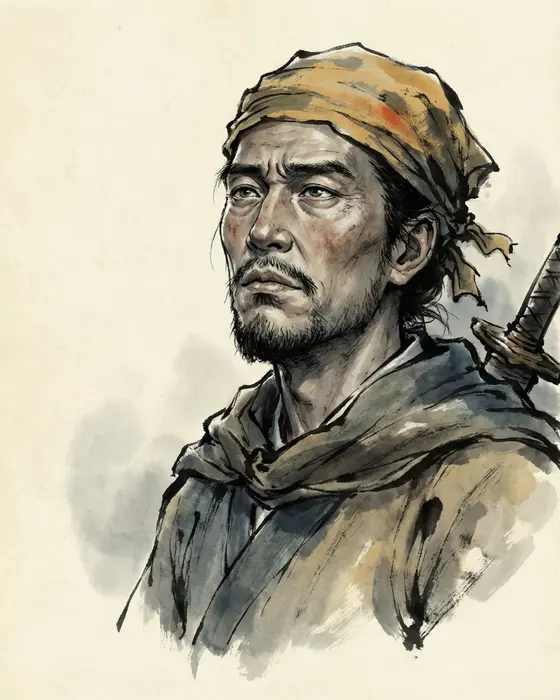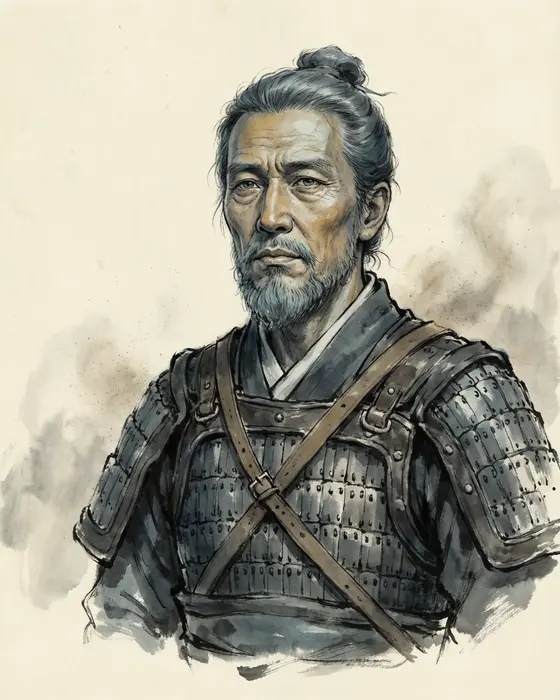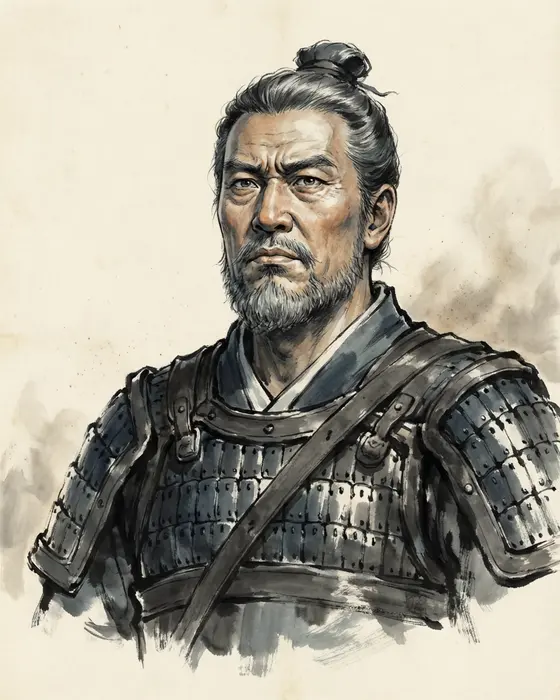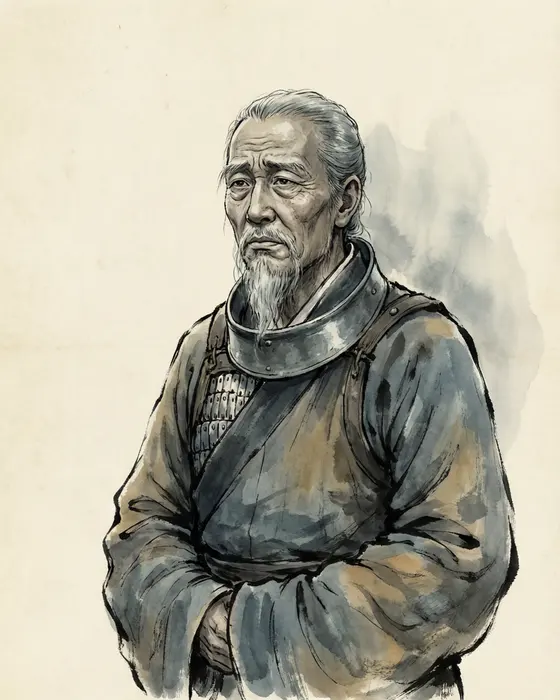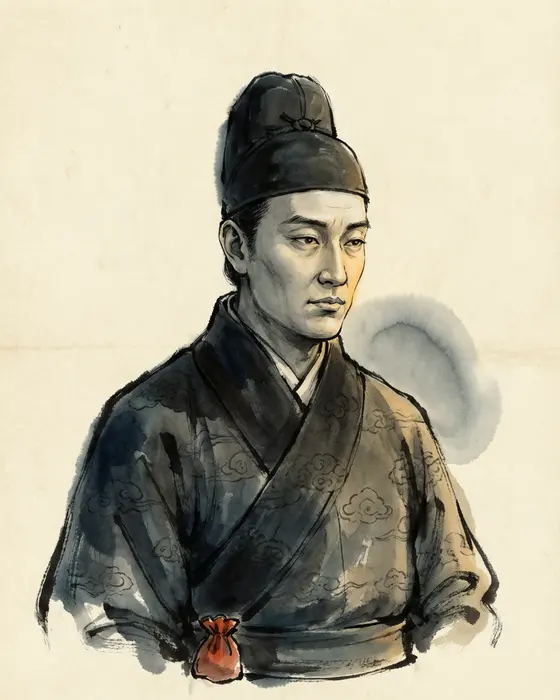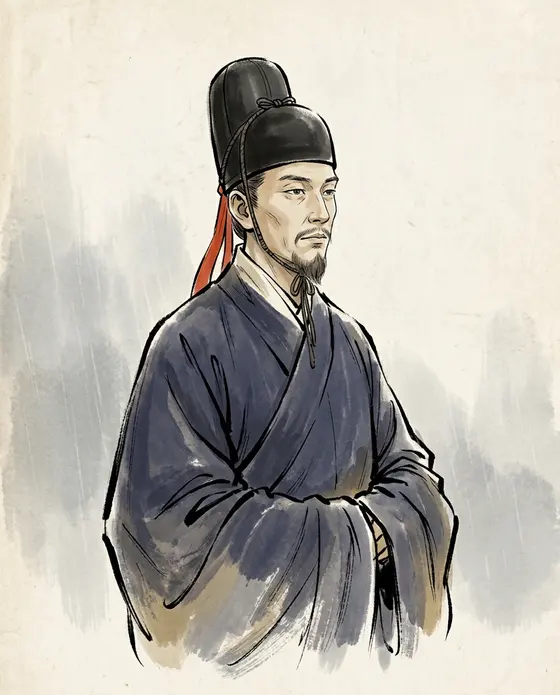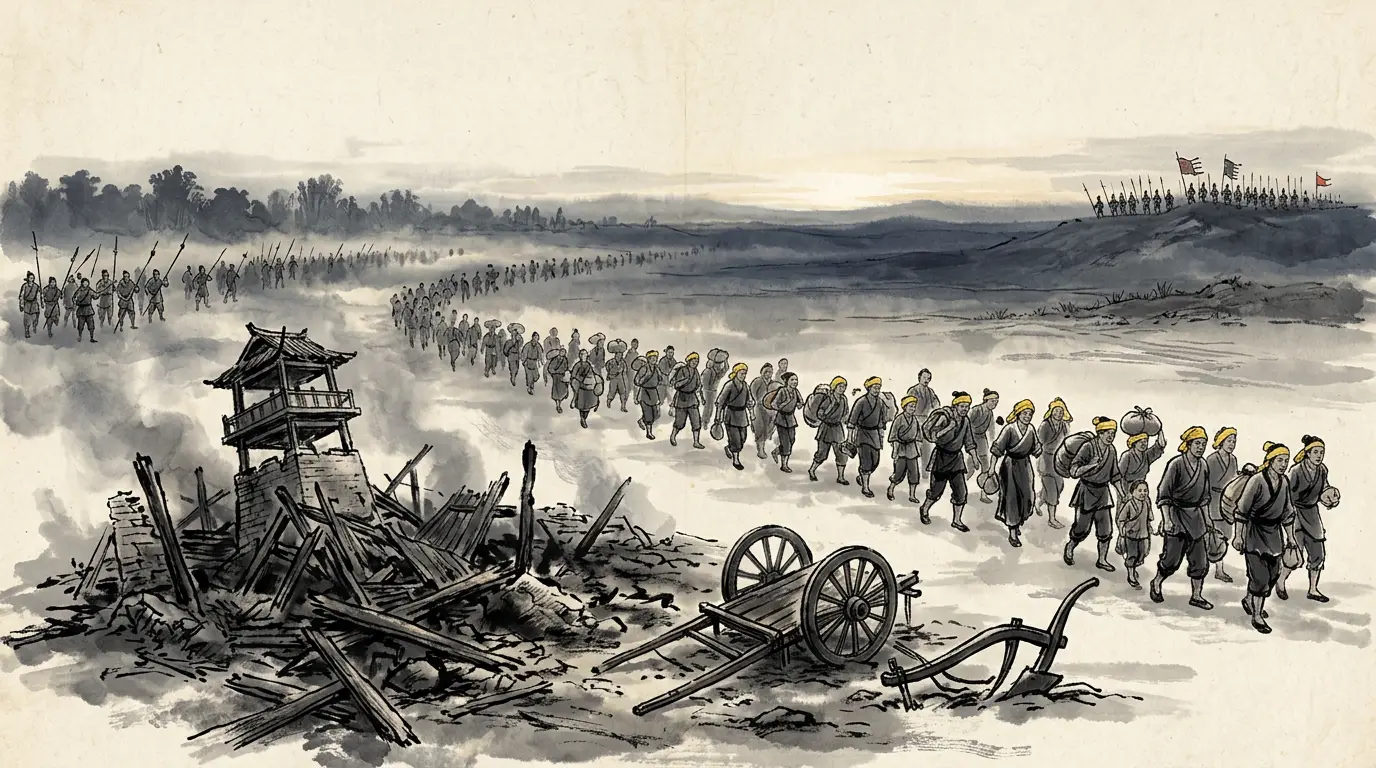
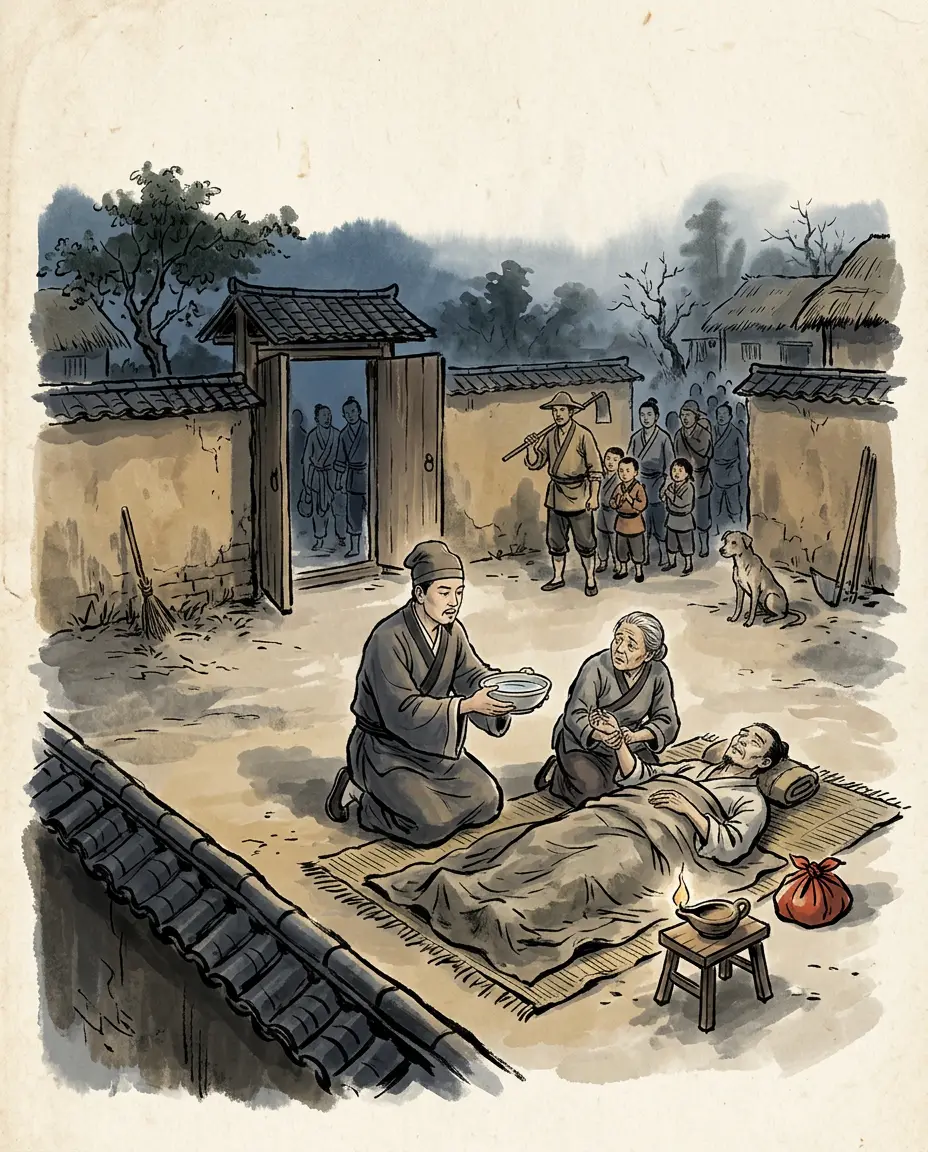
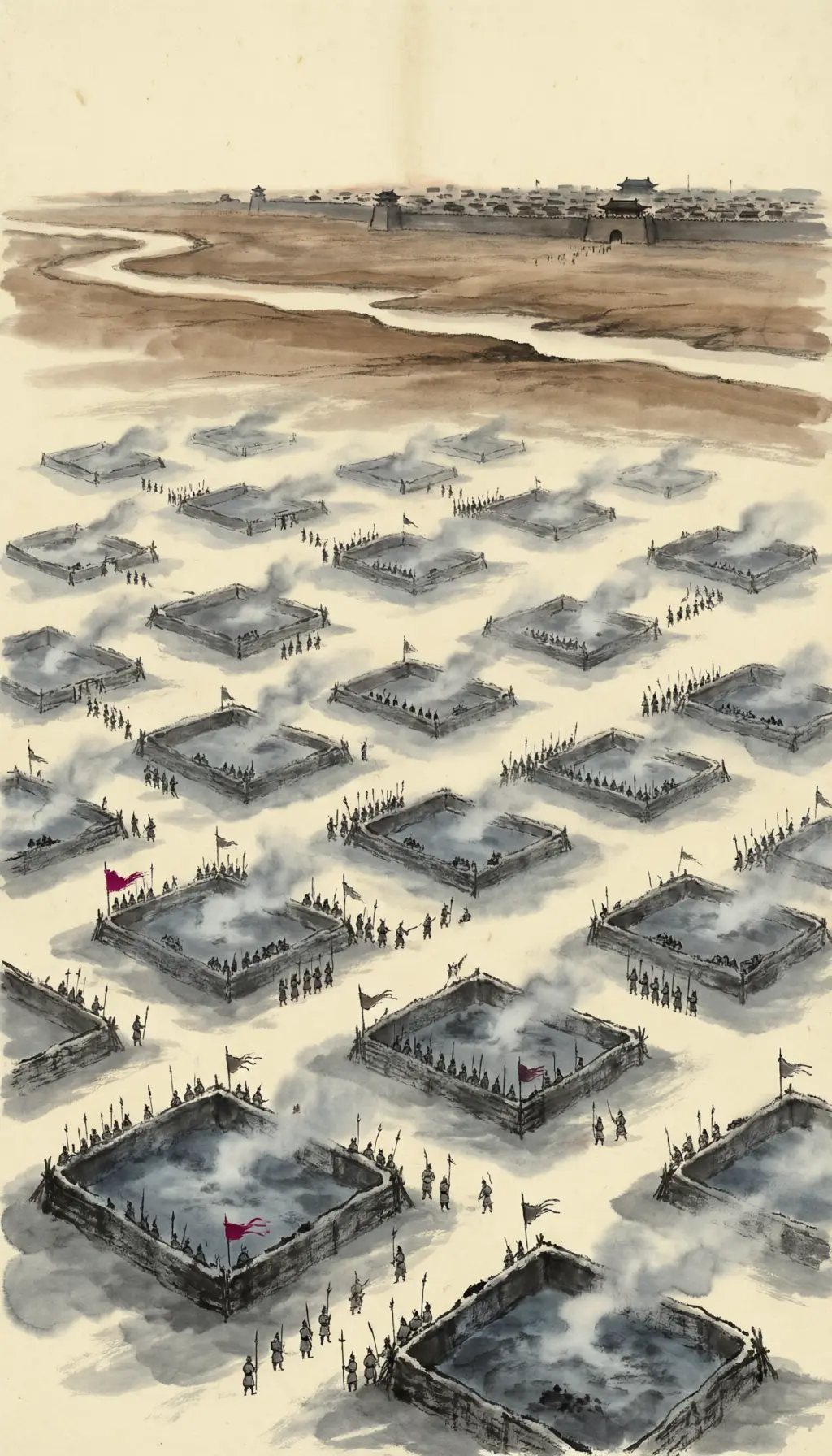
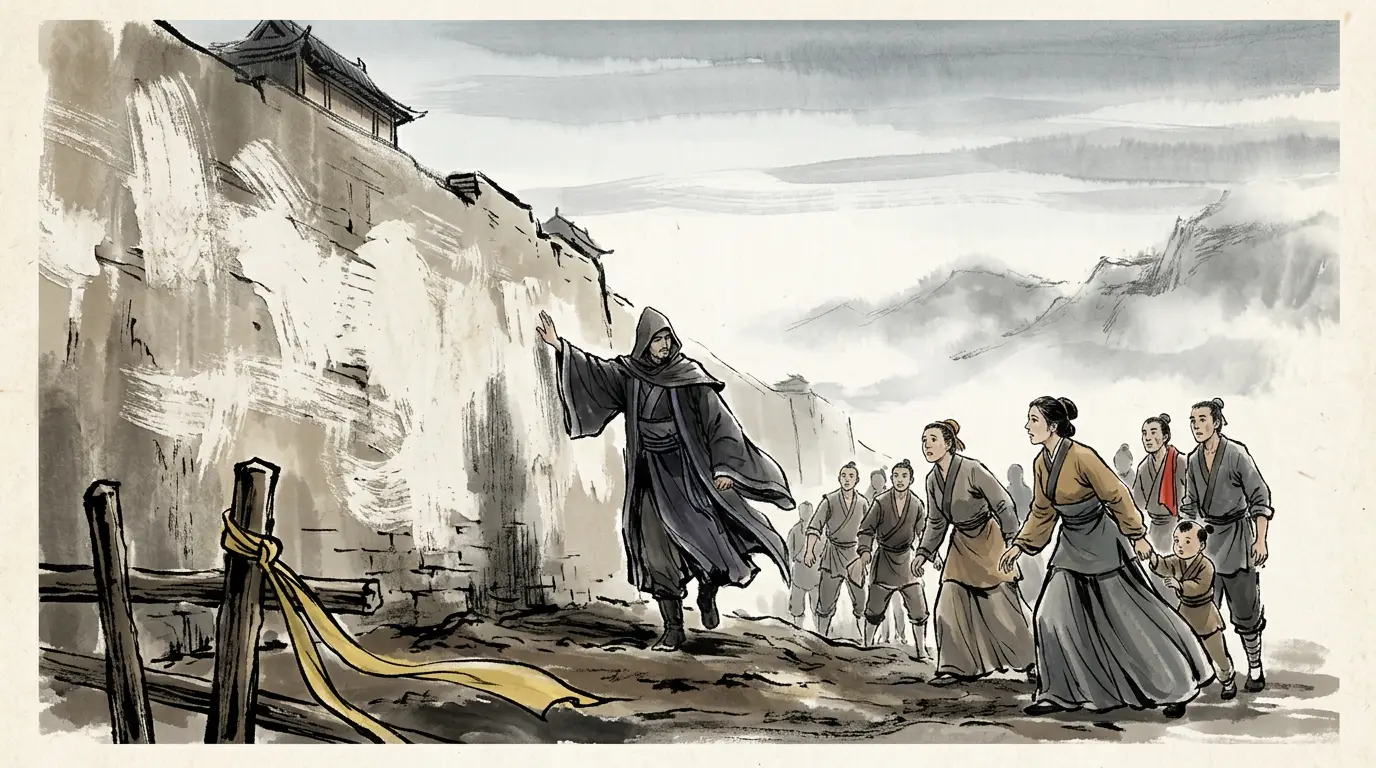
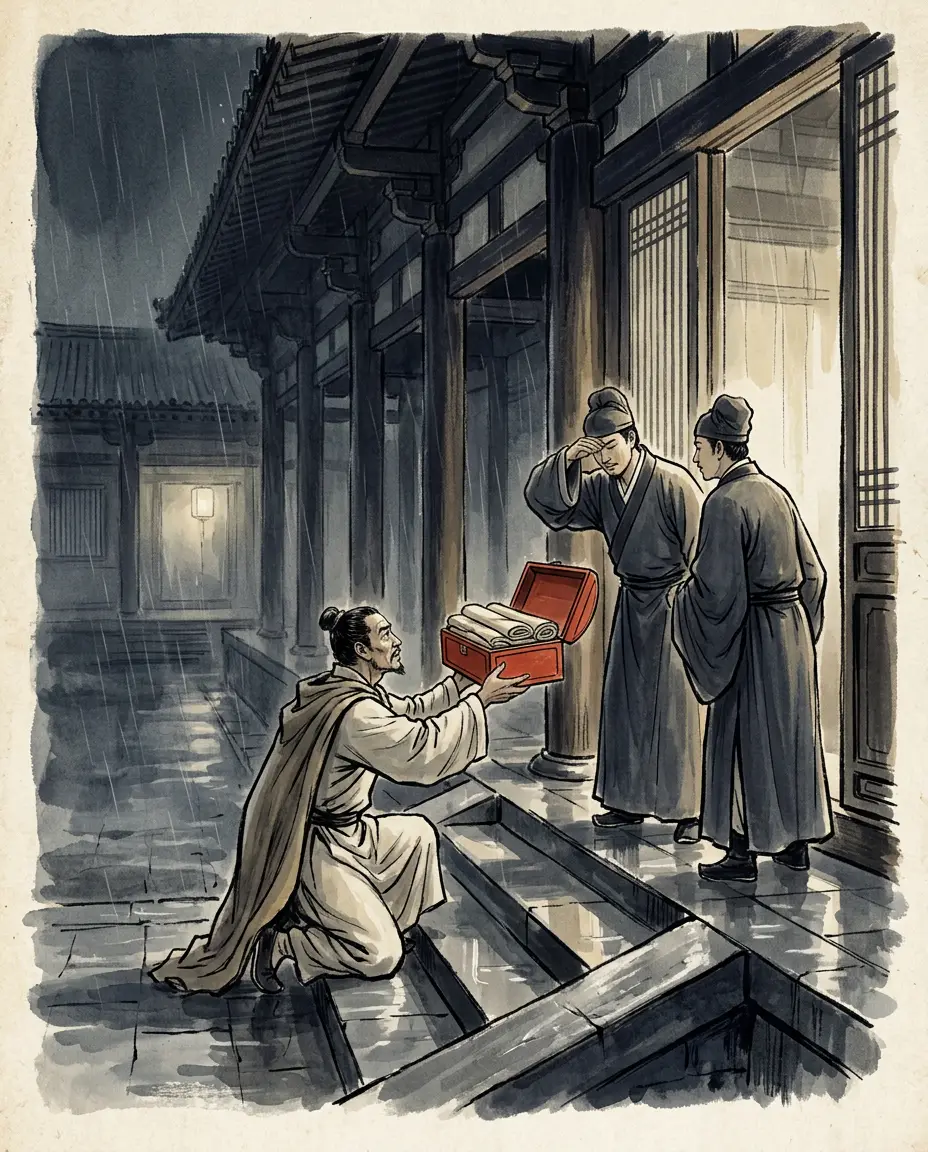
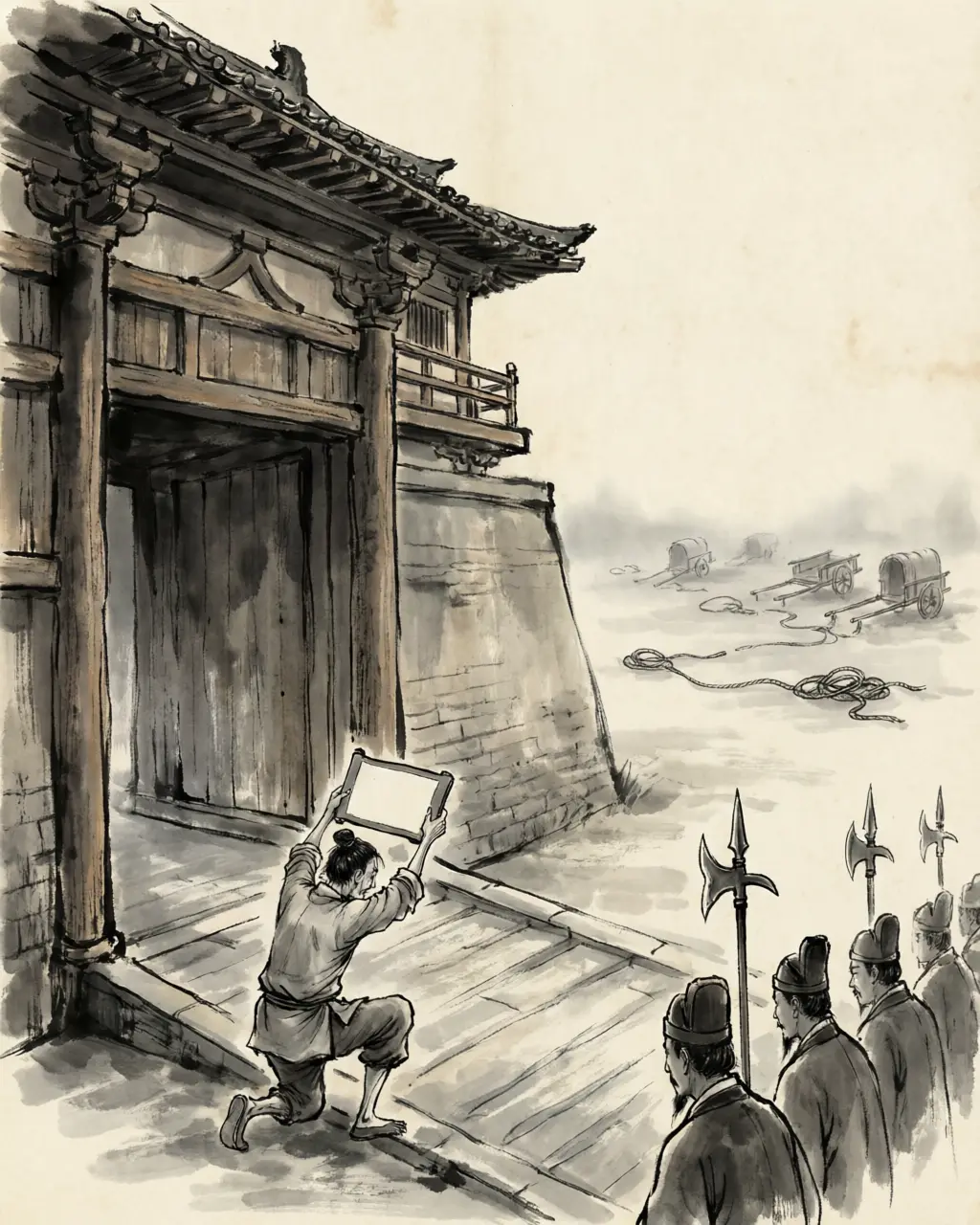
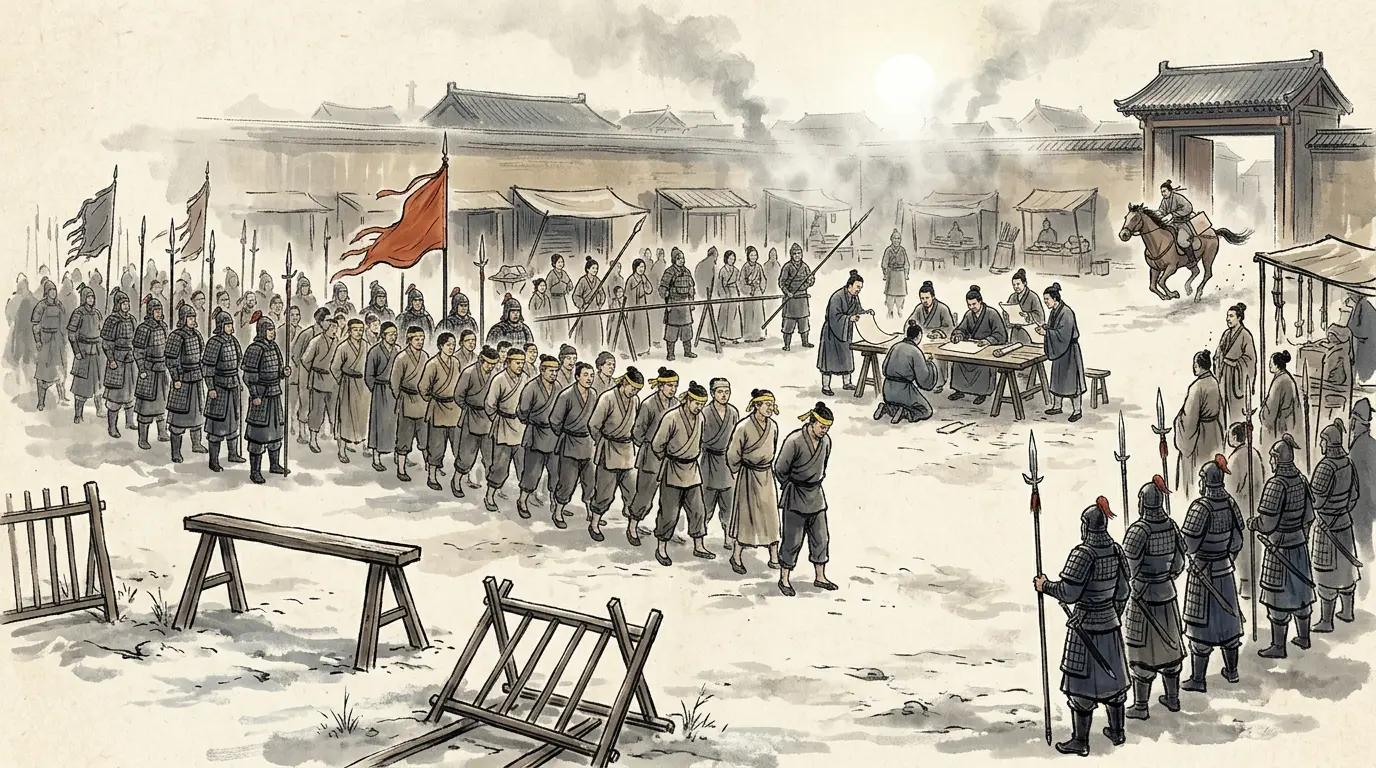
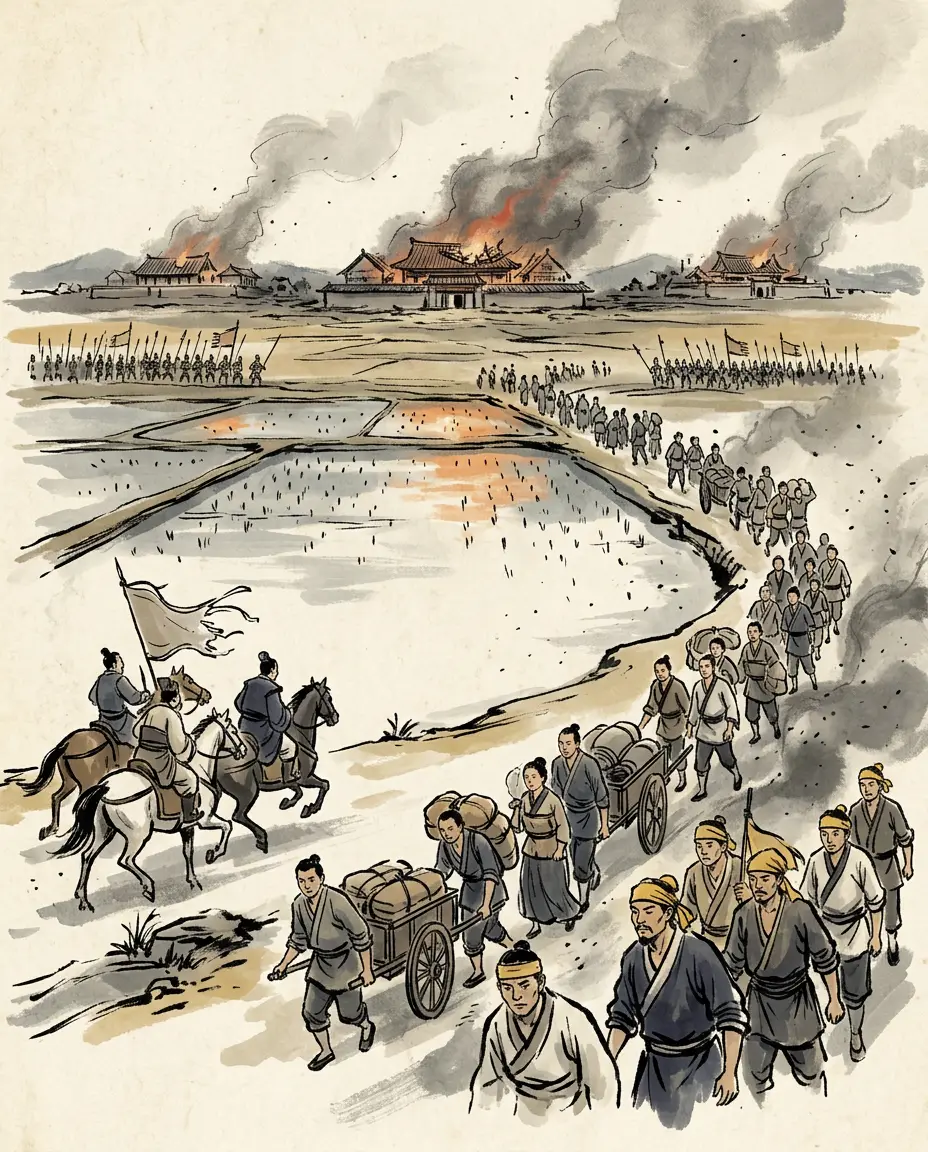
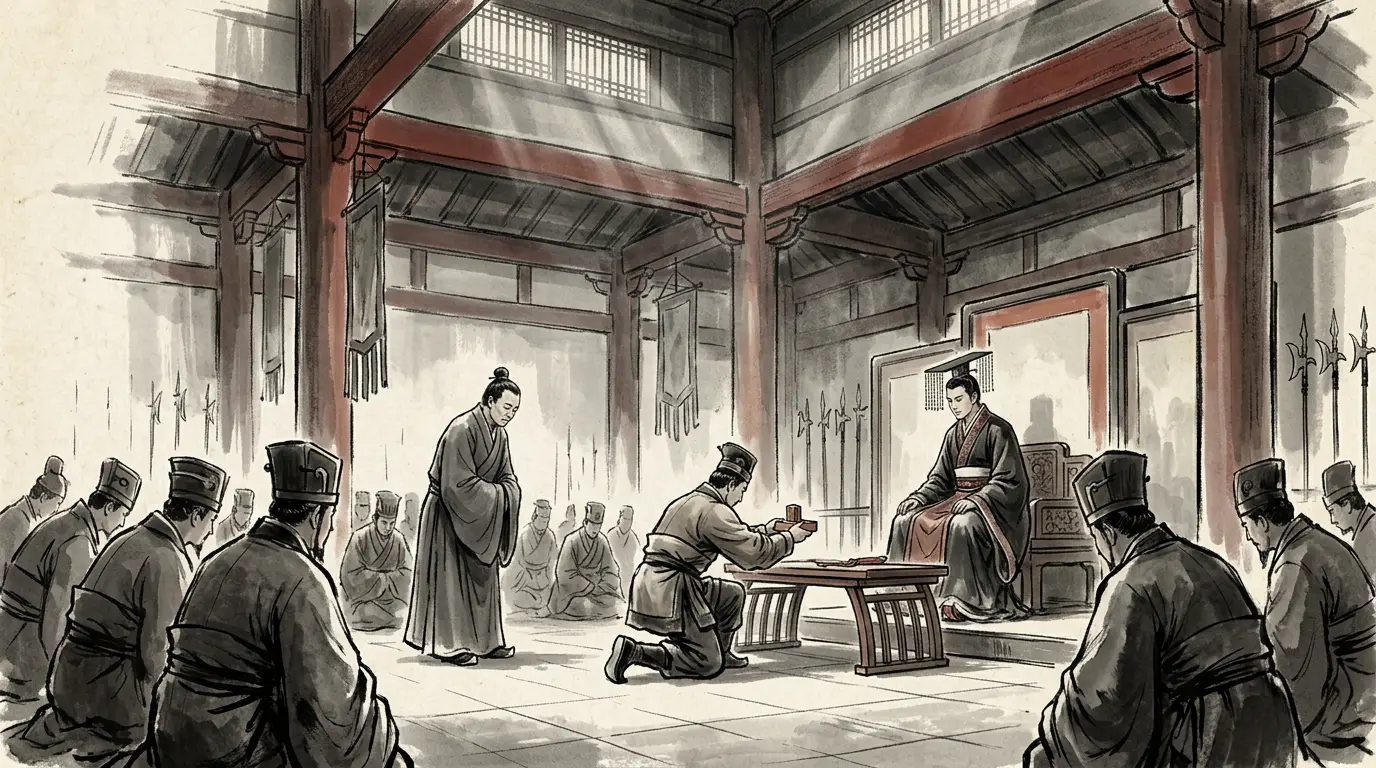
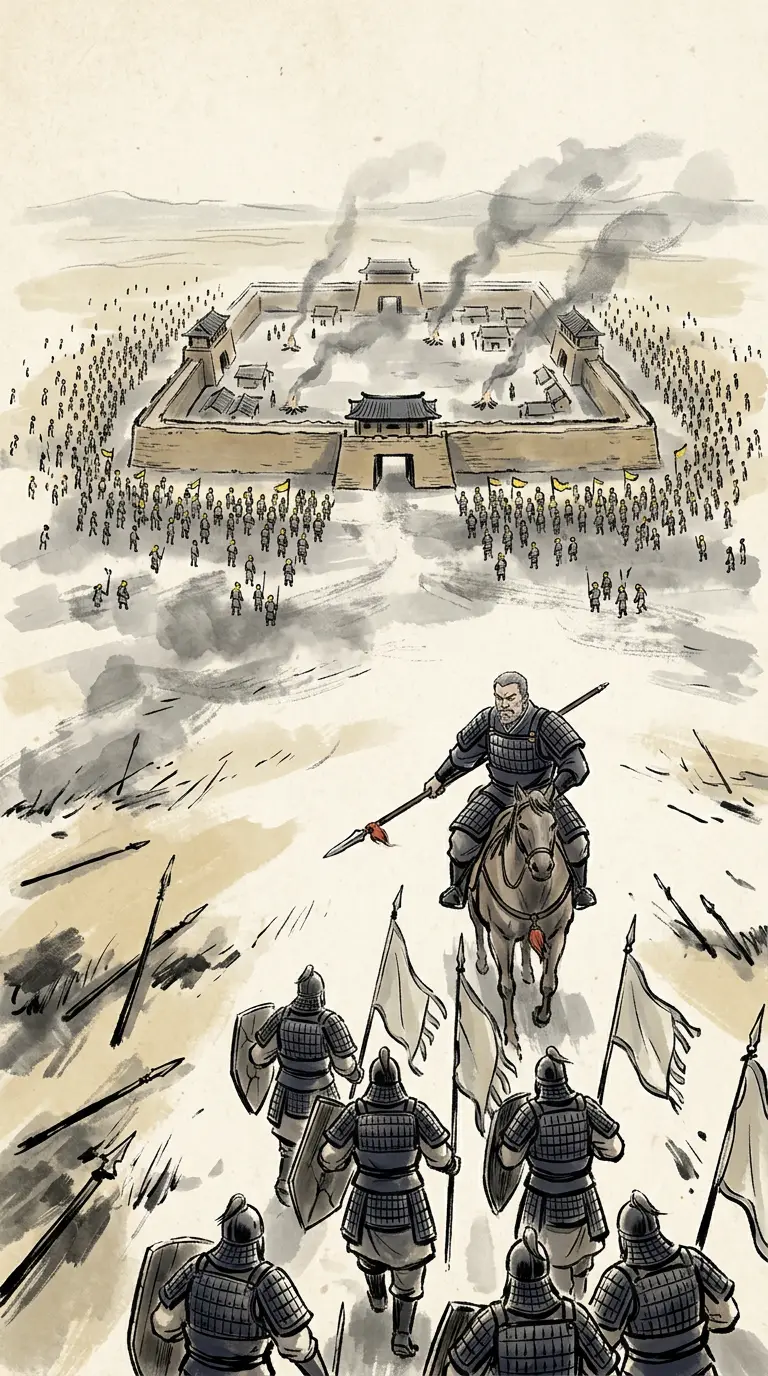
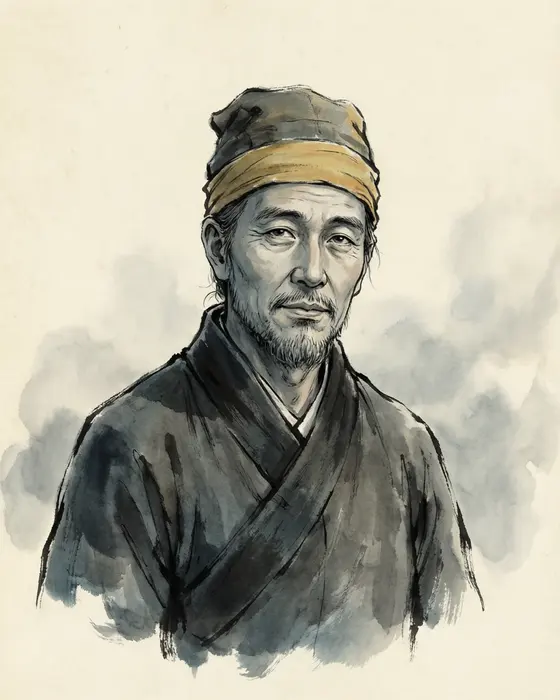


Seven people carried 184 CE: a faith-healer who built a state inside the state, the disciple who told on him, the three generals who were handed the war, and the imperial consort who was murdered over it.


The Ming romances of the Han dynasties, the stage plays drawn from them and the serials drawn from those are entertainment — and not a source. Where their famous scenes depart from the histories, we leave them out of the story and put them here.
The Yellow Turbans were the opening enemy of the Three Kingdoms heroes, who made their names fighting them.
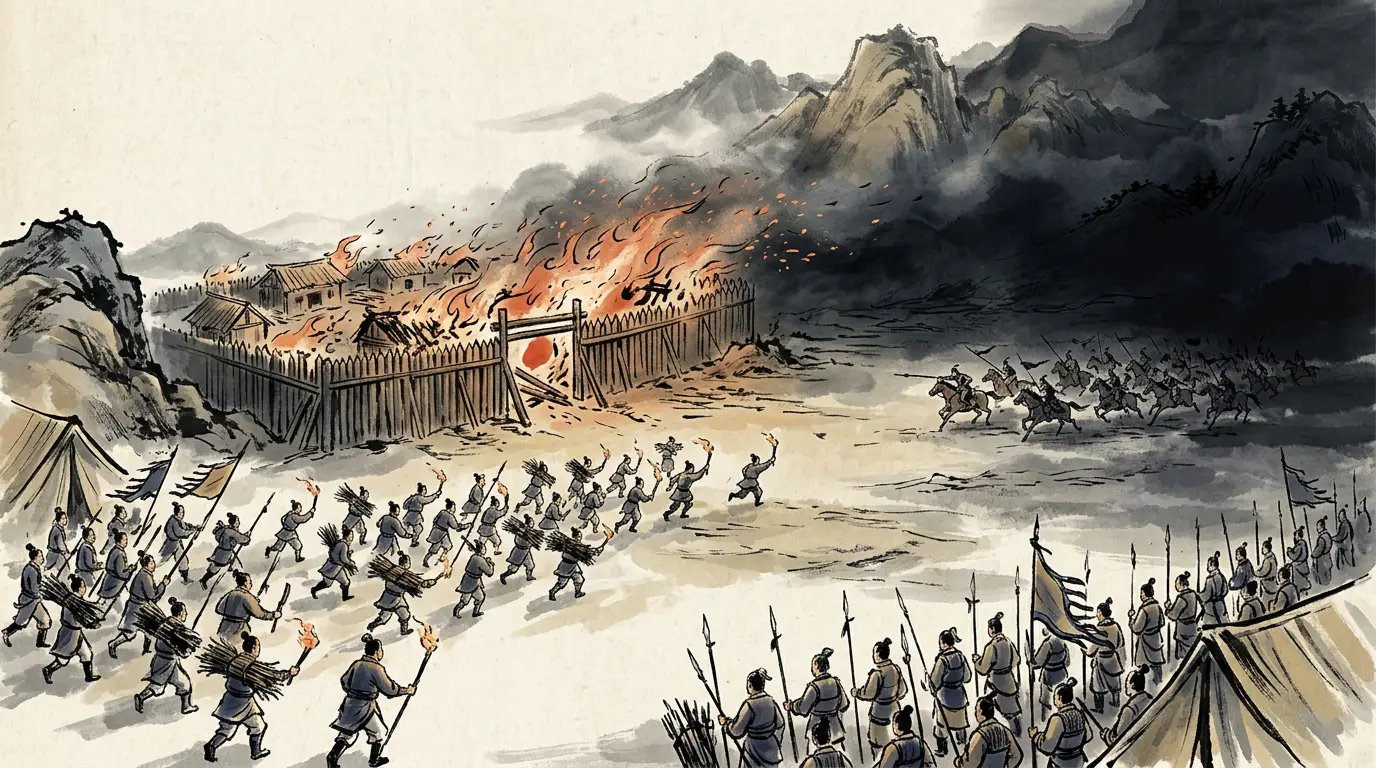
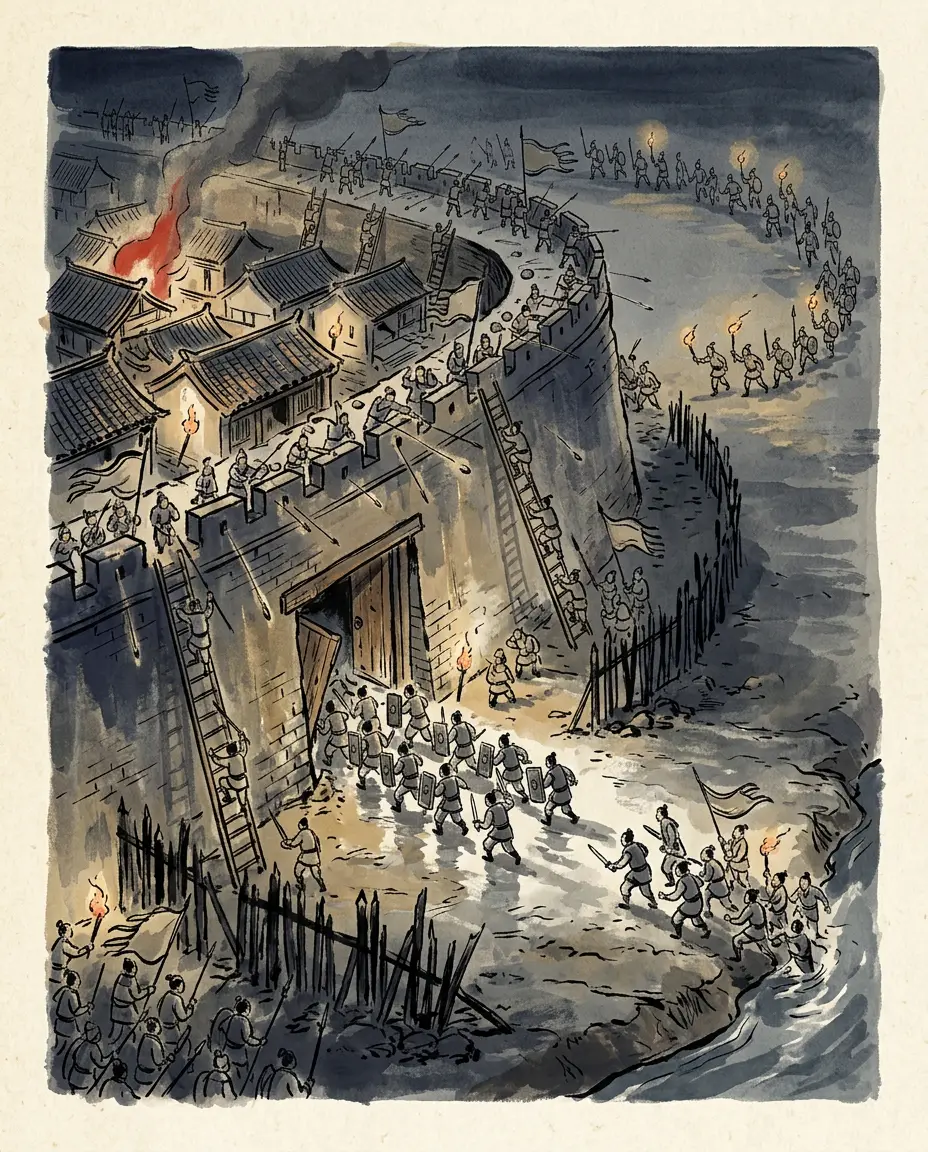
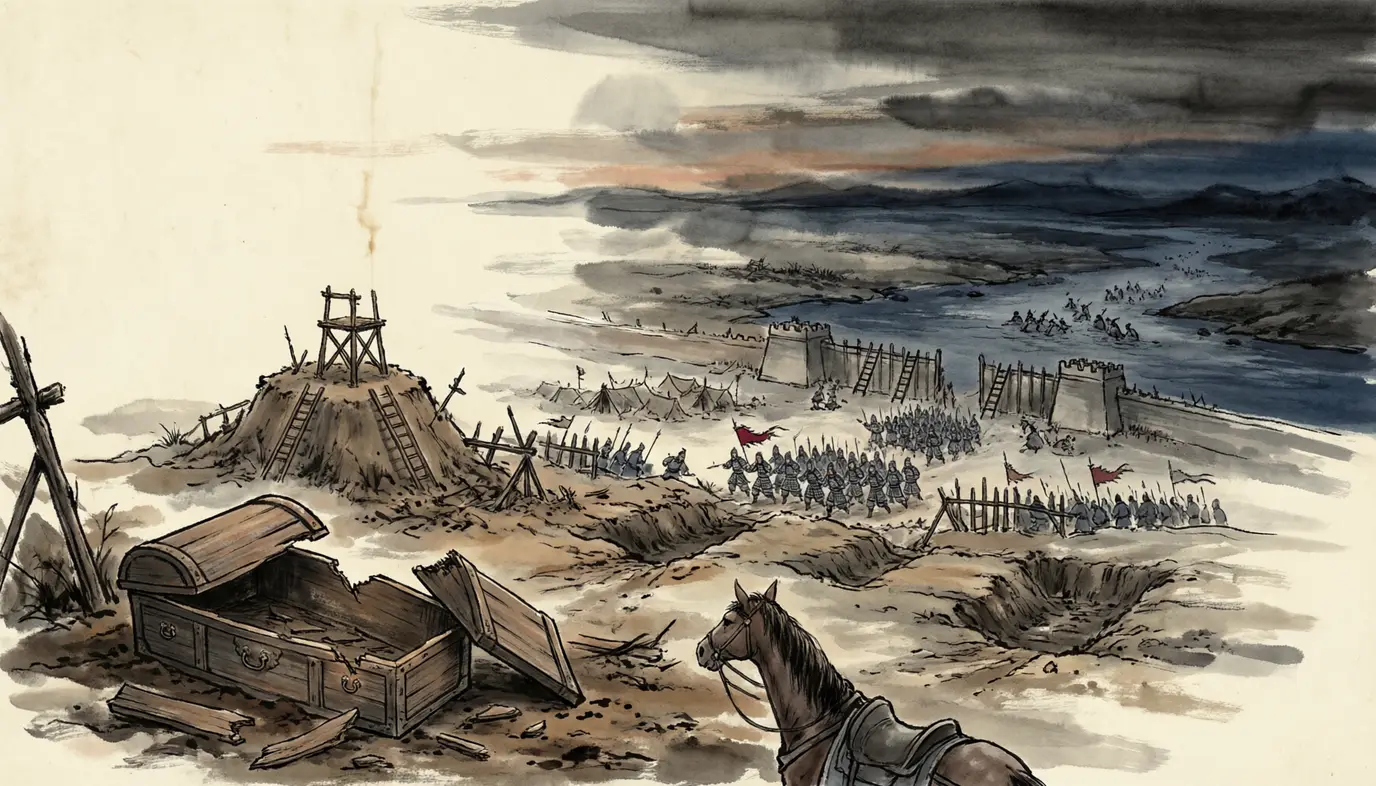
The war of 184 was fought and won by the dynasty's own career officers — Lu Zhi, Huangfu Song, Zhu Jun, and twice a defeated Dong Zhuo. The future founders are on the record only as junior men: Cao Cao arrives with the relief at Changshe as a cavalry commandant, and Sun Jian carries the wall at Wan as a subordinate commander in Sima Guang's copy of Zhu Jun's account. Liu Bei, Guan Yu and Zhang Fei are nowhere in the record of 184; the peach-garden oath and the brothers' first battles against the Turbans belong to the fourteenth-century Romance of the Three Kingdoms, a novel and not a source.
The rising was a spontaneous explosion of desperate peasants in a bad year.
It was an enrolled organisation with a start of ten-odd years, a head-count, thirty-six divisional chiefs, an appointed day and men at court, and the histories explain the business as a bureaucracy leaking rather than a hunger boiling over. Nothing in the record makes 184 a year of famine; the year before it, and not the year of the rising, is the one the annal enters as having a great drought in the summer and an abundant harvest at its end.
The rebellion was crushed in 184 and the dynasty was rescued by the victory.
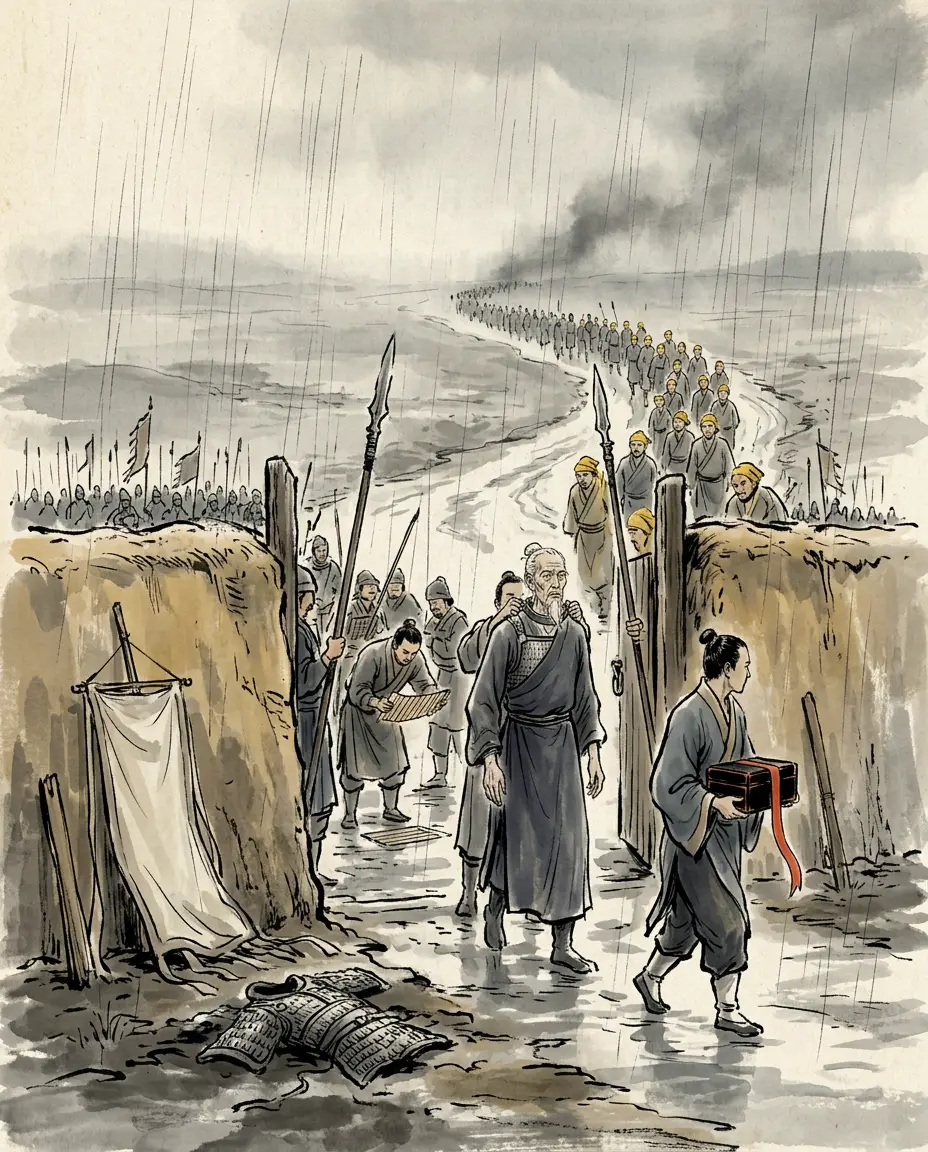
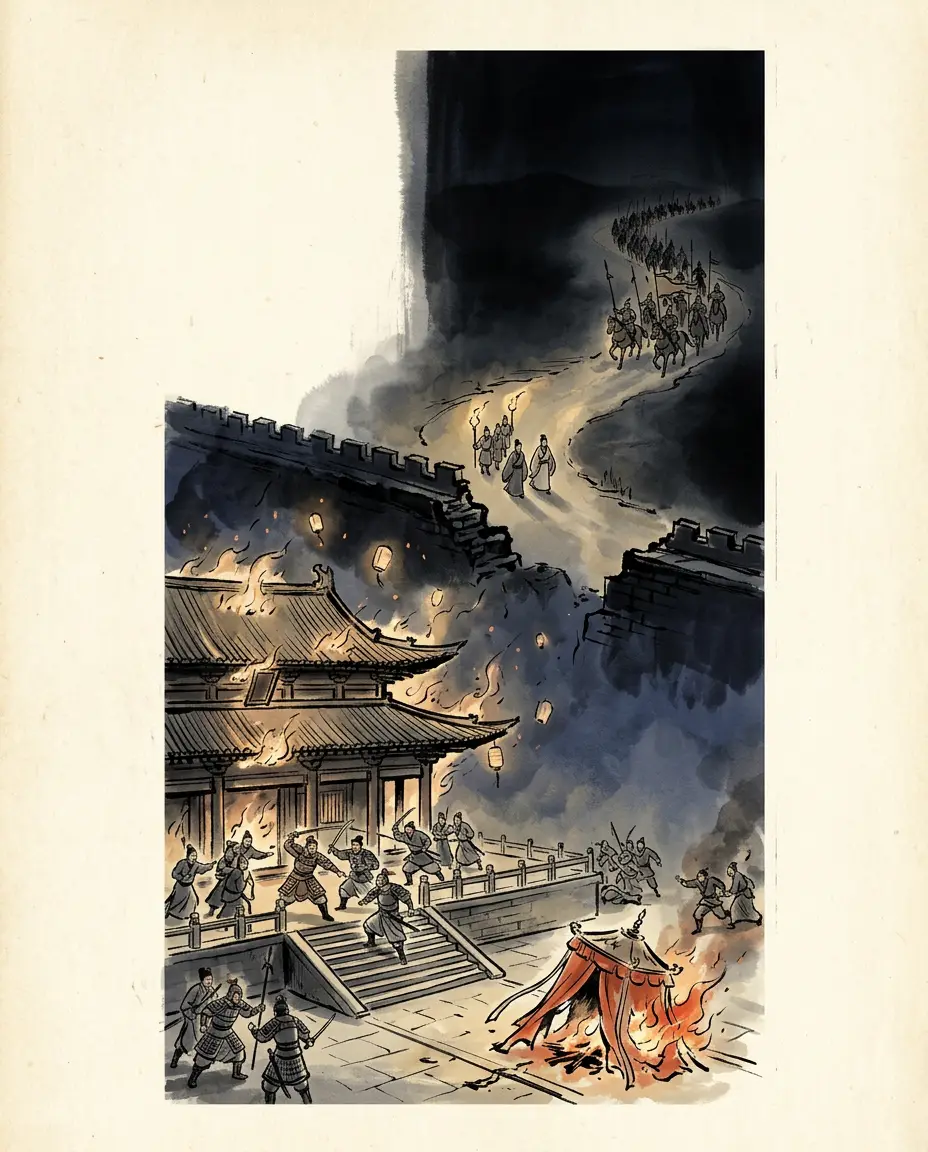
The leadership was destroyed in one autumn and the movement was not: the annals keep entering Yellow Turban bands in province after province for the rest of the reign. What the victory bought was a precedent — the province that feeds its own army and the governor with real troops — and on the reform that made the governorships permanent the Later Han history's own sentence is that the weight of provincial command dates from there.
The Taiping way was a scripted religion, and the Classic of Great Peace was the rebels' book.
The histories name no book of the movement's own — a way, a talisman, water, a recited formula, a confession, a day and a colour. But they do not leave it bookless: the memoir of Xiang Kai records how Gong Chong presented, under Emperor Shun, the divine book his master had got at a spring, a hundred and seventy juan called the Register of Great Peace in the Clean Series, how the offices refused it as demon-spoken and irregular and had it put away, and then adds that Zhang Jue came to have a good deal of that book. What is modern and contested is the next step: that the surviving Classic of Great Peace is that book, and so the rebels' scripture.
The empire rewarded the generals who put the rising down.
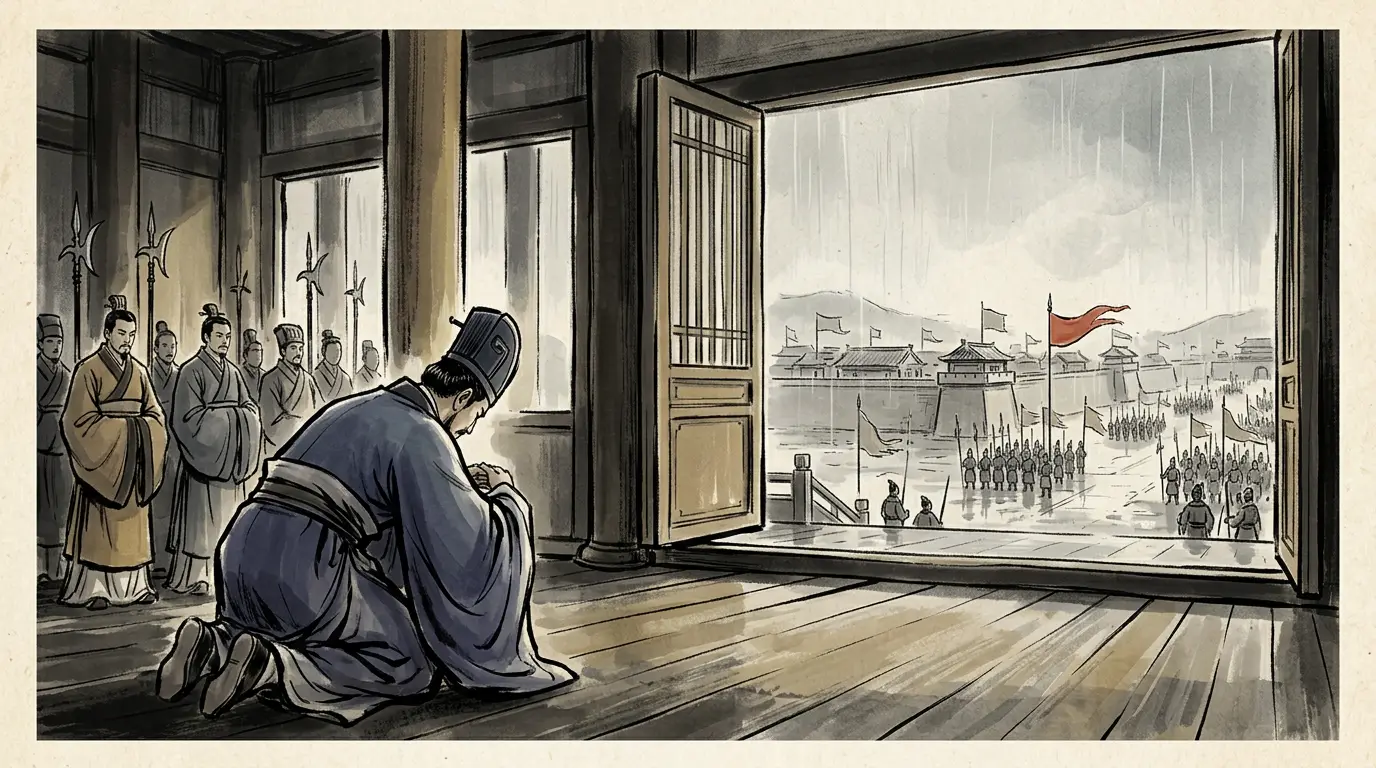
Two of the three men this page names as its saviours were struck afterward and the third very nearly was. Lu Zhi lost his command in a prison-cart for refusing to fee an envoy and was condemned, off by one degree. Huangfu Song, in the year after he broke the main host, had his general's seal seized and six thousand households struck off his marquisate on a charge his own memoir says two Regular Attendants made up out of spite. Zhu Jun was saved from recall at Wan only by a colleague's memorial. All three had been enfeoffed and raised first; the years after 184 read as a court settling accounts with its officers, not thanking them.
Every caption and quotation in this episode traces to one of these. Where scholars disagree, the panel says so.
The line ends here in 184 CE, because this is where the empire stopped answering: Three Kingdoms · Episode 1 · Fire on the Yangtze (Red Cliff, 208 CE) picks it up with the warlords who inherited the provinces. Or meet the cast, or back to the Han line.