Bamboo Scroll竹簡 Ep. 5 · The Great Hammer
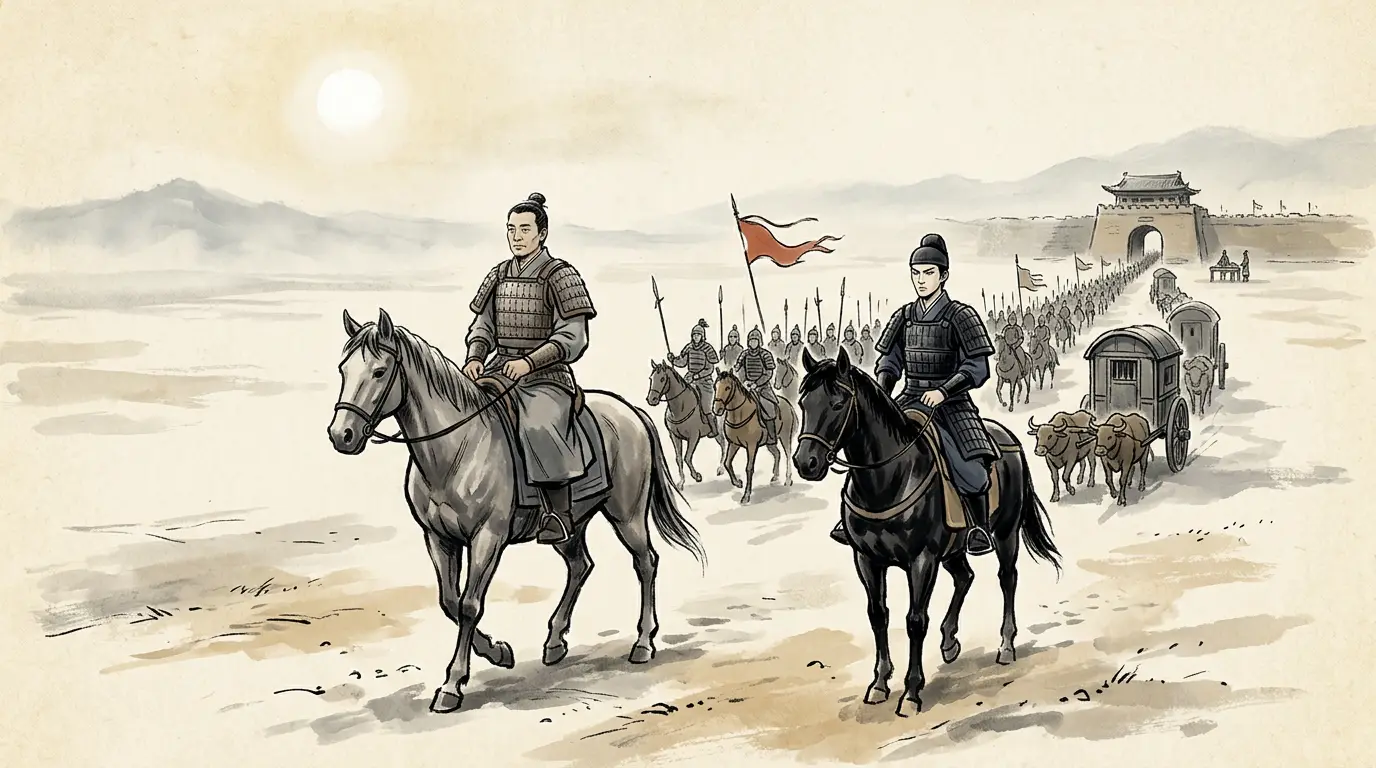
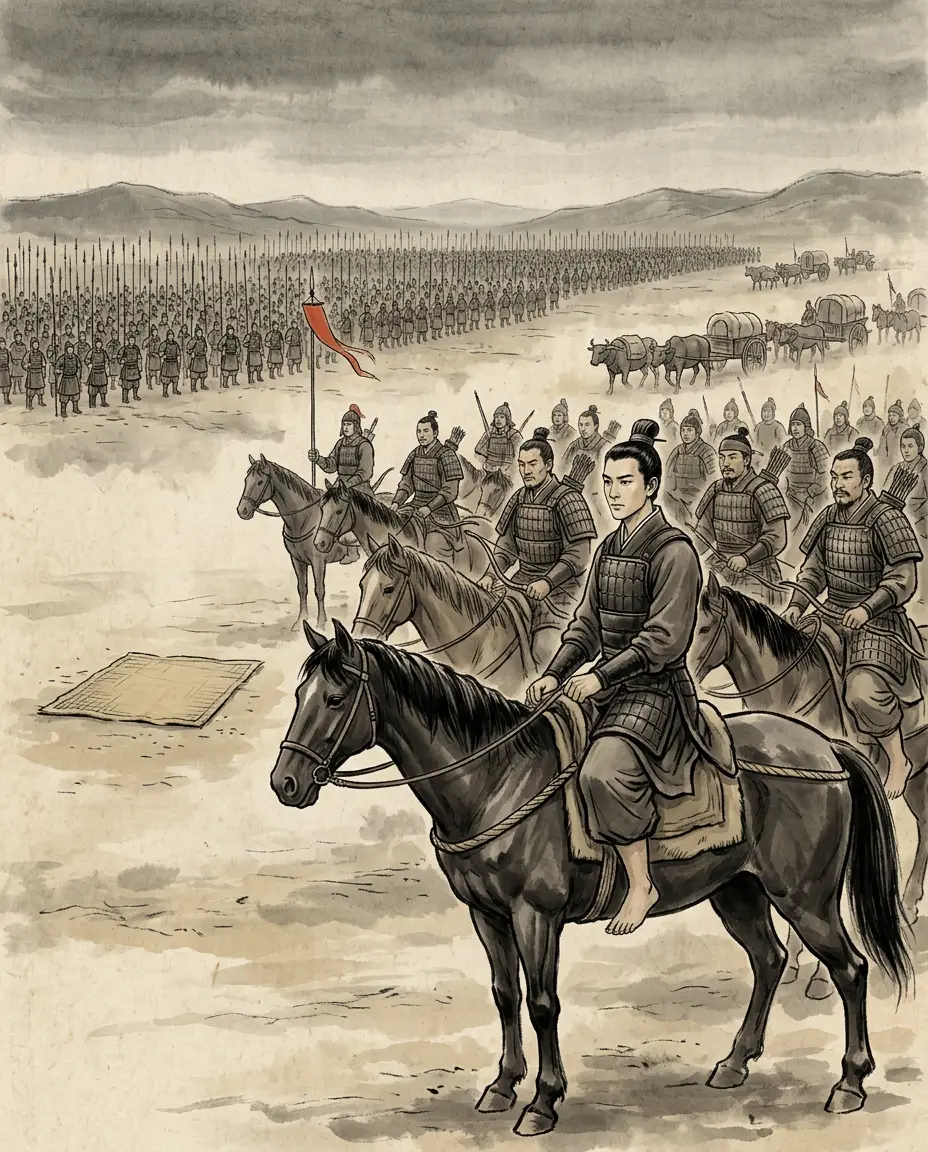
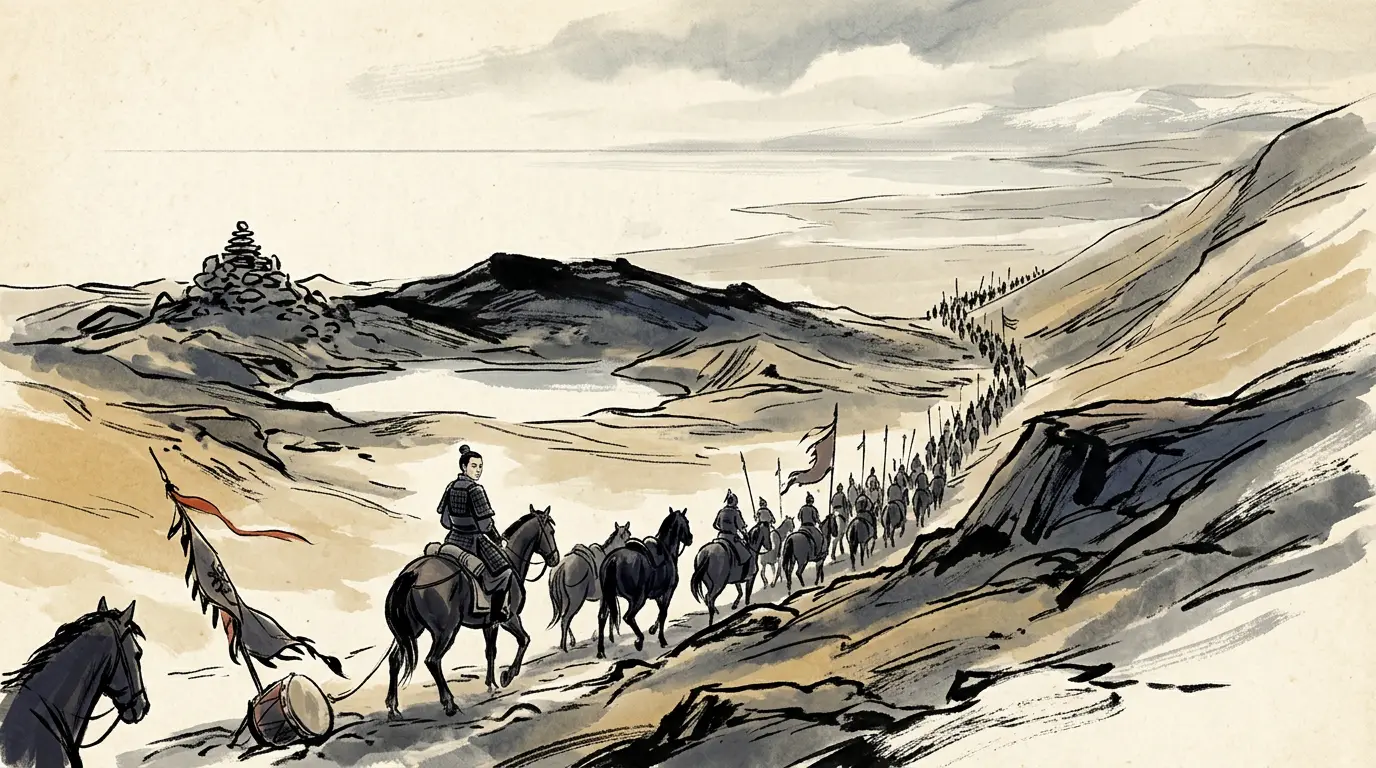
Two columns of Han horse and armoured waggons riding north into a flat desert horizon under a blown sand, a Xiongnu camp retreating far behind them, 119 BCE
Bamboo Scroll · Han · Episode 5

The Great Hammer

The Mobei, 119 BCE — Two cavalry armies of fifty thousand each crossed the desert with hundreds of thousands of men hauling behind them; on the record's own tally they brought in eighty-nine thousand heads, and fewer than thirty thousand of the hundred and forty thousand horses counted out at the frontier gate came back.
17 panels~7 min read free to readevery line sourced
Panel 01: Spring, 119 BCE. Two armies rode out of the frontier commanderies, one from Dingxiang, one from Dai, with the desert between them and the Chanyu's court beyond it. The court had counted the horses out at the gates, and the histories record how many came back in.
Spring, 119 BCE. Two armies rode out of the frontier commanderies, one from Dingxiang, one from Dai, with the desert between them and the Chanyu's court beyond it. The court had counted the horses out at the gates, and the histories record how many came back in.
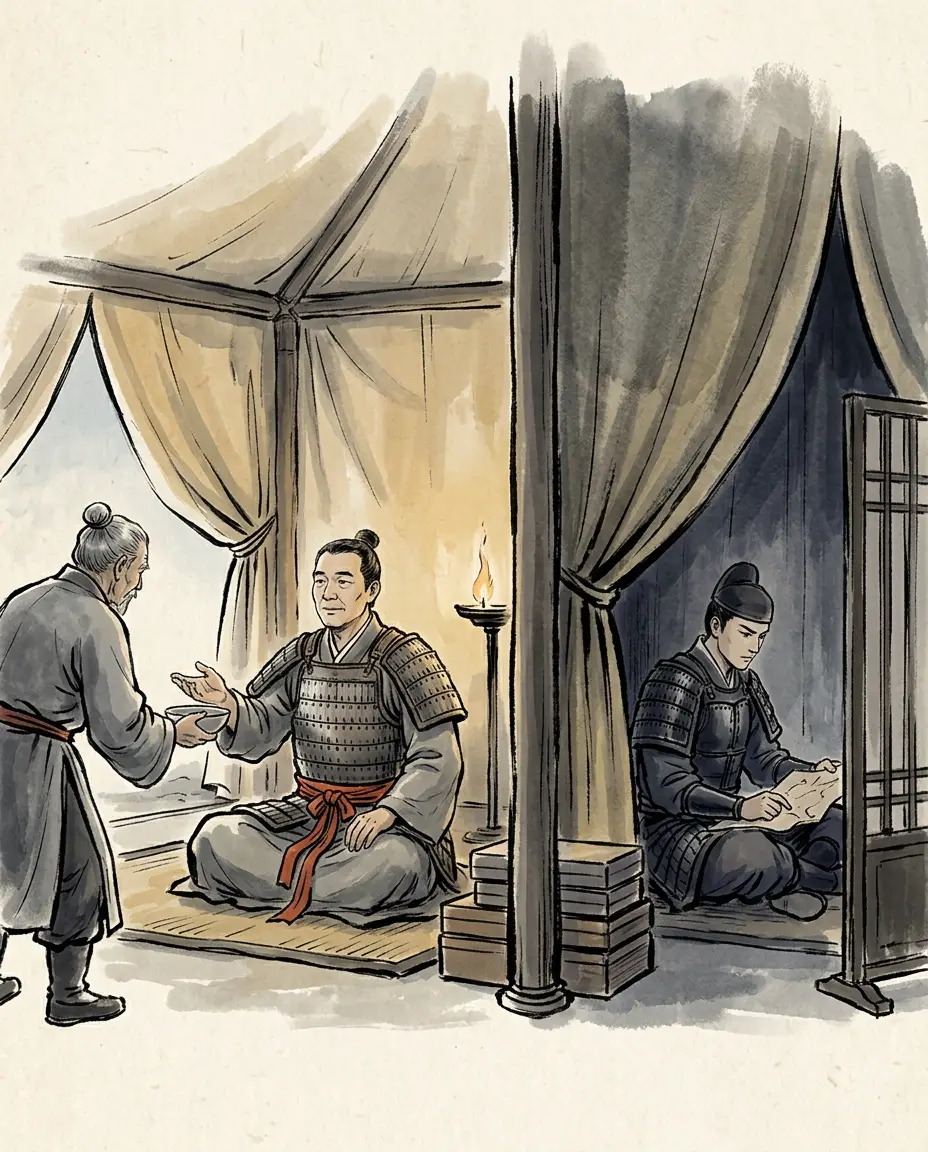
Panel 02: The order of battle comes in one flat sentence. Fifty thousand horse apiece, and infantry detailed to carry and follow at the army's heels in hundreds of thousands. The men known for fighting deep were all put in one command — the younger one.
Emperor Wu Zhao Xin has always told the Chanyu that our troops cannot cross the desert and hold there. Now we send out massed infantry — the shape of it must be that we get what we want.
The order of battle comes in one flat sentence. Fifty thousand horse apiece, and infantry detailed to carry and follow at the army's heels in hundreds of thousands. The men known for fighting deep were all put in one command — the younger one.
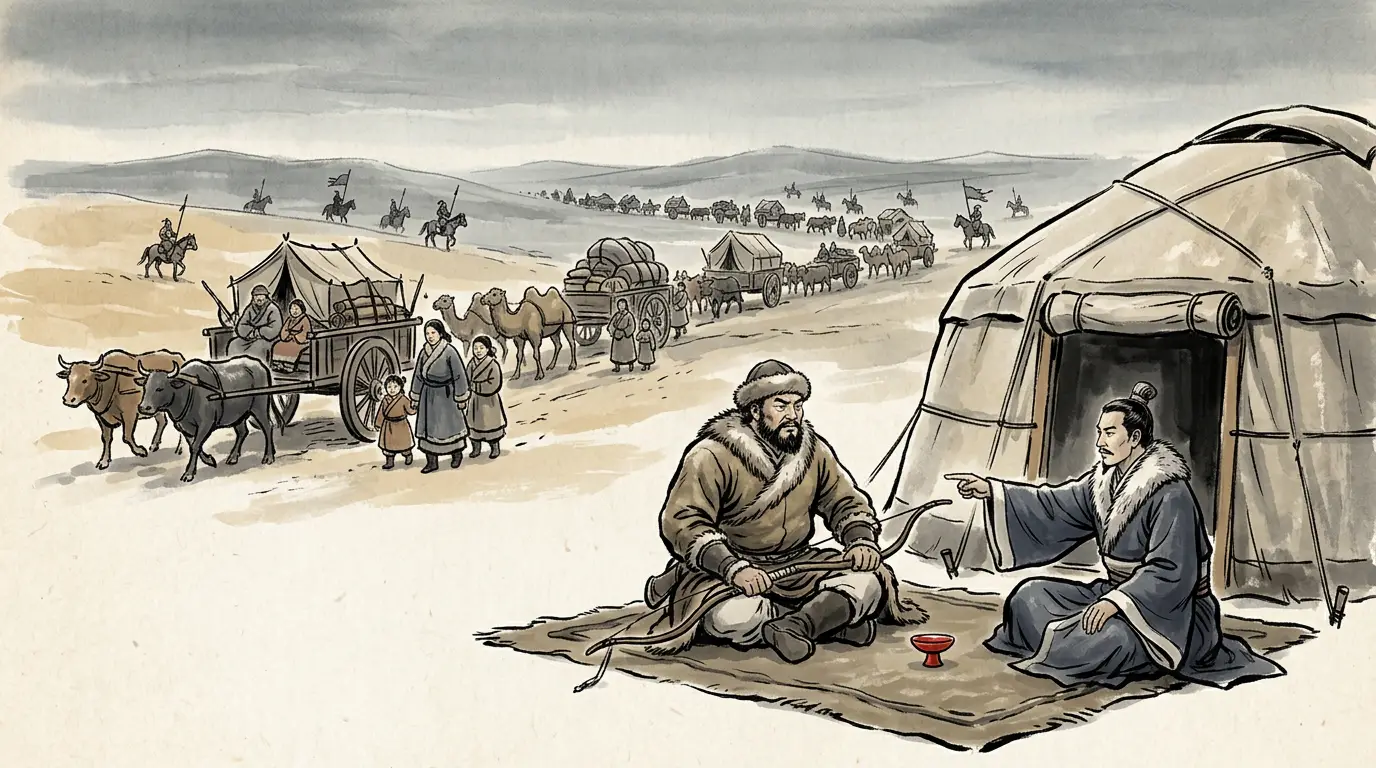
Panel 03: Both sides of this campaign were thinking with the same man's arithmetic. Zhao Xin had been a Xiongnu lieutenant-king who surrendered to the Han, was made a marquis, and went over to the Chanyu in 123. He had spent the interval explaining the steppe to the Han court, and now he was explaining the Han to the steppe.
Zhao Xin Once the Han army has crossed the desert, its men and horses will be spent. The Xiongnu can sit and gather the prisoners.
Both sides of this campaign were thinking with the same man's arithmetic. Zhao Xin had been a Xiongnu lieutenant-king who surrendered to the Han, was made a marquis, and went over to the Chanyu in 123. He had spent the interval explaining the steppe to the Han court, and now he was explaining the Han to the steppe.
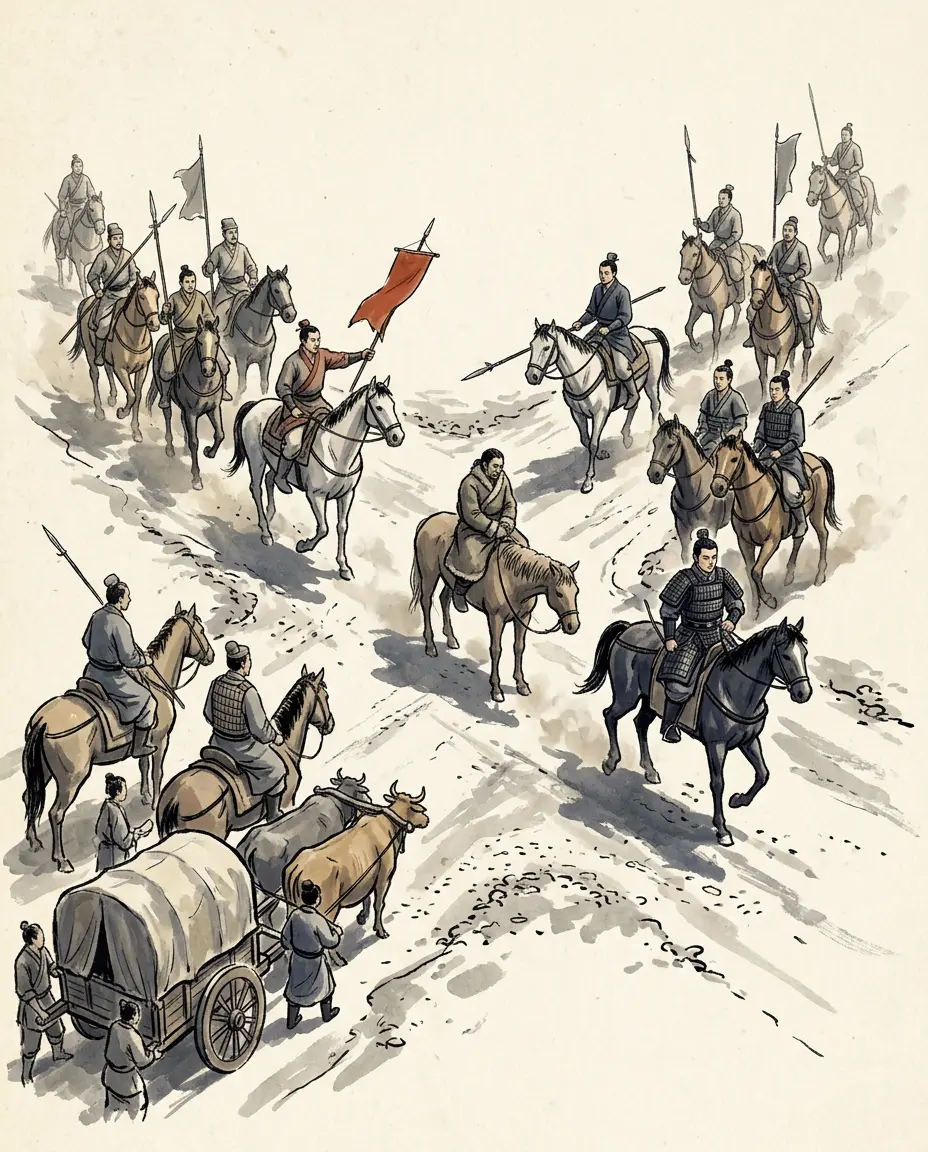
Panel 04: The Brilliant Rider had been assigned the Dingxiang road, the one that met the Chanyu head-on. Then prisoners said the Chanyu was in the east, and the two columns traded circuits in the field.
The Brilliant Rider had been assigned the Dingxiang road, the one that met the Chanyu head-on. Then prisoners said the Chanyu was in the east, and the two columns traded circuits in the field.
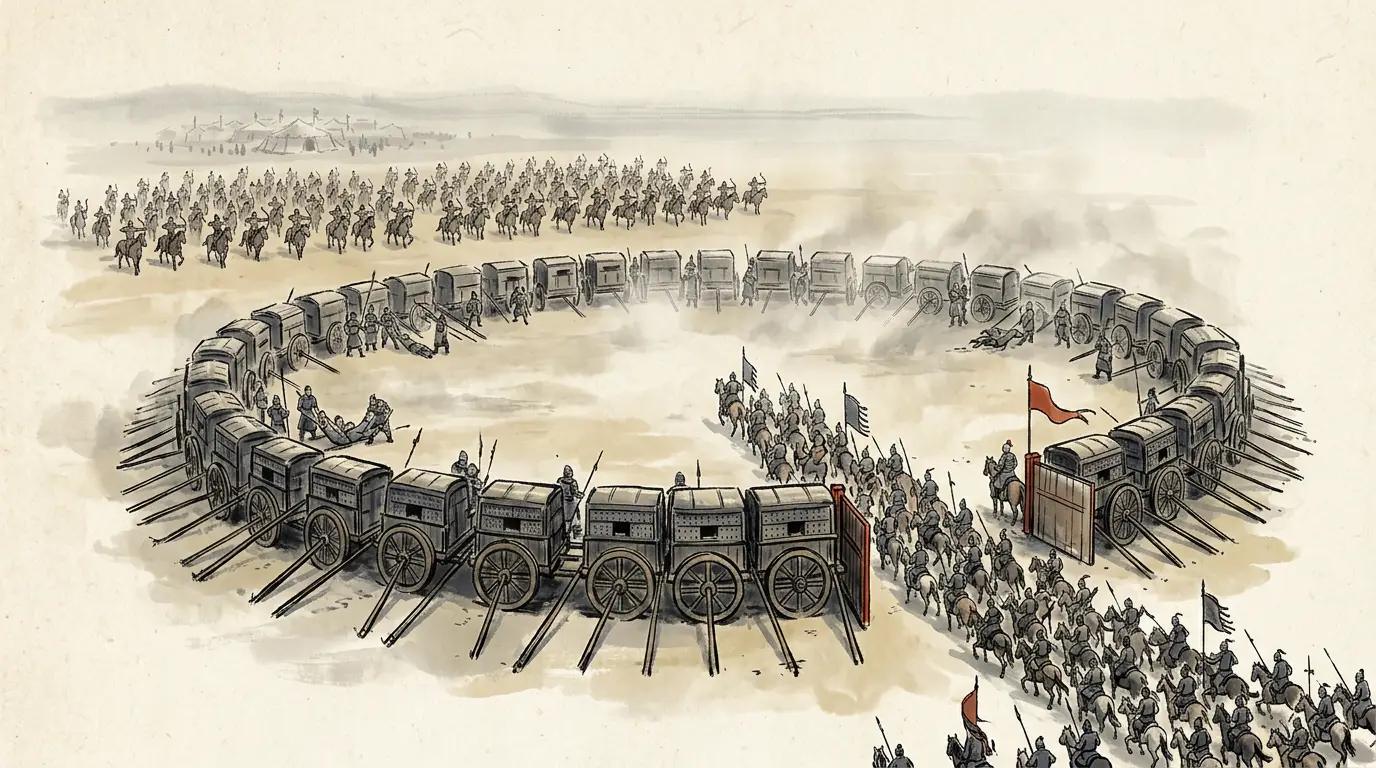
Panel 05: Wei Qing rode a thousand li past the frontier and found the Xiongnu already drawn up and waiting for him. He locked his train into a ring of armoured waggons, sent five thousand horse out through the gate to meet them, and the Chanyu put about ten thousand of his own against them.
Wei Qing rode a thousand li past the frontier and found the Xiongnu already drawn up and waiting for him. He locked his train into a ring of armoured waggons, sent five thousand horse out through the gate to meet them, and the Chanyu put about ten thousand of his own against them.
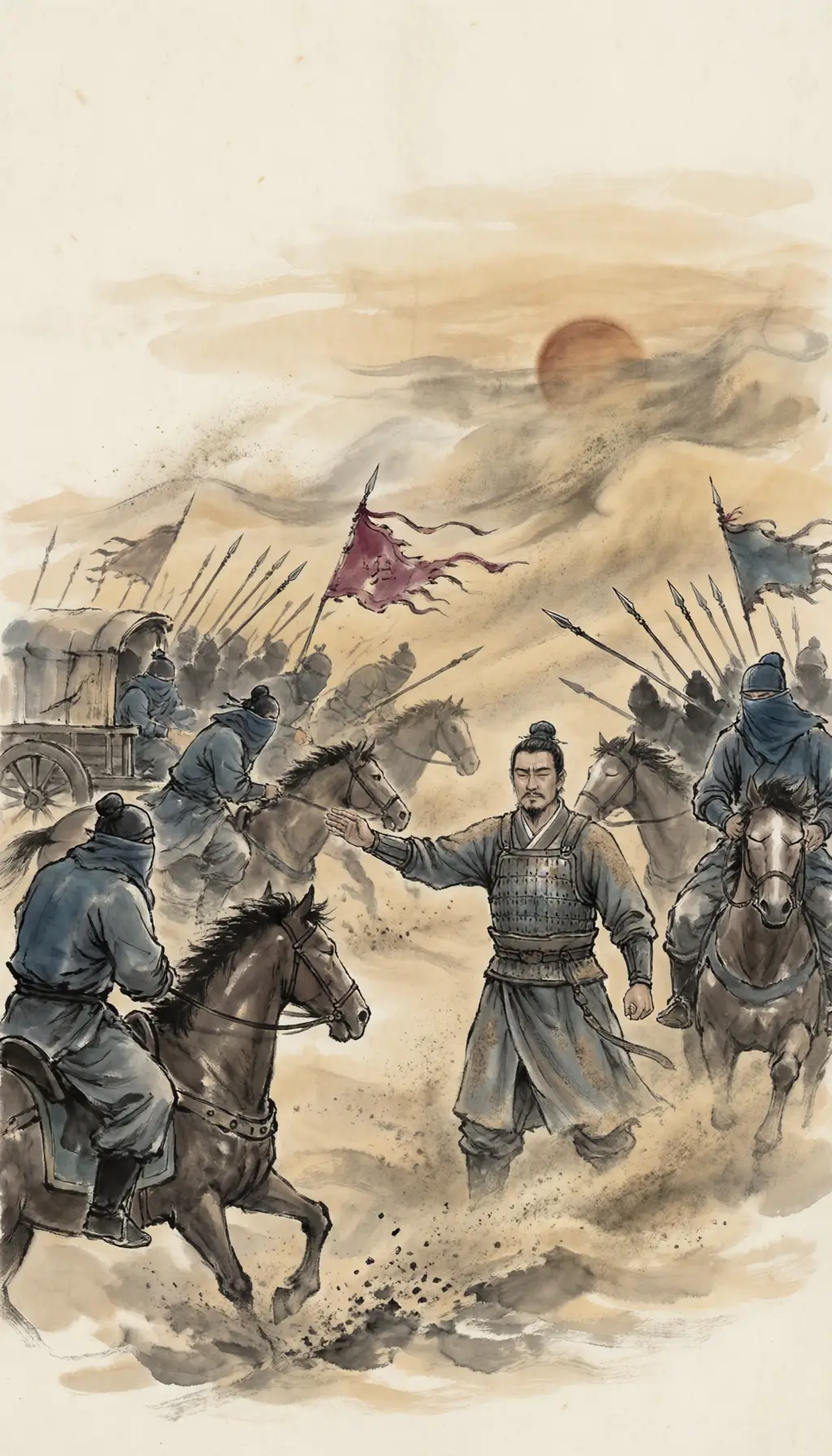
Panel 06: The sun was going down when the wind came: sand and gravel struck men in the face, and neither army could see the other. Into that, Wei Qing loosed more horse on his left and right wings to close round the Chanyu.
The sun was going down when the wind came: sand and gravel struck men in the face, and neither army could see the other. Into that, Wei Qing loosed more horse on his left and right wings to close round the Chanyu.
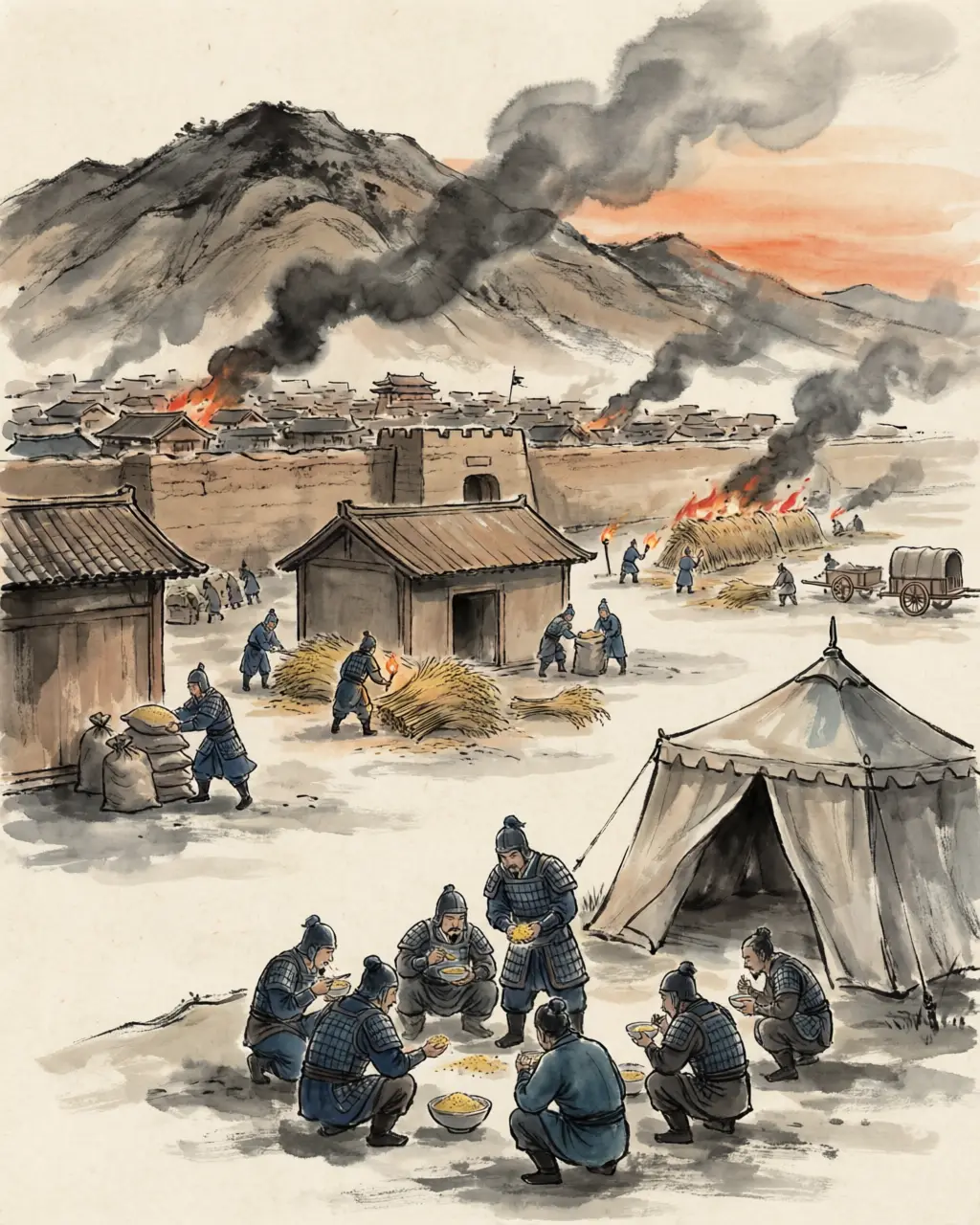
Panel 07: The escape was not discovered until first light, and by then the pursuit had ridden out at night and two hundred li by day, and had missed him. They did not catch the Chanyu. They caught his grain: at Zhao Xin's city on the Tianyan mountains the army found the Xiongnu's stored millet, fed on it, stayed a day, and burnt all the rest of it on the way home.
The escape was not discovered until first light, and by then the pursuit had ridden out at night and two hundred li by day, and had missed him. They did not catch the Chanyu. They caught his grain: at Zhao Xin's city on the Tianyan mountains the army found the Xiongnu's stored millet, fed on it, stayed a day, and burnt all the rest of it on the way home.
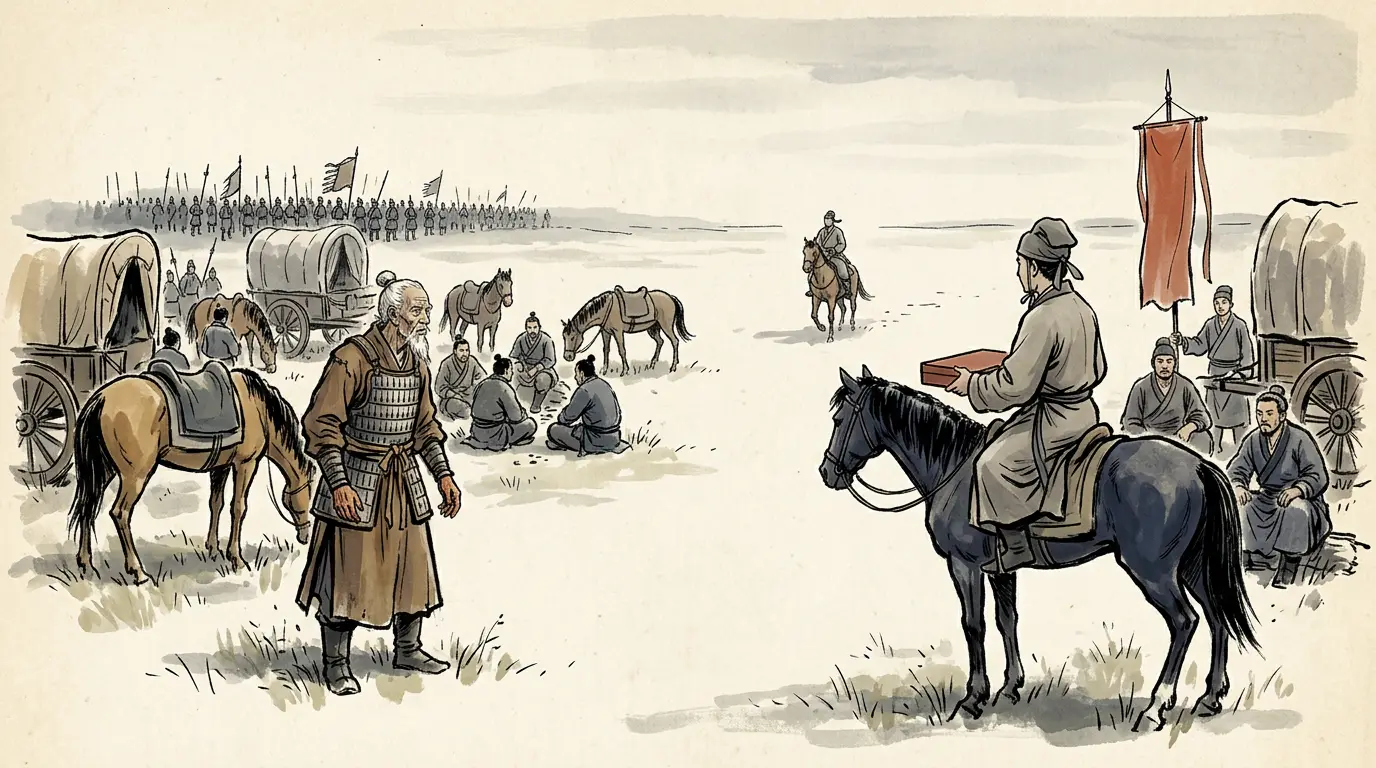
Panel 08: Two of Wei Qing's column commanders never reached the battle at all. Forward and Right General marched east together with no guide, lost the road, and arrived after the Chanyu had gone. Then a clerk came riding to the Forward General's camp with a document.
Wei Qing Ride to your unit at once, and do what this writing says.
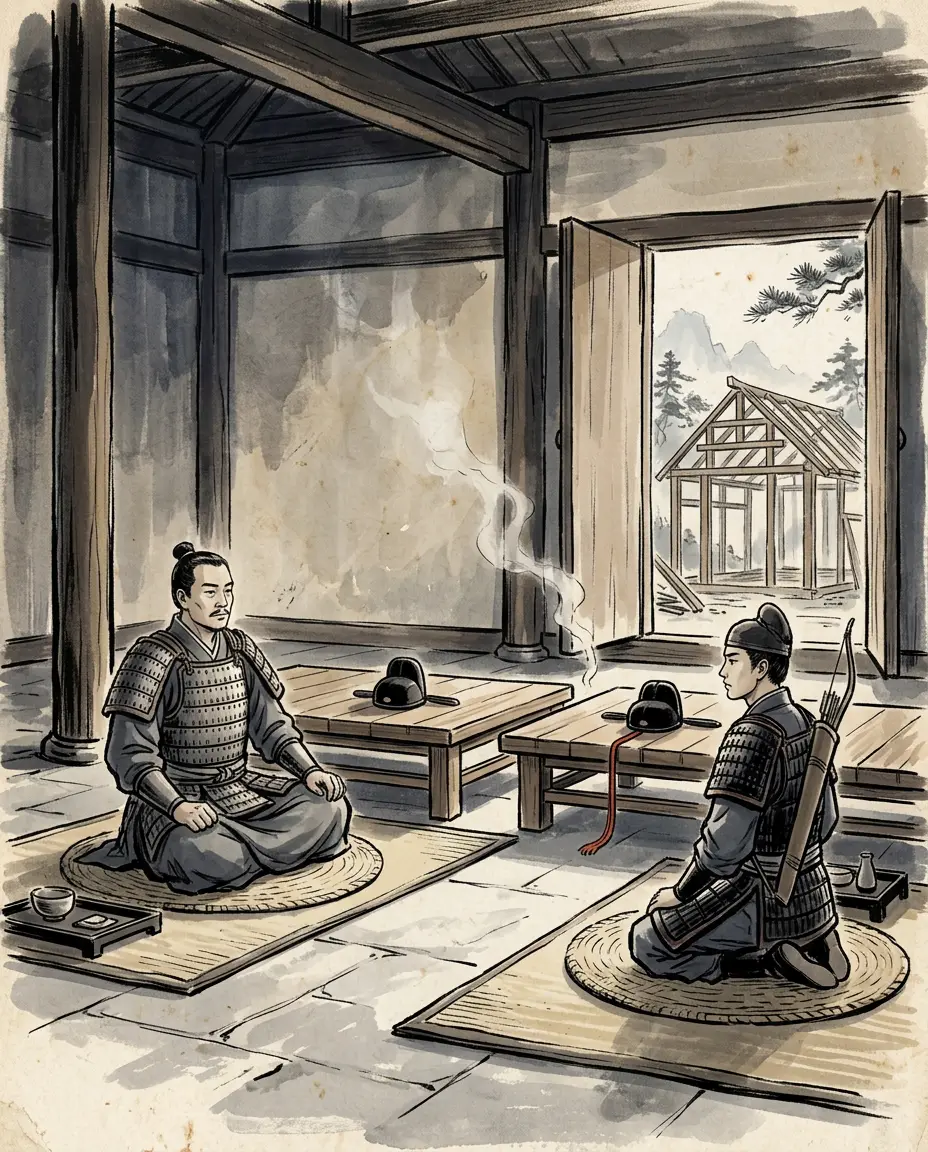
Two of Wei Qing's column commanders never reached the battle at all. Forward and Right General marched east together with no guide, lost the road, and arrived after the Chanyu had gone. Then a clerk came riding to the Forward General's camp with a document.
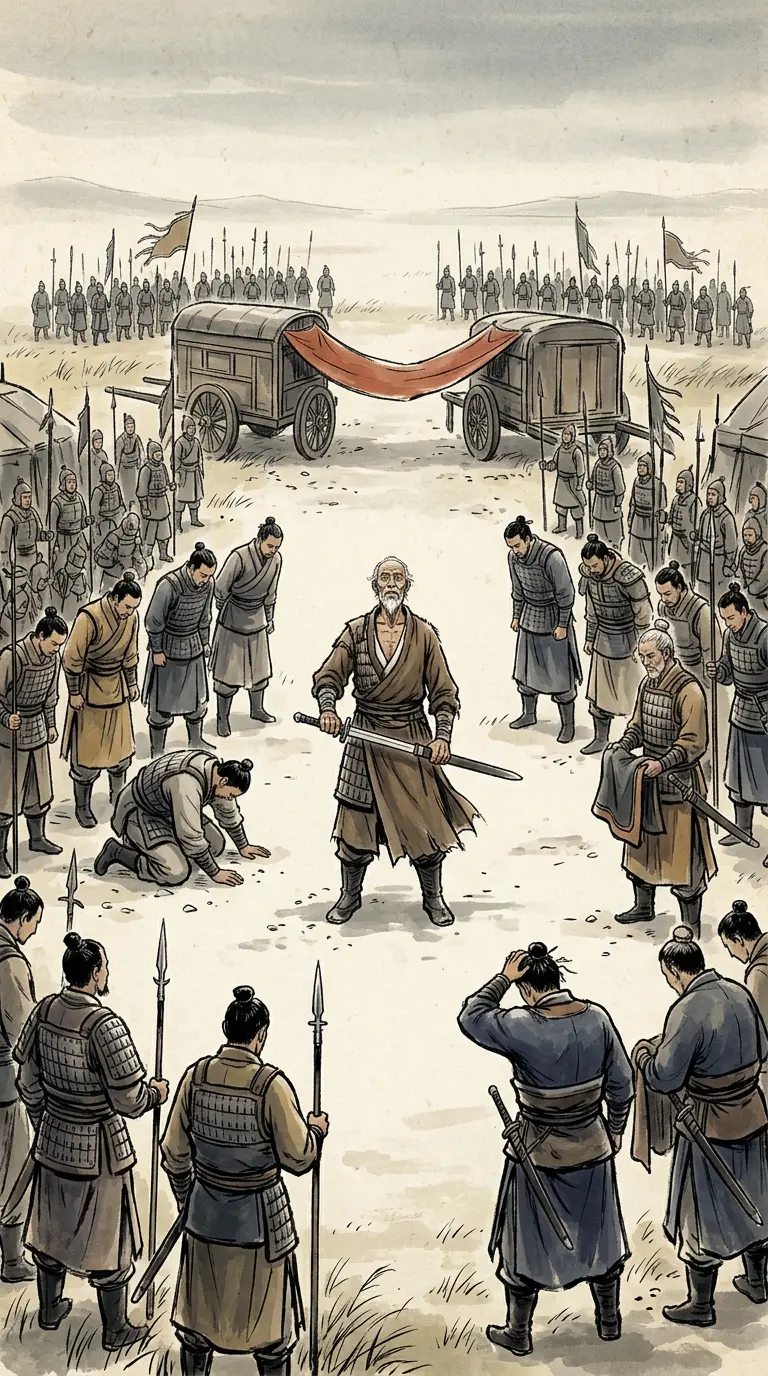
Panel 09: The Forward General refused to answer questions in writing. He told his men that the colonels were guiltless and that he himself had lost the way, and that he would go up to the accounting on his own; then he drew his sword and killed himself in front of his army. His whole army wept; and the people of the empire, who knew him and who did not, old and young, wept at the news of it.
Li Guang Since I tied up my hair I have fought the Xiongnu in seventy-odd engagements. Now the General-in-Chief has shifted my command onto a circuitous road and I have lost the way — is it not heaven? I am over sixty. I cannot answer a clerk with his brush.
The Forward General refused to answer questions in writing. He told his men that the colonels were guiltless and that he himself had lost the way, and that he would go up to the accounting on his own; then he drew his sword and killed himself in front of his army. His whole army wept; and the people of the empire, who knew him and who did not, old and young, wept at the news of it.
Panel 10: While that was happening on the eastern road, the other army had gone further. Huo Qubing came out of Dai and Right Beiping, struck the Xiongnu left wing, and drove north past the desert: the Zhangqu, the Gouwu, the mountains, and the sea.
While that was happening on the eastern road, the other army had gone further. Huo Qubing came out of Dai and Right Beiping, struck the Xiongnu left wing, and drove north past the desert: the Zhangqu, the Gouwu, the mountains, and the sea.
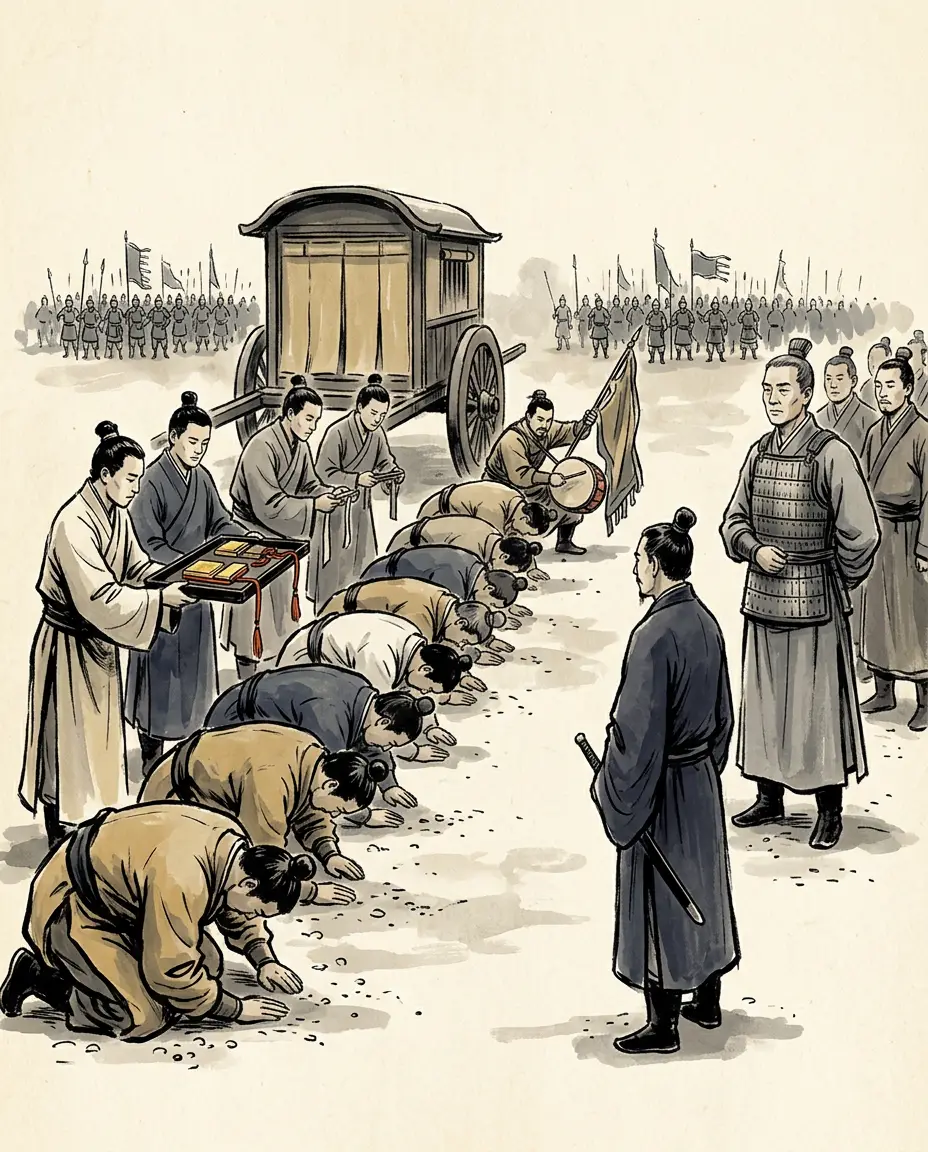
Panel 11: The verdict of the merits came out in households and in names. Huo Qubing was given five thousand eight hundred more; four of his officers were enfeoffed on the spot, two more had their fiefs increased, and a colonel who had carried off a drum and a banner was made a Marquis Within the Passes with two hundred households. The General-in-Chief received no increase, and nobody in his army was enfeoffed at all.
The verdict of the merits came out in households and in names. Huo Qubing was given five thousand eight hundred more; four of his officers were enfeoffed on the spot, two more had their fiefs increased, and a colonel who had carried off a drum and a banner was made a Marquis Within the Passes with two hundred households. The General-in-Chief received no increase, and nobody in his army was enfeoffed at all.
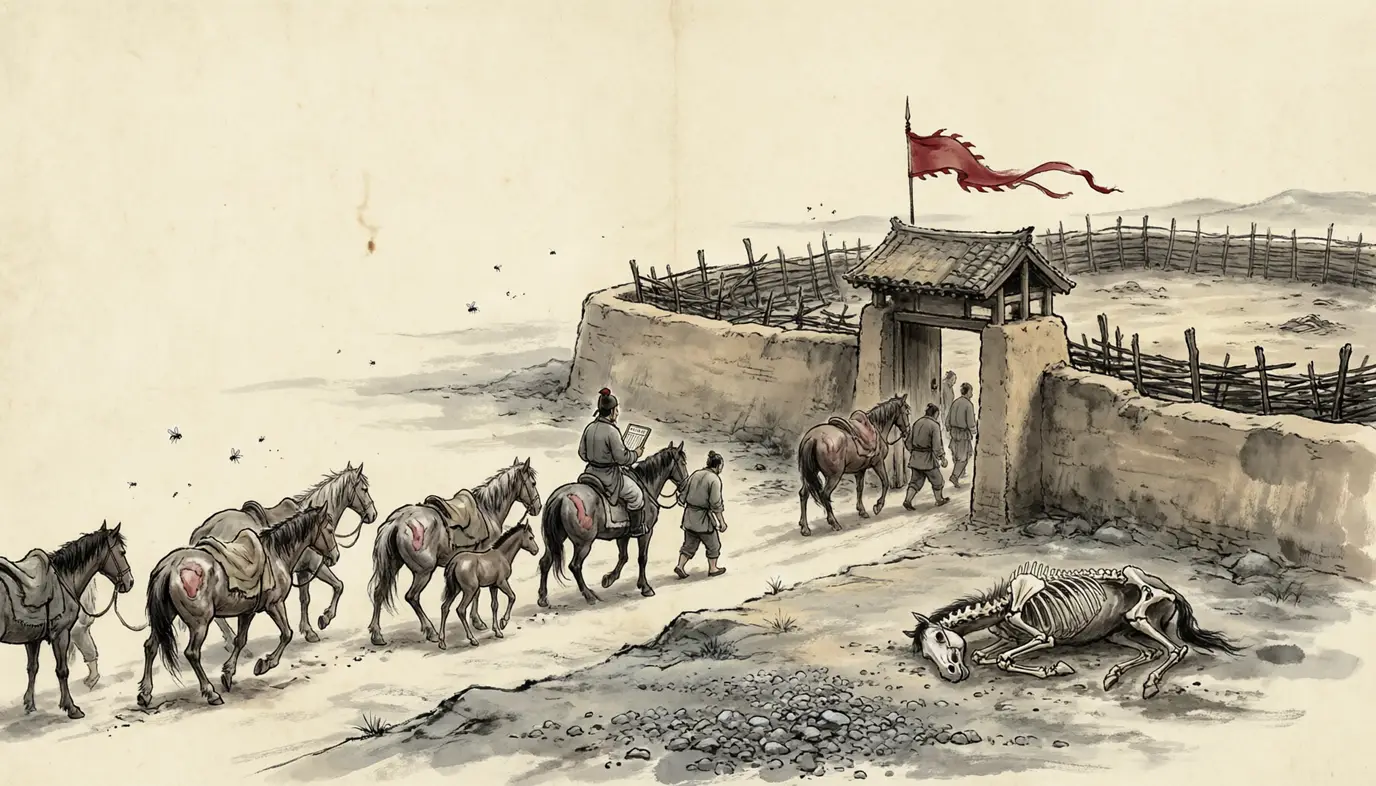
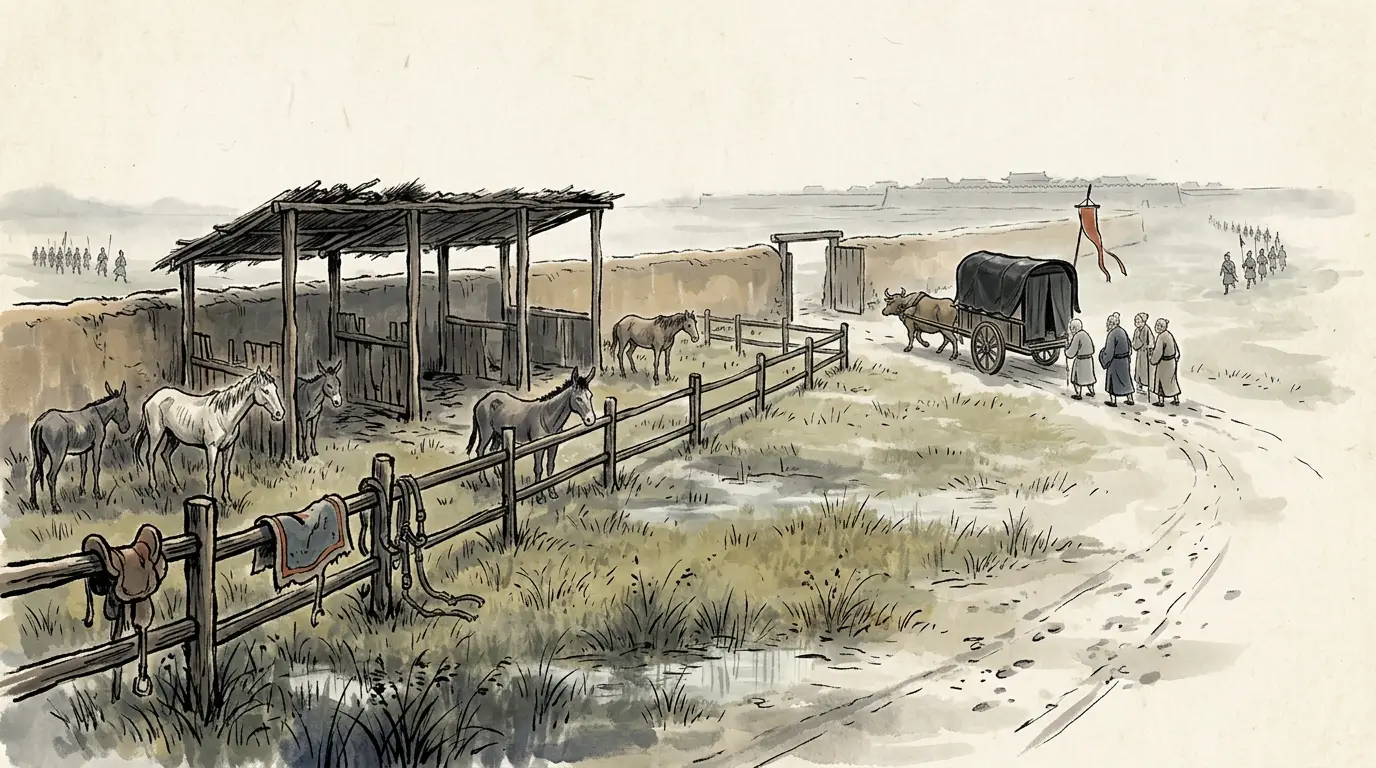
Panel 12: And here is the number the histories keep for the campaign itself, in the same chapter and within a paragraph of the triumph. Both armies went out of the passes: the official and private horses counted at the gate were a hundred and forty thousand. The ones that came back in were fewer than thirty thousand.
And here is the number the histories keep for the campaign itself, in the same chapter and within a paragraph of the triumph. Both armies went out of the passes: the official and private horses counted at the gate were a hundred and forty thousand. The ones that came back in were fewer than thirty thousand.
Panel 13: The answer to two unbeatable generals was to invent an office big enough for both. A Grand Marshal seat was added above the regular hierarchy, and Wei Qing and Huo Qubing were both put into it; and the younger man's rank and stipend were fixed as equal to the elder's.
Huo Qubing The Xiongnu are not destroyed: there is no room for a household yet.
The answer to two unbeatable generals was to invent an office big enough for both. A Grand Marshal seat was added above the regular hierarchy, and Wei Qing and Huo Qubing were both put into it; and the younger man's rank and stipend were fixed as equal to the elder's.
Panel 14: The historian's judgment on the pair is short, and it flatters neither of them. The younger was secret, unapproachable, and never let a word out to anyone outside the army; the elder was kindly, gave way, and won the emperor by his softness — with no reputation in the empire for it.
Wei Qing When the Marquises of Wuyi and Wu'an kept thick houses of retainers, emperors ground their teeth over it. To attach gentlemen to yourself, to advance the worthy and set aside the unworthy — that is the ruler's own handle. A minister need only keep to the law and his duties. What has he to do with recruiting men?
The historian's judgment on the pair is short, and it flatters neither of them. The younger was secret, unapproachable, and never let a word out to anyone outside the army; the elder was kindly, gave way, and won the emperor by his softness — with no reputation in the empire for it.
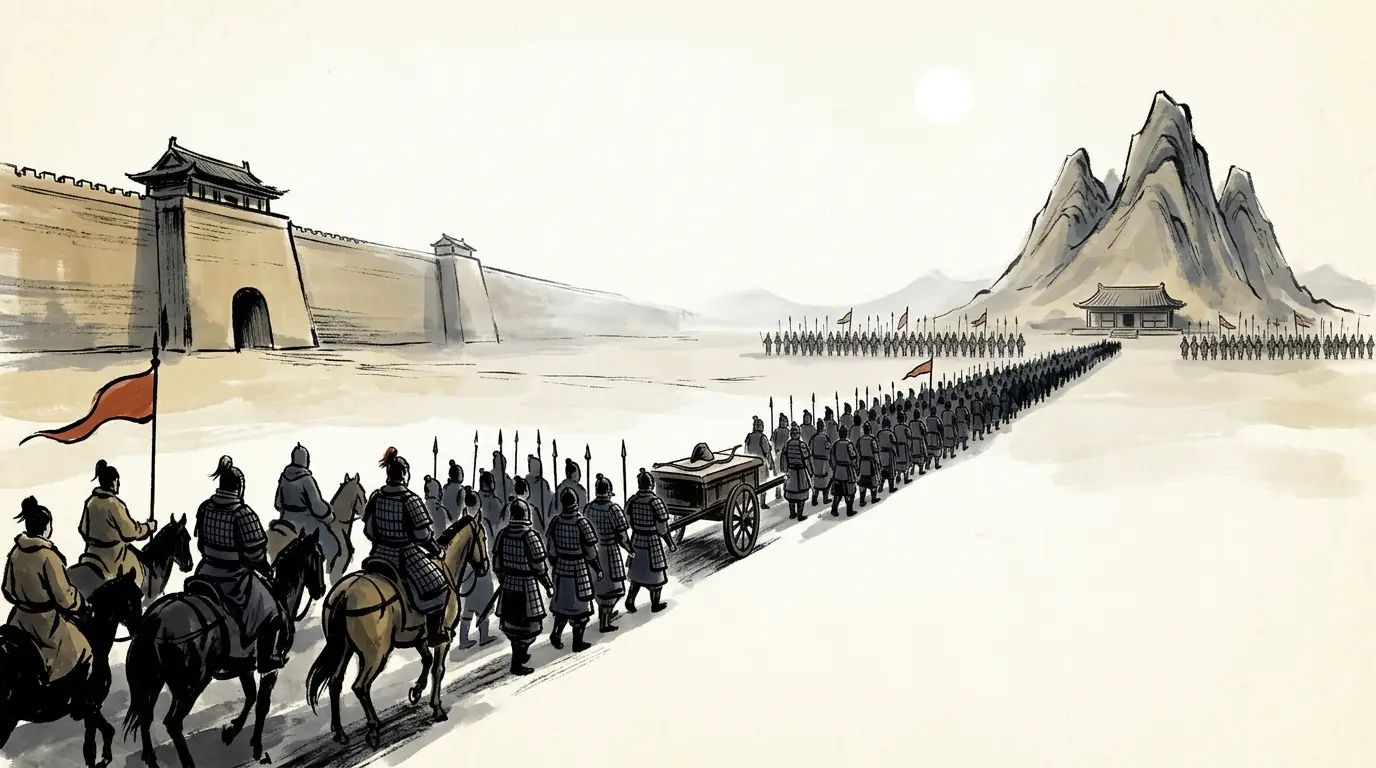
Panel 15: Three years after this campaign, in 117, Huo Qubing died. The emperor put the dependent states' black-armoured troops in review, in a line from Chang'an to his own grave-park, and shaped the man's tomb as the mountains he had taken. The title combined his battles with the ground he had widened: the Illustrious and Quelling Marquis.
Three years after this campaign, in 117, Huo Qubing died. The emperor put the dependent states' black-armoured troops in review, in a line from Chang'an to his own grave-park, and shaped the man's tomb as the mountains he had taken. The title combined his battles with the ground he had widened: the Illustrious and Quelling Marquis.
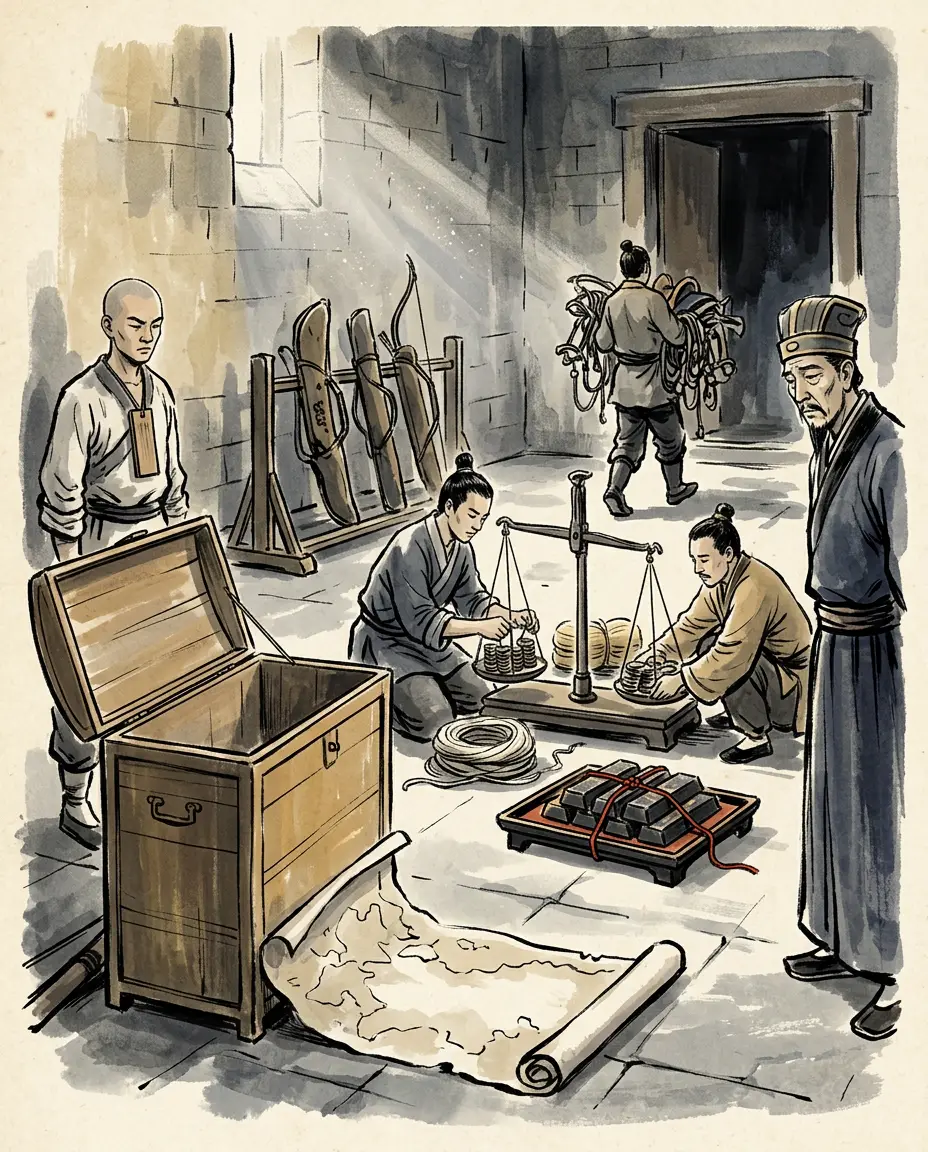
Panel 16: The money was counted in another book. A hundred and forty thousand horses, of which fewer than thirty thousand came back; five hundred thousand jin of gold in rewards and gifts in the year after the strike; and a treasury that went on inventing new ways of extracting money from the empire for the rest of the reign.
The money was counted in another book. A hundred and forty thousand horses, of which fewer than thirty thousand came back; five hundred thousand jin of gold in rewards and gifts in the year after the strike; and a treasury that went on inventing new ways of extracting money from the empire for the rest of the reign.
Panel 17: The hammer was never lifted that way again. Fourteen years after he circled the Chanyu, Wei Qing died, and the histories give the reason the great northern strikes stopped: the Han had too few horses, and was busy killing the two Yue peoples, attacking Chaoxian, the Qiang and the southwest.
The hammer was never lifted that way again. Fourteen years after he circled the Chanyu, Wei Qing died, and the histories give the reason the great northern strikes stopped: the Han had too few horses, and was busy killing the two Yue peoples, attacking Chaoxian, the Qiang and the southwest.

In this episode

Five people carried 119 BCE — the two generals who rode separate columns into one desert, the emperor who paid for the crossing, and the two men who counted what returned.

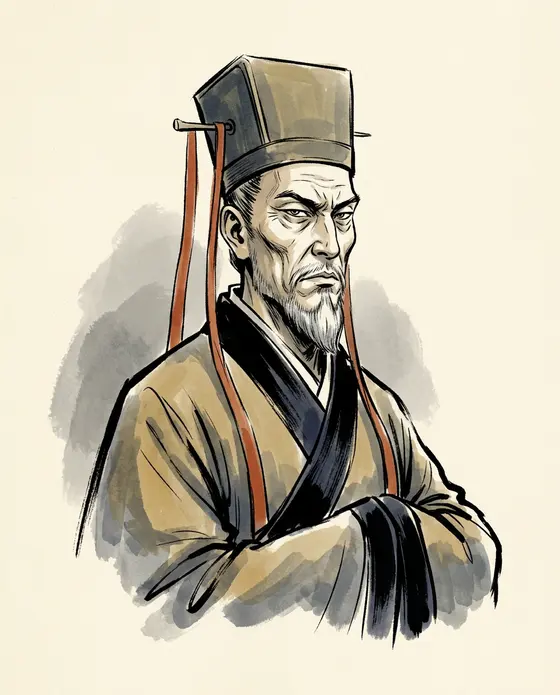
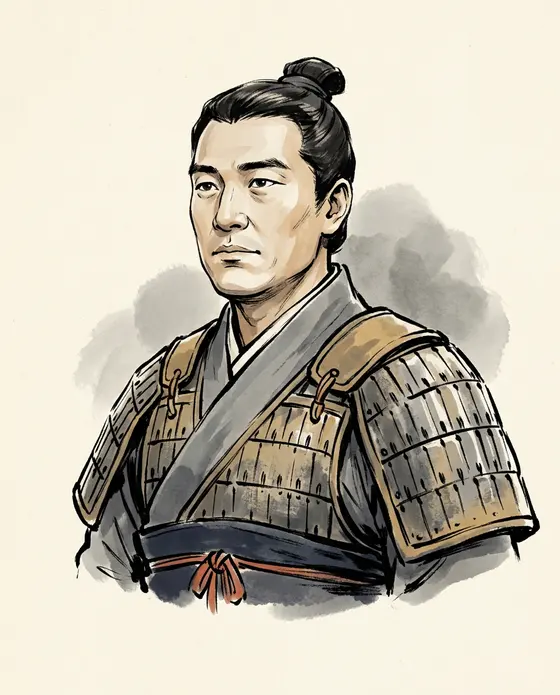
Portrait of Wei Qing
Wei Qing衛青
d. 118 BCE
A marquis's household servant who called himself a slave's son, and rose to General-in-Chief. Formed his waggons into a ring, fought the Chanyu in a sandstorm, and never again received an increase of his fief.
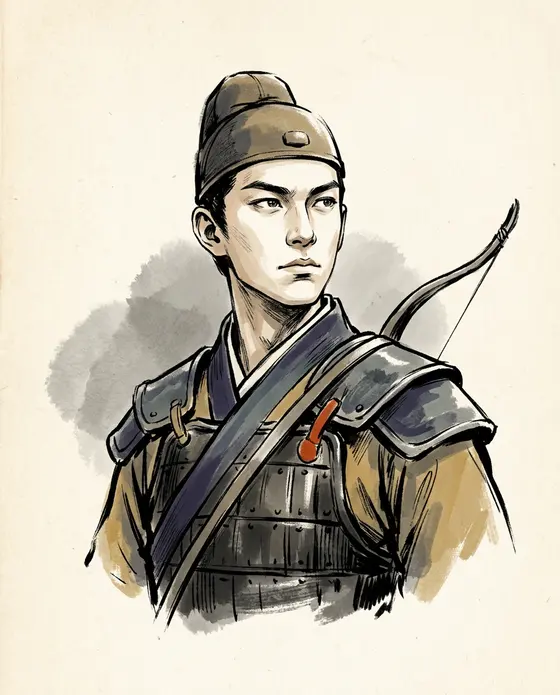
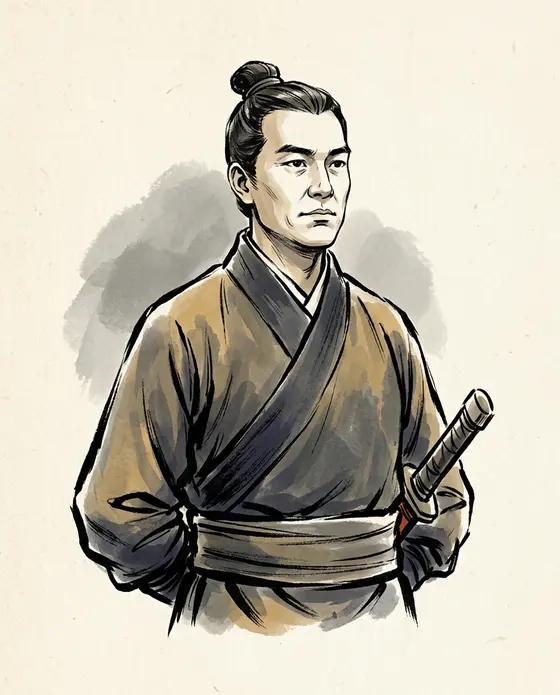
Portrait of Huo Qubing
Huo Qubing霍去病
d. 117 BCE
Son of the empress's elder sister and nephew of his own commander, a palace attendant at eighteen. Given the picked men and no subordinate generals; buried with a tomb shaped like the mountains he took.
Portrait of Emperor Wu
156–87 BCE
Built the horse herds for twenty years to lift this one hammer, and paid for it in the currency, the patents and the census of his own reign.
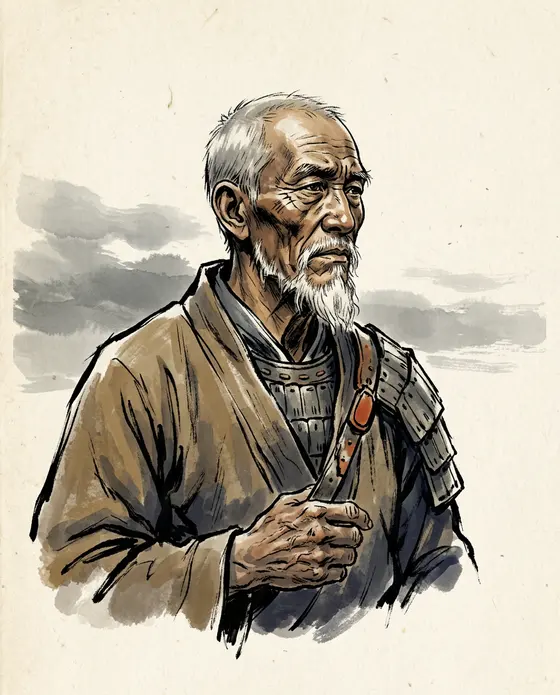
Portrait of Li Guang
Li Guang李廣
d. 119 BCE
The old frontier shot, past sixty and with the luck against him, given the long road east instead of the Chanyu. He lost the way, and refused to be written up by a clerk.
Portrait of Ren An
Ren An任安
d. 91 BCE
An officer in Wei Qing's household who would not change masters when the younger general rose. Twenty-eight years later he held the imperial credential in his hand and closed a gate on it.

Myth Check

The Ming romances of the Han dynasties, the stage plays drawn from them and the serials drawn from those are entertainment — and not a source. Where their famous scenes depart from the histories, we leave them out of the story and put them here.

The story you may know

Huo Qubing led a handful of light horse deep into the steppe and lived off the land, needing no supply train.

What the sources say

The record gives him fifty thousand cavalry and a baggage equal to the General-in-Chief's army, and says explicitly that the troops who dared to fight deep were all assigned to him. “Provisioned on the enemy” is in the emperor's own citation of his merits, and so is “marching extraordinarily far, with his provisions not cut off” — which means there was a line behind him. The strike was heavy, organised and enormously expensive, not a raiding party.

Shiji, juan 111; Hanshu, juan 55
The story you may know

The Mobei campaign captured the Chanyu and broke the Xiongnu as a power.

What the sources say

The Chanyu got away at dusk in a sandstorm with a few hundred horse, and the Han found out the next morning. The Xiongnu did not even know he had escaped for ten days — long enough for a king of the right wing to take his title. Nor was the power broken: the same history states that after 119 there were no more such strikes because Han was short of horses, and records Xiongnu raids into the frontier commanderies for years afterwards.

Shiji, juan 111; juan 110, Account of the Xiongnu
The story you may know

The sealing of Mount Langjuxu was a triumph at the true northern sea, Lake Baikal, and the ritual belongs to the campaign's single bloodless climax.

What the sources say

The three verbs are in the emperor's citation of merits: sealed Langjuxu, made the opposite offering at Guyan, climbed to the Hanhai. Where any of them are is still argued; the site of Langjuxu has been placed in the Khuit/Khanuy valley of Mongolia and elsewhere, and “Hanhai” has been read as Lake Baikal, as the Kerulen, and as a generic “great water.” The record fixes no distance, and the identification of a mountain from 119 BCE is a modern guess dressed as a fact.

Shiji, juan 111; Hanshu, juan 55 — the geography is nowhere specified in either
The story you may know

“The Xiongnu are not destroyed: there is no room for a household yet” proves Huo Qubing's saintly disinterestedness.

What the sources say

The line is genuine and preserved in the histories, and so is what Sima Qian puts in the same paragraph as its counterweight: the imperial kitchen's cartloads of grain and meat thrown away on the way home while soldiers went hungry, and the cuju ground he had marked out and played on in the field when his men lacked food and could not stand. The quotation and the rebuke come from the same two lines of text.

Shiji, juan 111
The story you may know

Wei Qing was pushed aside by court intrigue, and Huo Qubing's rise was his rival's triumph over his uncle.

What the sources say

The chapter knows a change of favour, not a quarrel between the two men: an added office for generals neither of whom could rank above the other, equal stipends, and most of Wei Qing's household men migrating to the better-paid younger one — Ren An the only named refuser. But there is blood between the houses, and it is in another chapter. Li Guang's son Gan, resenting the General-in-Chief for his father's death, attacked and wounded him, and Wei Qing hid the fact; some while later, at a hunt in the Ganquan palace grounds, Huo Qubing shot Gan dead, and the emperor concealed the killing — the record given out was that a stag butted him. Sima Qian puts no intrigue behind Wei Qing's standing; the reason he states for the decline is that the emperor's favour moved, day by day, to the nephew.

Shiji, juan 111; juan 109, Biographies of General Li of Longxi

Sources

Every caption and quotation in this episode traces to one of these. Where scholars disagree, the panel says so.

Next

The hammer worked, and the bill arrived: eighty-nine thousand heads, and most of the horses dead. Twenty years on, five thousand foot went into the steppe on the wrong person's order: Episode 6 · The Historian's Price (Juyan and the Sima, 99 BCE). The cost of the hammer is why one colonel's surrender became an affair of state. Or back to the Han line, or meet the cast.