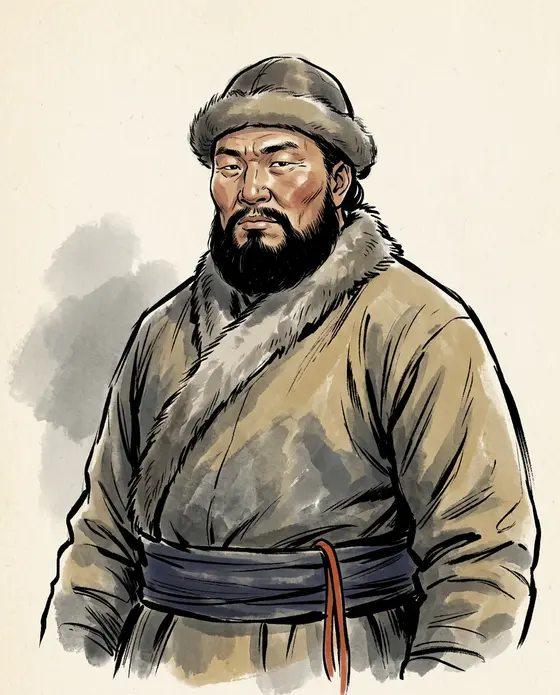
Huhanye Chanyu呼韓邪單于
d. 31 BCE
Claimant in a five-cornered civil war who took his adviser's advice and gave the Han his name. Ended with a title above every vassal king, a Han bride, and a Han guard left at his camp.
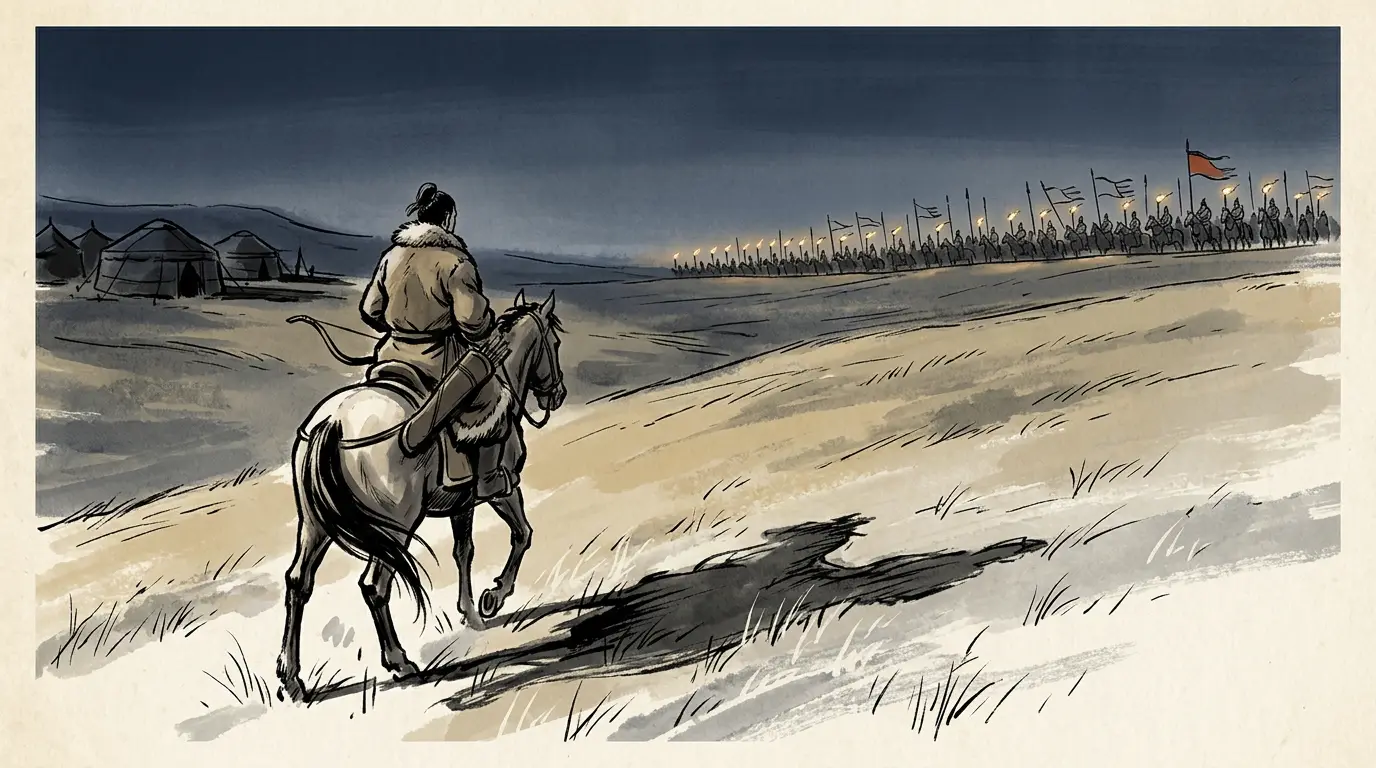
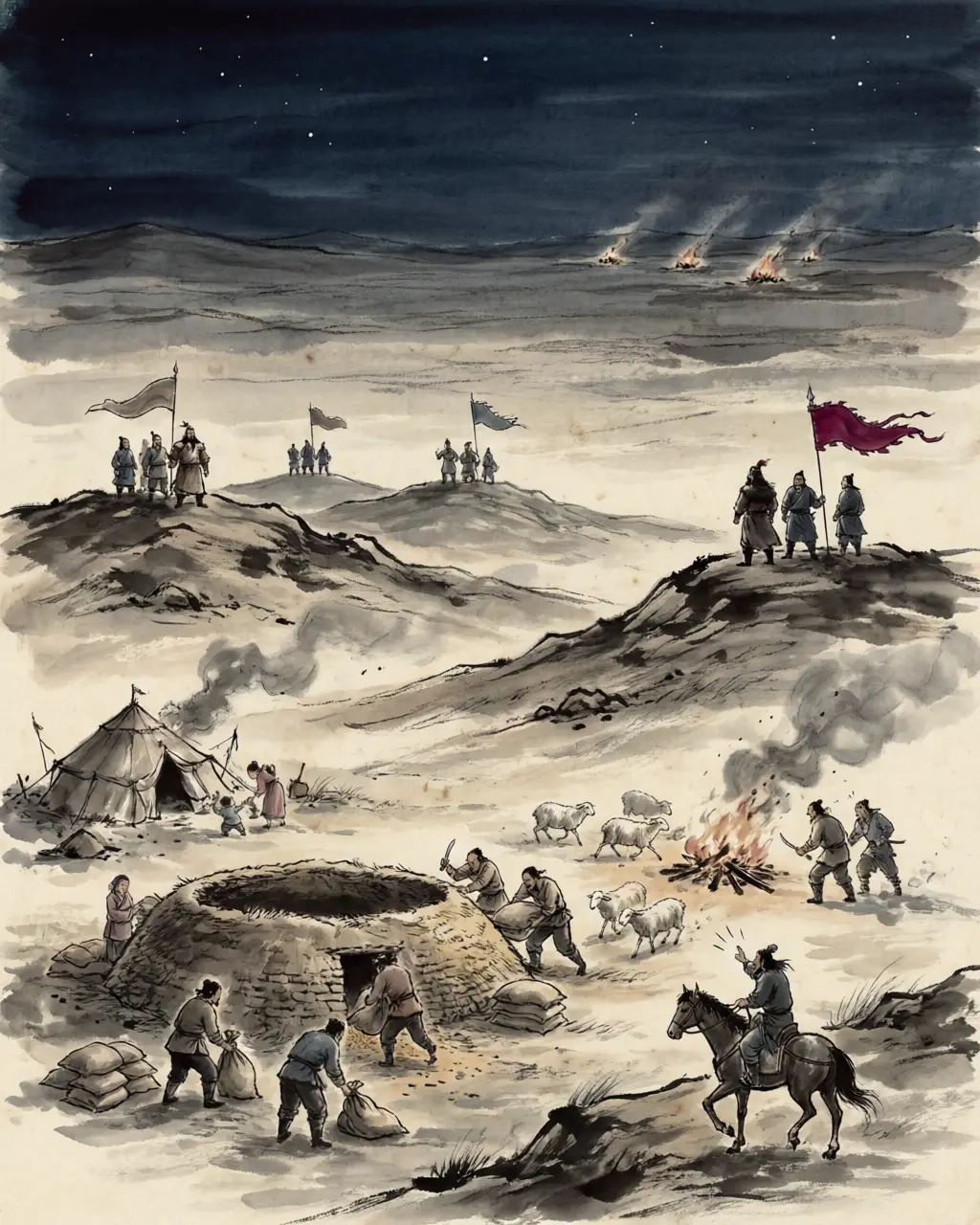
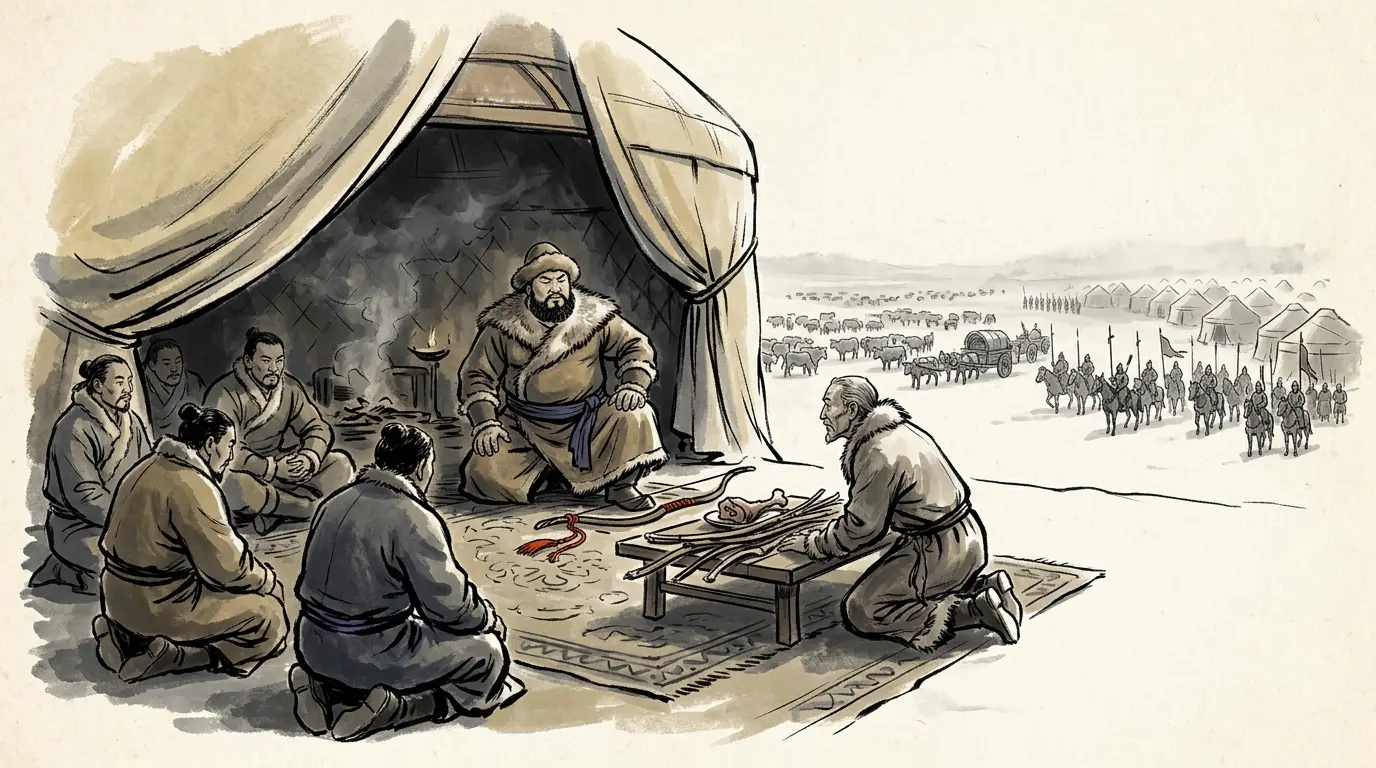
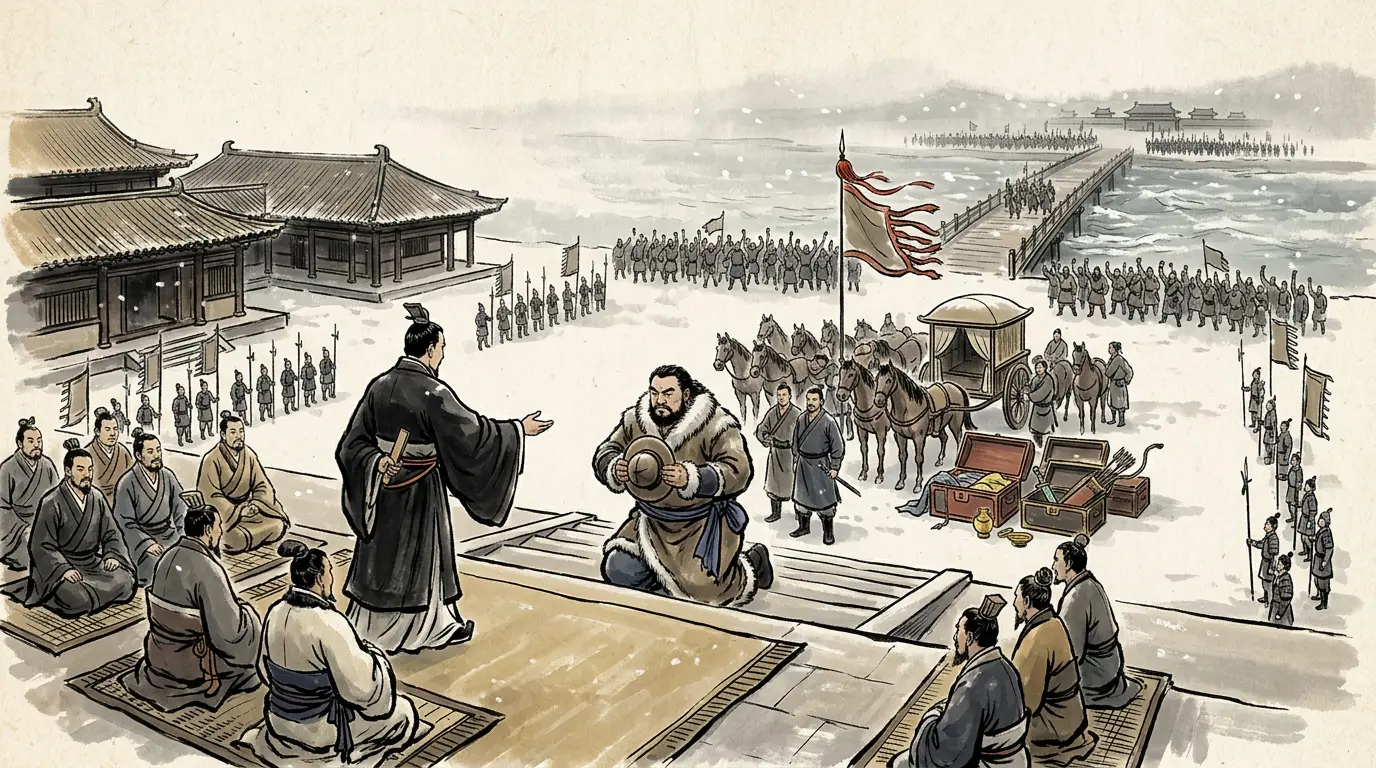
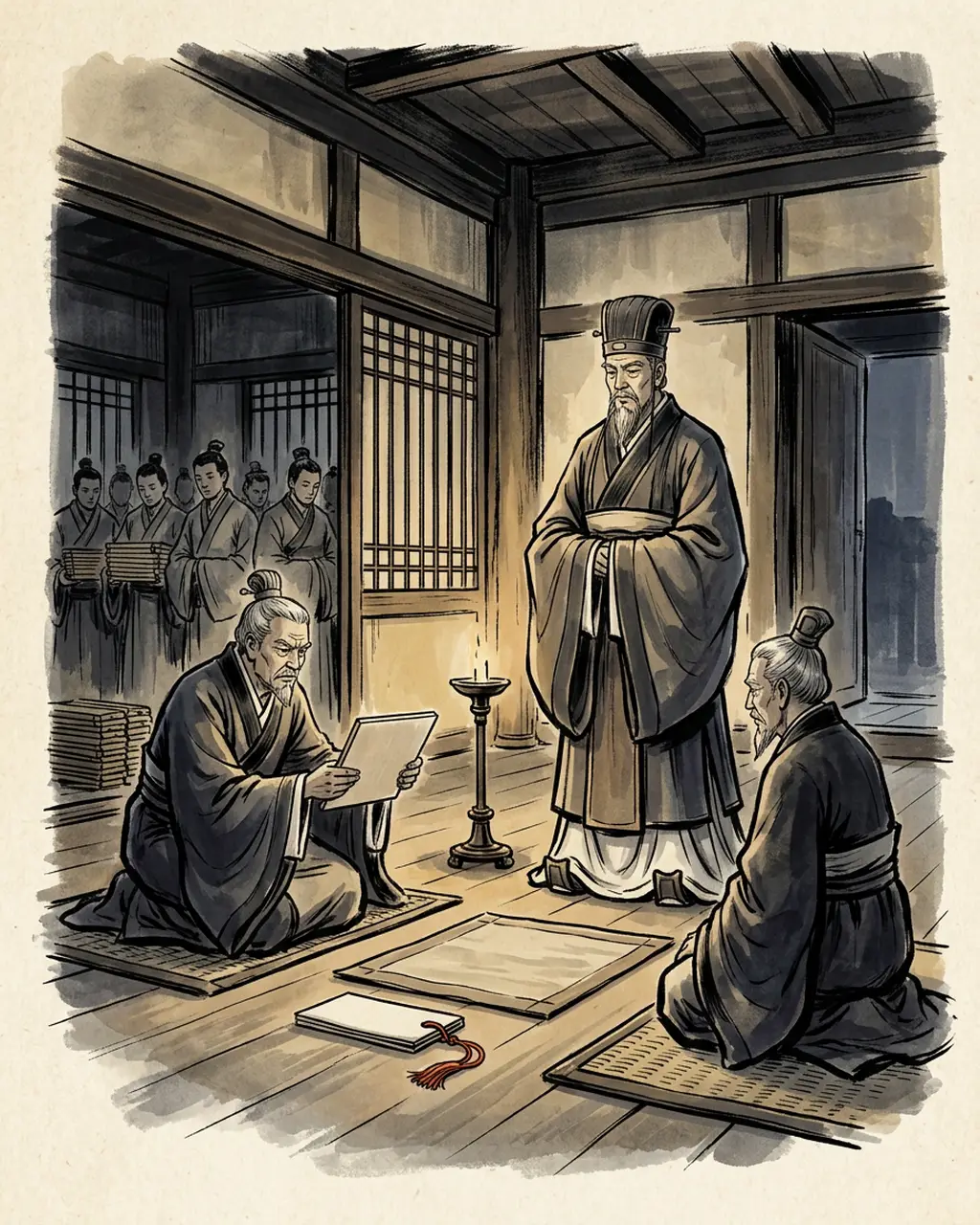
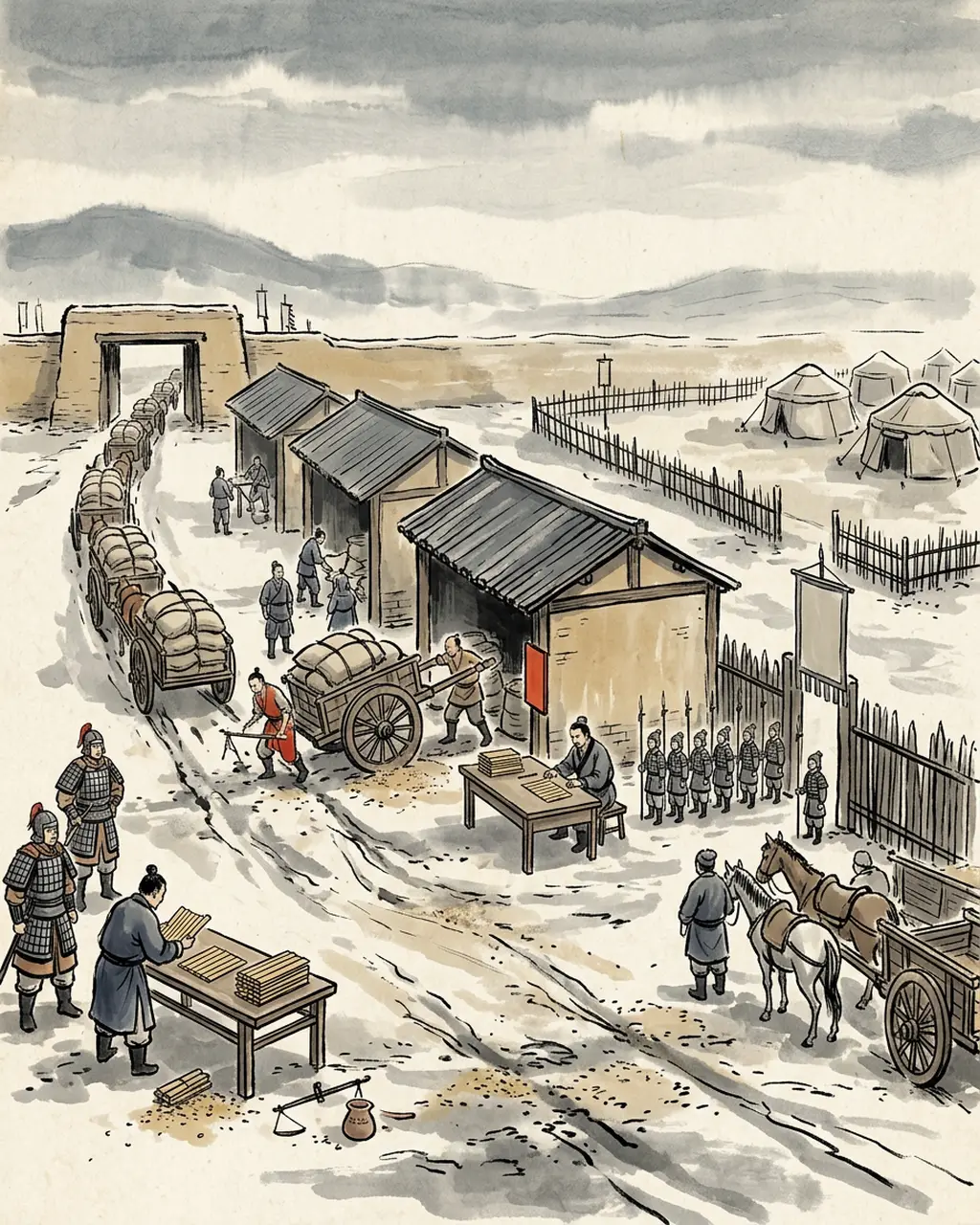
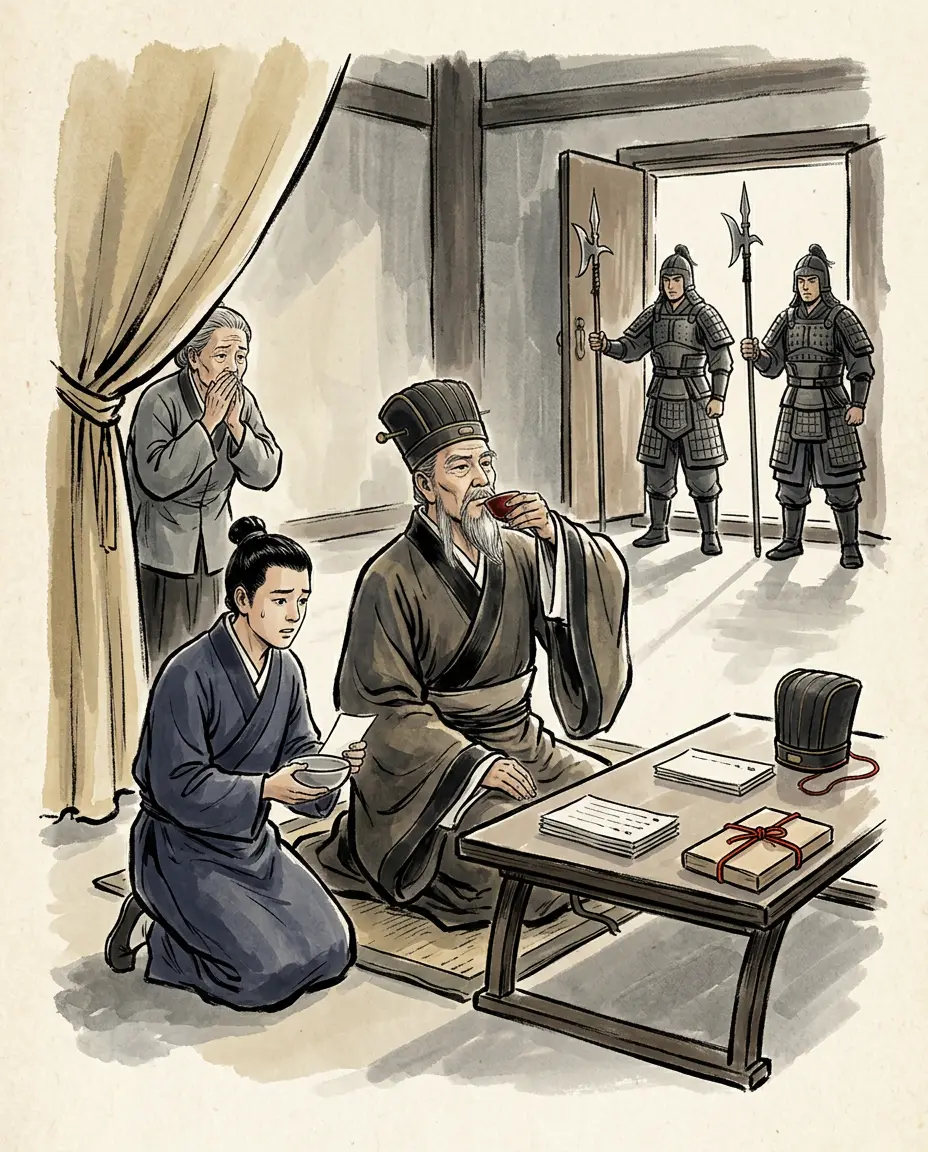
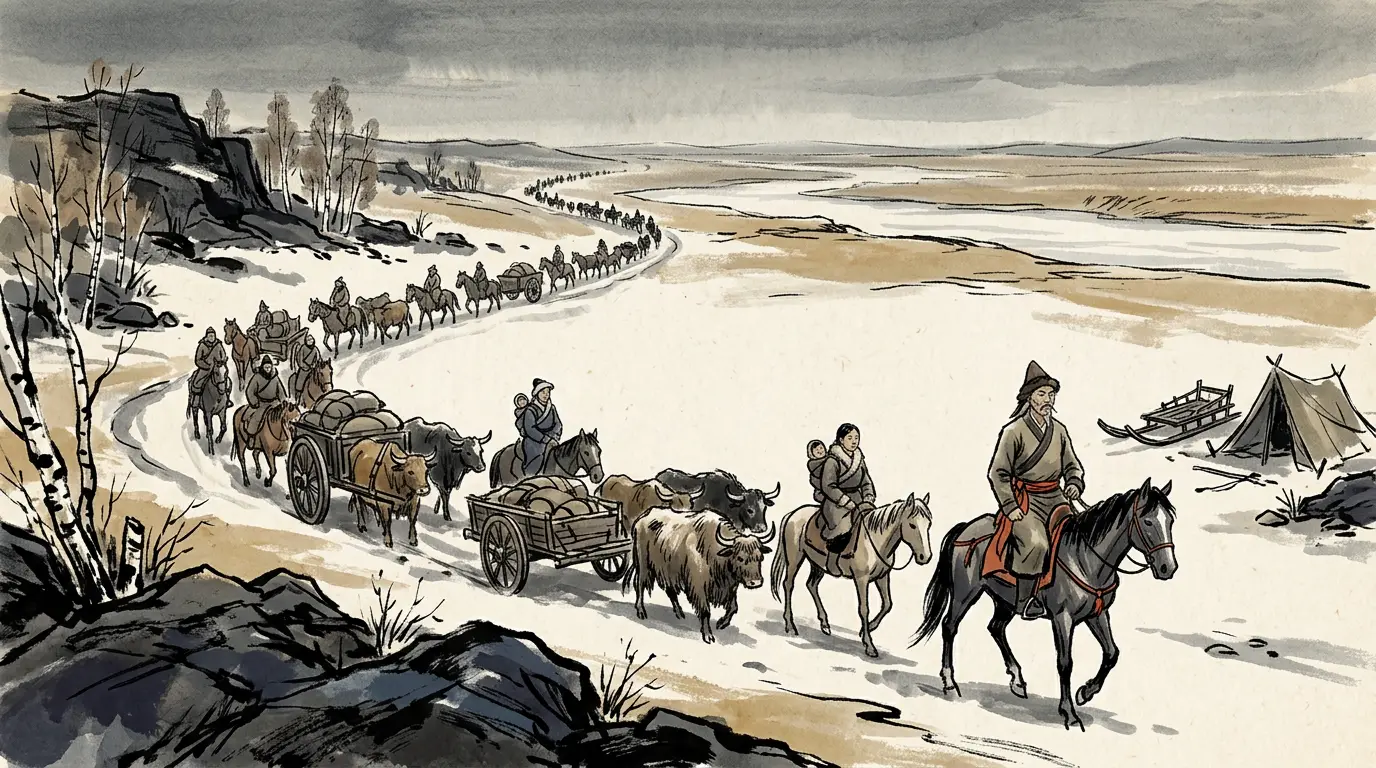
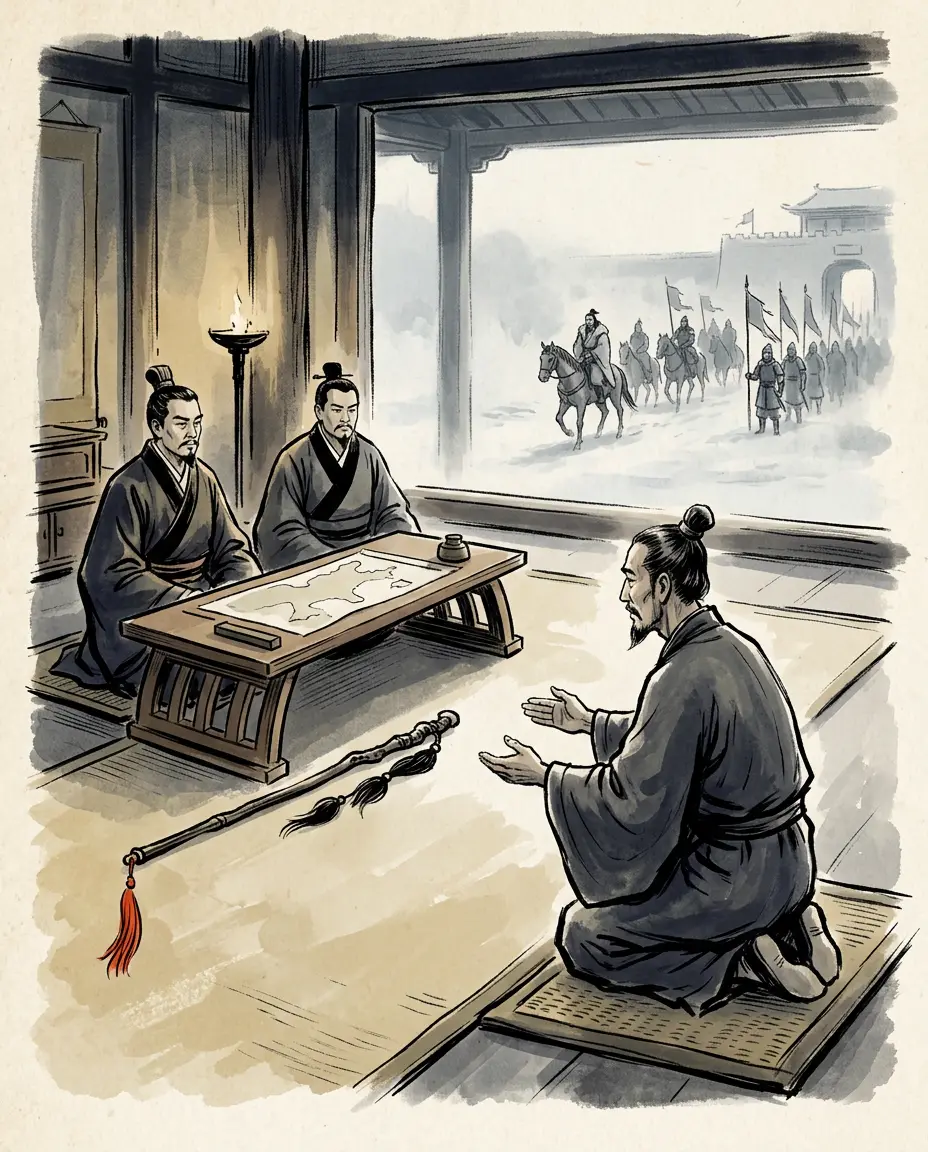
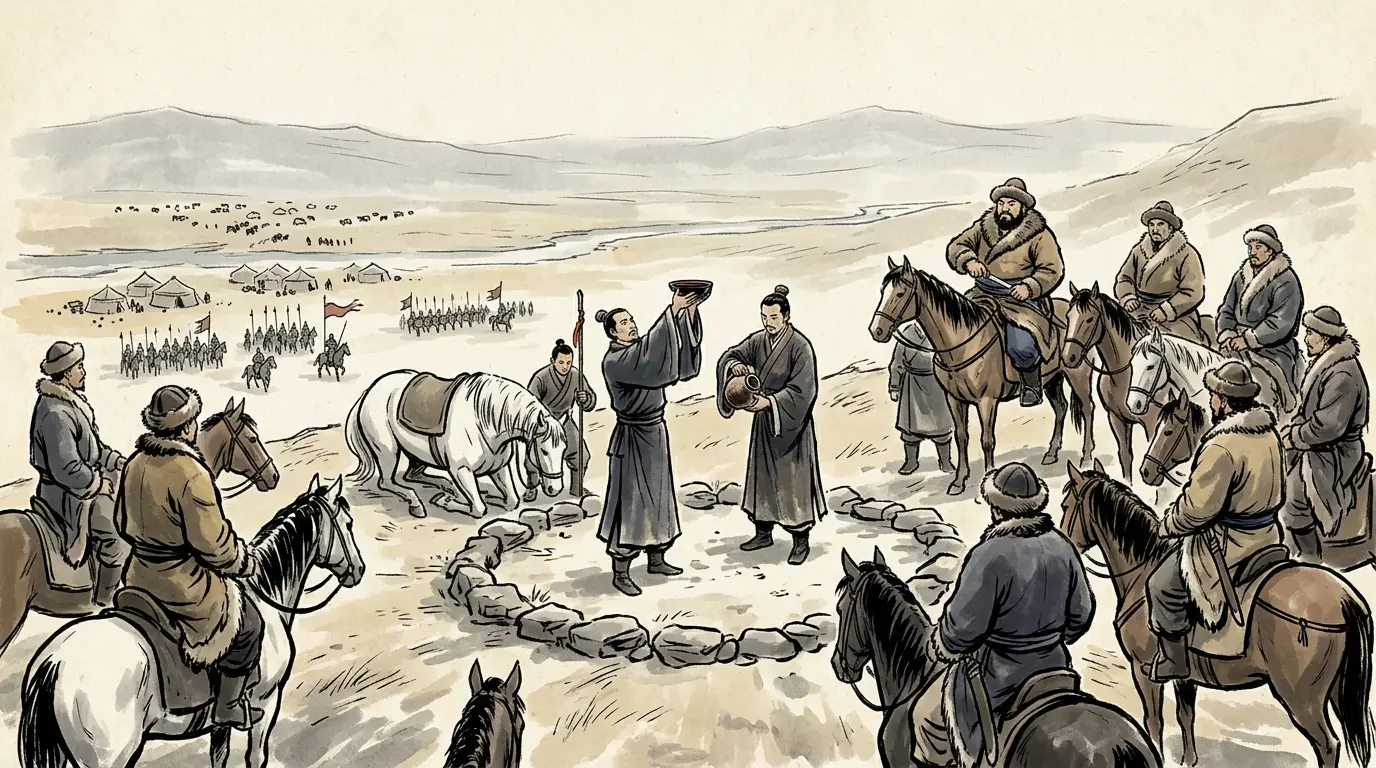
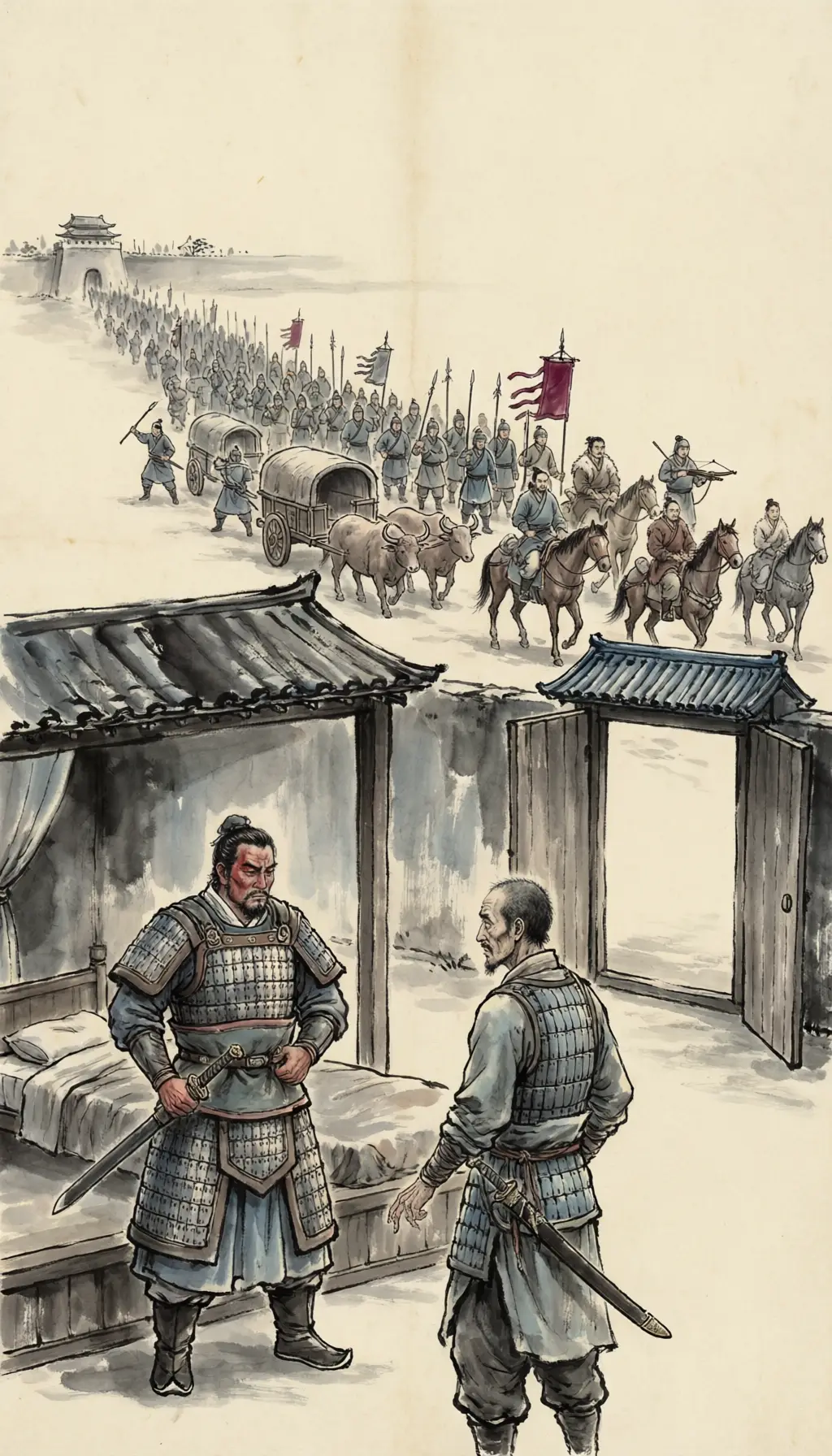
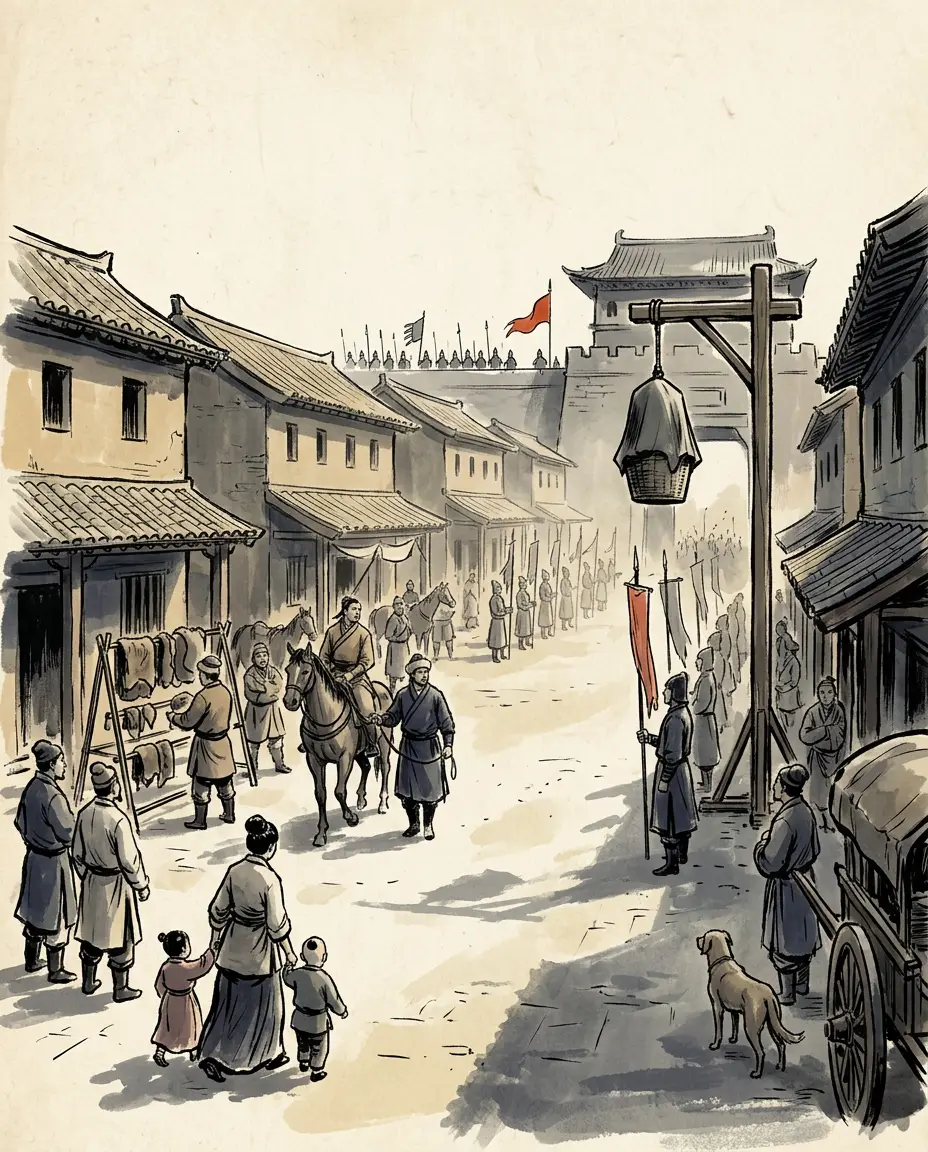
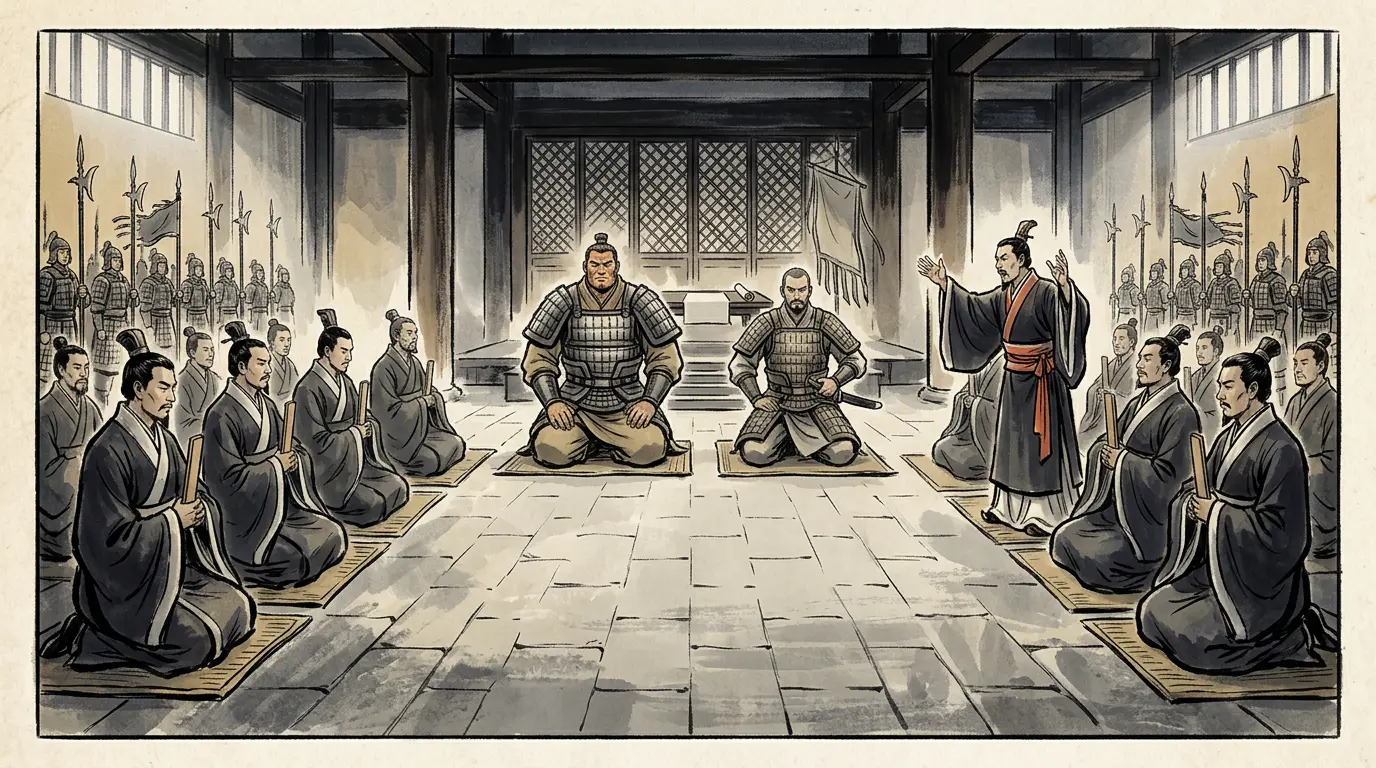
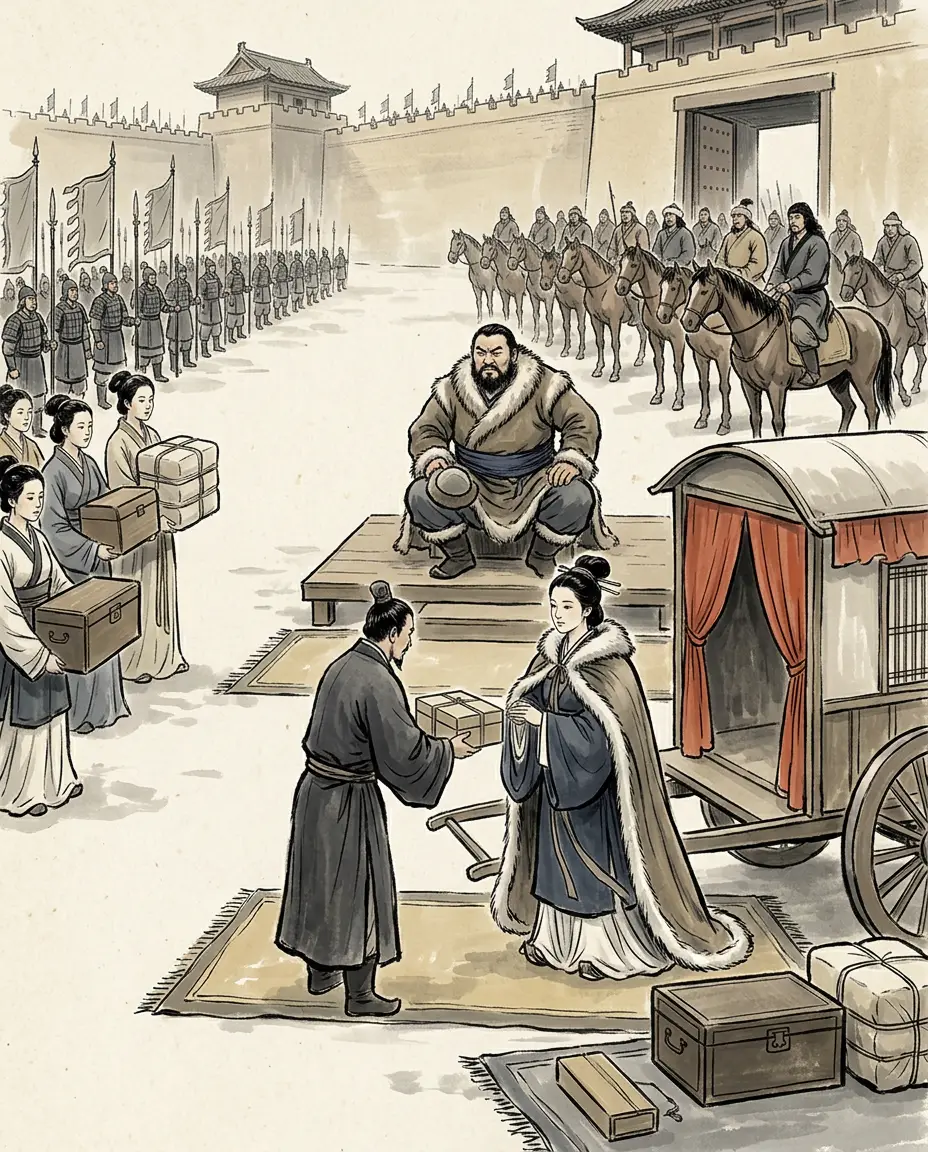
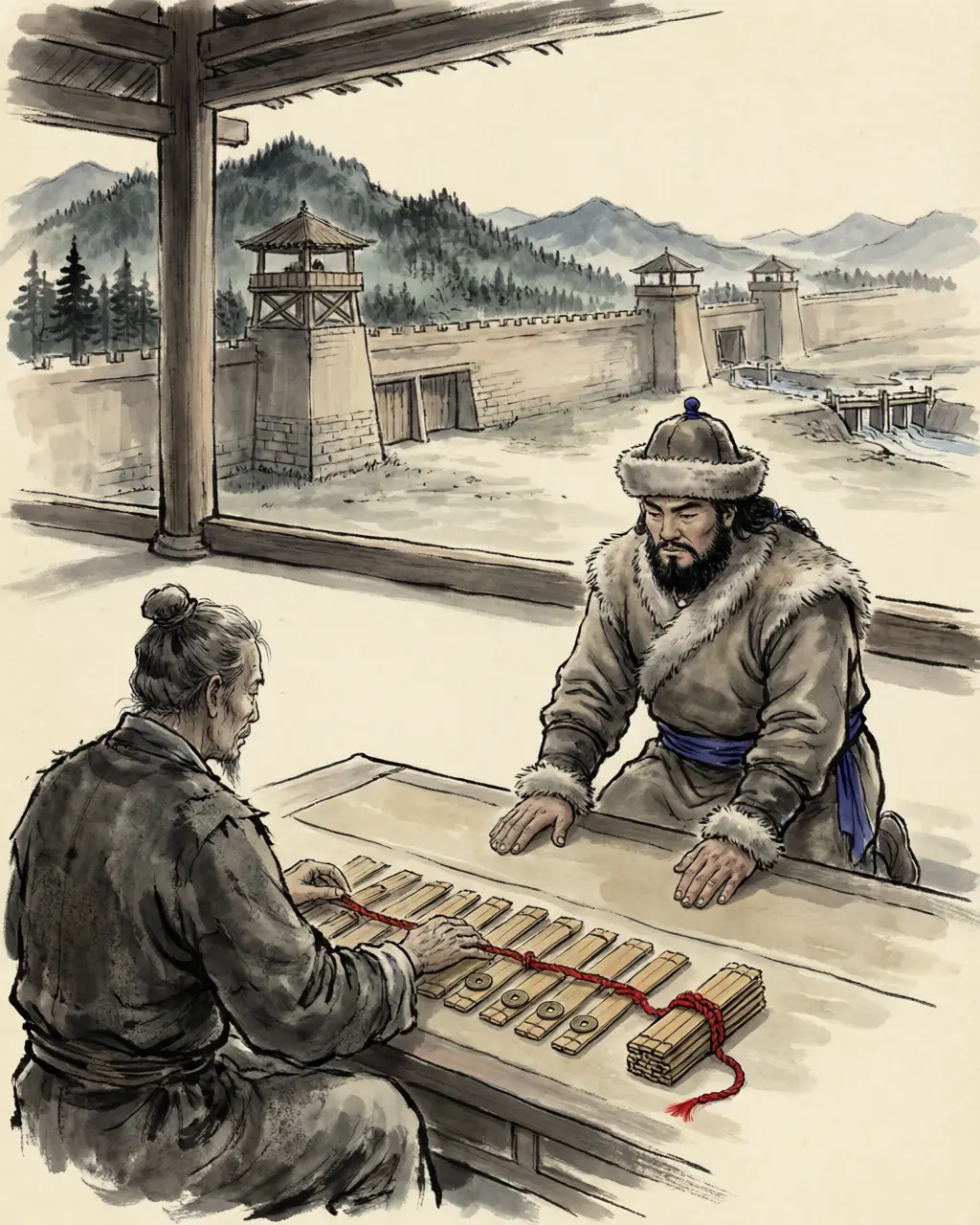
Six people carried the fifty years before Christ's birth turned into Han foreign policy: two brothers who each wanted the steppe throne, the courtier who received one of them as a subject, the colonel who killed the other without asking, and the woman who married into the peace they made.
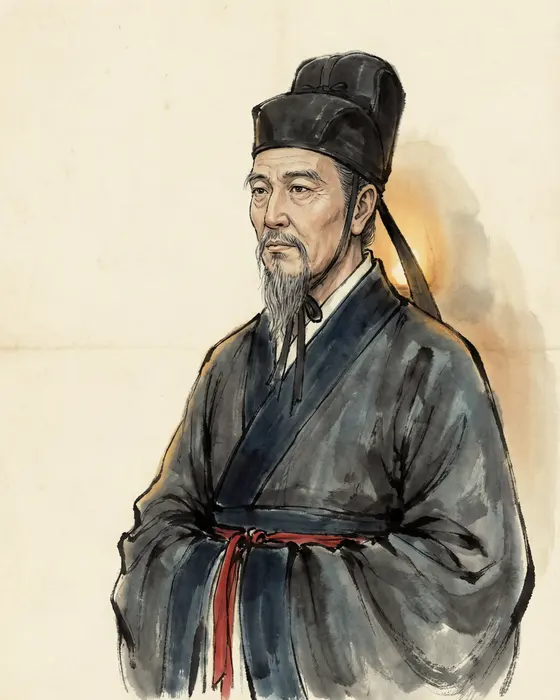
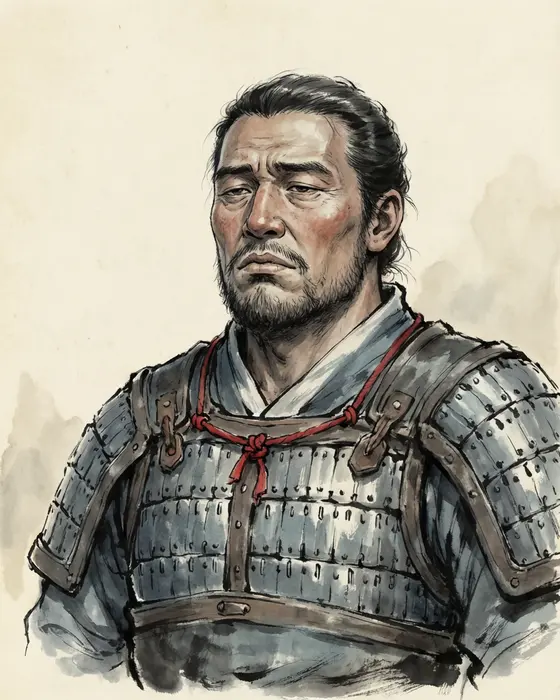
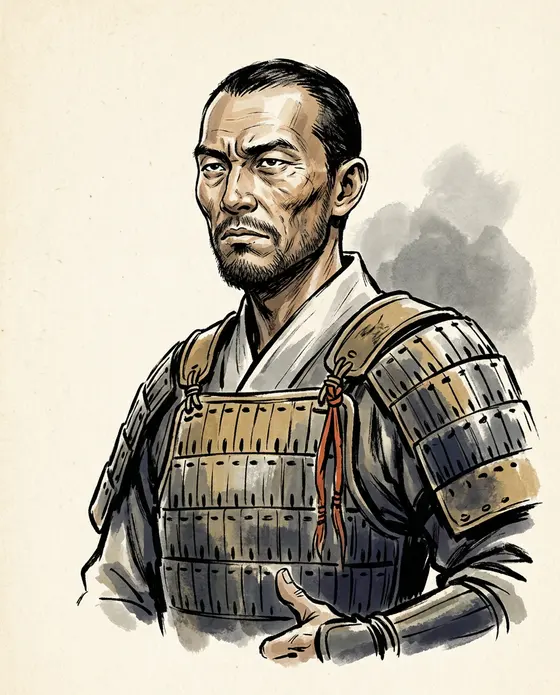
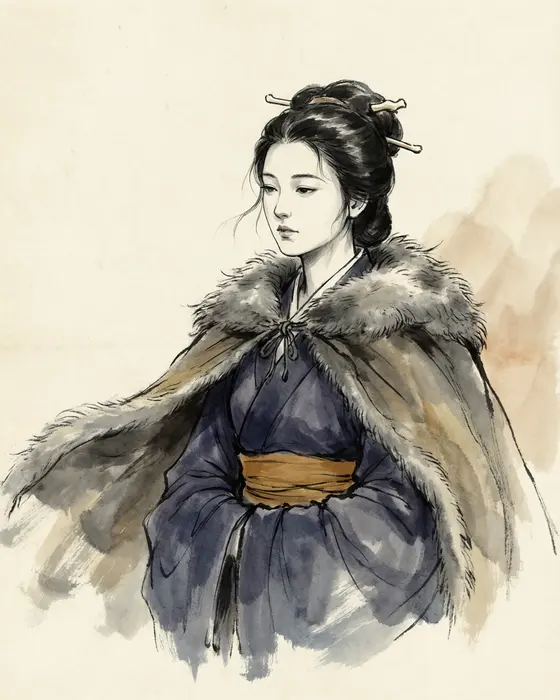
The Ming romances of the Han dynasties, the stage plays drawn from them and the serials drawn from those are entertainment — and not a source. Where their famous scenes depart from the histories, we leave them out of the story and put them here.
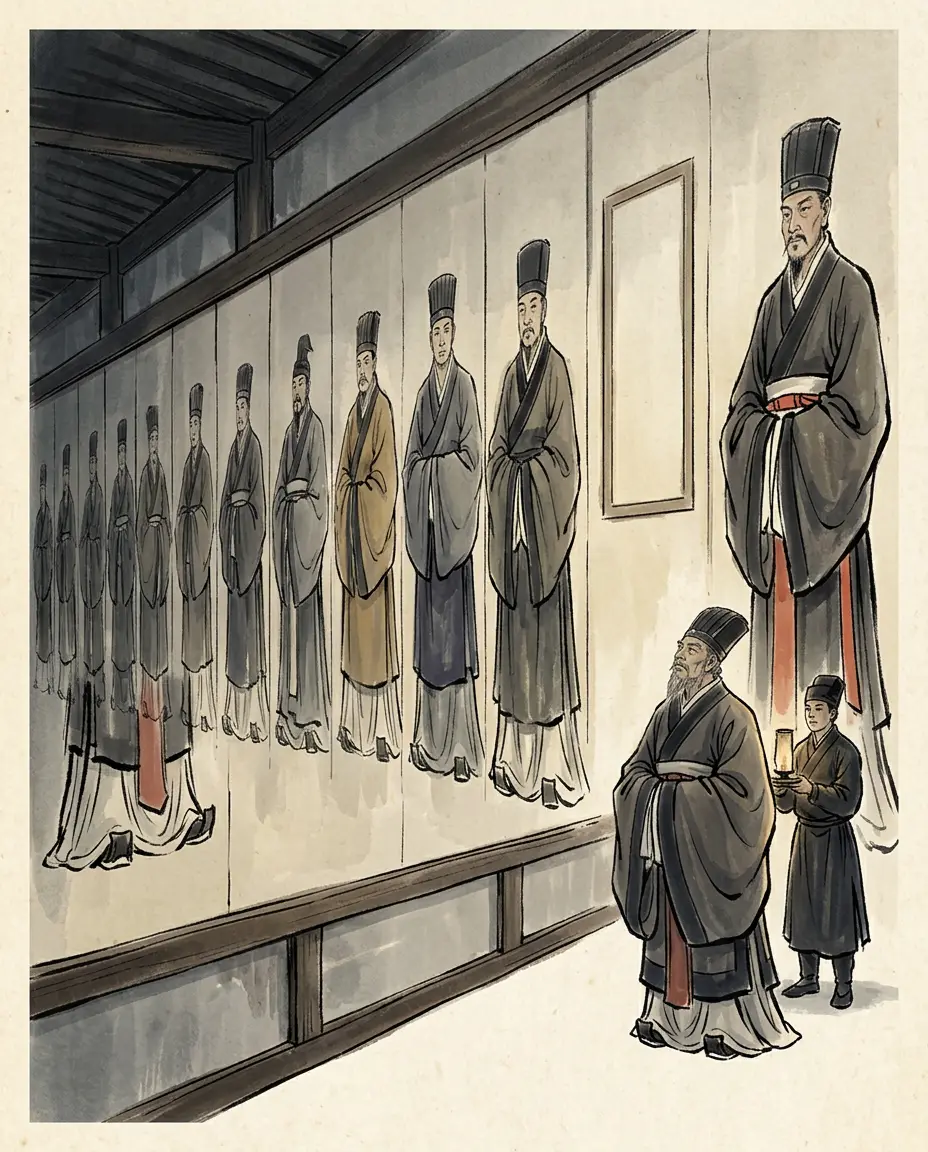
Wang Zhaojun was sent out because the emperor picked the wrong portrait, having been refused a bribe by the painter Mao Yanshou.
Neither Han history has a portrait bureau or a painter. The Book of the Han says only that a daughter of good family was given from the palaces; the Book of the Later Han says she asked to go and that the emperor saw her for the first time at the farewell. Mao Yanshou and the bribes enter with later anecdote collections, and the pipa is a stage property.
Chen Tang's raid was the emperor's own plan, carried out without the paperwork.
The record says the opposite and is blunt about it: Gan Yanshou wanted to memorialise first, Chen Tang would not wait, and the edict was forged while the Protector General lay ill. Both men then accused themselves in writing on the day they marched. The argument over the skull, the months-long deadlock over the reward, and Tang's later imprisonment and degradation all follow from the fact that nobody had authorised any of it.
Huhanye's submission made the Xiongnu a Han province.
It made him a client in an unusually expensive class. He was ranked above every vassal king and was not administered as a subject; the Han sent grain, gold, silk and a guard, and asked for the words of his address, not for the government of his people. When he offered to take over the frontier wall himself, the court refused after one clerk listed what would walk out through the gap.
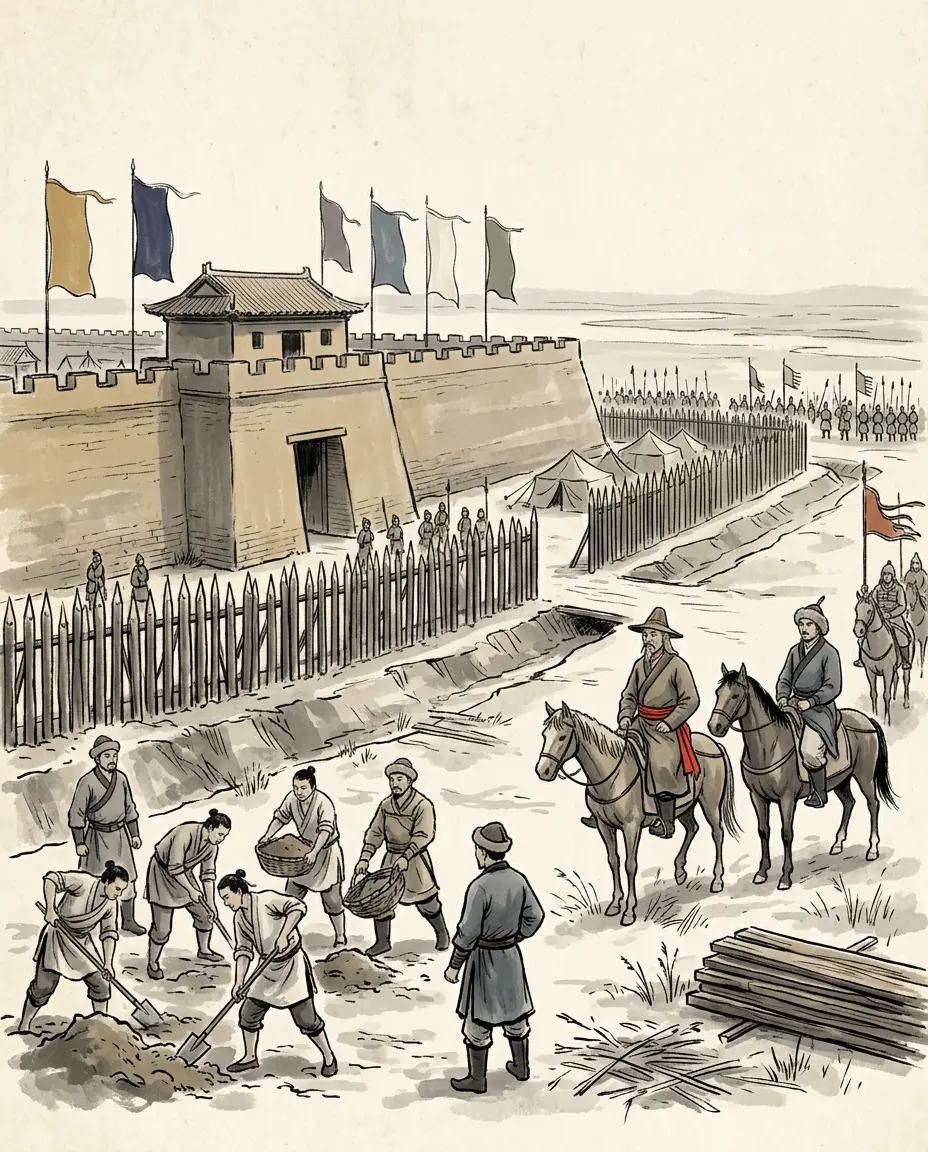
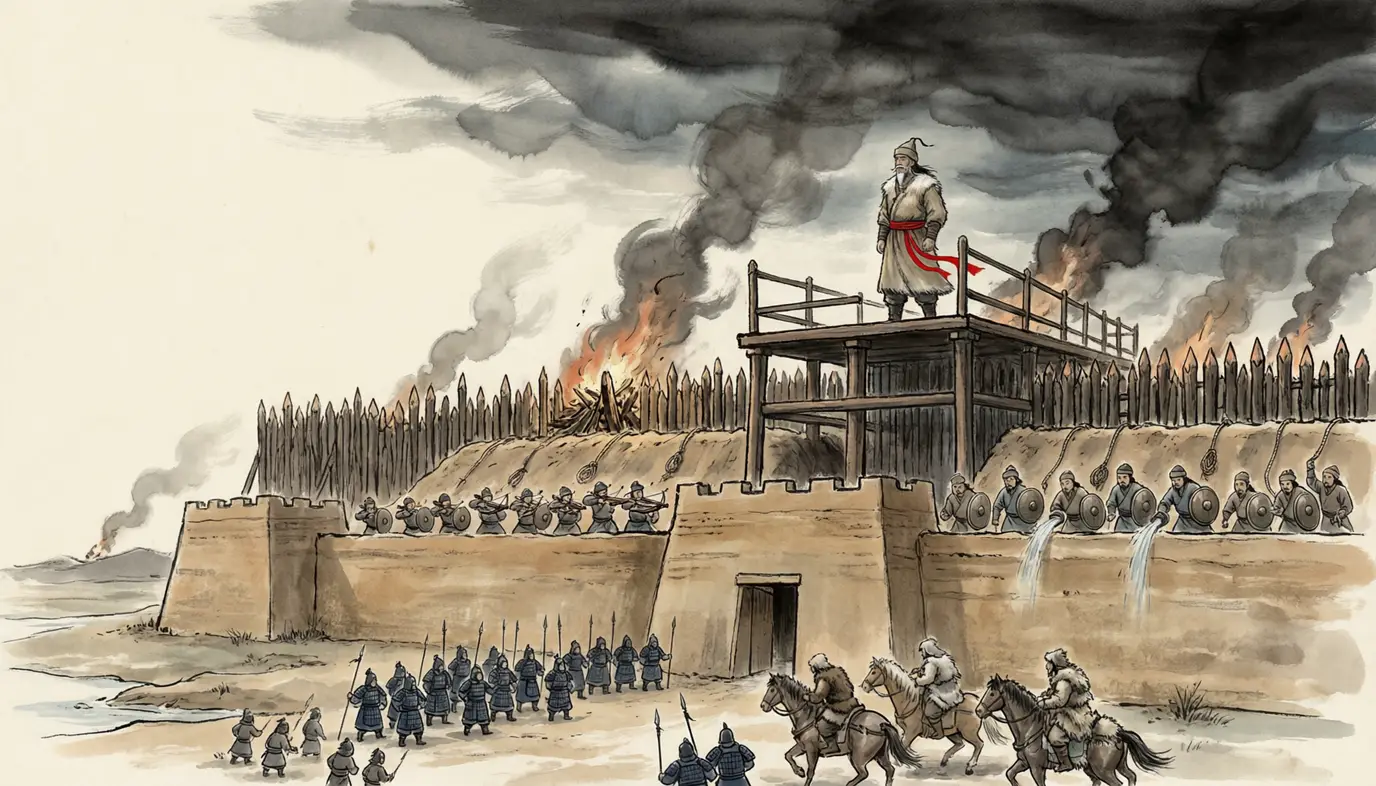
Zhizhi's city on the Talas was garrisoned by a lost Roman legion captured at Carrhae.
The hypothesis rests on one phrase in the Han account of the assault, describing infantry drilled in fish-scale order at the gate, plus a place-name. No Han source and no Roman source puts a legion east of the Jaxartes; the city is described as earth with a doubled wooden palisade, built with Kangju's help and conscripted labour. Raised in print by Homer Dubs and taken up since by a museum, the reading has not been accepted by specialists in Han military text.
Wang Zhaojun drowned herself rather than marry the new chanyu.
The only early account of her after Huhanye's death says the reverse: she wrote asking to come home, Emperor Cheng told her to follow barbarian custom, and she married his successor and bore him two daughters. The river is later.
Every caption and quotation in this episode traces to one of these. Where scholars disagree, the panel says so.
The steppe was settled, the frontier paid for itself, and the throne came to a family that read the past as an instruction manual: Episode 9 · Ten Thousand Changes (Chang'an and the New, 8 CE to 23 CE). The peace held for fifty years, and then a well-read regent decided the mandate had moved. Or back to the Han line, or meet the cast.