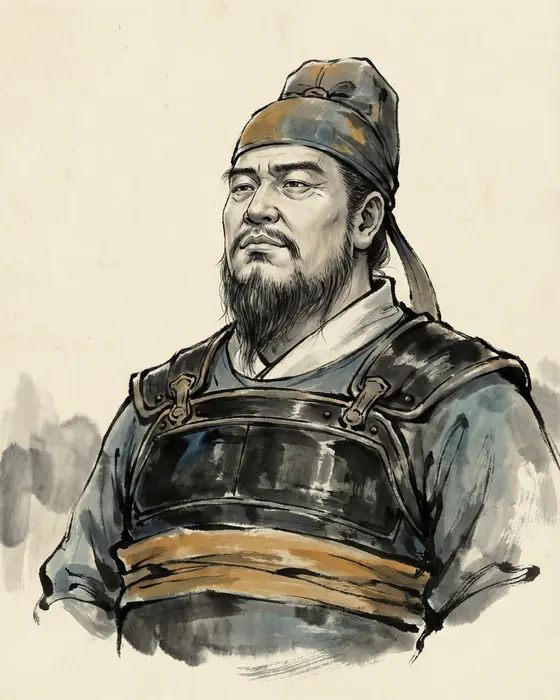
Liu Bang劉邦
256–195 BCE
Village official of Pei, fifty years old when he took the capital. Held the pass three months on a promise, and won an empire by refusing what he was offered.
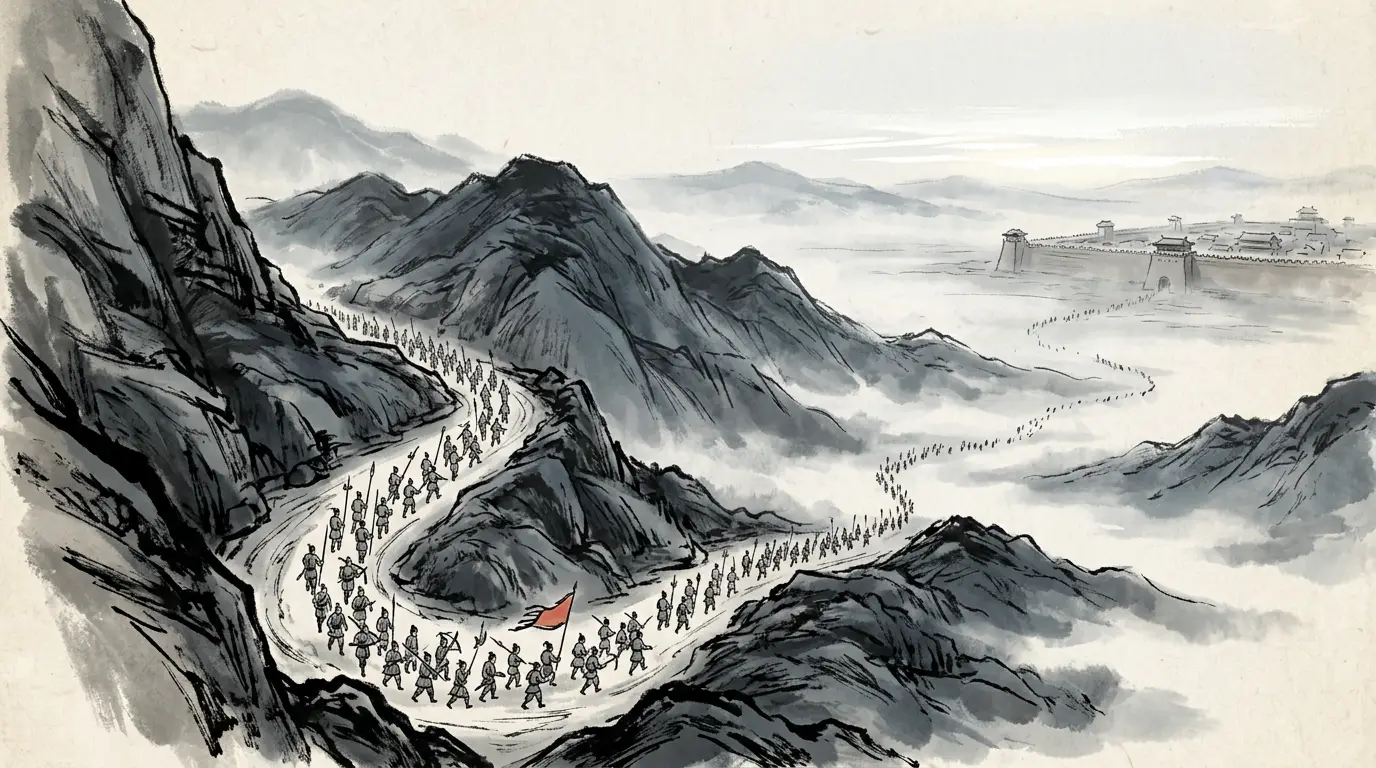
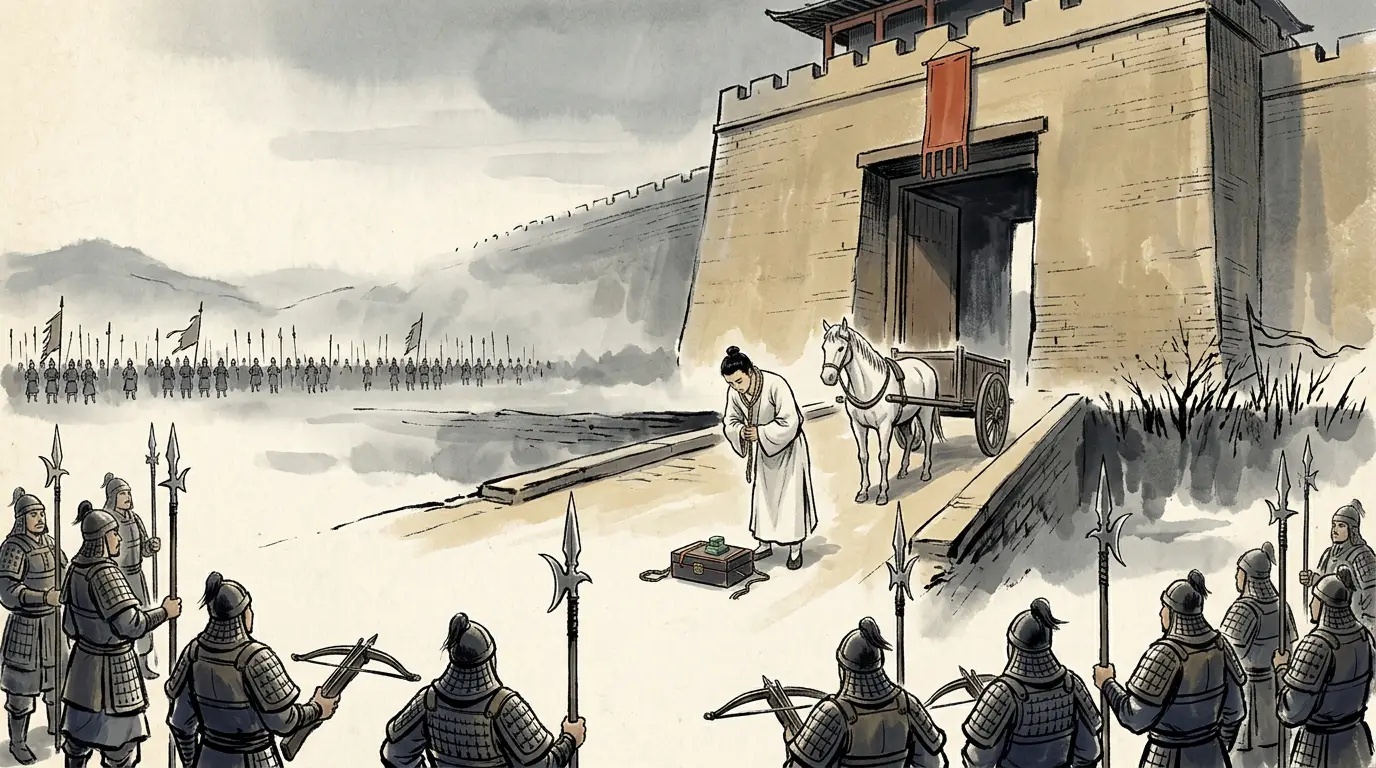
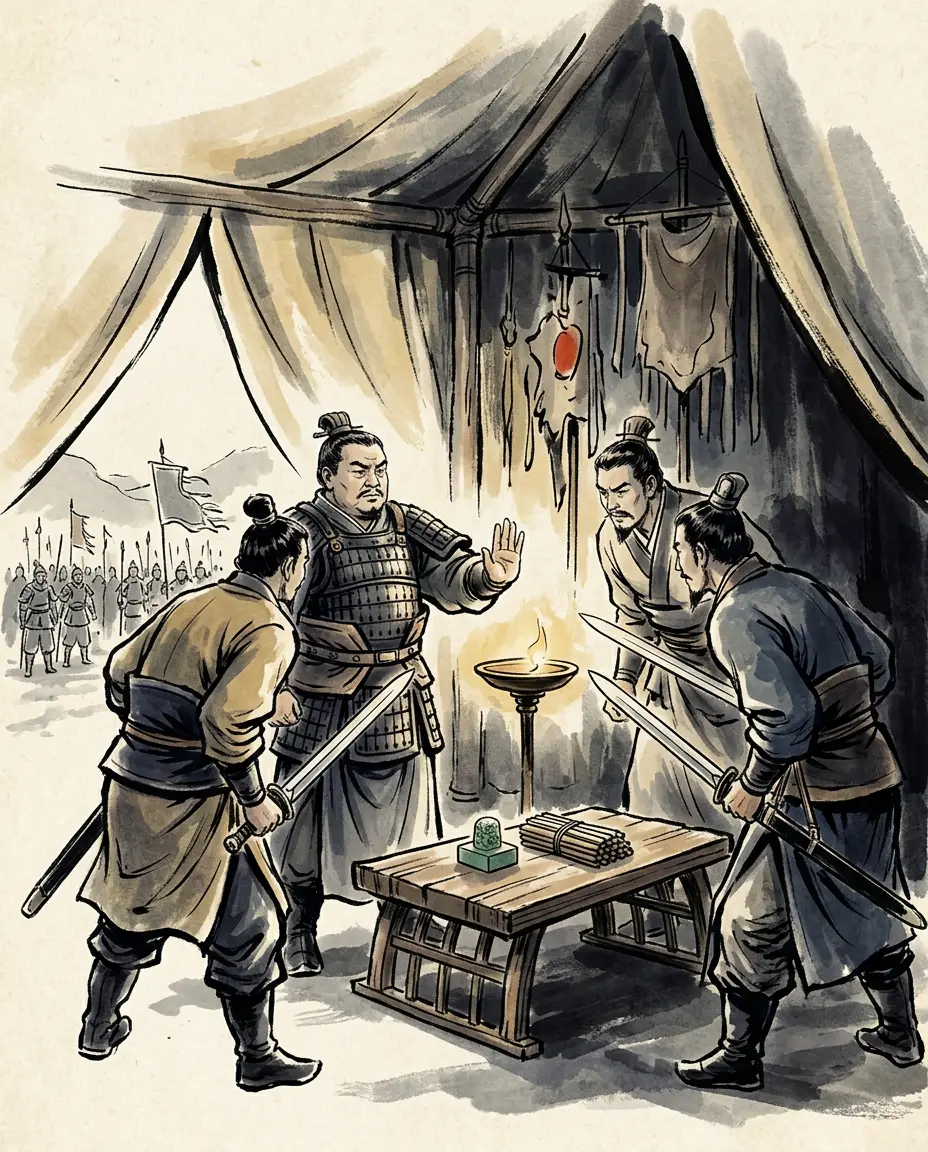
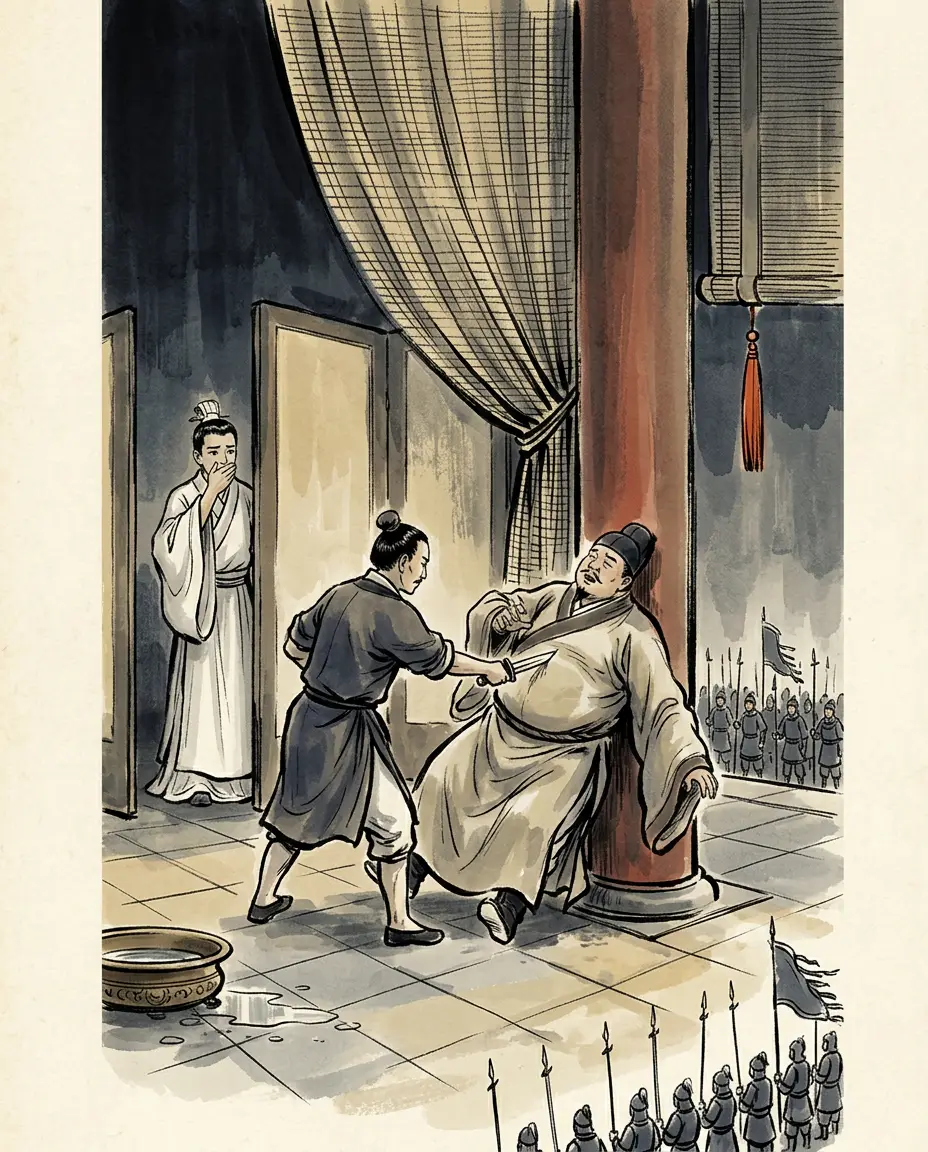
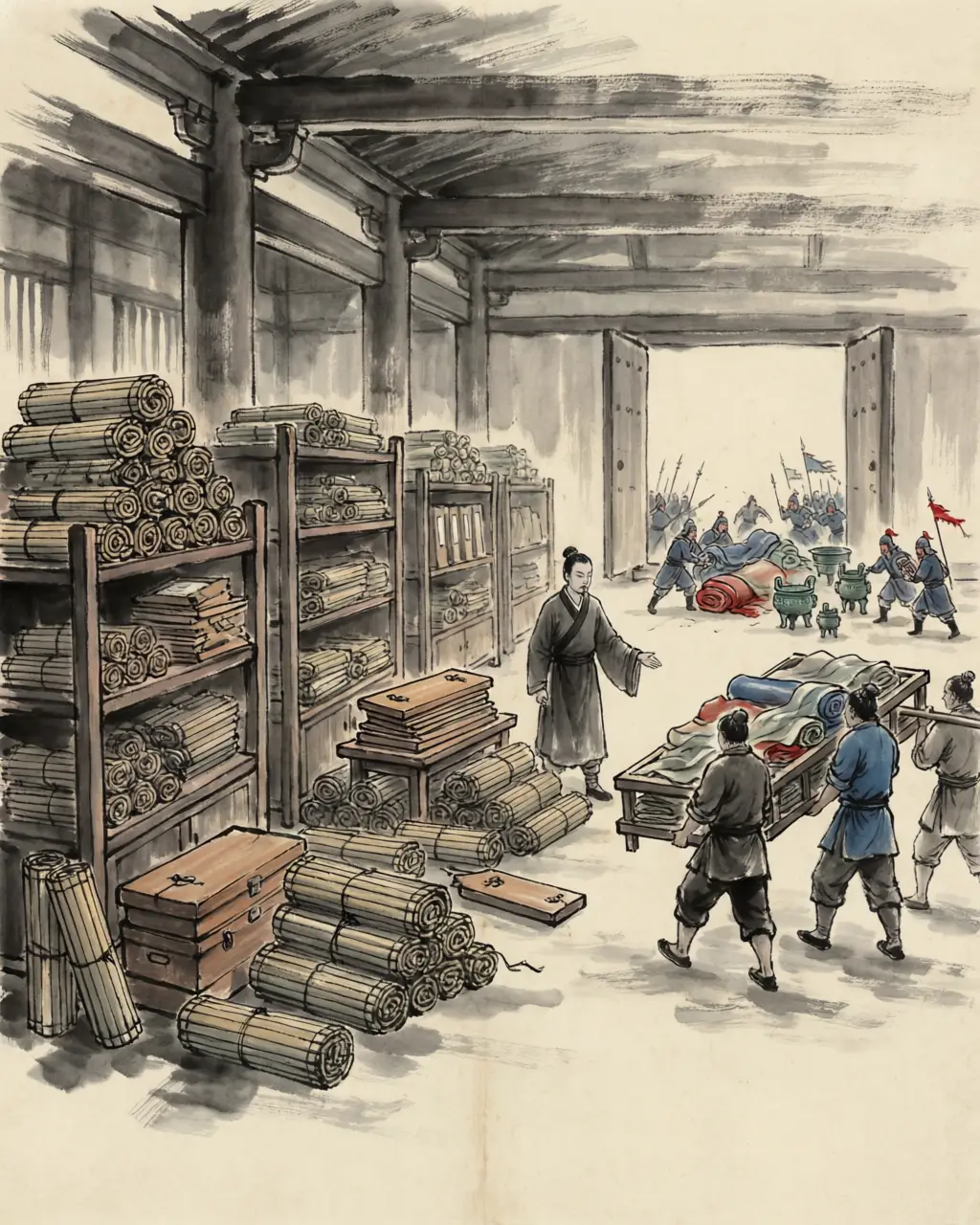
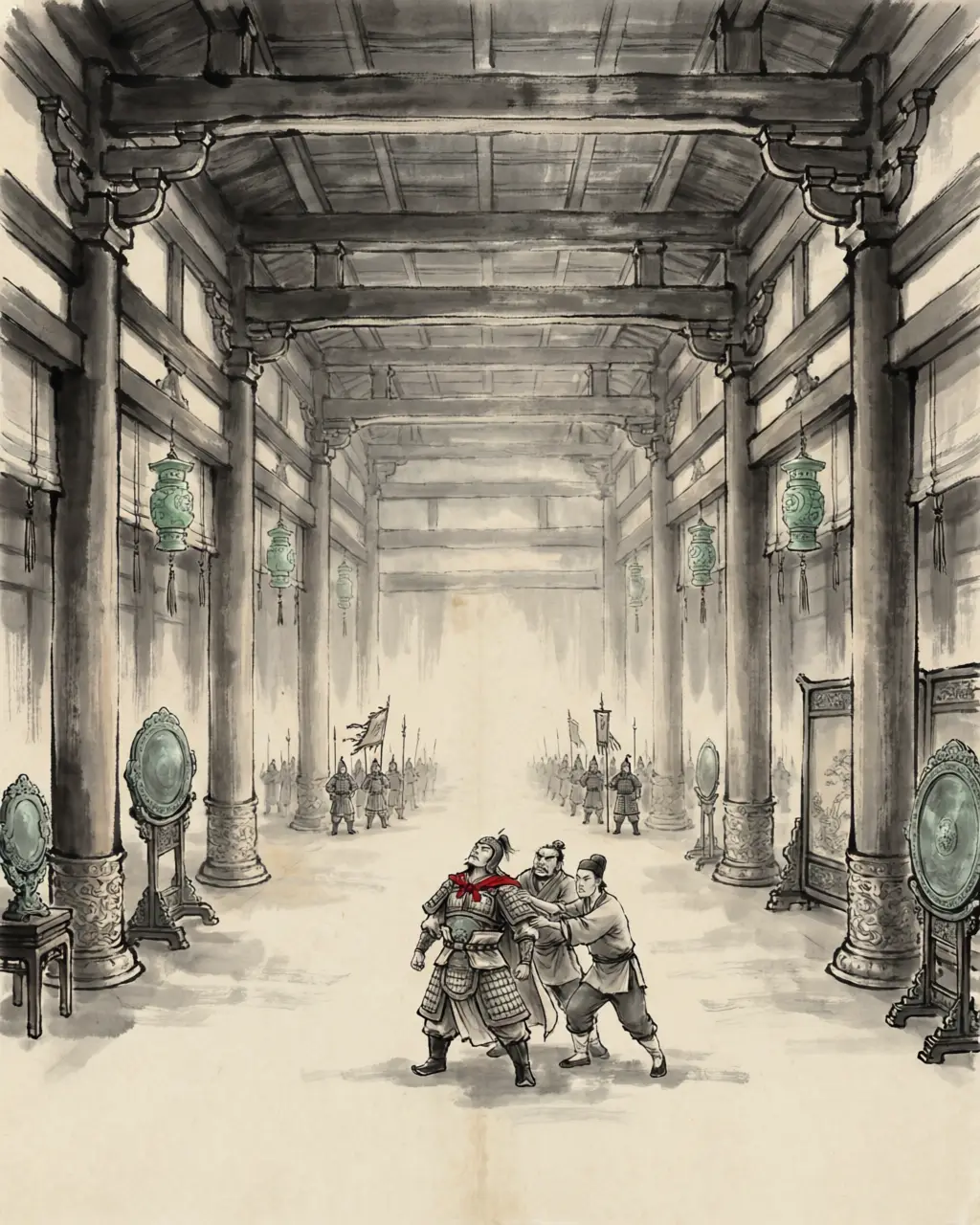
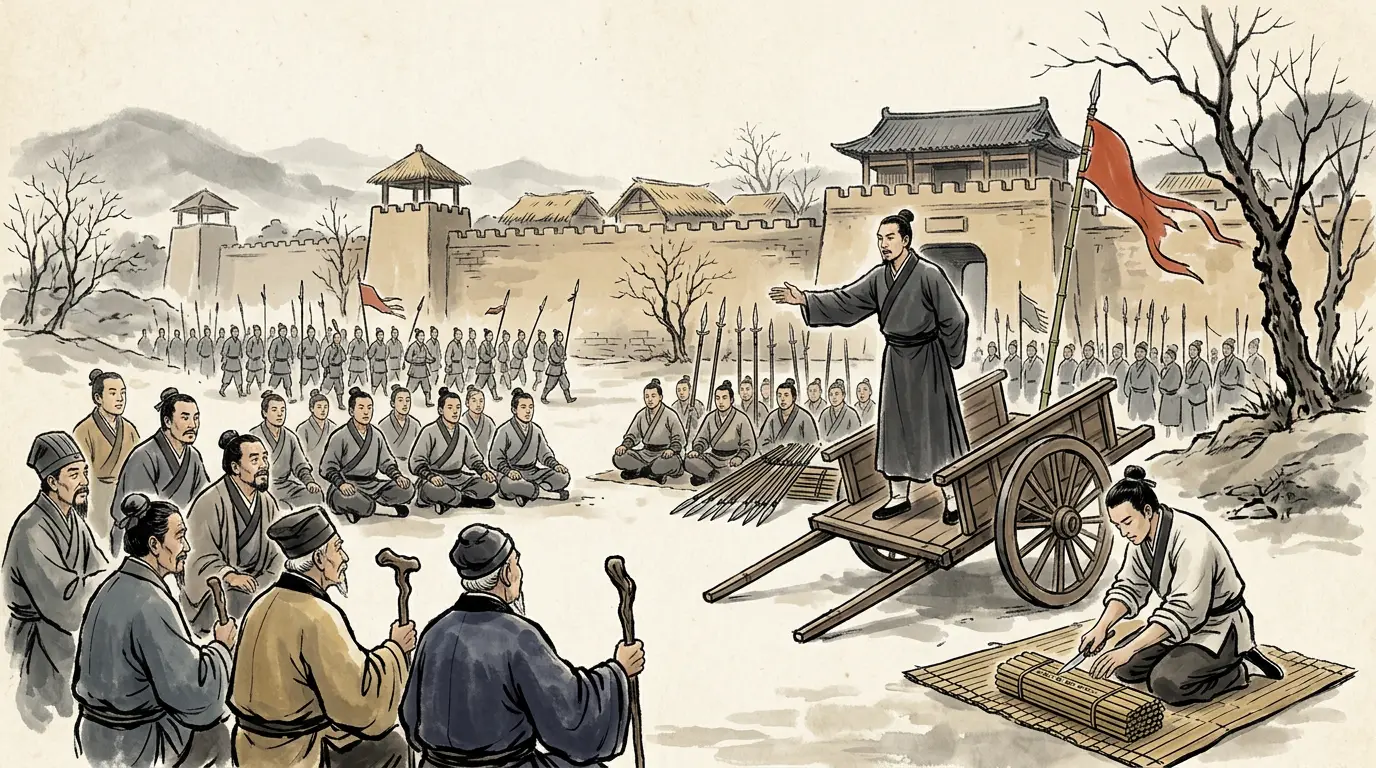
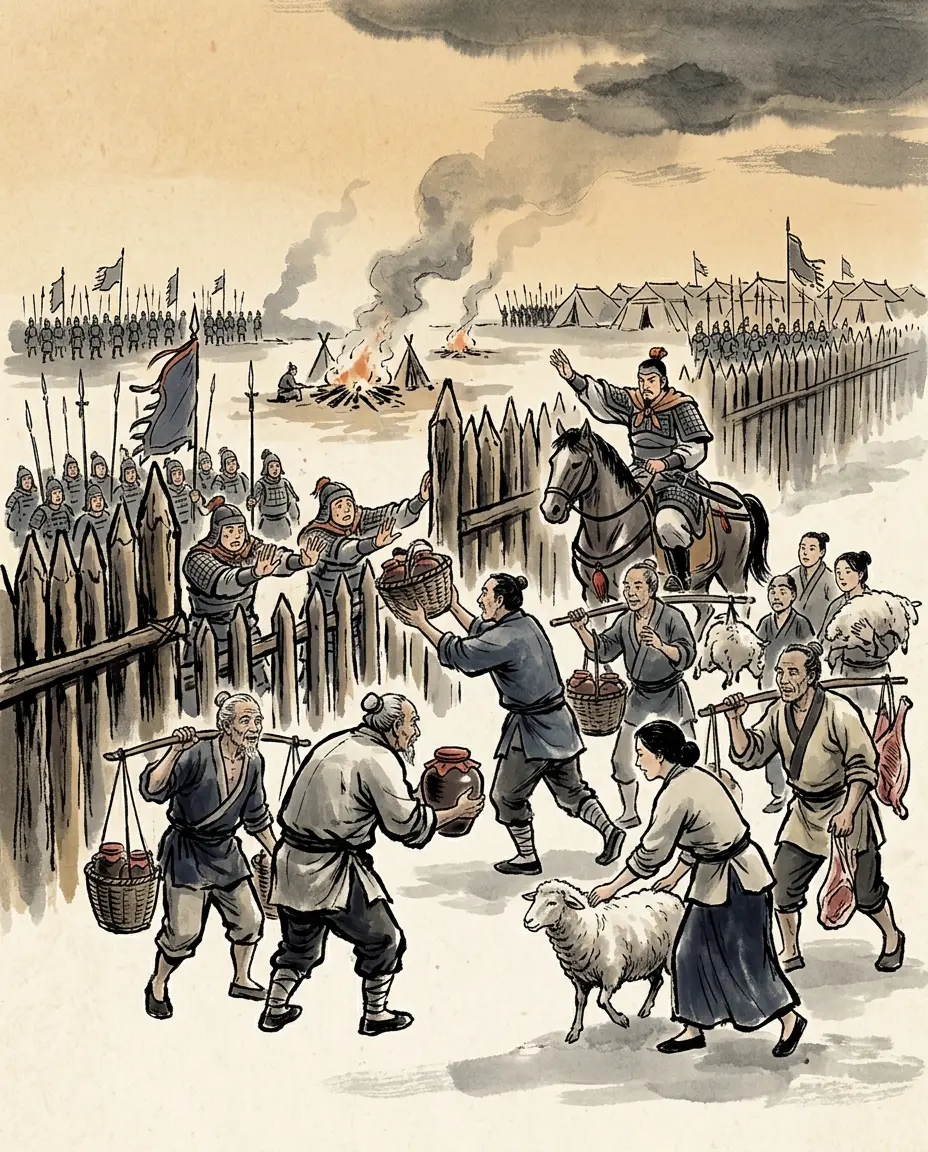
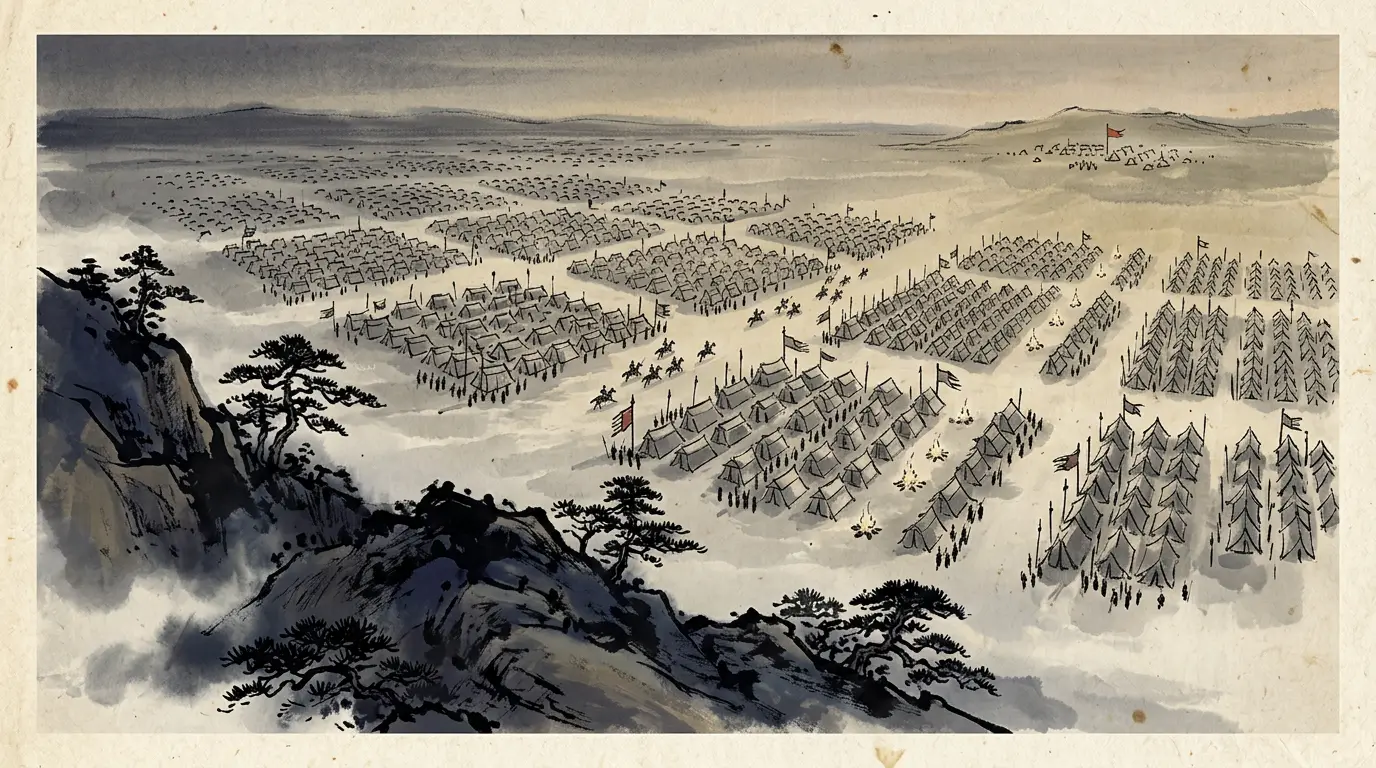
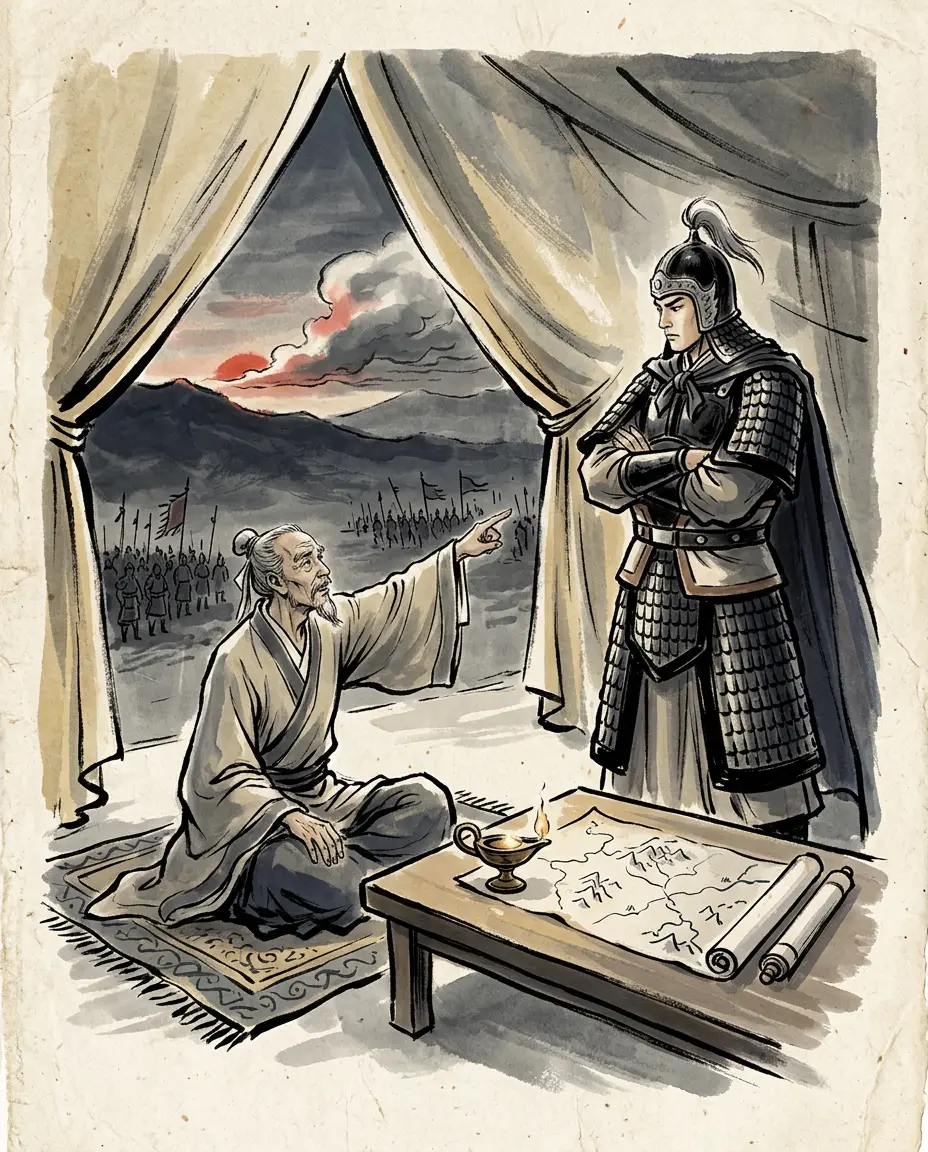
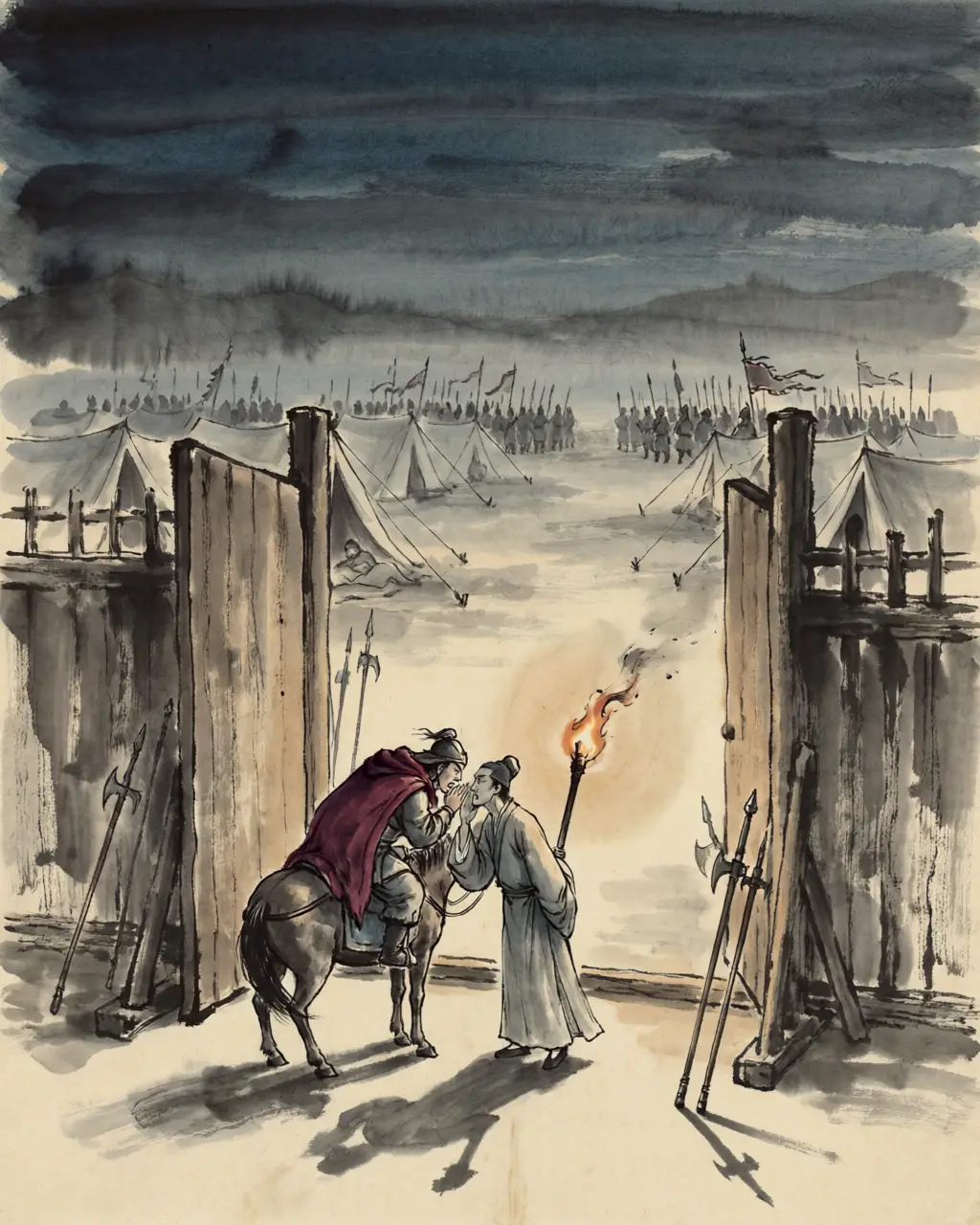
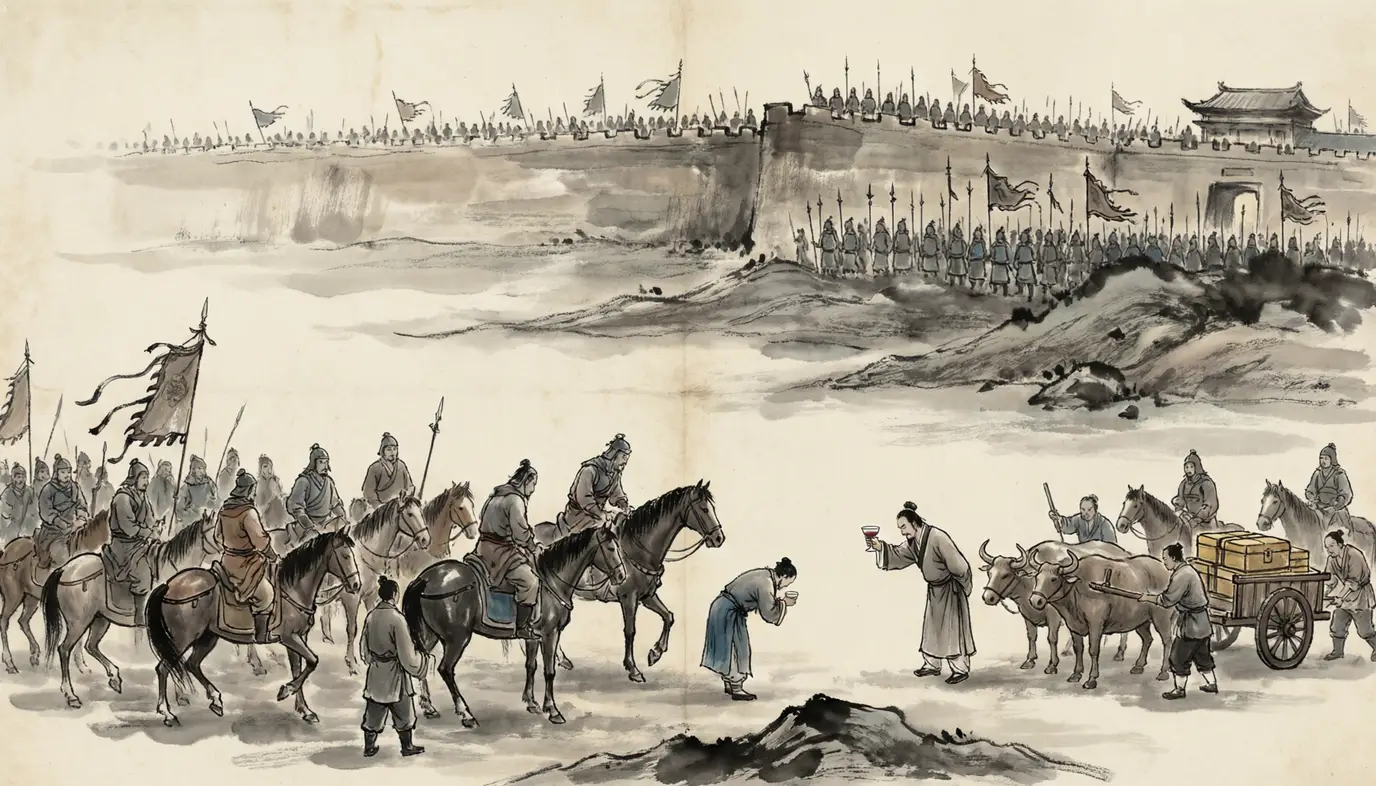
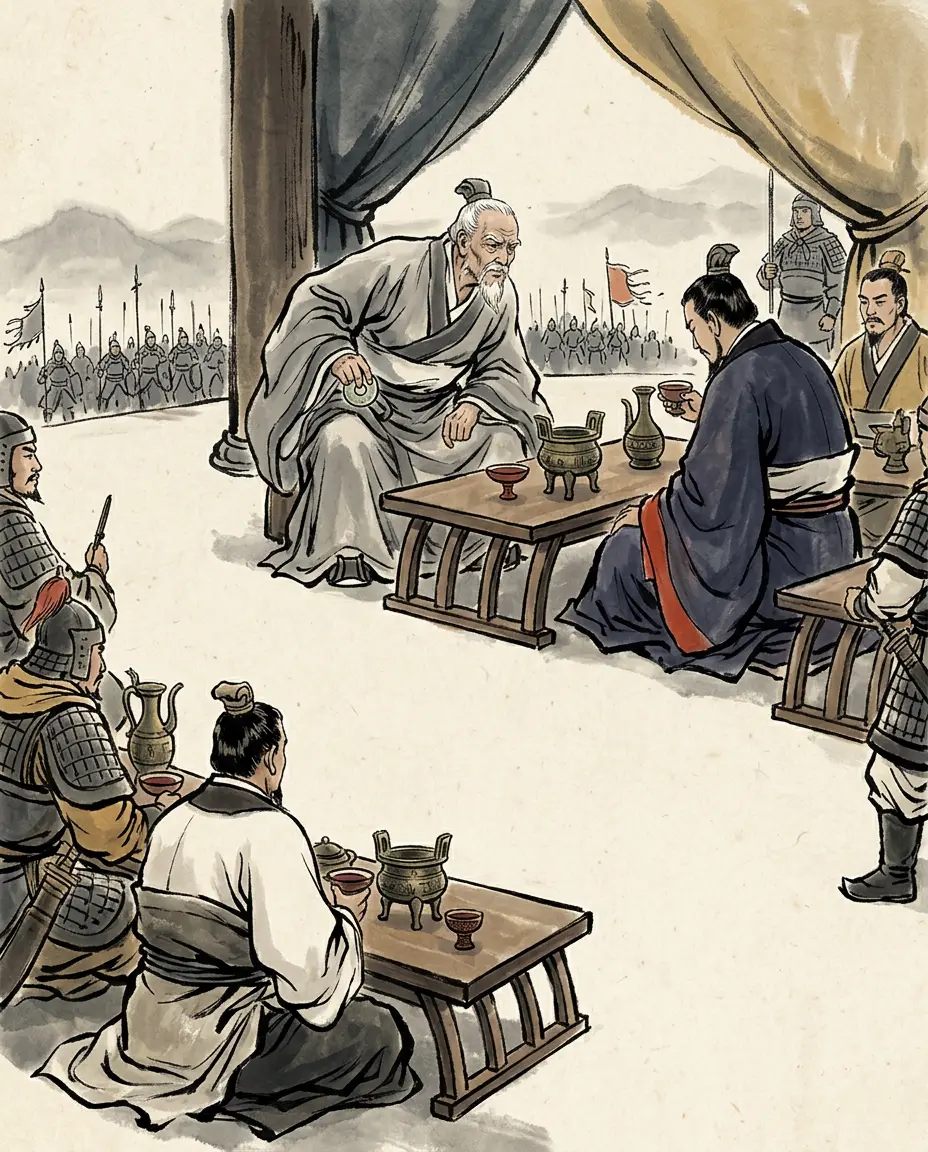
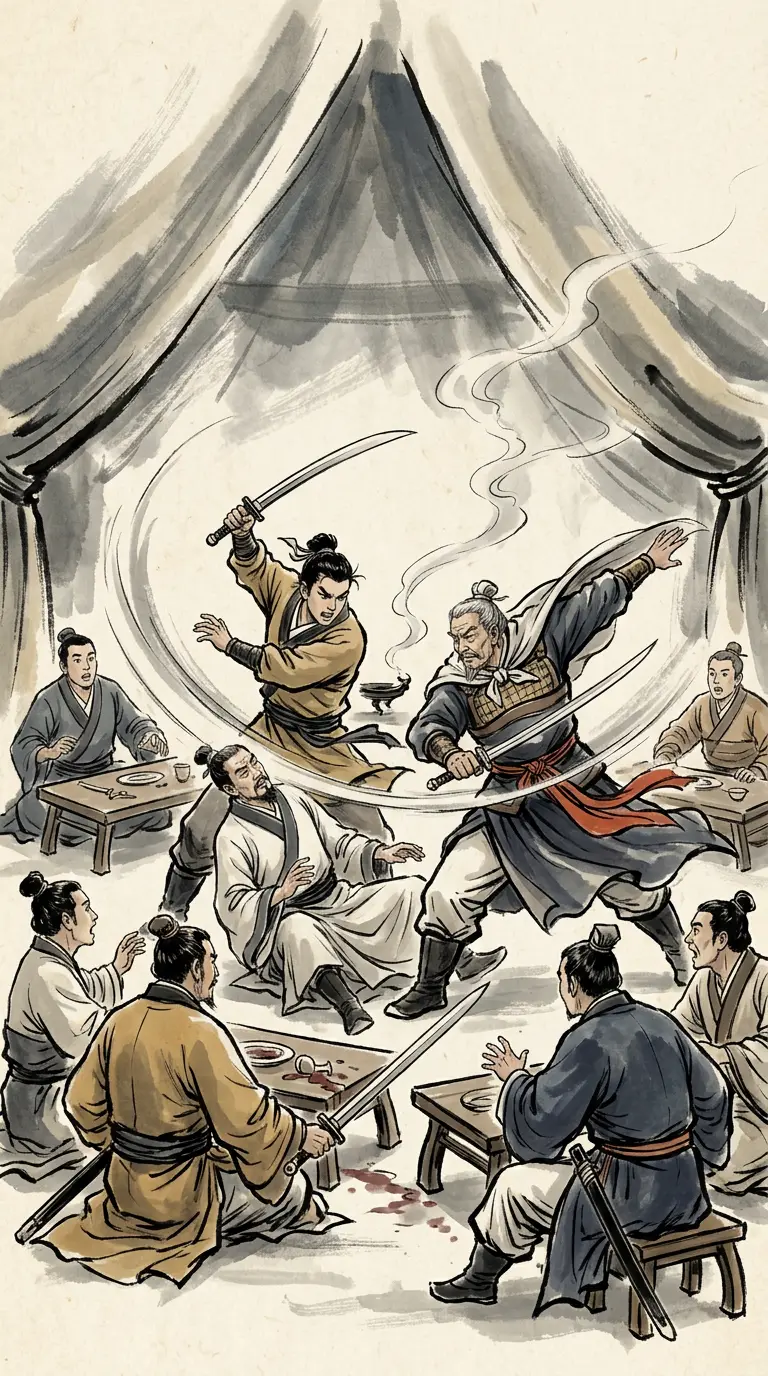
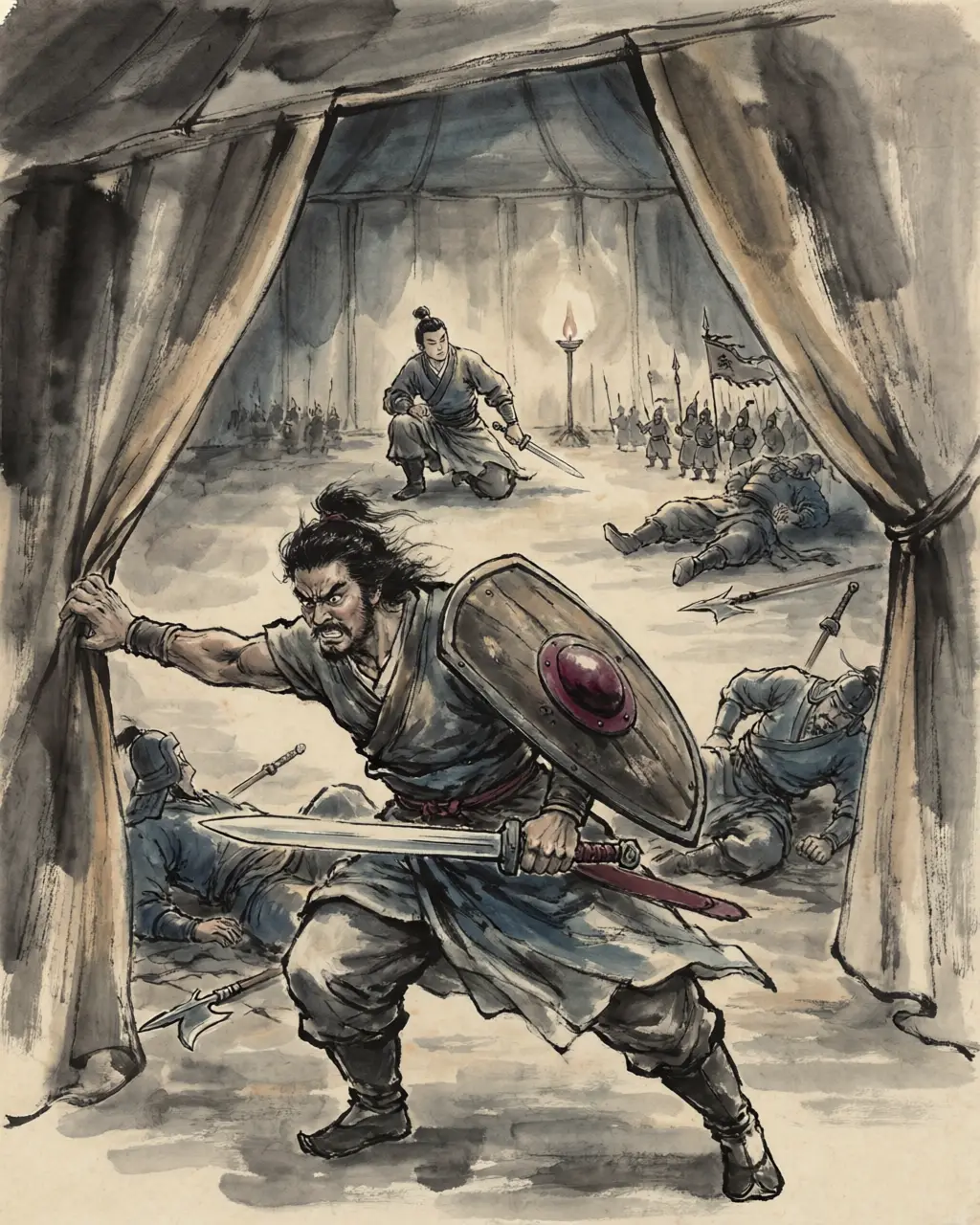
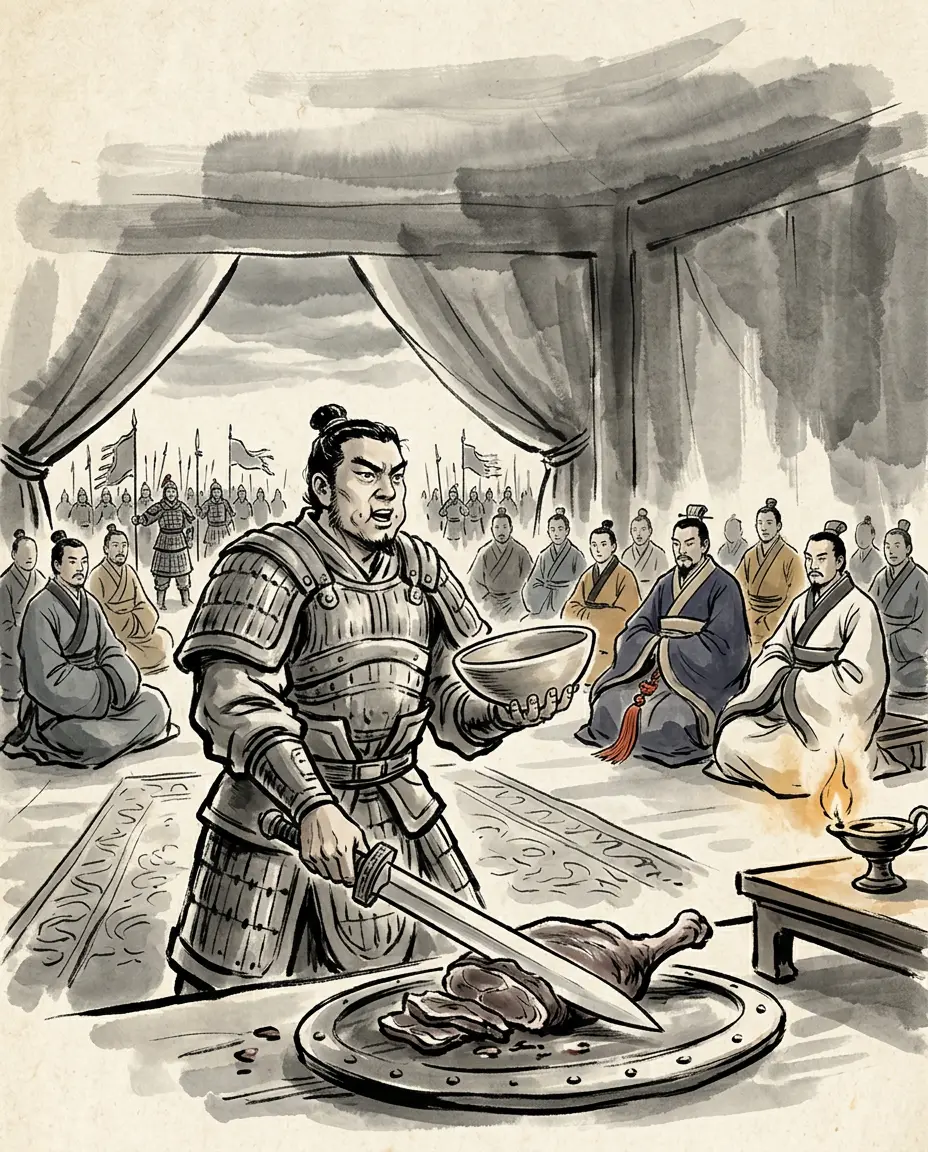
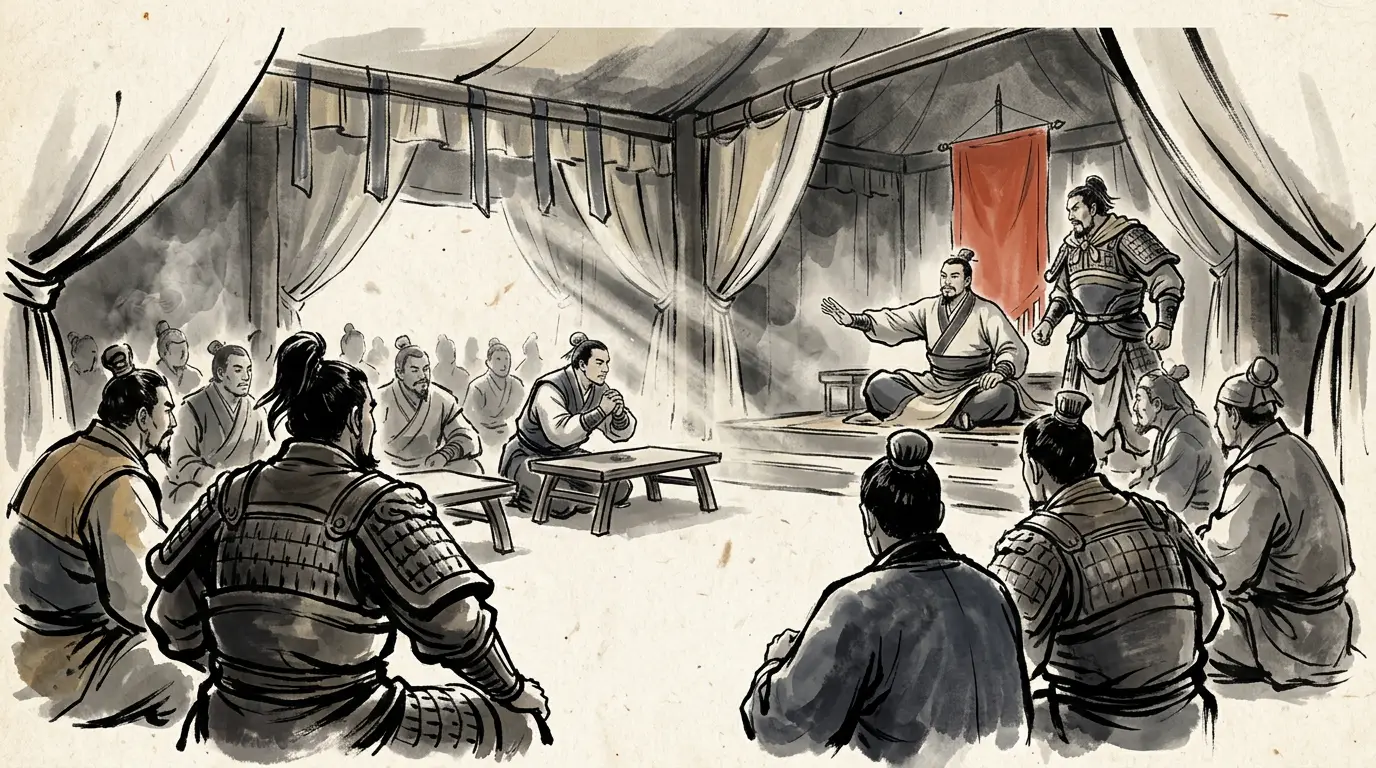
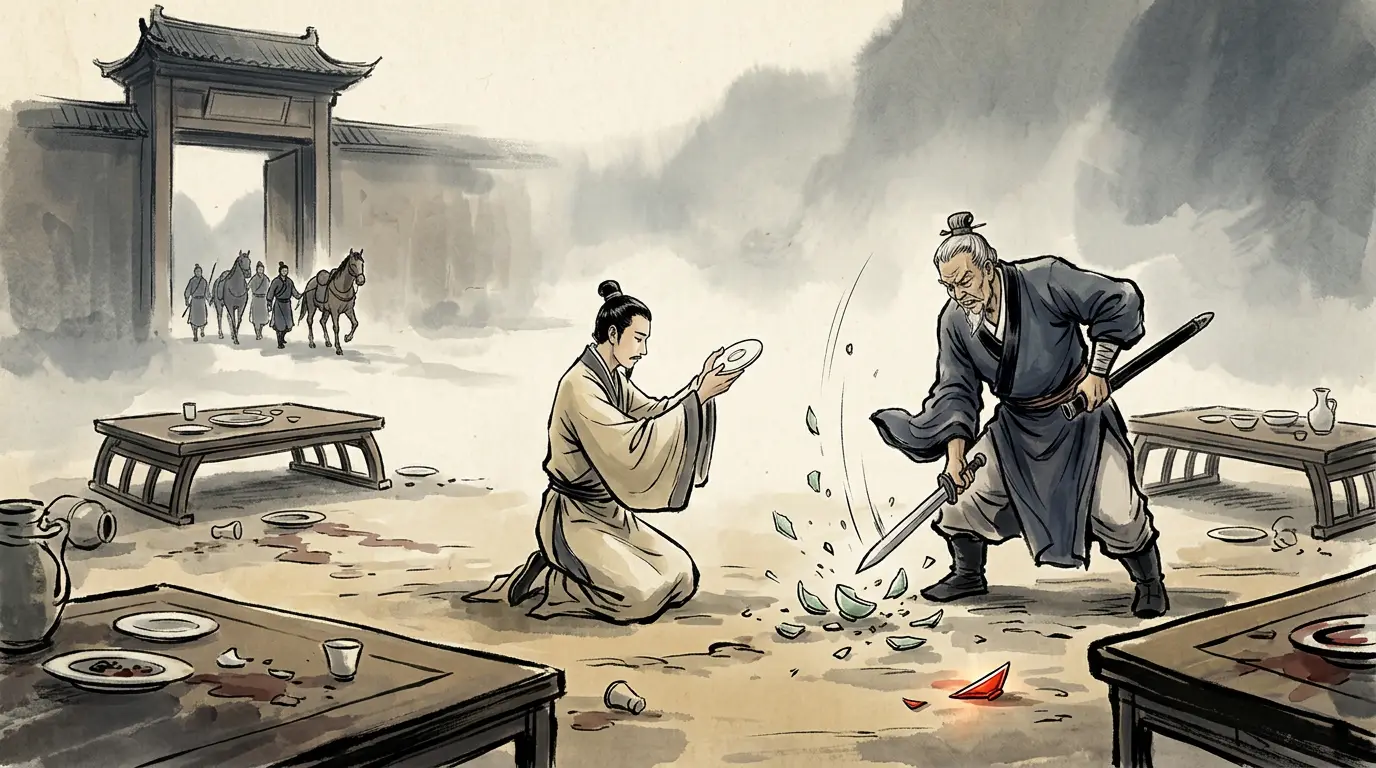
Seven names carried 206 BCE: the rebel who took the capital, the warlord who had been promised it, and five men whose advice decided which of the two was going to be a founder.
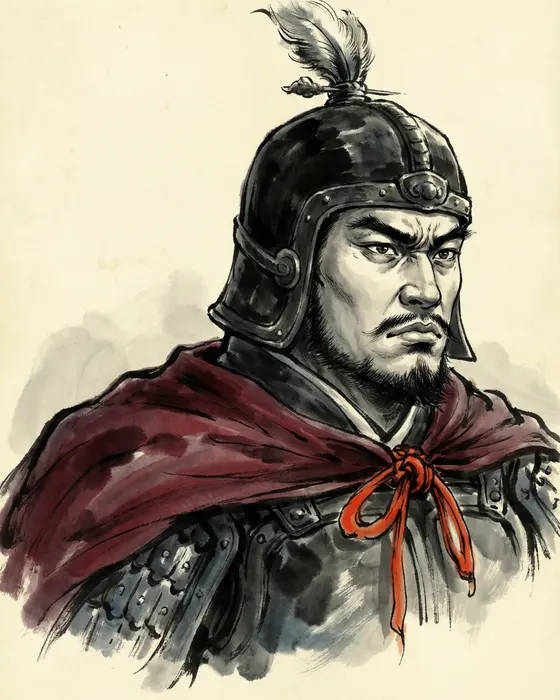
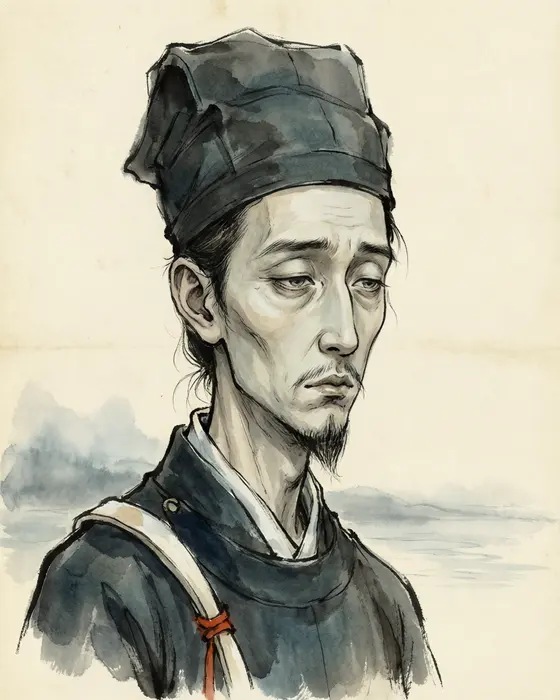
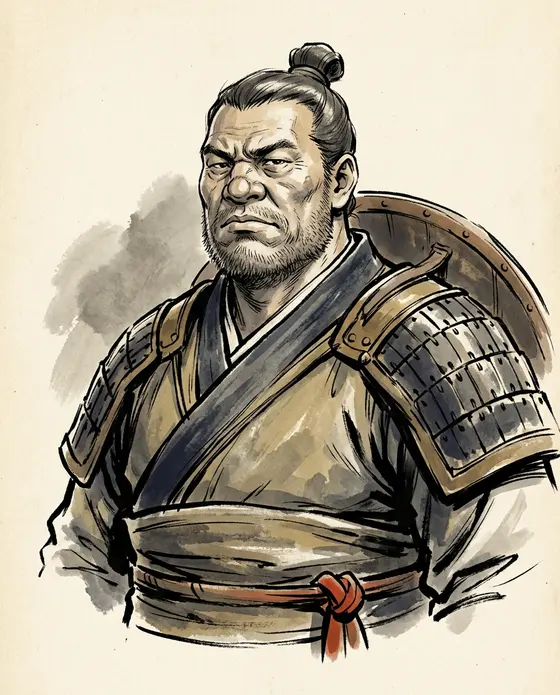
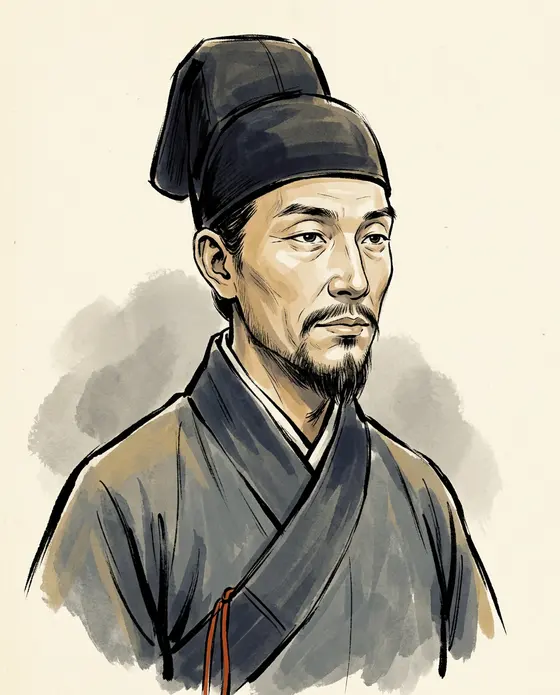
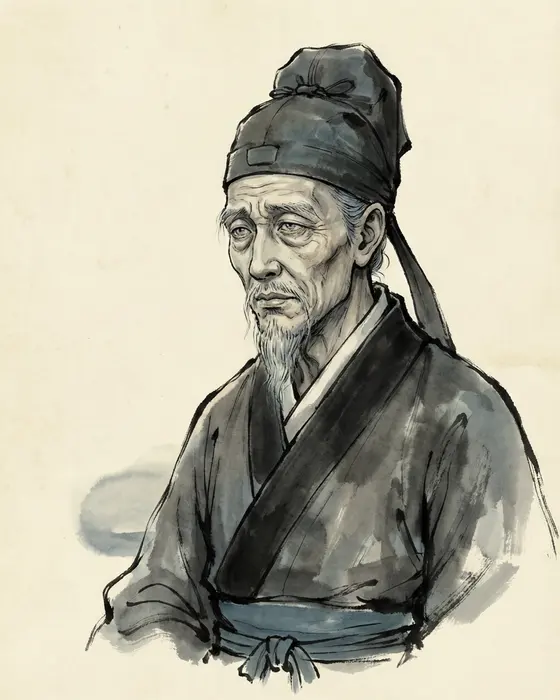
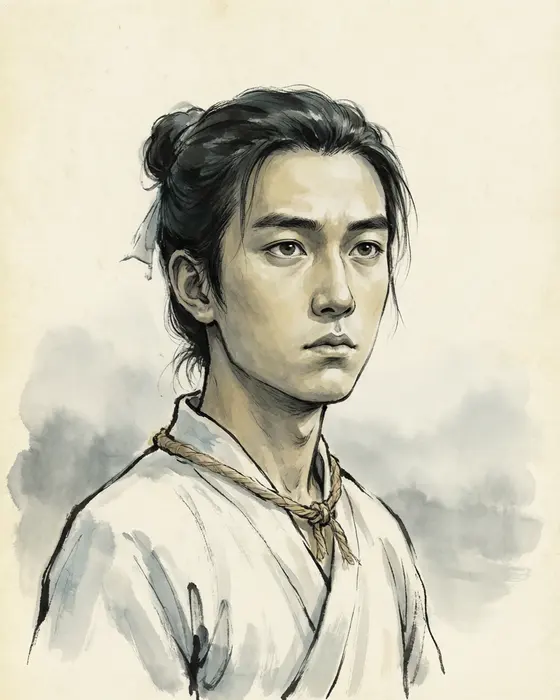
The Ming romances of the Han dynasties, the stage plays drawn from them and the serials drawn from those are entertainment — and not a source. Where their famous scenes depart from the histories, we leave them out of the story and put them here.
Ziying was the last emperor of Qin.
He was the last king. When Zhao Gao made him head of the house in late 207 he took away the imperial style and called him King of Qin, and the histories keep that title for his forty-six days; the seals he carried out at Zhi Road were the seals of an empire he had been demoted from.
The three articles were the beginning of Han law.
They were the terms of an occupation, and short-lived as such. The codes Han actually ran on grew out of the Qin statutes Xiao He carried out of the archives: the traditional nine chapters keep Qin's seven and add household, corvée and stables. The bamboo statutes copied out in 186 BCE and found at Zhangjiashan read like Qin law with the worst edge taken off, not like three articles.
Xiang Yu lost the empire at Hong Gate because he was too honourable to kill a rival.
The histories give a smaller reason and a larger one. The smaller: he had just taken Liu Bang's submission in front of his own officers, and Fan Zeng's signal was looked at and not answered. The larger: the settlement he made three months later — eighteen kingdoms, himself as overlord of Western Chu, Liu Bang parked behind three Qin kings in a valley — is what had to be lost. One banquet did not decide a realm, and Sima Qian, who loved the scene, says as much by setting the partition out in full.
The cloud-gazing proved that Liu Bang had heaven on his side.
It is in the text — Fan Zeng says he sent men to look — but it is one omen among the several Sima Qian plants round the rise of Han, and none of them is evidence for anything except belief in them. What the surrounding sentences show is a general reading his opponent's changed behaviour and drawing the obvious conclusion: a man who wants nothing yet wants a great deal.
Zhang Liang was a cool, otherworldly strategist with no body of his own.
His hereditary house says he was sickly most of his life, that after the empire was settled he took to breath-cultivation and stopped eating grain, and that he shut his door and did not go out for over a year. He also asked for the smallest fief on offer, the place where he had first met Liu Bang, and explains the request in the text as a piece of self-preservation. The immortal in the mountain cap is the novel's doing.
Every caption and quotation in this episode traces to one of these. Where scholars disagree, the panel says so.
The law held; the alliance did not. Five years of war later the founder took the frontier himself and was surrounded on a tableland for seven days: Episode 2 · Seven Days at Baideng (Pingcheng, 200 BCE). That seven-day siege set the terms the Han kept for sixty years. Or back to the Han line, or meet the cast.