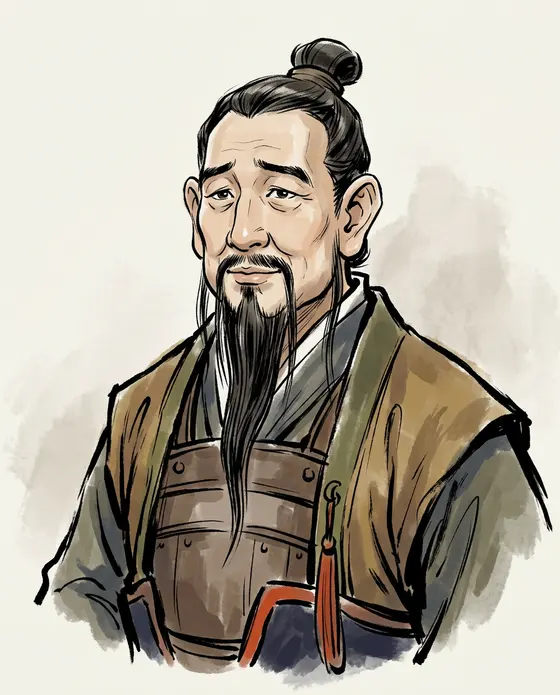
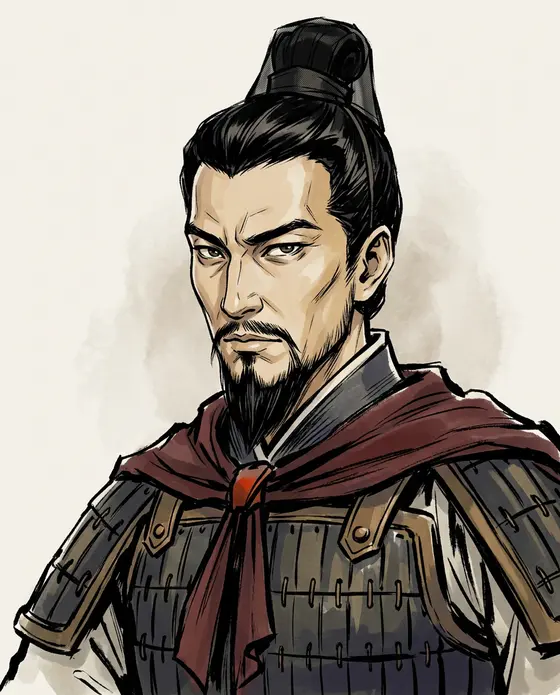
Liu Bei劉備
161–223 CE
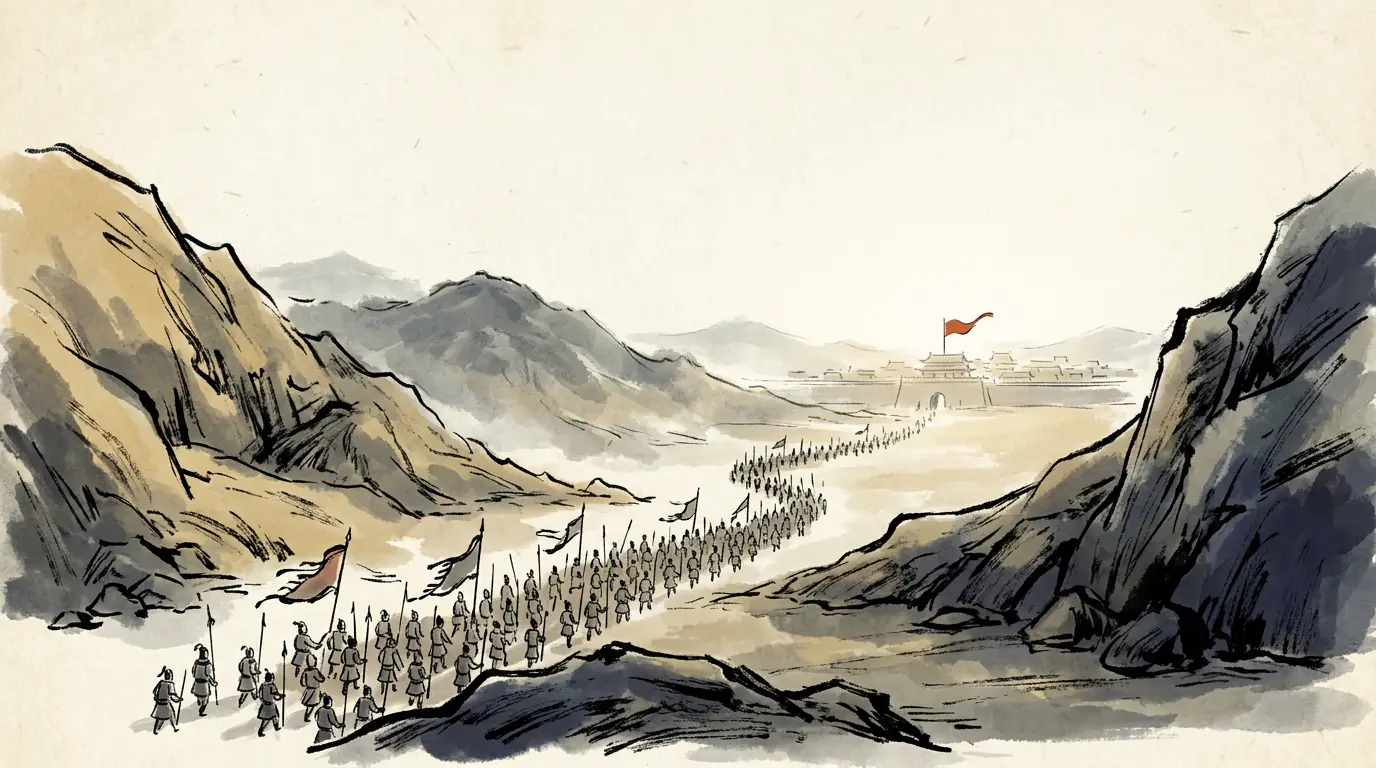
Claimant of the house of Han in Shu. Marched north for the gate that shielded his province, held the heights against Cao Cao himself, and took a king's title in Hanzhong.
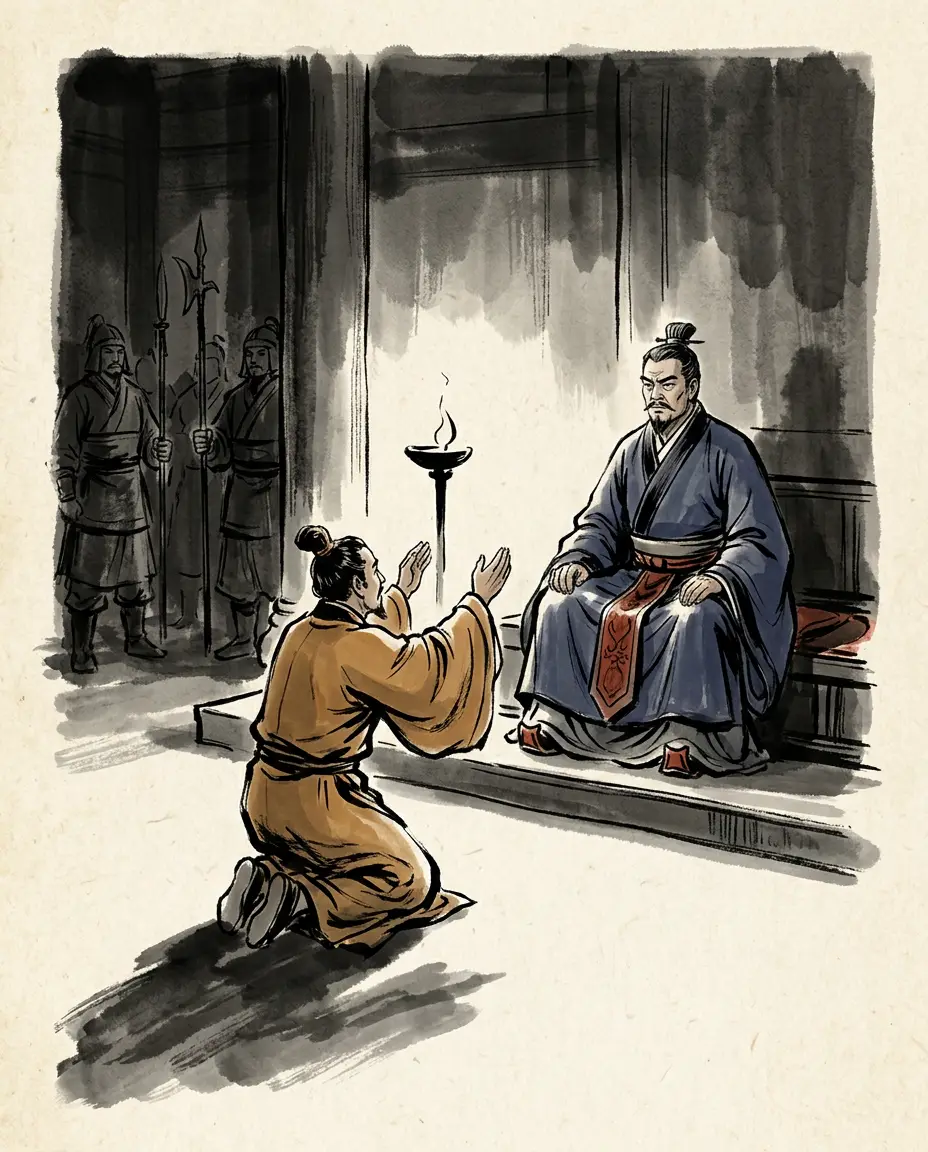
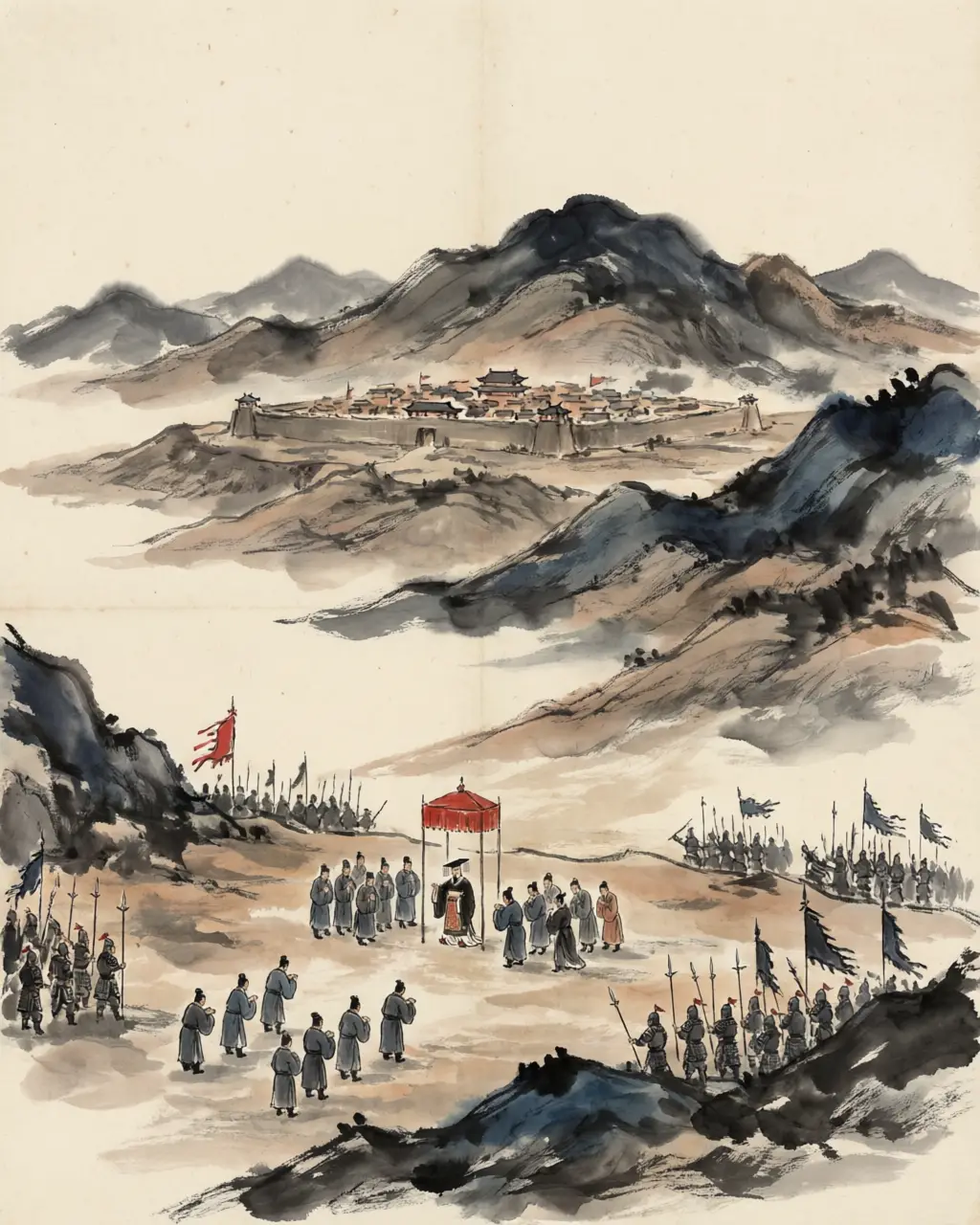
The people who carried this year. The sources disagree about almost everything else.
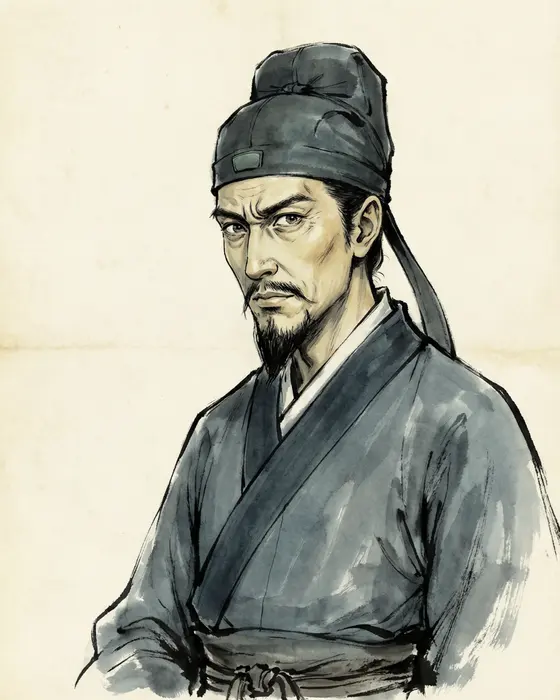
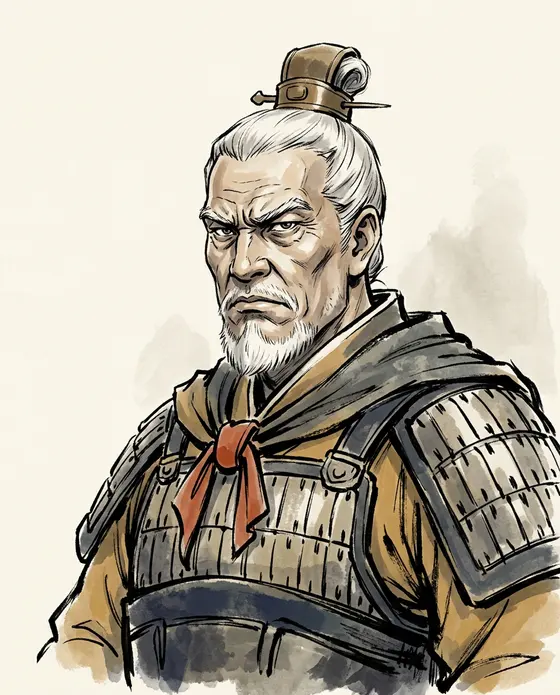
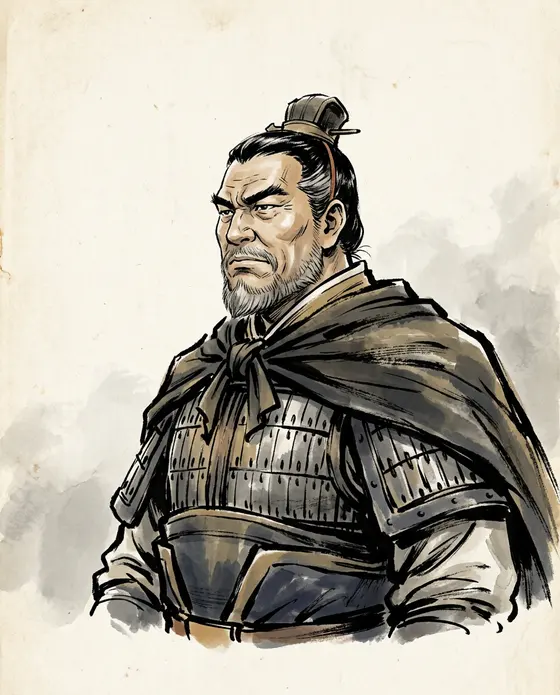
The novel Romance of the Three Kingdoms is a masterpiece — and not a source. Where its famous scenes depart from the histories, we leave them out of the story and put them here.
The Hanzhong campaign was masterminded by Zhuge Liang.
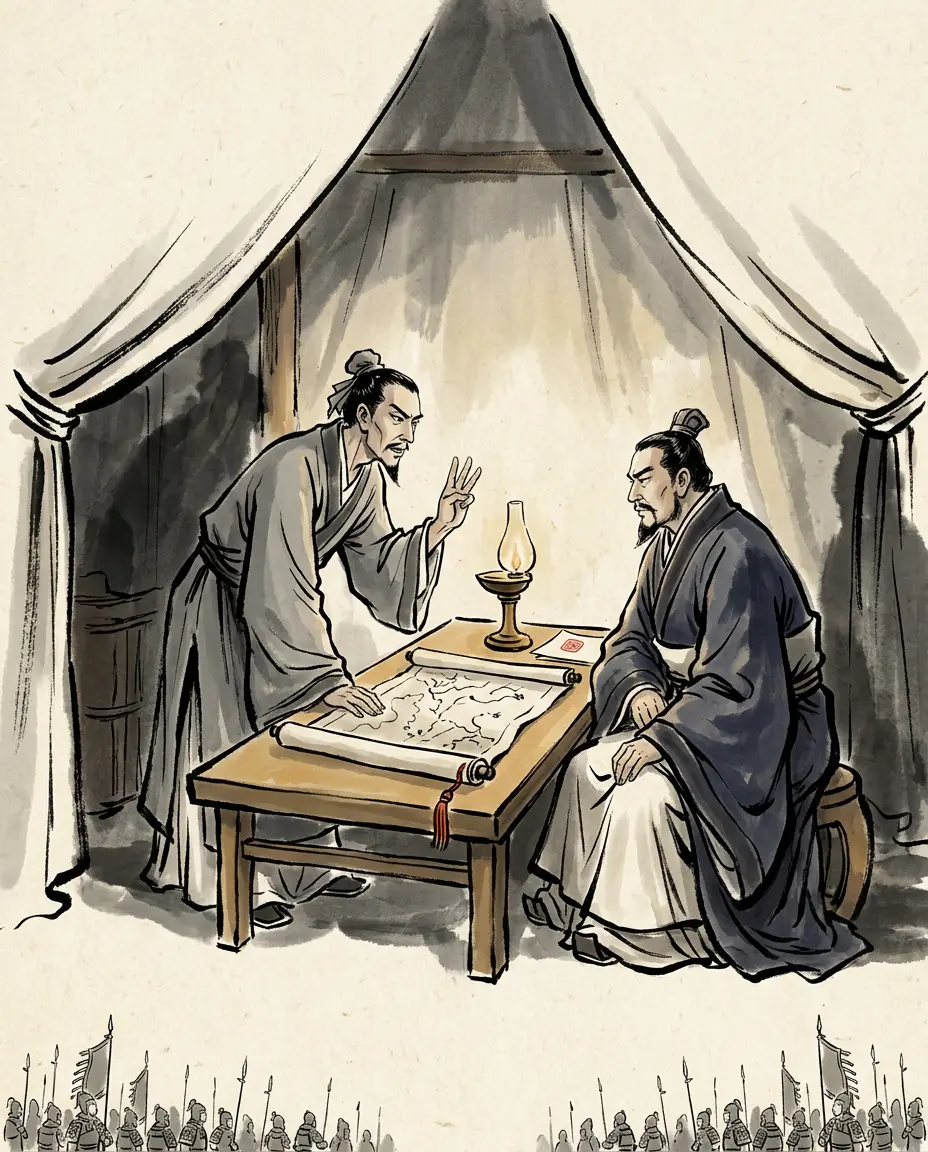
The histories name Fa Zheng: the persuasion to march, the three-course plan, and the design at Dingjun were his, and he went with the army. Zhuge Liang's recorded office through these years was holding Chengdu, feeding the army and supplying the troops. The novel has Zhuge Liang directing the whole war by letter from Chengdu; no history supports it.
Huang Zhong slew Xiahou Yuan in single combat, as in the opera Dingjun Mountain.
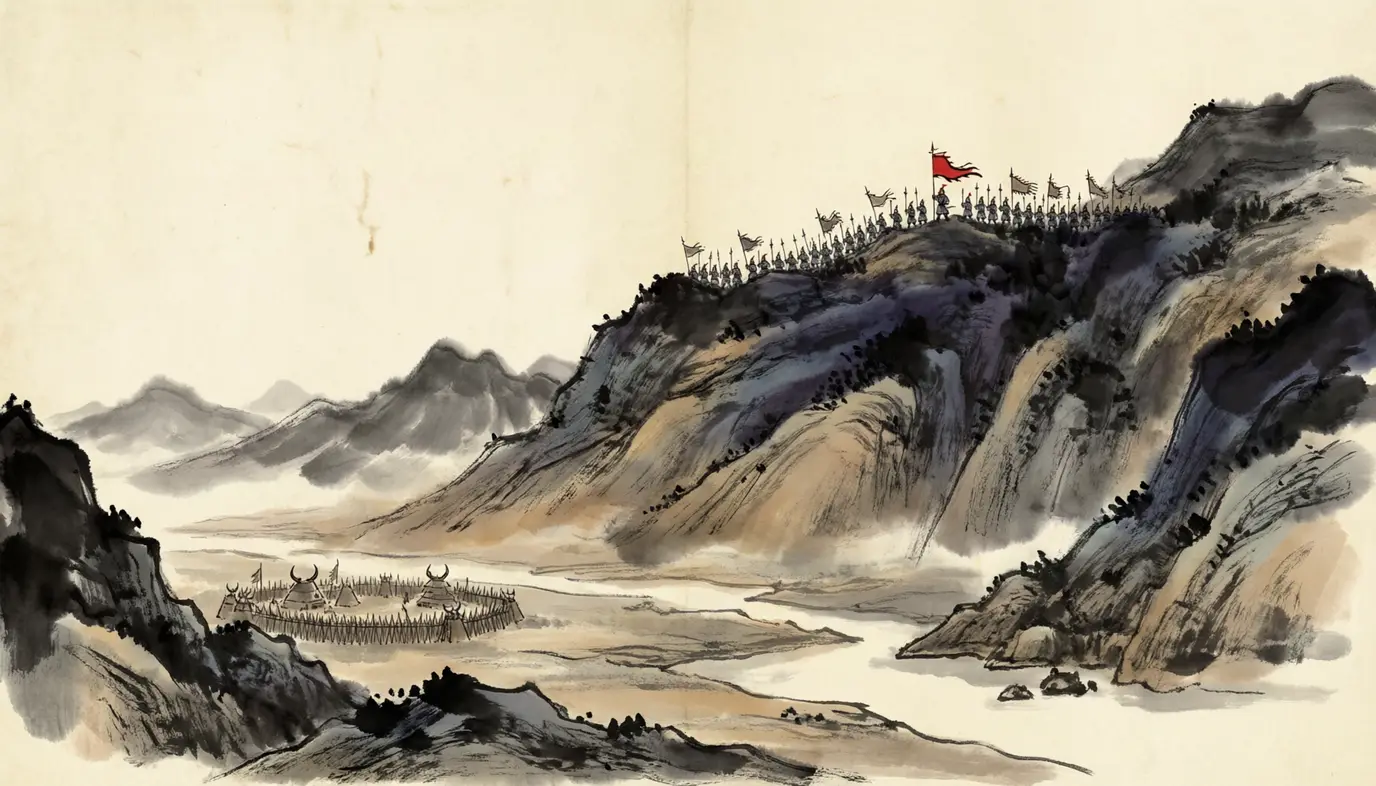
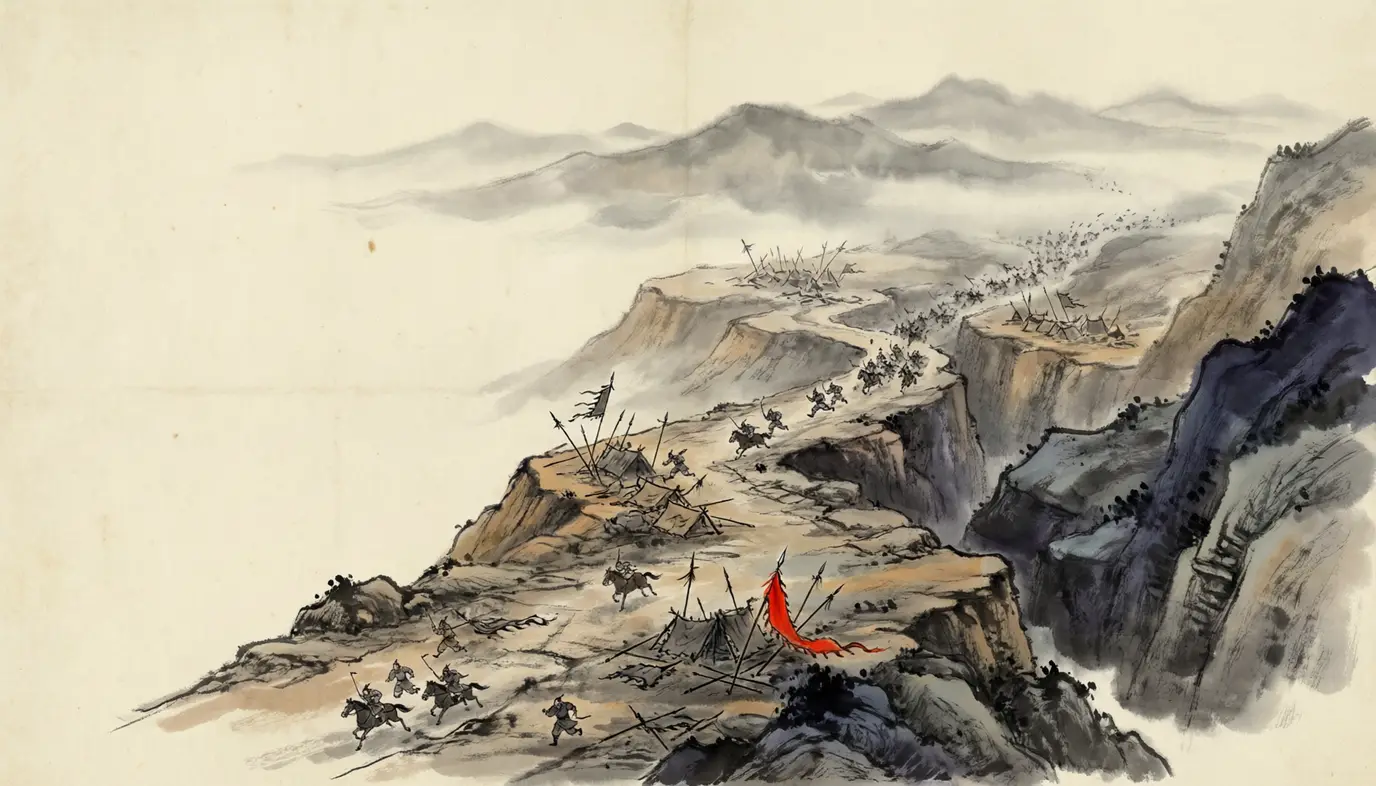
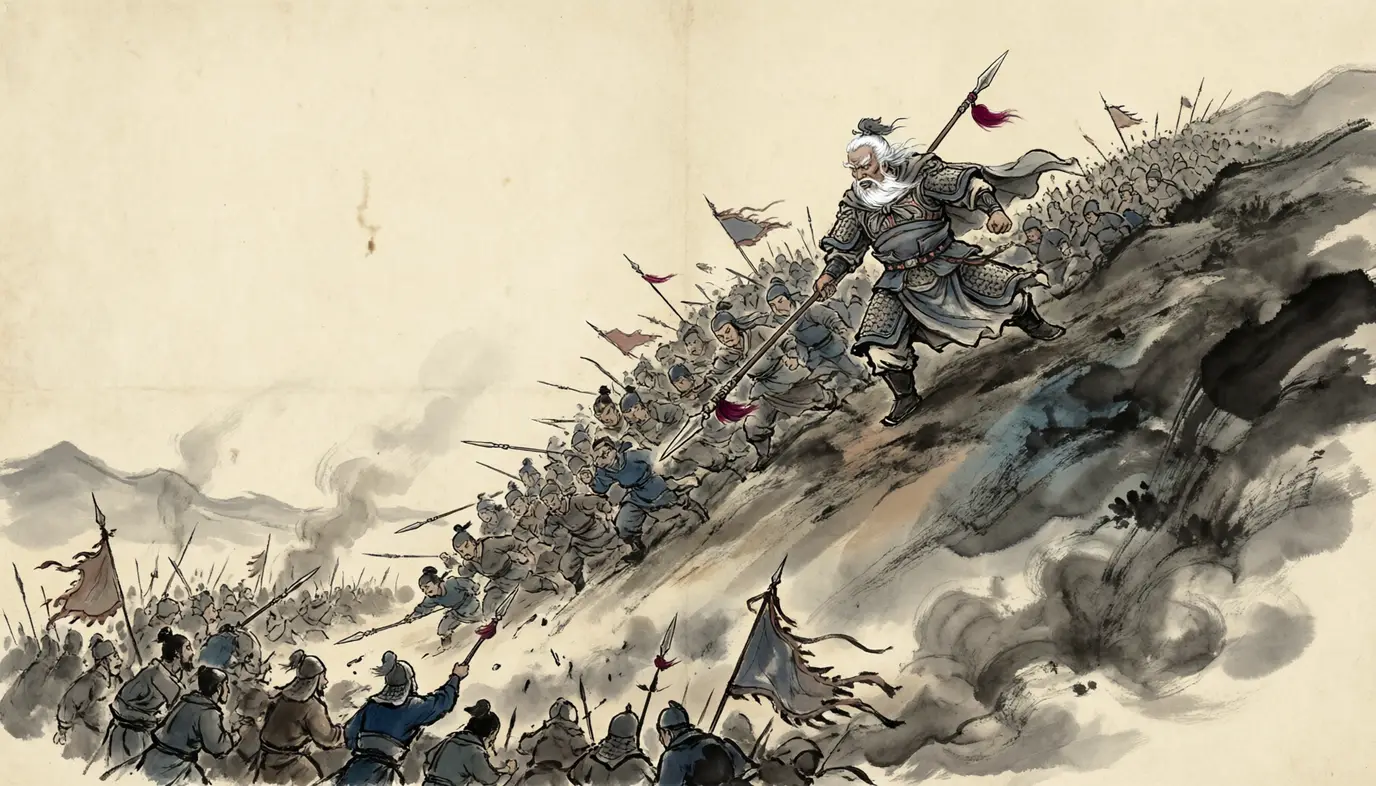
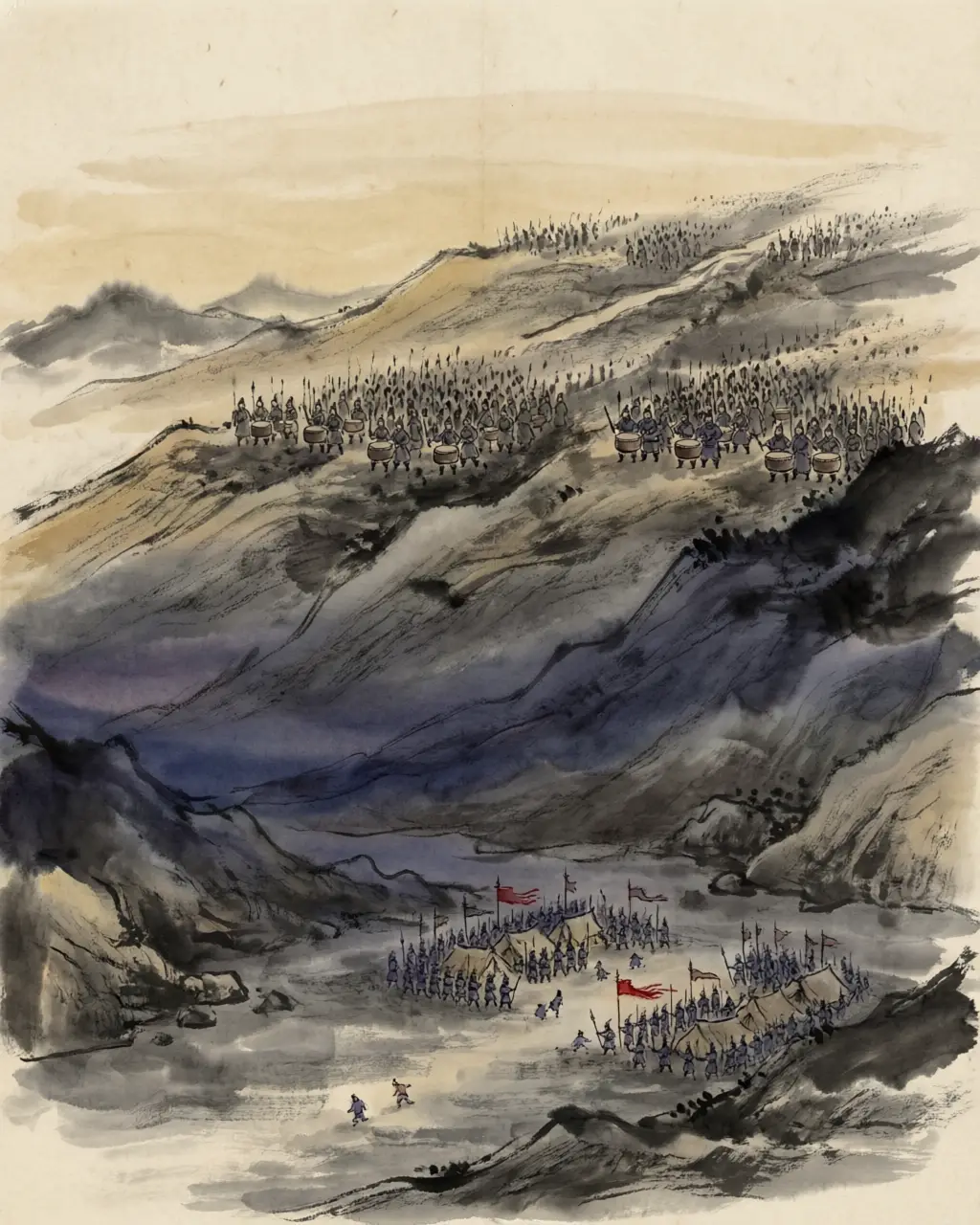
No duel is recorded. The histories give an assault: Huang Zhong charged down from the heights with drums rolling, Yuan's army was badly defeated, and Yuan was killed in the rout together with Zhao Yong. The duel, the exchange of prisoners, and the opera's other business are later invention.
Cao Cao lost Hanzhong in a great pitched battle.
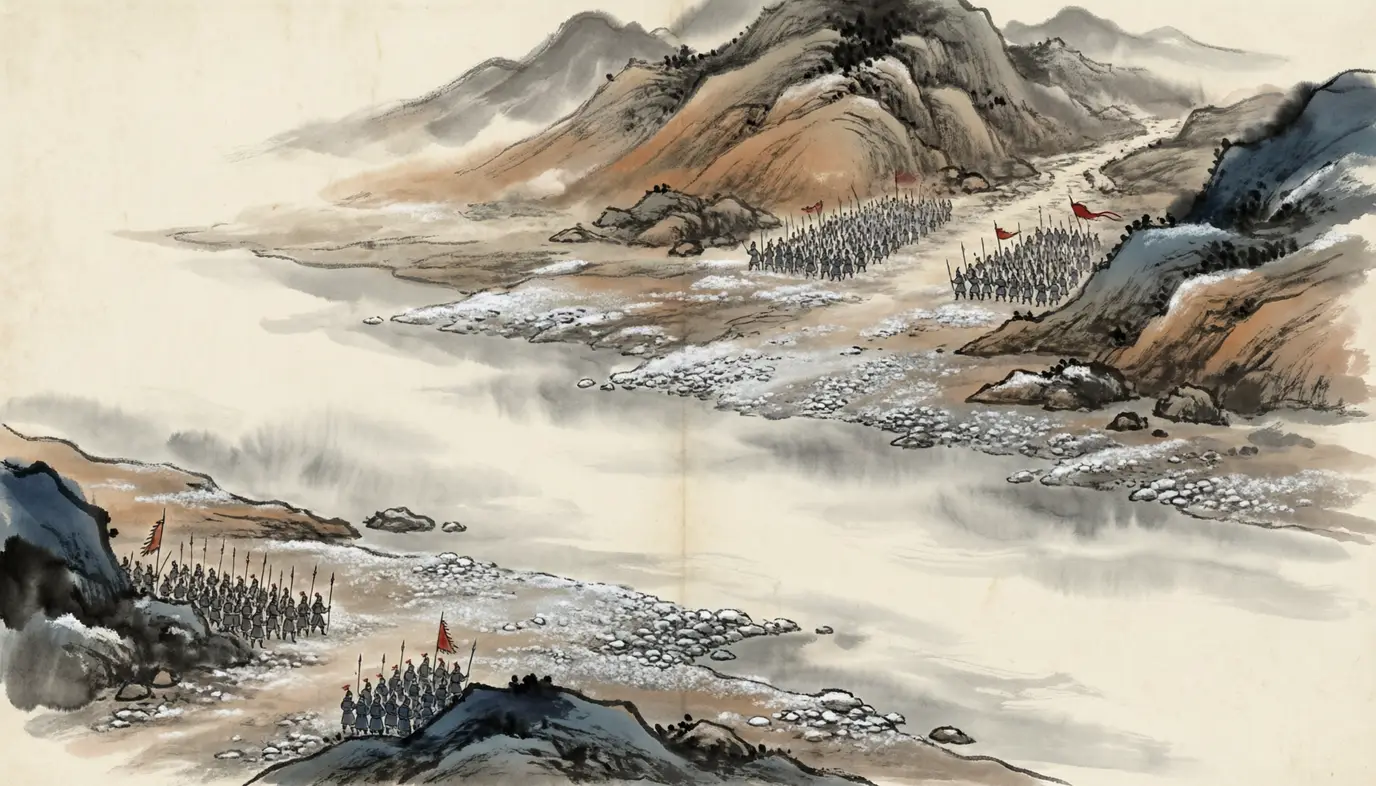
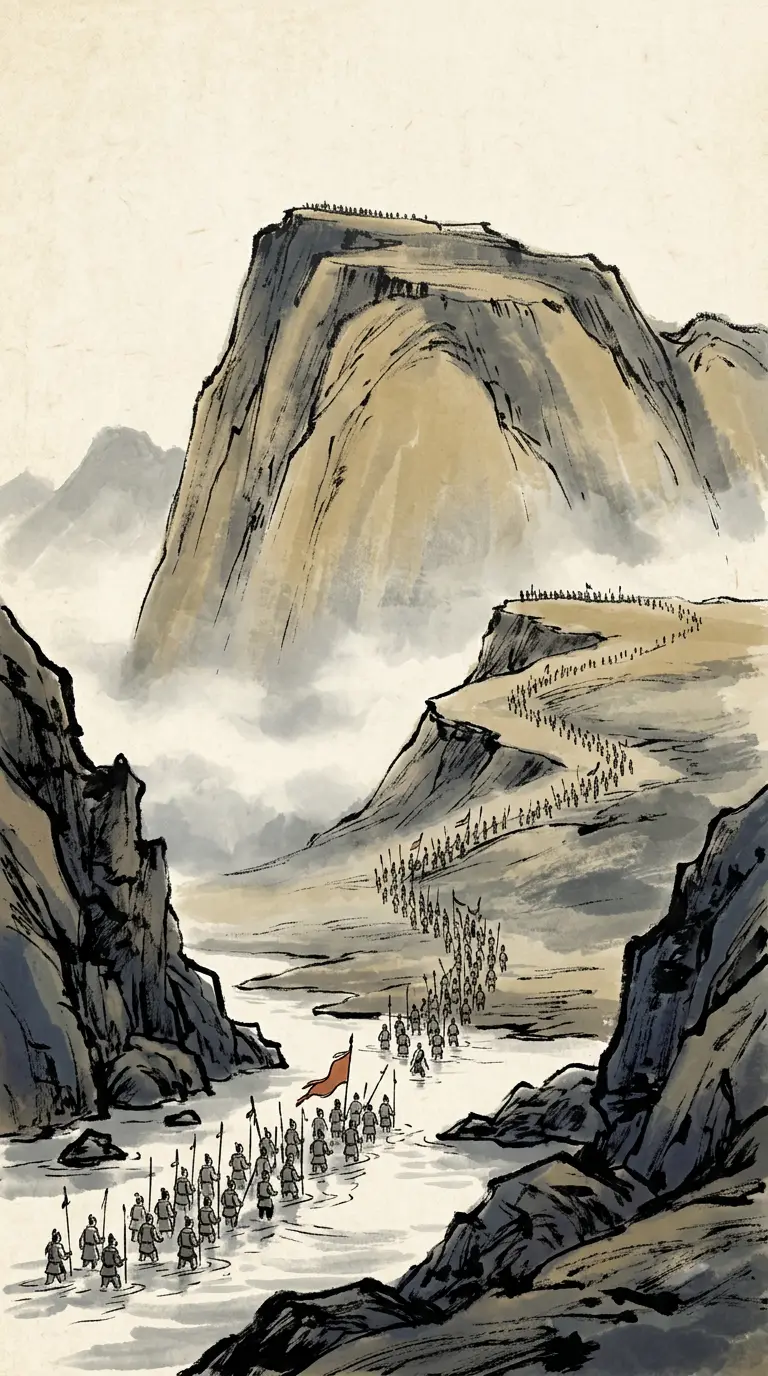
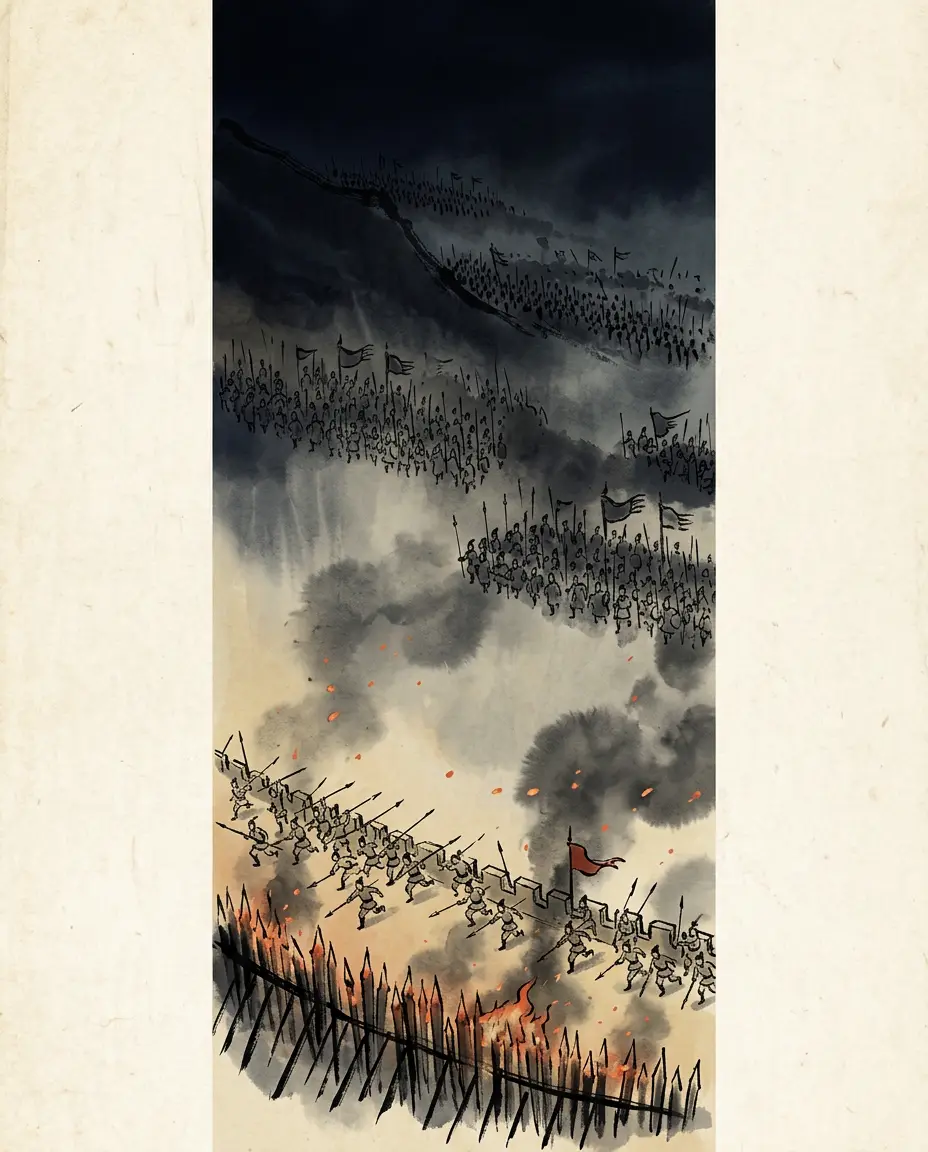
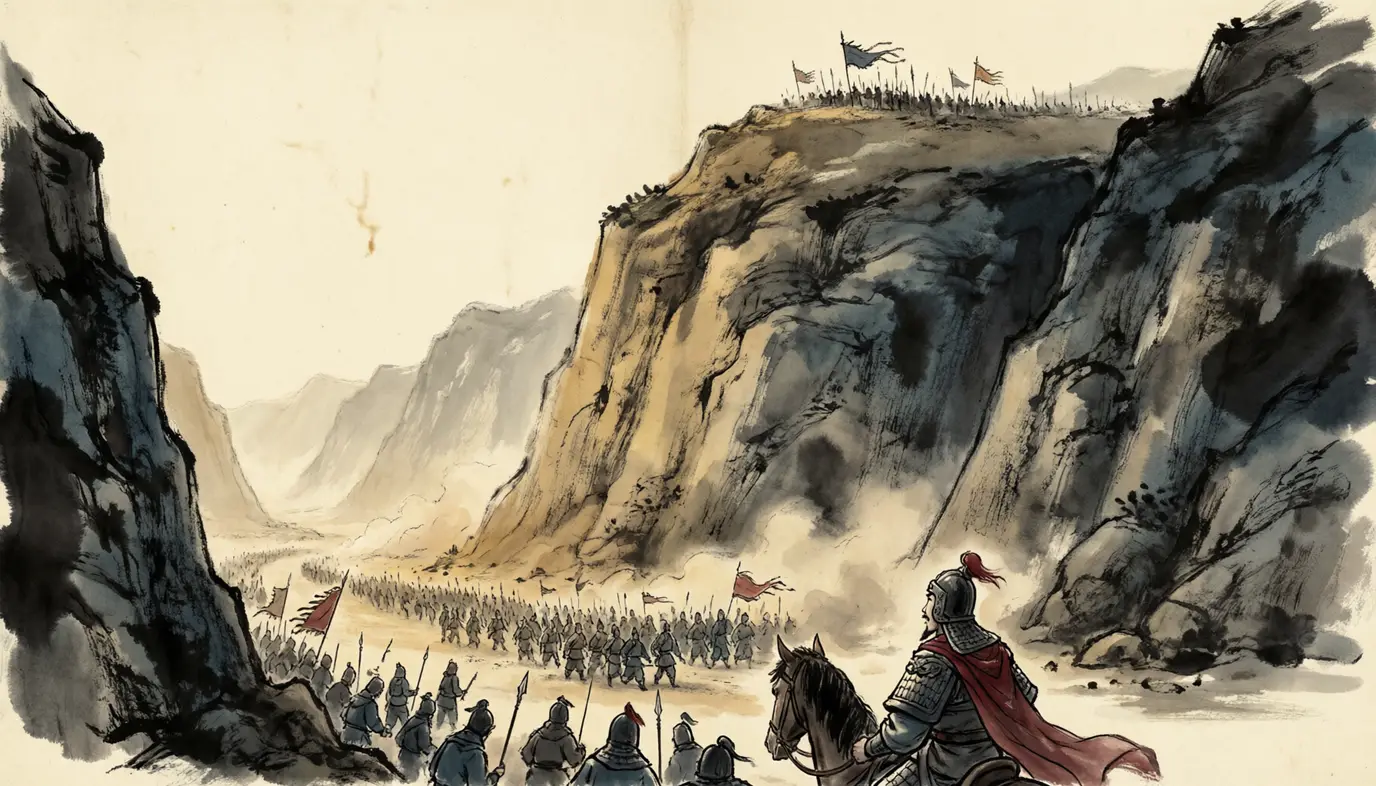
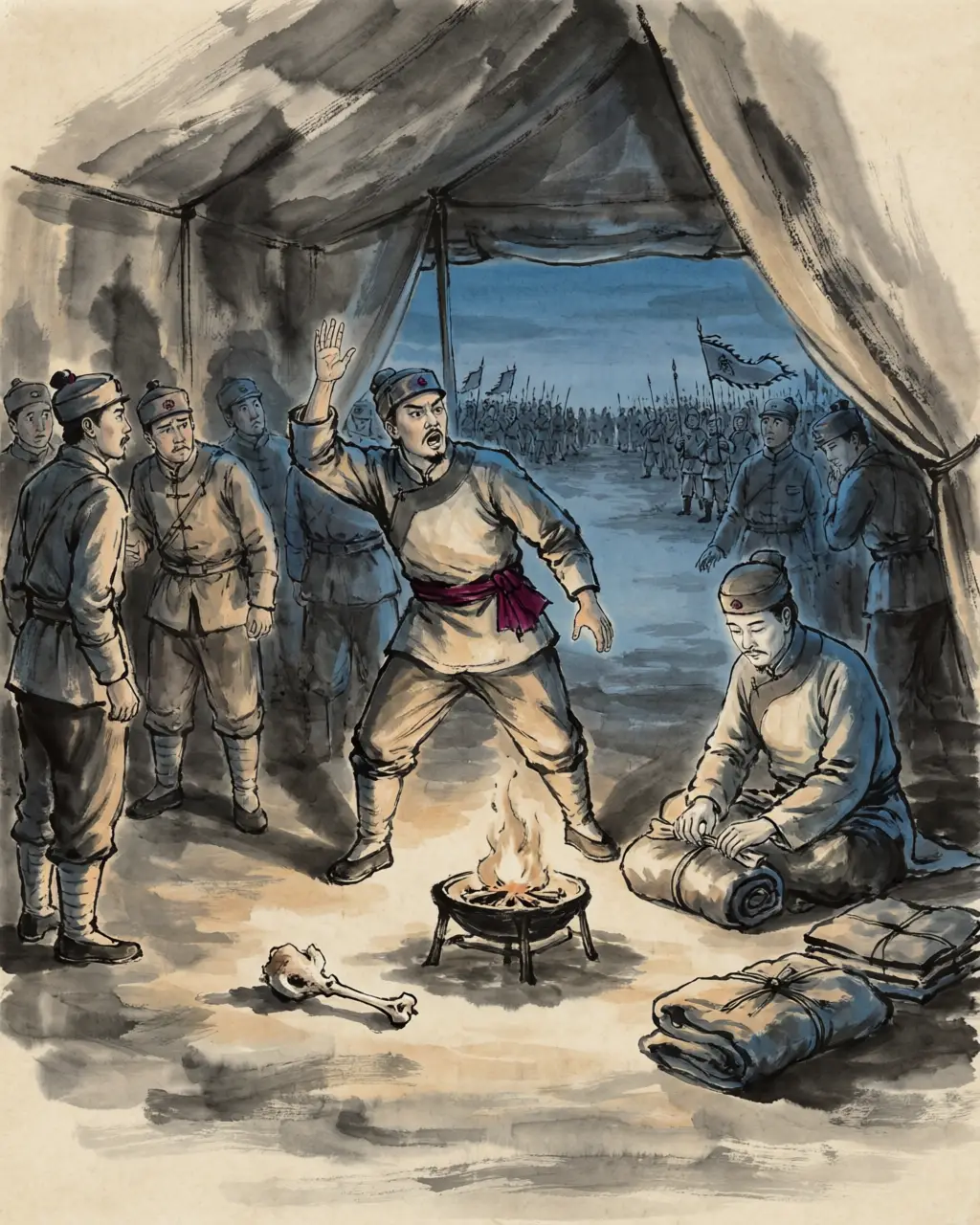
After Dingjun, Cao Cao came in person with a relief army and the war ended almost without fighting: Liu Bei held the heights and refused battle, desertions in Cao Cao's camps grew daily, and in the fifth month the northern army withdrew.
The campaign turned on a string of duels — Zhang He against Huang Zhong, month after month of single combat.
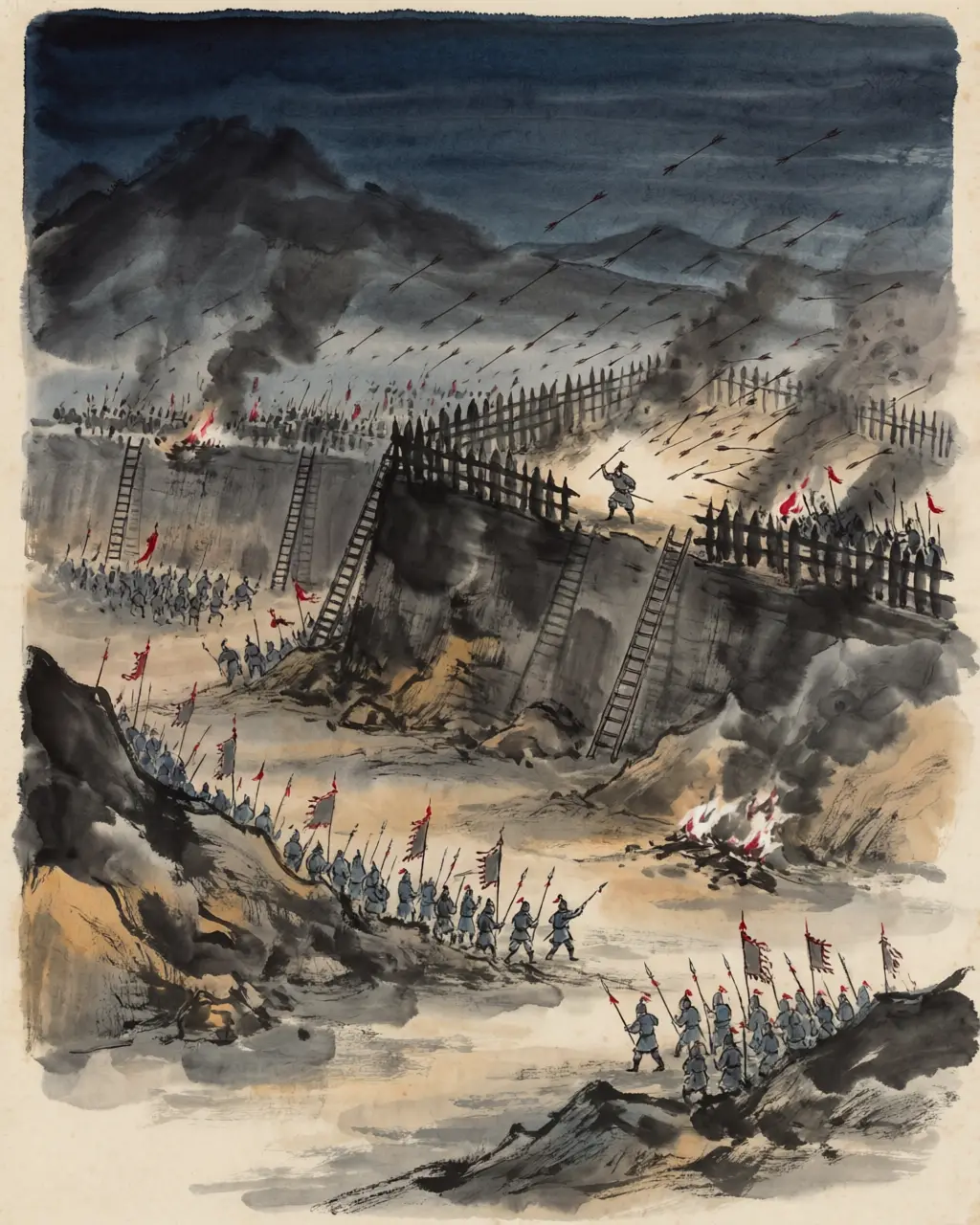
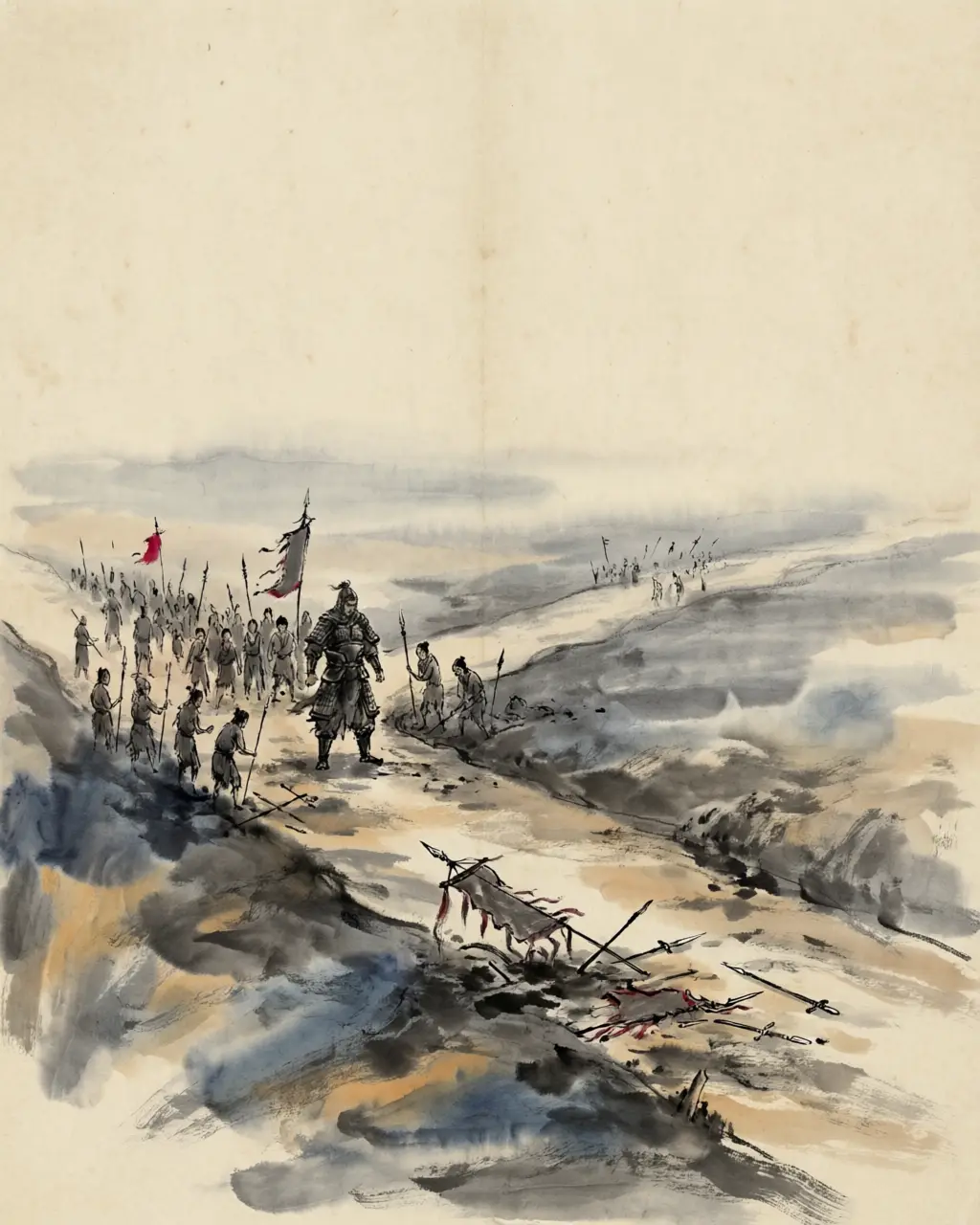
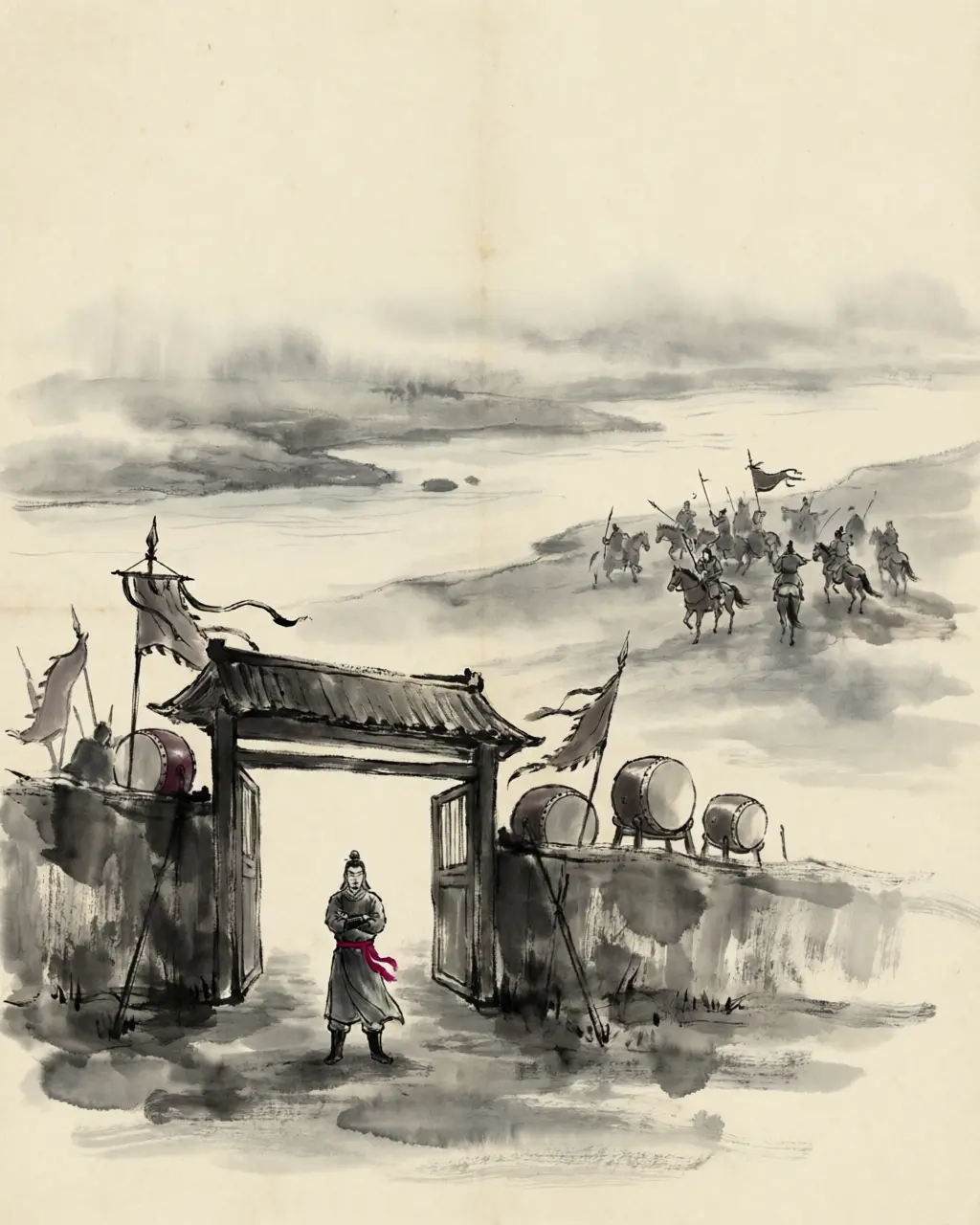
The histories record two engagements: a failed night attack on Zhang He's camp at Guangshi, and the descent from Dingjun. No single combat between generals is recorded anywhere in the campaign; the war was decided by ground — who held the heights.
Every caption and quotation in this episode traces to one of these. Where scholars disagree, the panel says so.
Before this: Episode 6 · The City and the Ford (Hefei, 215 CE). Next: Episode 8 · High Water (Fancheng and Jing Province, 219 CE). Or meet the cast, or read the chronology of the age.