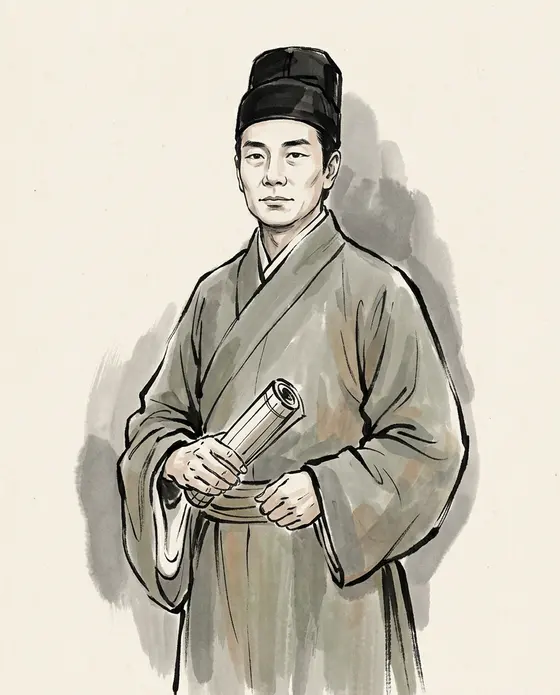
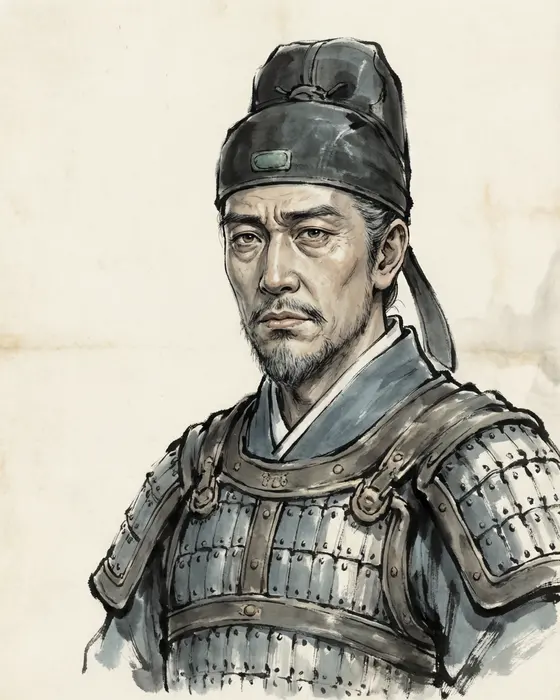
Lu Xun陸遜
183–245 CE
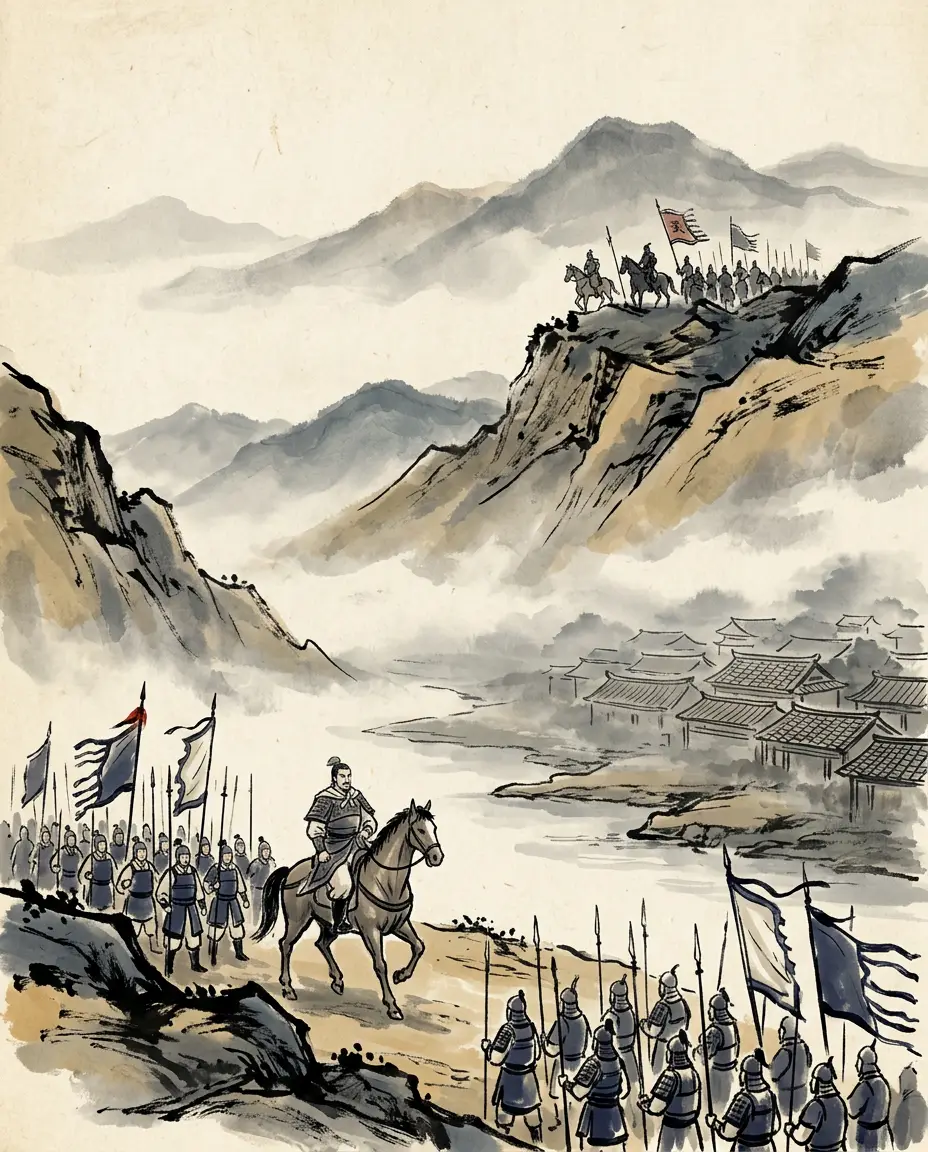
Grand commander of Wu at Shiting. Six years after burning Liu Bei out of the gorges, he closed the trap on Wei's main eastern army in a single morning.
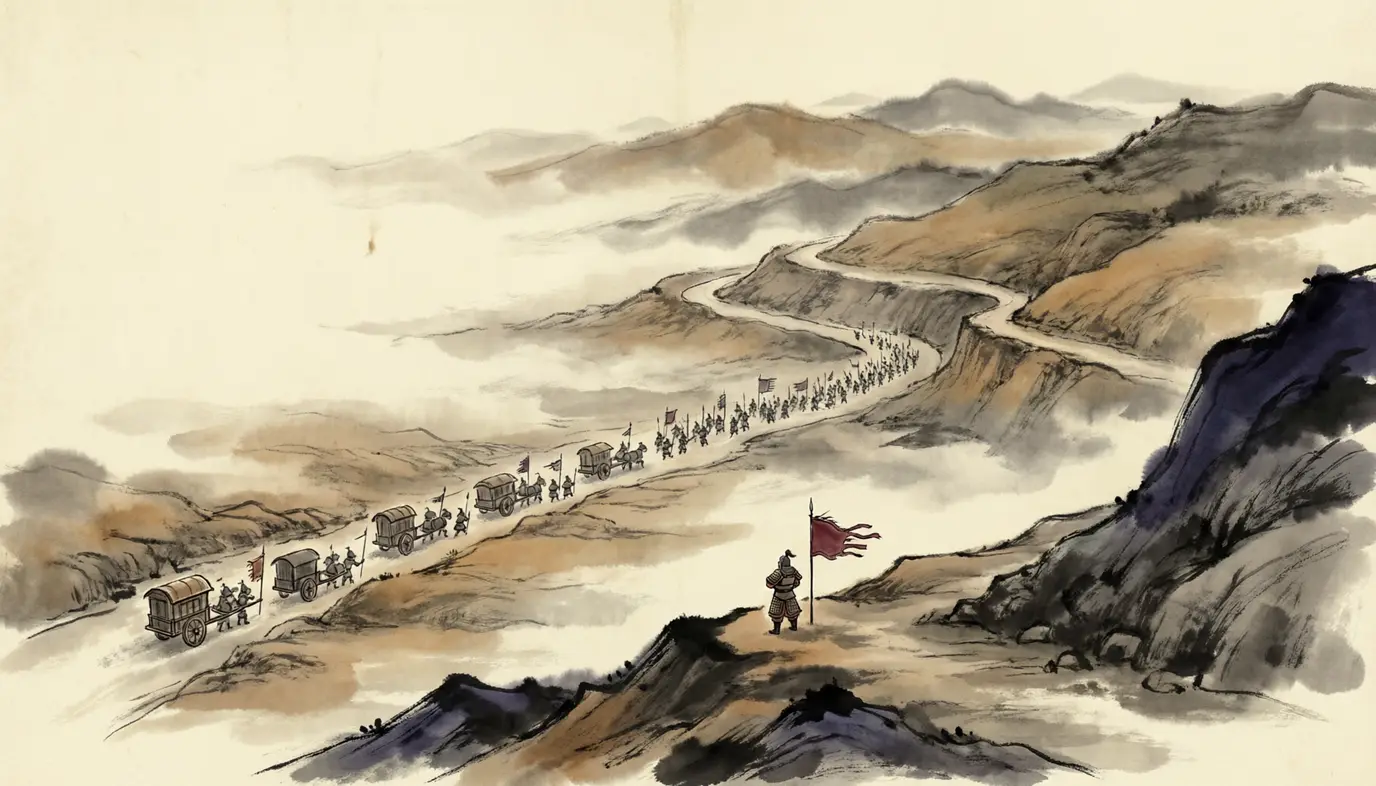
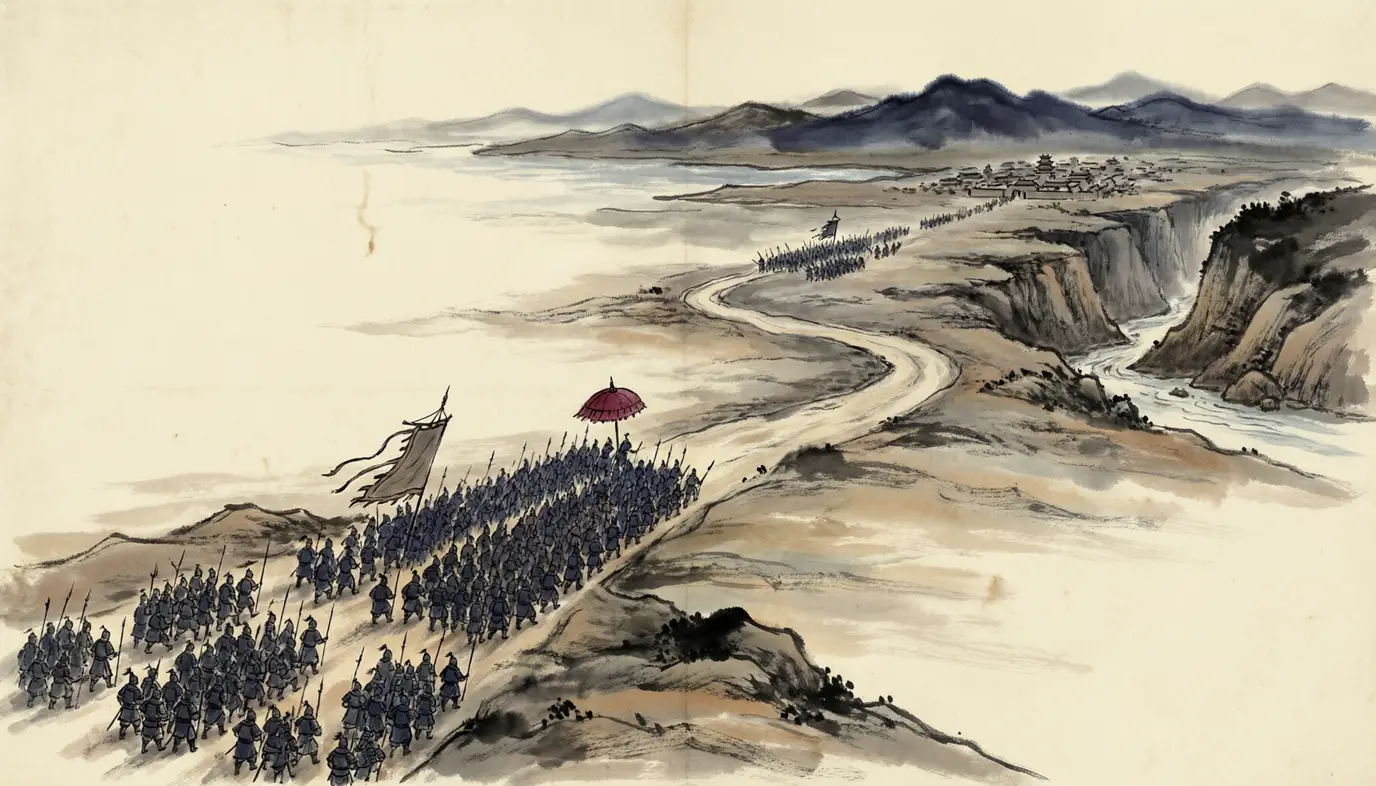
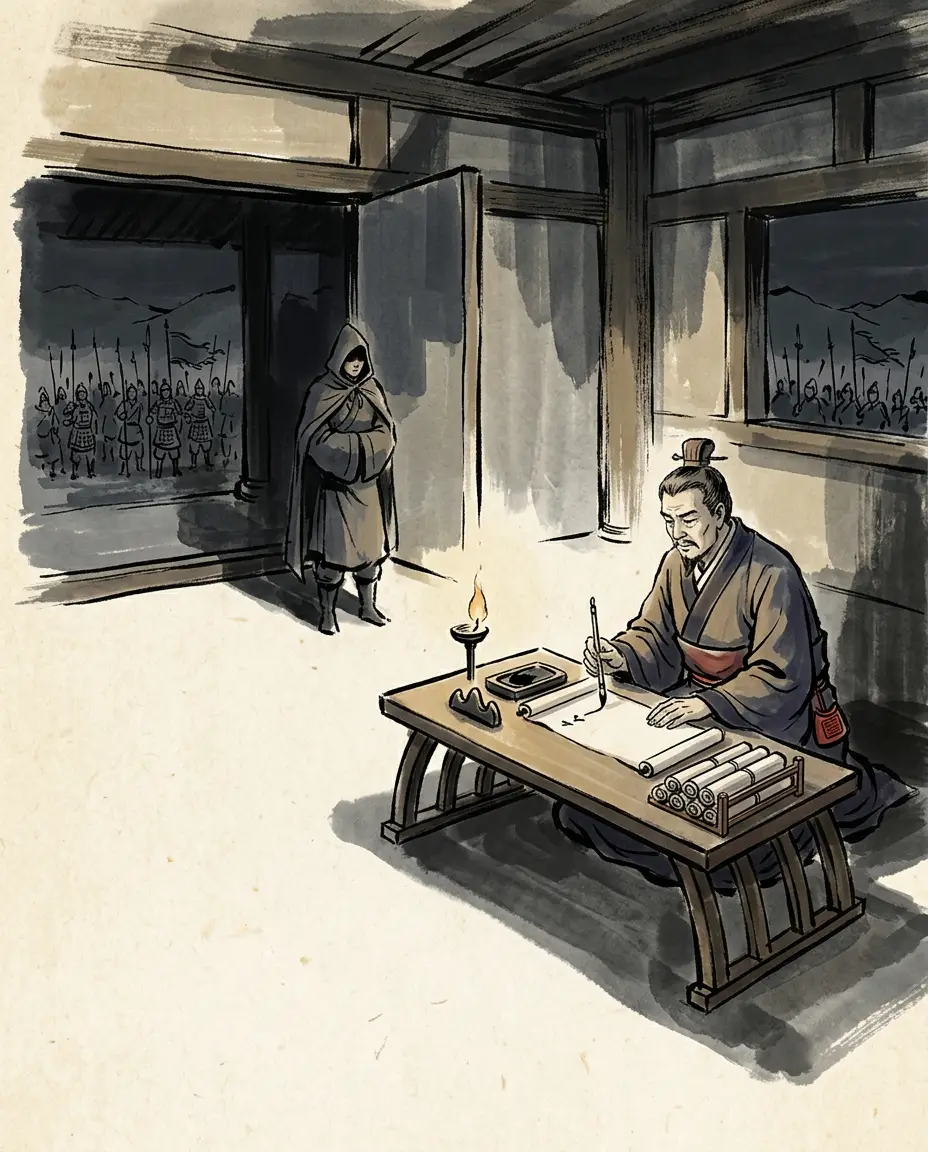
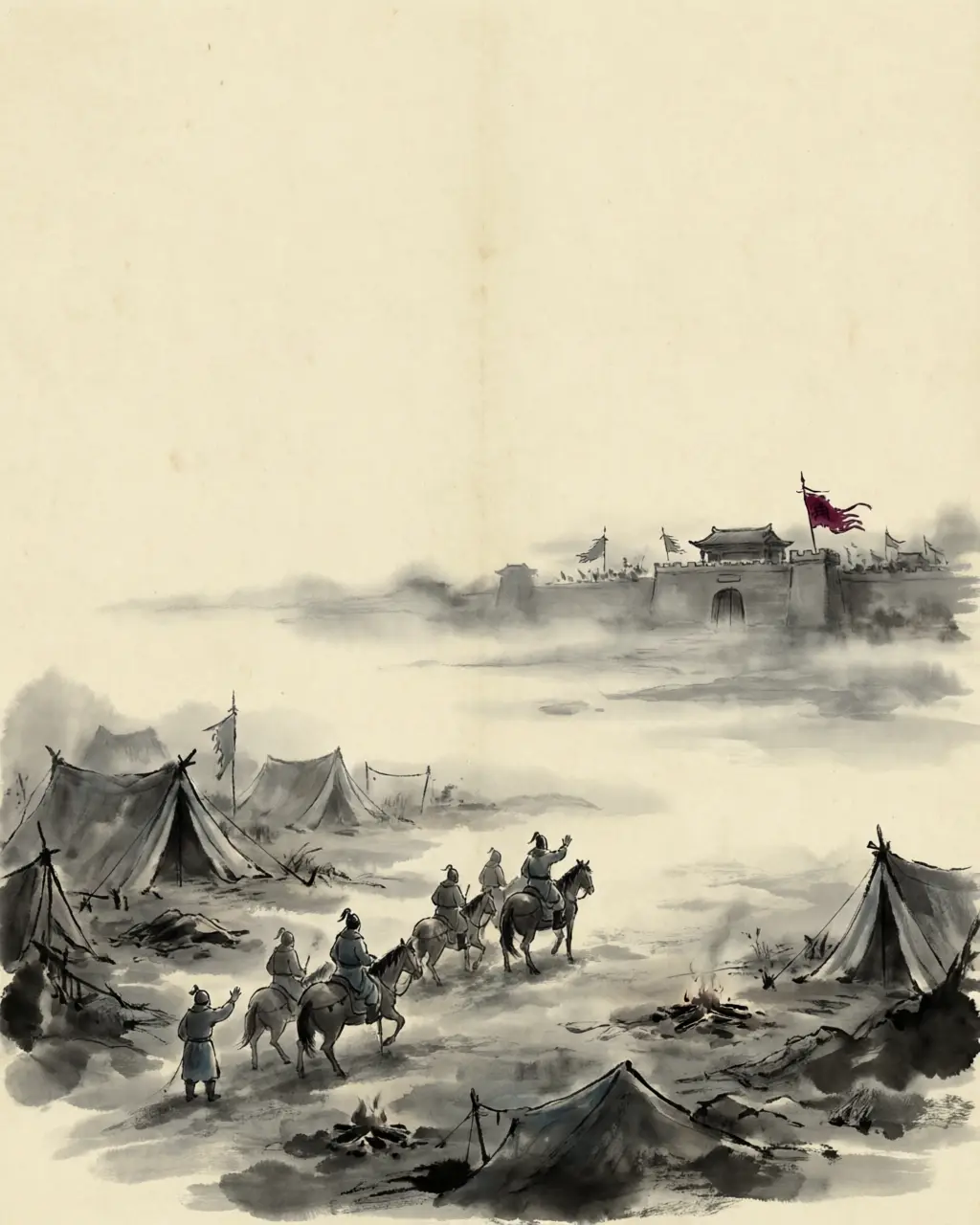
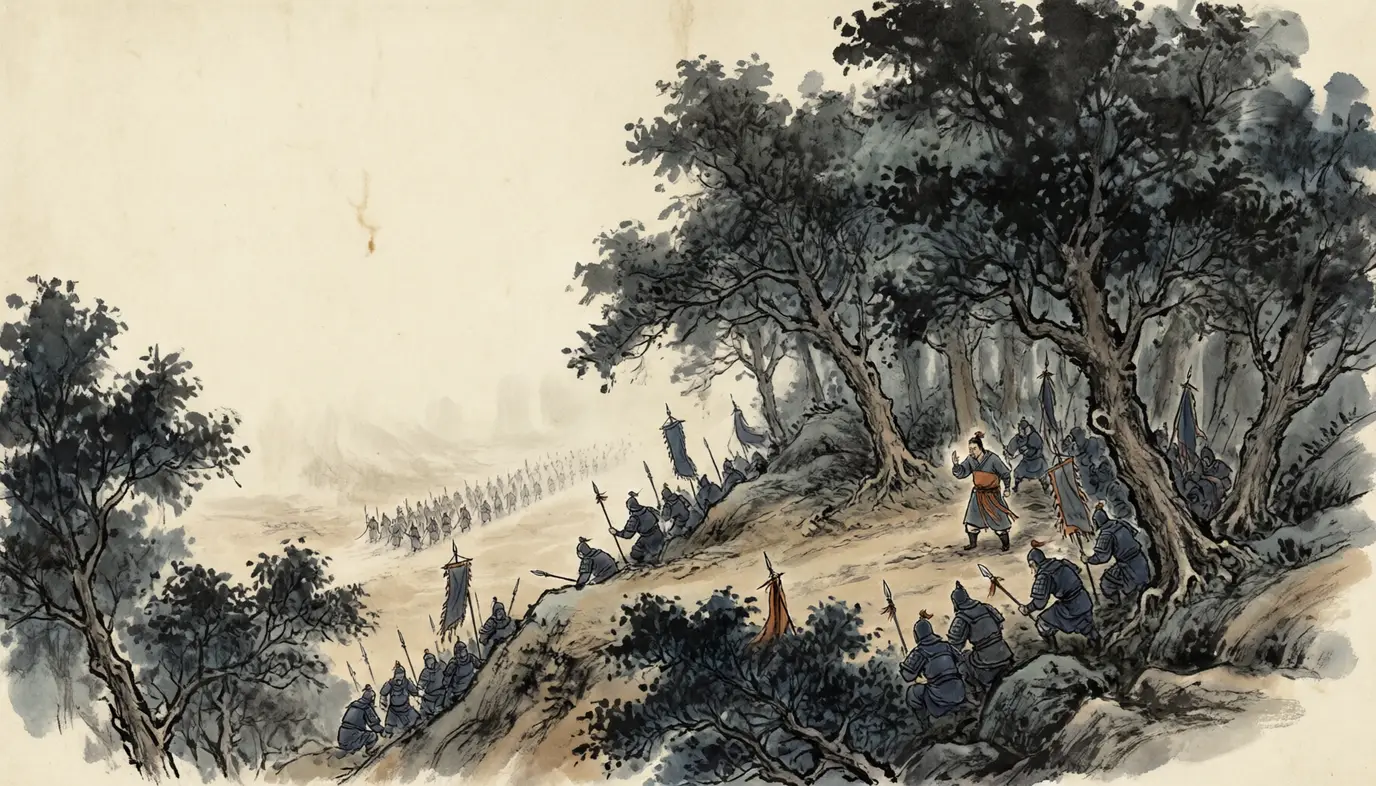
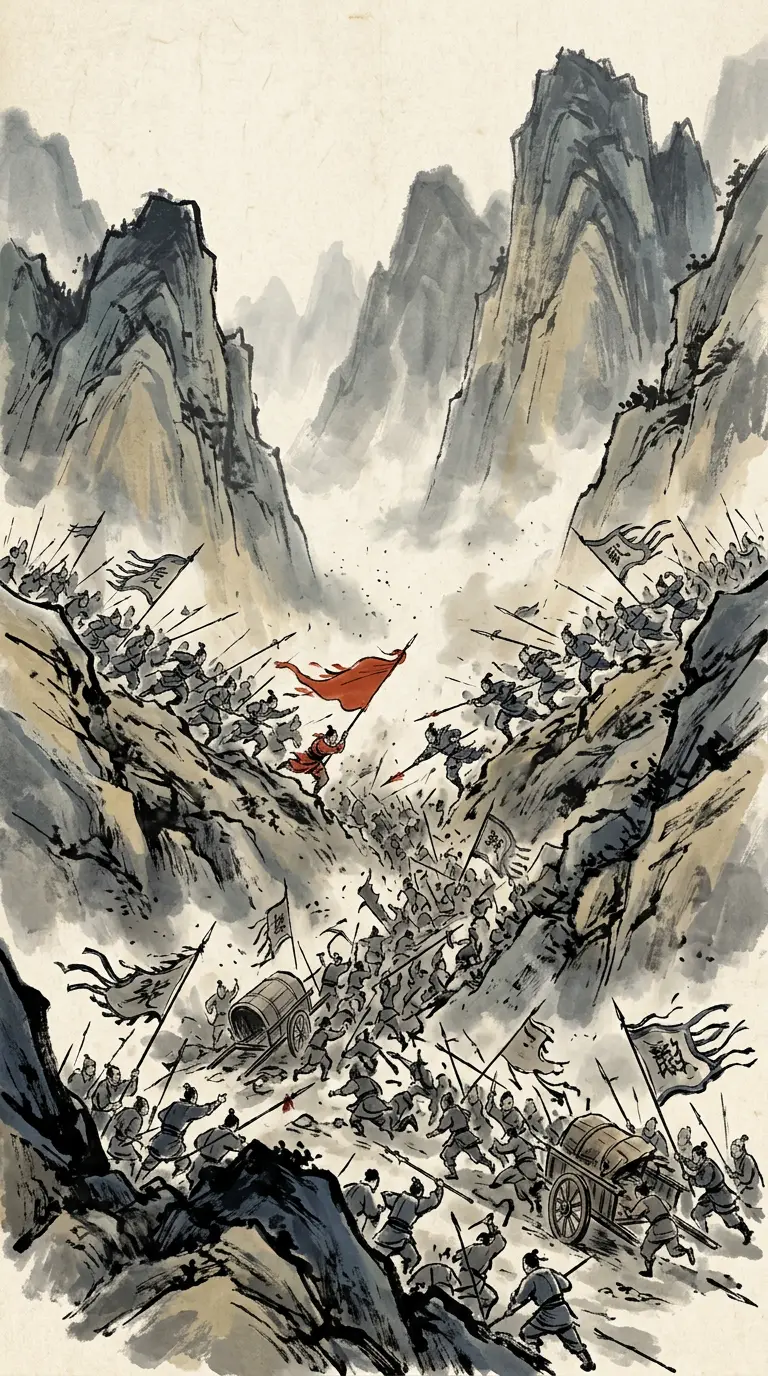
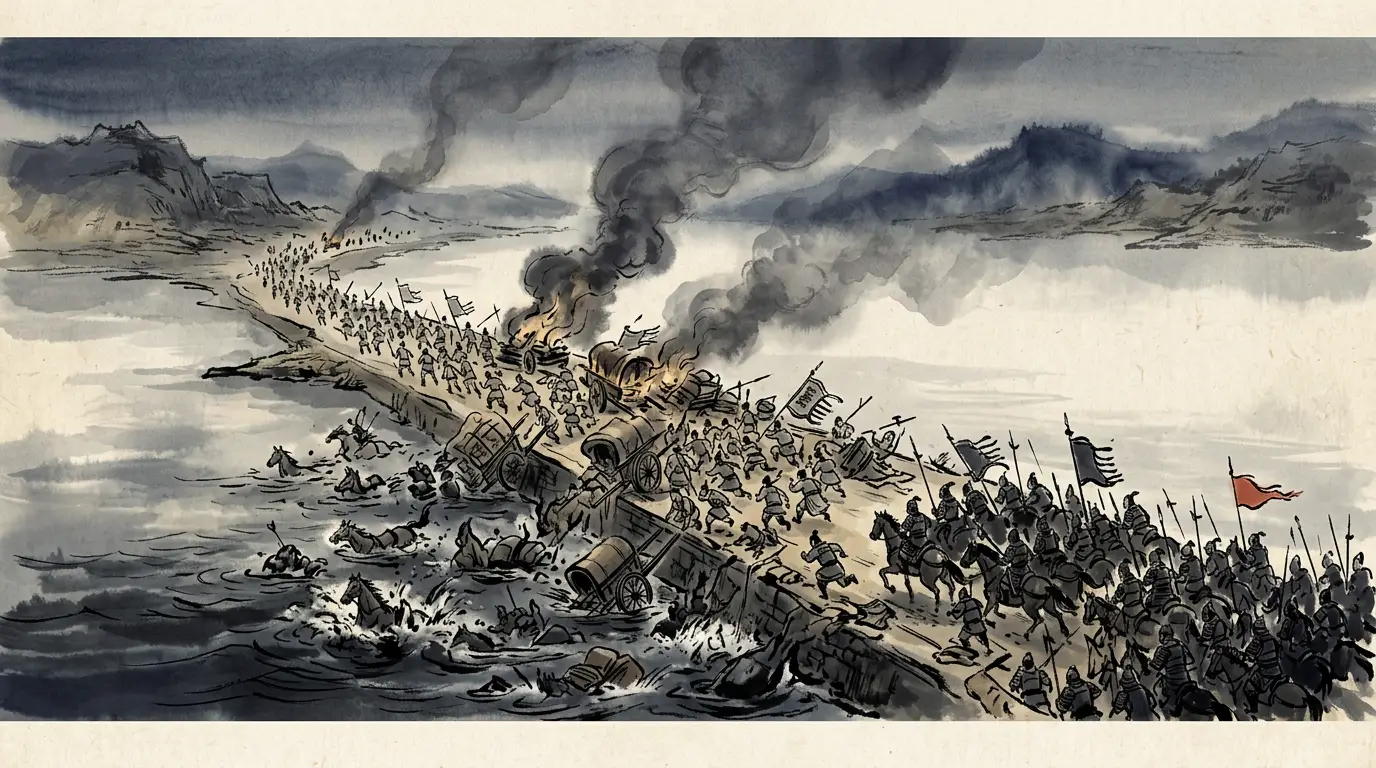
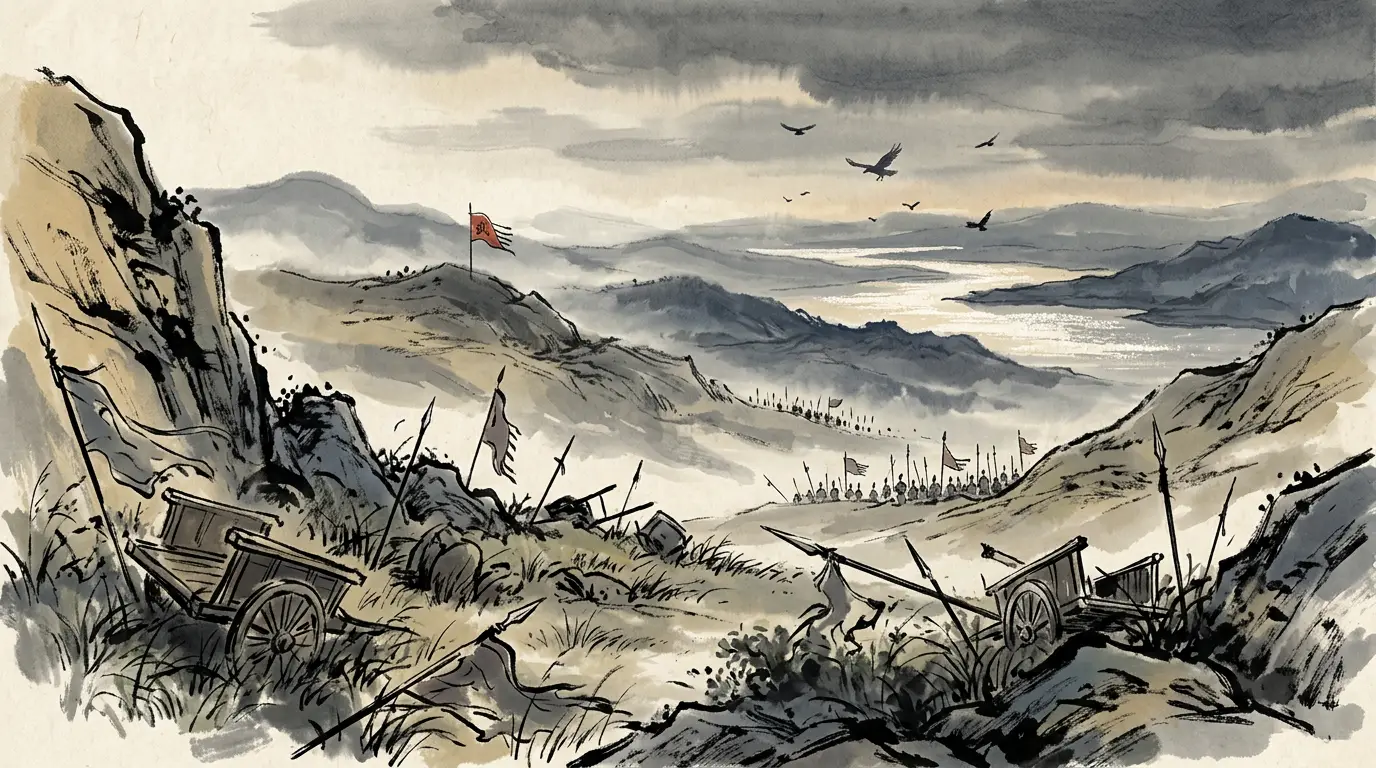
The people who carried this year. The sources disagree about almost everything else.
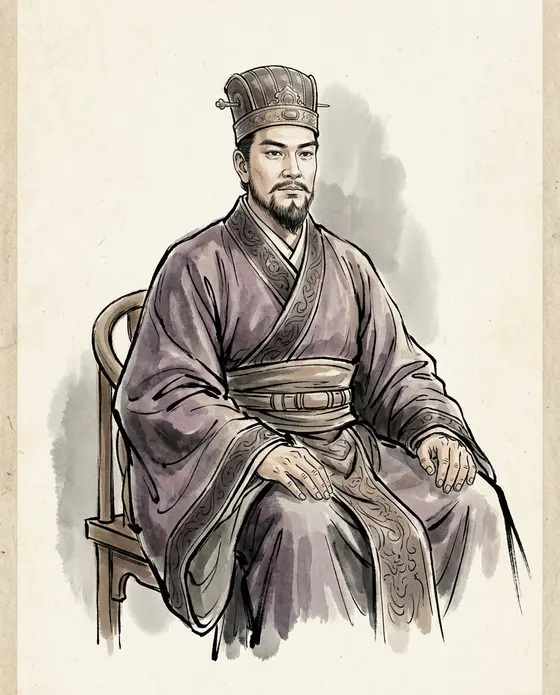
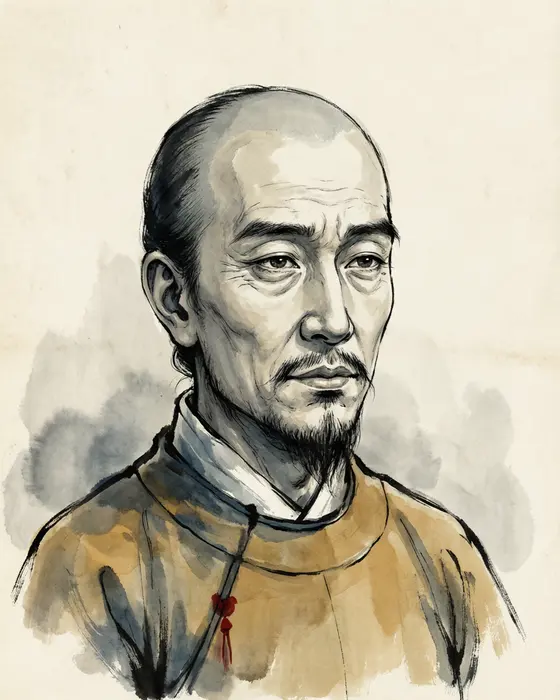
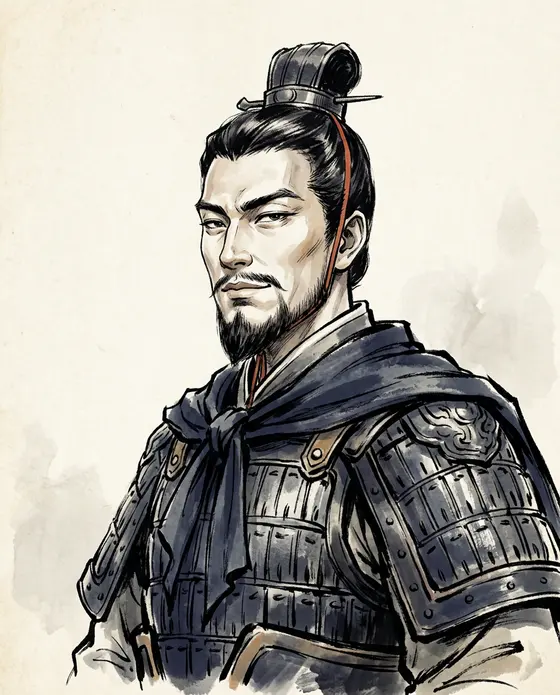
The novel Romance of the Three Kingdoms is a masterpiece — and not a source. Where its famous scenes depart from the histories, we leave them out of the story and put them here.
Shiting is a side-note of the Three Kingdoms period — a skirmish the sources barely mention.
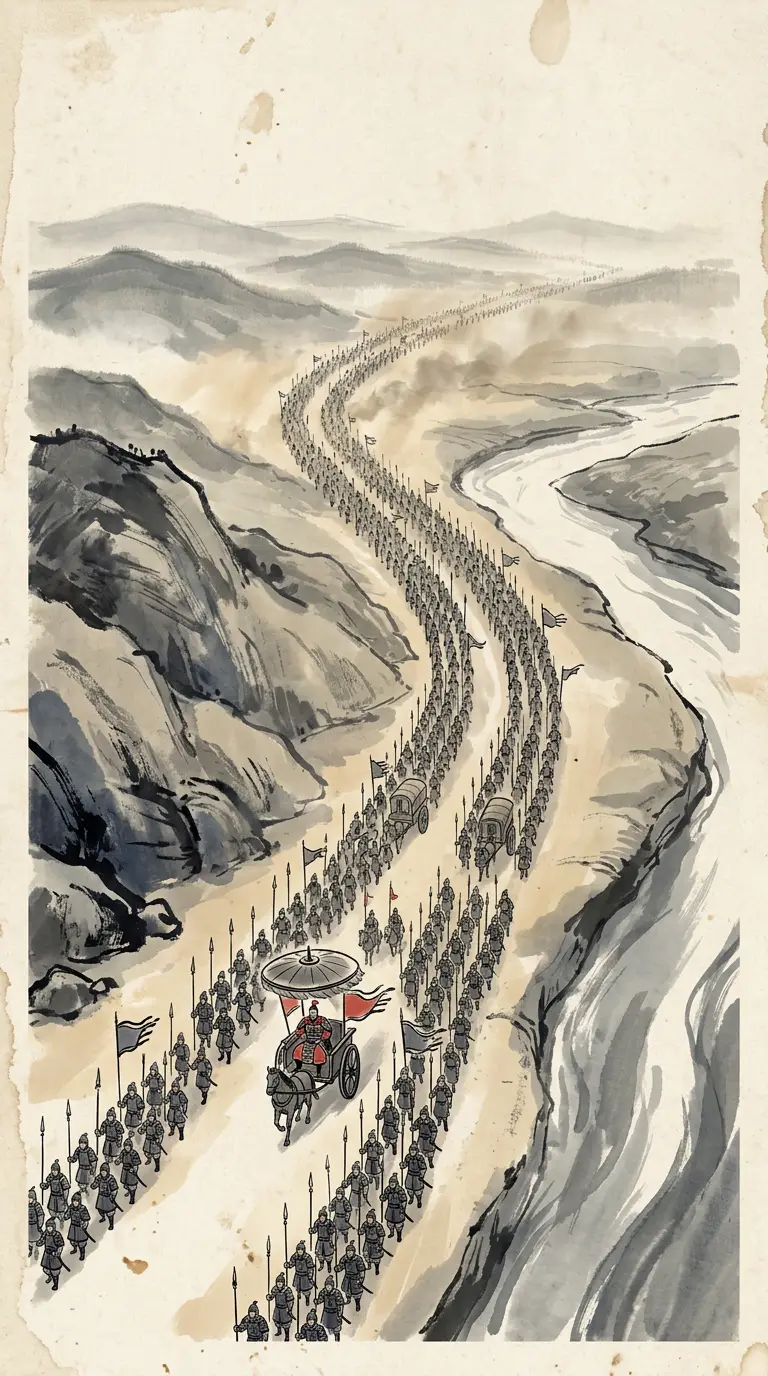
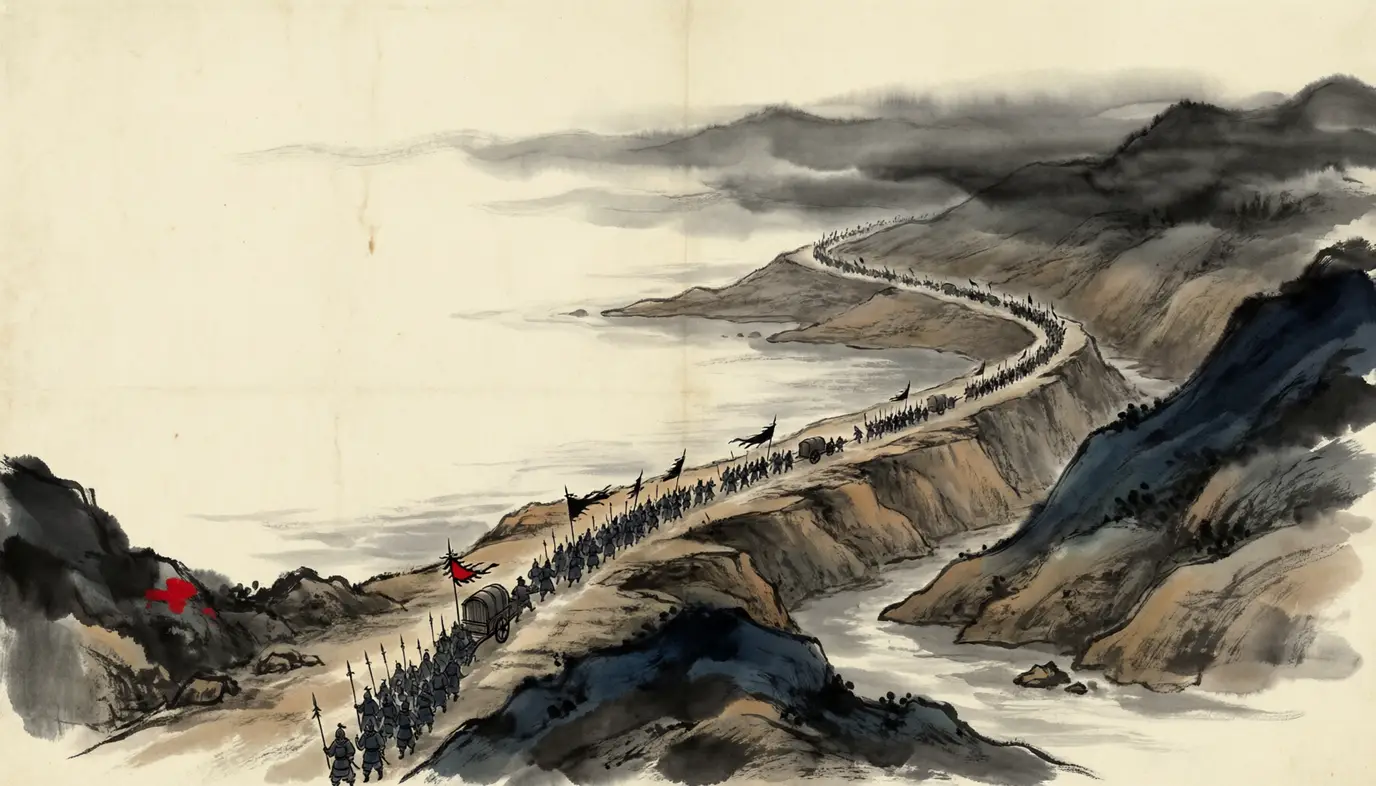
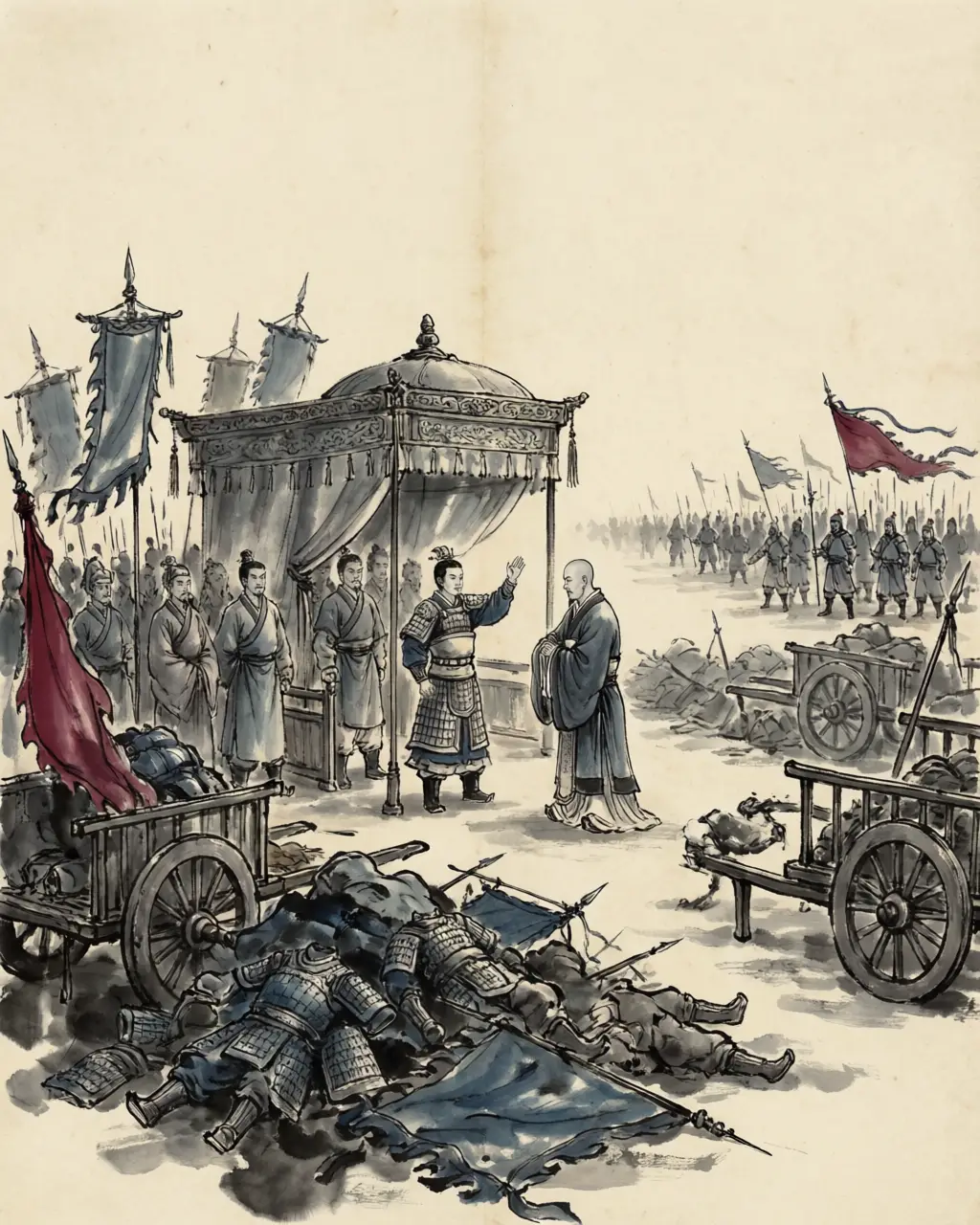
The official histories treat it as one of the largest set-piece victories of the whole Wu record: a Wei army given as a hundred thousand strong was lured into the hills and routed, its baggage train taken entire, and both Wei commanders of the eastern front died within the year. It is the novel, not the record, that shrinks it.
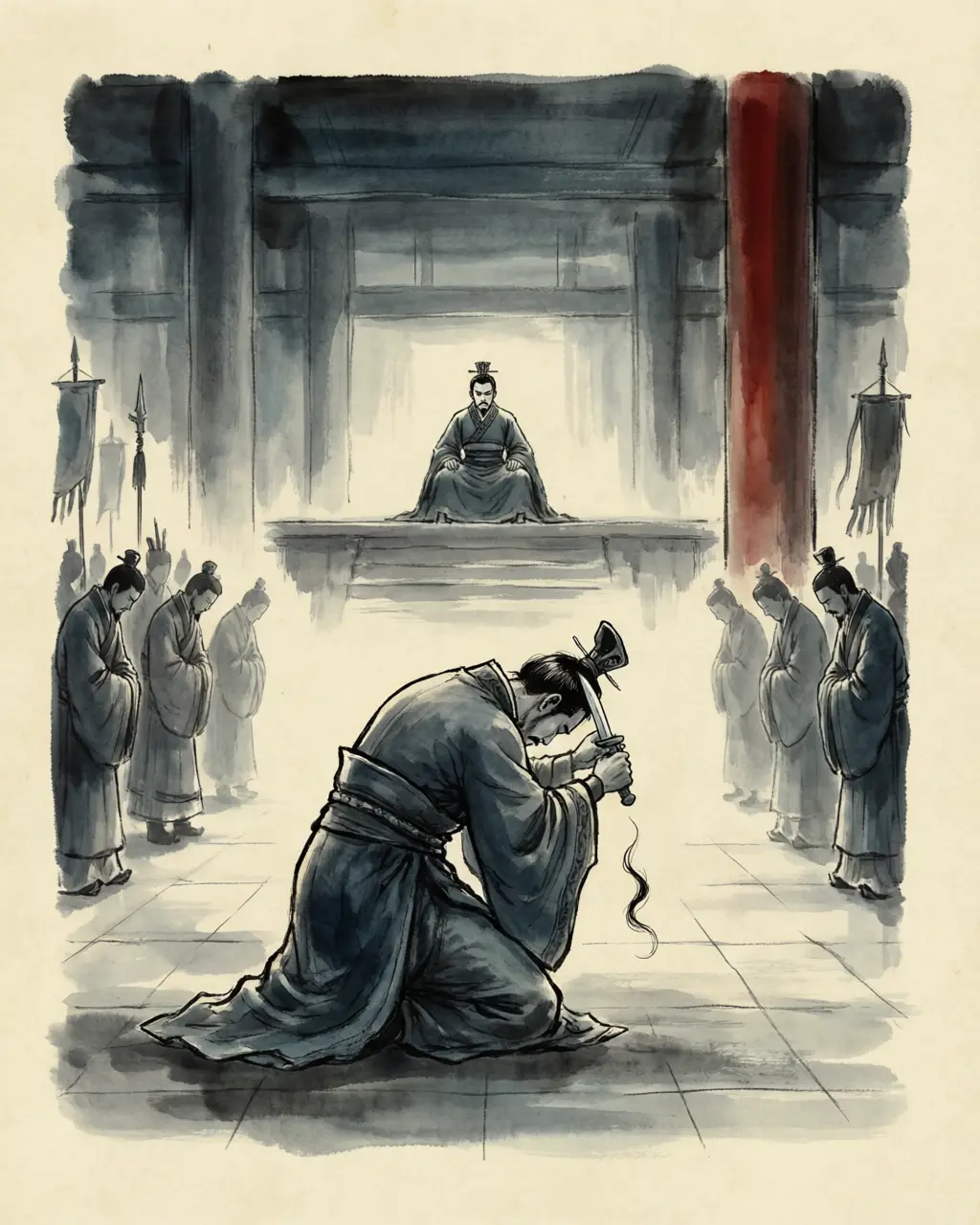
Zhou Fang cut his hair to Cao Xiu himself, in the Wei camp, as a defector's oath.
The sources put the haircut at home, before his own king's court, as the token the northern spies demanded — and they mark it as grave self-mutilation, since the hair is received from one's parents. It was a price paid inside Wu, not an oath sworn inside Wei.
Cao Xiu was killed in the battle, or died on the field of his wounds.
The record is quieter and colder: Cao Xiu escaped the rout, was recalled, and died of illness — an ailment of the back — later the same year. The Wei sources connect the death to the shame of the defeat, but they do not say the battle killed him.
Lu Xun won Shiting alone, by the same kind of single stroke of genius the novel gives him at Yiling.
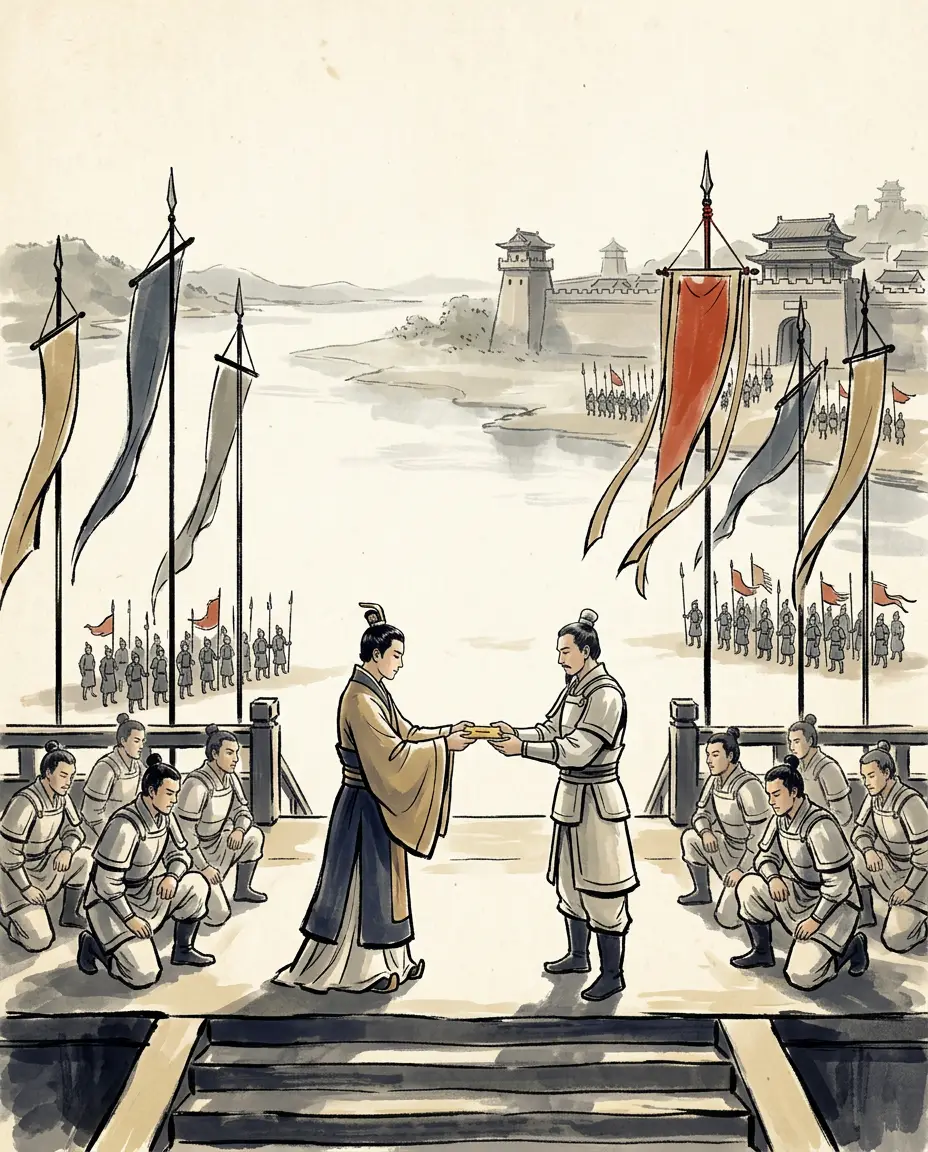
The sources give a campaign with three authors: Zhou Fang, who spent years feeding Cao Xiu false intelligence; Sun Quan, who authorised the deception and the command; and Lu Xun, who held the trap and sprang it. It was statecraft, not sorcery — and the novel, which prizes the lone genius, mostly leaves this one out.
Every caption and quotation in this episode traces to one of these. Where scholars disagree, the panel says so.
Before this: Episode 8 · High Water (Fancheng and Jing Province, 219 CE). Next: Episode 10 · The Gates at Dawn (Luoyang, 249 CE). Or meet the cast, or read the chronology of the age.