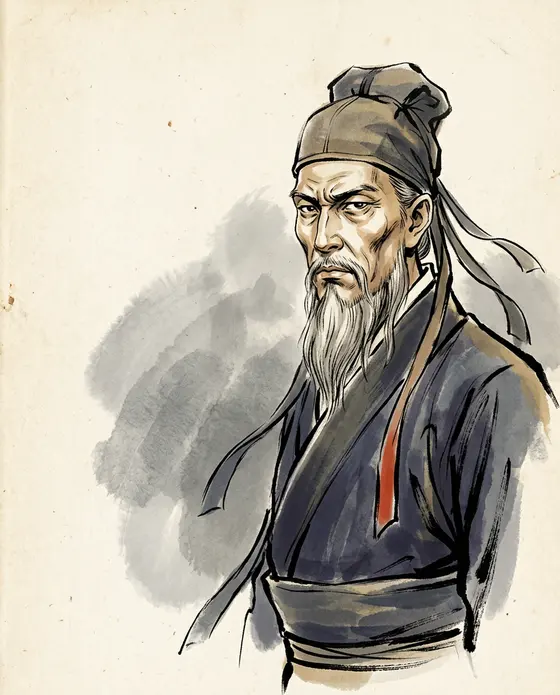
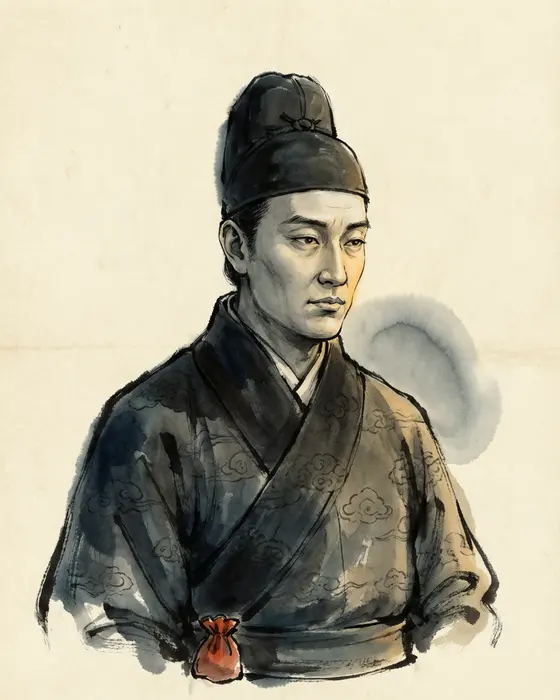
Li Ying李膺
d. 169 CE
The judge whose severity made the eunuchs' kin afraid to leave their gates. The first name on the faction's lists, and the first great name it killed.
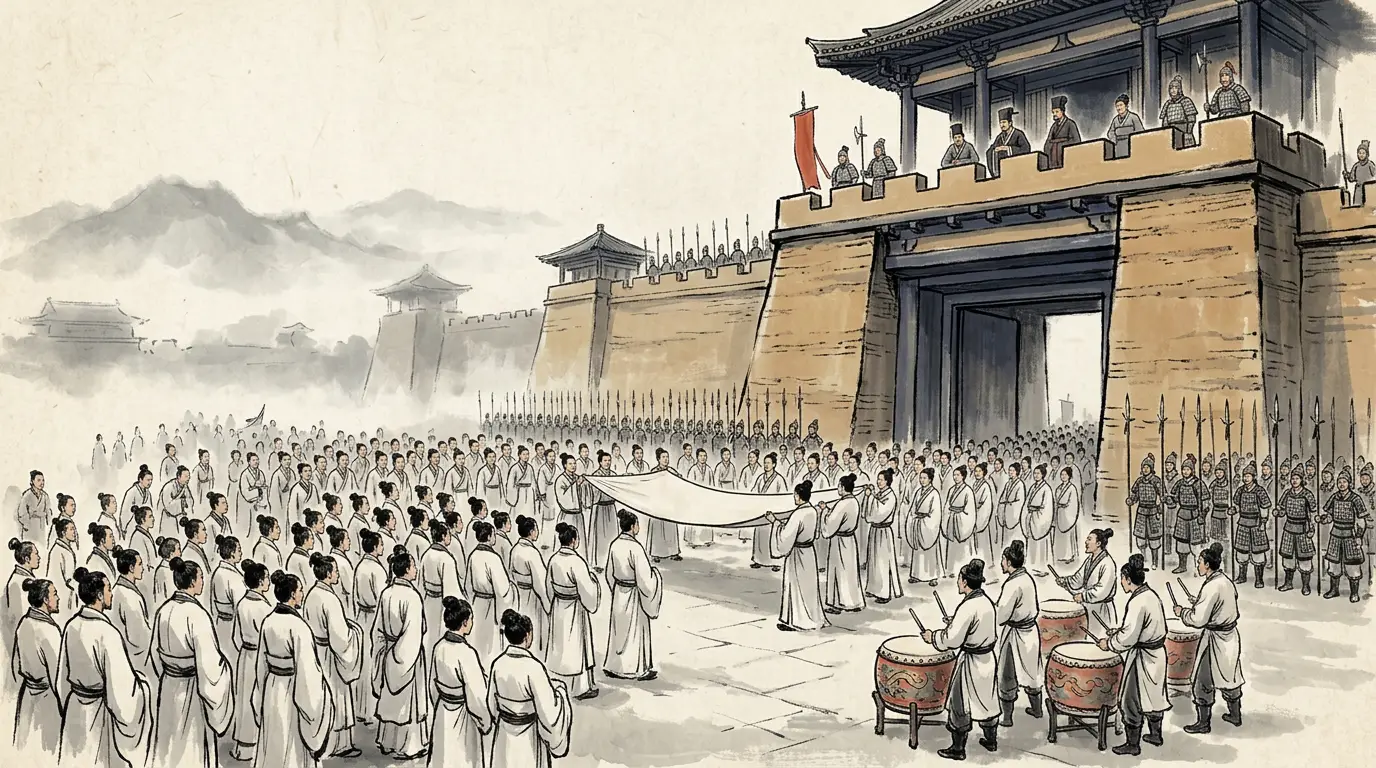
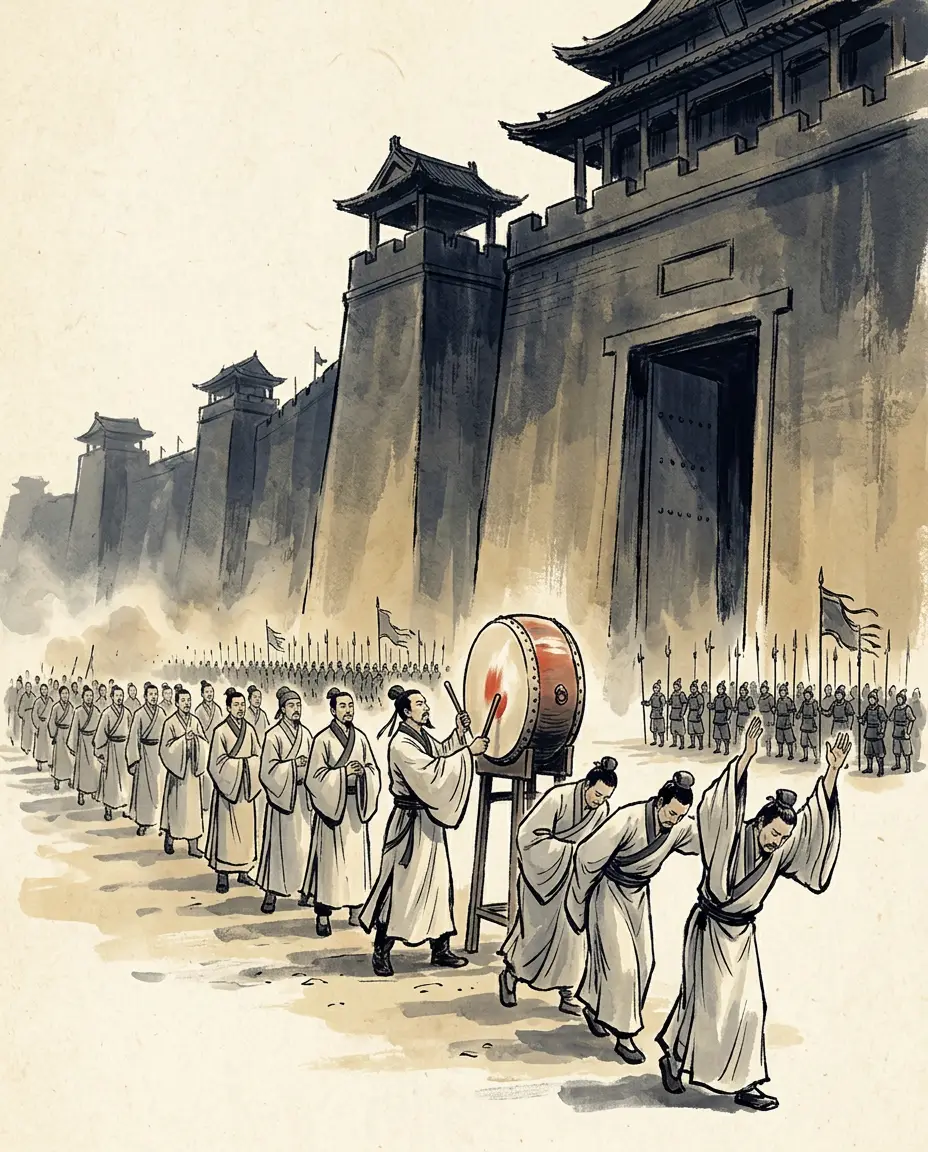
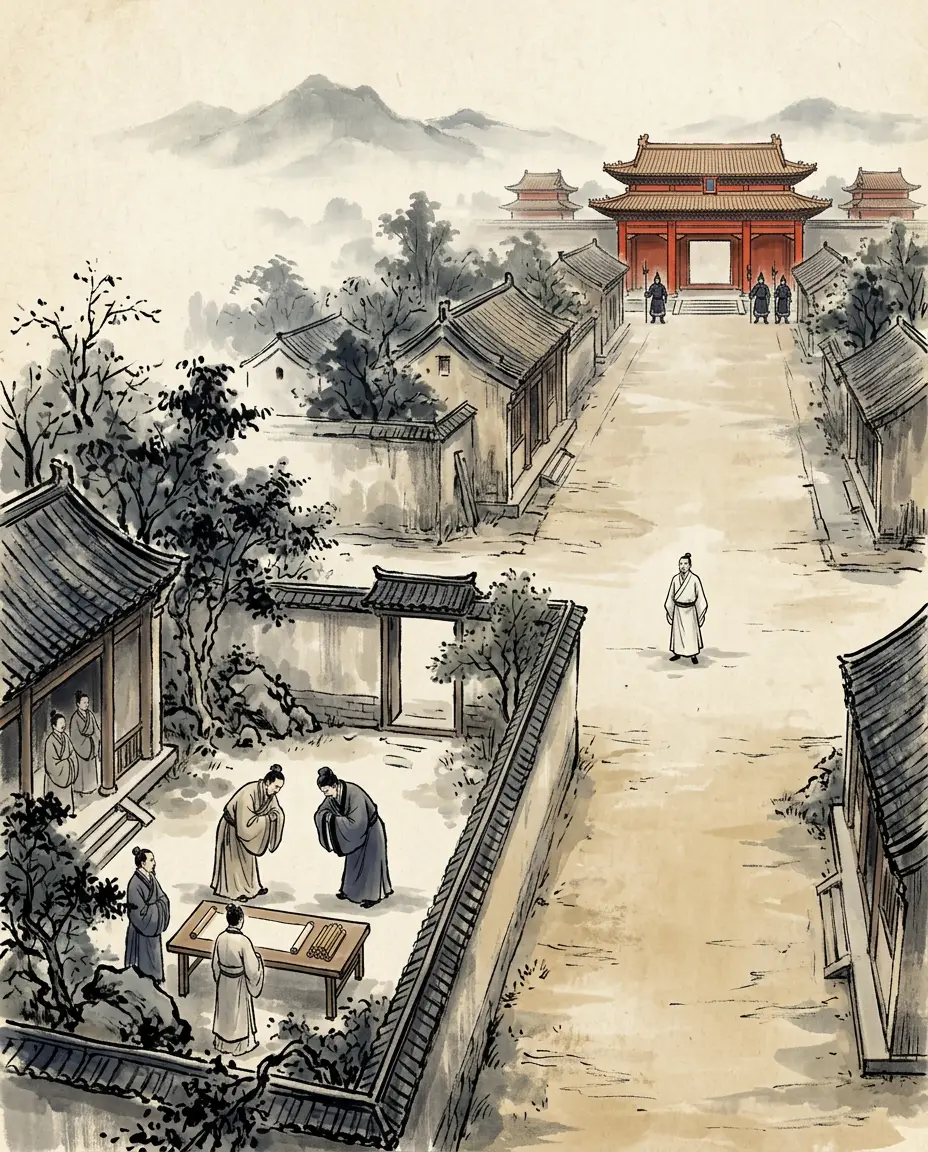
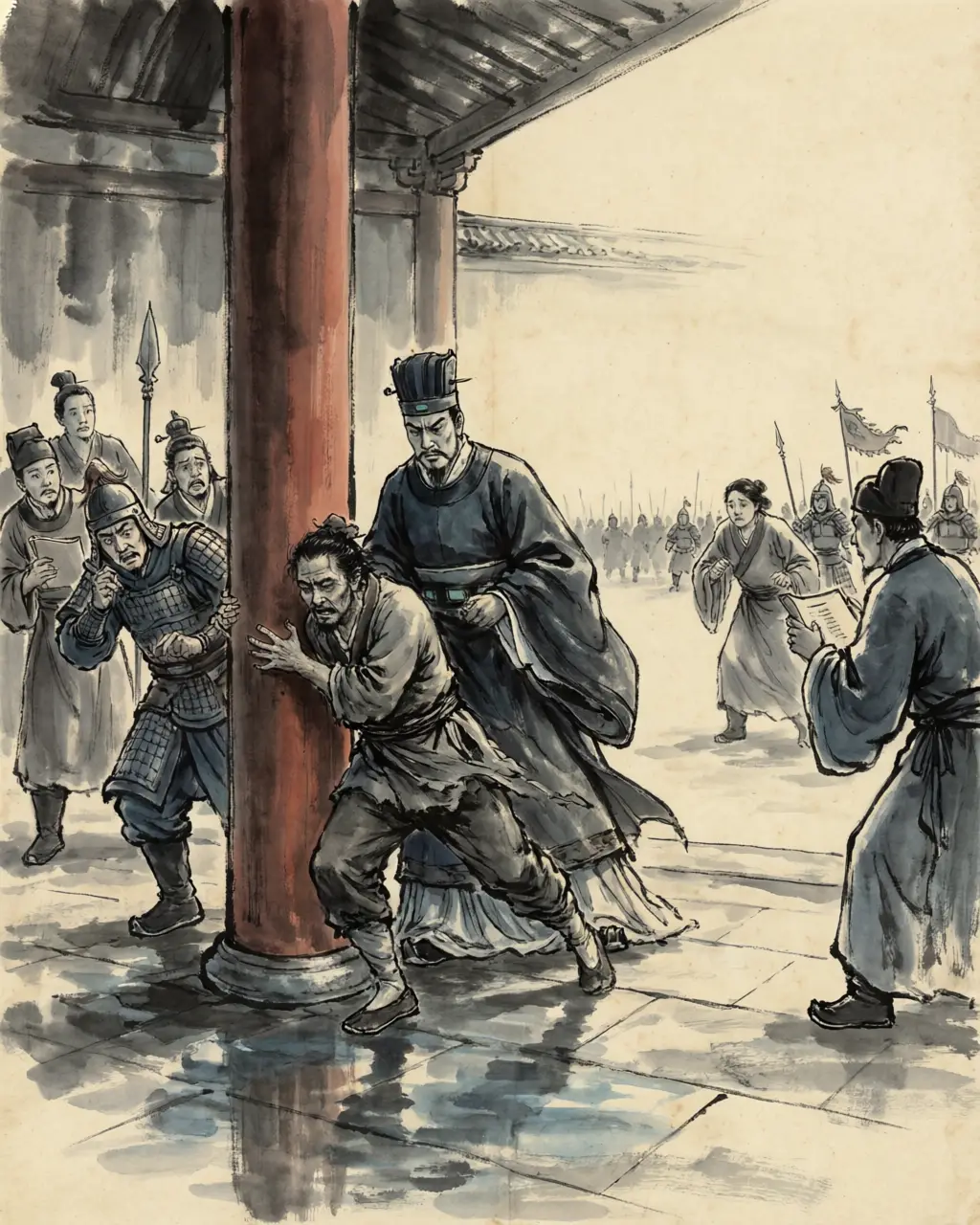
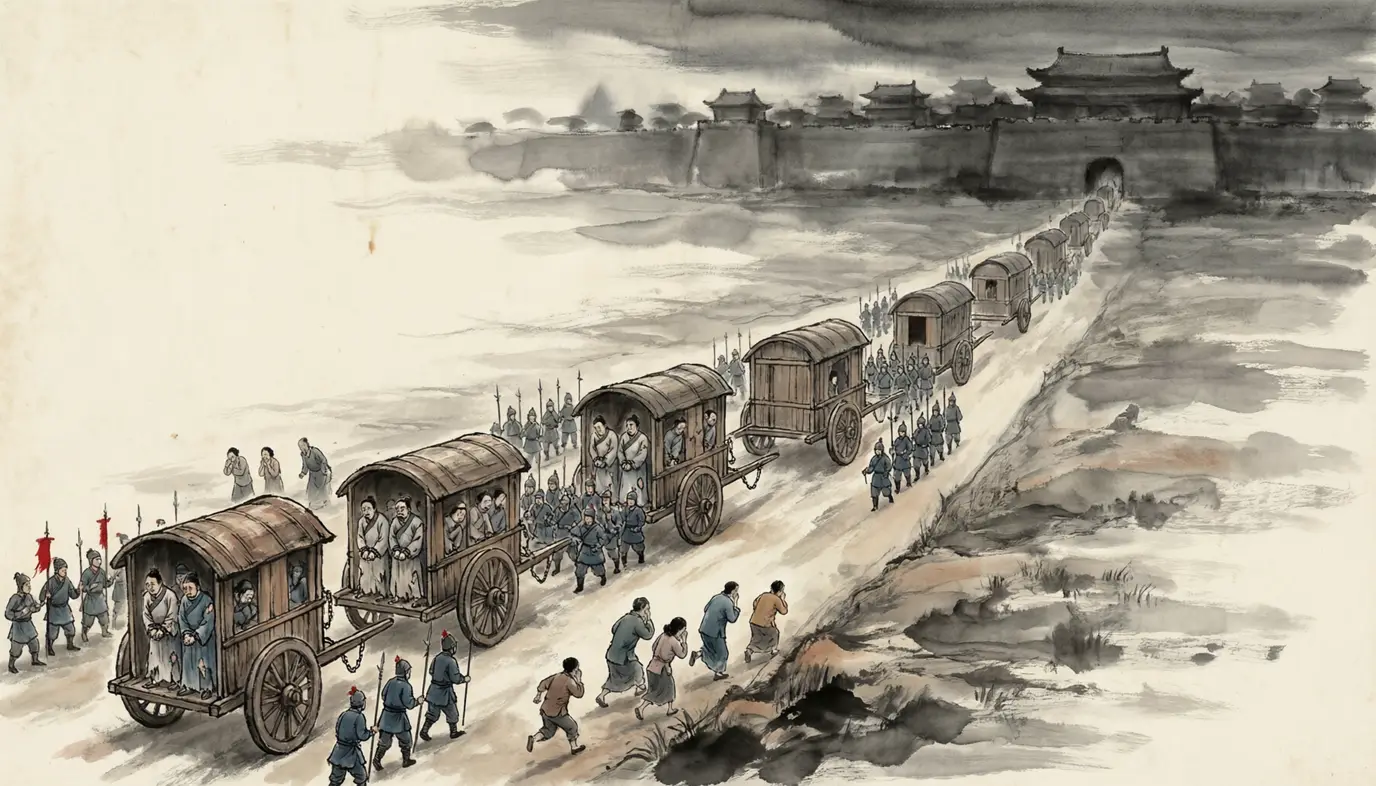
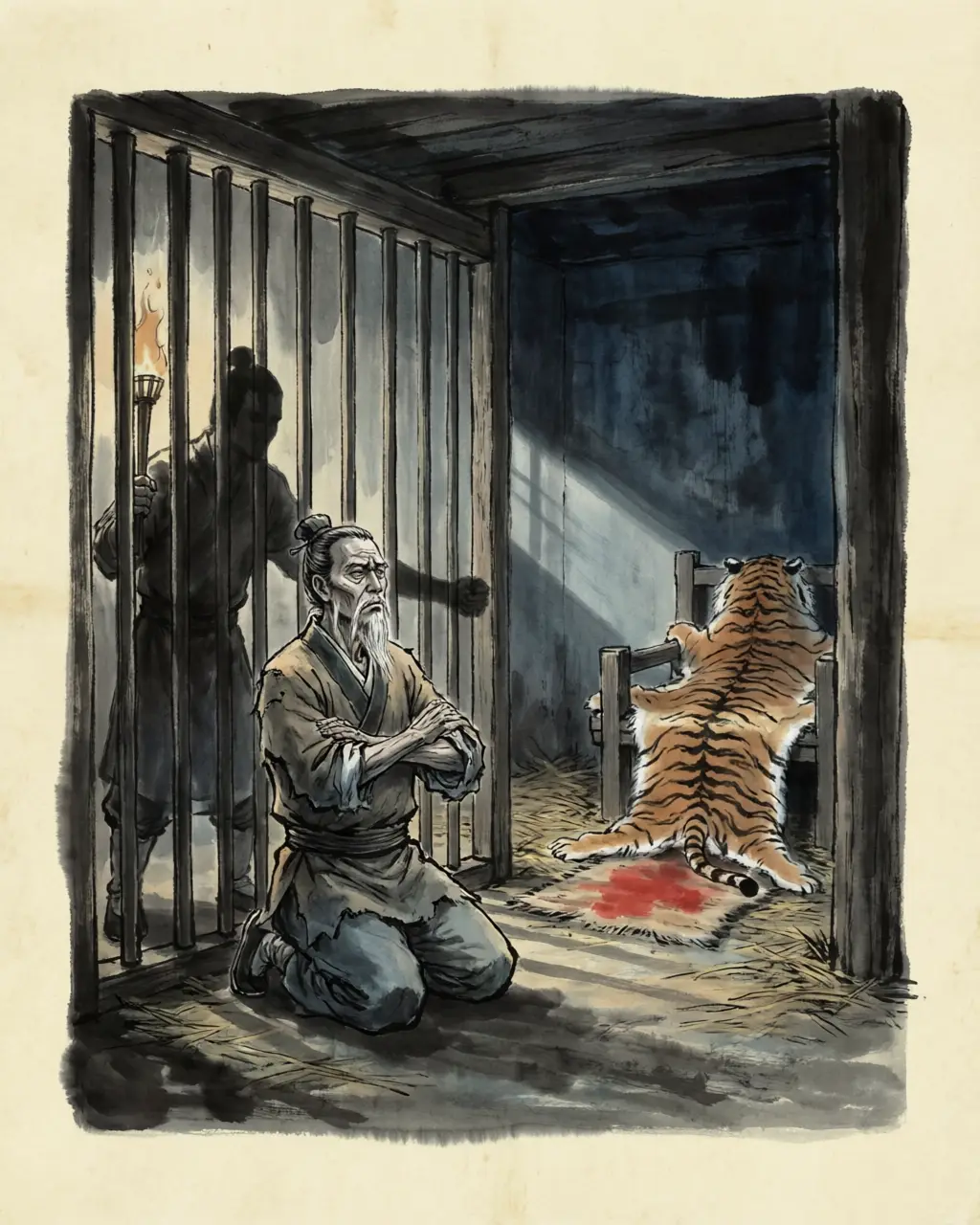
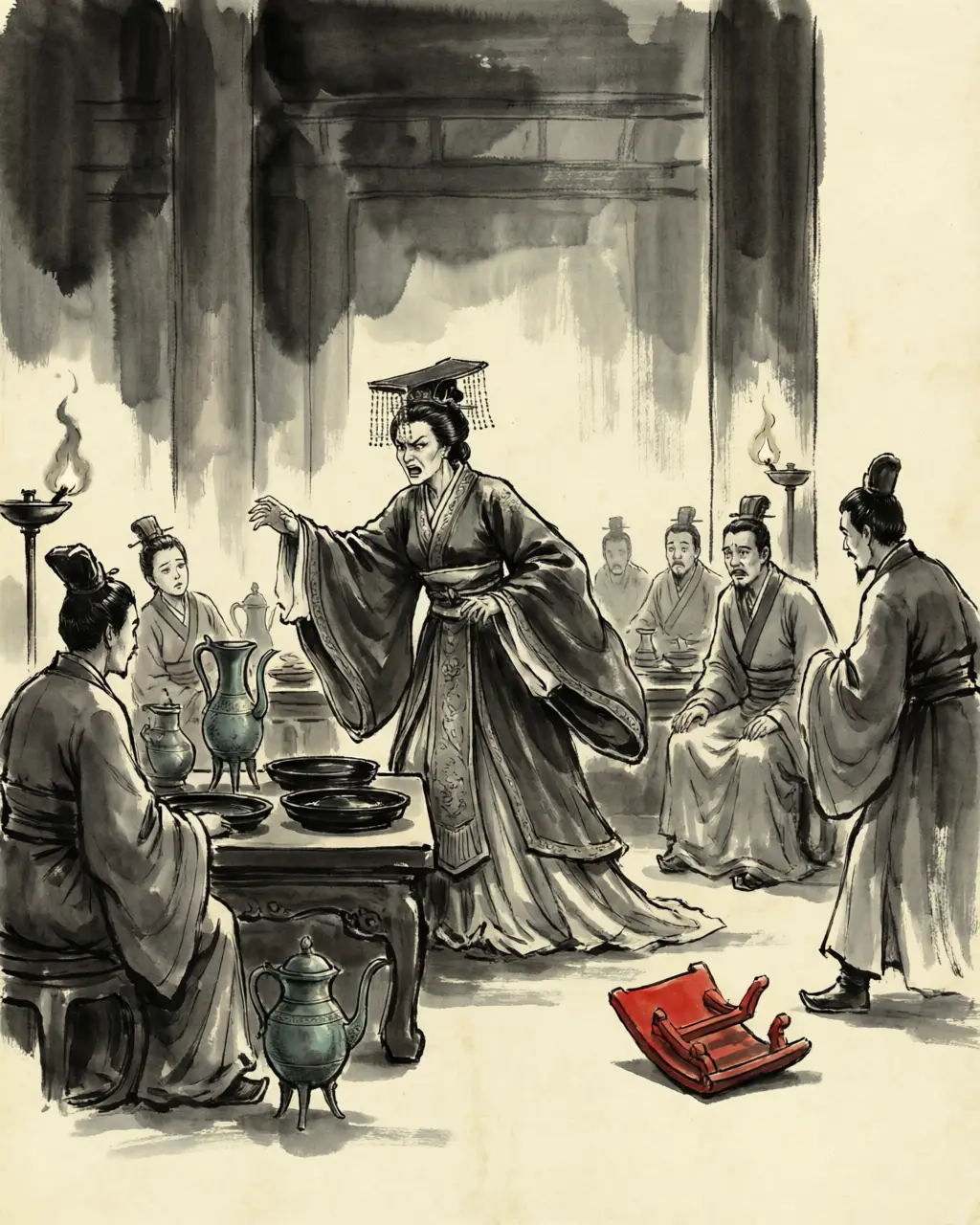
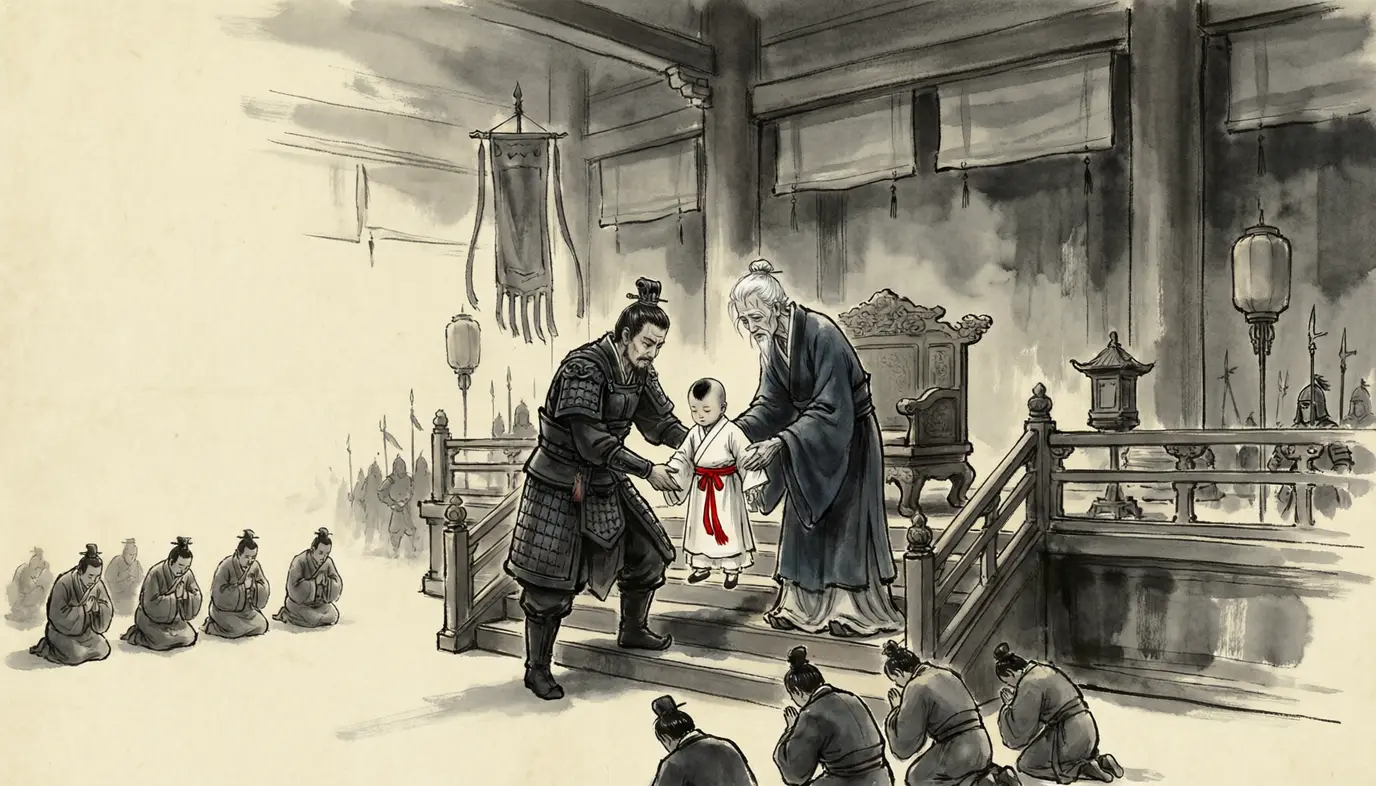
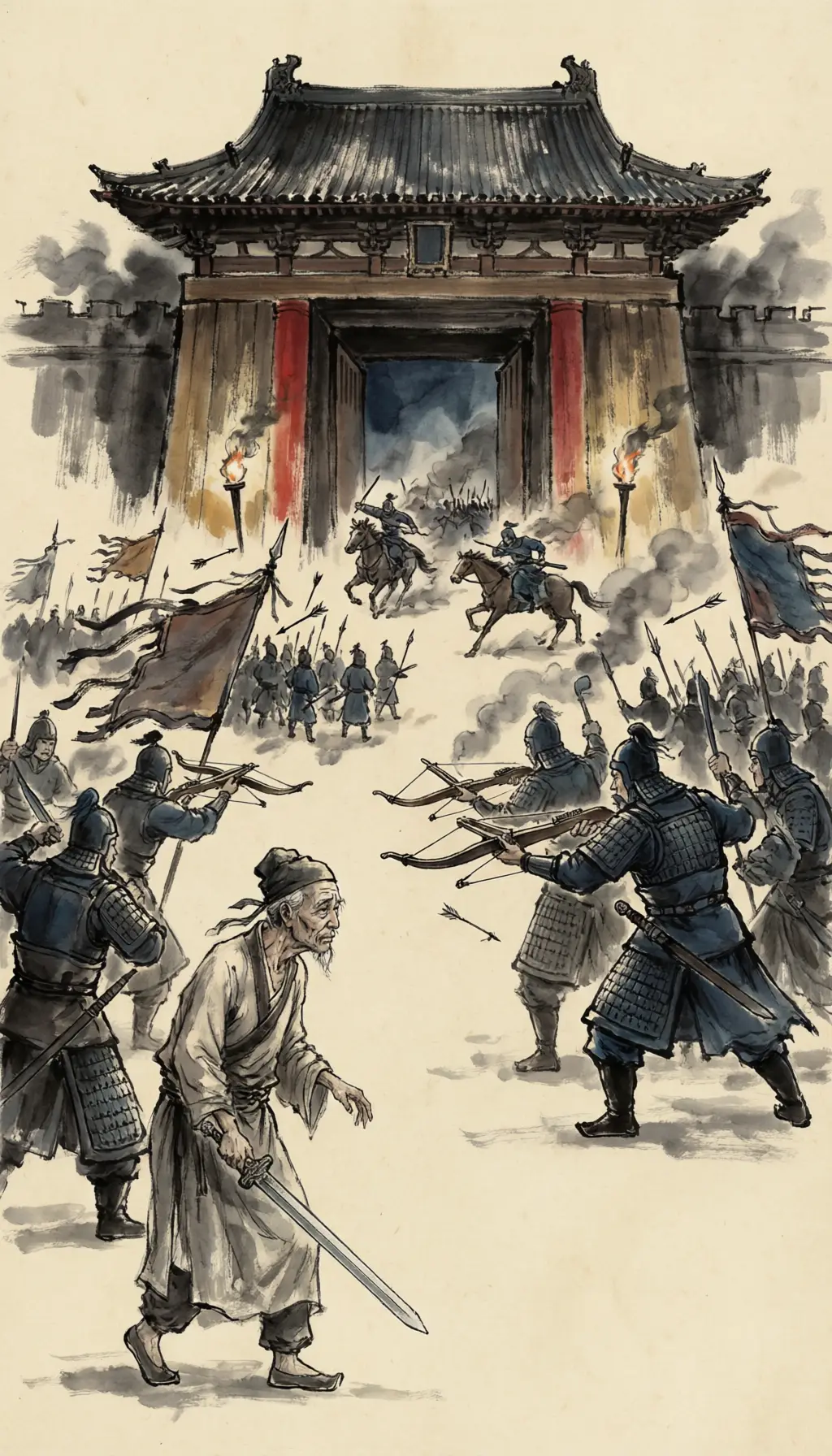
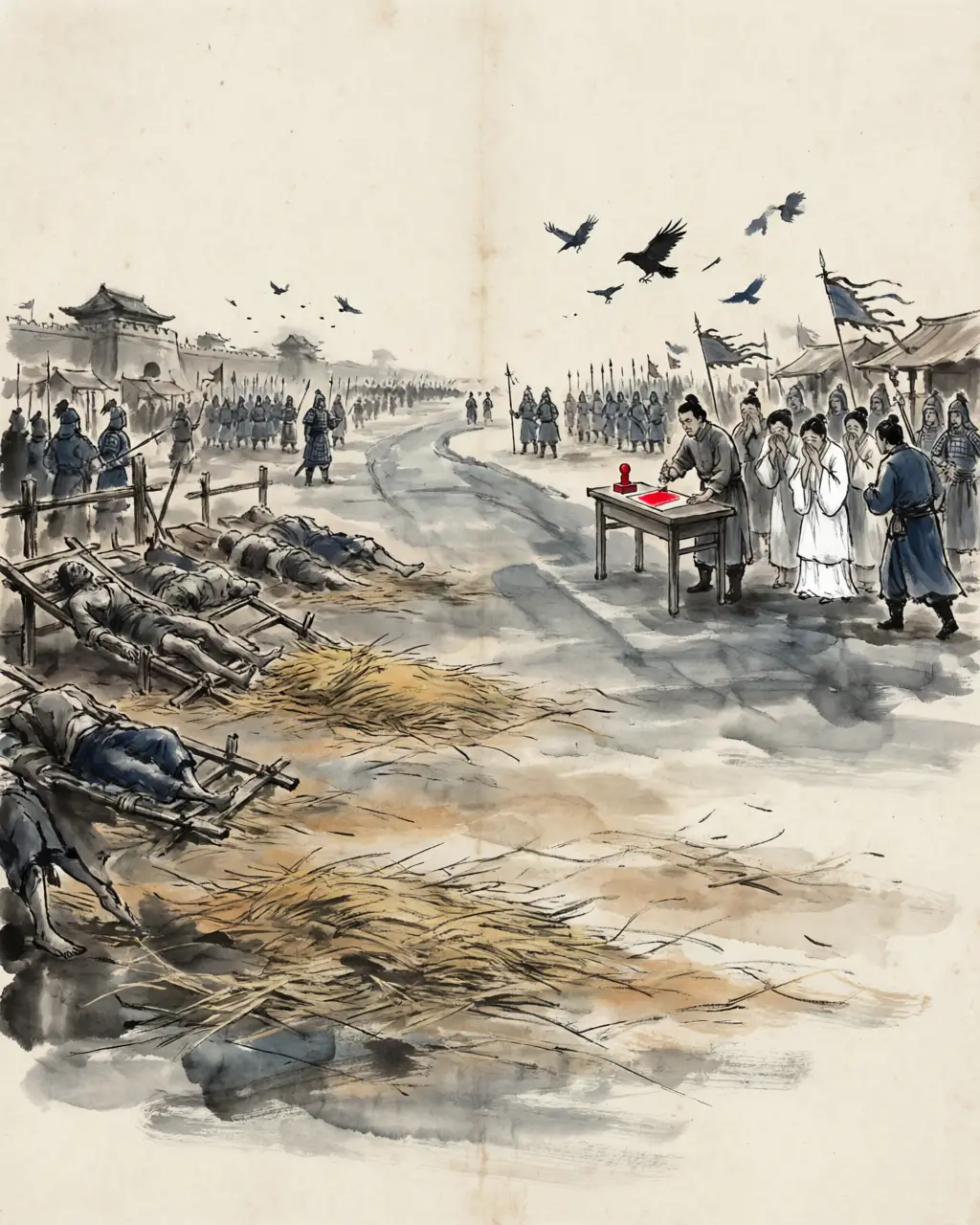
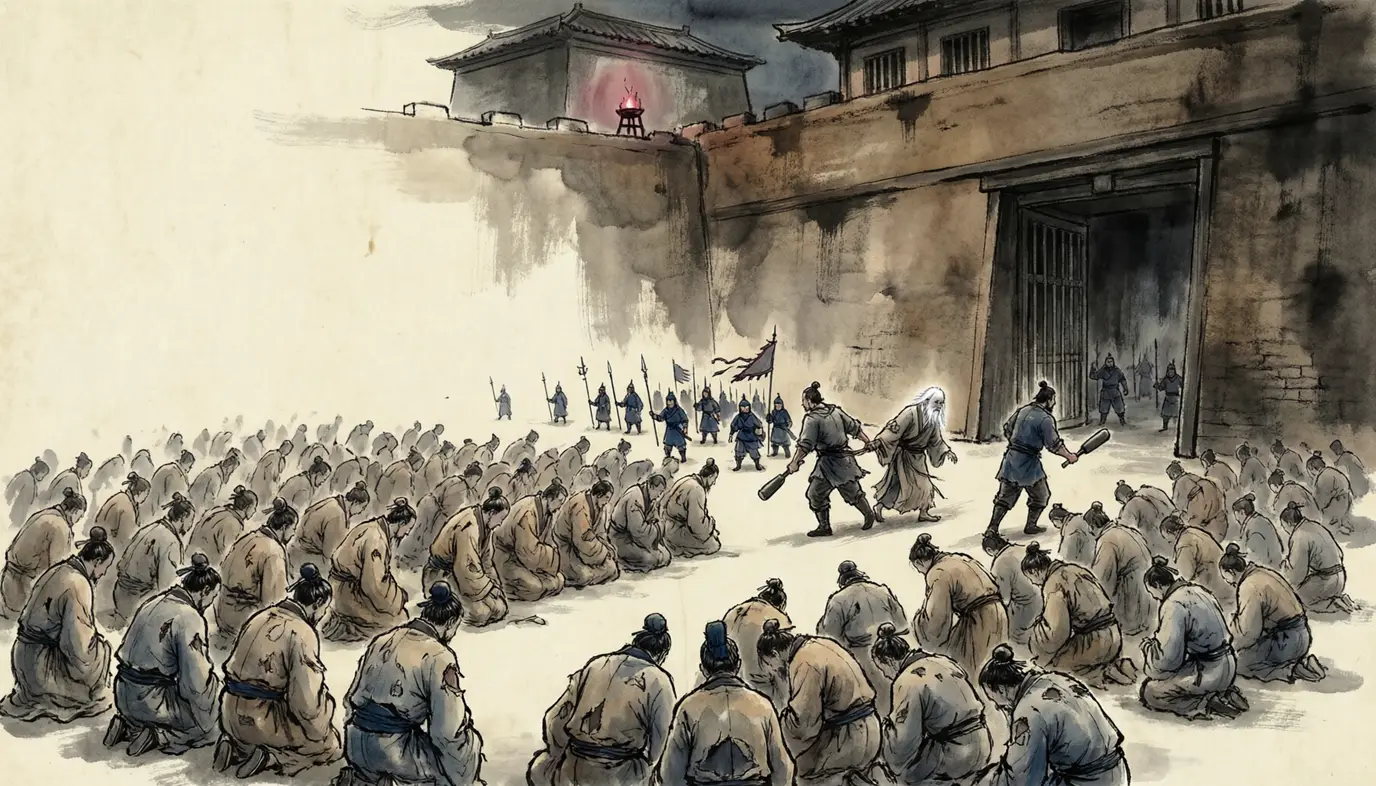
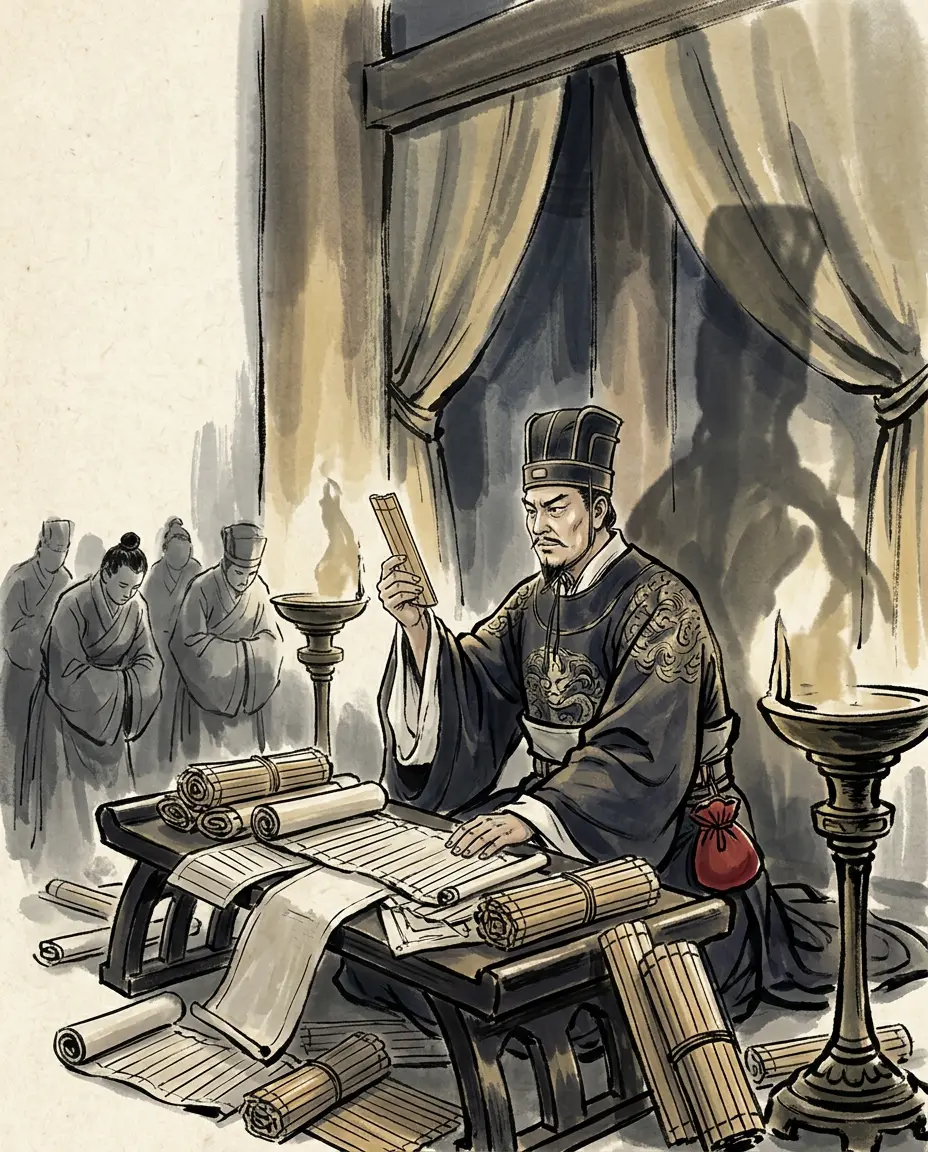
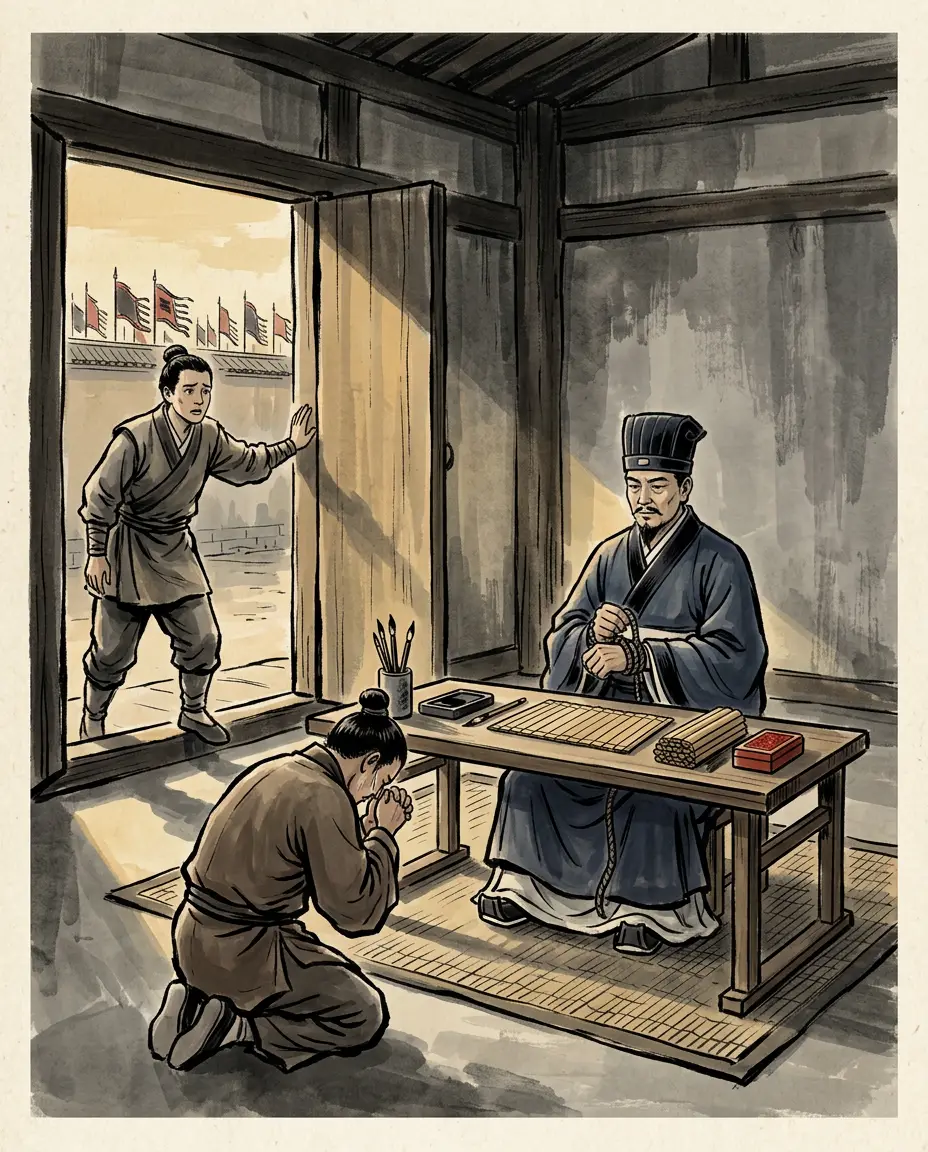
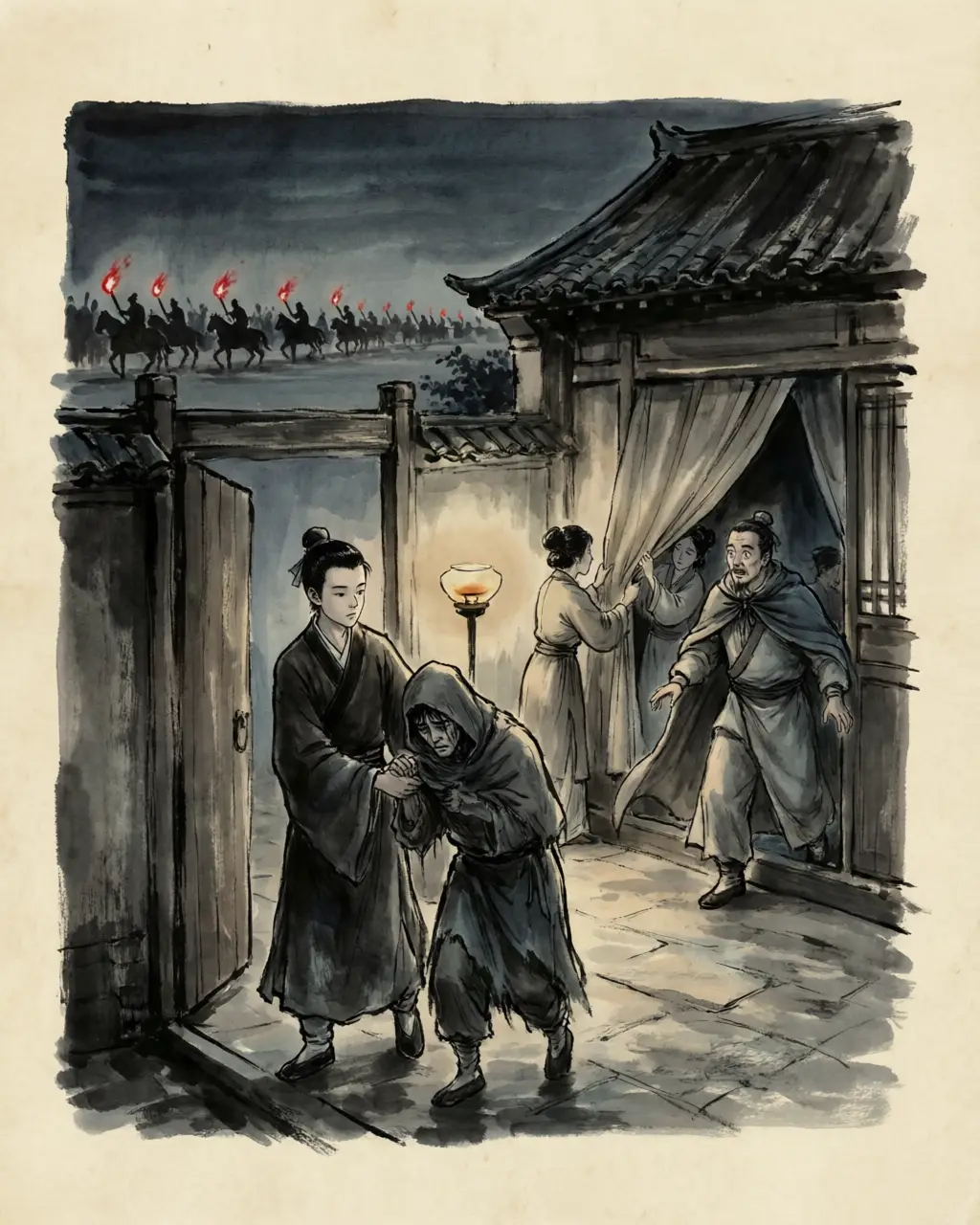
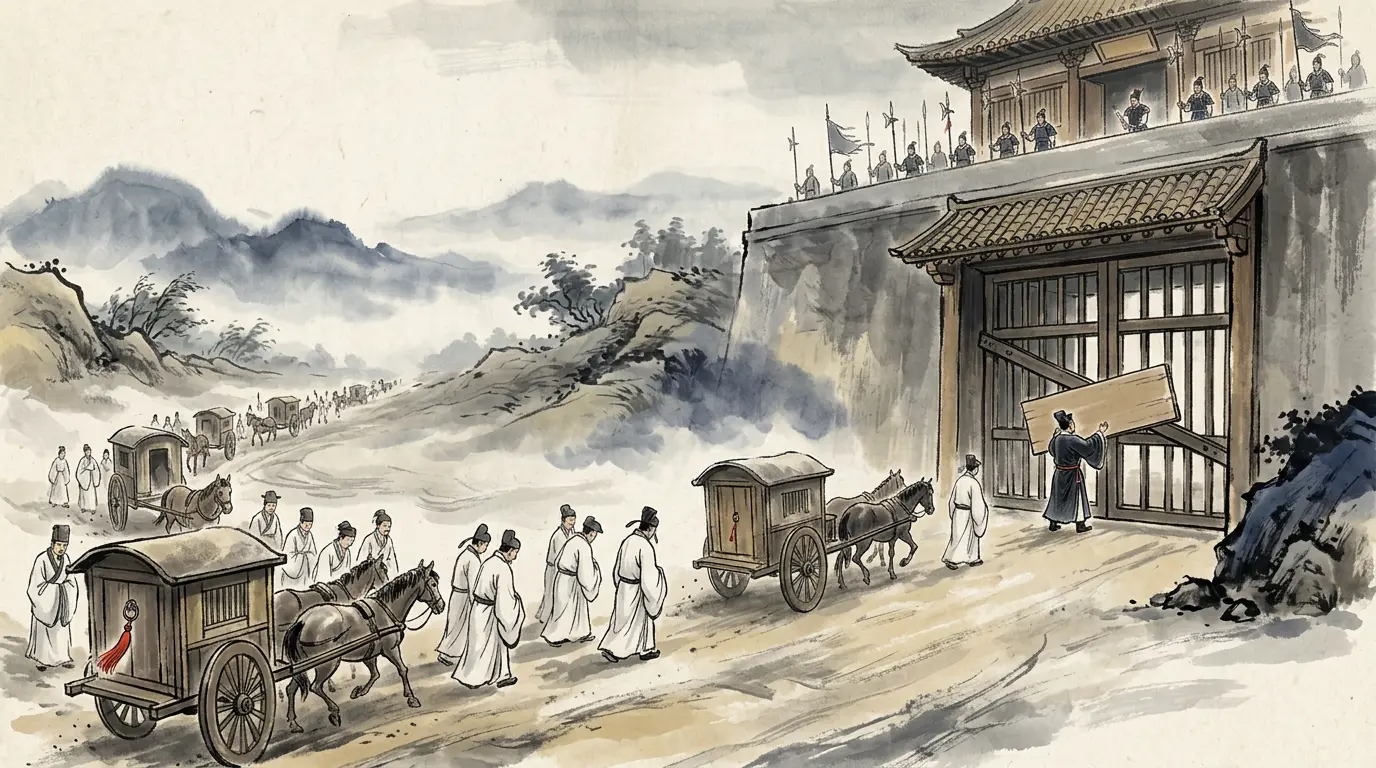
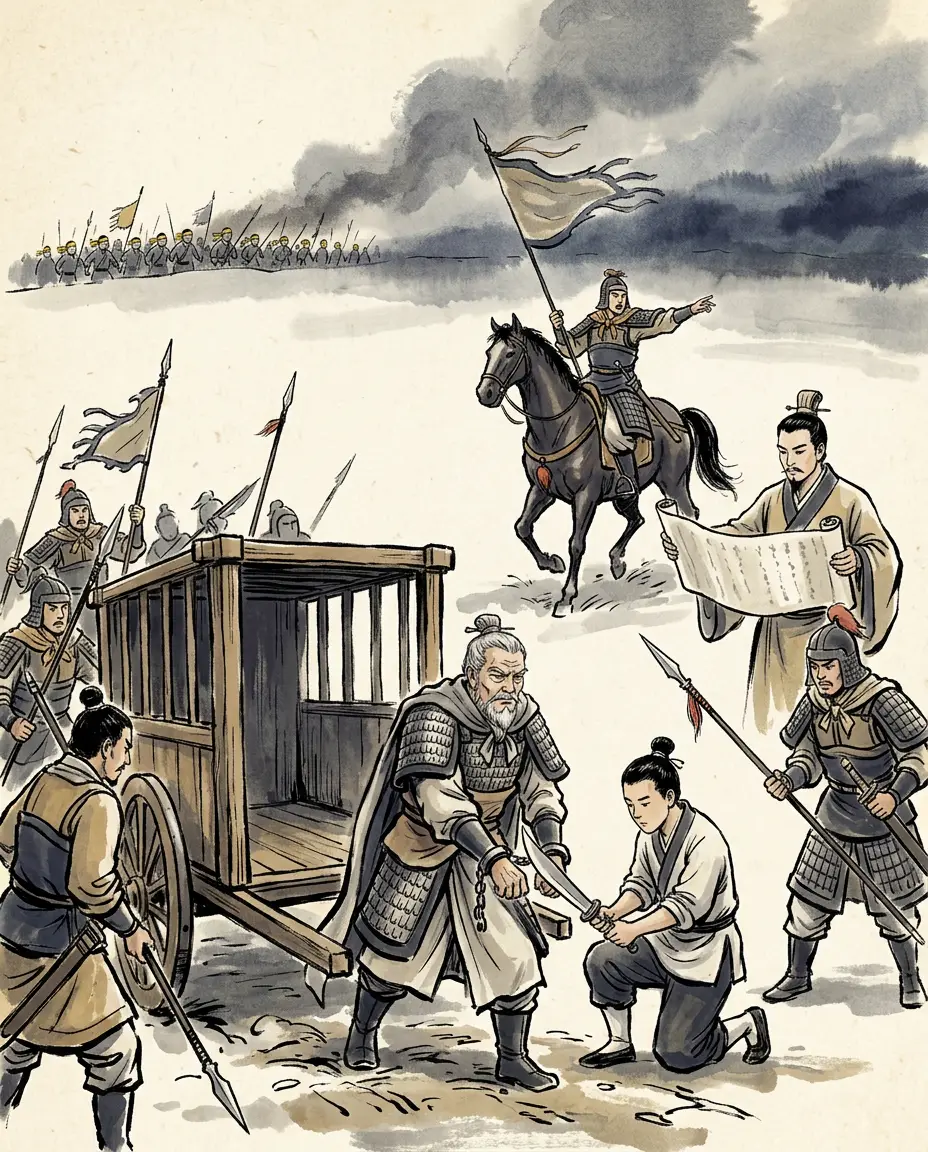
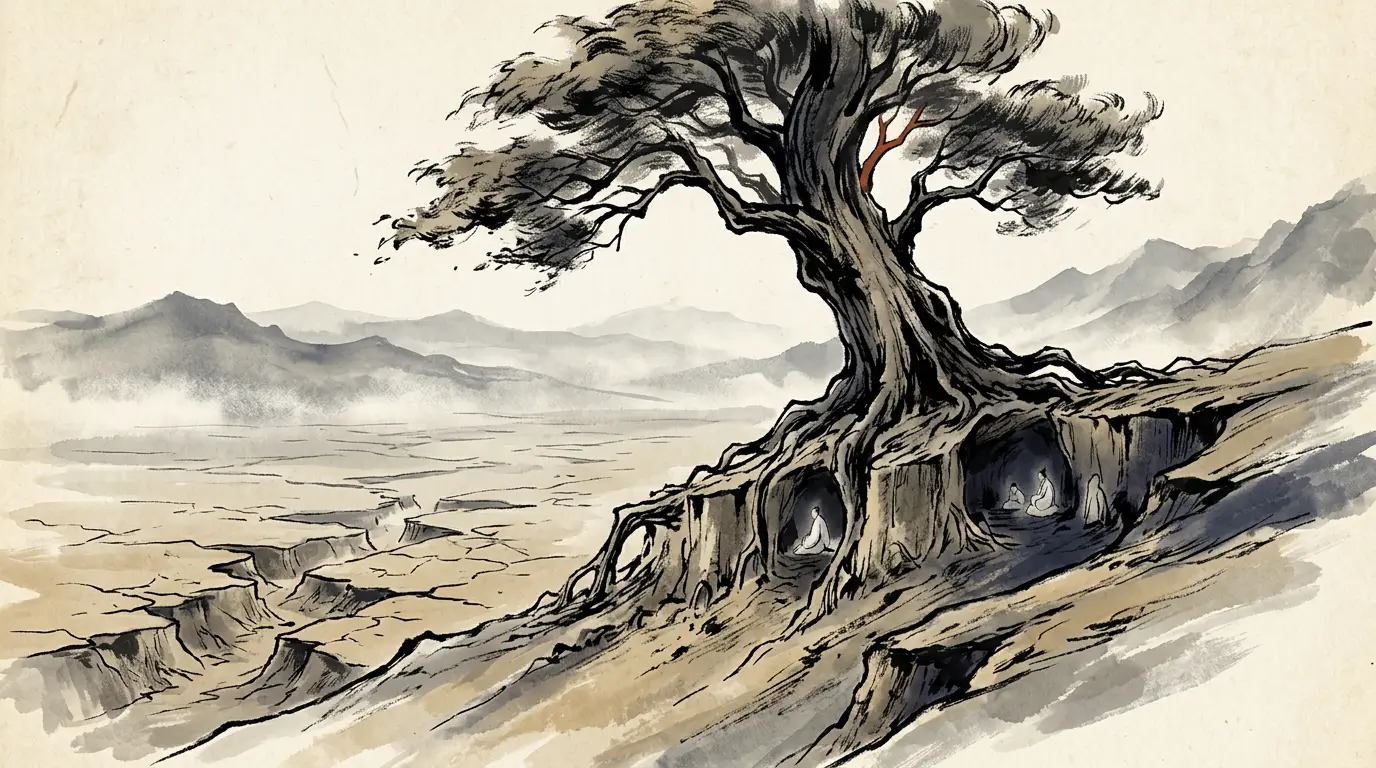
Seven people carried 166 to 184 CE: the critics who named each other as worth dying for, the regent who tried to use them, the eunuch who outlawed them, and the emperor who was too young to know which side he had chosen.
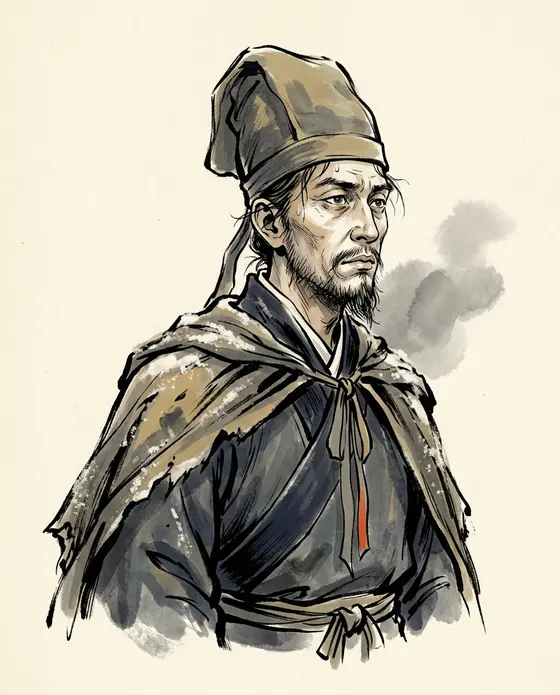
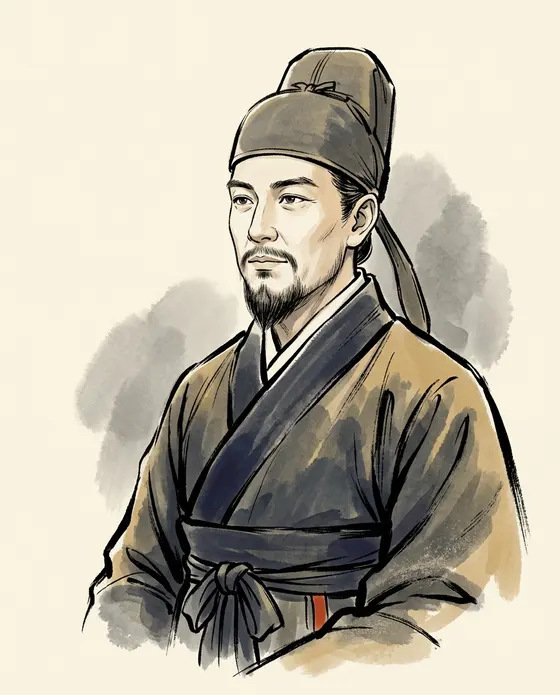
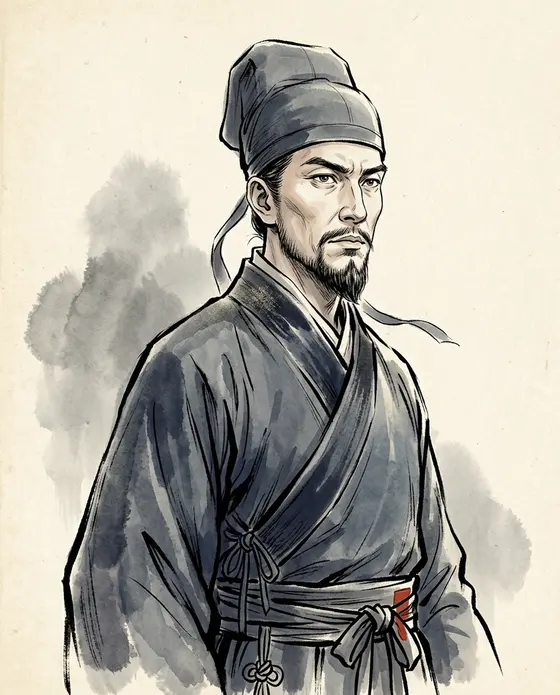
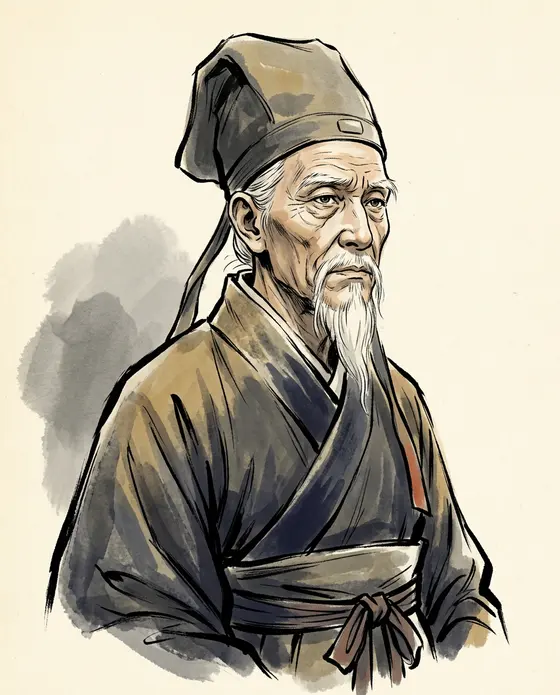
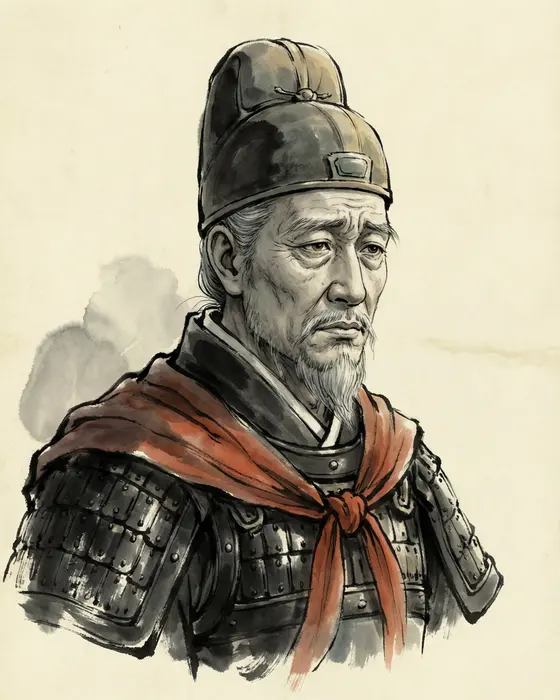
The Ming romances of the Han dynasties, the stage plays drawn from them and the serials drawn from those are entertainment — and not a source. Where their famous scenes depart from the histories, we leave them out of the story and put them here.
The Partisan Prohibitions were one purge: the emperor struck the scholars in 166 and the matter was settled.
There were two prohibitions eighteen years apart, under two emperors — the first bolted the released prisoners to civil death in 167, the second destroyed them in 169 and extended the outlawry to their schools and families — and the end came only in 184, forced by the Yellow Turban emergency, not by any change of mind at the centre.
The party was a real organisation with a register, office-bearers and membership oaths, as the court's charge alleged.
The lists were the public culture of reputation itself — Three Lords and Eight Elites were names the age's talk hung on men, which Sima Biao then copied — and the only register the record shows is the palace's own roll of the proscribed. That the accused had no organisation is why the fugitive Zhang Jian could be hunted across a year of provinces without a single captured letter of instructions.
Li Ying and the partisans were meek, gentle scholars done in by malice.
They were governors who ruled by the letter and the prison: Li Ying's execution of a man who had read an amnesty in advance and drilled his son to kill inside its cover — the pair were caught, pardoned, and then put to death anyway by the governor who could not stomach it — was lawful by the letter of Han statute on the great crime; what it was not was diplomatic, and the accusation that opened the prohibitions came out of that household. The sources mourn the party's fall as the empire's loss; they do not pretend its members were harmless men.
The partisans were killed in prison by the tens of thousands during the prohibitions.
The Hou Han shu's own figures are smaller and more precise: two hundred and odd named men implicated in the first round, six or seven hundred dead, transported, attainted and disqualified in the second, with the ban on office carried out to the five degrees of kinship. The age's horror came from who died — the first families of the empire, legally, in the emperor's own name — not from the count.
Emperor Ling lifted the prohibitions when he came to see the partisans had been right.
The lifting of 184 was a war measure. The outlawed military families were needed against a rising that took the eastern provinces at once, and the argument was made to the emperor as policy — by the Regular Attendant Lü Qiang, a eunuch, who warned that men long under the bolt would join the rebels without a second thought. The emperor agreed, and the dynasty died anyway: it simply died with the gentry's help rather than in their teeth.
Every caption and quotation in this episode traces to one of these. Where scholars disagree, the panel says so.
Two prohibitions, eighteen years apart, turned the age's honour-roll into a criminal register. The gentry learned to survive the court; eight provinces learned to ignore it: Episode 13 · The Yellow Turbans (Jizhou and Yingchuan, 184 CE). The sons of the outlawed generation were the ones the empire needed in 184. Or back to the Han line, or meet the cast.