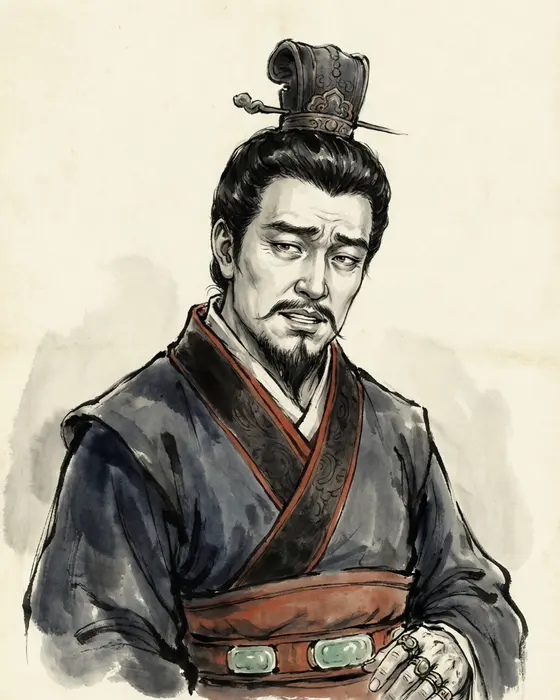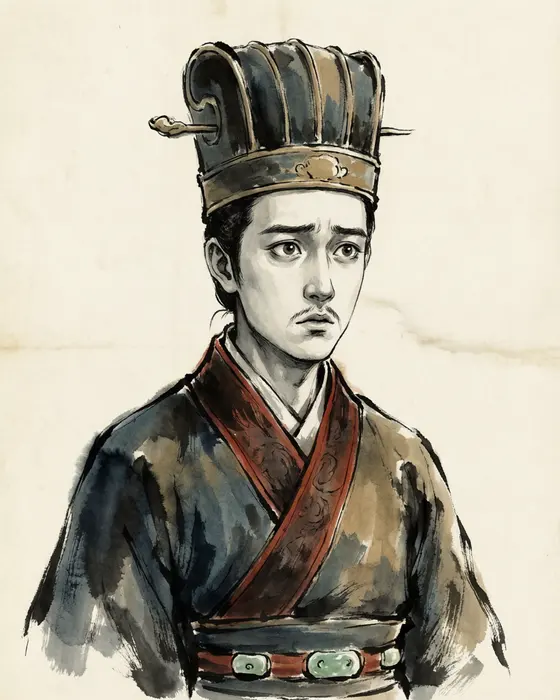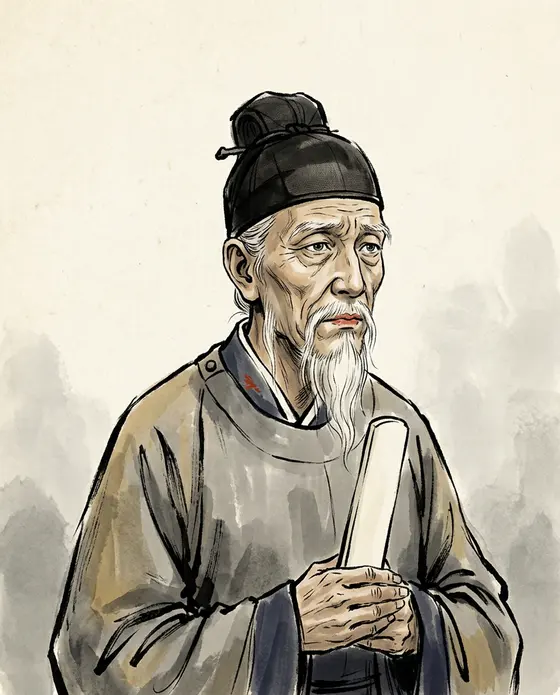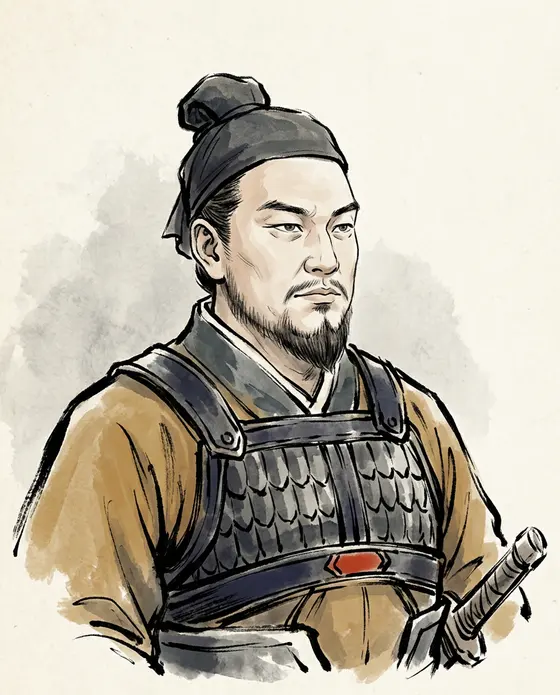
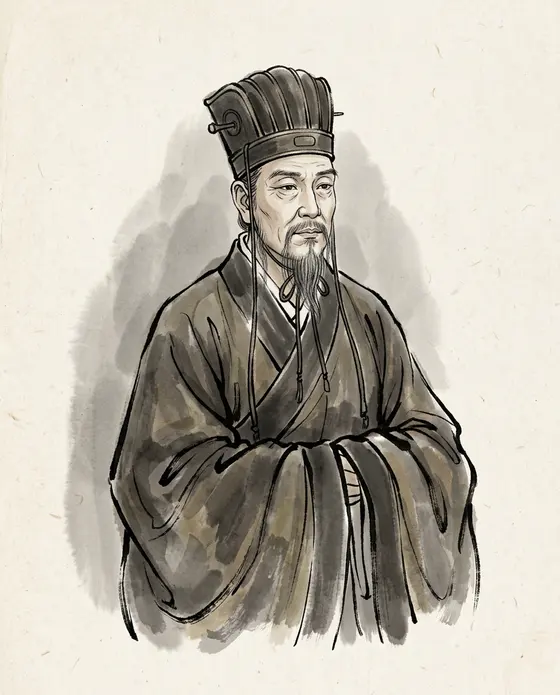


The people who carried this year. The sources disagree about almost everything else.


The novel Romance of the Three Kingdoms is a masterpiece — and not a source. Where its famous scenes depart from the histories, we leave them out of the story and put them here.
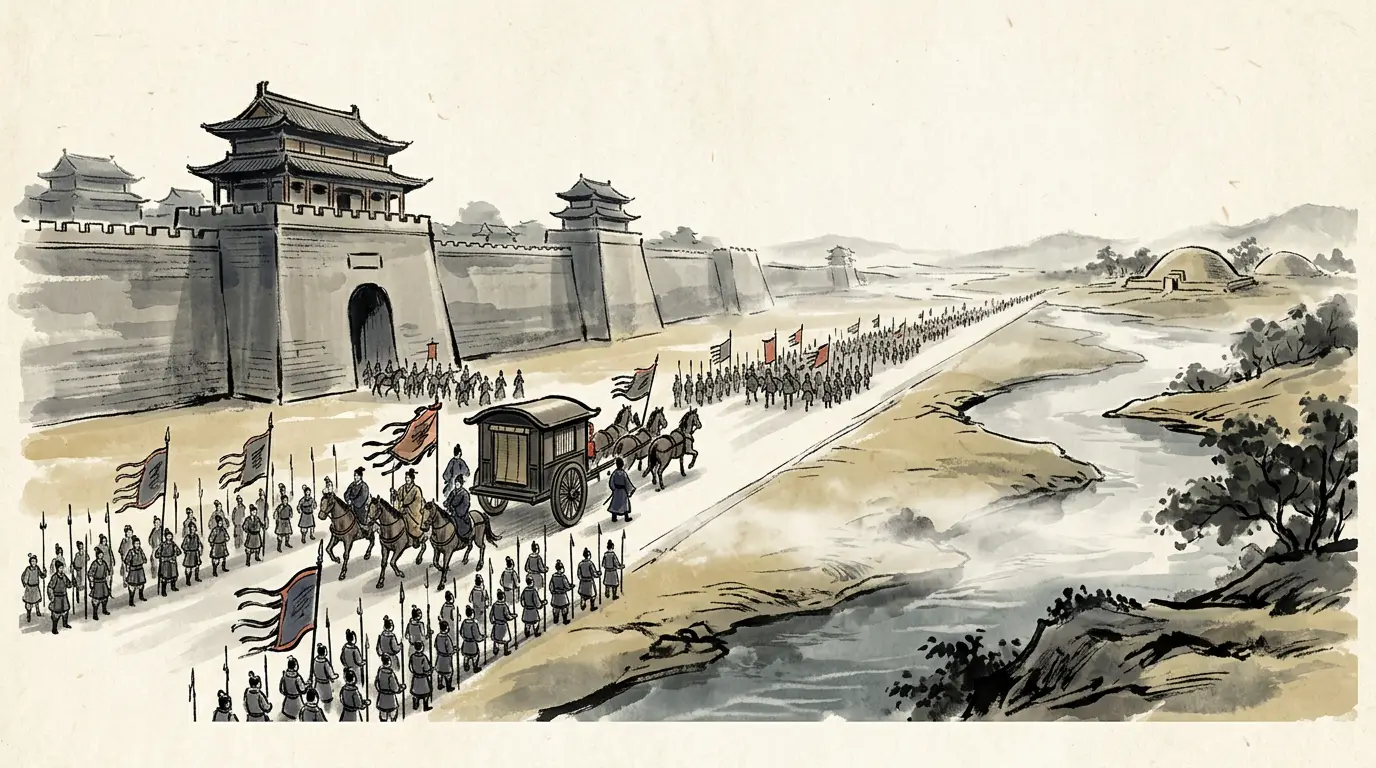
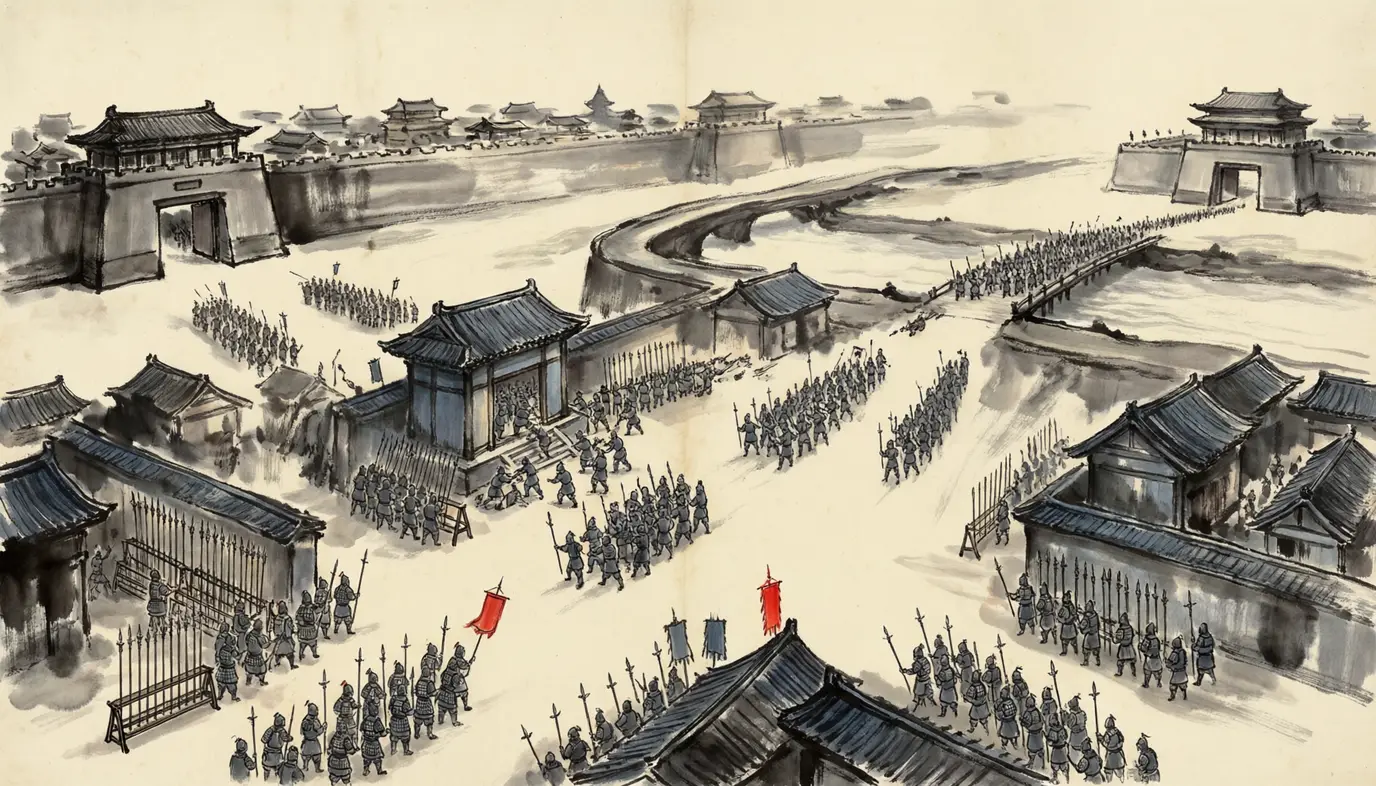
The Gaoping Tombs was a battle — armies meeting outside Luoyang.
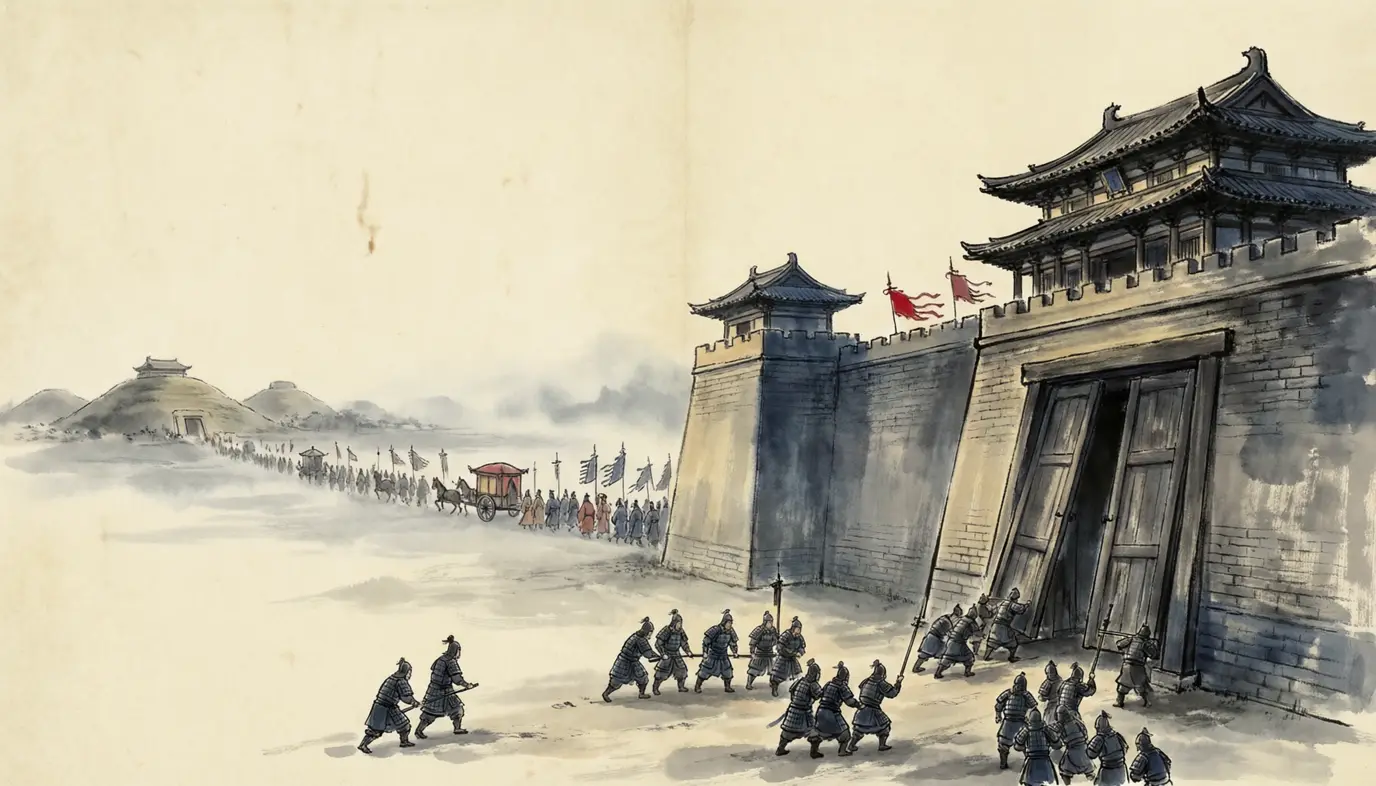
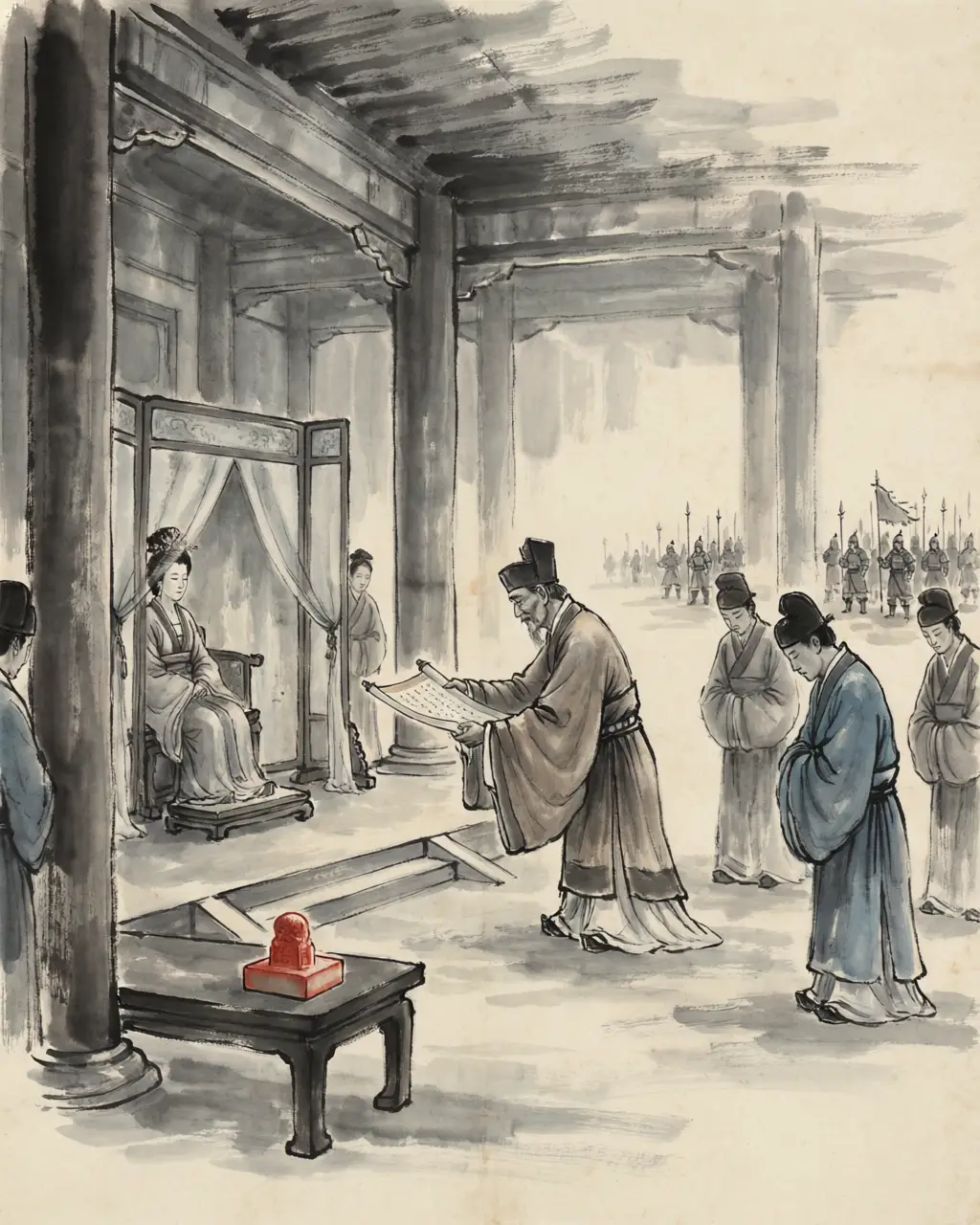
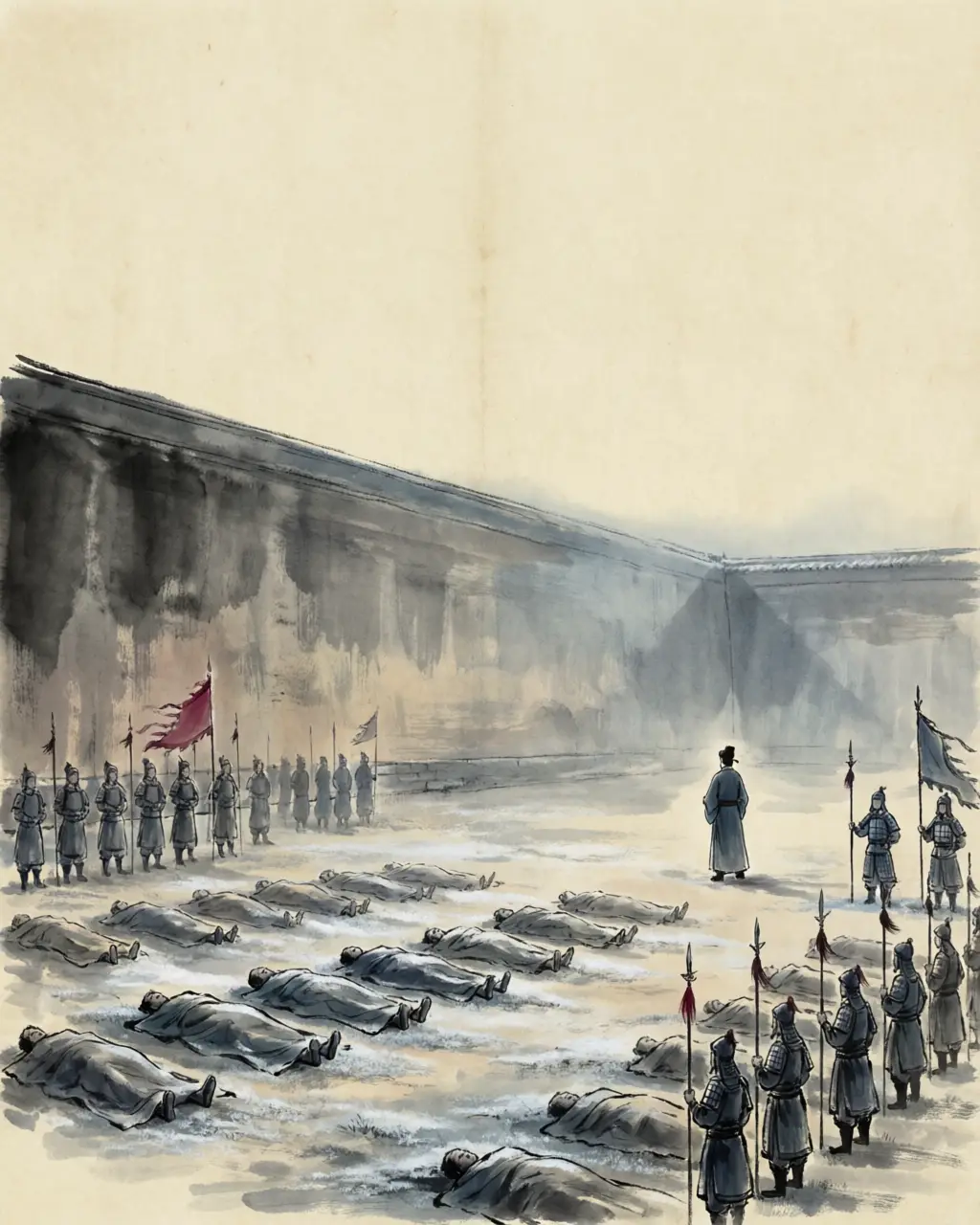
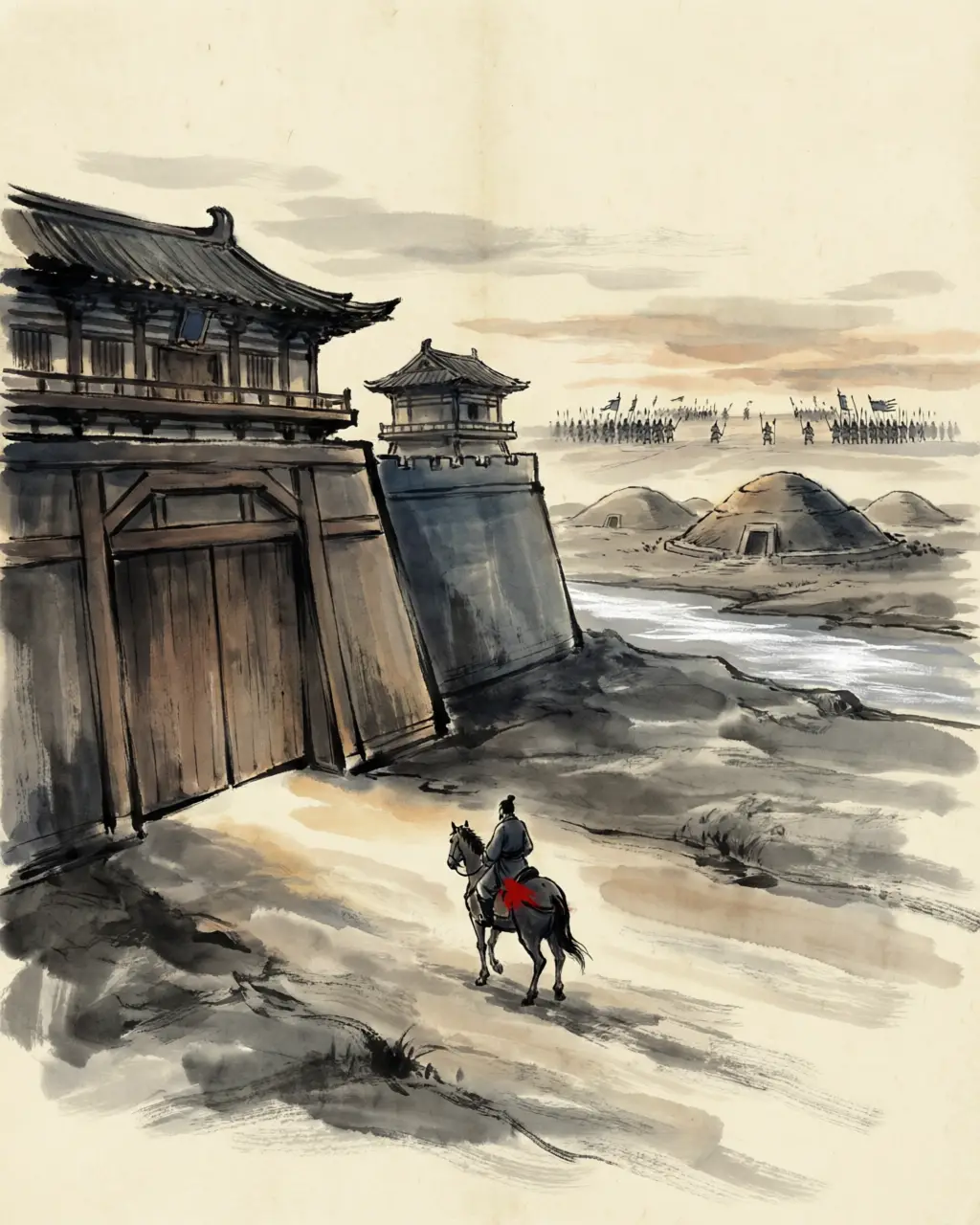
No engagement is recorded anywhere. The coup was won by paperwork and gates: an edict from the Empress Dowager, the city gates closed, the armouries seized, and an envoy's promise. The only violence came afterwards, at the executions. It was a seizure of the capital, not a battle in the field.
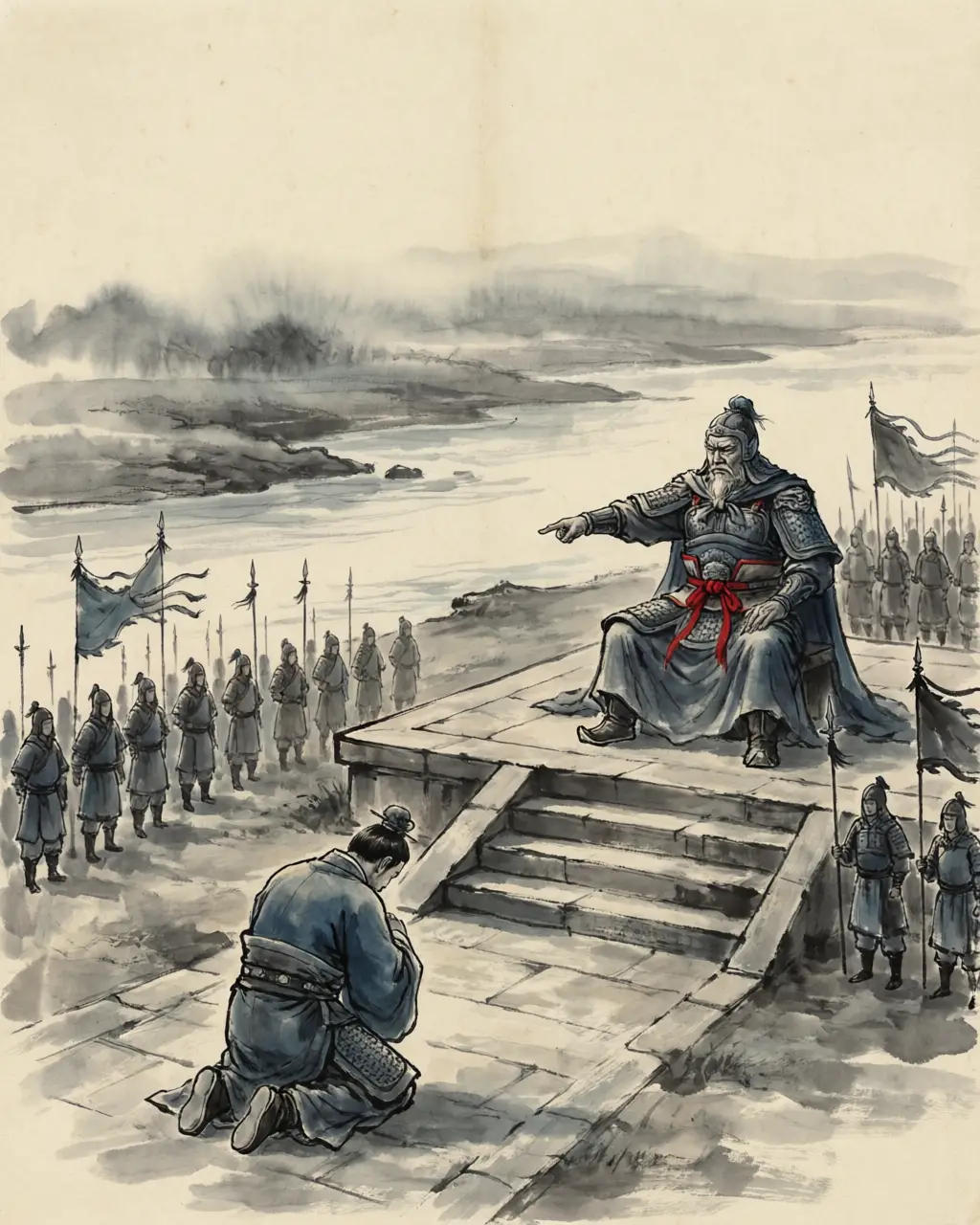
Sima Yi swore Cao Shuang's safety by the river Luo — and kept his word.
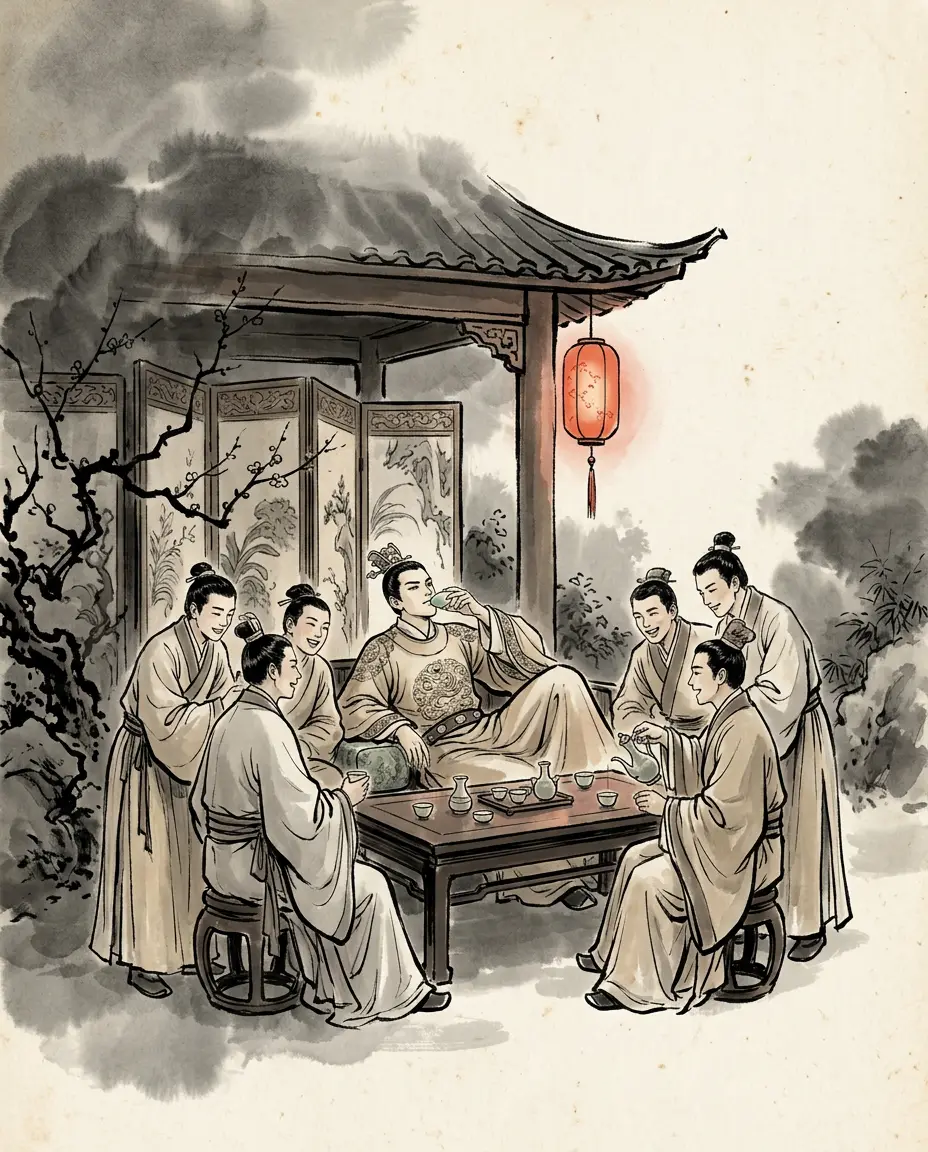
The oath is recorded, and it was broken within ten days: Cao Shuang and his faction were charged with great treason and executed with all three branches of their kin. The promise was the instrument of the surrender, not its terms.
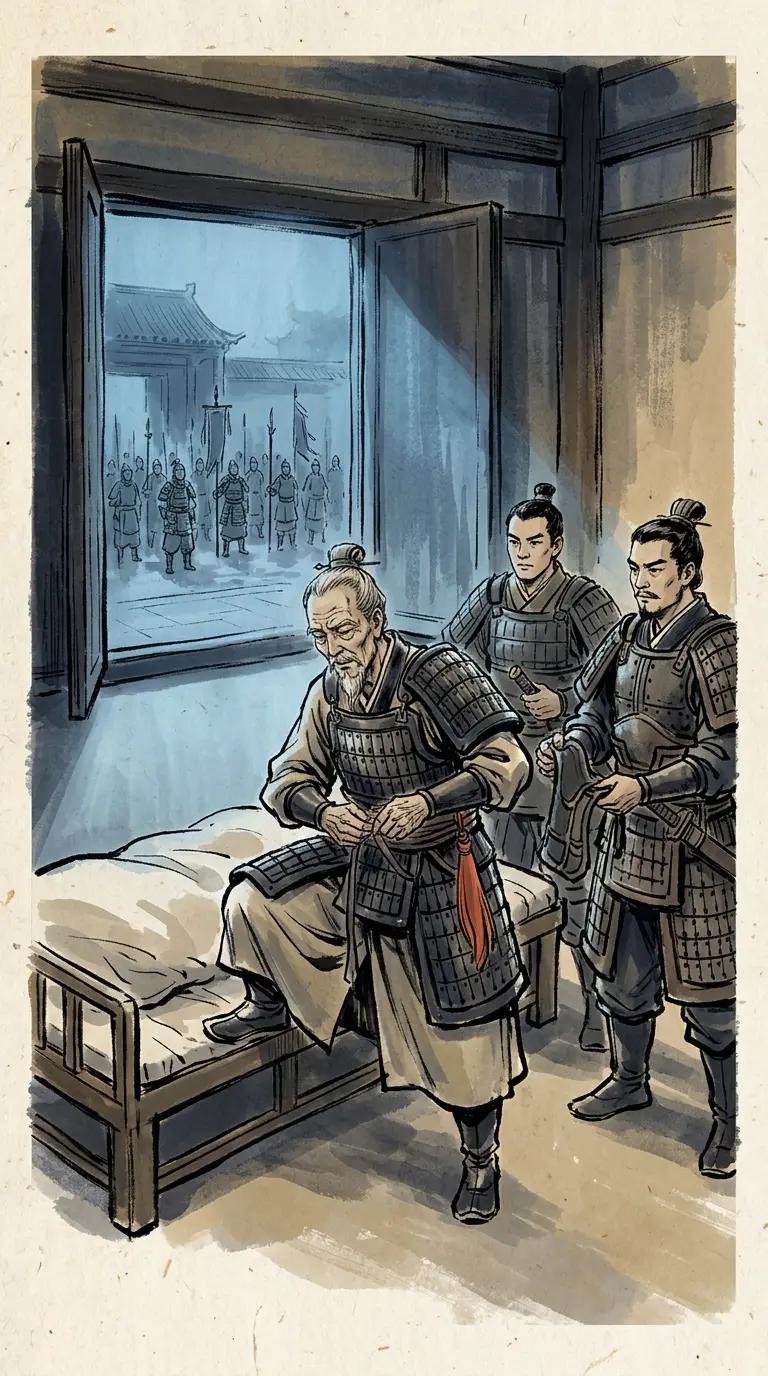
Sima Yi played the invalid for decades — the patient lifelong long-con of legend.
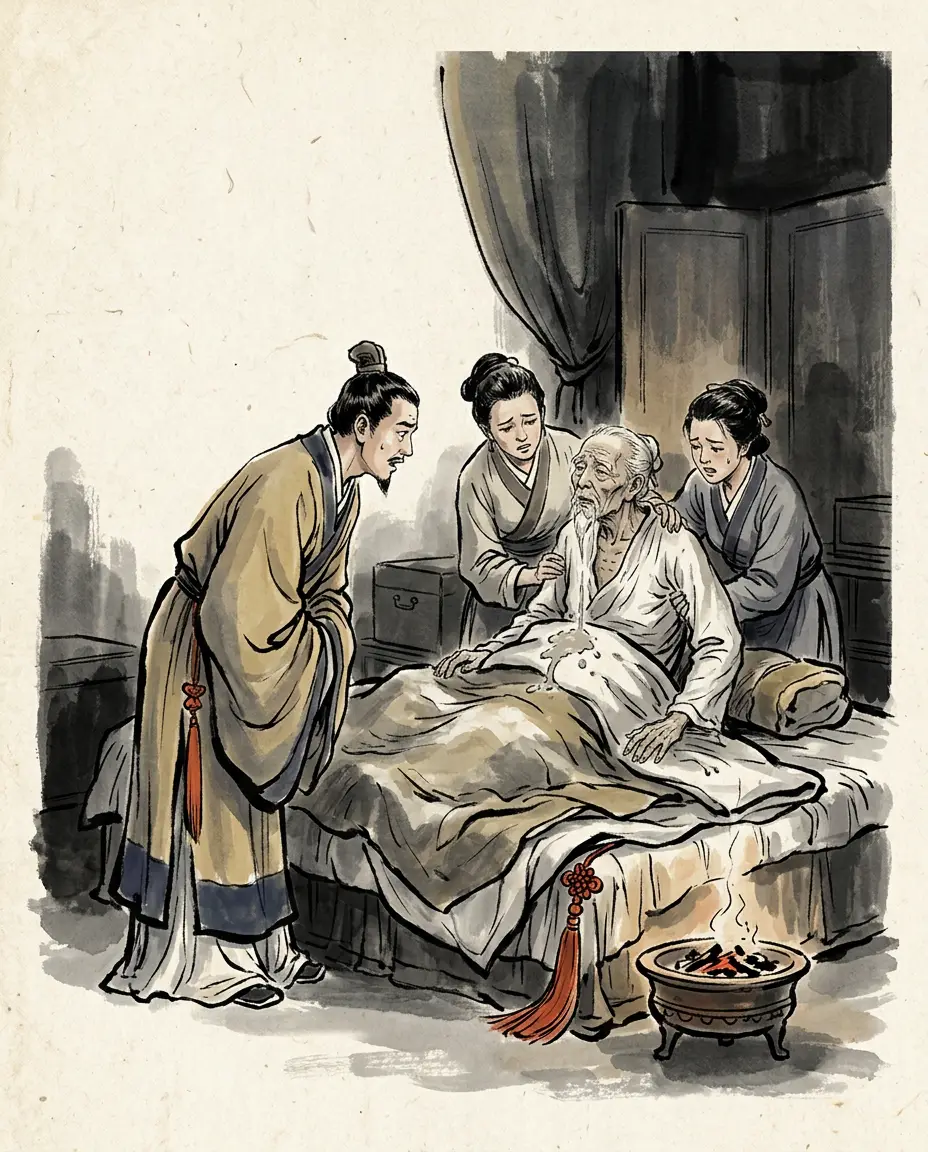
The record is narrower and stranger: he served as co-regent and commander from 239 to 247 — leading Wei's defence against Shu's invasion of 243–244 — then claimed illness from 247, staged it for Li Sheng in 248, and struck in 249. Two years of performance, not twenty; and since he died within two years of the coup, some of the illness may have been real. The sources want it read as pure cunning.
The coup was one old man's solo stroke.
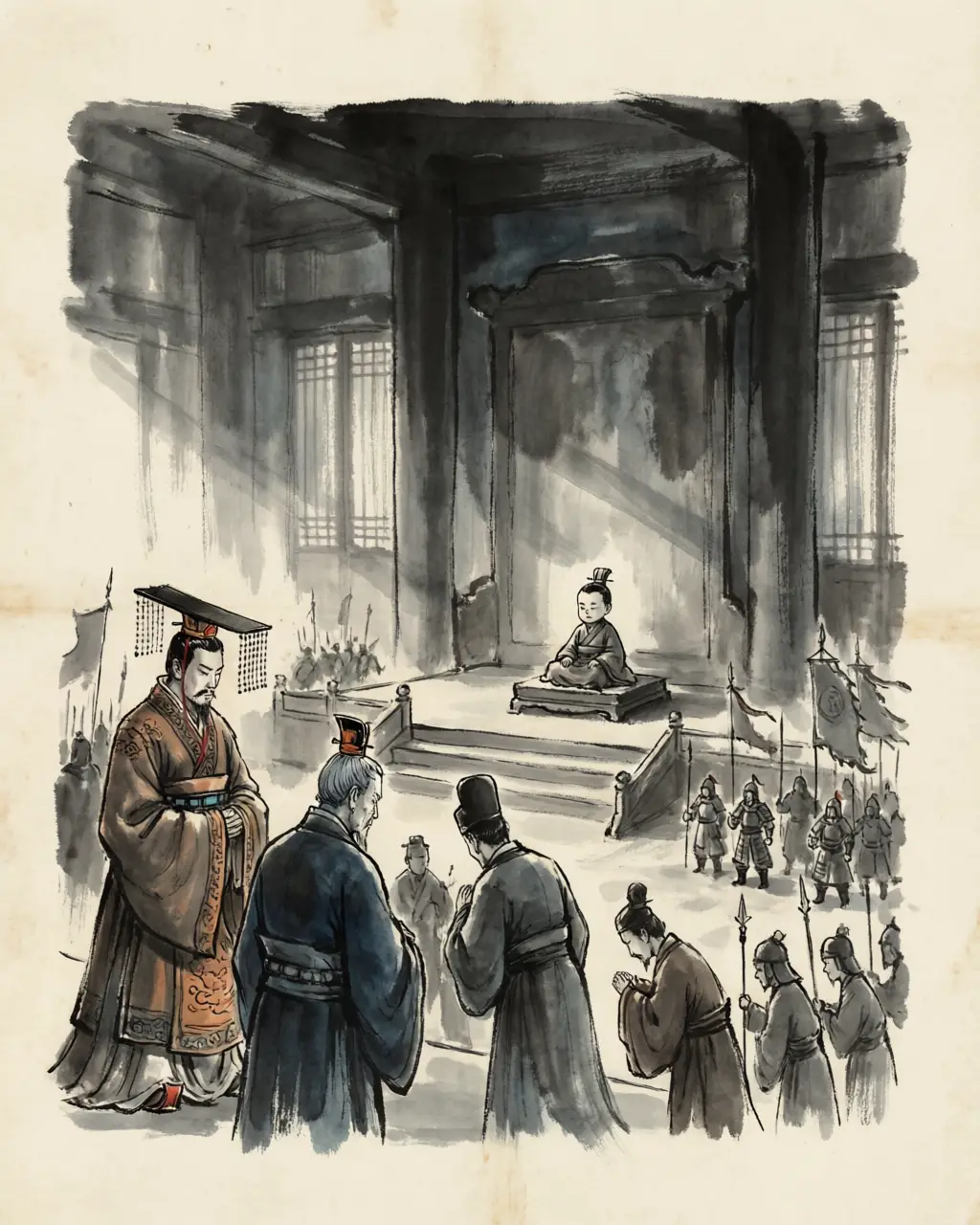
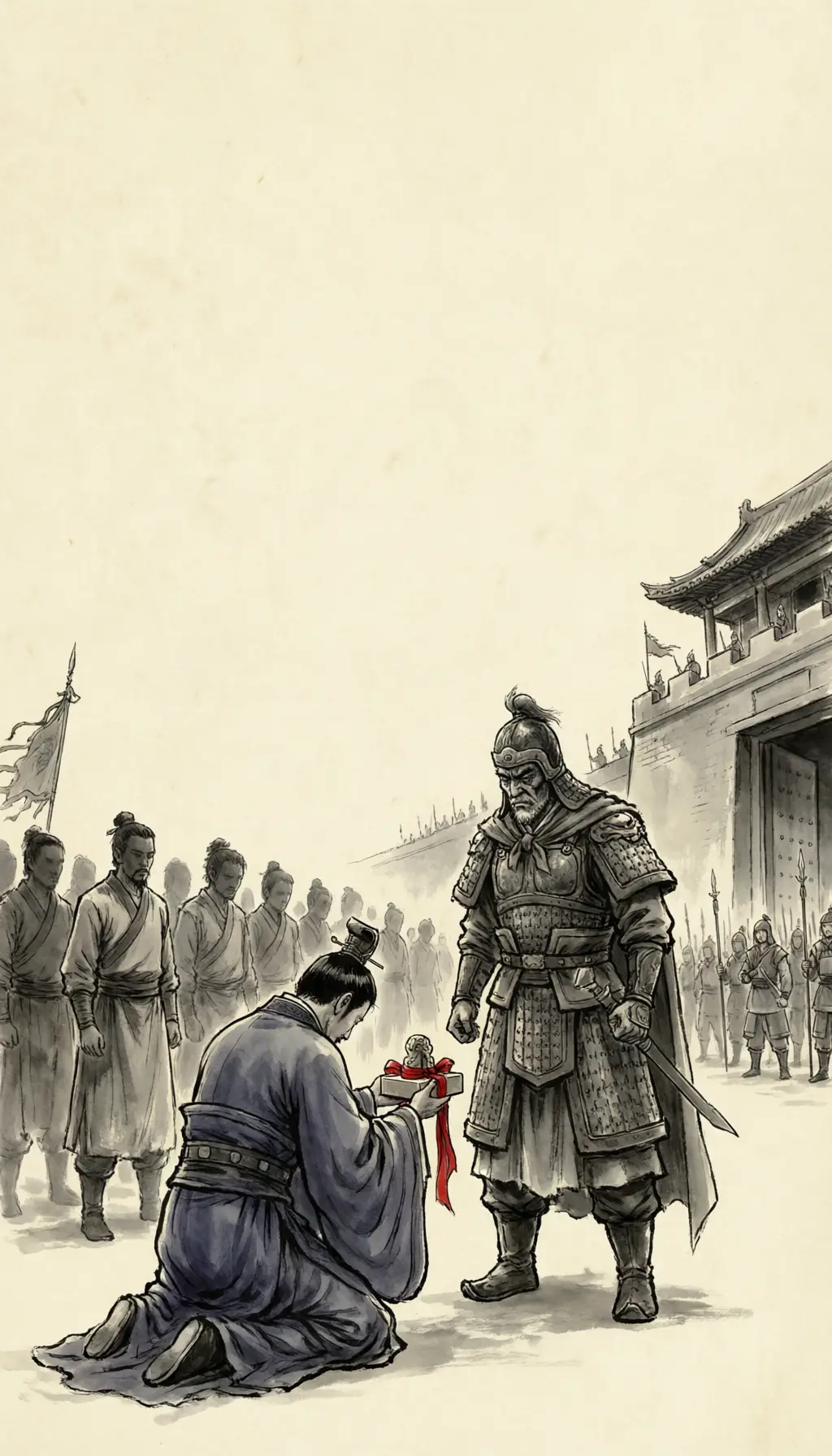
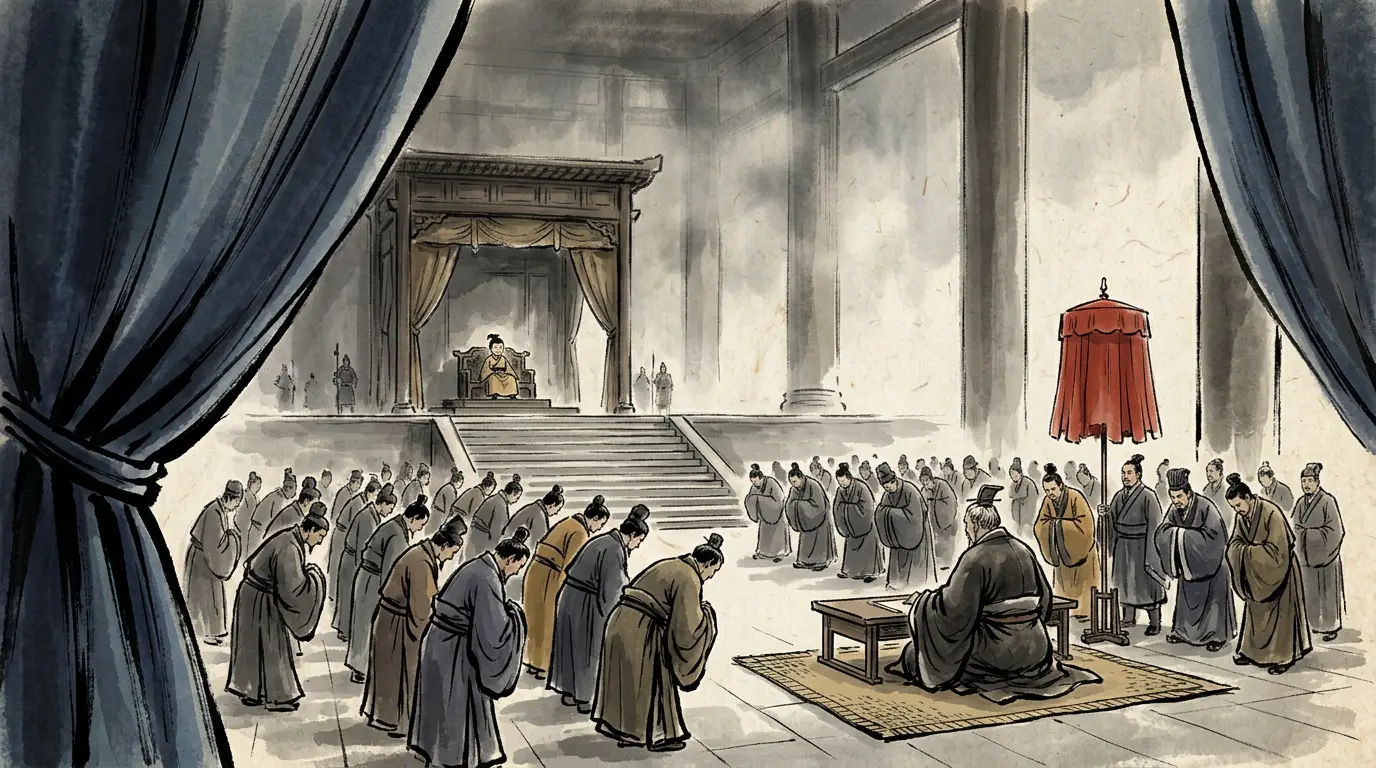
It was a family conspiracy with an official face: the Jin shu annals of Emperor Jing record Sima Shi's three thousand secretly gathered retainers, Sima Zhao was in the plot, the Empress Dowager's edict gave it legality, and ministers like Jiang Ji carried its promises to the camp.
Wei fell that day — 249 ended the Cao dynasty.
Cao Fang remained emperor five more years and was deposed in 254; his successors reigned until 265, when Sima Yi's grandson took the throne by the abdication ritual and named the dynasty Jin. The coup did not end Wei; it made the ending certain.
Every caption and quotation in this episode traces to one of these. Where scholars disagree, the panel says so.
Before this: Episode 9 · The Bait at Shiting (Shiting, 228 CE). Next: Episode 11 · The Gate and the Trackless Road (Chengdu, 263 CE). Or meet the cast, or read the chronology of the age.