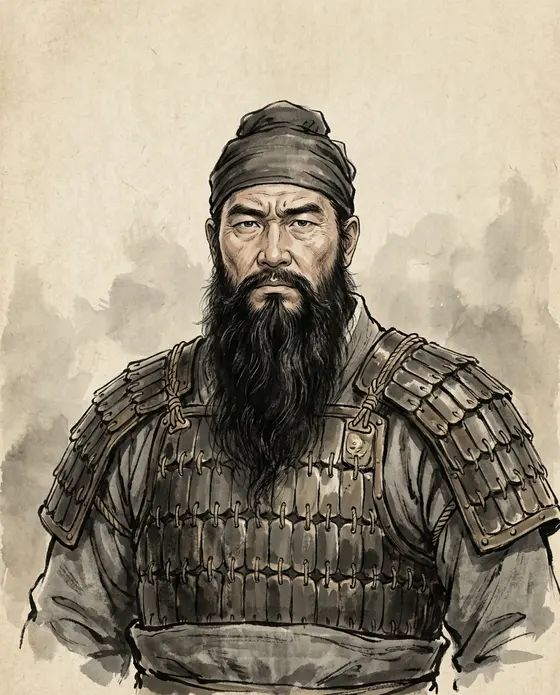
Guan Yu關羽
d. 220 CE
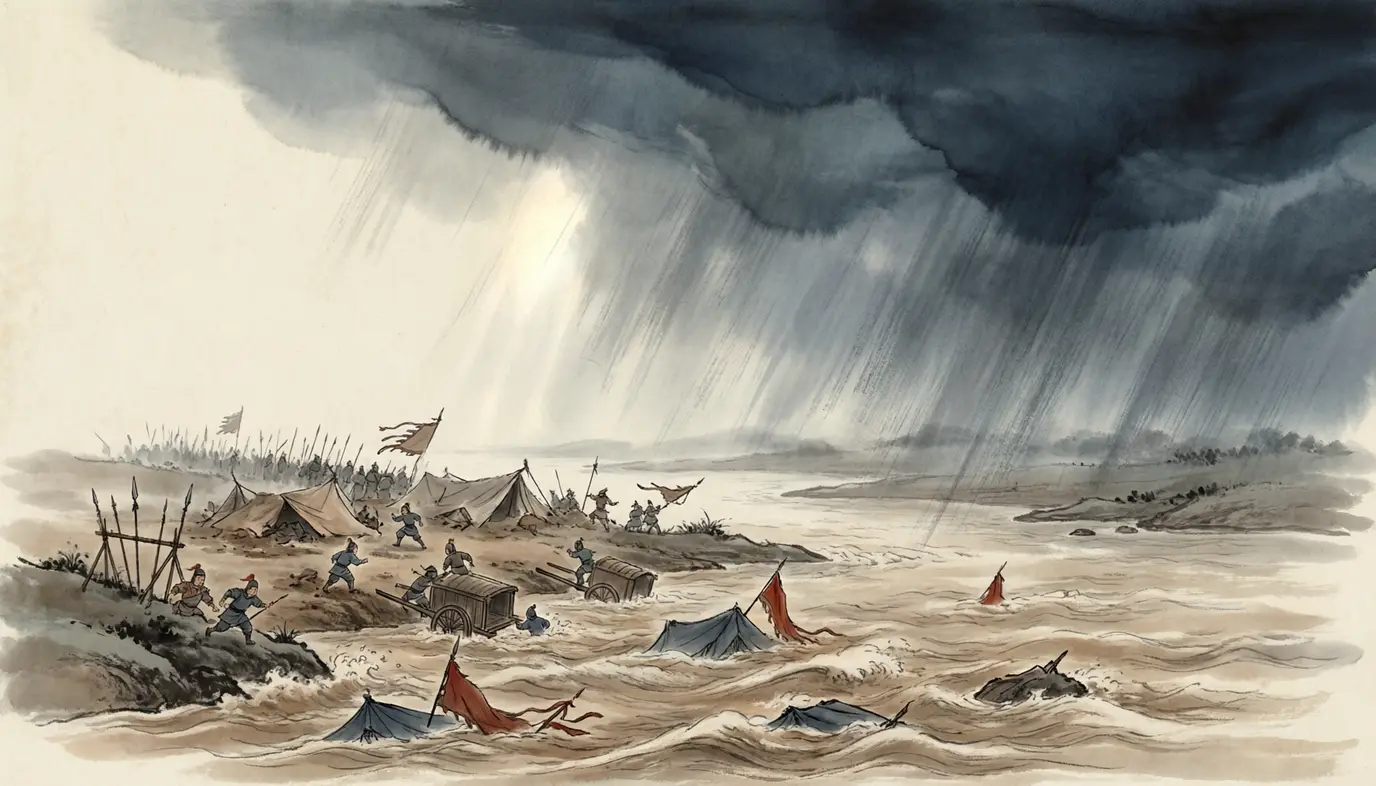
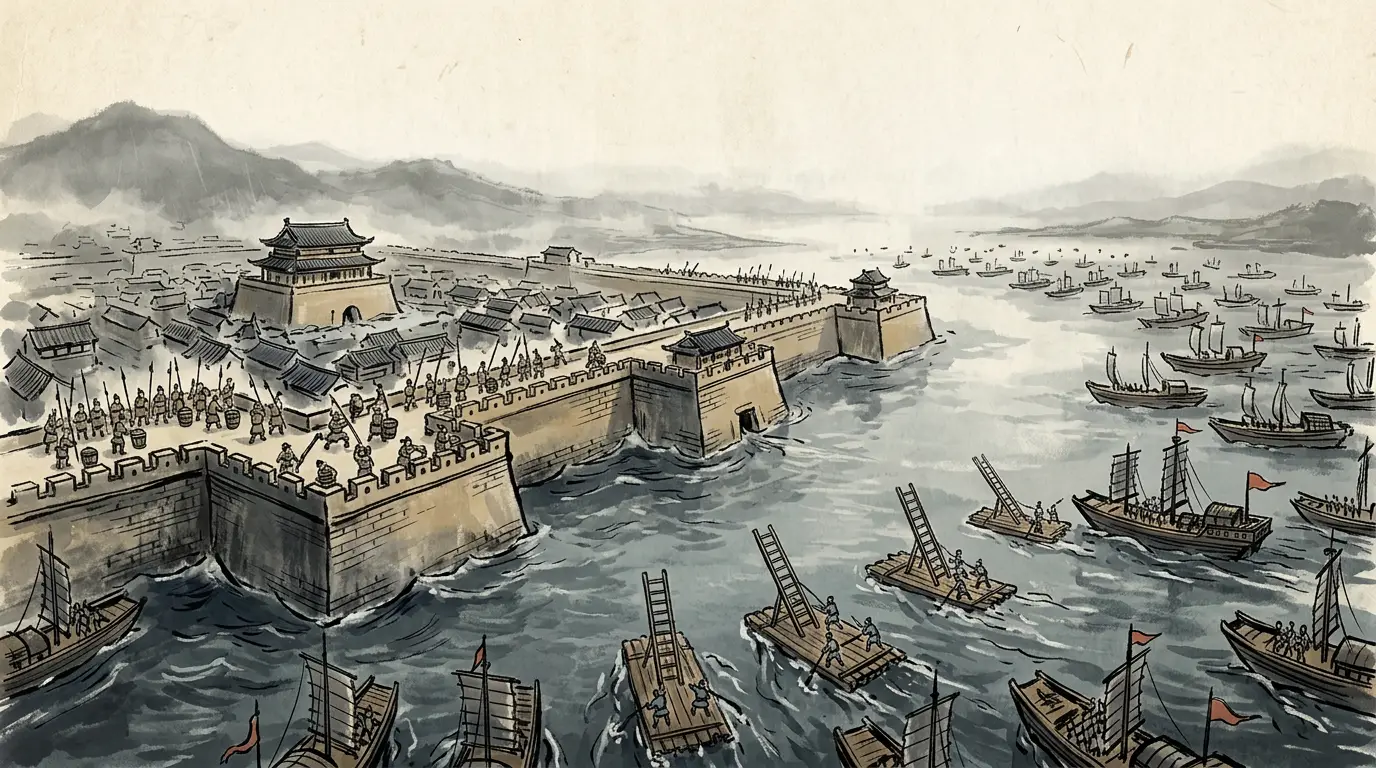
Marched on Fancheng in 219. The flood gave him seven armies and a might that shook all under heaven; the river behind him gave him nothing back.
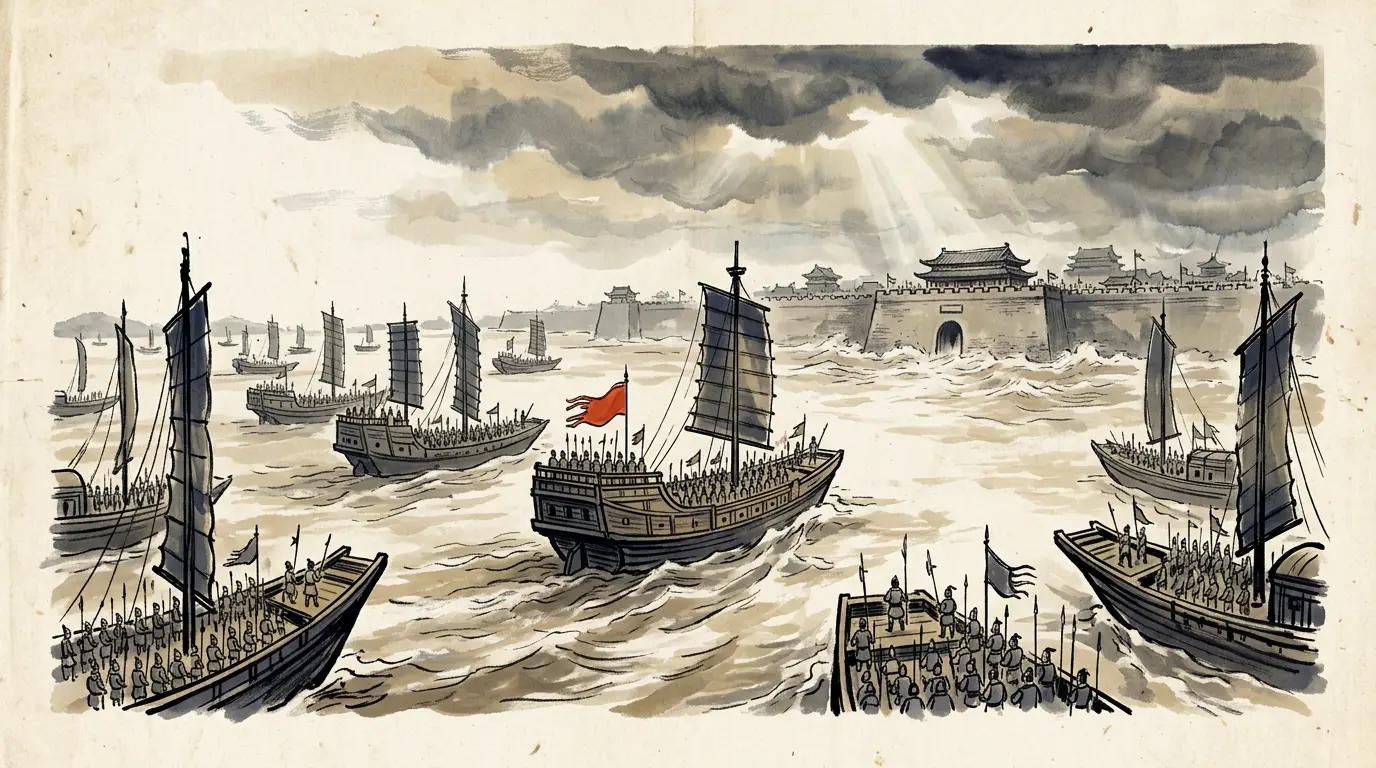
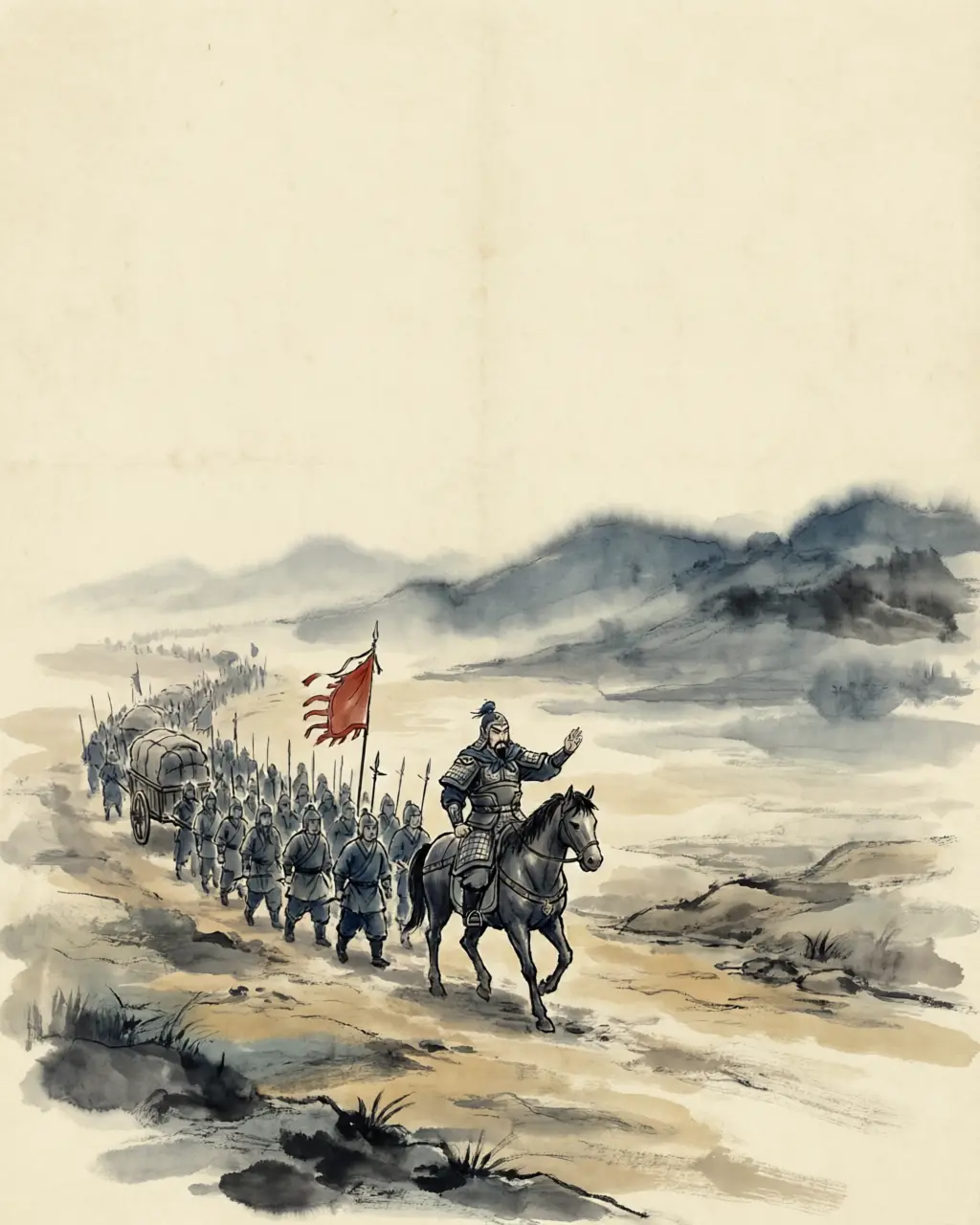
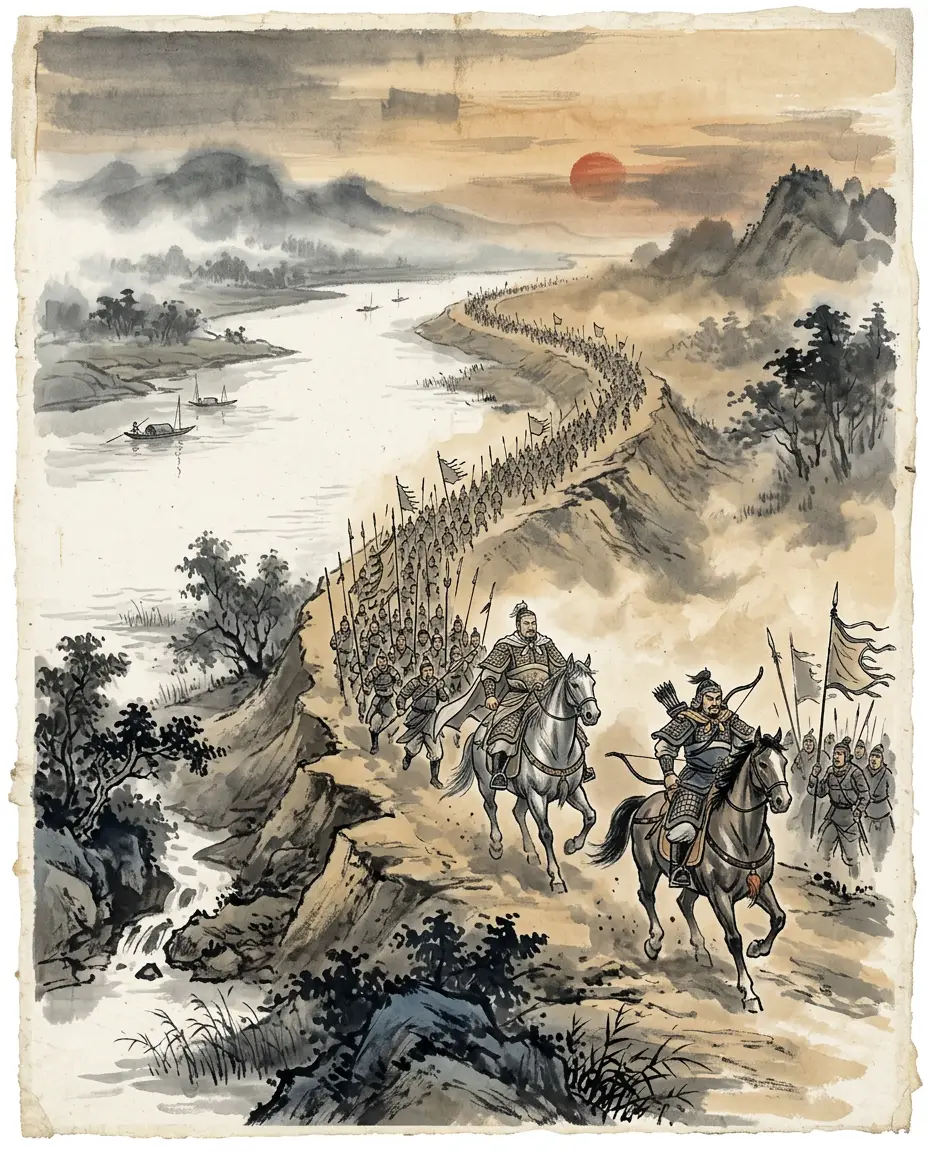
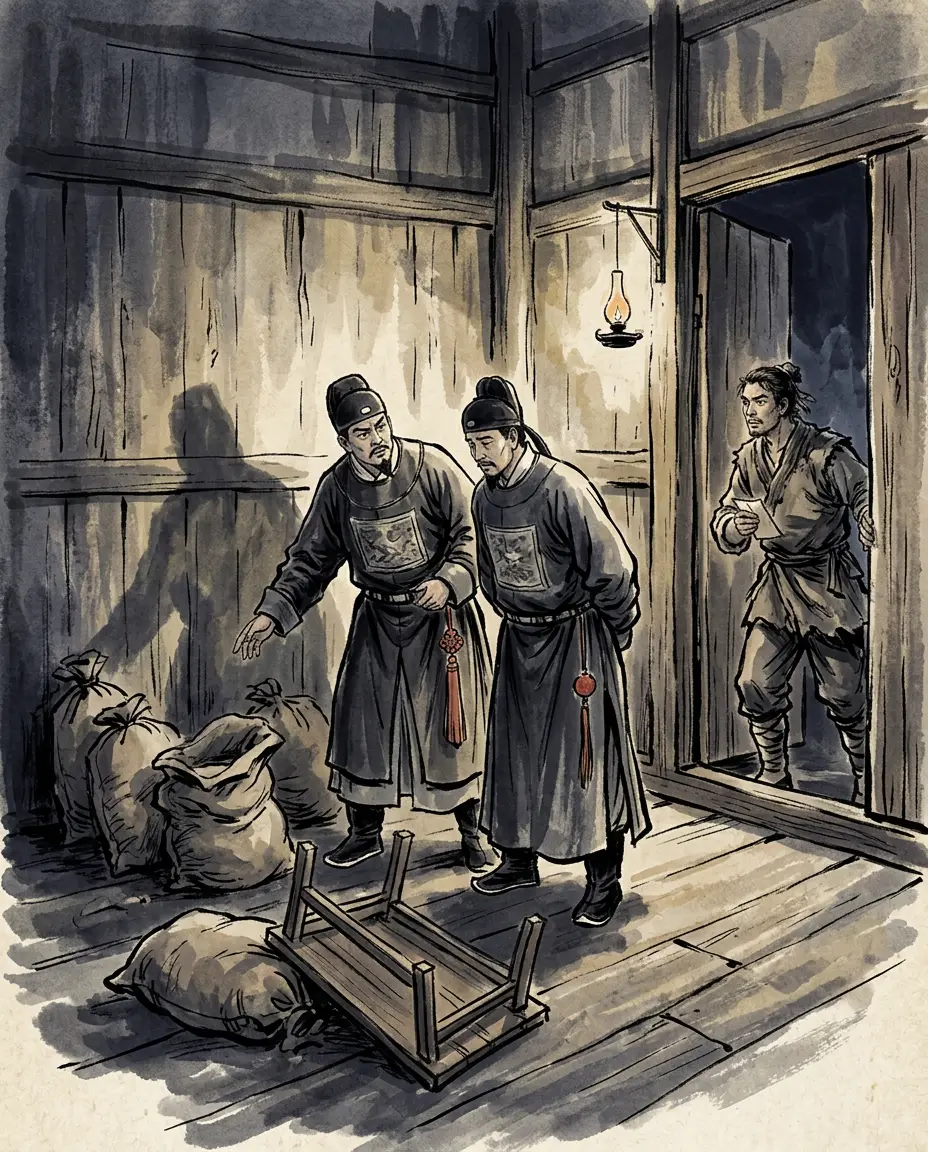
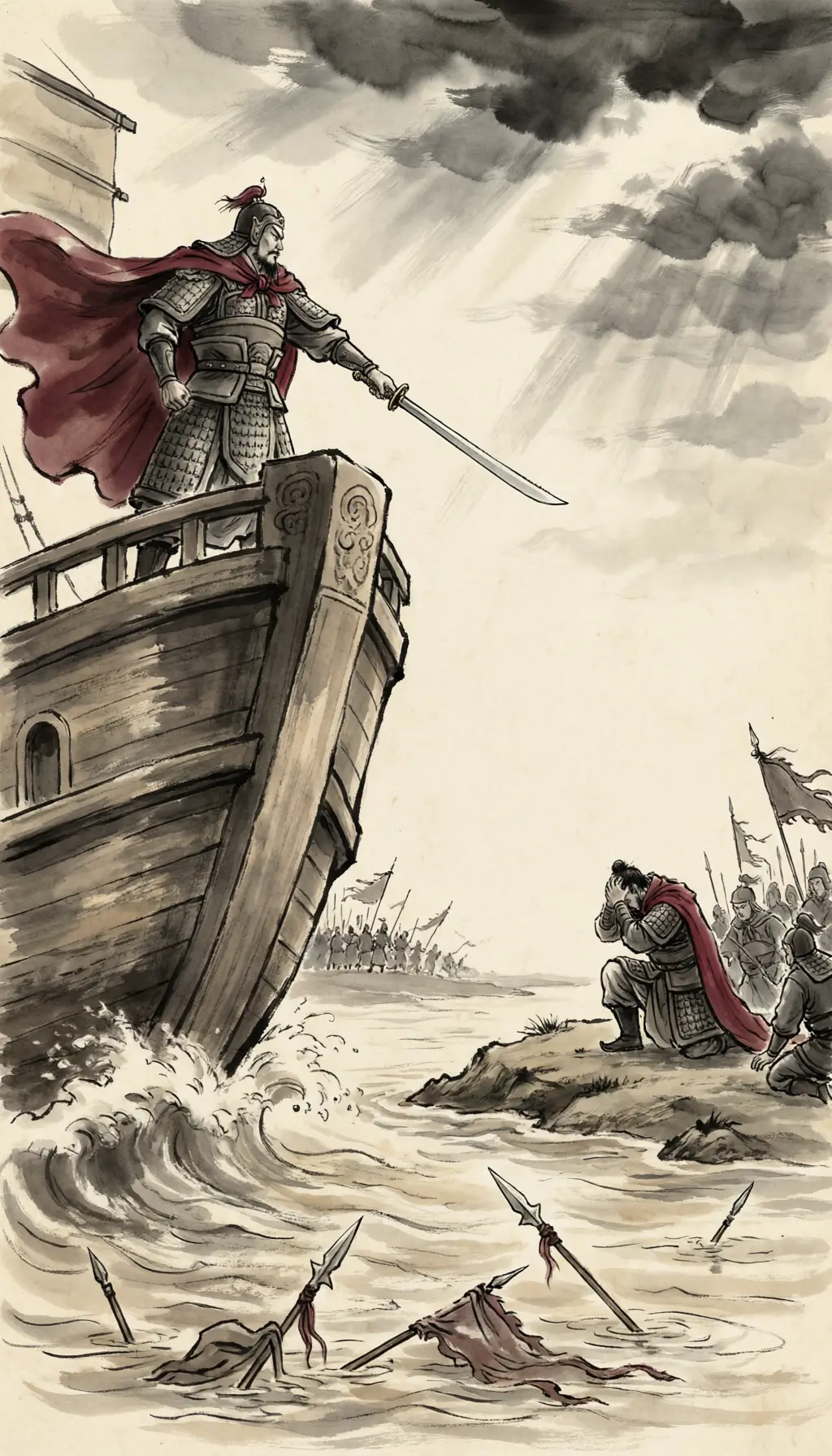
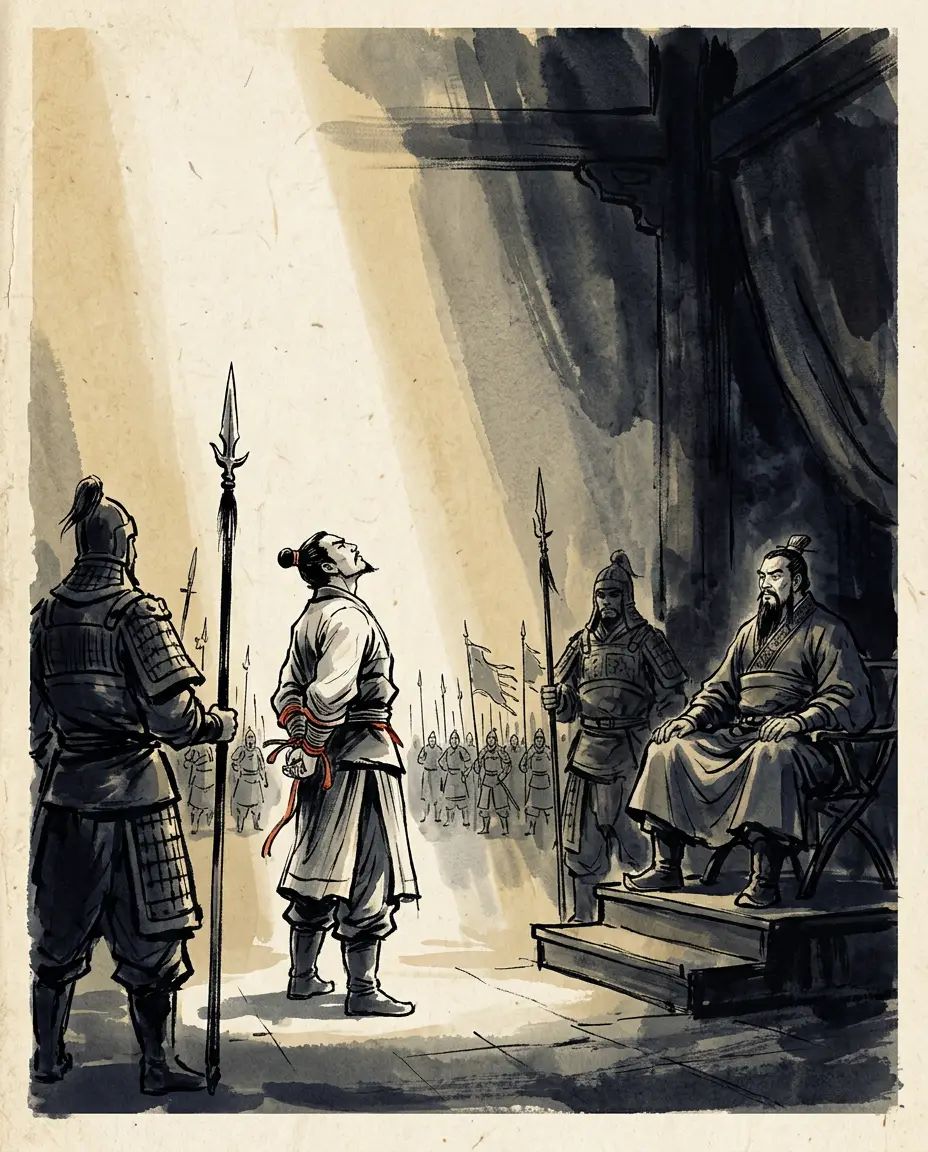
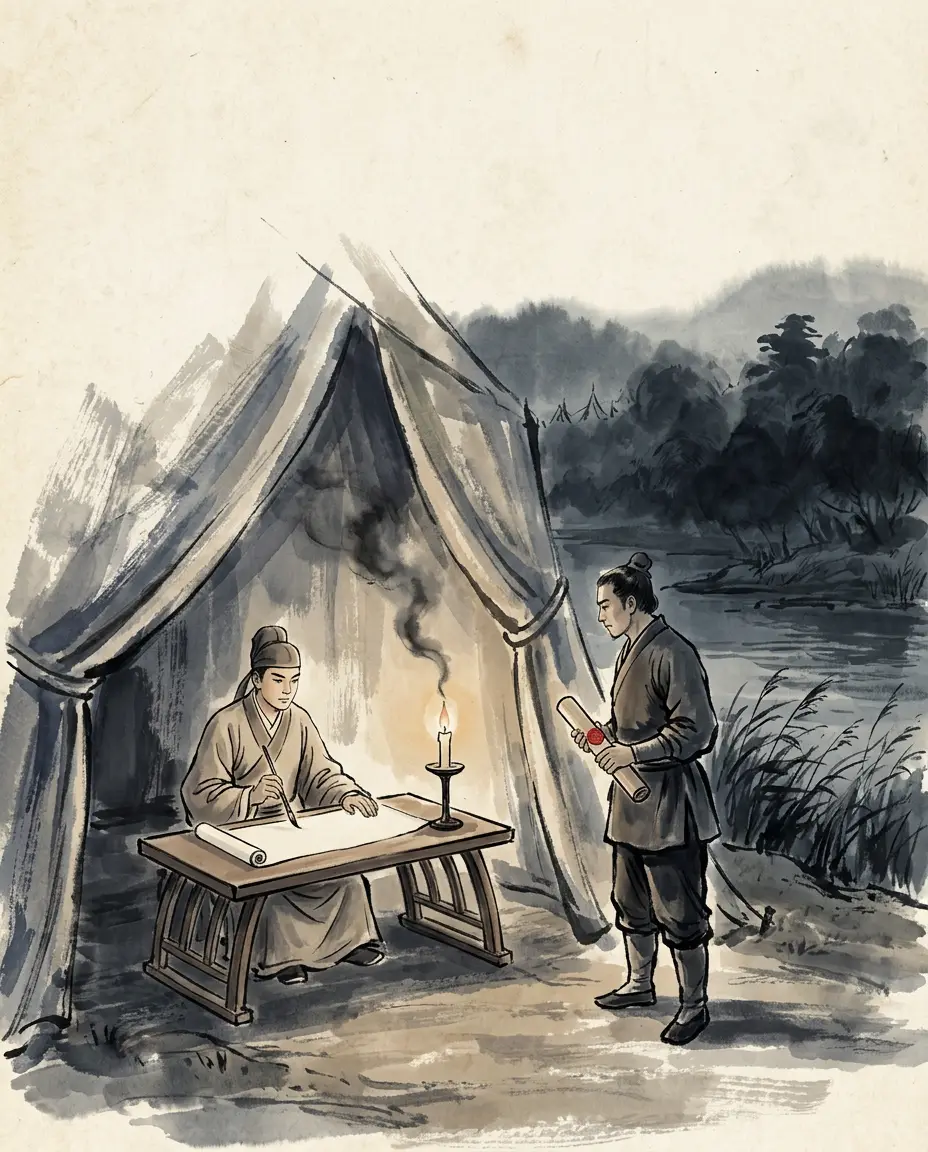
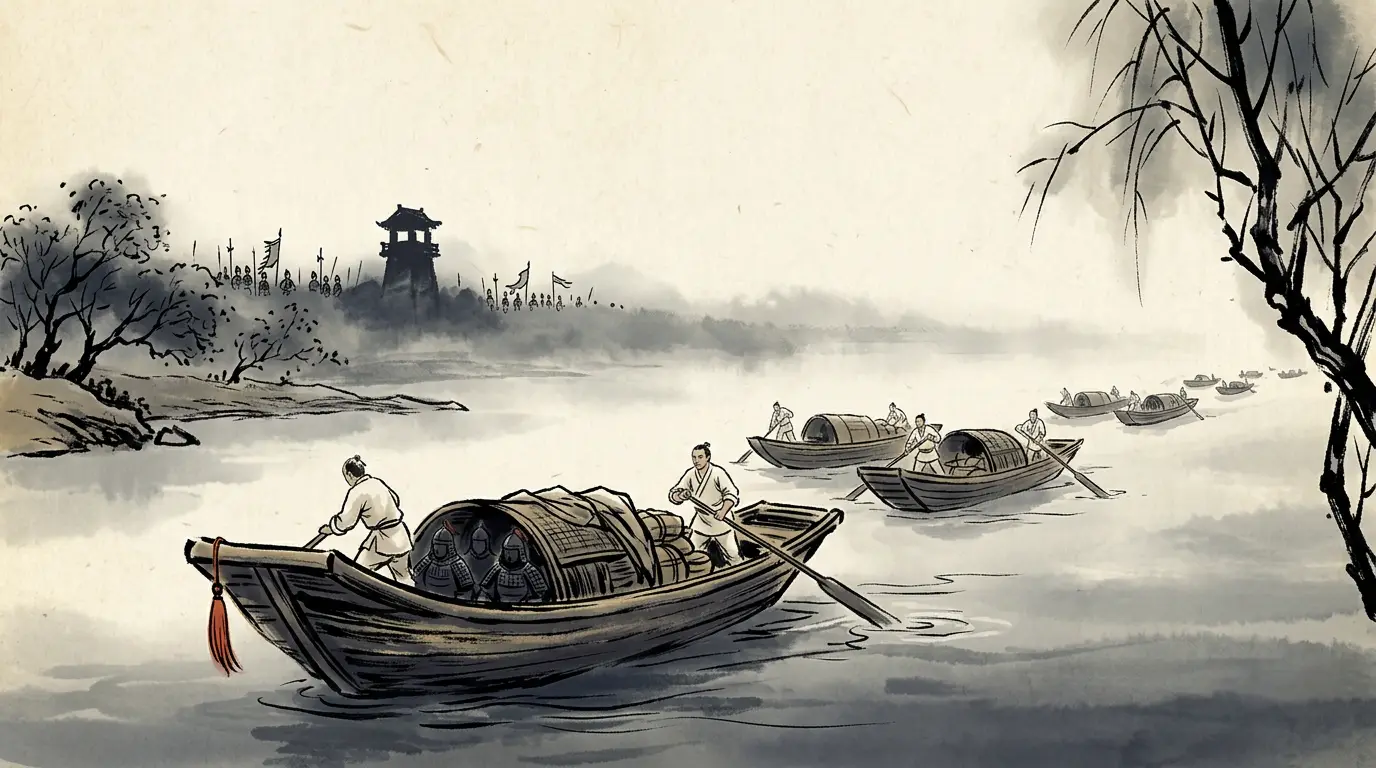
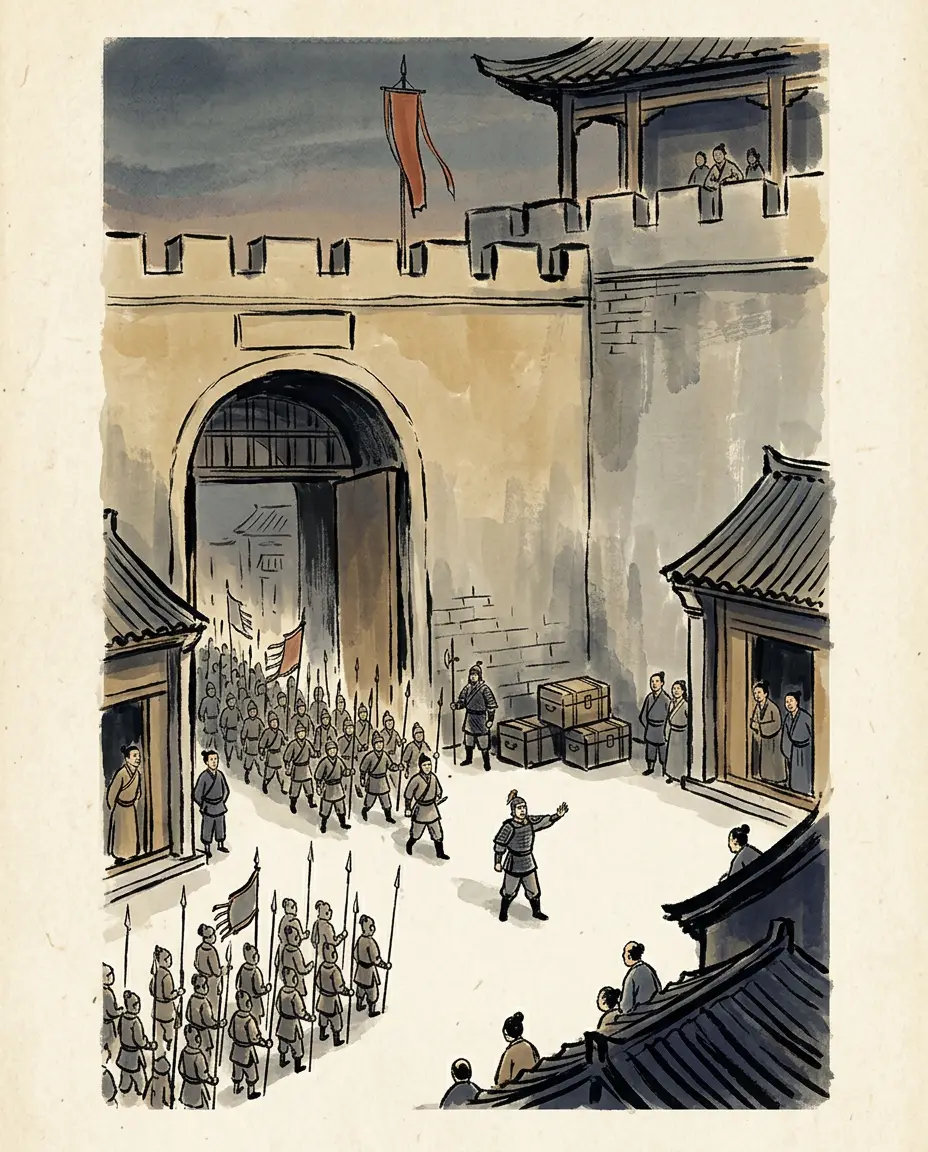
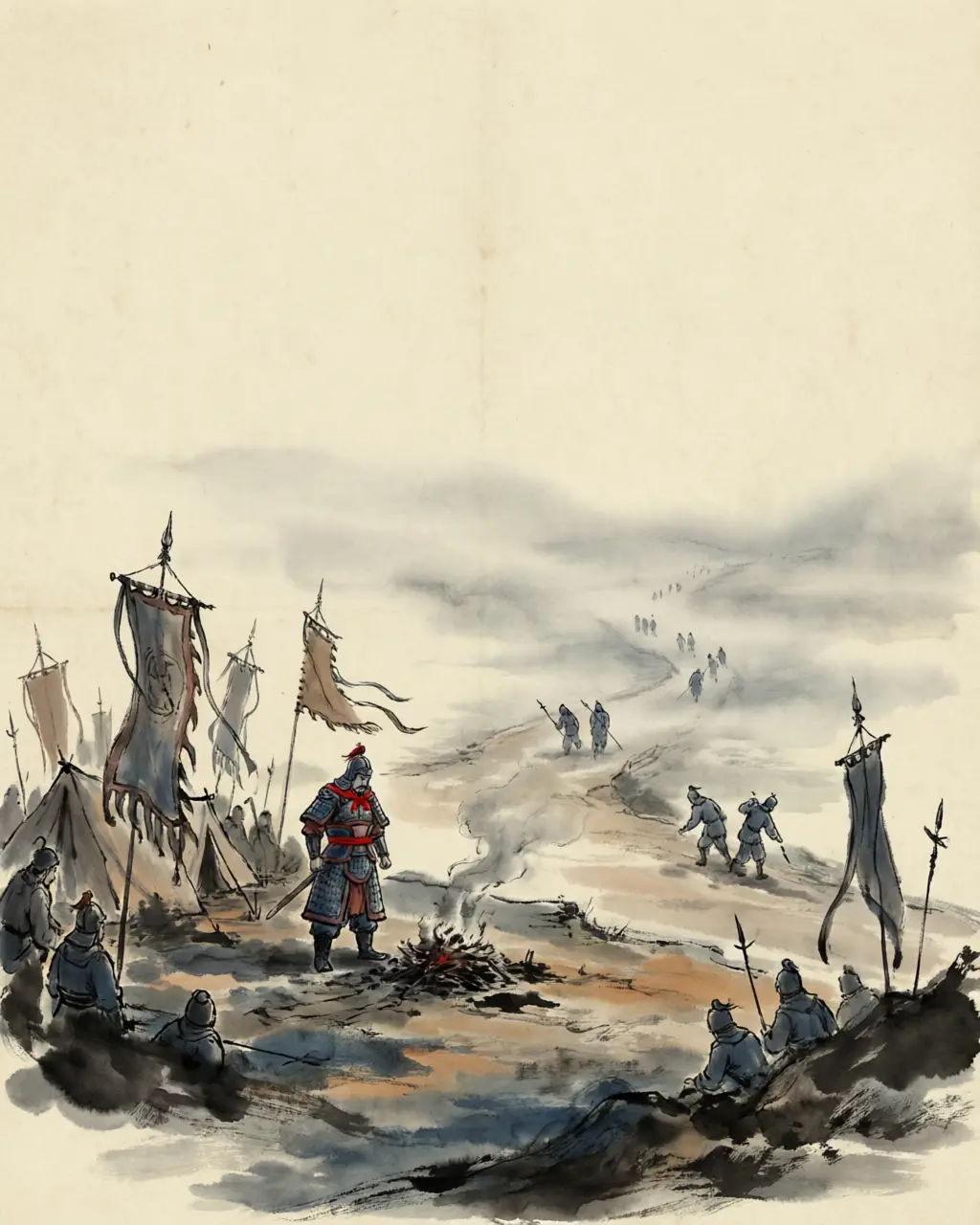
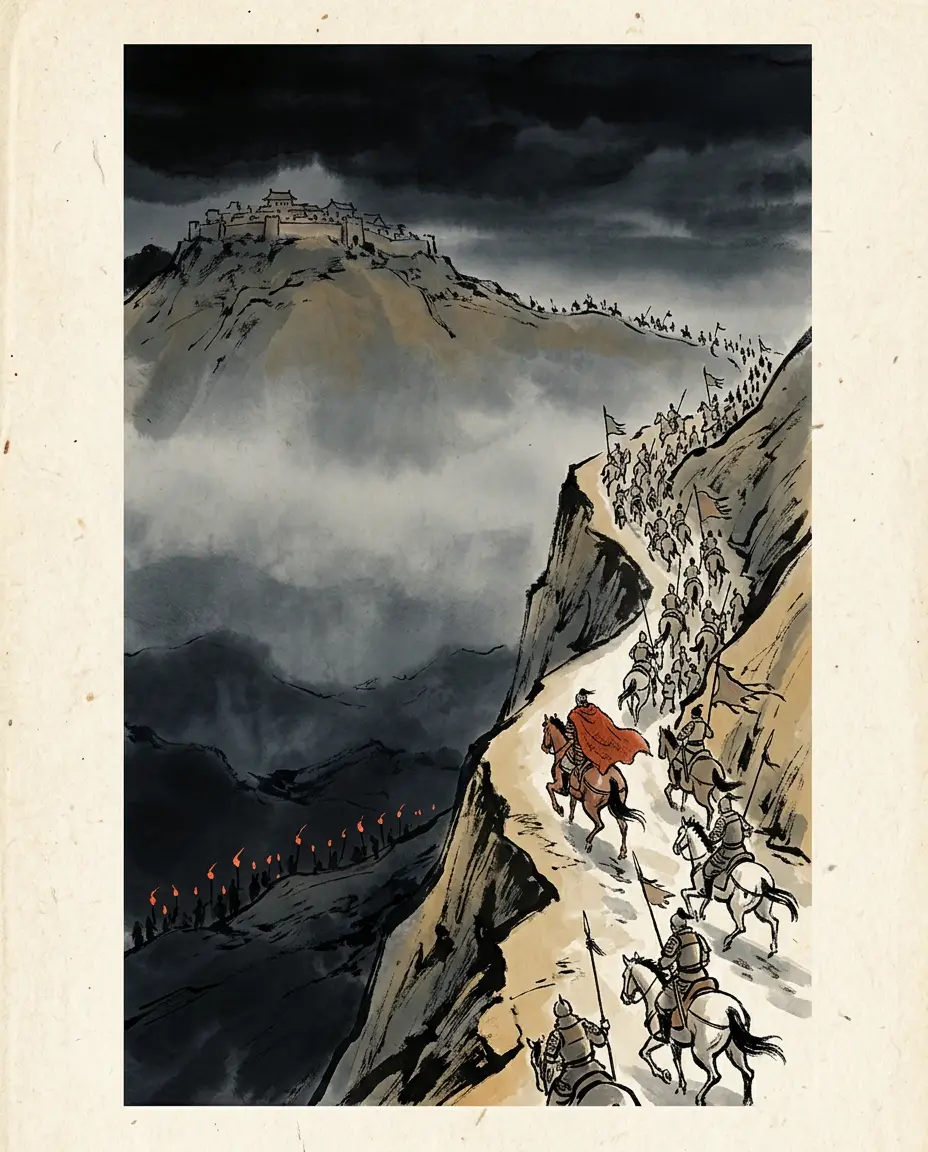
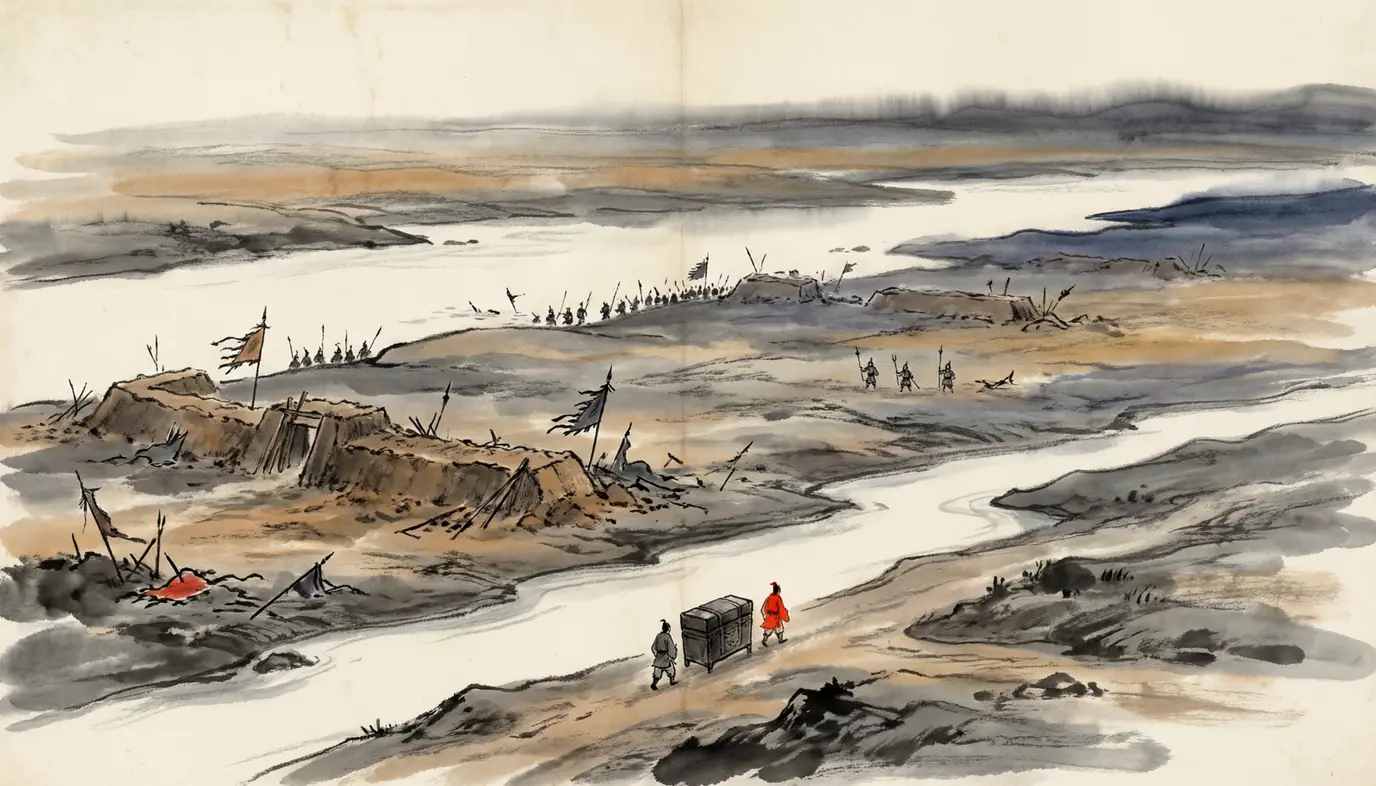
The people who carried this year. The sources disagree about almost everything else.
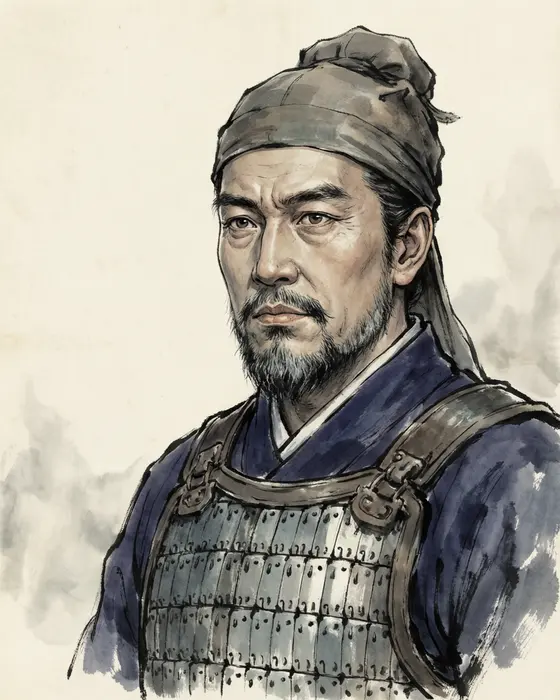
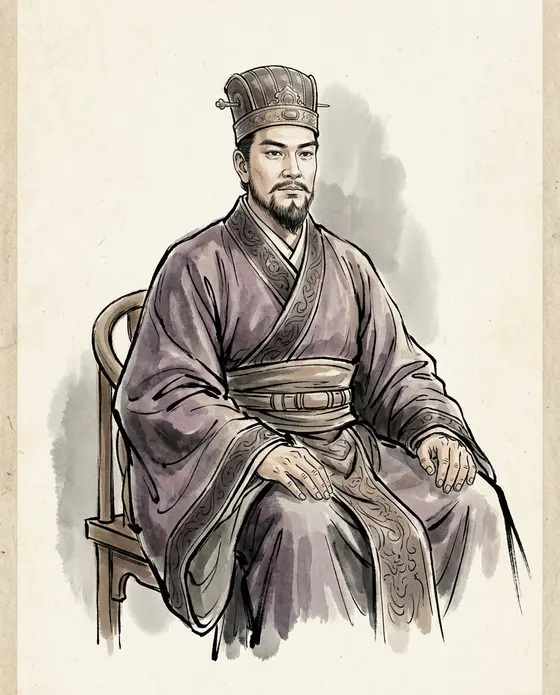
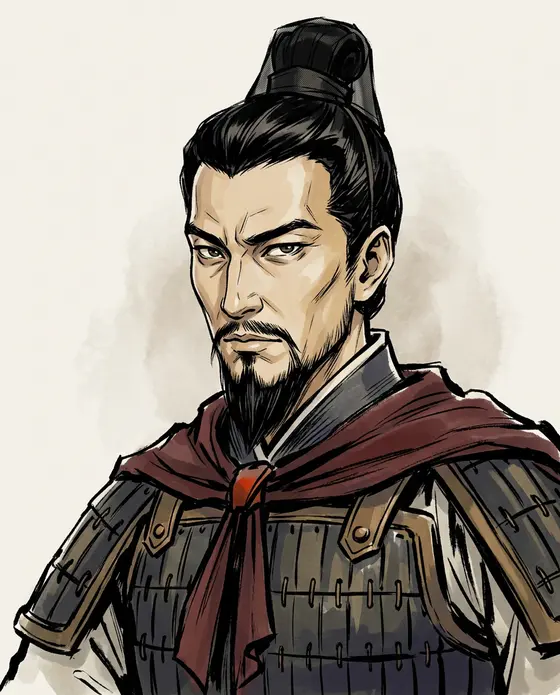
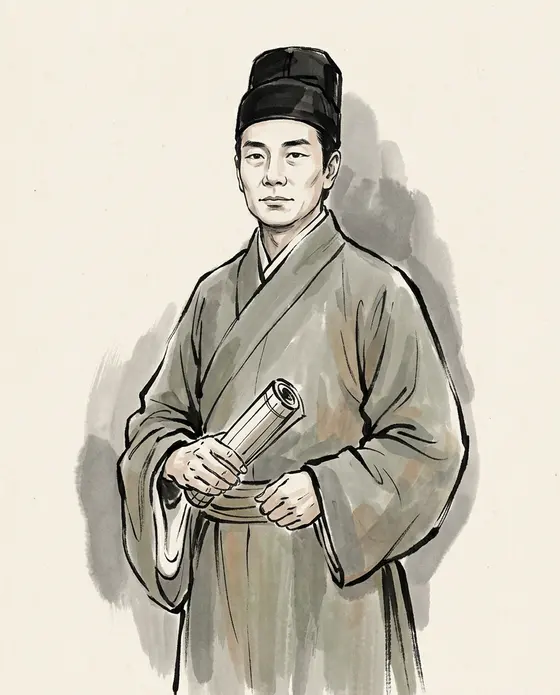
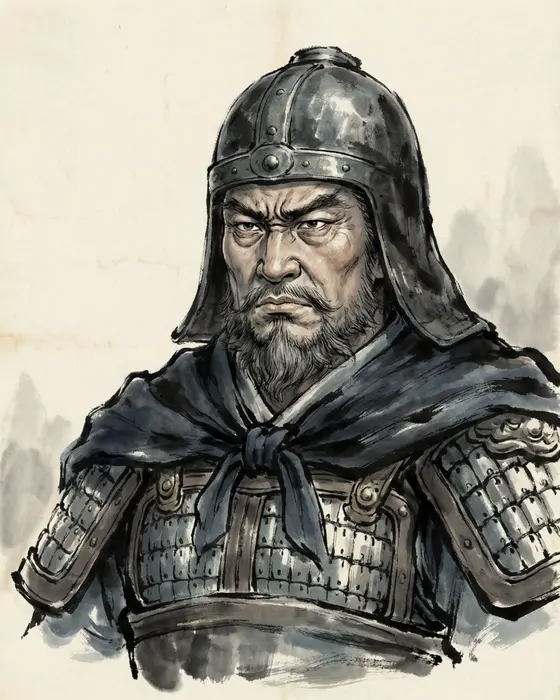
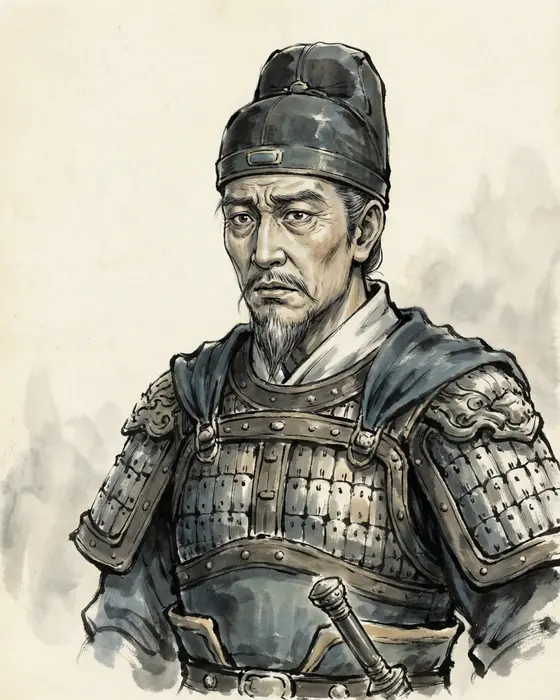
The novel Romance of the Three Kingdoms is a masterpiece — and not a source. Where its famous scenes depart from the histories, we leave them out of the story and put them here.
Guan Yu released Cao Cao at the Huarong Trail, repaying an old kindness.
The scene is the novel's, and it is in the wrong war: Huarong belongs to the retreat from Red Cliff in 208, eleven years before Fancheng, and Guan Yu is nowhere in the record of it. What the sources give is that Liu Bei reached the trail after Cao Cao had passed, tried to pursue, and missed him; Cao Cao himself is quoted laughing that Liu Bei was his equal but slow to plan.
The single-blade meeting was Guan Yu's feat: he went alone into Wu's camp and overawed them.
The meeting happened in 215, over the commanderies of southern Jing, and the bold one in the histories is Lu Su. It was Lu Su who invited the parley with only the two commanders carrying single blades, and Lu Su who dressed Guan Yu down over the disputed commanderies while the armies sat a hundred paces off. The novel turned the guest into the host of the courage.
Guan Yu loosed the waters himself and drowned the seven armies by design.
The flood is in the record as weather: autumn rains, the Han River over its banks, fathoms of water on the level ground — and Yu Jin's biography says not a word of dams or diversions. What was Guan Yu's was the exploitation: he kept ships, the camps had none, and he attacked the drowned army from the water. The skill needs no sorcery; the record gives it better.
Hua Tuo scraped the poison from Guan Yu's bone while he played chess.
The bone-scraping is real and in Guan Yu's biography: an arrow wound gone to the bone, an arm cut open, the poison scraped out, and the patient eating and drinking through it. But the physician in the sources is nameless, and Hua Tuo was already dead — killed by Cao Cao years before this campaign. The game of chess is the novel's addition to a scene that needed none.
Every caption and quotation in this episode traces to one of these. Where scholars disagree, the panel says so.
Before this: Episode 7 · The Heights Above the River (Hanzhong, 217–219 CE). Next: Episode 9 · The Bait at Shiting (Shiting, 228 CE). Or meet the cast, or read the chronology of the age.