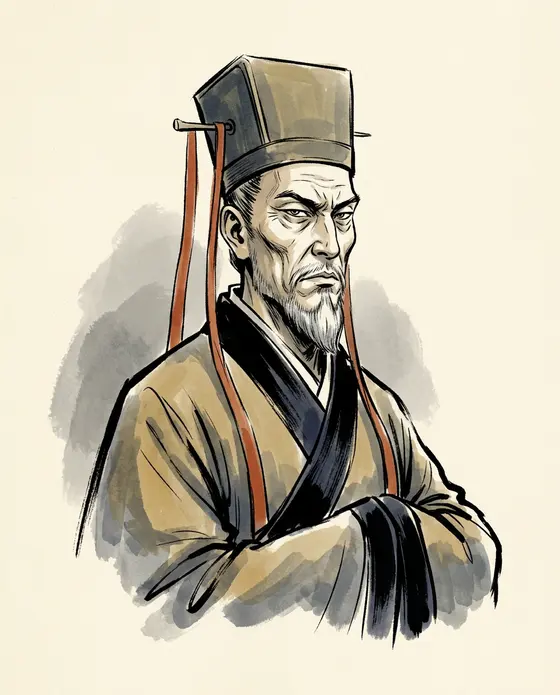
156–87 BCE
In his fifty-first year of fifty-four on the throne when the digging began. He ordered the search, fought his own heir in the streets with a letter about ox-carts, and spent his last four years unbuilding his wars.
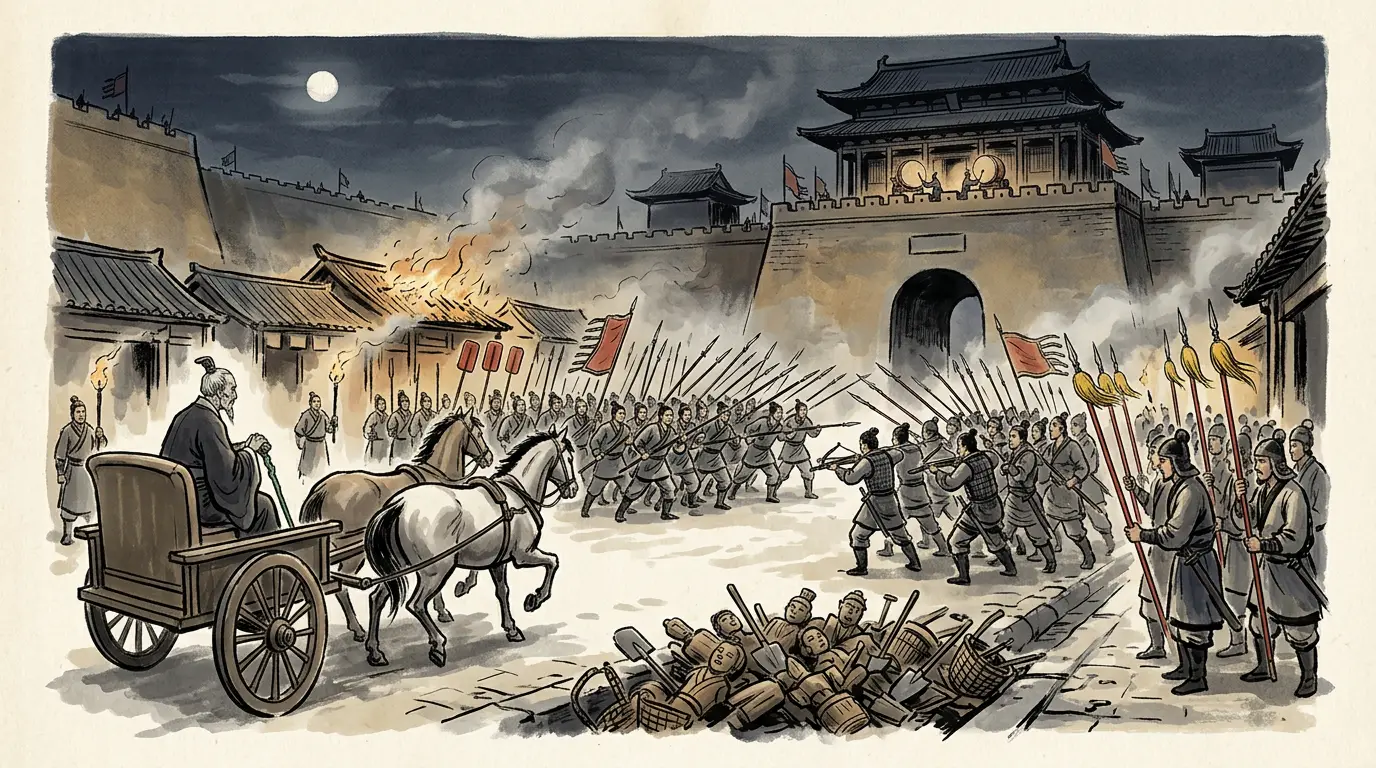
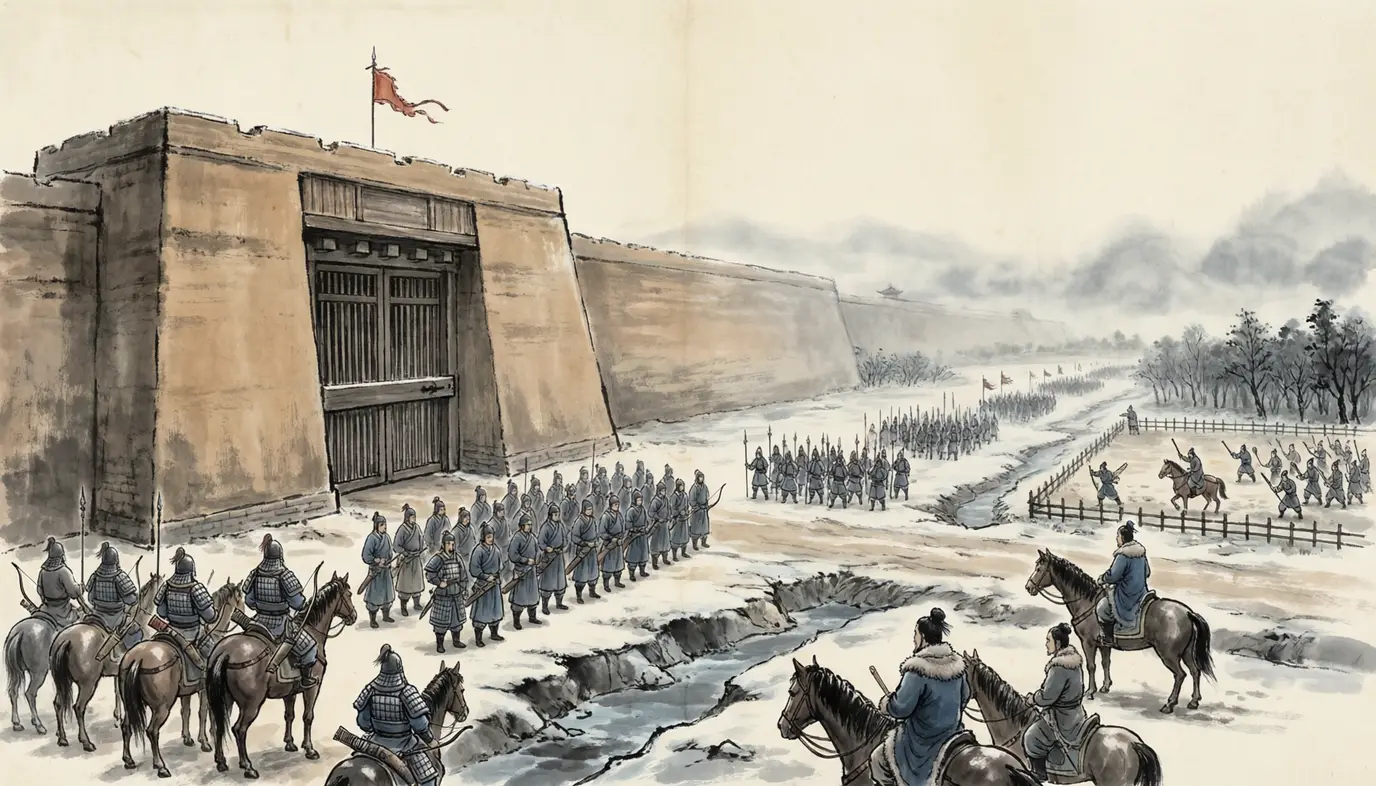
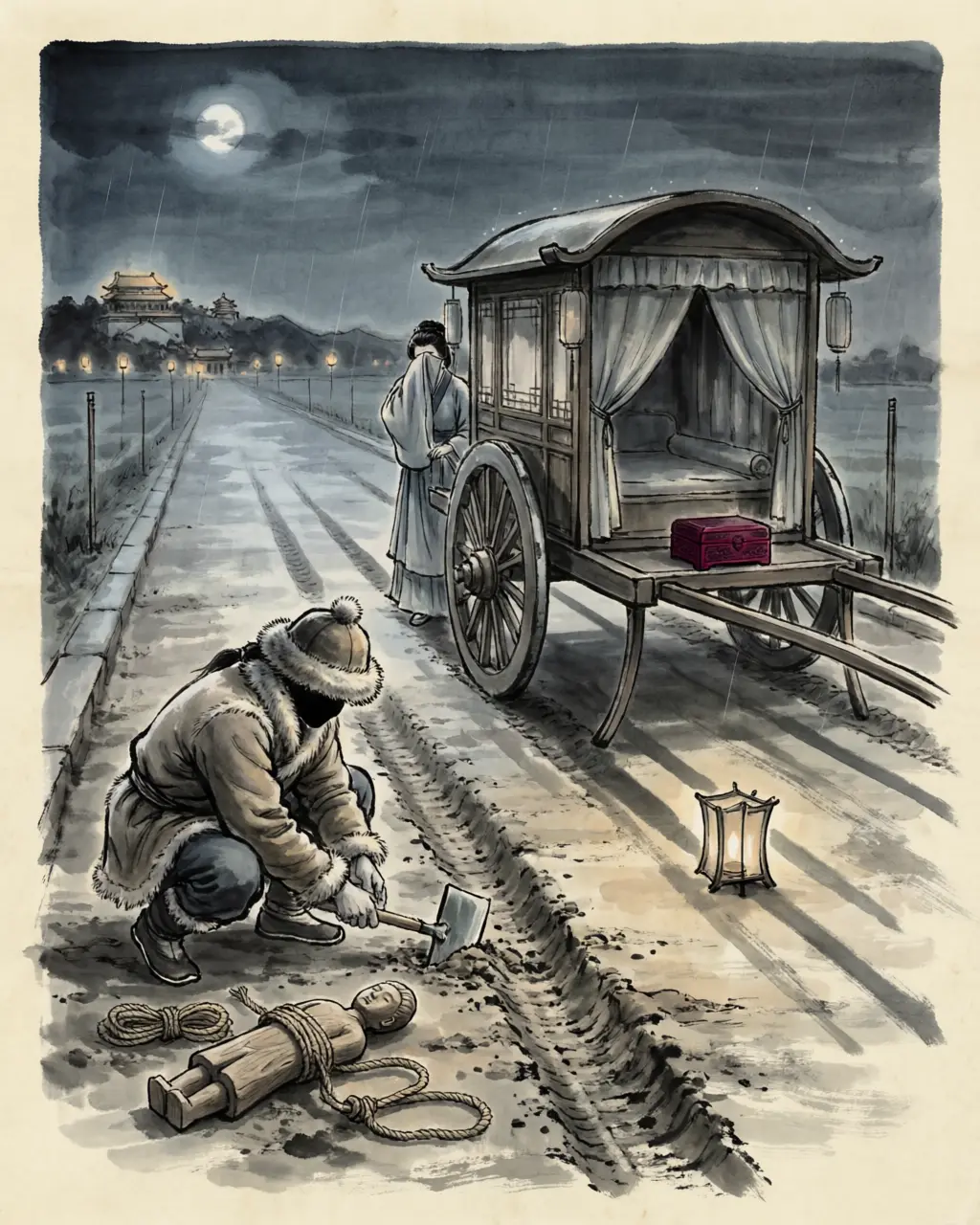
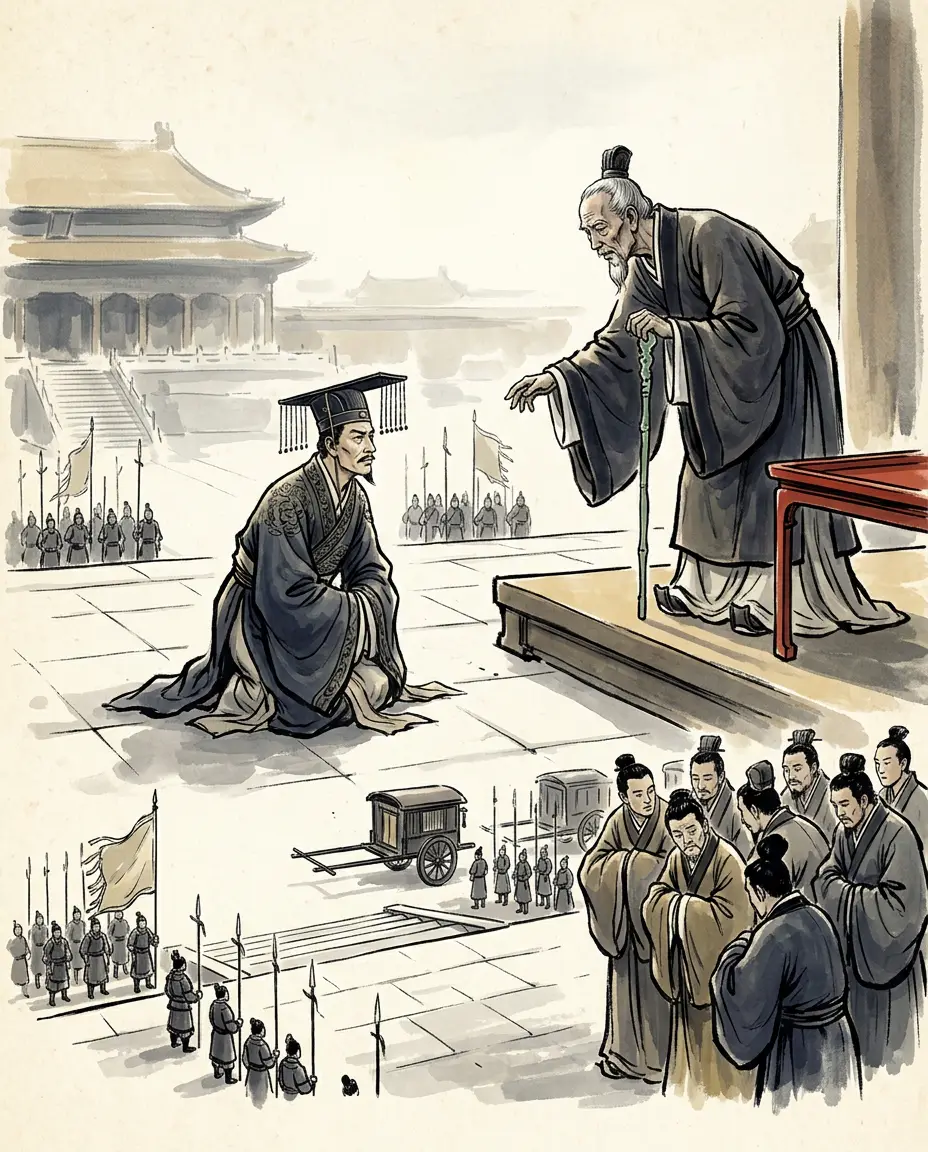
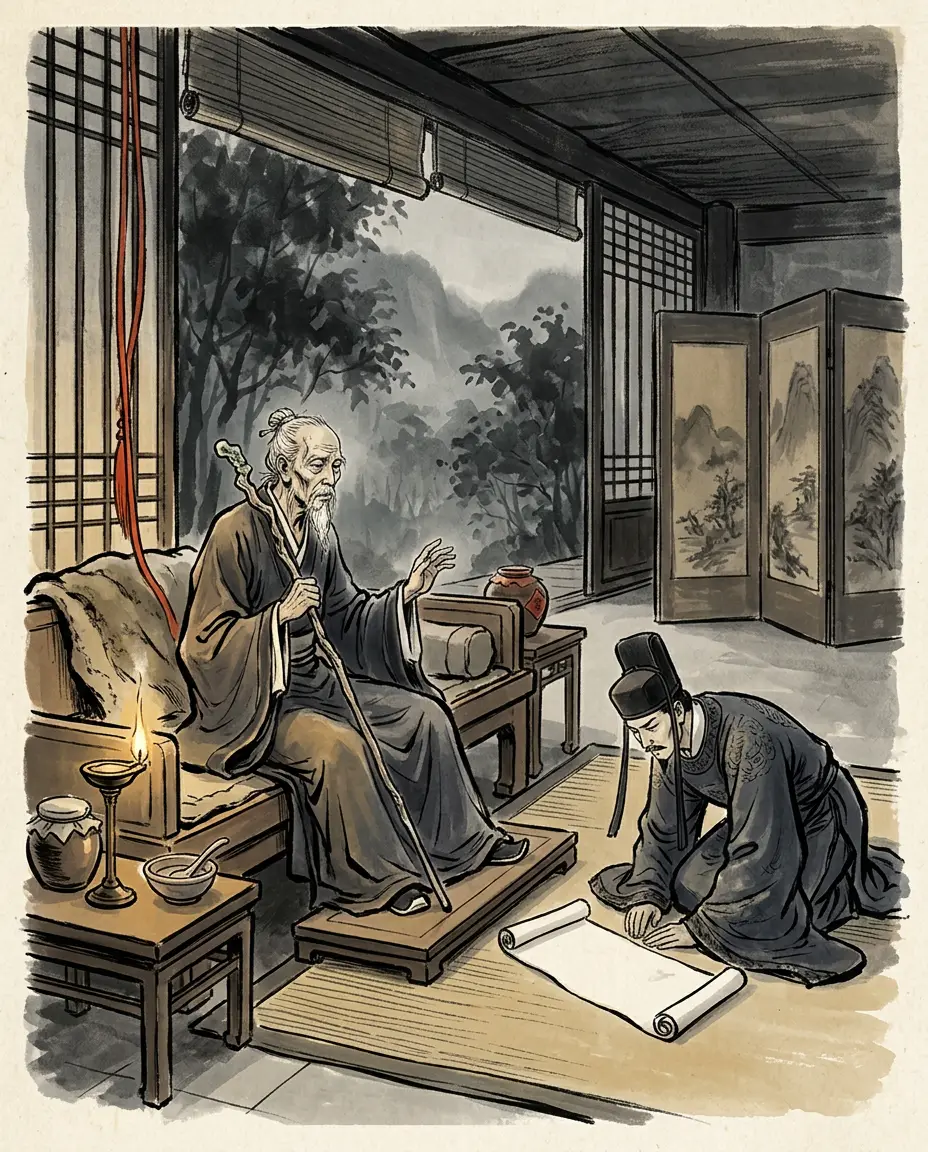
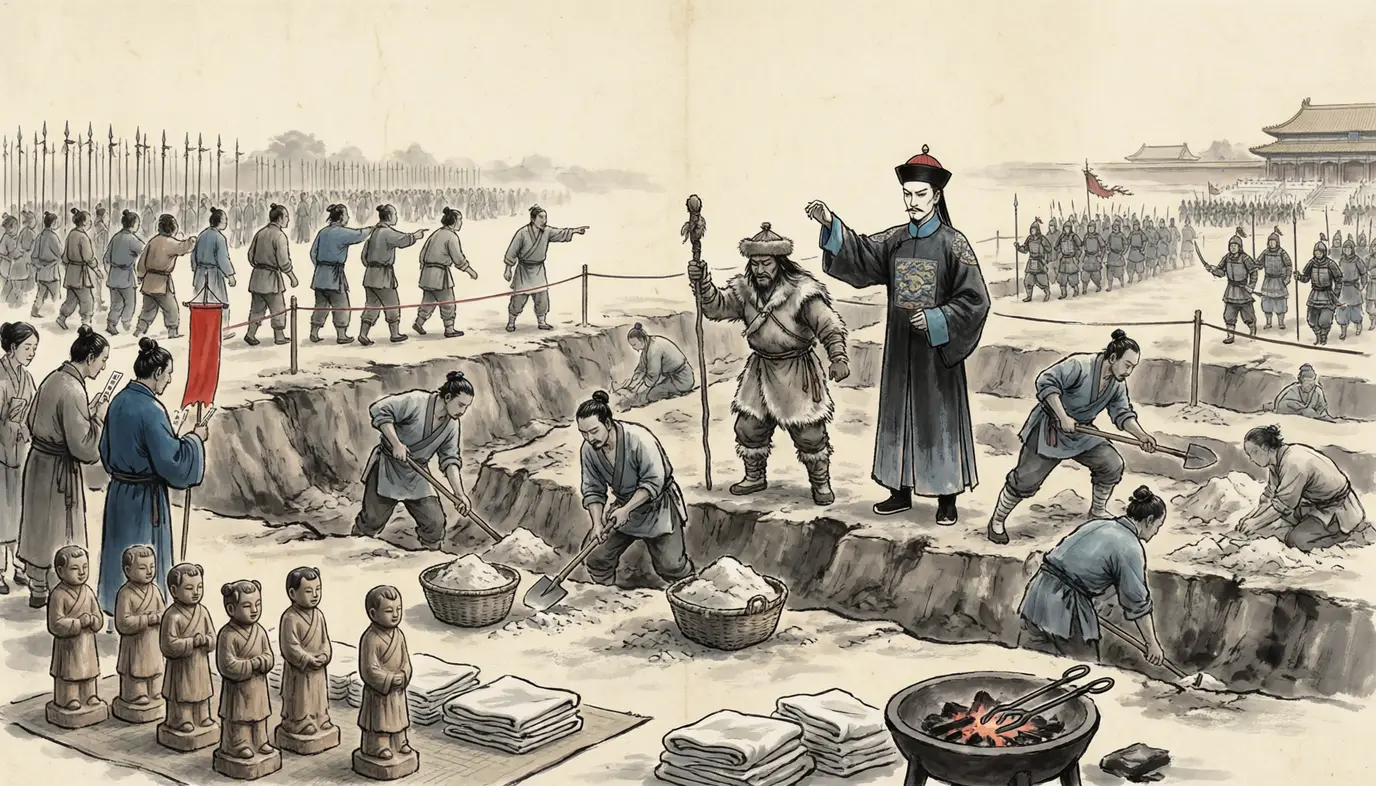
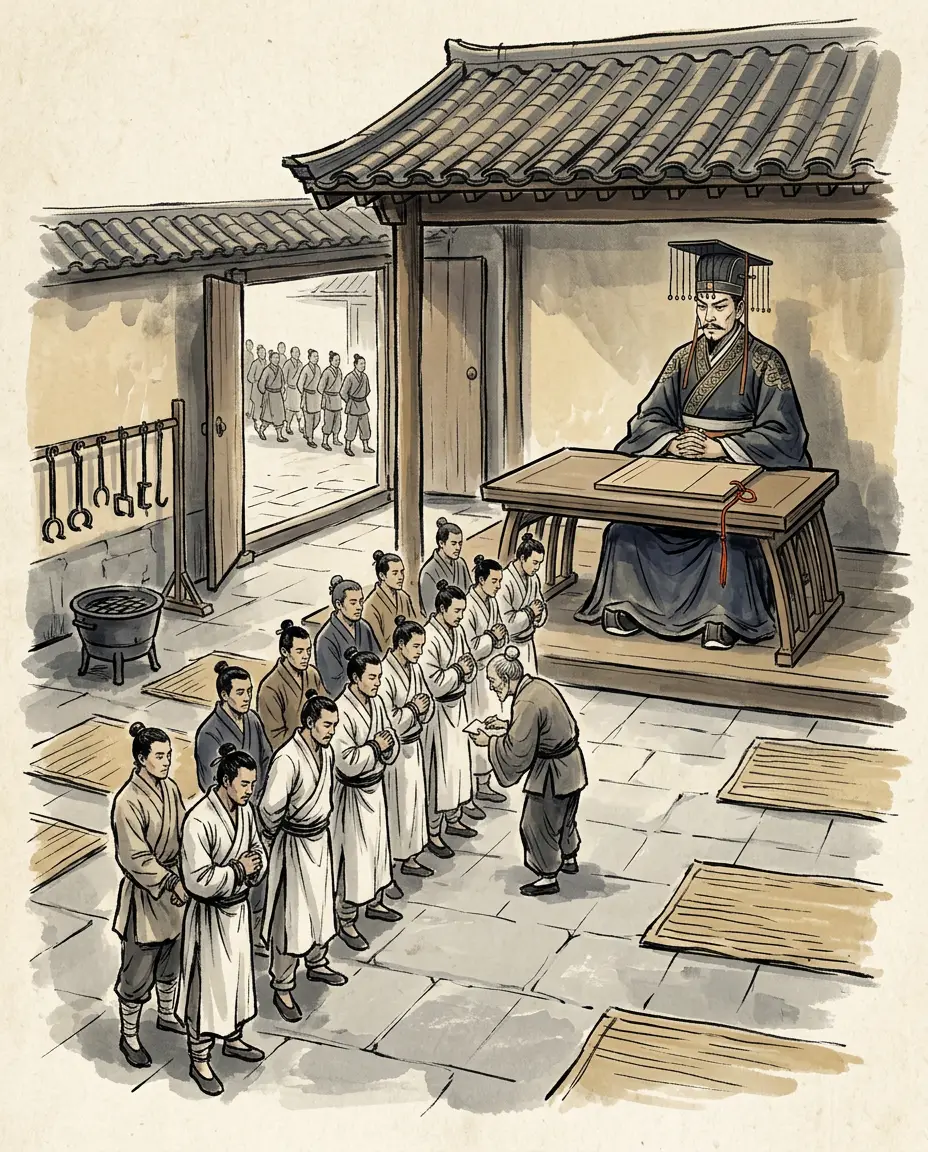
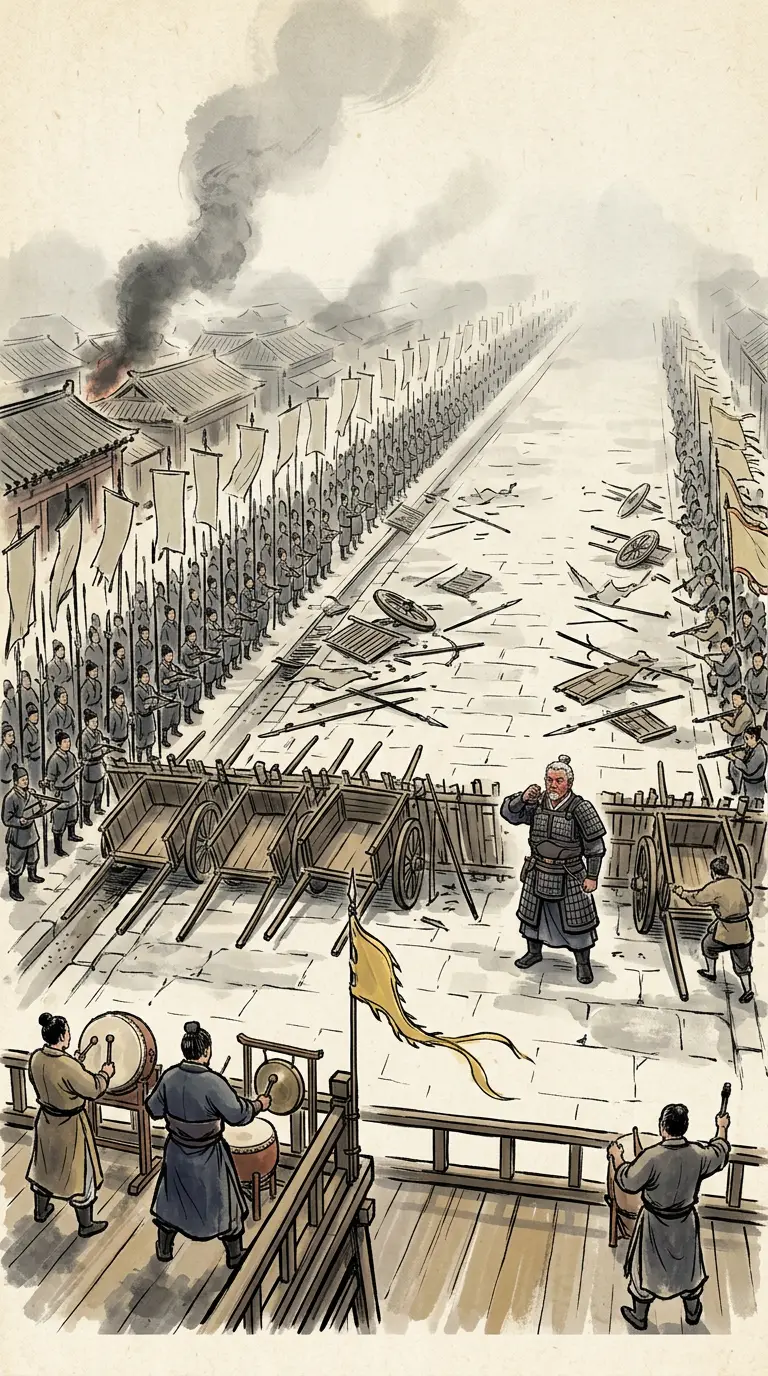
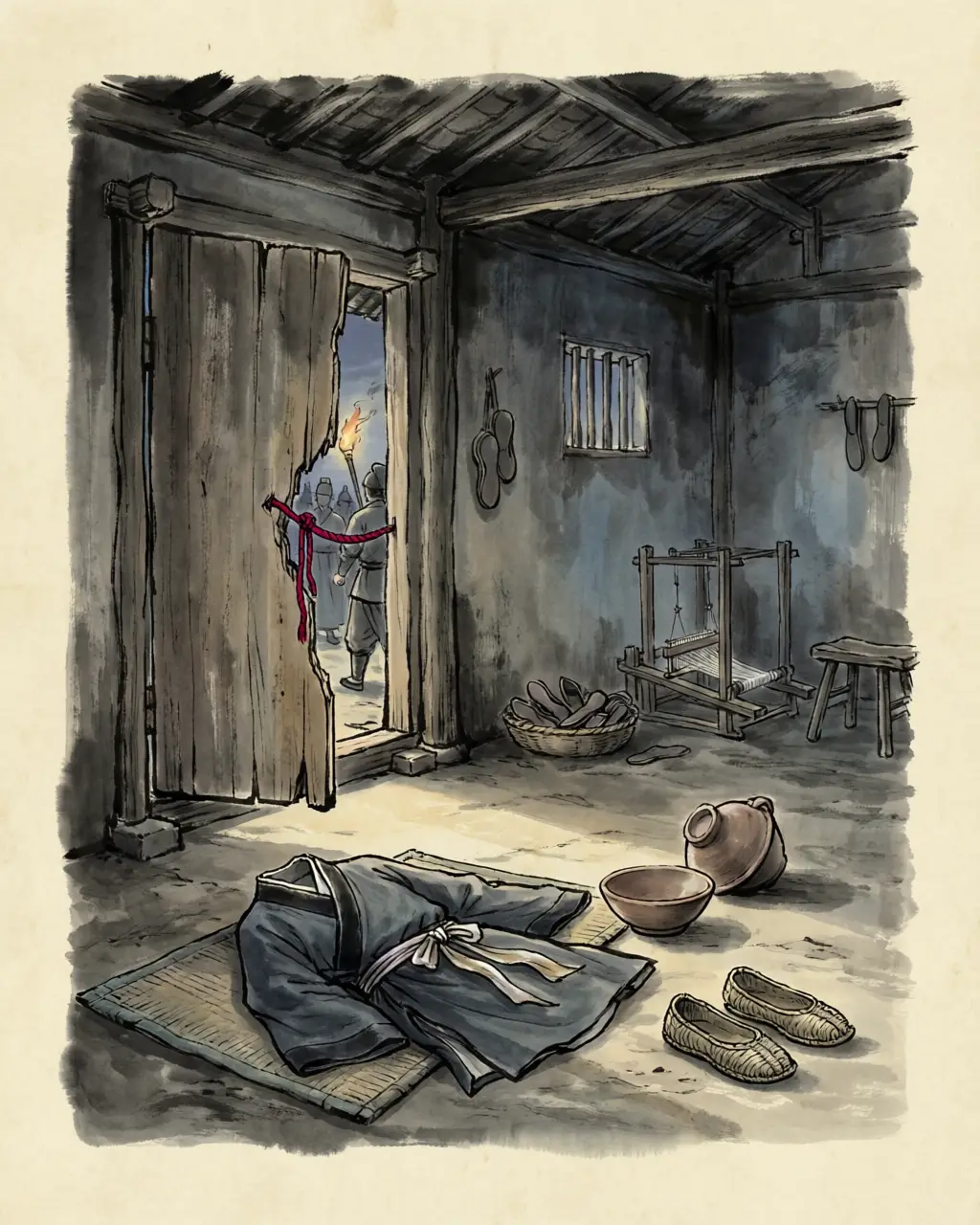
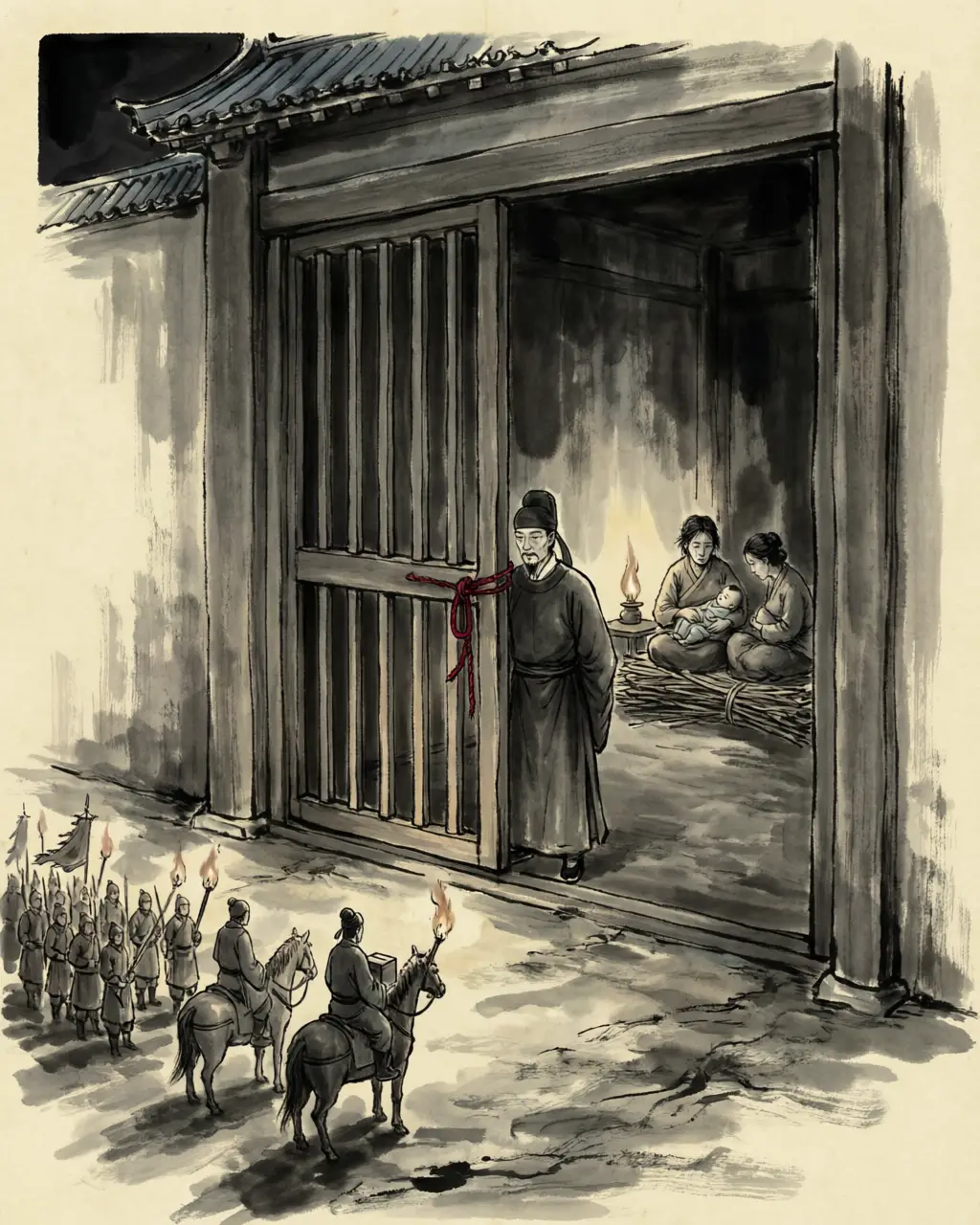
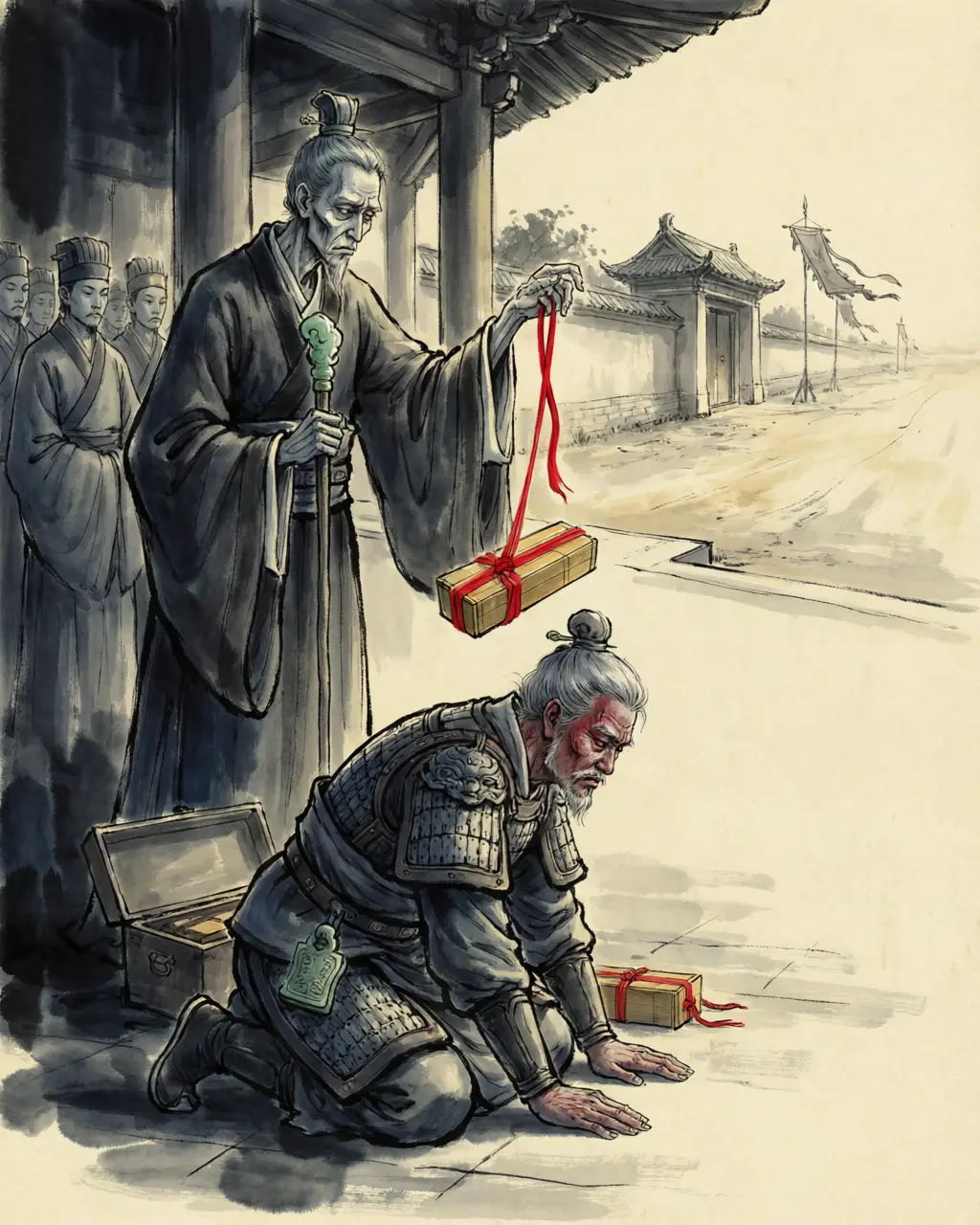
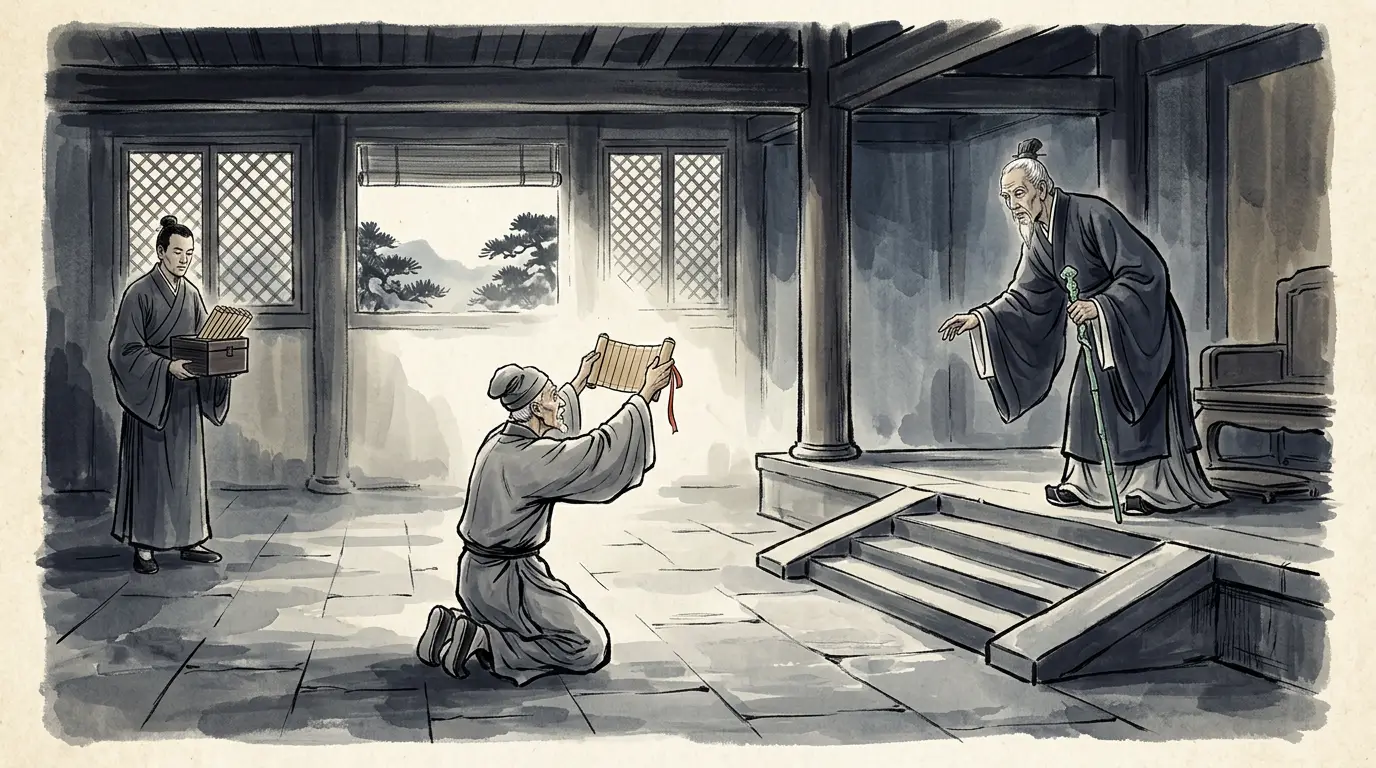
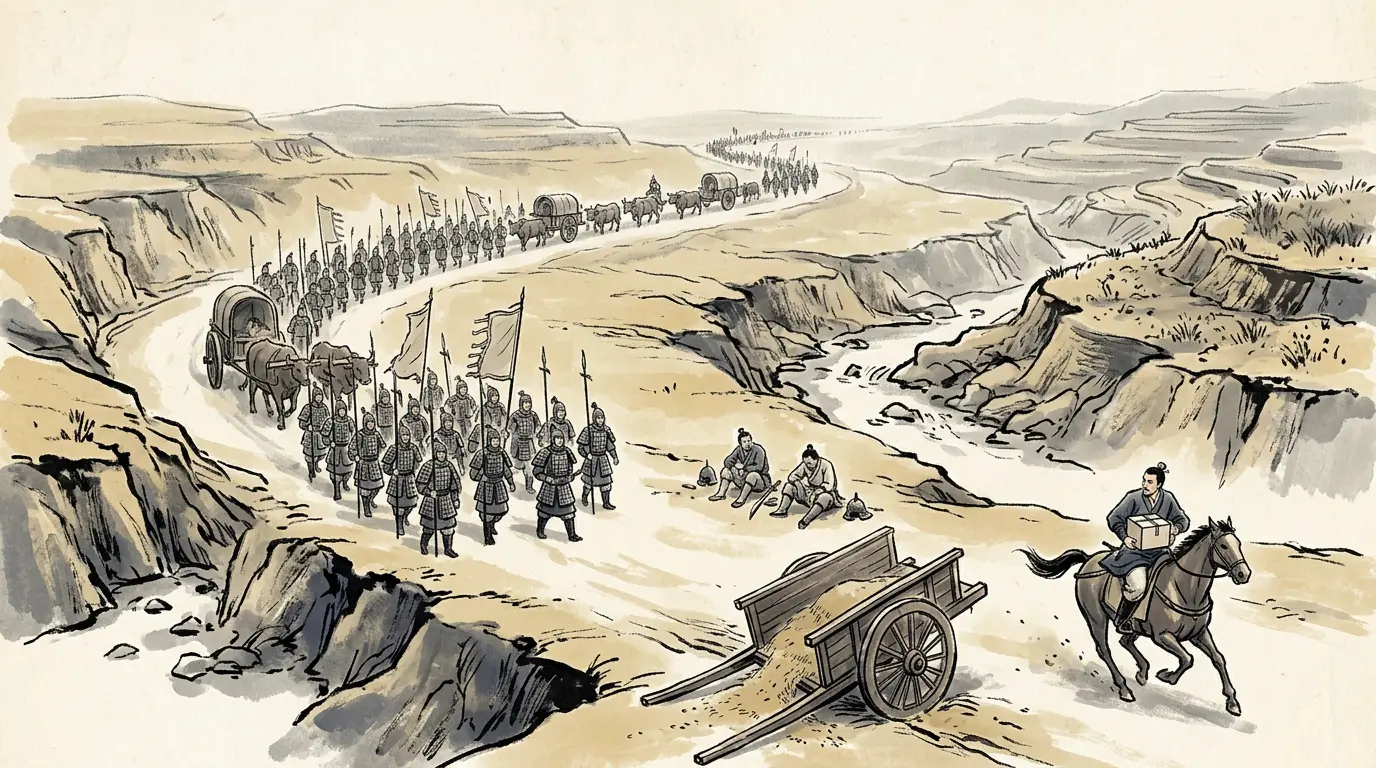
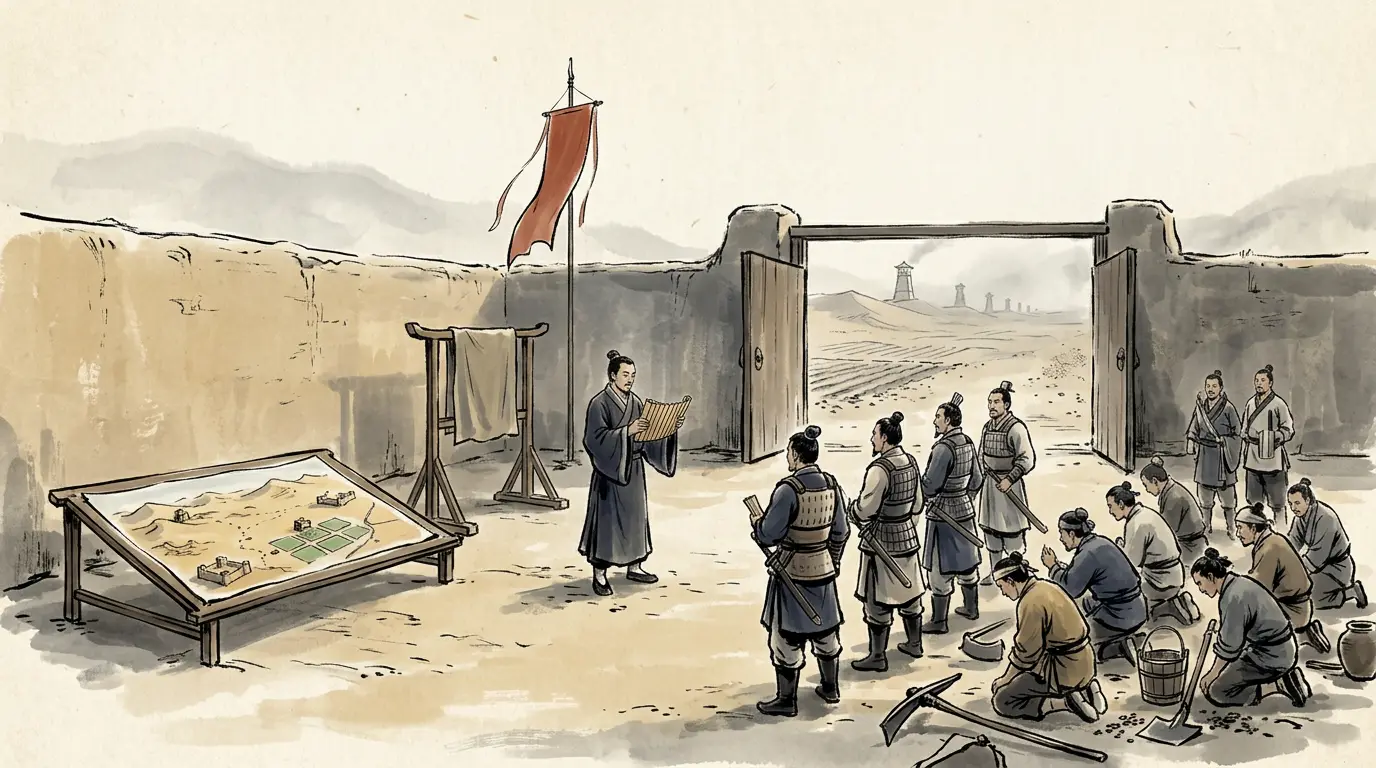
A frightened empress dowager, an official who made his career out of what he dug up, a crown prince who fought in the streets of the capital, and an emperor who read the report afterwards.
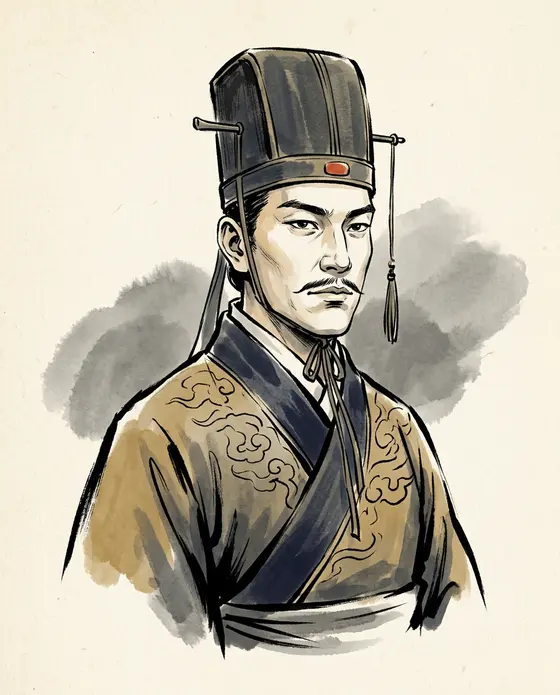
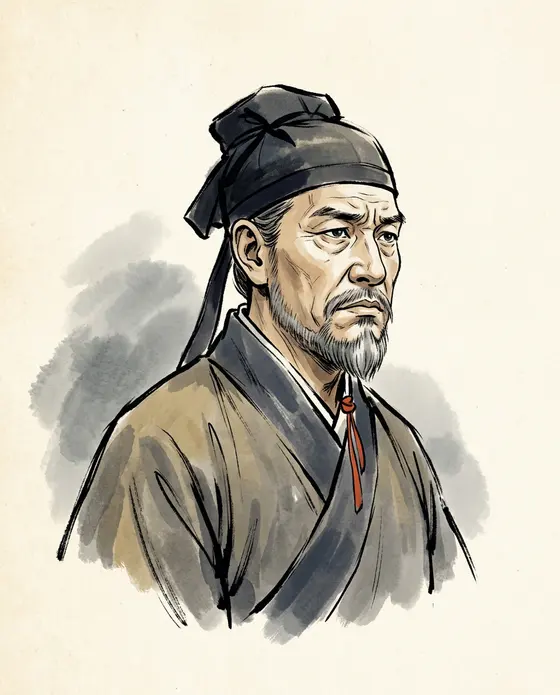
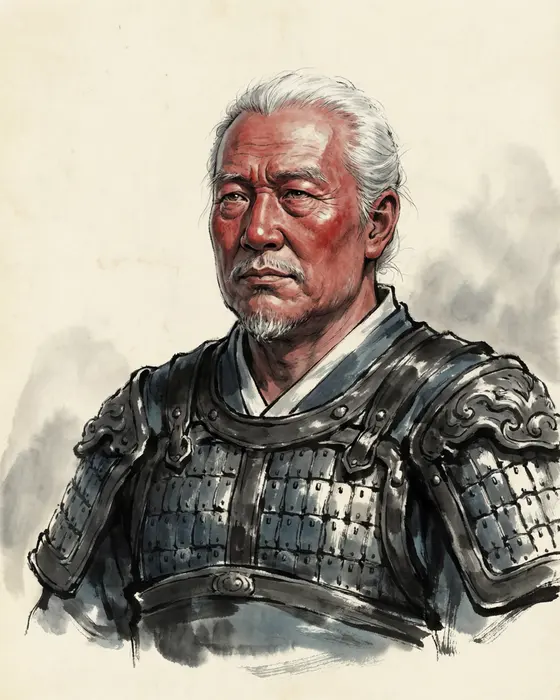
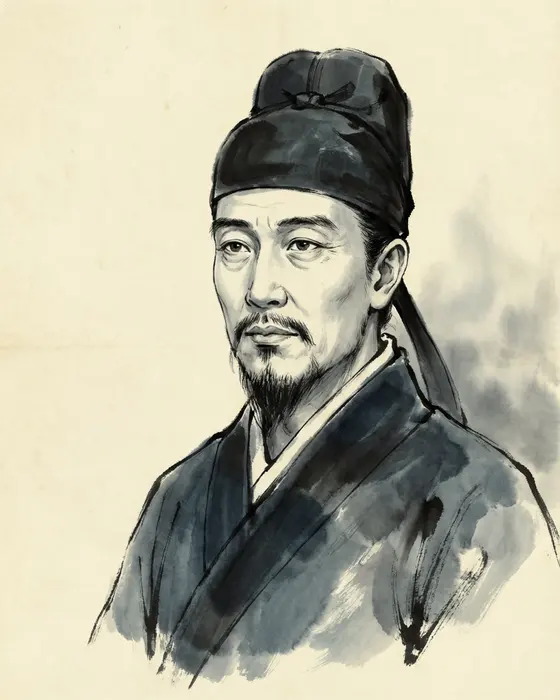
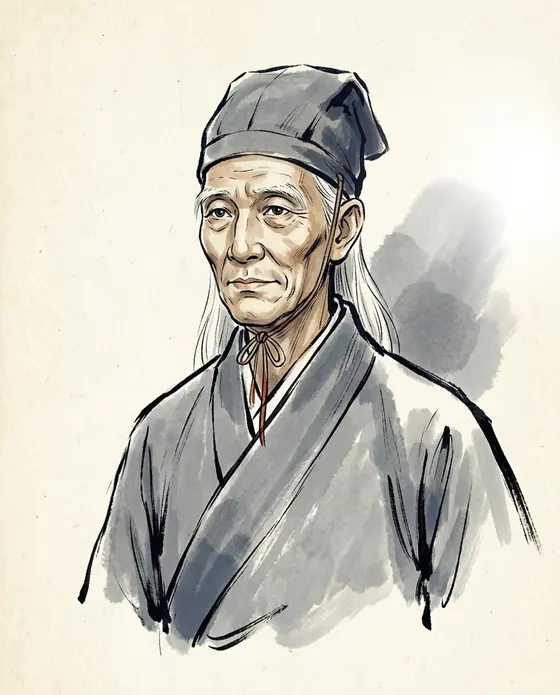
The Ming romances of the Han dynasties, the stage plays drawn from them and the serials drawn from those are entertainment — and not a source. Where their famous scenes depart from the histories, we leave them out of the story and put them here.
The witchcraft cases of 91 BCE were a panic: a superstitious old emperor frightened of sorcery, and conjurers and women running wild through the capital.
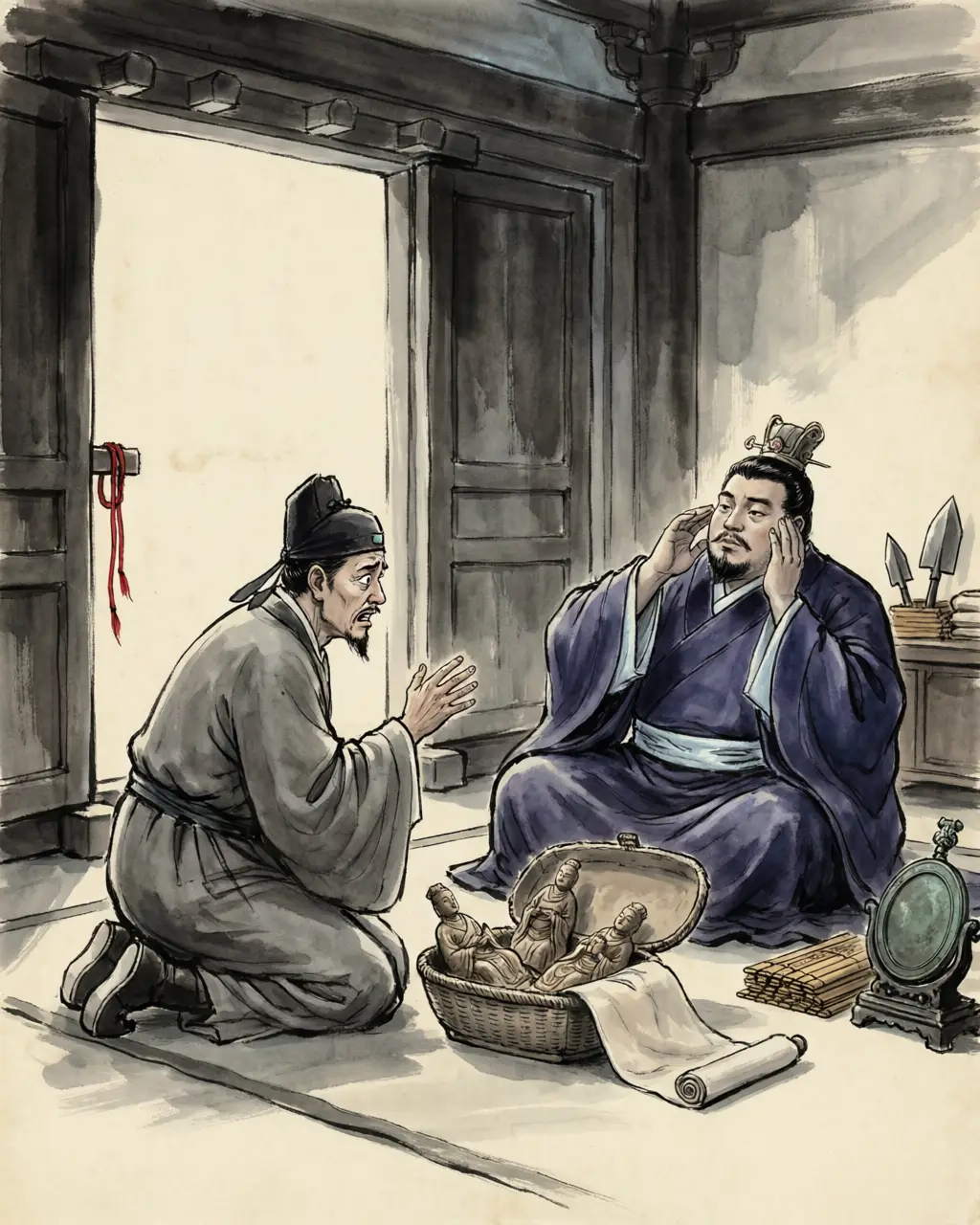
It was a legal machine and every part of it is named: a commission, a specialist who read the ground, assistants drawn from the imperial staff, torture licensed to produce confessions, and a standing capital charge that brought in a man's family with him. The search ran in a stated order — the concubines who hoped for the emperor's visits, then the empress's chambers, then the eastern palace, with the emperor's own seat lifted off its floor. The emperor admitted afterwards, in a letter kept in a chancellor's biography, that neither the Nine Ministers nor the Commandant of Justice had ever properly tried anyone. Fear supplied the accusations; the procedure supplied the deaths.
Emperor Wu killed his own son.
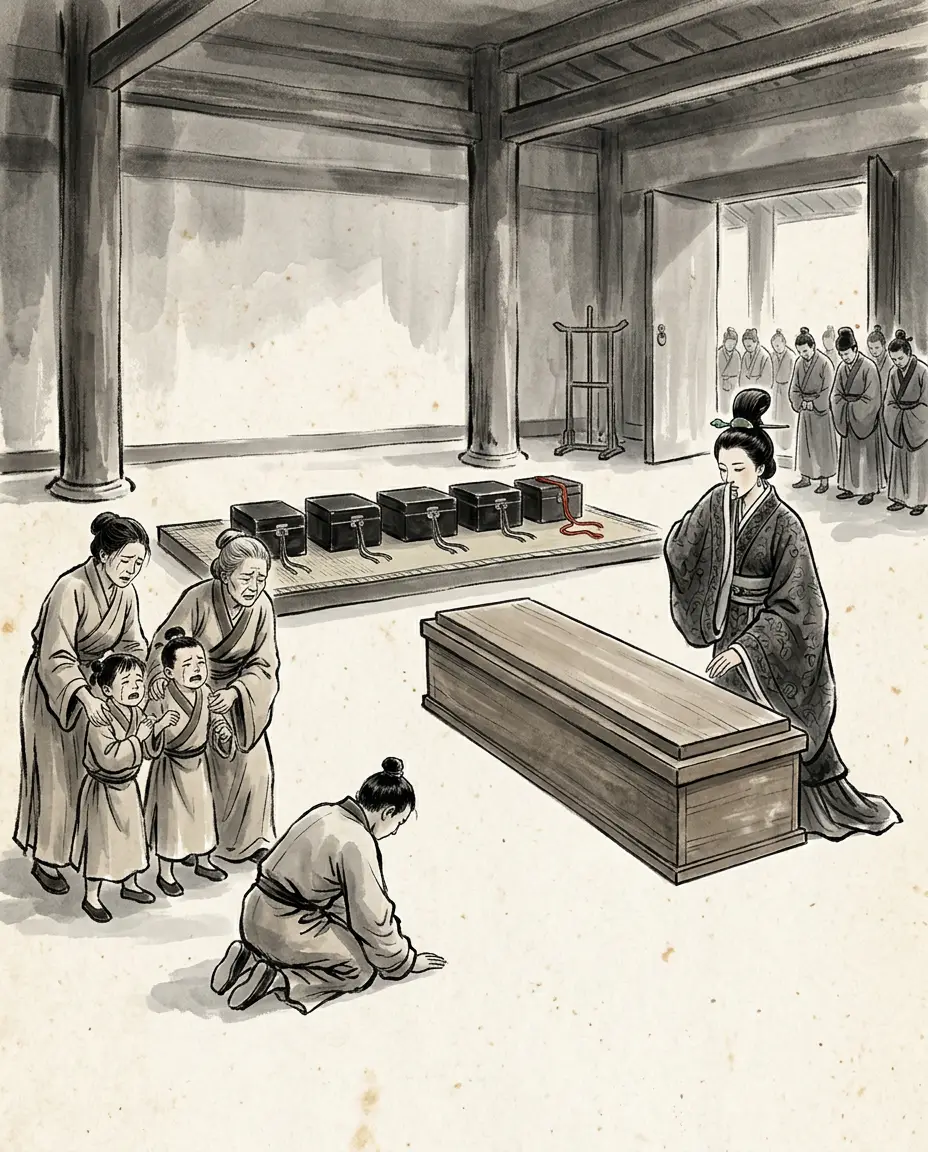
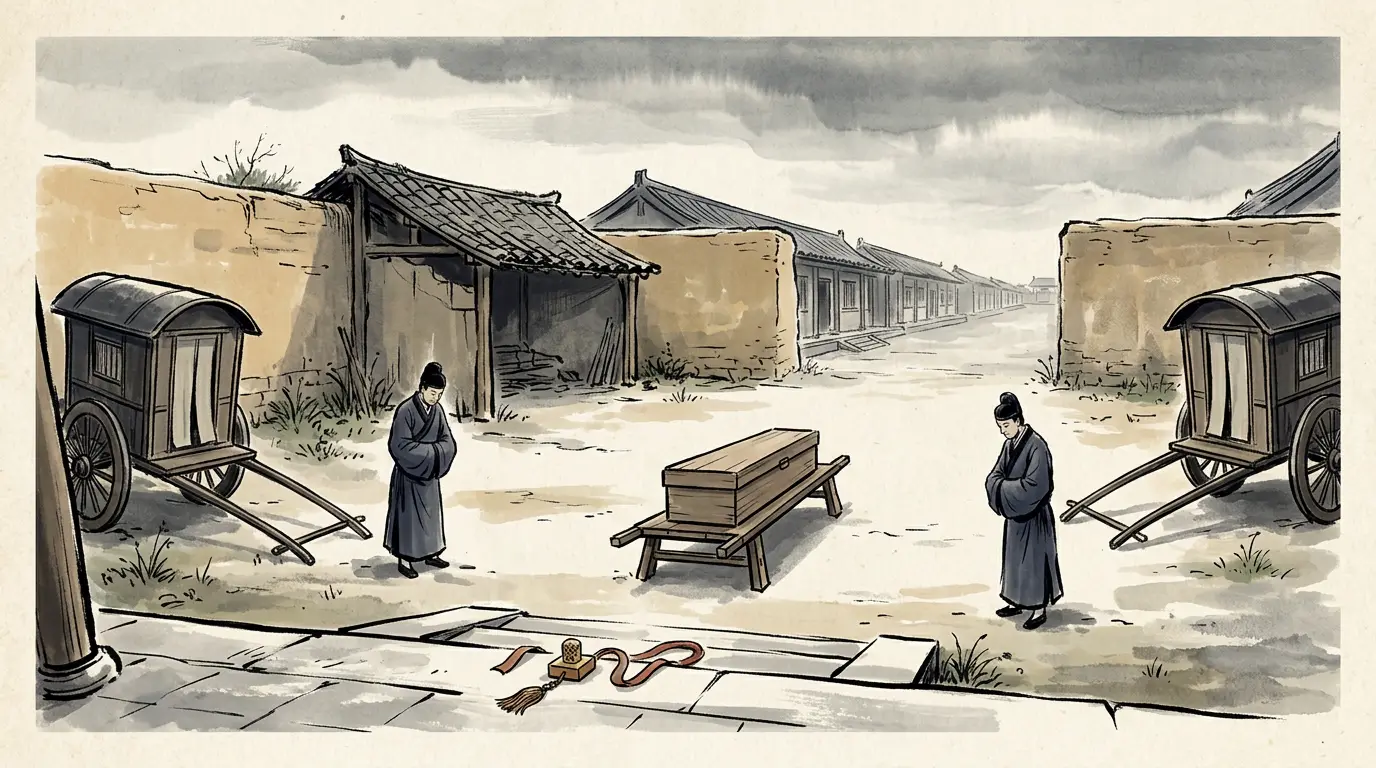
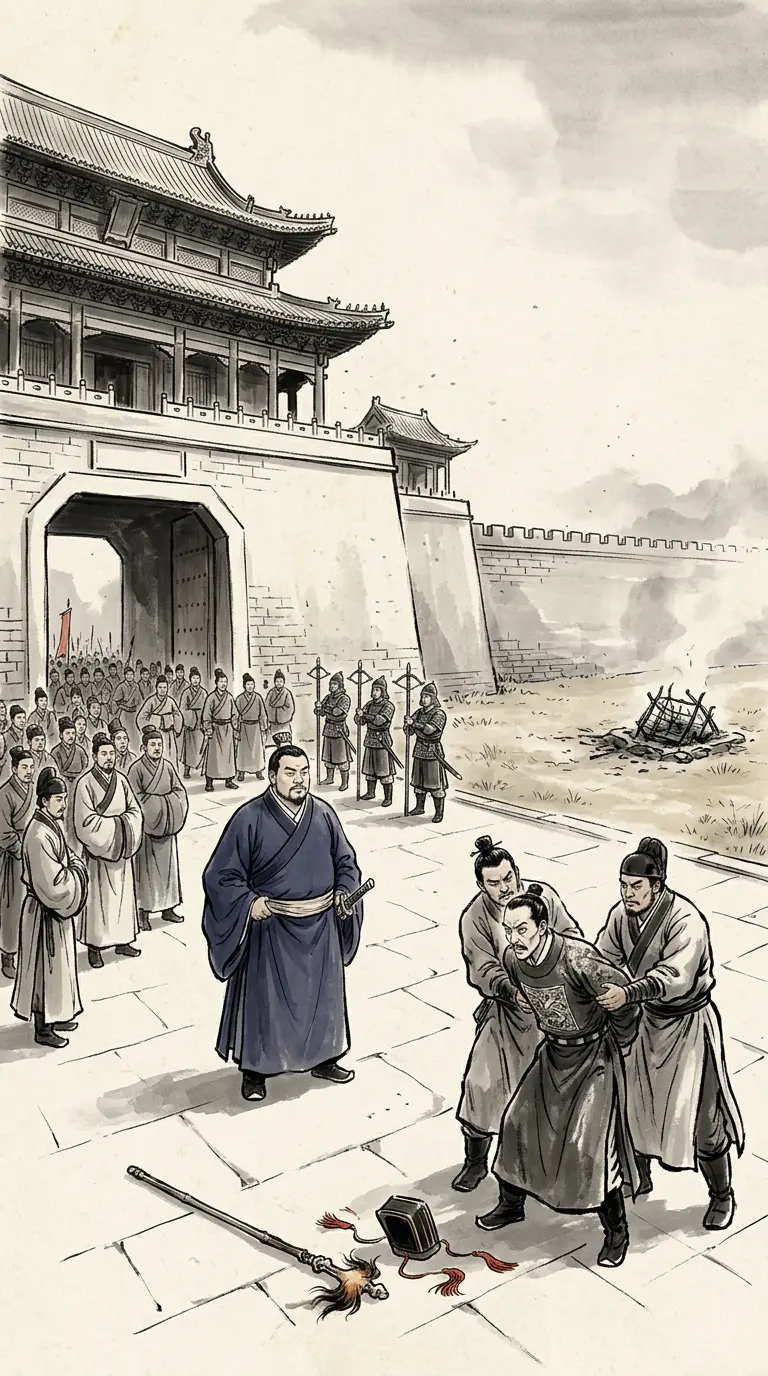
The son killed himself: he barred the door of the inner room at the storehouse in Hu and hanged when the officers had the place surrounded. His father wrote the sealed letter that told his chancellor to fight him in the streets with orders to kill and wound in numbers, which is the most damning thing in the episode and not the killing; and he afterwards rewarded the two men who broke in and then destroyed them, wiped out the Jiang kindred, had the eunuch who worked with Jiang Chong burnt on a bridge, and built a palace and a terrace at Hu for thinking of him. The dynasty never treated the prince as a criminal: his grandson came out of a gaol, took the throne, and rebuilt and endowed his tomb.
The Luntai edict of 89 BCE is where expansion ended: the emperor repented, the west was given up, and the empire turned inward.
The edict refused one proposal — a fresh extension of garrison-farming and beacon-towers further west, on a road the emperor said had starved thousands on the march home even after a victory — and it refused it in fiscal language, with instructions about exactions, farming and the horse-corvee. Nothing already held was given up: Luntai was farmed again within a few years under the officer who had asked for it, and the protectorate over the western regions was established in 60 BCE and held for the rest of the dynasty. Ban Gu's one-line summary, that from that time no army went out again, is about the emperor's remaining years, not about the empire's map.
The fall of the Wei house is a harem story: a neglected empress, a witch in the women's apartments, and the great general's graves dug up out of spite.
The grave-digging is not in the histories. The general's own biography, which records his marriage to the emperor's sister and the shape of his mound, says only that the five Wei marquisates were stripped within twenty-four years and that the house was destroyed when the crown prince failed; the searching did reach the empress's quarters and her nephew died under the charge, which was enough. Her own entry names no witch at all: thirty-eight years as empress, the rise of rival consorts, the commission, the demand for her seal, her suicide and a small coffin in a storeroom. The spirits and the love that curdled come from the palace story-books, Miscellaneous Records of the Western Capital and Stories of Emperor Wu of Han, which are much later than Ban Gu.
The speeches and wonders in the mirror of history — the emperor's dream of wooden men, the prince's wish to go and explain himself, the confession by the sea — are independent traditions filling gaps the Book of the Han left.
They are Sima Guang's workshop, cutting these same chapters into a dated line eleven centuries later and here and there taking in a detail Ban Gu left out or never carried. That is why those three items, and the search that sweeps from the capital commanderies across the whole empire, are marked in the notes as the relay's and are never used as fact. The rule runs the other way too: where the mirror and Ban Gu differ, it is usually Ban Gu's own chapters differing with each other — over whether the years of marching are thirty or thirty-two, and over whether the emperor's death and his heir's appointment fall a day apart or two.
Every caption and quotation in this episode traces to one of these. Where scholars disagree, the panel says so.
The capital buried its dead, the war went on for two more years, and then a request to plant a garrison at the western edge forced the court to answer for all of it: Episode 8 · Dead Beyond Ten Thousand Li (Chang'an and the Steppe, 53–33 BCE). The edict was the reply; the steppe answered it in person a generation later. Or back to the Han line, or meet the cast.