Bamboo Scroll竹簡 Ep. 10 · The Gentle Emperor
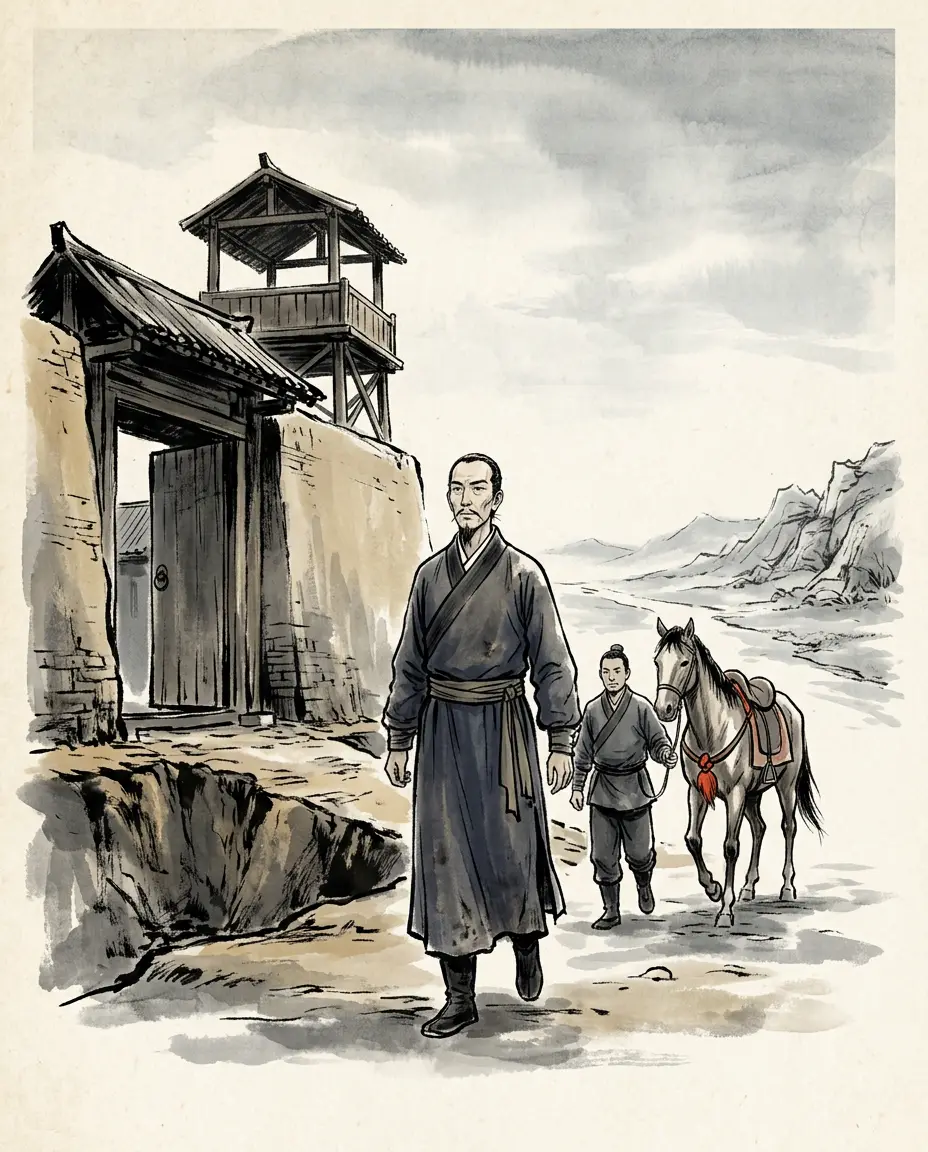
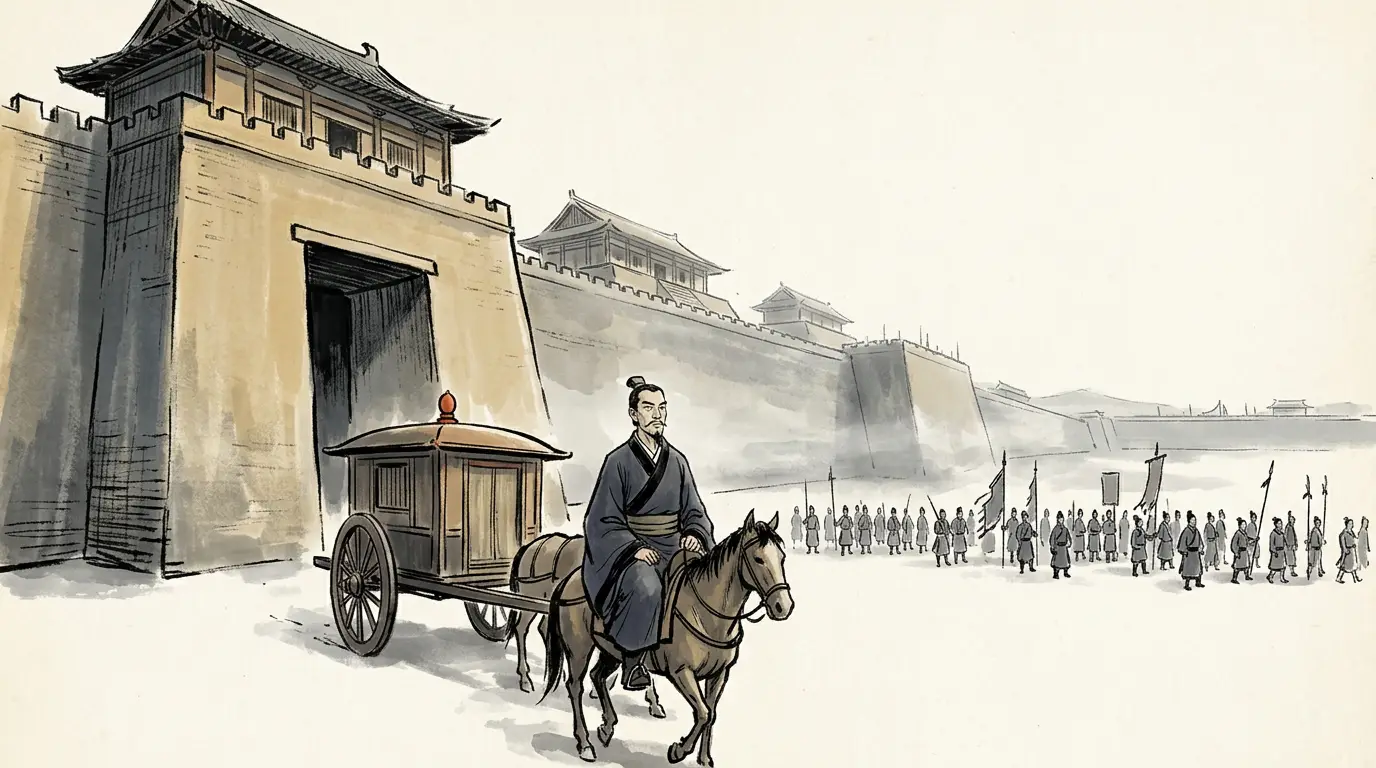
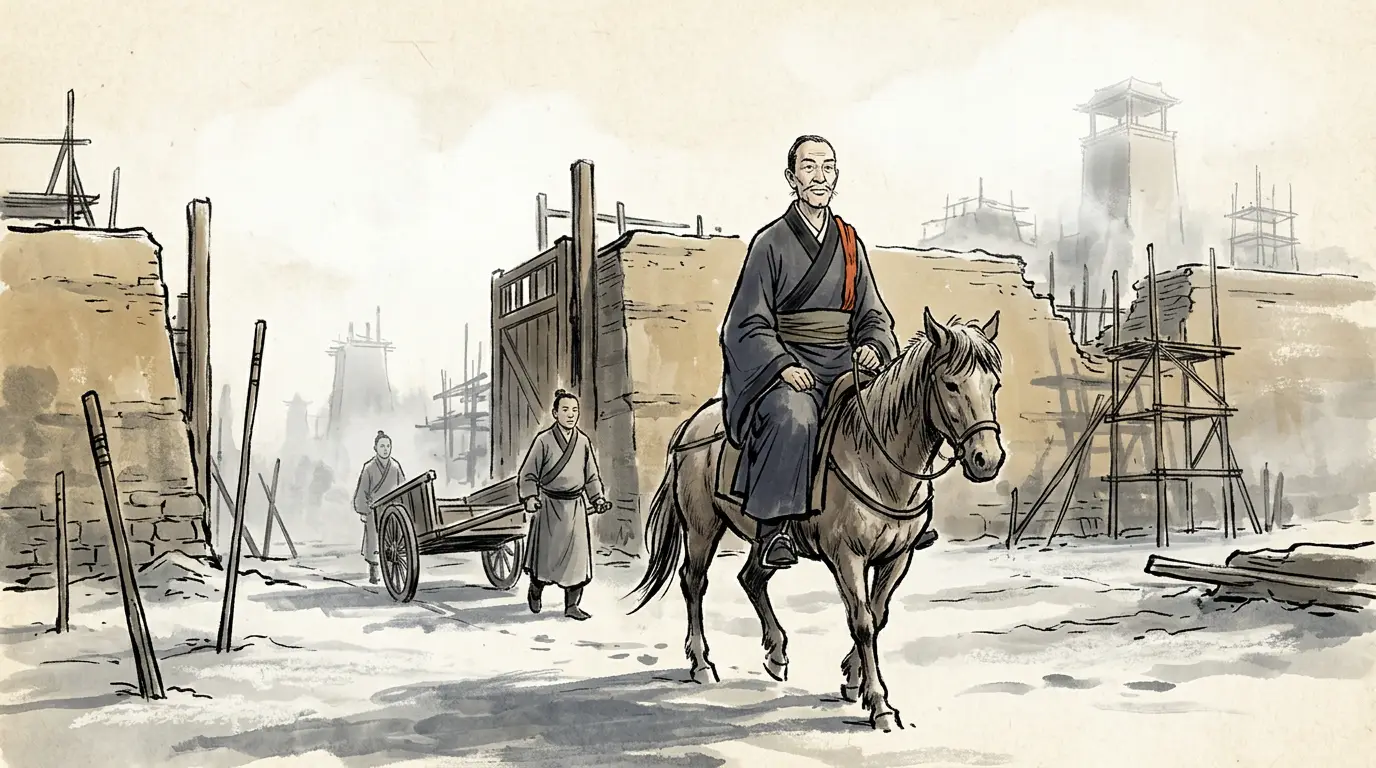
A man in a plain dark robe of the Han court riding a small horse through a half-built city gate at winter dawn, survey stakes and unfinished wall foundations behind him, no captives and no trophies in his train, Luoyang, 25 CE
Bamboo Scroll · Han · Episode 10

The Gentle Emperor

Luoyang, 25–57 CE — A farmer's younger brother, laughed at by his own family for caring about his fields, took the throne at thirty-one and spent three decades un-making the empire on purpose: he merged four hundred counties, sent his generals home rich, refused to march west, and left a restored dynasty whose emperors would never again be able to spend it.
18 panels~8 min read free to readevery line sourced
Panel 01: The man who put the Han back on its throne spent the rest of his life making the throne smaller. He merged four hundred counties, stood the levies down, sent his marquises off to their estates, refused the army his own officers were begging him to lead into the west, and told his family over the wine that he meant to govern by softness.
The man who put the Han back on its throne spent the rest of his life making the throne smaller. He merged four hundred counties, stood the levies down, sent his marquises off to their estates, refused the army his own officers were begging him to lead into the west, and told his family over the wine that he meant to govern by softness.
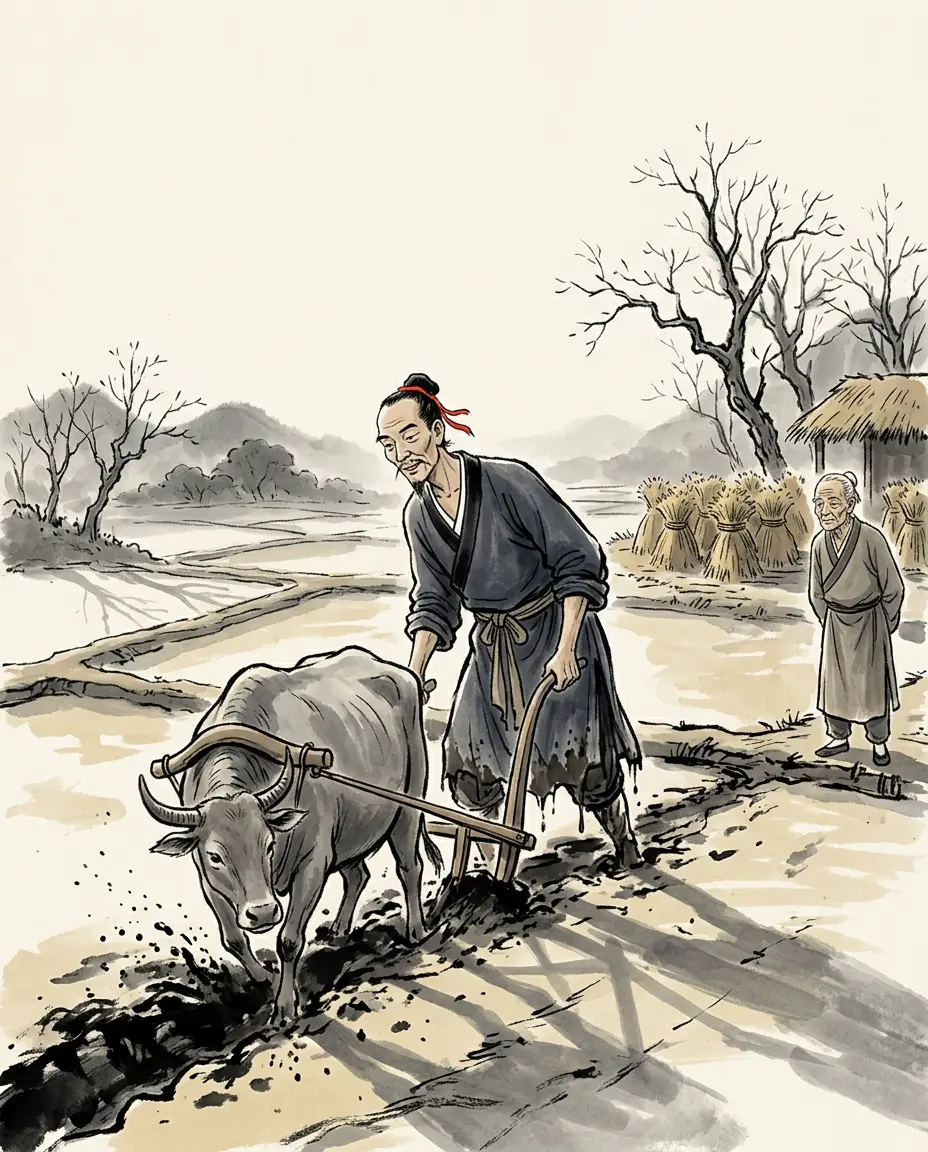
Panel 02: He was the ninth-generation grandson of the dynasty's founder through a king of Changsha nobody had counted on, and the son of a small county chief; his father died when the boy was nine and an uncle raised him. The annal gives him a tall man's height, fine whiskers, a large mouth, a prominent nose and a forehead like the sun. He minded the ploughs himself.
He was the ninth-generation grandson of the dynasty's founder through a king of Changsha nobody had counted on, and the son of a small county chief; his father died when the boy was nine and an uncle raised him. The annal gives him a tall man's height, fine whiskers, a large mouth, a prominent nose and a forehead like the sun. He minded the ploughs himself.
Panel 03: A man of Wan named Li Tong came to him with a prophecy book and a line made to be believed: the house of Liu will rise again, and the house of Li will be the pole it rises on. Liu Xiu did not dare, then thought about his brother's house full of reckless guests, and bought crossbows. In the tenth month of 22 CE he rose at Wan, aged twenty-eight.
A man of Wan named Li Tong came to him with a prophecy book and a line made to be believed: the house of Liu will rise again, and the house of Li will be the pole it rises on. Liu Xiu did not dare, then thought about his brother's house full of reckless guests, and bought crossbows. In the tenth month of 22 CE he rose at Wan, aged twenty-eight.
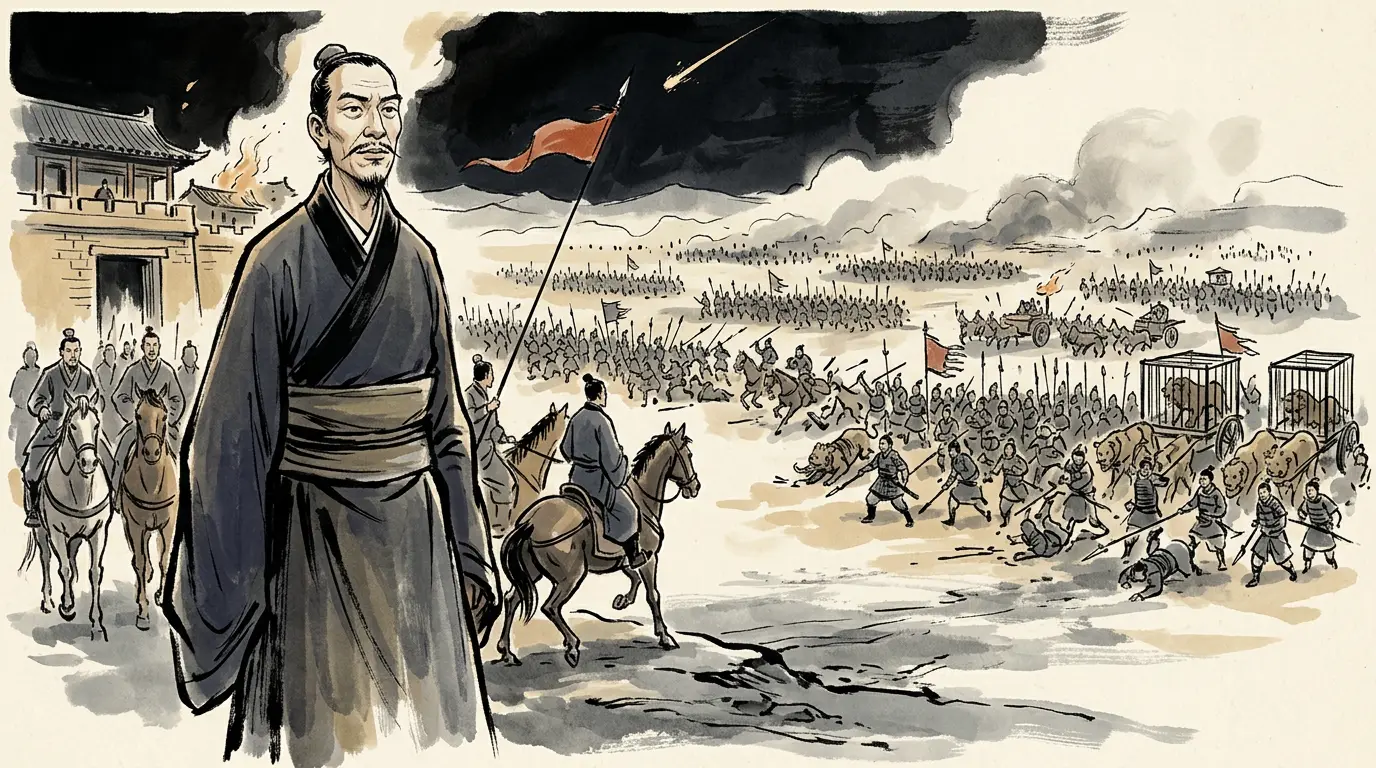
Panel 04: Wang Mang answered the loss of two armies with the last and largest host the dynasty could raise: a million marchers, forty-two thousand of them armoured, with officers trained by sixty-odd schools of theory, a giant a zhang tall, and tigers, leopards and rhinoceroses for the spectacle. Kunyang held eight or nine thousand men. In the sixth month of 23 CE Liu Xiu rode out at night with thirteen horse and came back with three thousand desperate men straight at the enemy's centre.
Yan You, Wang Mang's general Is this the fine-bearded one? How has he come to do a thing like this!
Wang Mang answered the loss of two armies with the last and largest host the dynasty could raise: a million marchers, forty-two thousand of them armoured, with officers trained by sixty-odd schools of theory, a giant a zhang tall, and tigers, leopards and rhinoceroses for the spectacle. Kunyang held eight or nine thousand men. In the sixth month of 23 CE Liu Xiu rode out at night with thirteen horse and came back with three thousand desperate men straight at the enemy's centre.
Panel 05: Within three months of Kunyang the emperor he was serving murdered his brother. Liu Xiu rode straight to the capital to apologize for it. He did not boast once about what he had done at Kunyang, he did not dare wear mourning, and he ate, drank and talked as he always had. His opponent was ashamed of it, and gave him a generalship and a marquisate.
Within three months of Kunyang the emperor he was serving murdered his brother. Liu Xiu rode straight to the capital to apologize for it. He did not boast once about what he had done at Kunyang, he did not dare wear mourning, and he ate, drank and talked as he always had. His opponent was ashamed of it, and gave him a generalship and a marquisate.
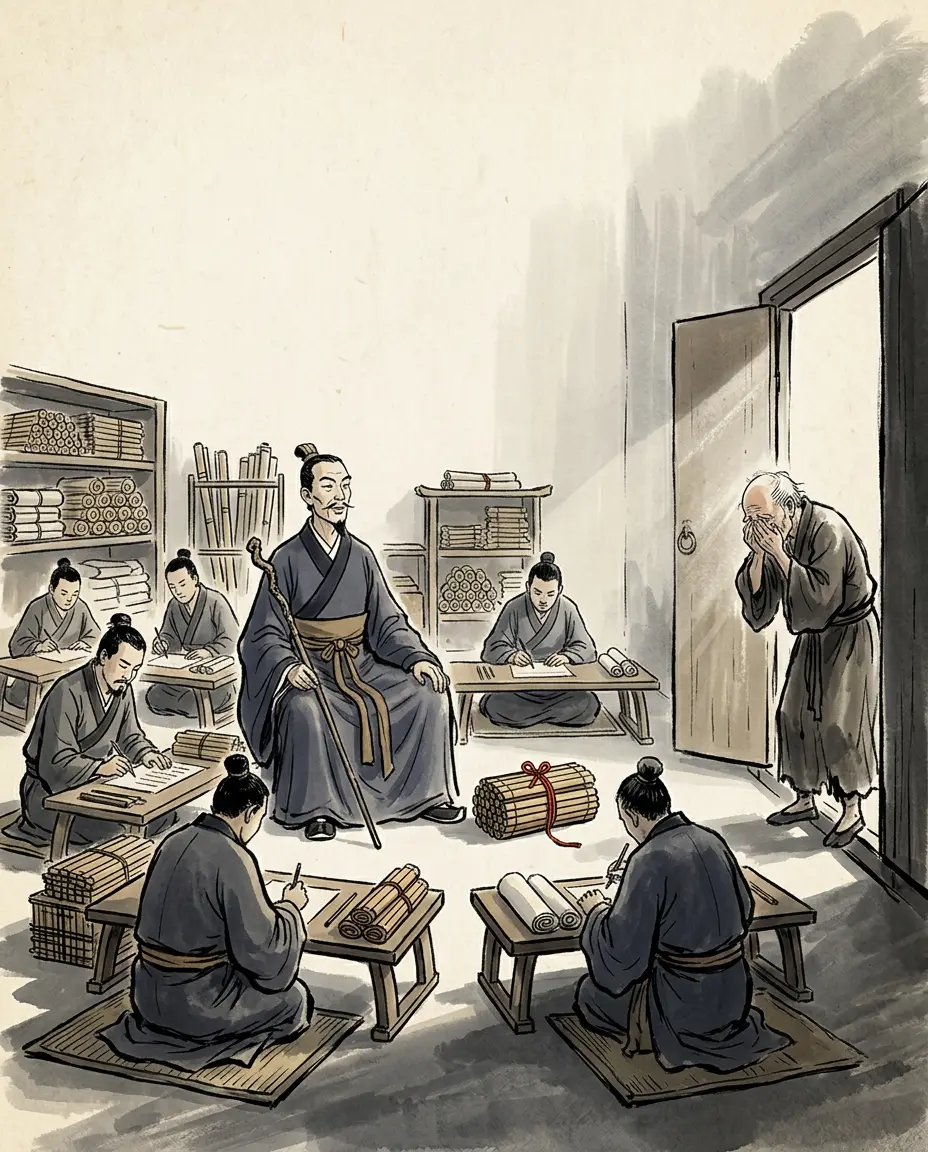
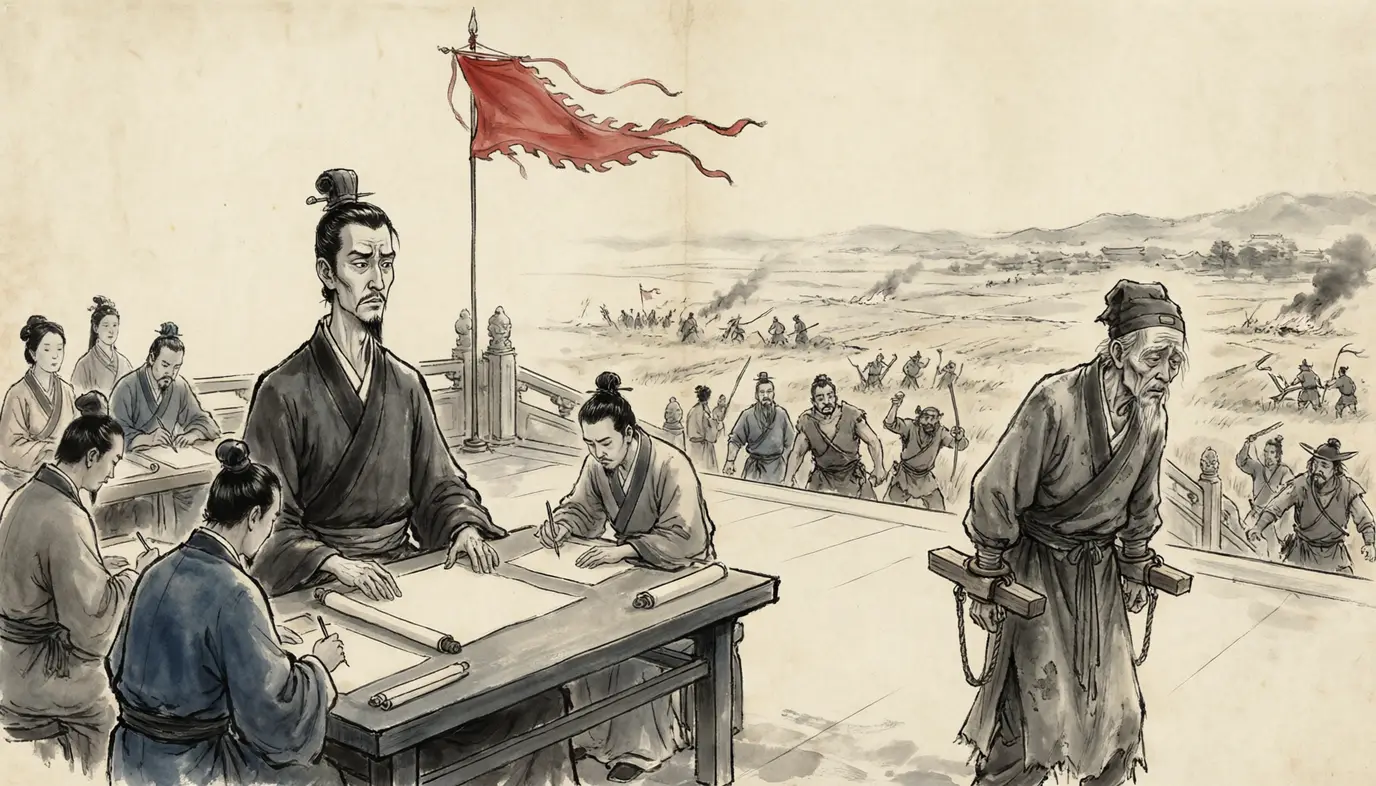
Panel 06: He did not found the restored Han on a battlefield. He founded it in an office. Sent ahead to prepare the eastern capital for the regime he served, he appointed staff, wrote the memoranda, and inspected in the old forms exactly as the old forms required — and men who had laughed at the rising's generals in women's jackets wept at the sight of a correctly filled desk.
An old clerk of the previous dynasty I never expected to live to see the officers of Han and their dignity again!
He did not found the restored Han on a battlefield. He founded it in an office. Sent ahead to prepare the eastern capital for the regime he served, he appointed staff, wrote the memoranda, and inspected in the old forms exactly as the old forms required — and men who had laughed at the rising's generals in women's jackets wept at the sight of a correctly filled desk.
Panel 07: A fortune-teller was proclaimed at Handan as the surviving son of a former emperor, and the man he was meant to replace put out a warrant: one hundred thousand households for Liu Xiu's capture. He travelled by night and by day and dared not enter any town, eating at the roadside; at Raoyang he walked into the post-house calling himself the Handan envoy, and got out again by walking slowly.
The officer of the Raoyang gate Who can tell what the world will bring forth? Why shut the gate on a man of standing?
A fortune-teller was proclaimed at Handan as the surviving son of a former emperor, and the man he was meant to replace put out a warrant: one hundred thousand households for Liu Xiu's capture. He travelled by night and by day and dared not enter any town, eating at the roadside; at Raoyang he walked into the post-house calling himself the Handan envoy, and got out again by walking slowly.
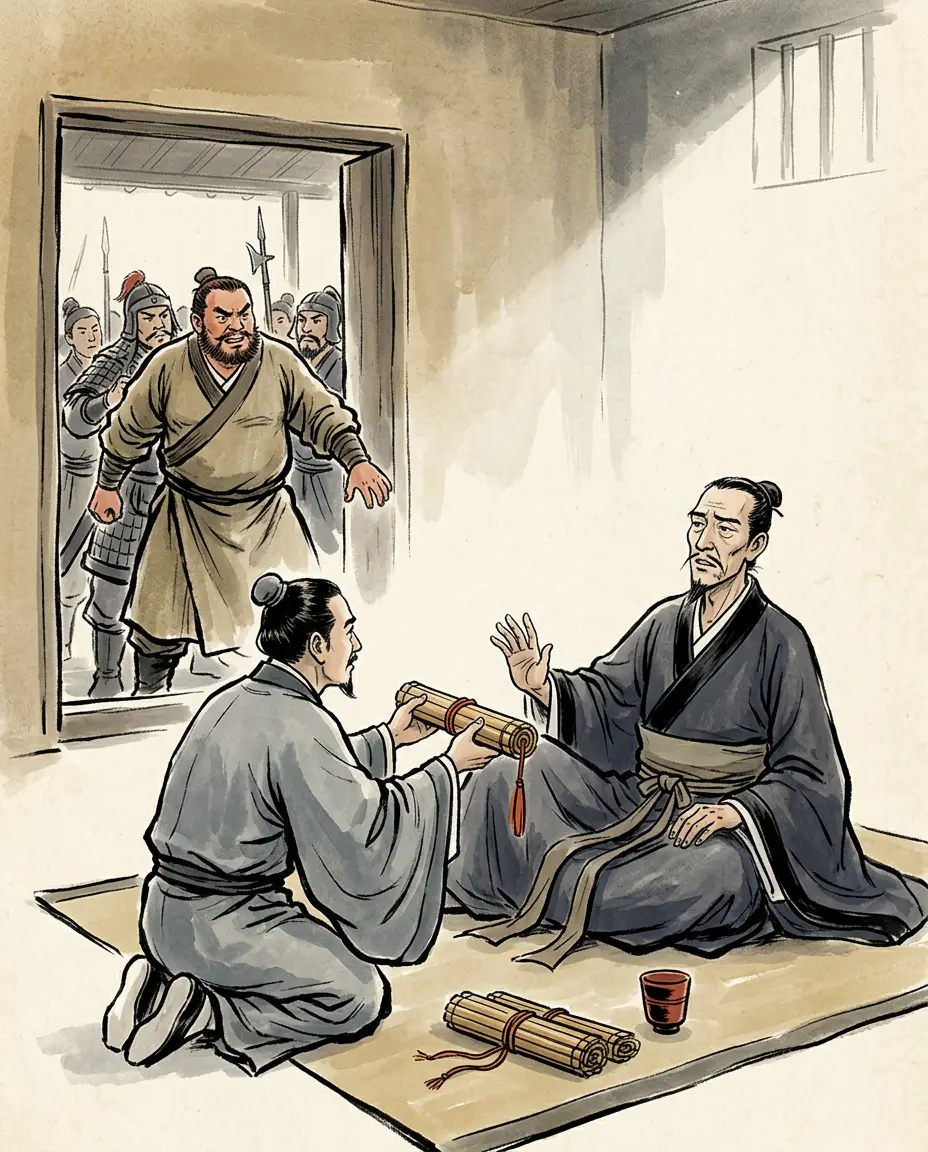
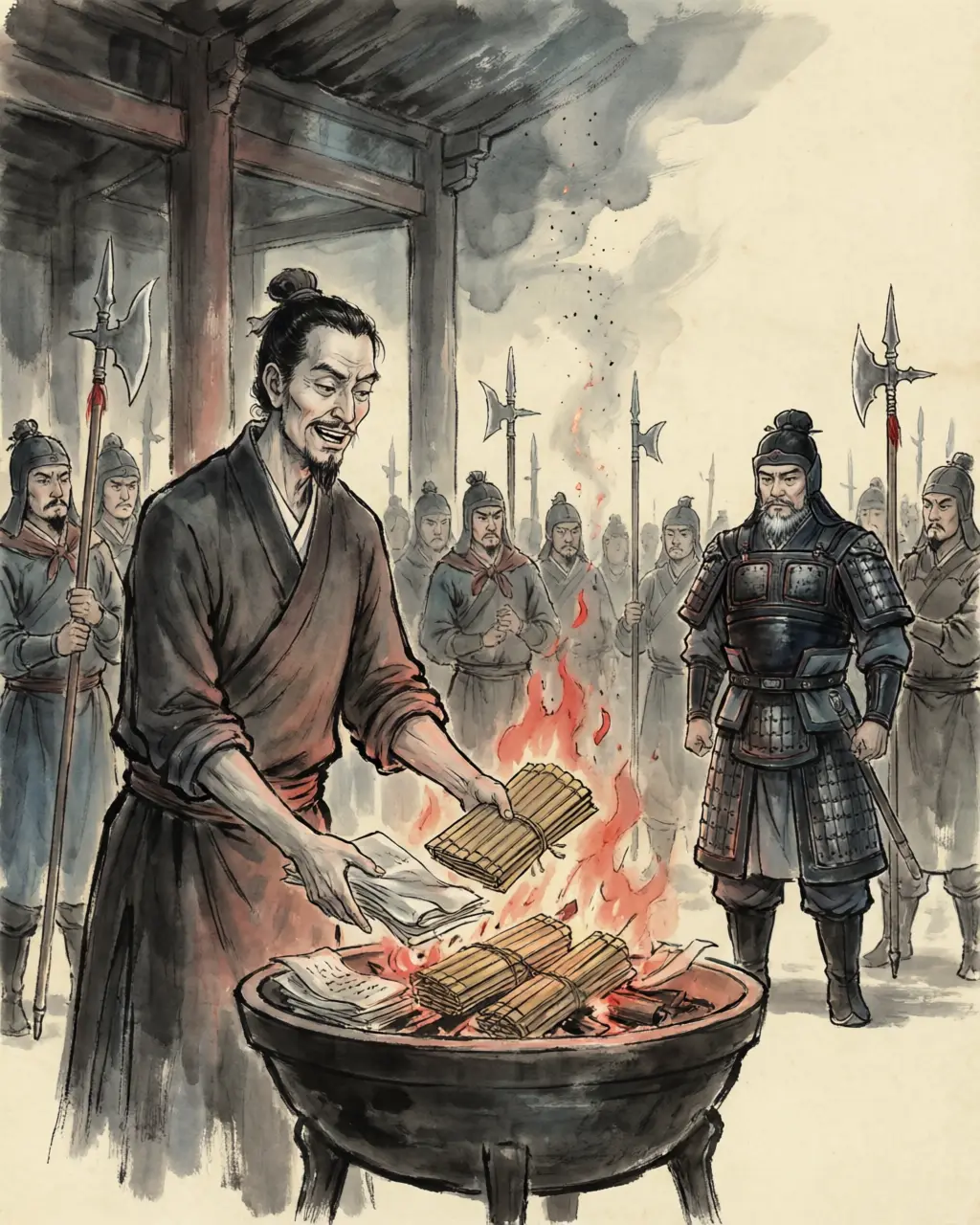
Panel 08: Handan fell in the fifth month of 24 CE, and his clerks pulled out the archive: thousands of letters from his own officials and gentlemen of Hebei, written to the other side, most of them insulting him. He did not open one. He had them all burned in front of the assembled generals.
Handan fell in the fifth month of 24 CE, and his clerks pulled out the archive: thousands of letters from his own officials and gentlemen of Hebei, written to the other side, most of them insulting him. He did not open one. He had them all burned in front of the assembled generals.
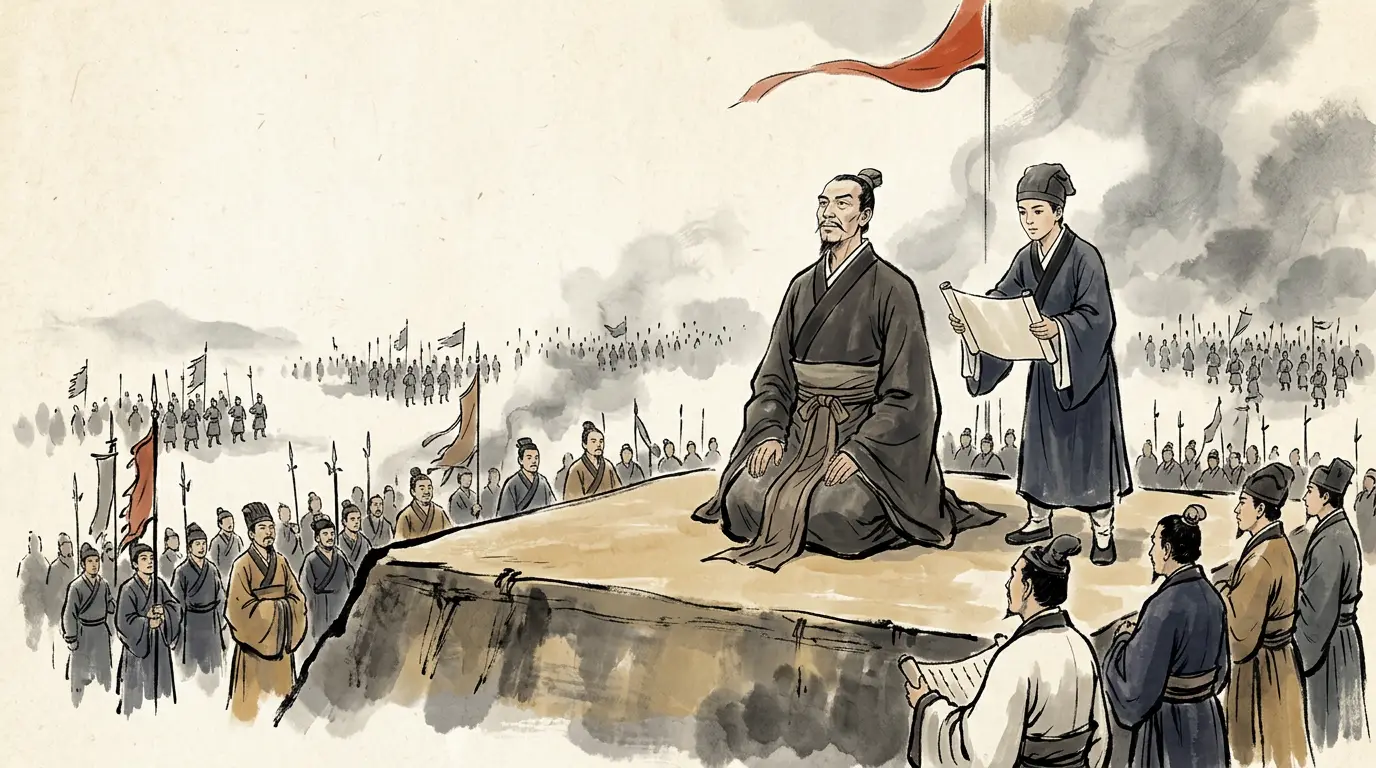
Panel 09: At Hao a man who had once shared a college room with him in the capital rode out of the pass with a prophetic book in his hand: Liu Xiu raises troops to arrest the unprincipled, the four barbarians gather like clouds and dragons fight in the fields, at the four-and-seven moment fire is master. On a day marked ji wei in the sixth month of 25 CE he built an altar south of Hao and told Heaven he was taking the empire.
Geng Chun, of Nanpingji Time cannot be held back; the will of the many cannot be crossed. Once the crowd has scattered it cannot be gathered again.
At Hao a man who had once shared a college room with him in the capital rode out of the pass with a prophetic book in his hand: Liu Xiu raises troops to arrest the unprincipled, the four barbarians gather like clouds and dragons fight in the fields, at the four-and-seven moment fire is master. On a day marked ji wei in the sixth month of 25 CE he built an altar south of Hao and told Heaven he was taking the empire.
Panel 10: The founding of the eastern capital takes one sentence in the emperor's own annal: in the winter, in the tenth month, his carriage entered Luoyang, he lodged in the Quefei hall of the southern palace, and it was settled as the capital. He was thirty-one by the arithmetic of his own record, and he never went back to Chang'an to live.
The founding of the eastern capital takes one sentence in the emperor's own annal: in the winter, in the tenth month, his carriage entered Luoyang, he lodged in the Quefei hall of the southern palace, and it was settled as the capital. He was thirty-one by the arithmetic of his own record, and he never went back to Chang'an to live.
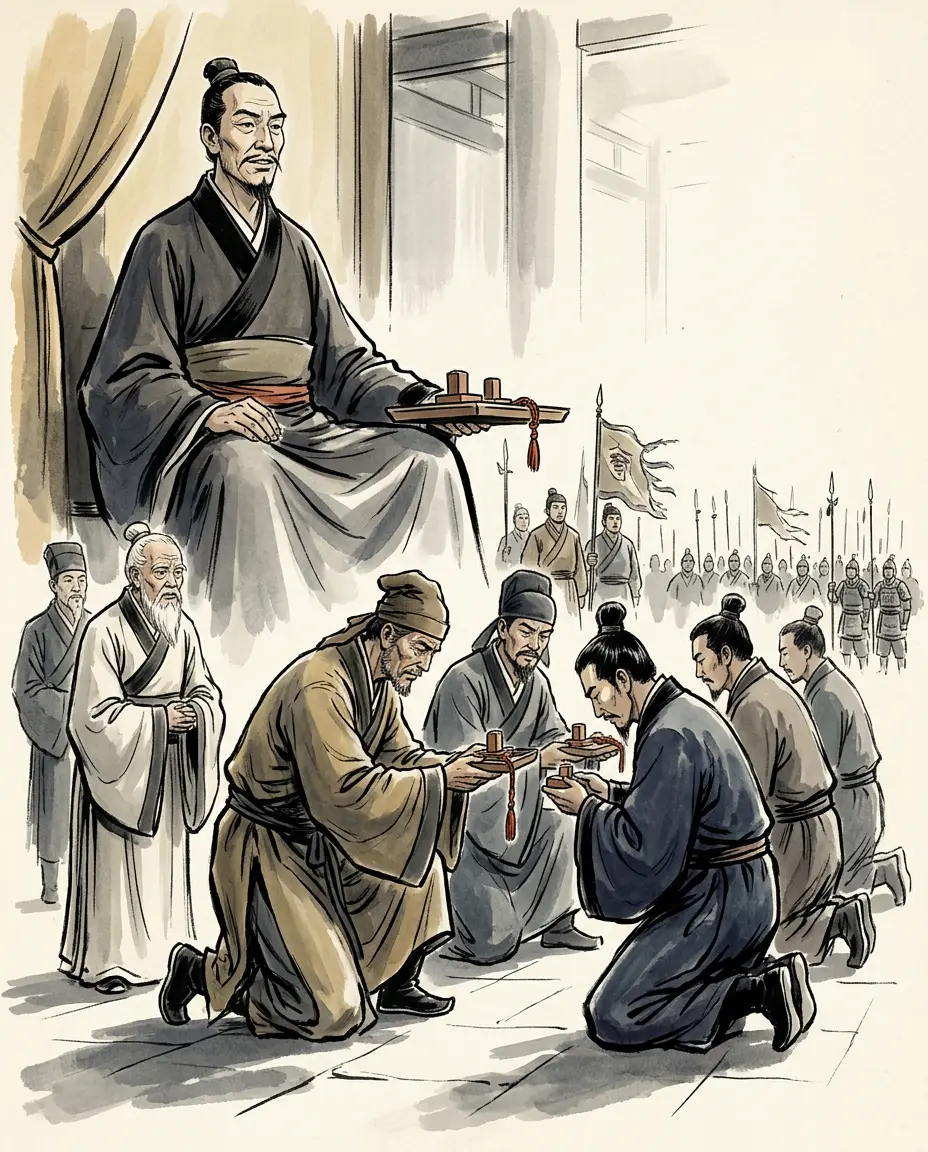
Panel 11: In the first month of 26 CE he made every one of his captains a marquis, and the greatest of them the lords of four counties — four times the size an old schoolman thought lawful. He warned them in the same breath that a man satisfied is a man ruined, and told them to be as one who looks down into an abyss and walks on thin ice.
Ding Gong, academician Of old the kings gave their enfeoffed lords no more than a hundred li, so that the trunk was strong and the branches weak. Four counties is not a lawful size.
In the first month of 26 CE he made every one of his captains a marquis, and the greatest of them the lords of four counties — four times the size an old schoolman thought lawful. He warned them in the same breath that a man satisfied is a man ruined, and told them to be as one who looks down into an abyss and walks on thin ice.
Panel 12: In 30 CE he ordered the empire counted and cut. His own edict said the reason offices exist is to serve the people, and that with the households wasted and gone the county staffs were still too thick; the ministers folded four hundred and odd counties into others and kept one official in ten. That same year the commandery commandants who drilled the annual levies were abolished, and the marquises were told to go and live on their estates.
In 30 CE he ordered the empire counted and cut. His own edict said the reason offices exist is to serve the people, and that with the households wasted and gone the county staffs were still too thick; the ministers folded four hundred and odd counties into others and kept one official in ten. That same year the commandery commandants who drilled the annual levies were abolished, and the marquises were told to go and live on their estates.
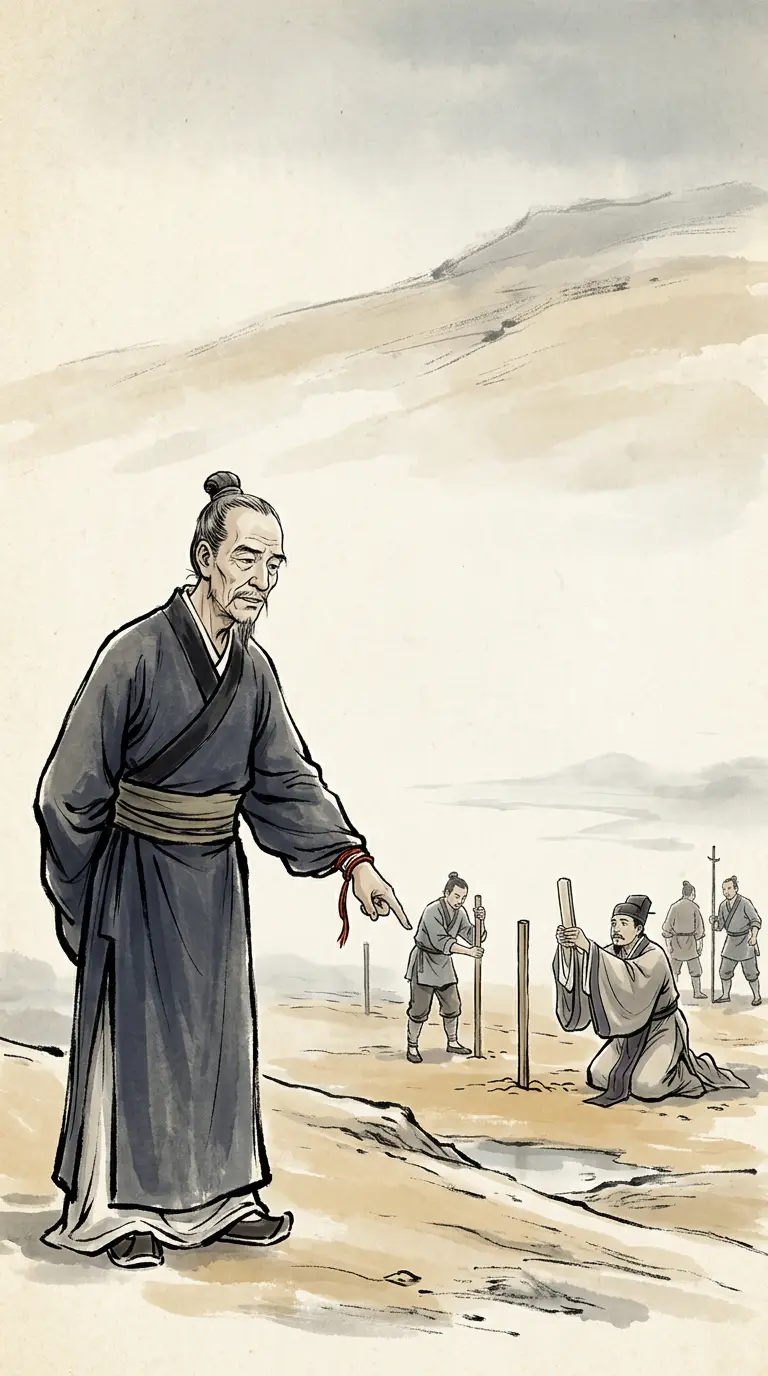
Panel 13: In 50 CE he ordered his own burial mound, and the minister of works proposed the usual sacred acres. The emperor refused: the ancient kings buried with clay figures and tiled vessels, a wooden chariot and a thatched horse, so that later ages would not know where they lay. His ground was to be two or three hundred mu, with no hill on it and no more ponds than let the water run off.
In 50 CE he ordered his own burial mound, and the minister of works proposed the usual sacred acres. The emperor refused: the ancient kings buried with clay figures and tiled vessels, a wooden chariot and a thatched horse, so that later ages would not know where they lay. His ground was to be two or three hundred mu, with no hill on it and no more ponds than let the water run off.
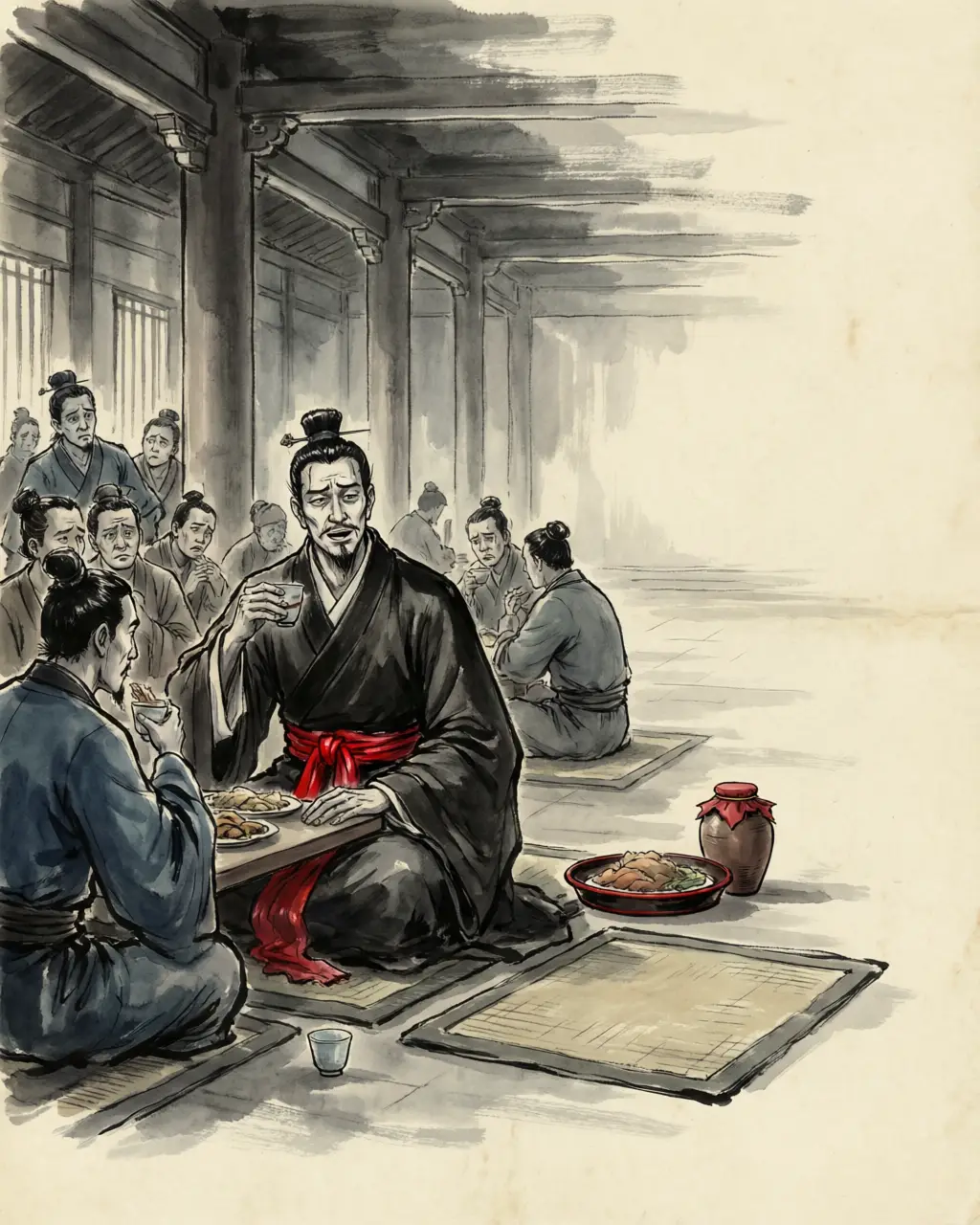
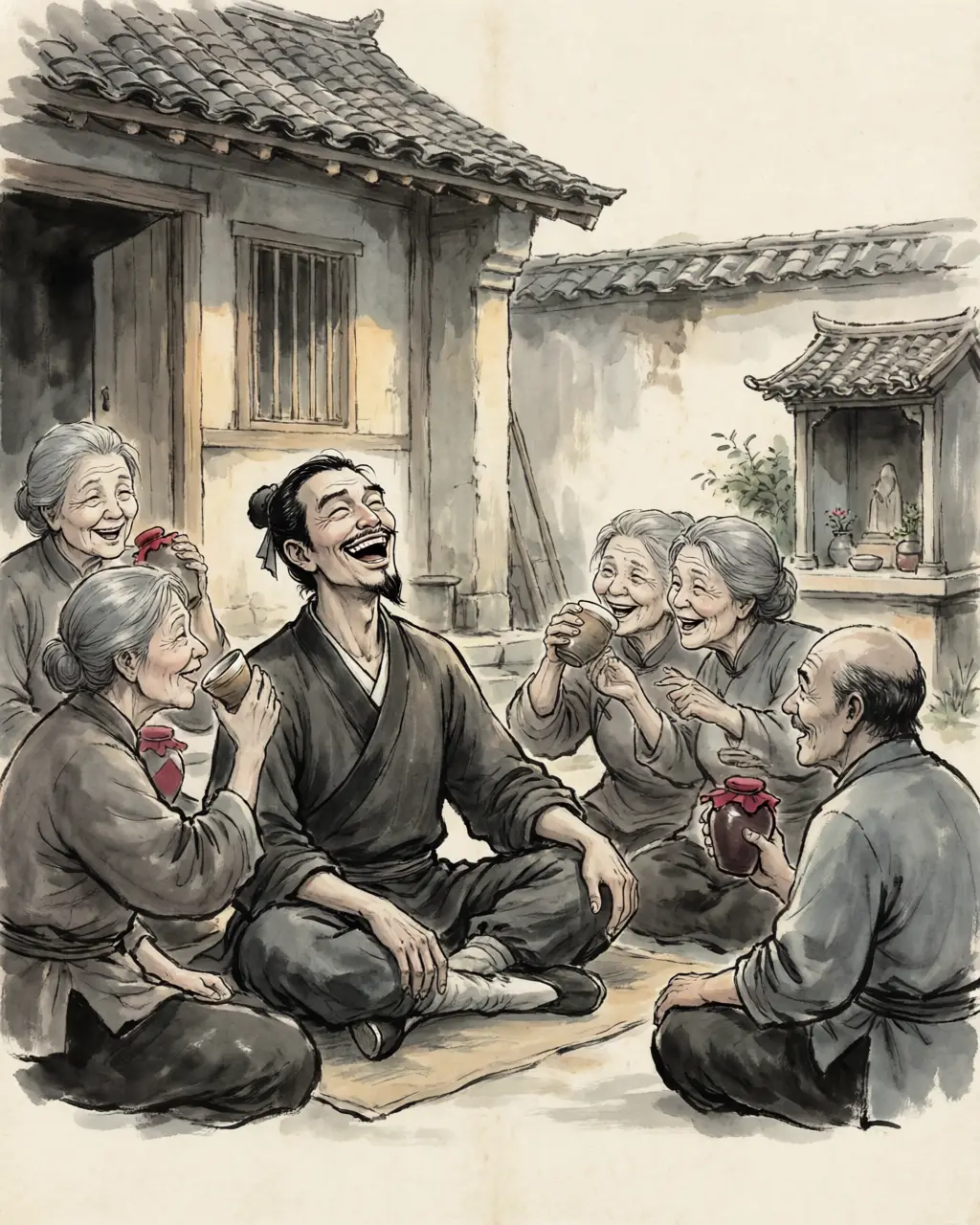
Panel 14: He went back to the village where he had grown up in the spring of 41 CE, repaired the garden and the temple, sacrificed at the old house, and sat drinking with his own people. The aunts who had brought him up got merry and said: when Wen Shu was young he was careful and honest, cold to other people, nothing but plain and soft — and now he has come to this. He laughed out loud and said what he meant.
Emperor Guangwu When I set the empire in order, I too mean to go about it by the soft way.
He went back to the village where he had grown up in the spring of 41 CE, repaired the garden and the temple, sacrificed at the old house, and sat drinking with his own people. The aunts who had brought him up got merry and said: when Wen Shu was young he was careful and honest, cold to other people, nothing but plain and soft — and now he has come to this. He laughed out loud and said what he meant.
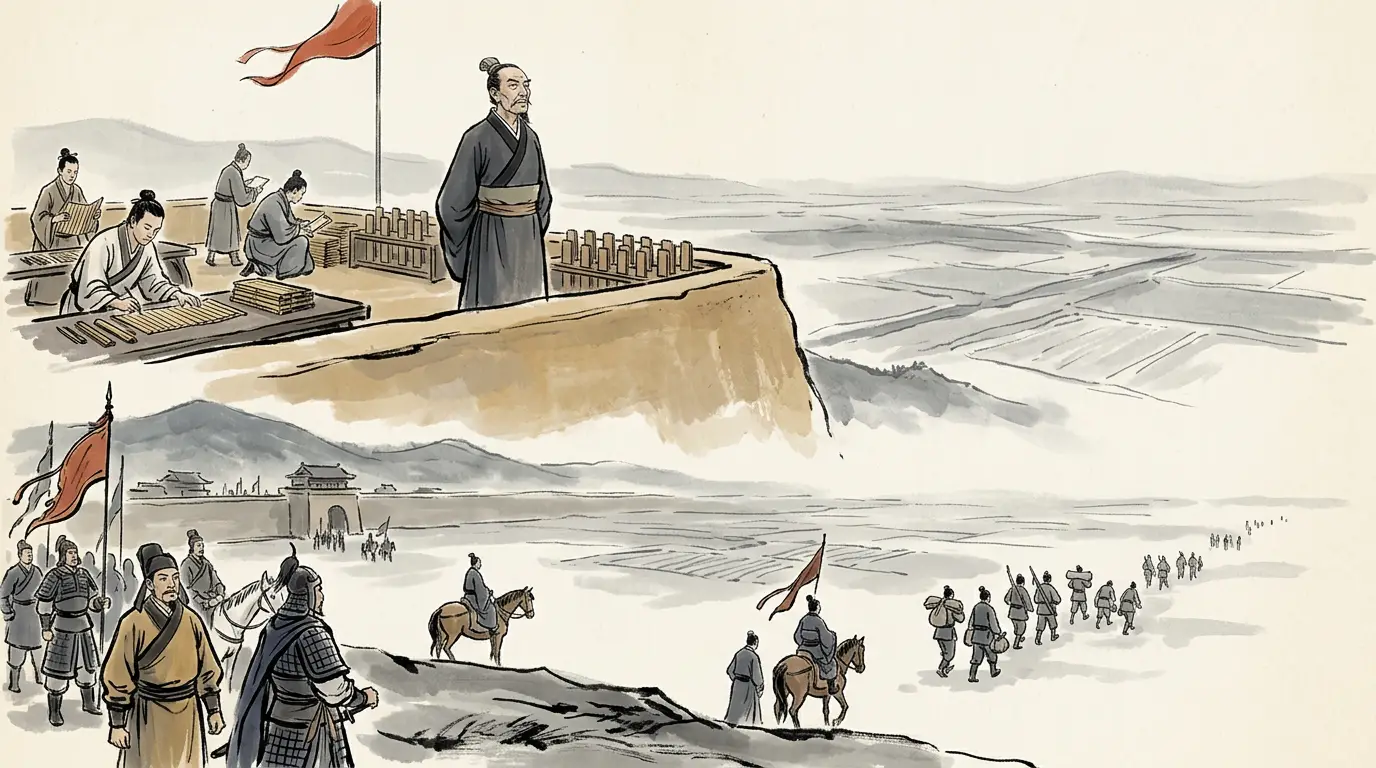
Panel 15: In the summer of 39 CE he ordered every province and commandery to verify the acres under plough, the households and their ages, and to check up on the second-rank governors who had been crooked and unfair about it. Two of his own Grand Ministers over the Masses died in that business within eighteen months — one dismissed and by his own hand, one in chains — and in the ninth month of 40 CE the governor of the capital commandery and ten-odd more went to prison and died there for the numbers.
In the summer of 39 CE he ordered every province and commandery to verify the acres under plough, the households and their ages, and to check up on the second-rank governors who had been crooked and unfair about it. Two of his own Grand Ministers over the Masses died in that business within eighteen months — one dismissed and by his own hand, one in chains — and in the ninth month of 40 CE the governor of the capital commandery and ten-odd more went to prison and died there for the numbers.
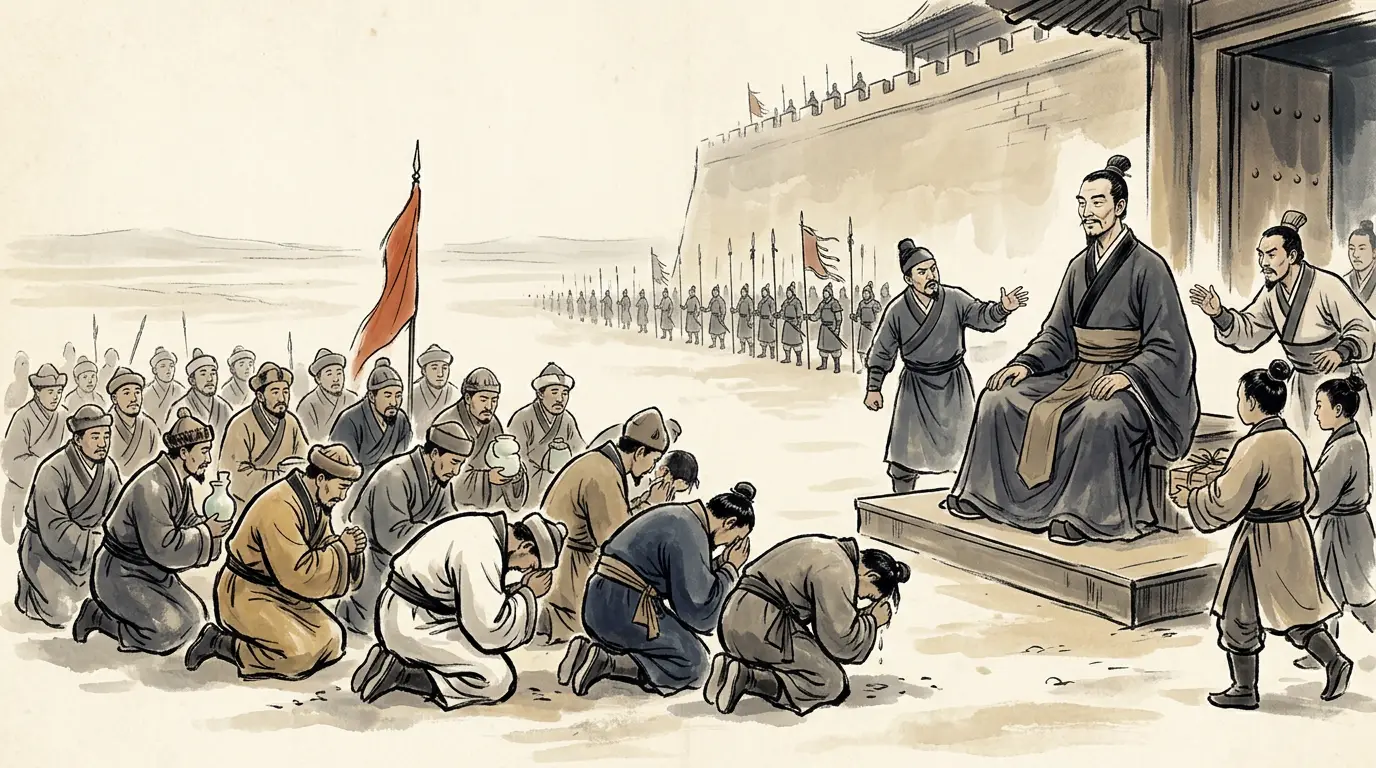
Panel 16: The oasis kings came back to him in 38 CE and the road opened again; in 41 CE the greatest of them asked to be made Han's protector of the west, and the seal was on its way out before a frontier governor at Dunhuang argued that you cannot lend the barbarians that much power and forced the court to take it back. In the winter of 45 CE sixteen of them sent their sons in hostage and asked for a protector, weeping and bowing their heads to the ground. He sent the boys home with rich presents.
Emperor Guangwu Just now my envoys cannot bring a great army out beyond the passes. If the strength of your states is not equal to your will, then east, west, south or north — you are free.
The oasis kings came back to him in 38 CE and the road opened again; in 41 CE the greatest of them asked to be made Han's protector of the west, and the seal was on its way out before a frontier governor at Dunhuang argued that you cannot lend the barbarians that much power and forced the court to take it back. In the winter of 45 CE sixteen of them sent their sons in hostage and asked for a protector, weeping and bowing their heads to the ground. He sent the boys home with rich presents.
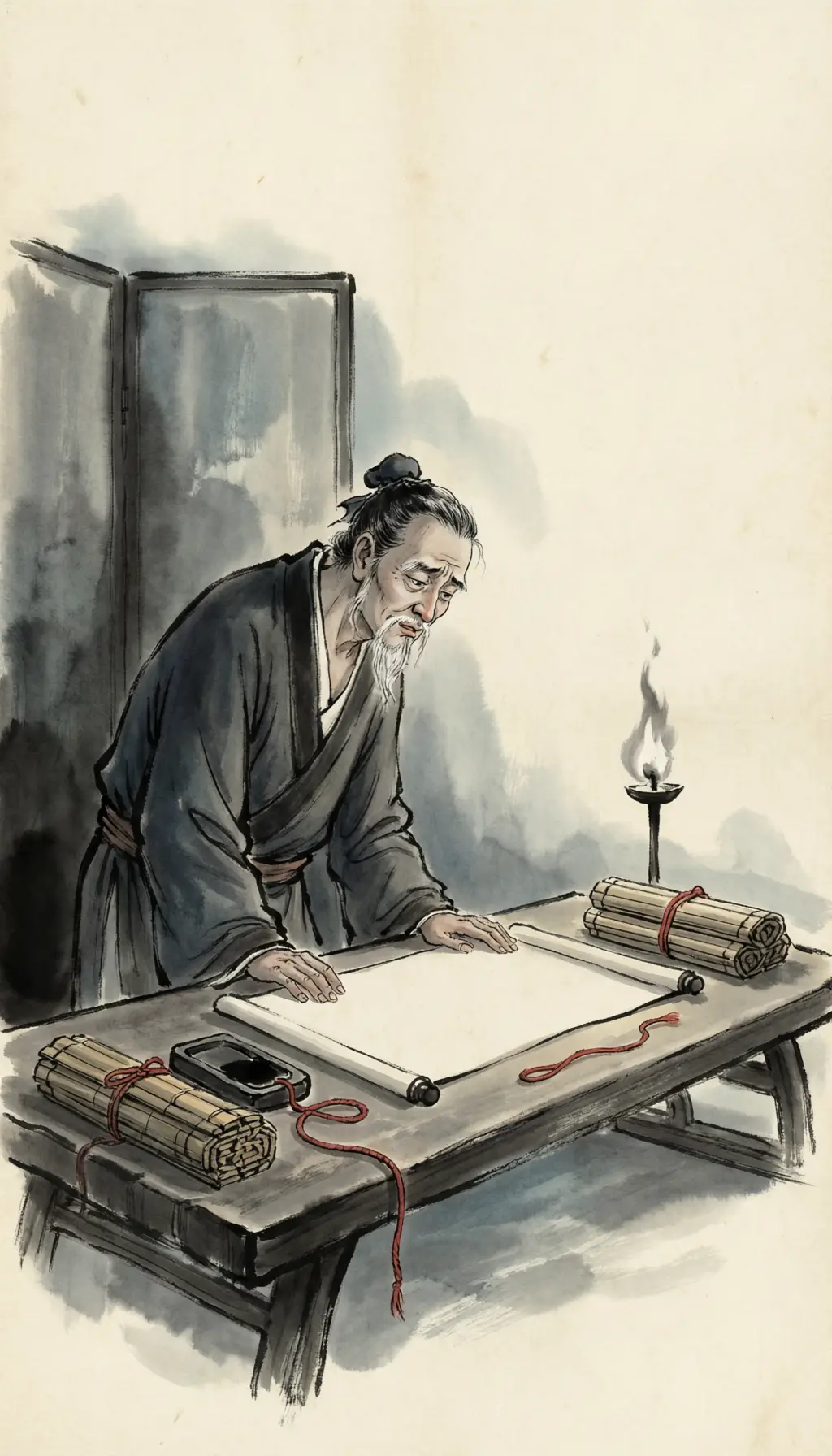
Panel 17: In 54 CE his ministers said thirty years of reign deserved the sealing and the sacrifice at Tai Shan, and he wrote back that after thirty years on the throne the people's resentment was full in their bellies, and that if any commandery or state sent an official from far away to offer congratulations with inflated praise he would have the man's head shaved and sent to work a garrison farm. Nobody dared raise it again for two years. Then he read a prophecy book one night while he was fasting.
In 54 CE his ministers said thirty years of reign deserved the sealing and the sacrifice at Tai Shan, and he wrote back that after thirty years on the throne the people's resentment was full in their bellies, and that if any commandery or state sent an official from far away to offer congratulations with inflated praise he would have the man's head shaved and sent to work a garrison farm. Nobody dared raise it again for two years. Then he read a prophecy book one night while he was fasting.
Panel 18: He died in the second month of 57 CE in the front hall of the southern palace, sixty-two by his own annal, and left the empire to the son Lady Yin had borne him. His historian found the man worn out with war and knowing that the world was spent, and having after the pacification of Long and Shu never spoken of military affairs again unless something pressed.
He died in the second month of 57 CE in the front hall of the southern palace, sixty-two by his own annal, and left the empire to the son Lady Yin had borne him. His historian found the man worn out with war and knowing that the world was spent, and having after the pacification of Long and Shu never spoken of military affairs again unless something pressed.

In this episode

A distant imperial kinsman who farmed his own fields, the advisers who found him, the warlords he bought instead of beating, and the official who told him that the books he relied on were lies.

Portrait of Emperor Guangwu
d. 57 CE
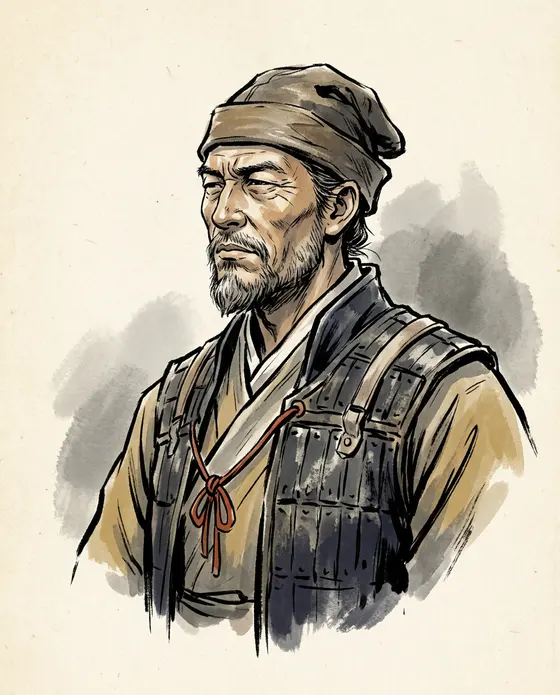
Liu Xiu of Nanyang, a distant grandson of the first Han emperor who took the throne in 25 CE at thirty-one and died in 57 CE at sixty-two. He spent the thirty-two years between on taking the empire's size down.
Portrait of Liu Yan
Liu Yan劉縯
d. 23 CE
His elder brother, Bo Sheng, who liked retainers and hard drinkers more than ploughing and who actually raised the rising. Killed by the emperor the family had made, in 23 CE; honoured by his brother twenty-odd years later.
Portrait of Deng Yu
Deng Yu鄧禹
d. 58 CE
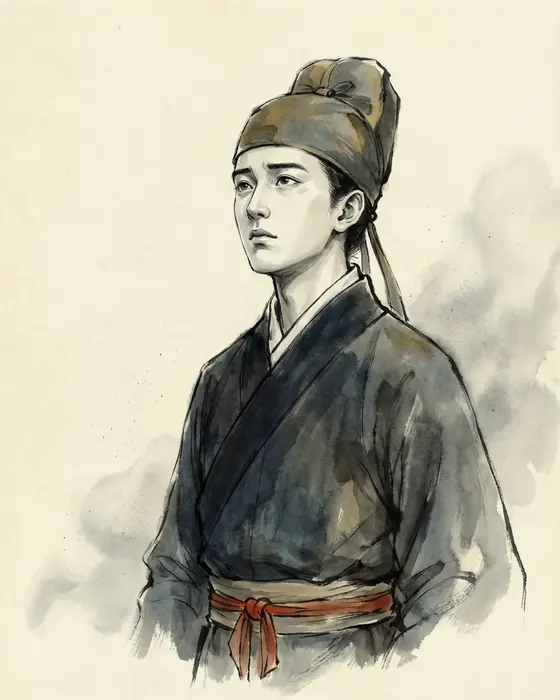
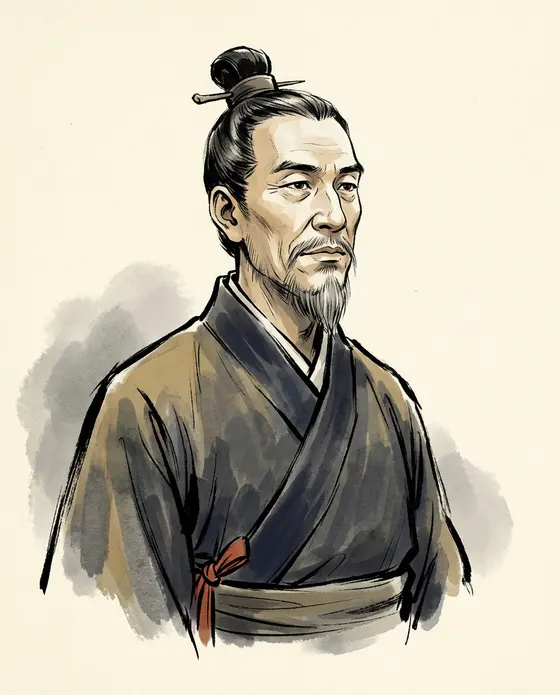
The boy who attached himself to Liu Xiu in the capital's college, rode north to tell him an empire was there for the taking, and was made Grand Minister over the Masses in the field at twenty-four with a fief of ten thousand households. His house was still choosing emperors in 106 CE.
Portrait of Feng Yi
Feng Yi馮異
d. 34 CE
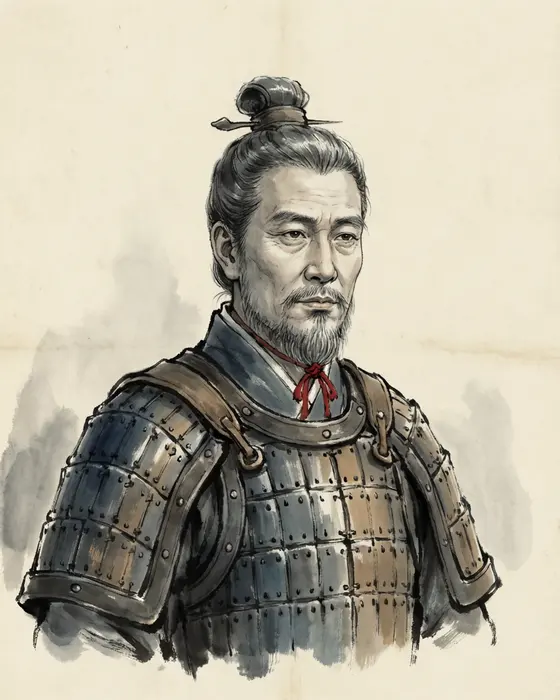
A surrendered prefect of five walled counties who became the army's model of good order, brought a bowl of hot bean porridge at Raoyang, and was nicknamed the Tree General because he stood aside under a tree while the other officers sat and argued about their credits.
Portrait of Wu Han
Wu Han吳漢
d. 56 CE
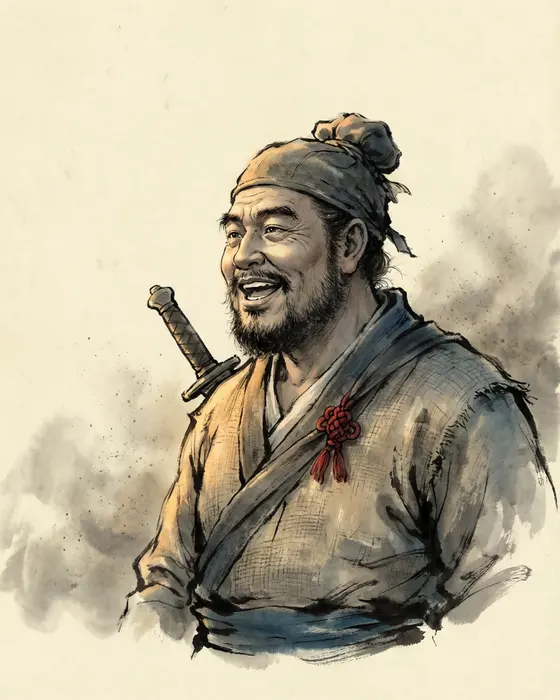
A fugitive horse-dealer from the far north-east who had sold grain on the road; Marshal-in-Chief for twenty years, the man who burned Chengdu after it had surrendered, and the one whose wife was scolded for buying land while the soldiers had none.
Portrait of Lady Yin Lihua
fl. 24–41 CE
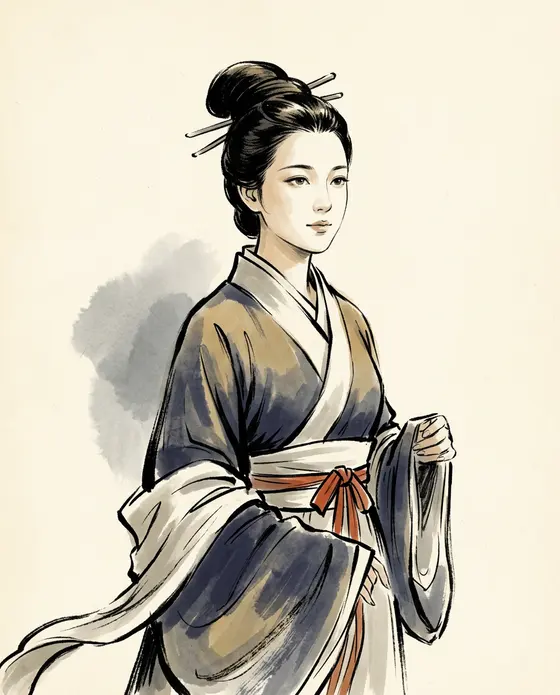
The beauty of Nanyang he admitted wanting as a poor young man, who refused the empresshood because her rival had the elder son, and whose son became the next emperor. Her own record is the Book of the Later Han's memoir of the empresses.
Portrait of Ouyang Xi
Ouyang Xi歐陽歙
d. 39 CE
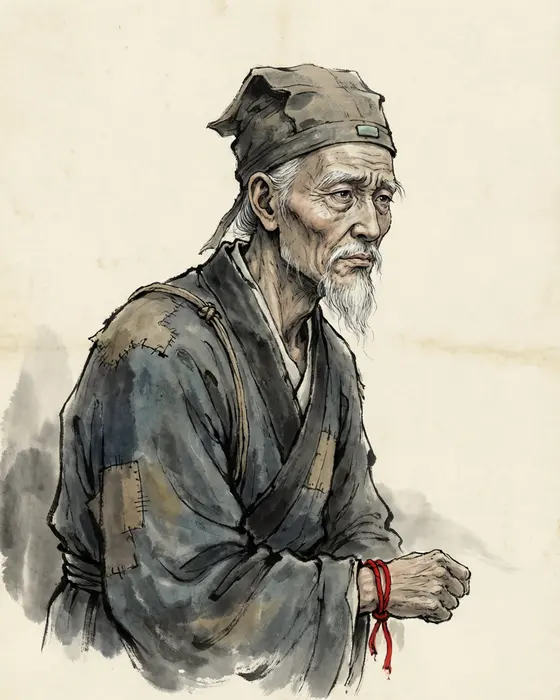
Grand Minister over the Masses, a teacher of the Documents from Runan, put in chains in 39 CE over the figures in the land-and-household audit and dead in prison within the year.

Myth Check

The Ming romances of the Han dynasties, the stage plays drawn from them and the serials drawn from those are entertainment — and not a source. Where their famous scenes depart from the histories, we leave them out of the story and put them here.

The story you may know

Guangwu won his empire as a battlefield genius, the sword-throwing emperor of the popular retellings, who personally put a million men to flight at Kunyang.

What the sources say

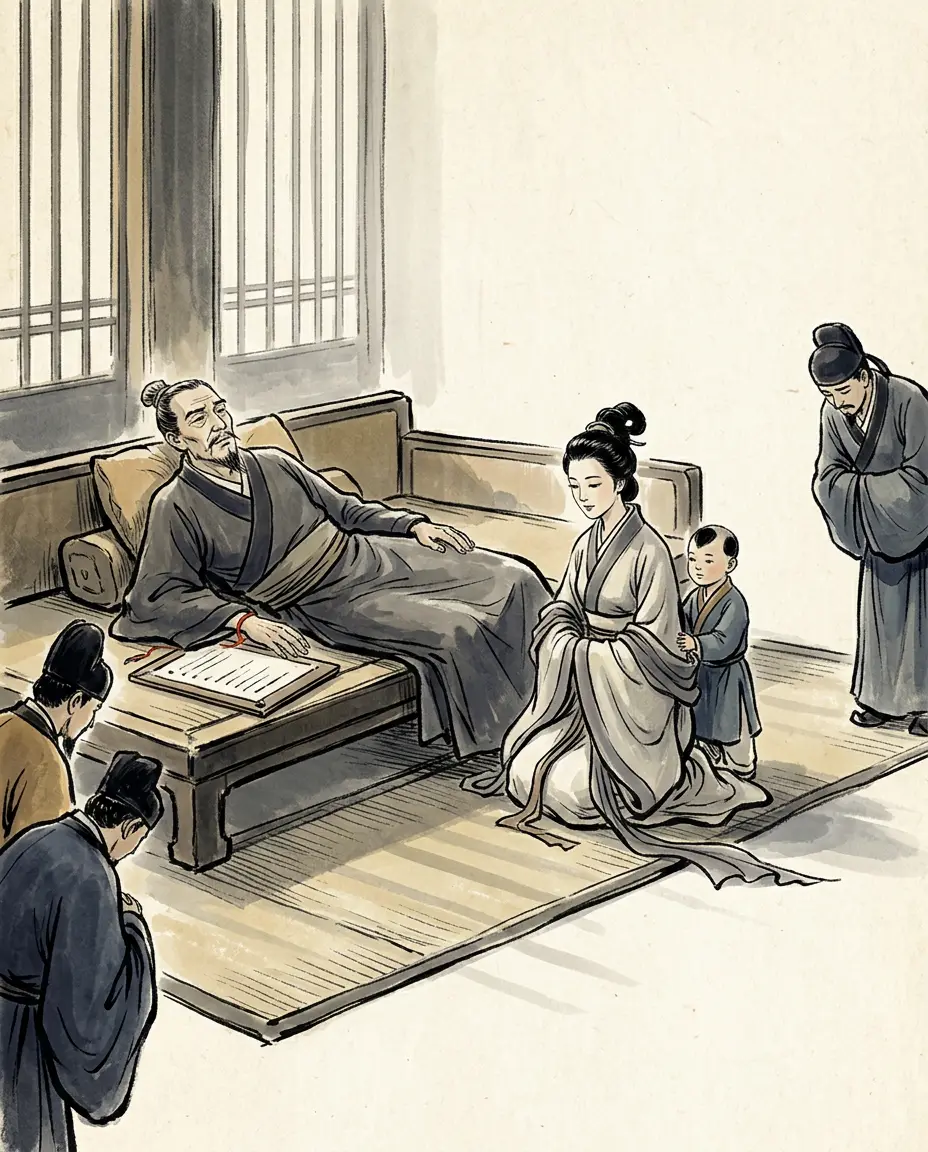
Kunyang is in the record and so is his personal courage, but the record's own evidence for what he was good at lies elsewhere: he cut the Bronze Horse bands' grain for a month before he fought them, he wrote to his generals telling them to sit still, and when Wu Han disobeyed him at Chengdu in 36 CE he read him out in the same letter style — but I told you a thousand things and here you go throwing yourself into a battle. His ministers say the effect in one line: he consulted Deng Yu about every general he employed, and Deng Yu's picks all fitted the post, so the emperor was known for knowing men. The million and the forty-two thousand are the court's own numbers, repeated in the emperor's accession prayer and in the annal's closing hymn.

Hou Han shu, juan 1 upper and lower; juan 16, Biography of Deng Yu; juan 18, Biography of Wu Han
The story you may know

The restoration of the Han was a rising of the people which swept a reluctant landholder onto the throne in 25 CE.

What the sources say

Every step of his ascent in the record is the work of a few men with a stake in the name. A numerologist from Wan brought him a prophecy line to sell him on it; his own kinsmen hid from the rising; a puppet emperor's government made him an inspector, and the annal's most quoted line about that job is an old clerk weeping to see the Han offices' dignity again. He was made emperor by a classmate riding in with a chart-text, a colonel warning him that the crowd would otherwise go home, and a memorial that compared the omen to the white fish of Zhou. The portents of his birth — the red light in the room, the single stalk of grain with nine ears that gave him his name — are collected in the annal by his historian, who ends the list with a question rather than a claim.

Hou Han shu, juan 1 upper; juan 1 lower, the historian's essay
The story you may know

His mildness proves the Eastern Han state was soft: a government that could not even count its own land.

What the sources say

The land-and-household audit of 39 CE shows a state sharp enough to kill its own top officials over a return: the governor of the capital commandery and ten-odd governors died in prison in 40 CE, and two Grand Ministers over the Masses died in the same business. What happened next is the real story. When the great families and the men who commanded the local soldiers rose in four provinces at once, the court did not send an army after them; it forgave the officers who had let them through, promised a pardon to any five bandits who killed one of their number, moved the chiefs to another commandery and gave them fields. The state stopped being exact about land and stayed exact about everything else, and the annal's own line about cattle grazing with the town gates open is how it congratulated itself on the compromise.

Hou Han shu, juan 1 lower
The story you may know

The prophetic charts and apocrypha were a fringe superstition hovering at the edges of his court, a private oddity of an ageing emperor.

What the sources say

They were the court's constitutional material, and the record dates them precisely. The text that made him emperor was a chart-line, and he read it aloud to Heaven on the altar at Hao in 25 CE; in 56 CE he promulgated the charts and the apocrypha to the whole realm in the same year as he built the Bright Hall and the Spirit Terrace. The Feng and Shan he had refused with a threat in 54 CE he performed in 56 CE because he had read a chart one night during his fast and had his officers go and find more. Two scholars who said flatly that they did not read them nearly died of it and spent the rest of their careers out of the great offices; a whole school tradition of the Zuo commentary was stopped in mid-flight, in a minister's words, because its masters did not understand the charts.

Hou Han shu, juan 1 upper and lower; juan 97, Treatise on Sacrifices; juan 28 upper; juan 36
The story you may know

The Eastern Han was the Western Han carried on under the same name, restored by a descendant to the same machinery.

What the sources say

The name was restored; the state was rebuilt smaller and differently run. More than four hundred counties were folded into others in 30 CE with one officer in ten kept; the commandery commandants who drilled the annual levy were abolished in the same year; the light chariots, the horse and the naval levies were stood down in 31 CE and sent back to civilian registration; the land tax went to one in thirty; the provincial governors became inspectors again in 42 CE; four kings of the blood and a hundred and thirty-odd other princes were stepped down in 37 CE; and in 50 CE the pay scale above a thousand shi was cut below the old Western Han rates. His own register counted four million households and some twenty-one million mouths at his death in 57 CE, against the treatise's memory of the fullest Western Han count — of the people, its sentence says, ten parts left two. Zhong Changtong's verdict on the machinery, written late in the dynasty: the three ministers were appointed, and the business went to the terrace offices.

Hou Han shu, juan 1 lower; juan 109, Treatise on Commanderies and Kingdoms; juan 49

Sources

Every caption and quotation in this episode traces to one of these. Where scholars disagree, the panel says so.

Next

The emperor who restored the Han refused to buy the western road back, kept his generals rich and unemployed, and made a bargain with the landholders that his dynasty spent two centuries paying for: Episode 11 · Thirty-Six Men (The Western Regions, 73–102 CE). The gate he shut on the west stayed shut until one clerk rode out through it. Or back to the Han line, or meet the cast.