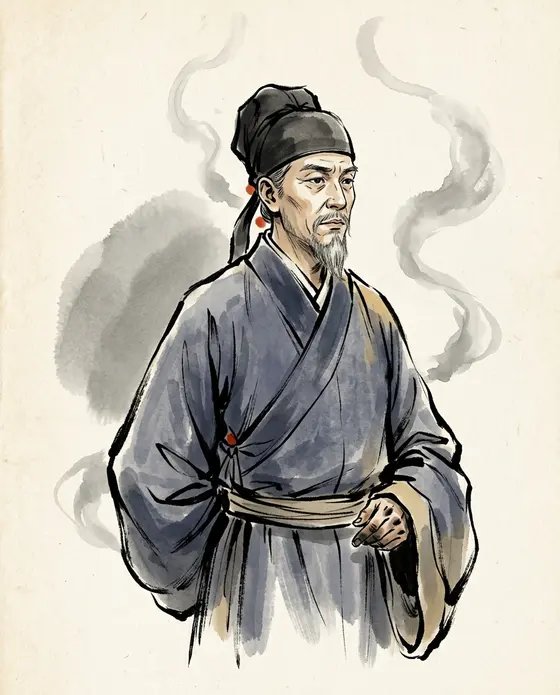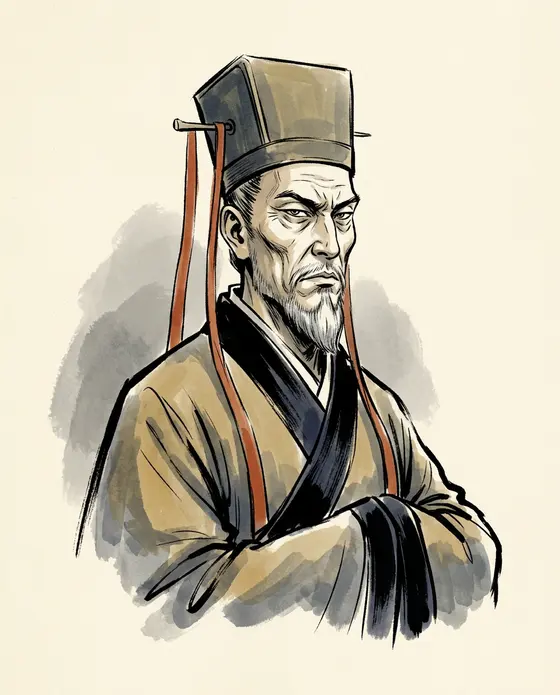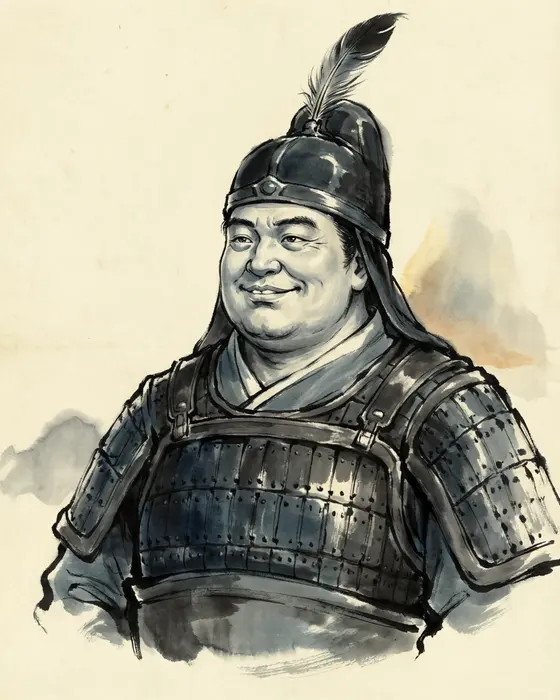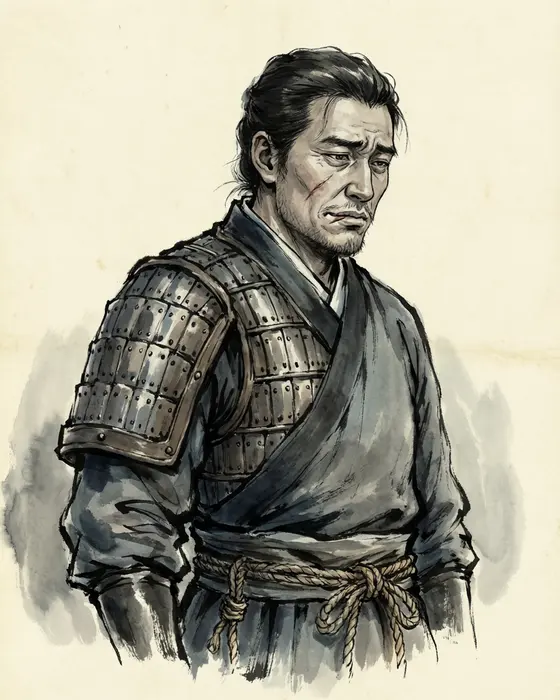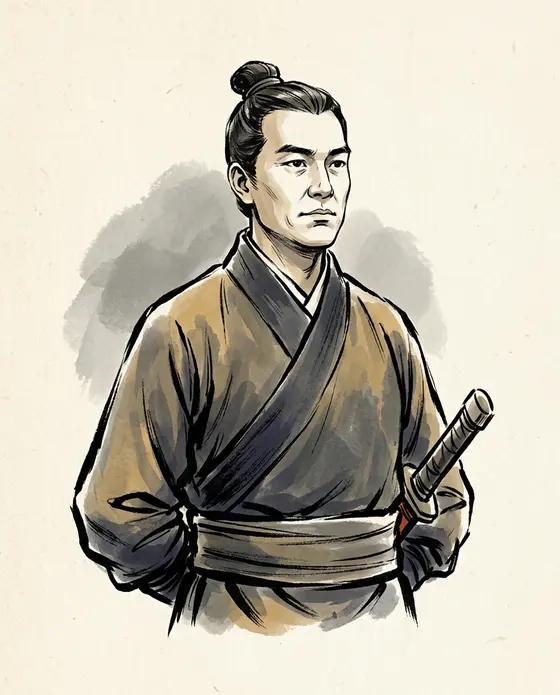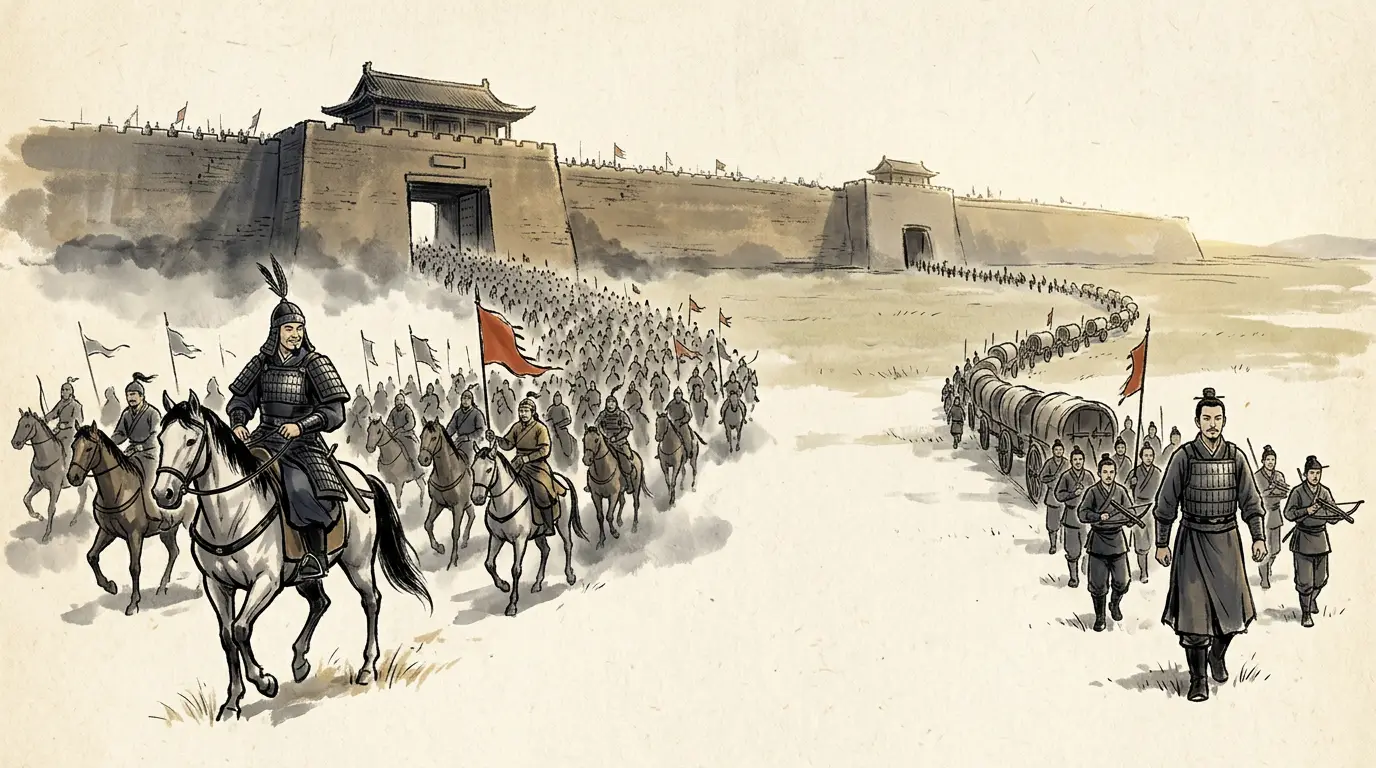
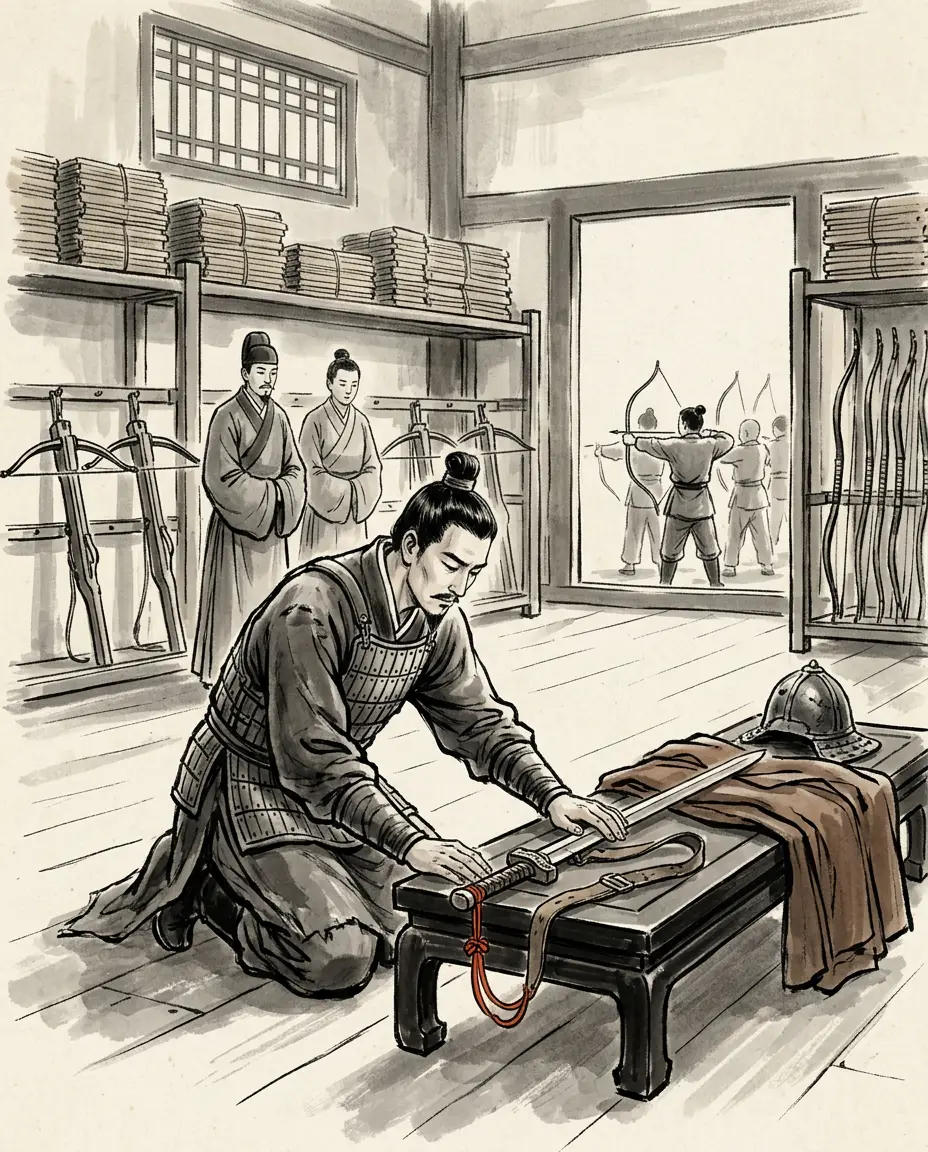
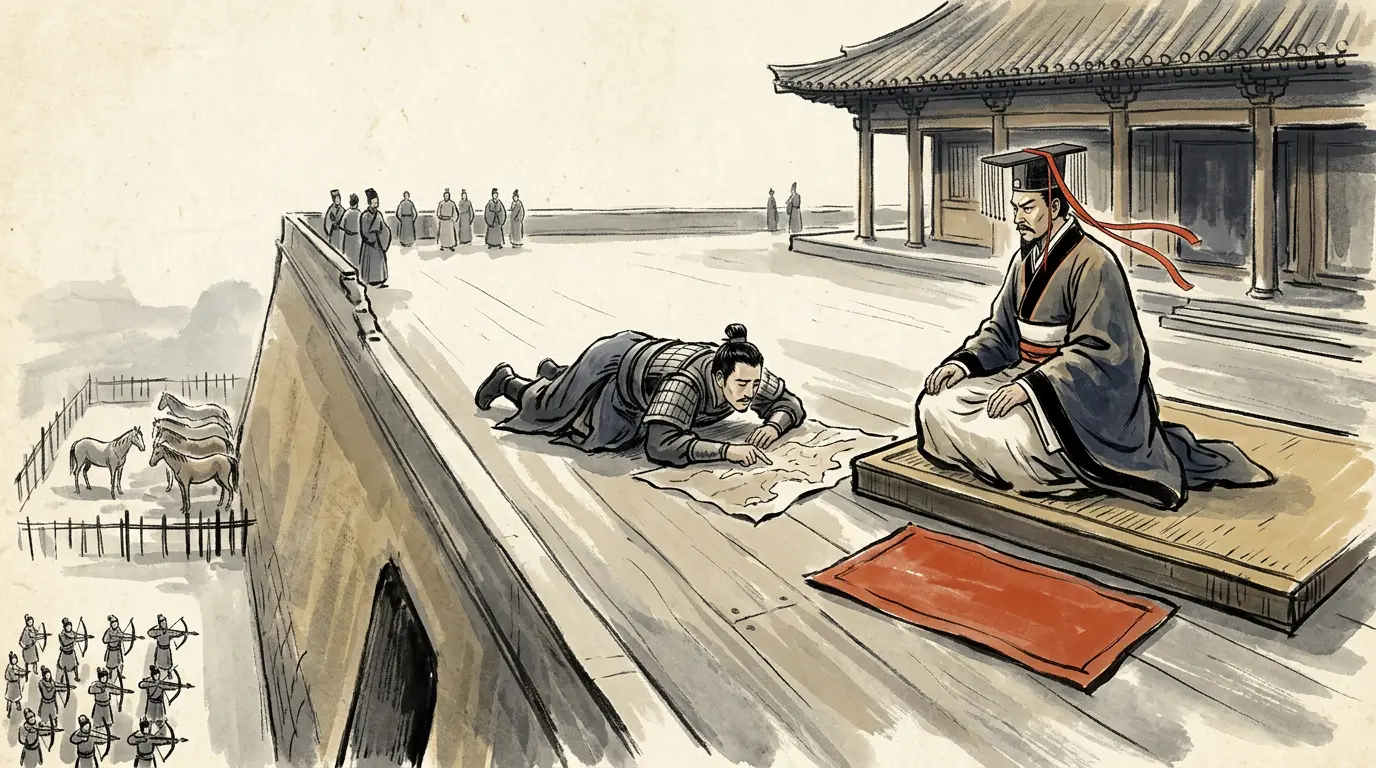
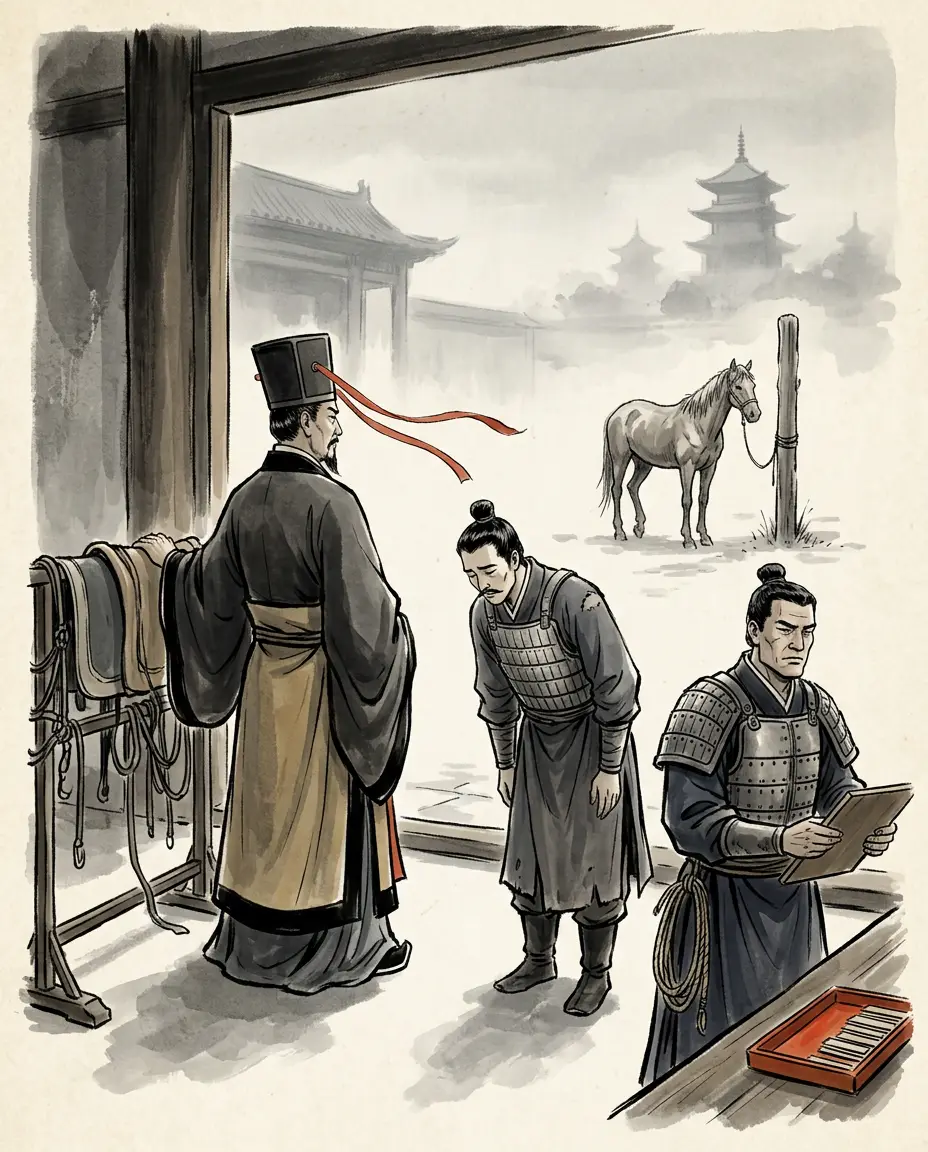
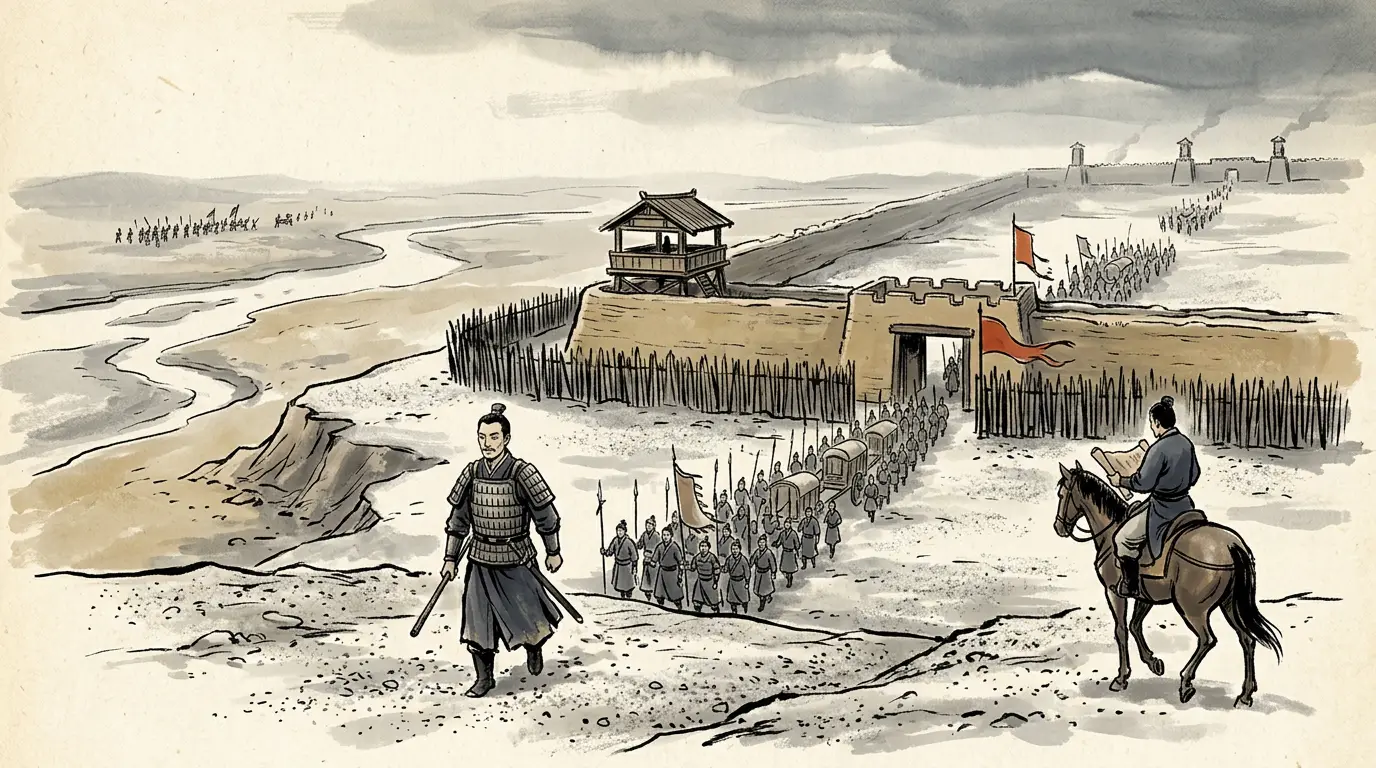
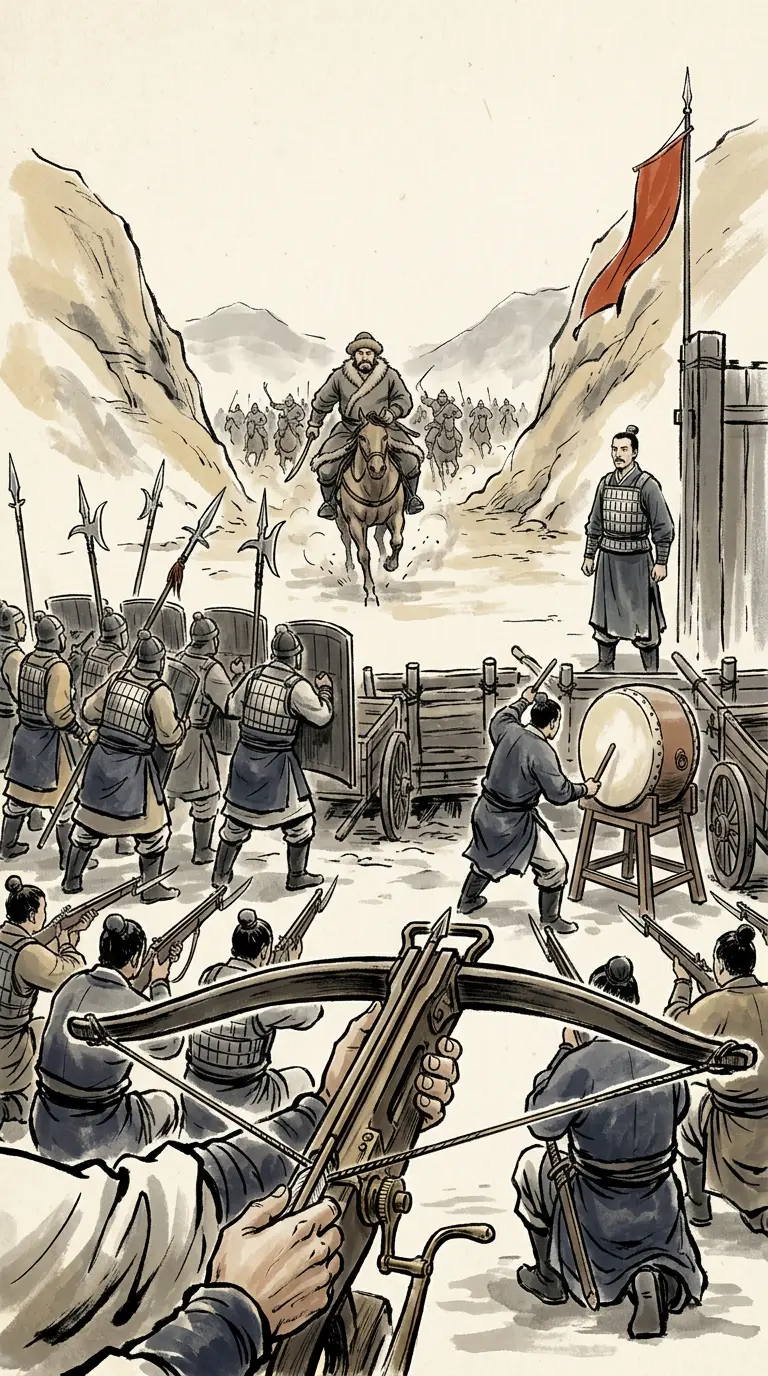
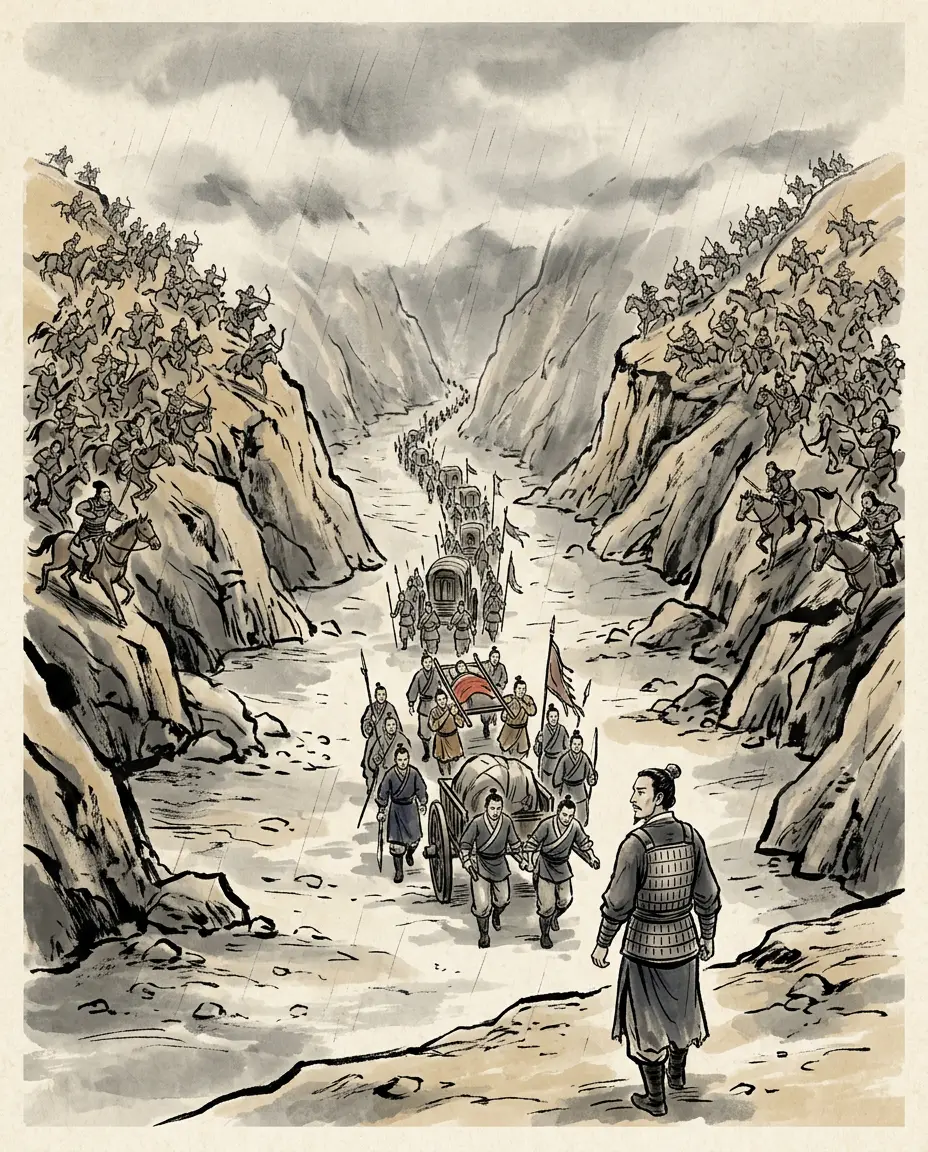
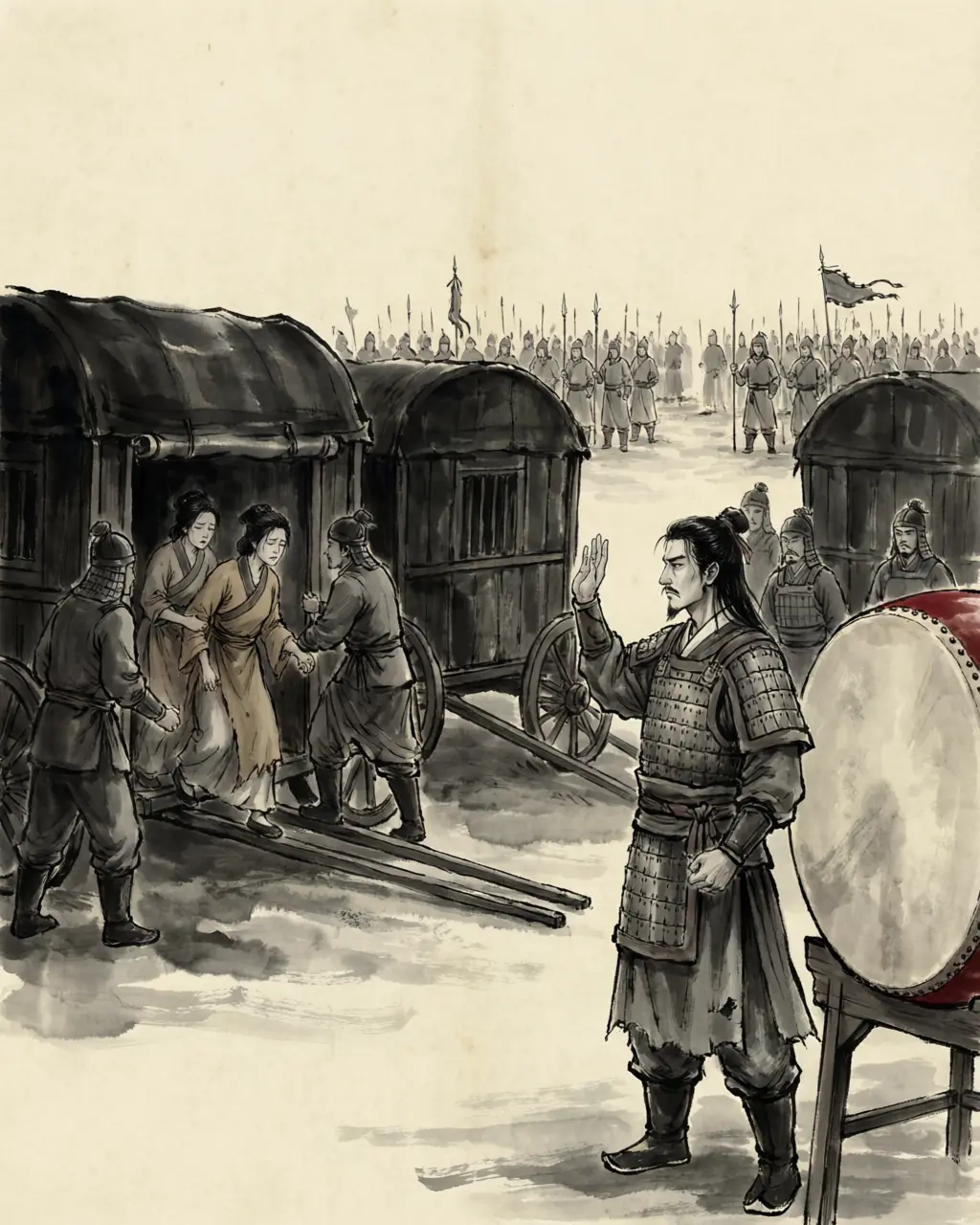
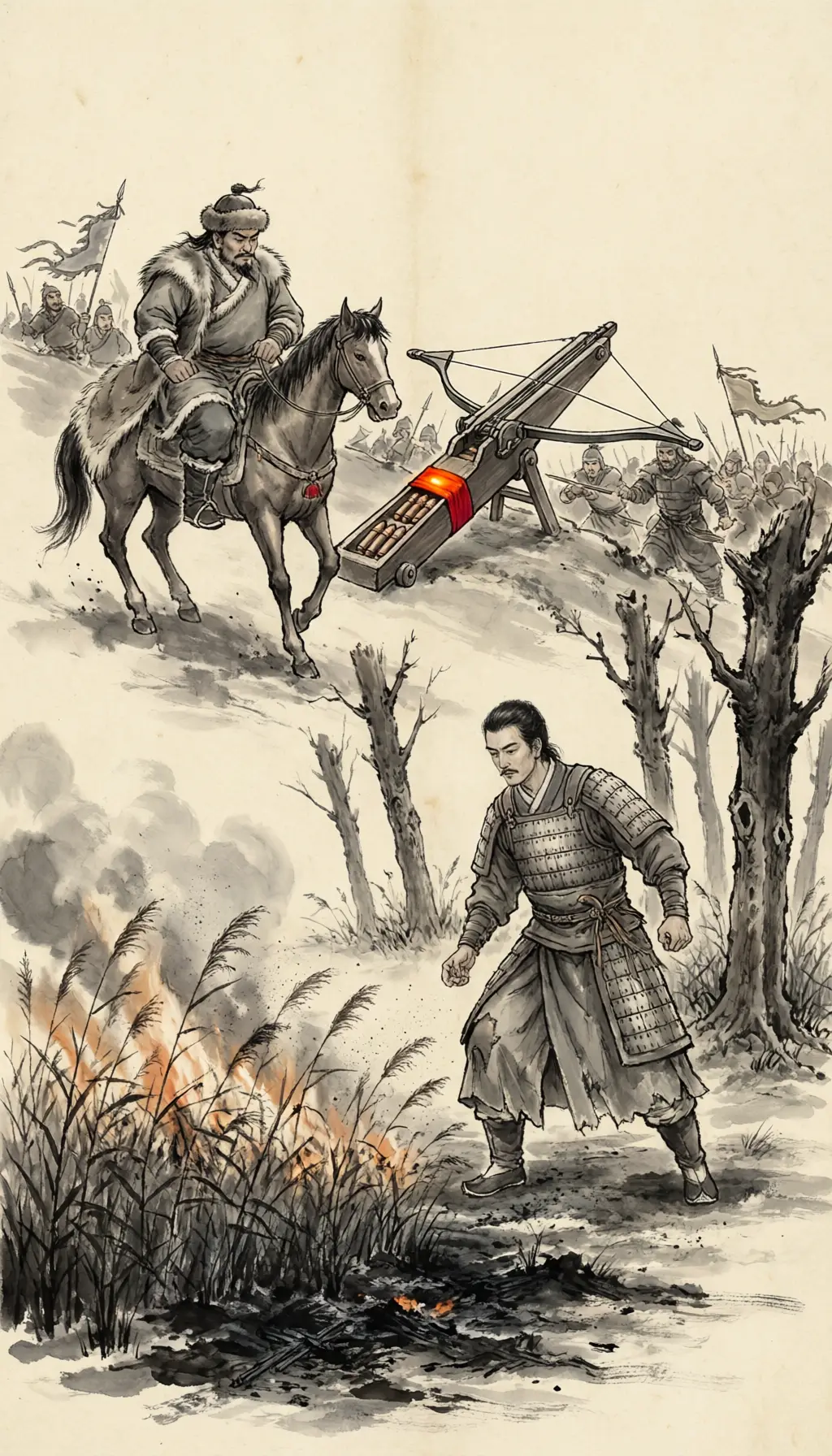
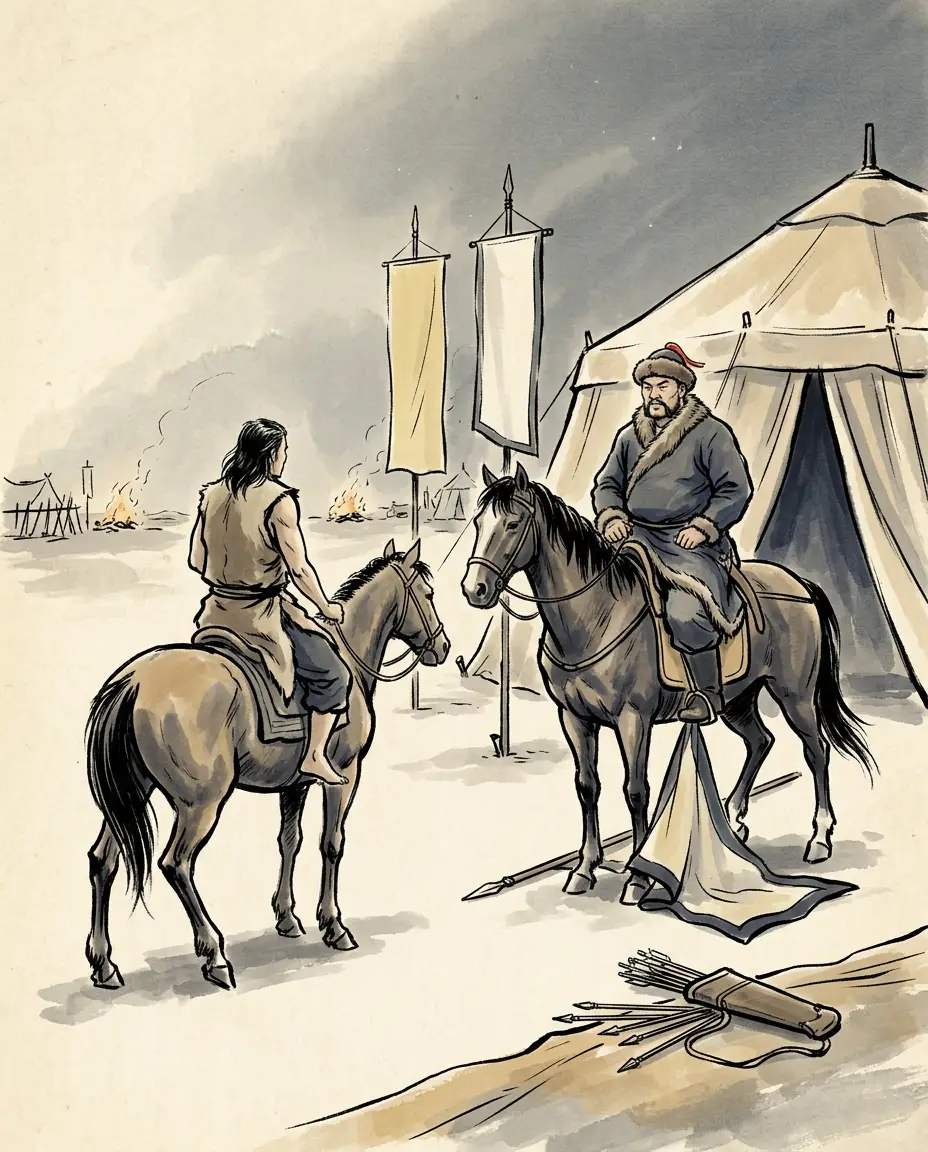
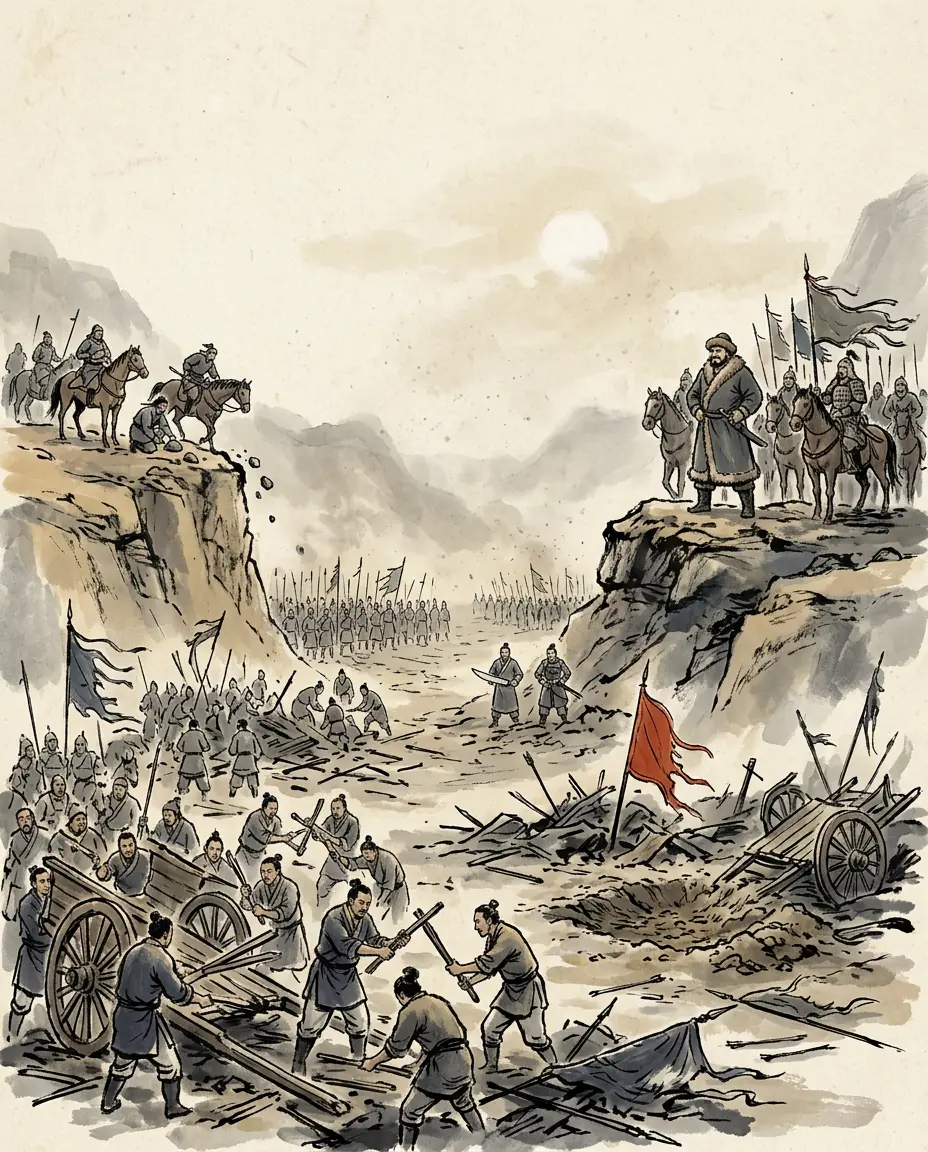


Seven people carried 99 BCE: the colonel who gave in within a day's march of his own wall, the officer who told the court what that had cost, the emperor who decided both their fates, and the man who wrote it down.


The Ming romances of the Han dynasties, the stage plays drawn from them and the serials drawn from those are entertainment — and not a source. Where their famous scenes depart from the histories, we leave them out of the story and put them here.
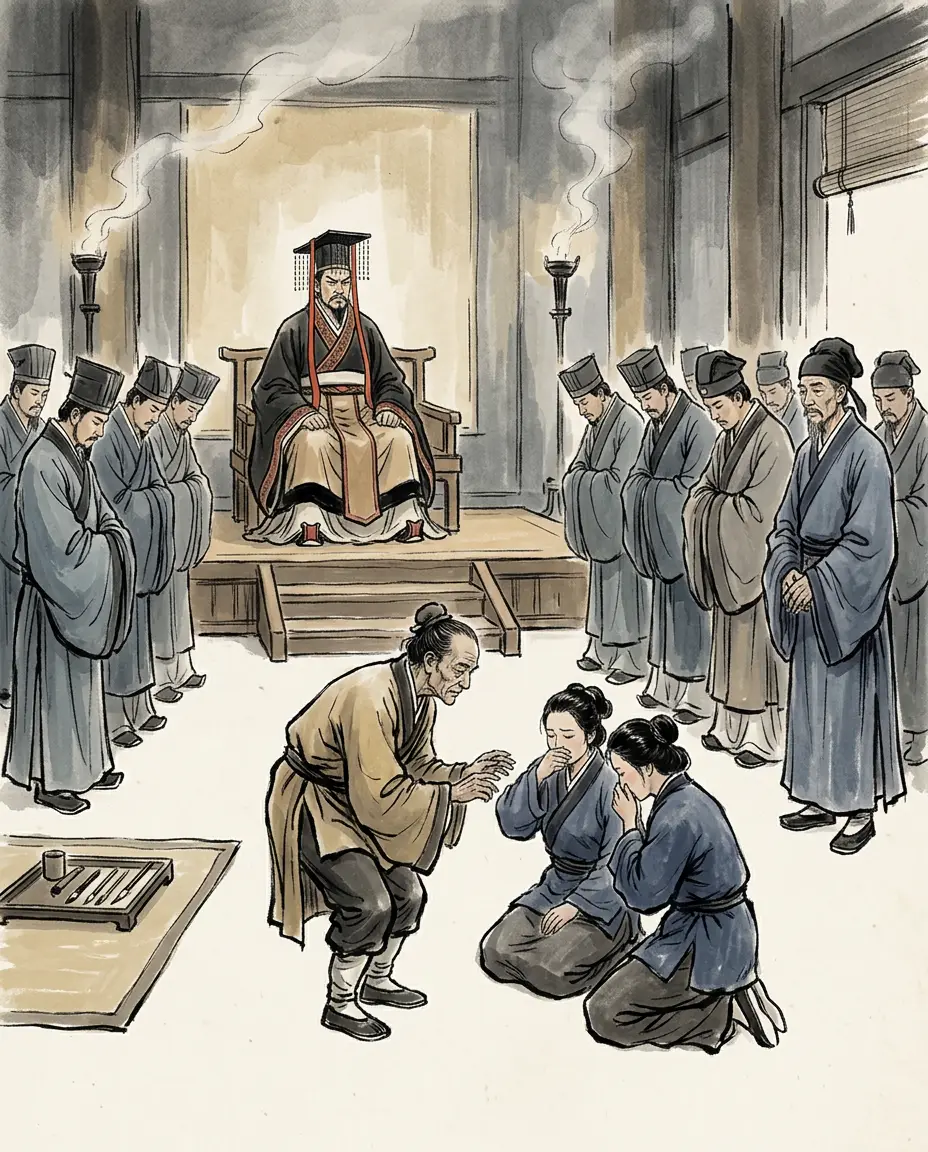
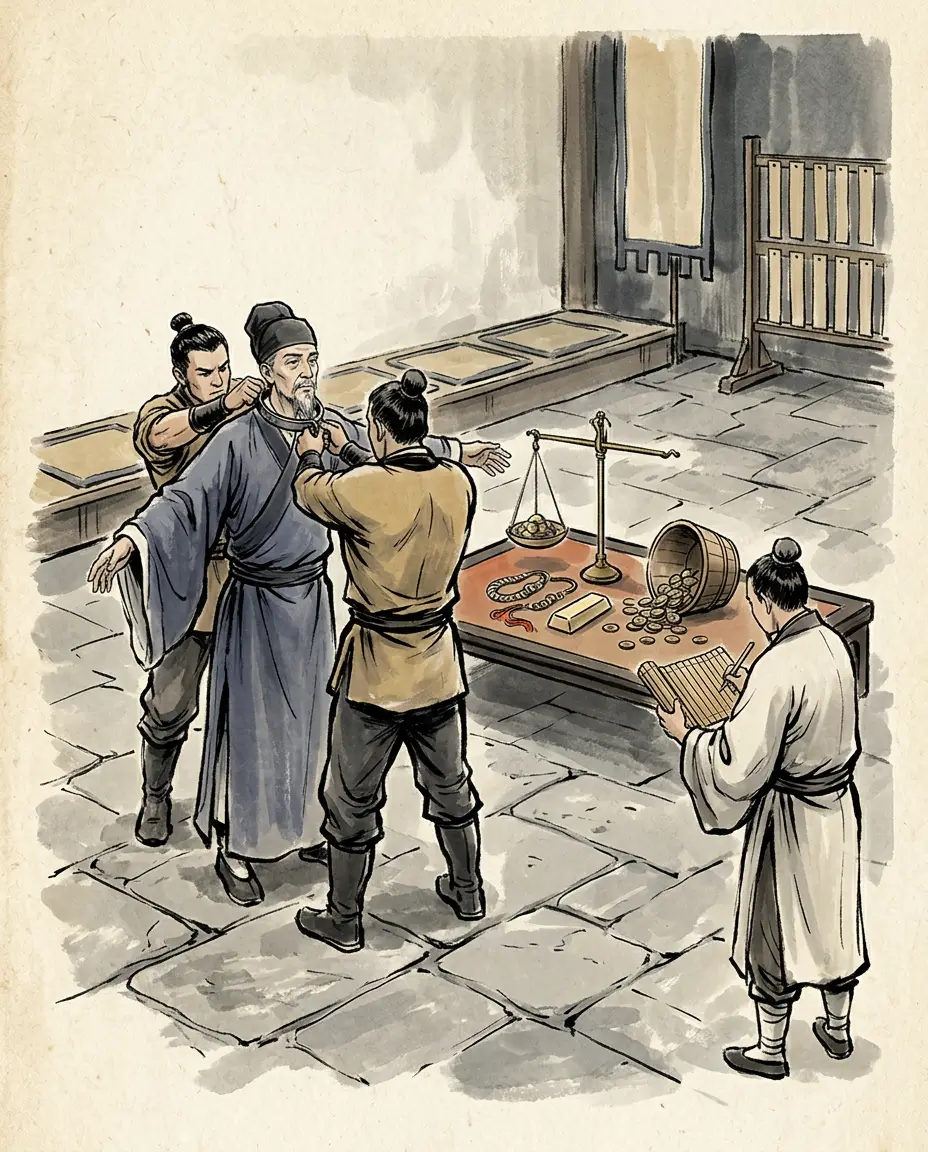
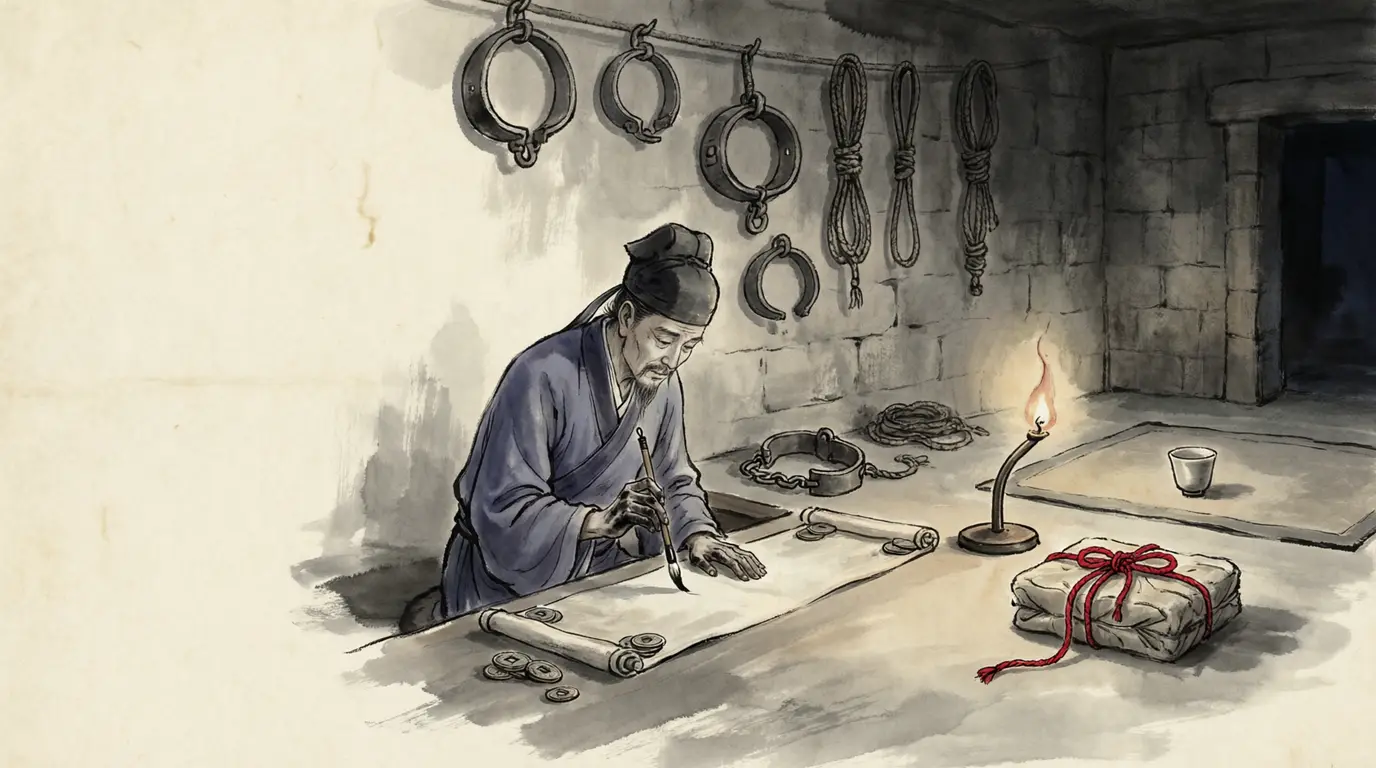
Sima Qian was mutilated, and afterwards put to death, because he wrote history honestly: the emperor read the Records of the Grand Historian, was enraged by its candour, and punished the author for it.
Two books give one narrow cause, and it is a spoken sentence about Li Ling: he says himself that with his mouth's words he met this calamity. The sentence falls in the year after the surrender, years before the book was finished, and no official history has the emperor reading a page of it before punishing the man — the reverse is what the record says happened, since he was afterwards made Master of the Secretariat and trusted with the documents that reached the throne. The stories of a ruler reading and then killing the historian are later than the histories and reach us in anecdote and in notes quoting anecdote.
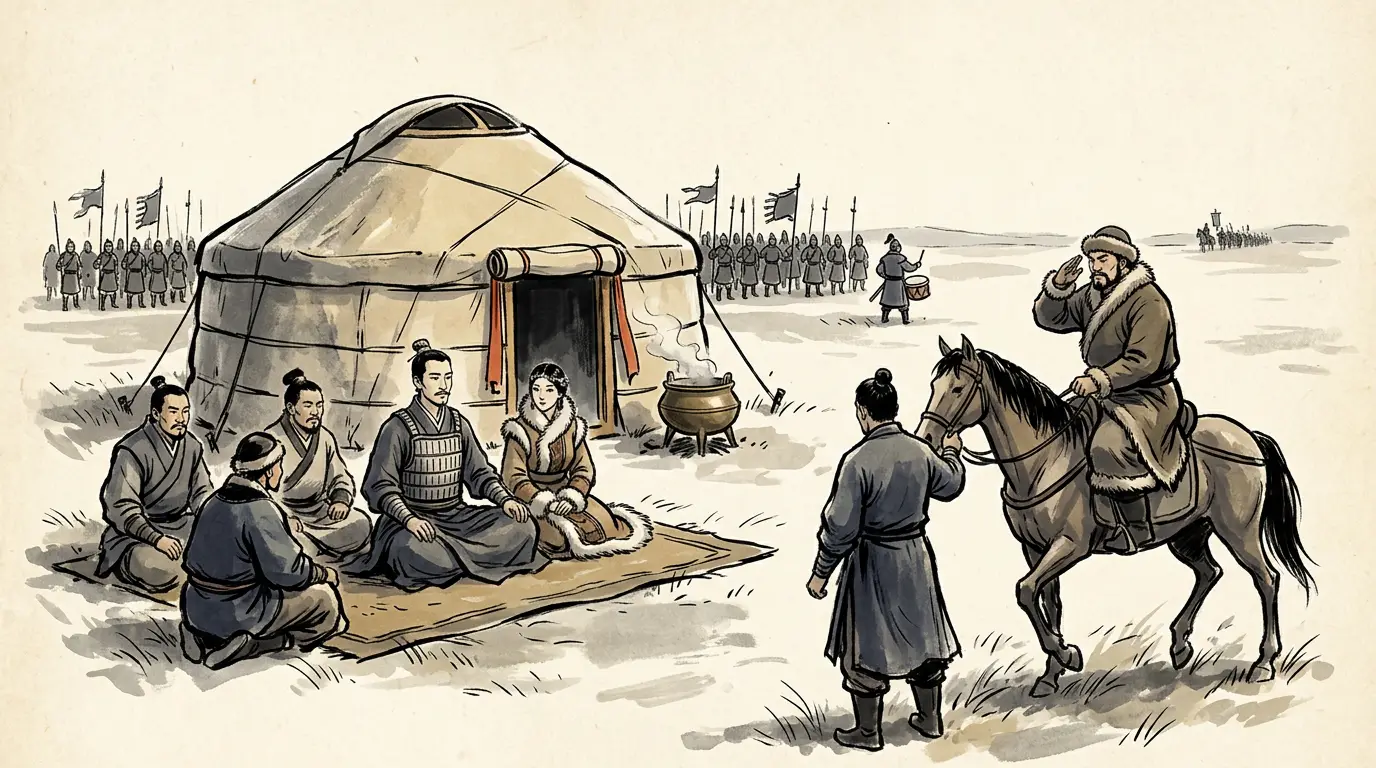
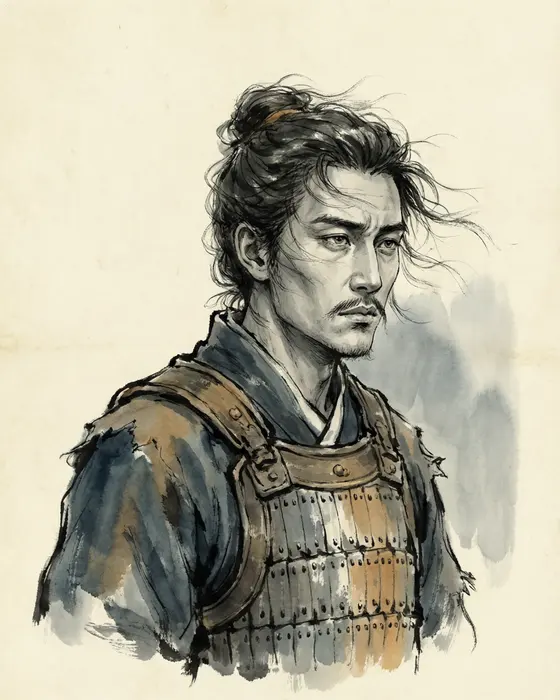
Li Ling went over to the enemy of his own accord, became a Xiongnu general and drilled their horse against his own frontier, so his family's execution was deserved.
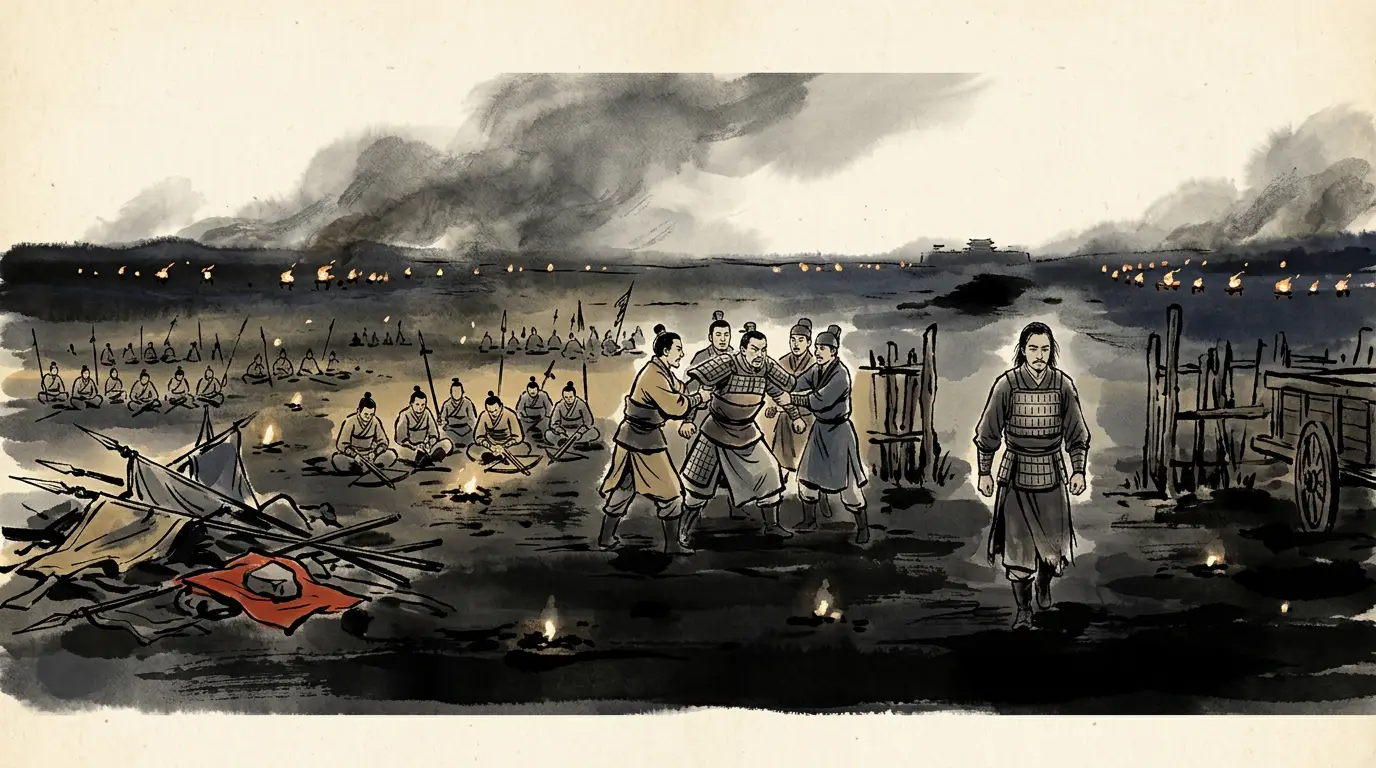
He gave himself up after the arrows and the road were gone, having buried the treasure, cut down the banners and told his men to scatter so that someone might reach the passes and report. The emperor himself afterwards said the mission had been mismanaged, and sent an envoy to reward the survivors. The report that produced the attainder came from a Han column that had failed to find Ling and lost its own men; the histories say the drilling was being done by Li Xu, a different surrendered officer, and that Ling had him assassinated for it.
The five thousand were annihilated to the last man and the whole business was a disgrace to Han, as the court's verdict assumed.
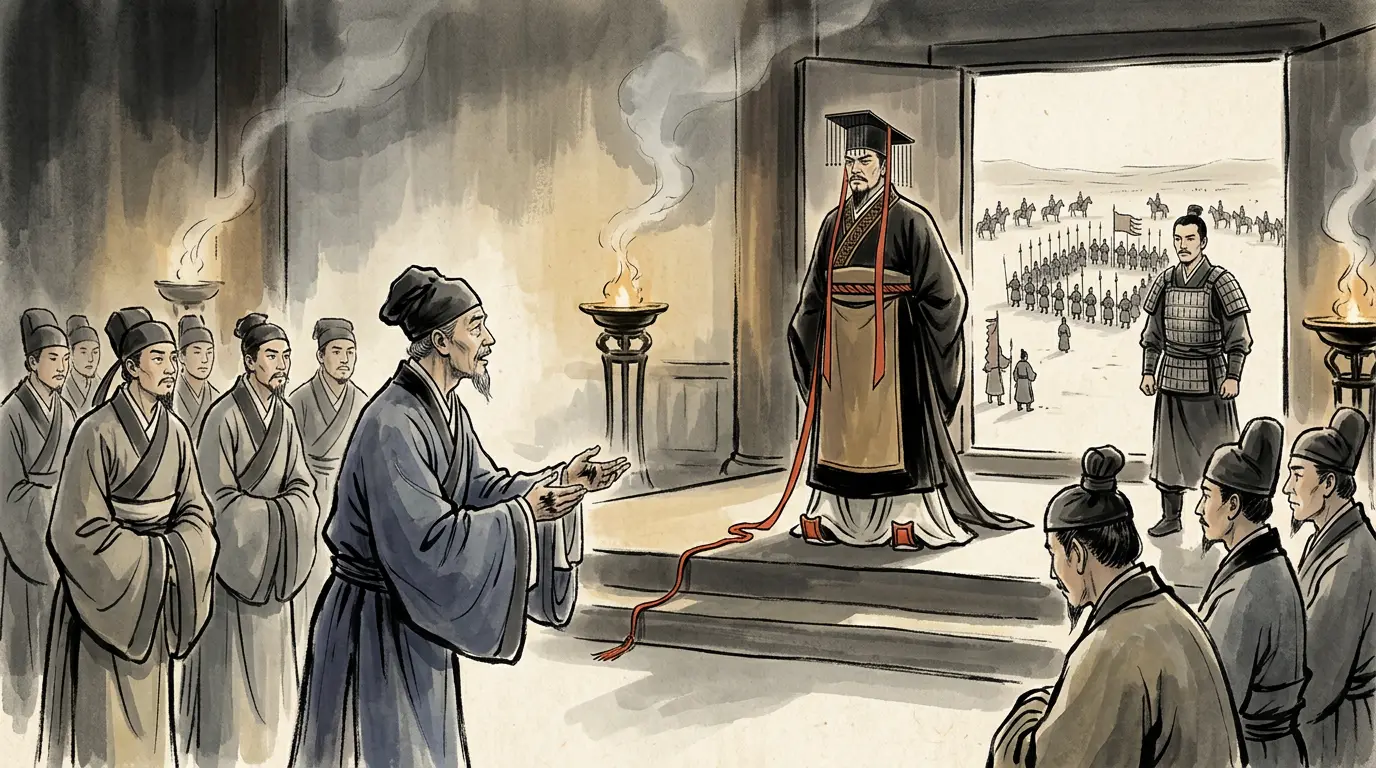
The surviving count in the memoir is four hundred and odd men in again at the wall, after a month of marching and fighting, with the field a hundred-odd li short of it. The historian's speech — which is a plea and says so — is the only record of how the empire took the news: the plain people were moved by the fate of five thousand foot, while the officers who keep their own carcases went about counting the defeated man's small faults. The Juyan line was not pulled in; the garrisons stayed where they were and the columns went on marching out of it for a decade.
Li Ling's letters from the steppe, above all the reply he wrote to Su Wu, show us how he felt about surrendering.
Neither history contains a line of his writing. What they give is two speeches — one to his own men before the scattering, one to a Han envoy years later — and a song at a farewell in the memoir of Su Wu: ten thousand li crossed, the road cut and the blades broken, his men destroyed and his name wrecked, his old mother dead, and where now to pay the debt. The verse letters between Li Ling and Su Wu stand in the anthology and nowhere else; their attribution has been doubted for centuries, and their homesick loyalist is contradicted by the man who refused to come home.
The Shiji came out of the imperial archive complete, exactly as its author left it, and was made in the aftermath of the punishment.
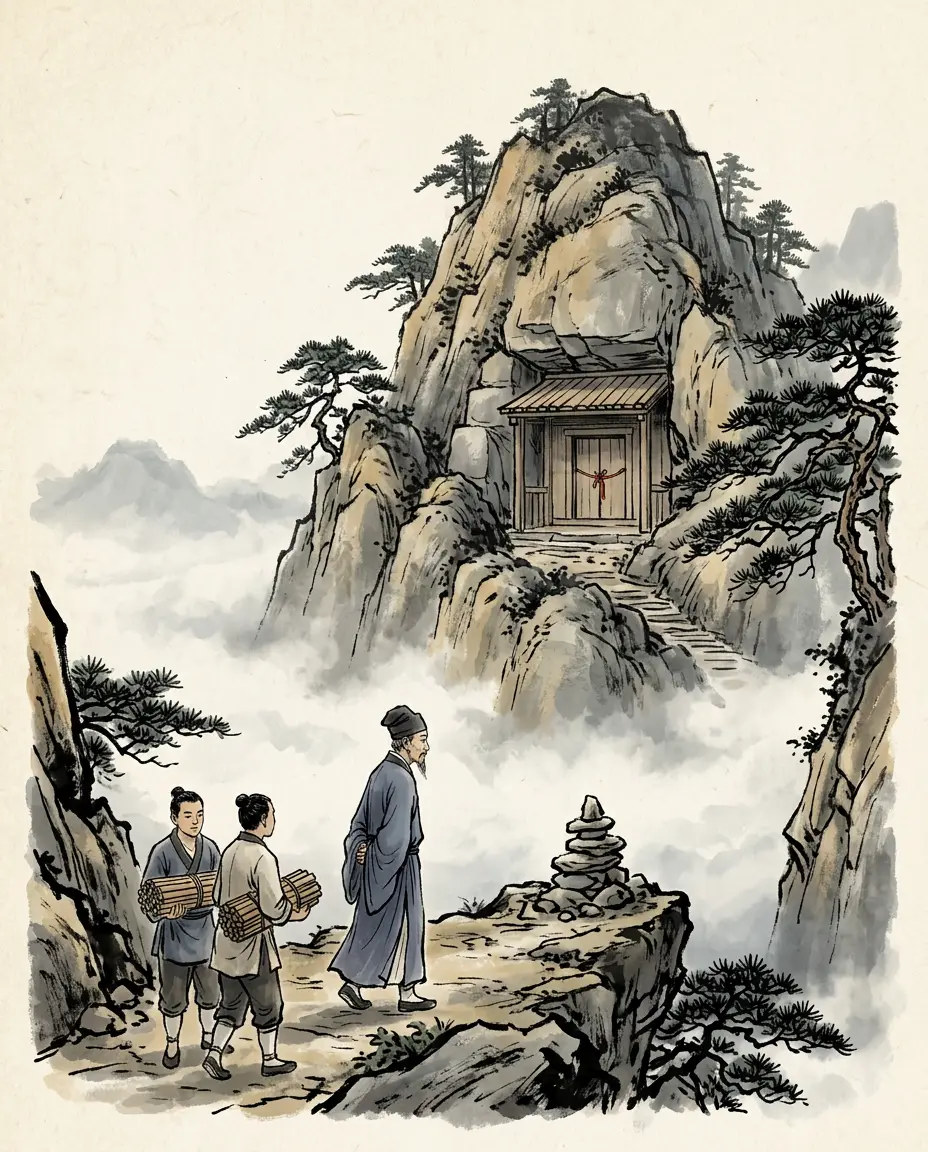
He says the plan and the drafting were older than the calamity: the charge was his father's, the office and the stone chamber came years before it, and the letter's argument for living is that the work was unfinished when the sentence fell. The transmitted text is not the archive's either. The copies he describes are his own — one hidden in a famous mountain, one in the capital — and what was declared abroad came through his daughter's son under Emperor Xuan, a generation after his death, with ten chapters already gone.
Every caption and quotation in this episode traces to one of these. Where scholars disagree, the panel says so.
The surrender was punished and the truth about it punished harder. What nobody had counted on was the fear inside the palace: Episode 7 · Ashes in Chang'an (The Palace Digging and the Luntai Edict, 91–89 BCE). And the fear inside the palace came out as a purge. Or back to the Han line, or meet the cast.