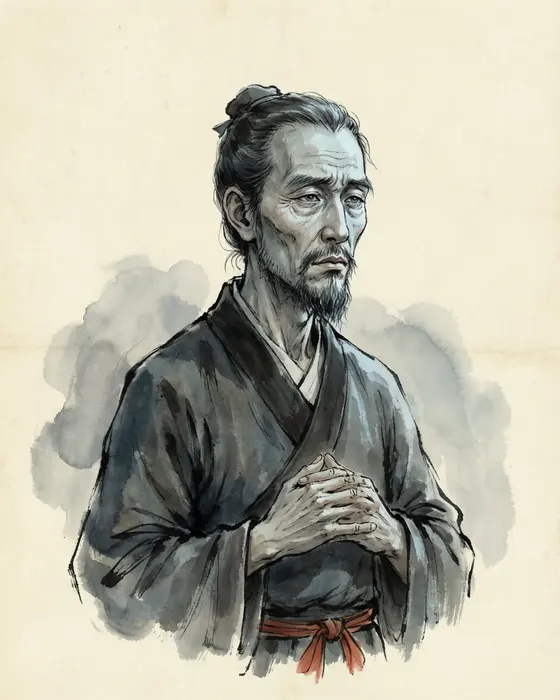
d. 23 CE
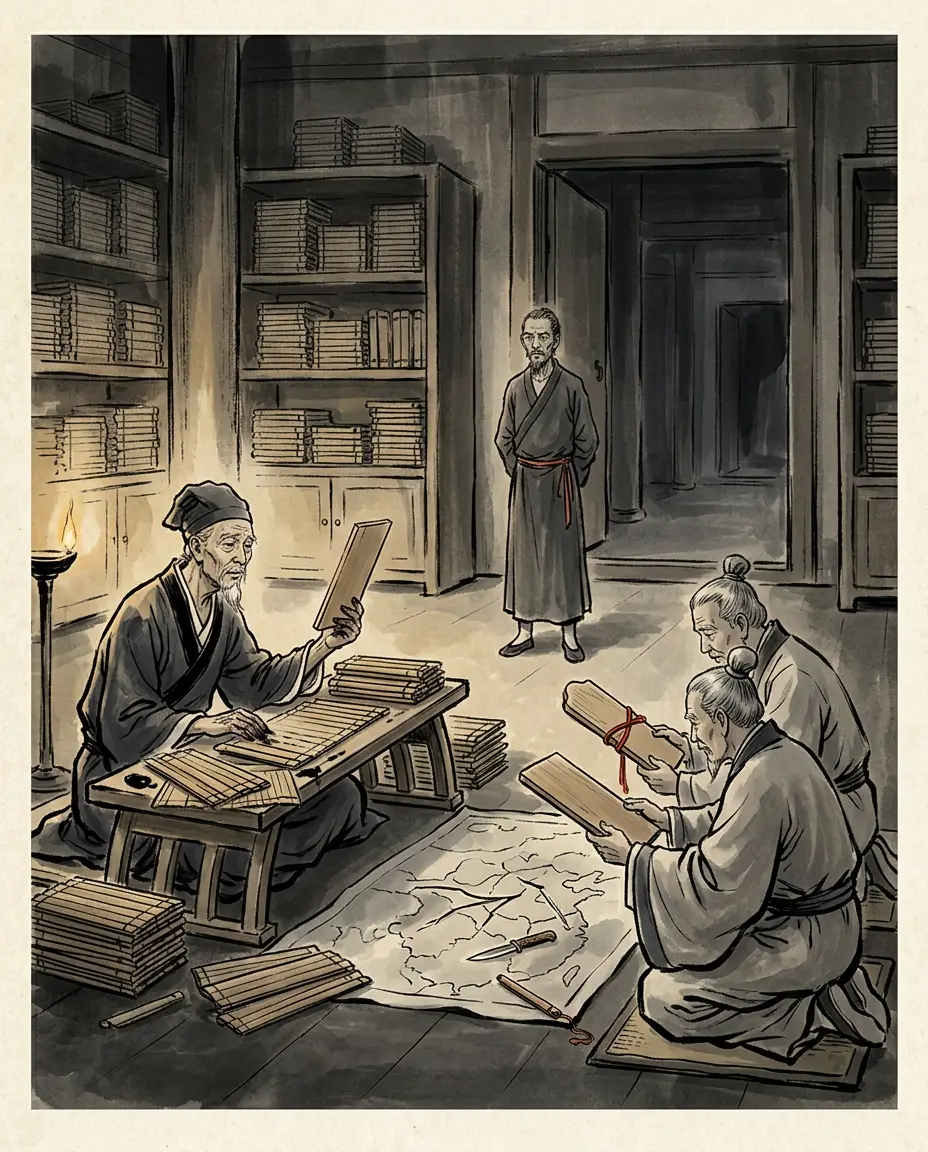
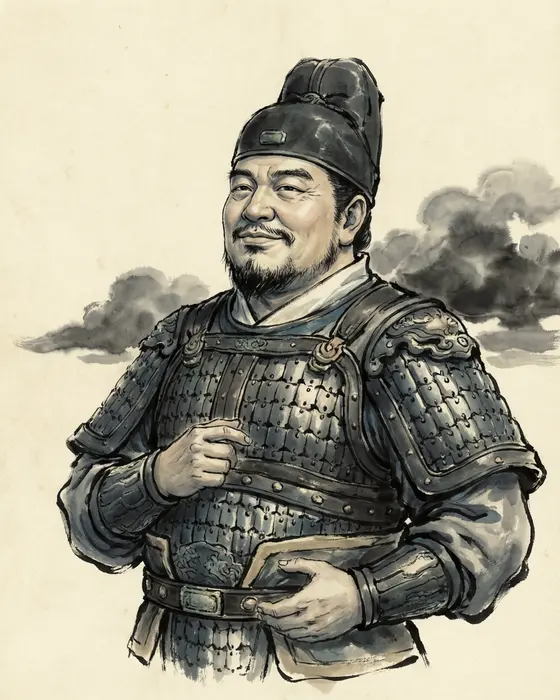
Regent, then the one emperor of the New. Poor in a house of nine marquisates, famous for his own frugality, he governed an empire the way he had read a classic: by correcting the words.
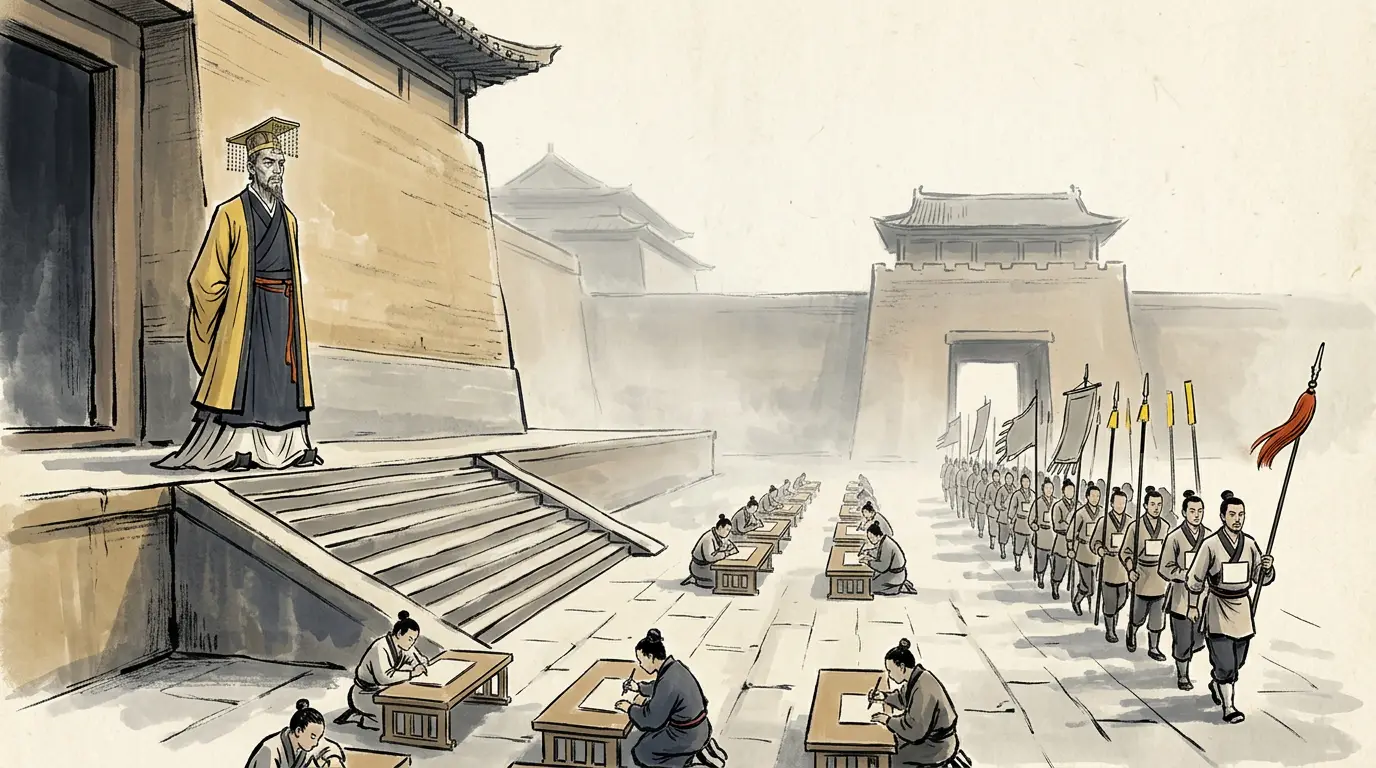
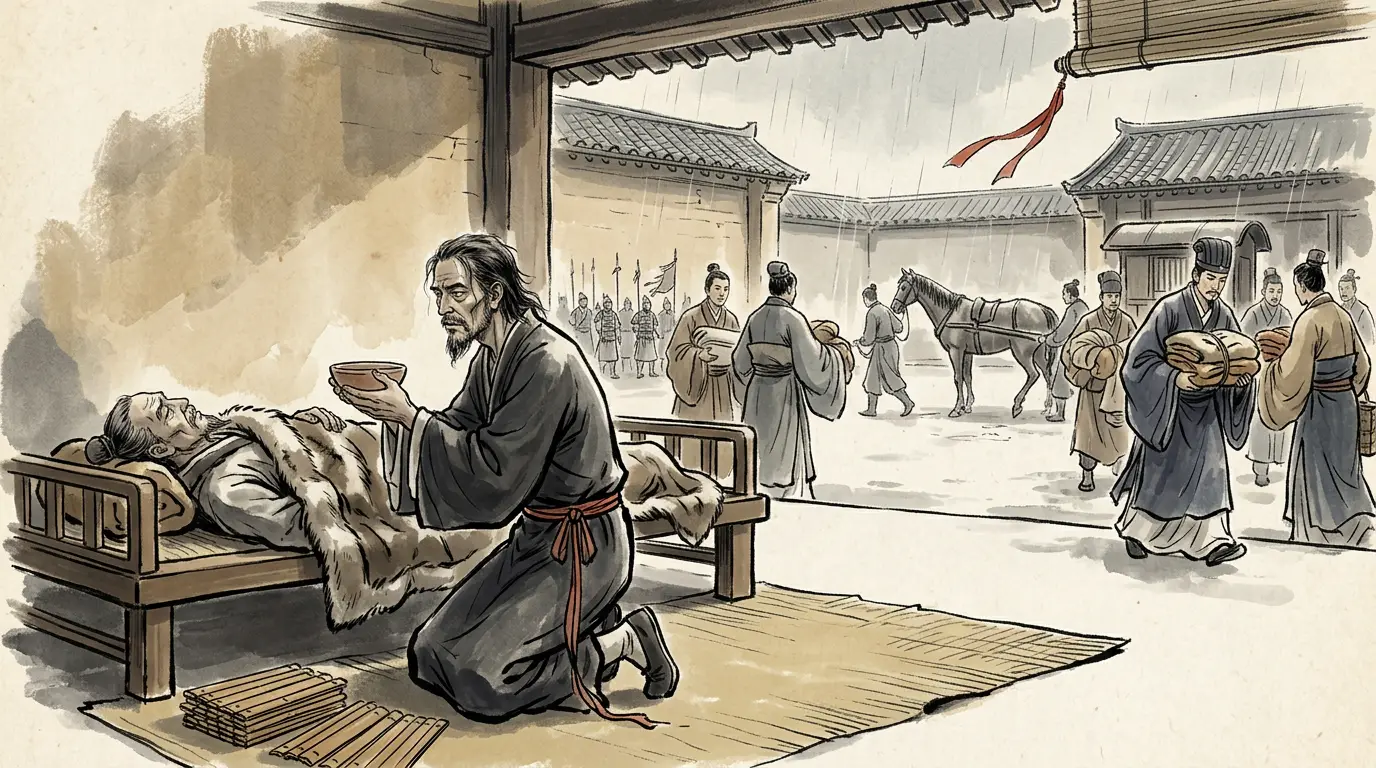
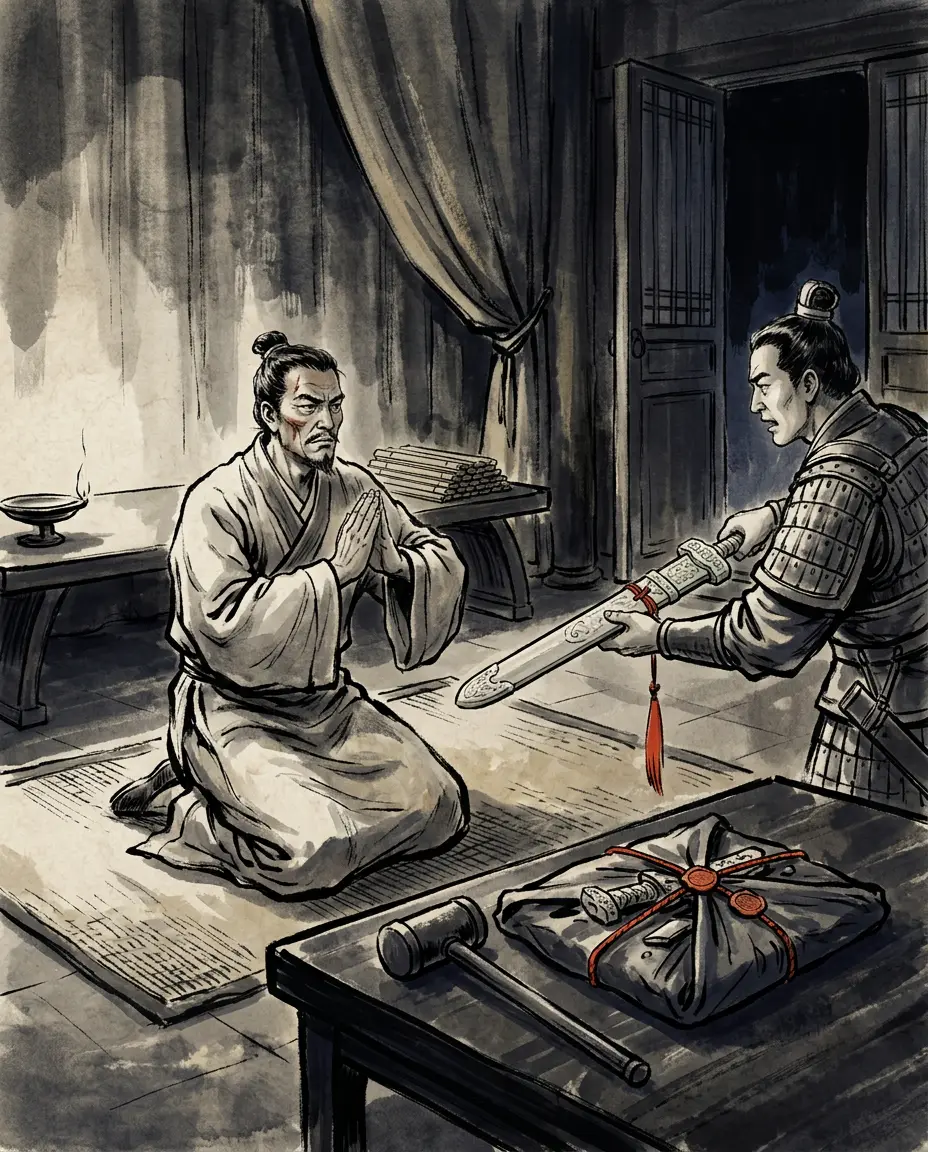
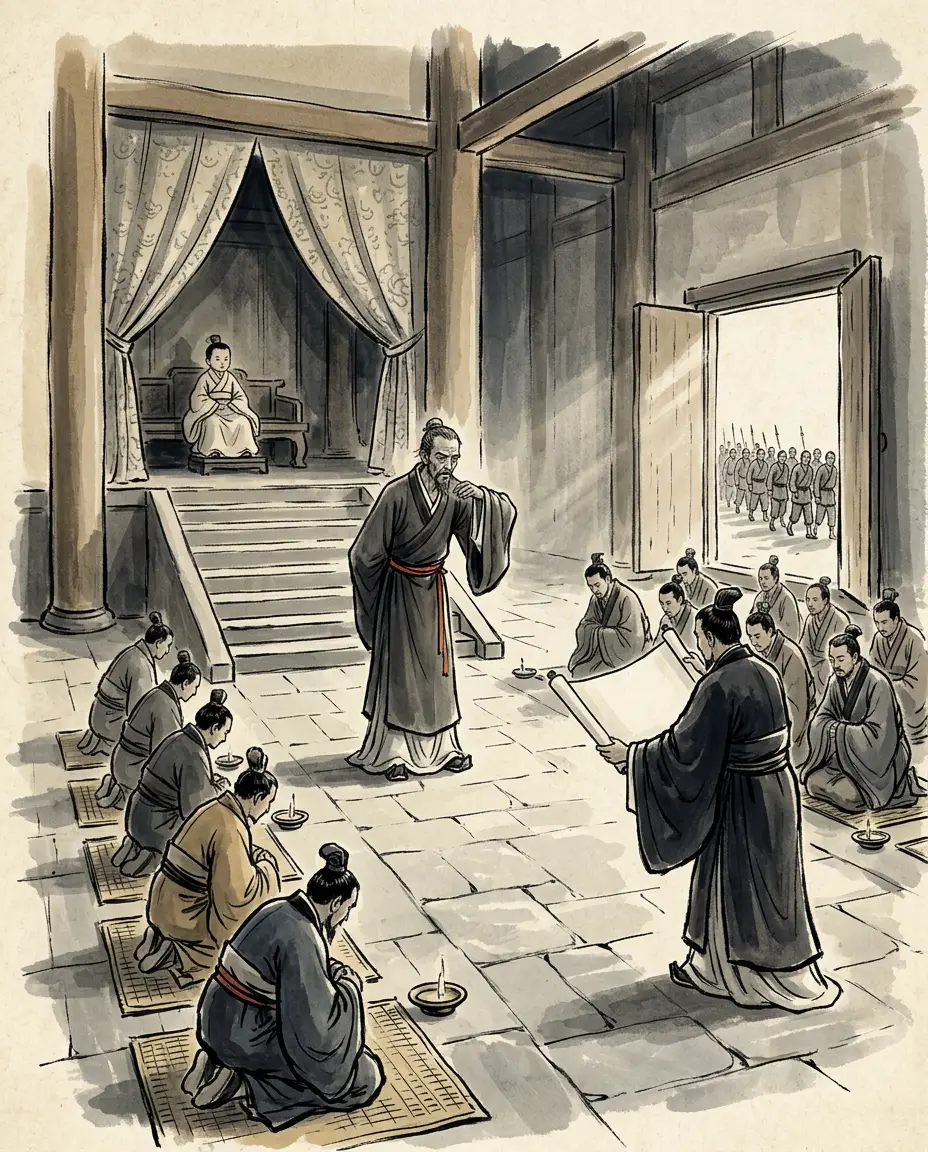
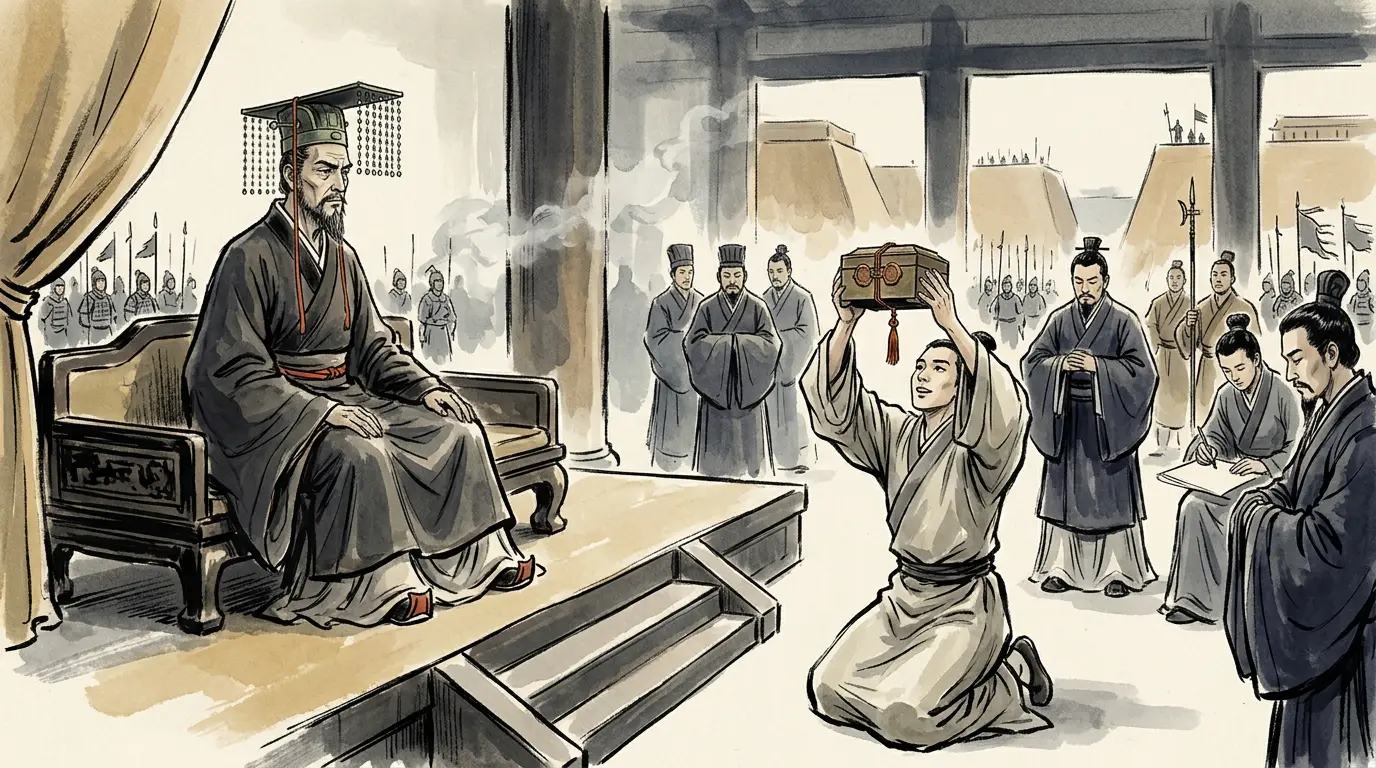
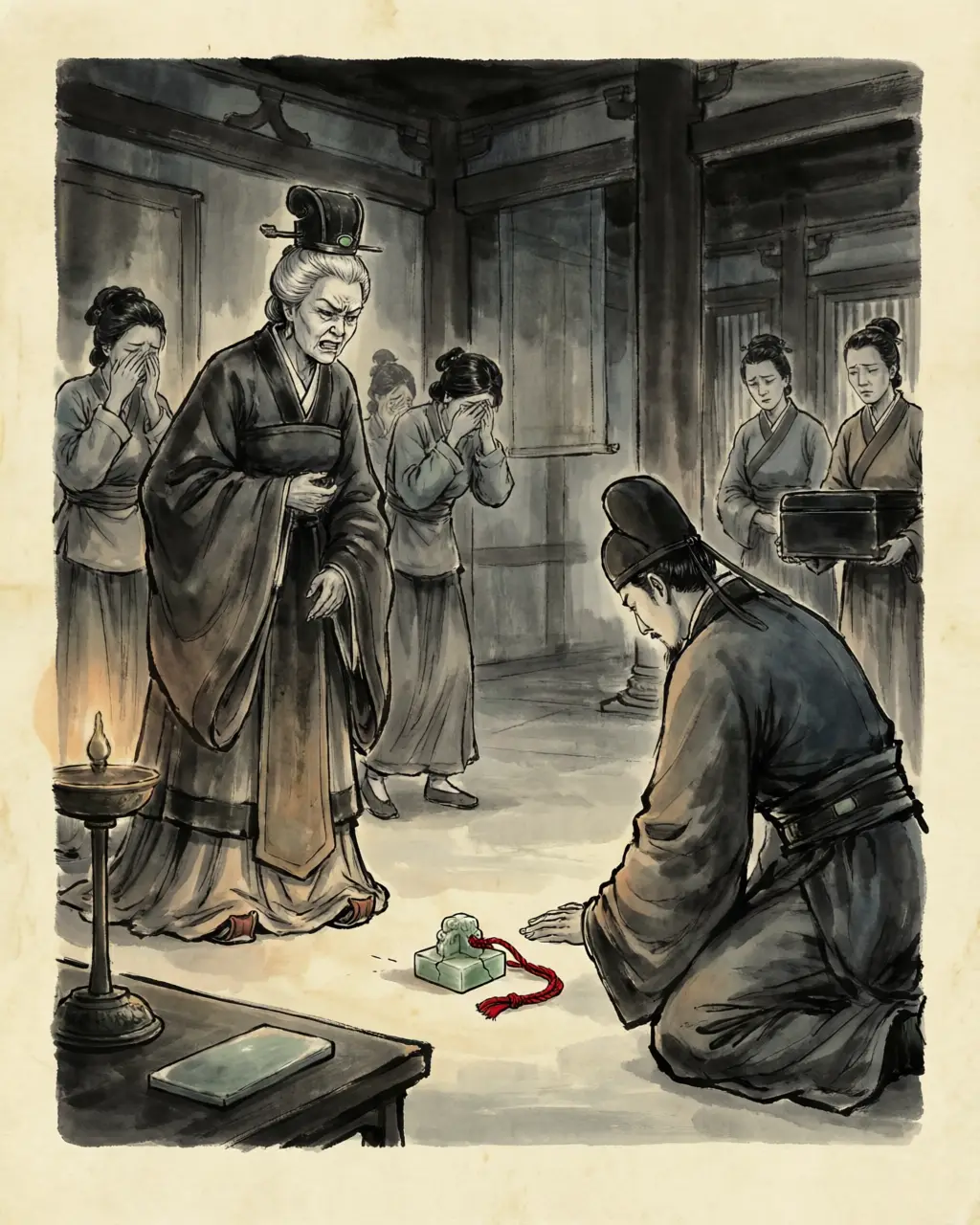
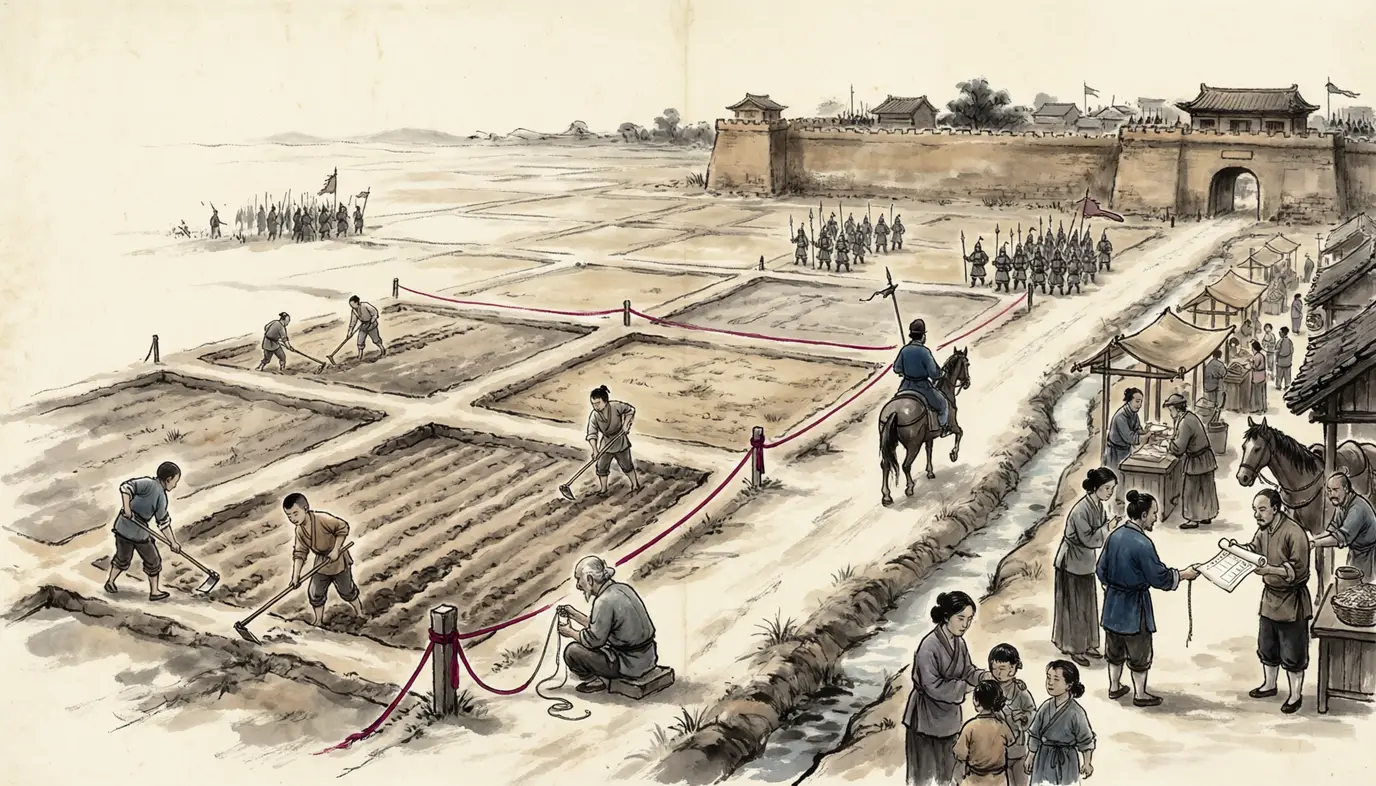
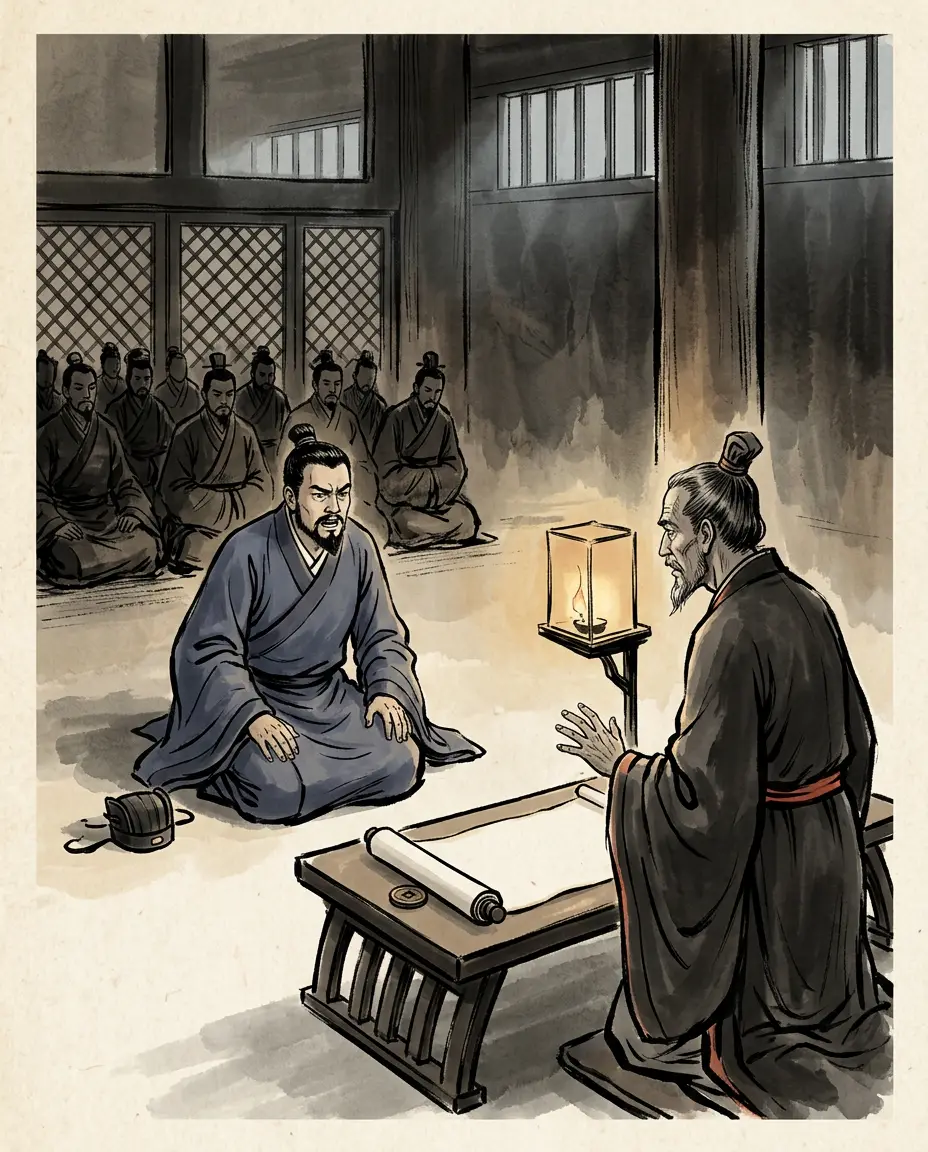
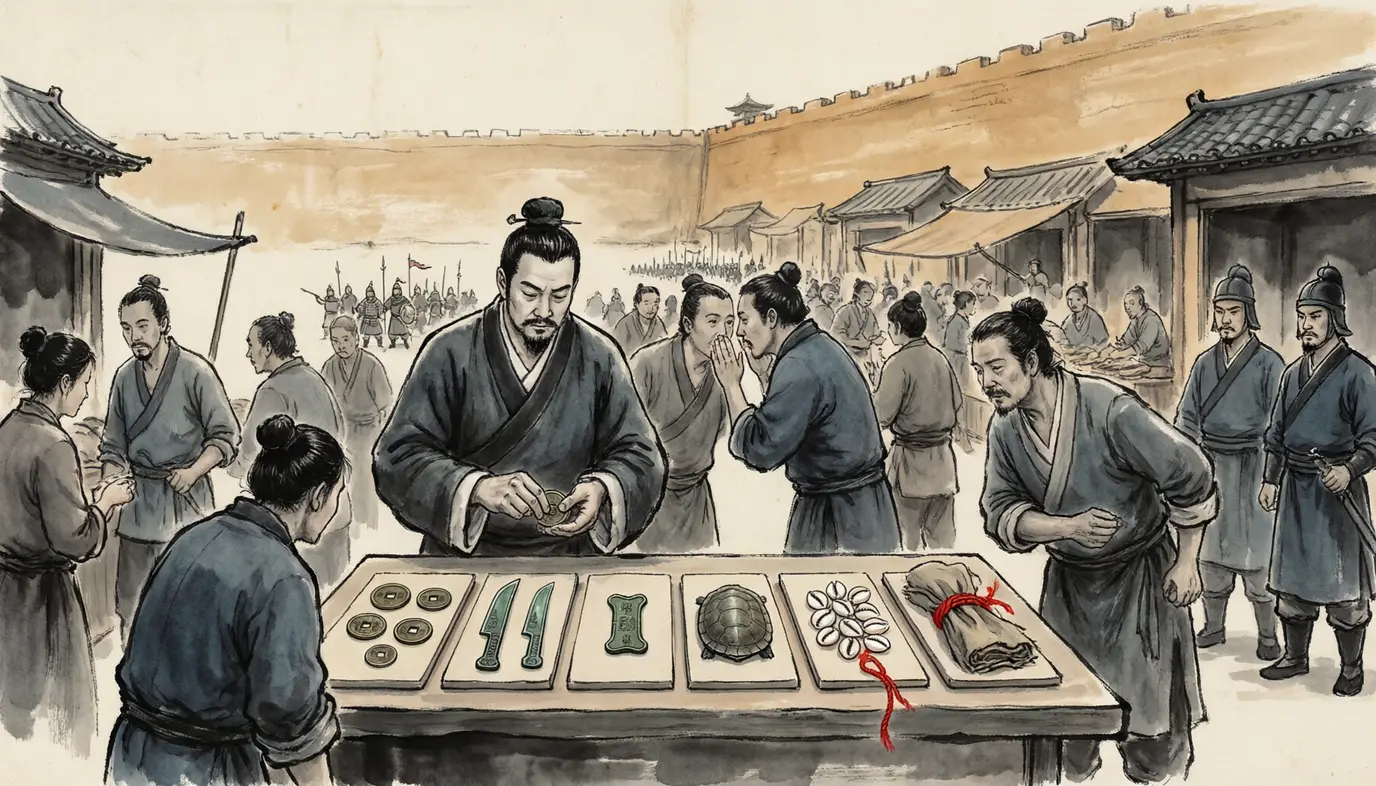
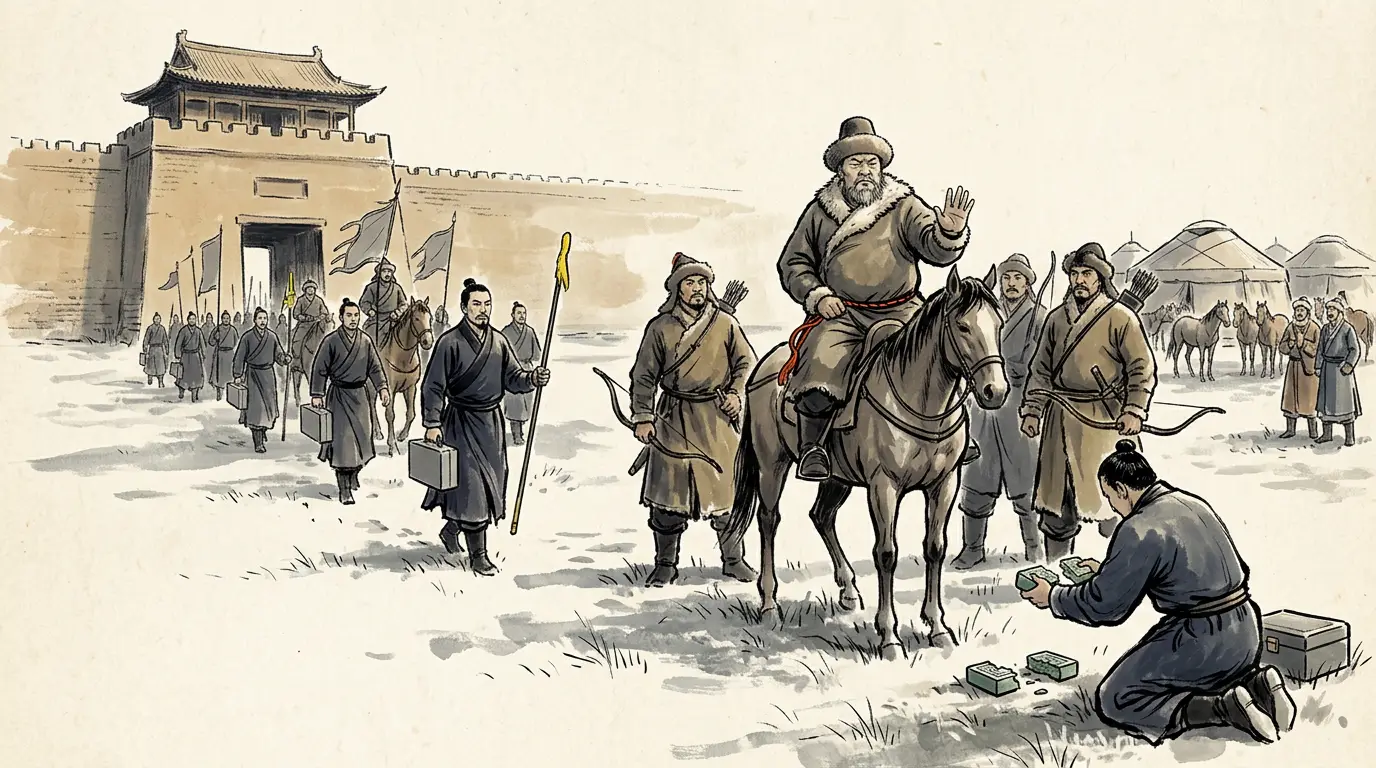
A regent who became an emperor, the child he set aside, the ministers who praised him for it, and the farmers who walked into Chang'an.
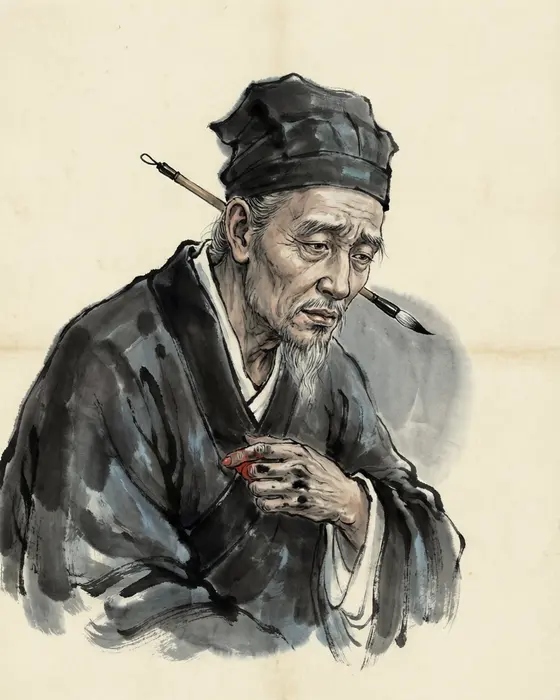
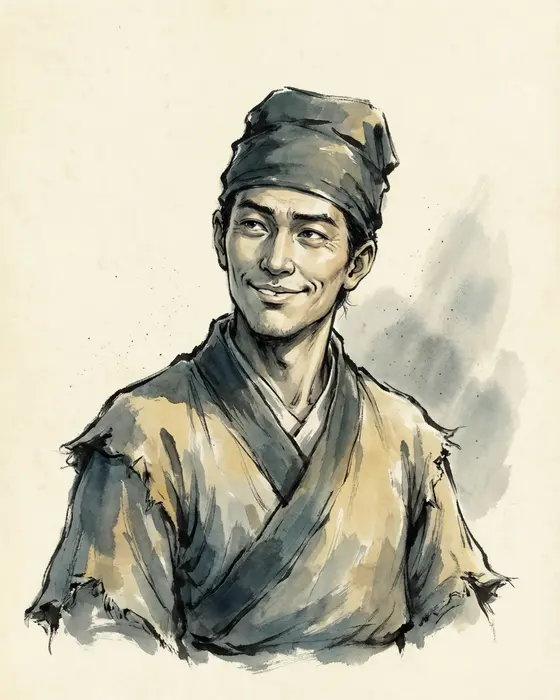
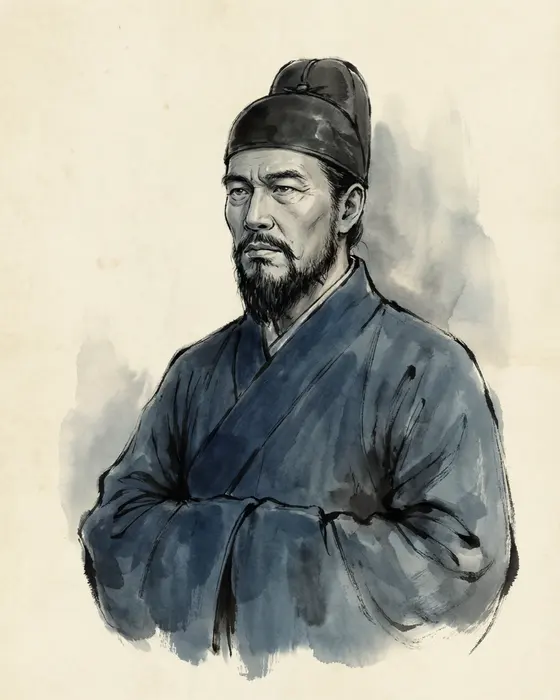
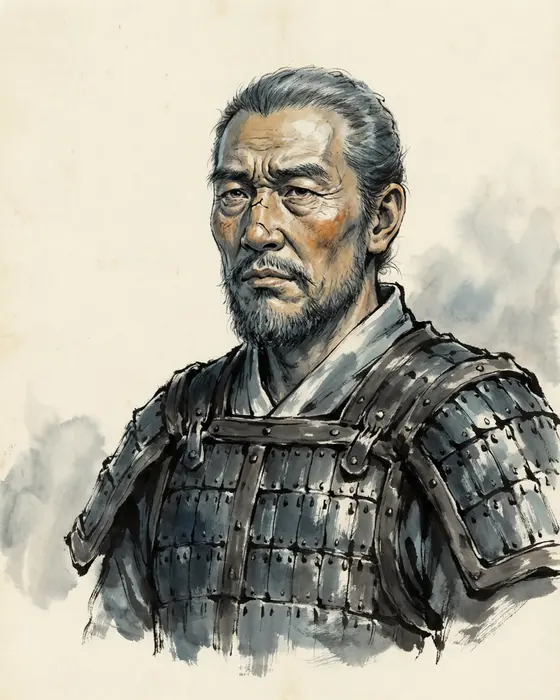
The Ming romances of the Han dynasties, the stage plays drawn from them and the serials drawn from those are entertainment — and not a source. Where their famous scenes depart from the histories, we leave them out of the story and put them here.
Wang Mang was a Chinese socialist a thousand years early: state land, state monopolies, price control and planned credit.
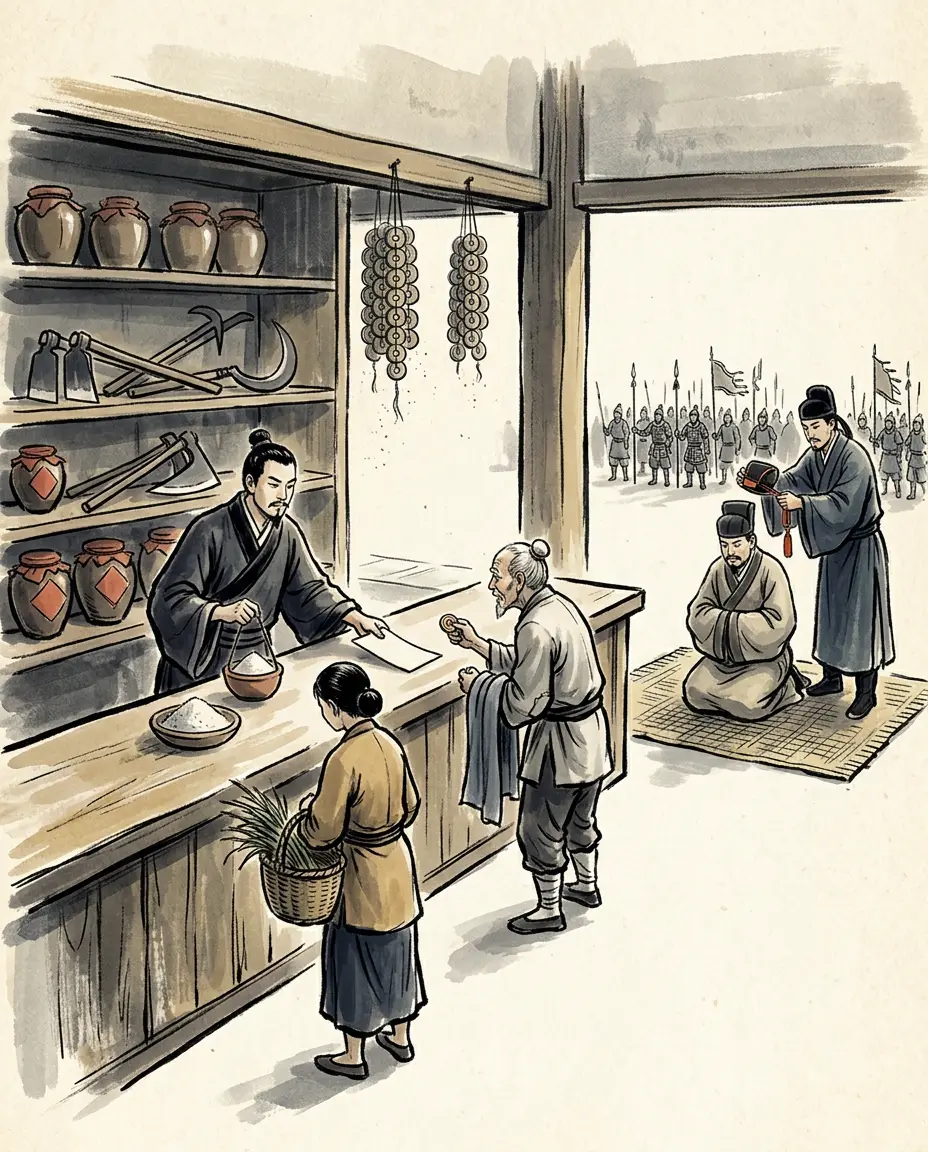
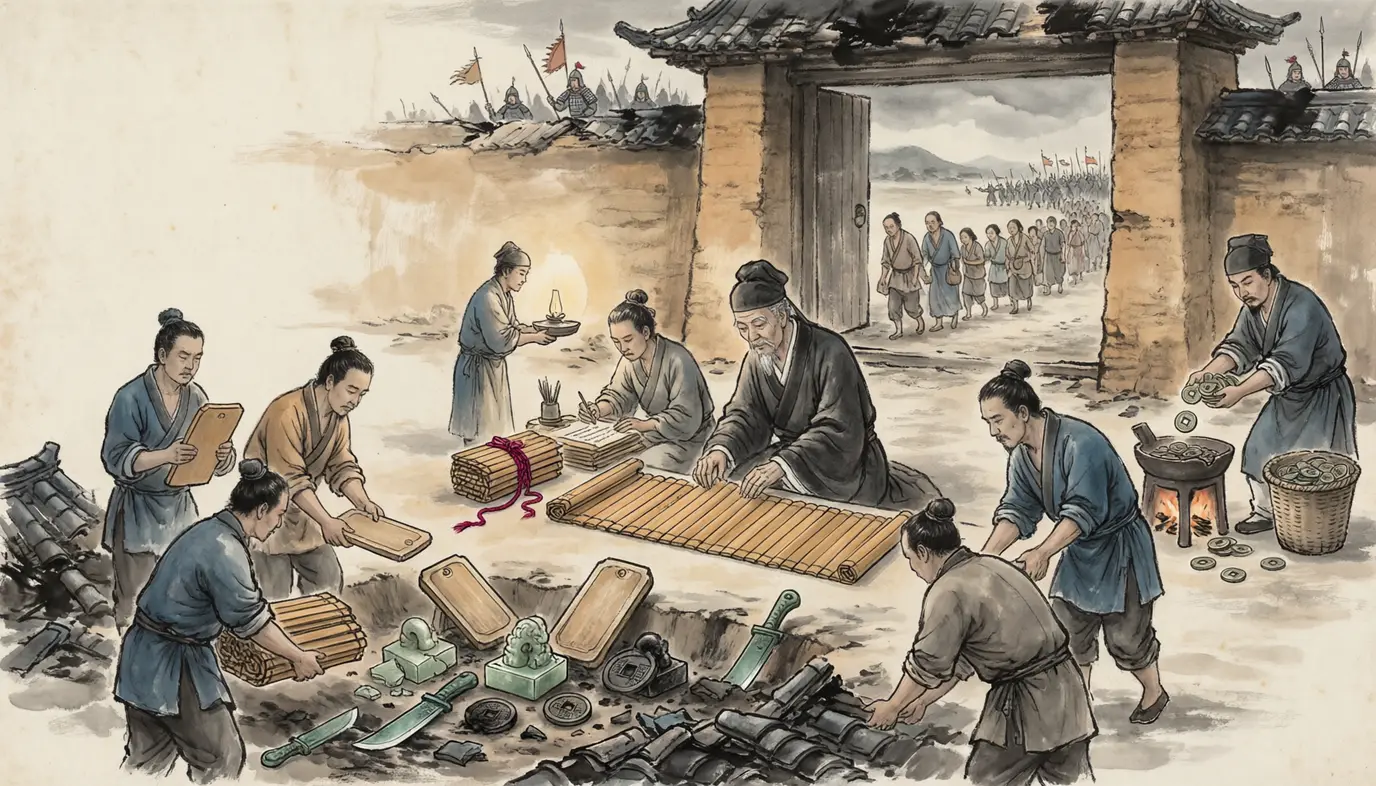
This is a twentieth-century reading — Hu Shi made it explicitly in the 1930s — and the laws name their own model, which is not a ministry of planning but the Rites of Zhou: the well-field of Yu, the Zhou officer who bought up unsold goods, the five levels of price in the Yueyu, the loan against interest for funerals and sacrifices. Ban Gu's character note is decisive: he could not start a single thing without first finding a line of scripture to authorise it. And a coin table that prices a tortoise at two thousand one hundred and sixty cash against gold at ten thousand cash a catty is a ritual ordering of precious things, not a budget. It was not egalitarian either: the land law took nothing from a household of eight or fewer male mouths, and its author withdrew it in the fourth year after one officer's memorial.
He was a plain tyrant of the stock type: a monster whose frugality was an obvious lie and whose family life was the usual massacre.
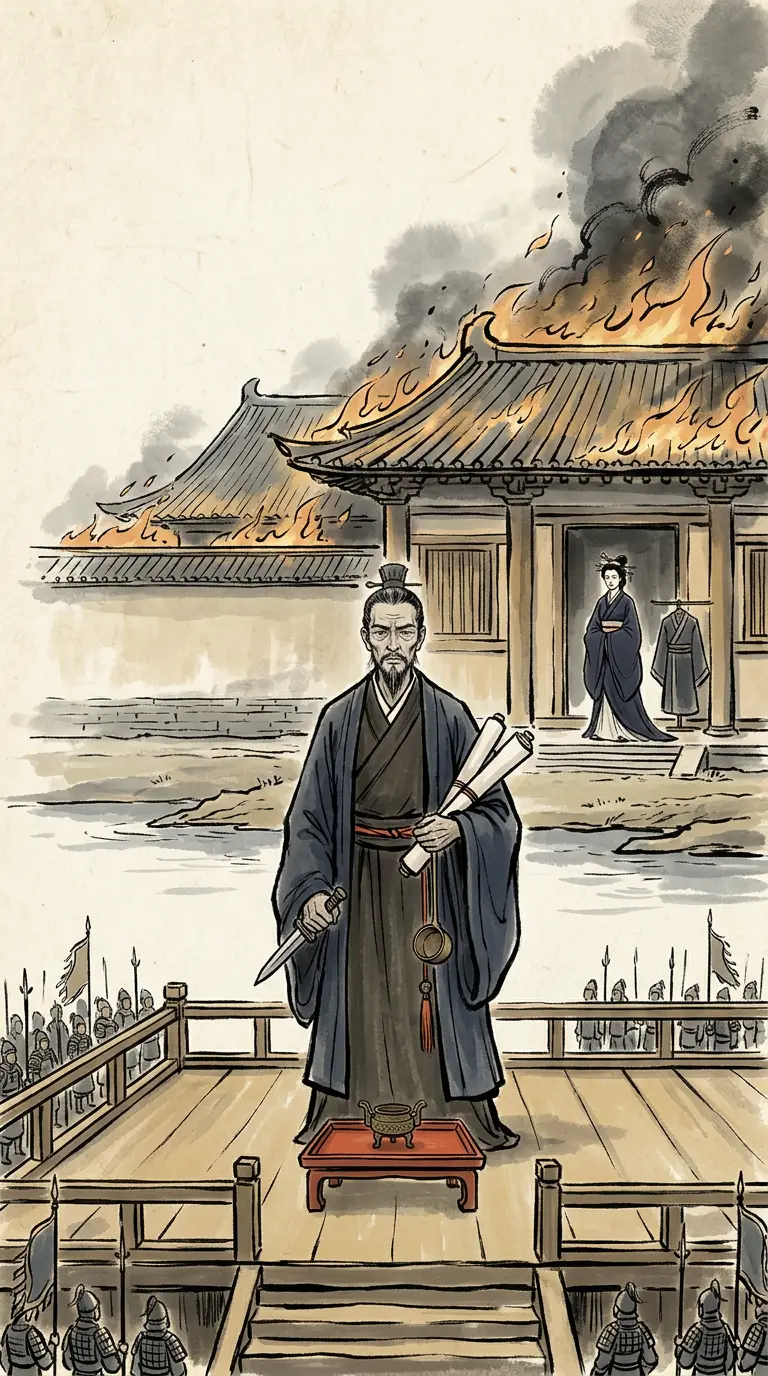
The severity fell on his own house first and the record keeps it. His second son Huo killed a slave, and Wang Mang reproached him and made him kill himself for it, at the marquisate, while he was himself under a sentence of political dismissal; his wife met the wives of the marquises in a cloth knee-cover and a skirt that did not drag, and the guests took her for a servant; by the end his wife had gone blind weeping because he kept killing his sons, a son was given poison and stabbed himself rather than drink it, and four funerals passed through the palace inside a month and ten days. Ban Gu credits him with none of this — his verdict is that the man hid what he felt in order to get a name — but the frugality was real and the empire was still starved, which is the harder thing the record is willing to say.
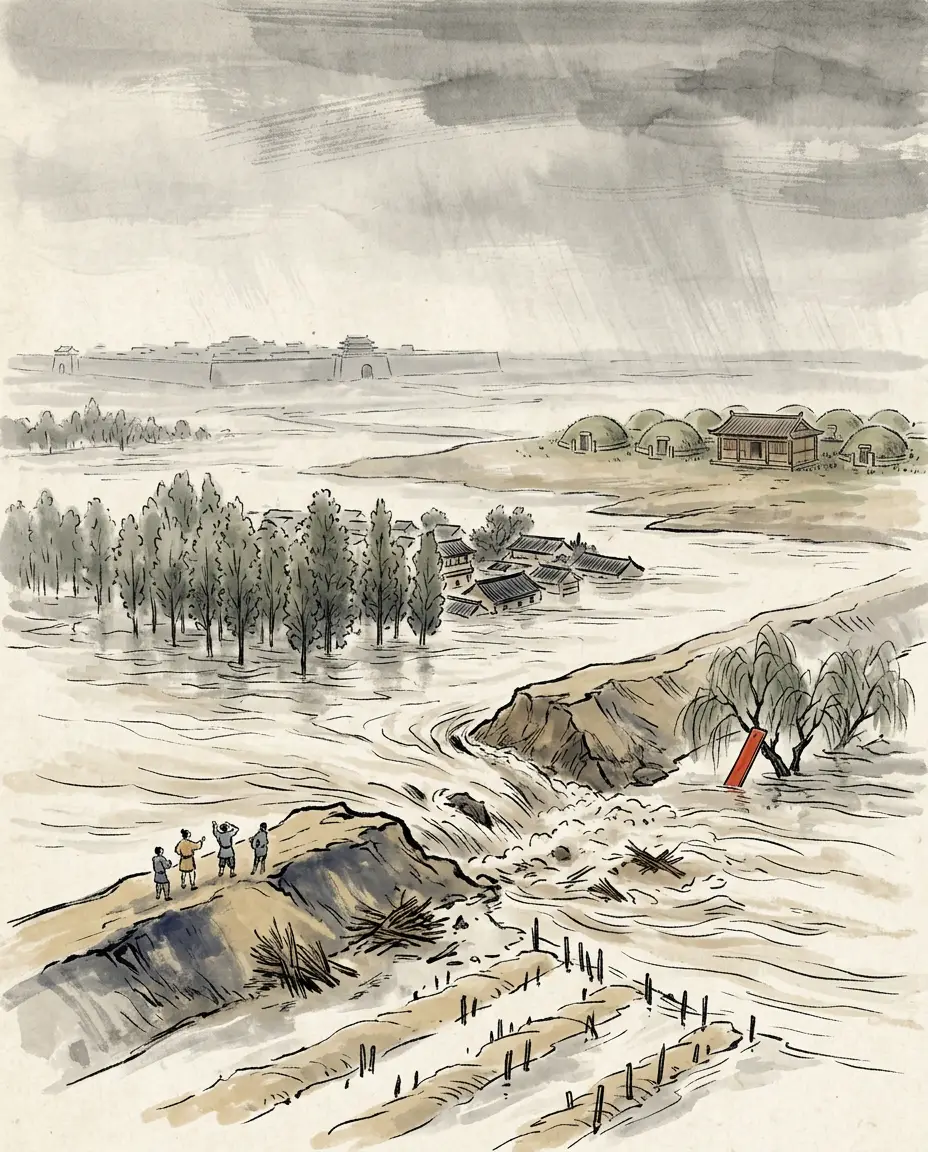
The Yellow River changed its course and the New dynasty drowned in it.
The breach at Wei commandery in 11 CE is in the biography, together with the emperor's reason for not closing it: his ancestral tombs were at Yuancheng, he had dreaded the water reaching them, and when the river went east away from the graves he let it run. But the book's order of events is the opposite of the environmental reading. The breach comes in 11 CE and the first mass risings in 17 CE; between them sit the money changes, the slave and land law, the six grips at the mountains and marshes, and the thirty-six hundred cash a head on households holding slaves. When the emperor's own envoys came back and reported why the bands kept re-forming, they quoted the bandits and not the river: the prohibitions were so many that a man could not lift his hand, and shutting the door on yourself was still a crime if your neighbour cast coin.
The Red Eyebrows were a programmed peasant army, with a manifesto, a banner and a theory of the state.
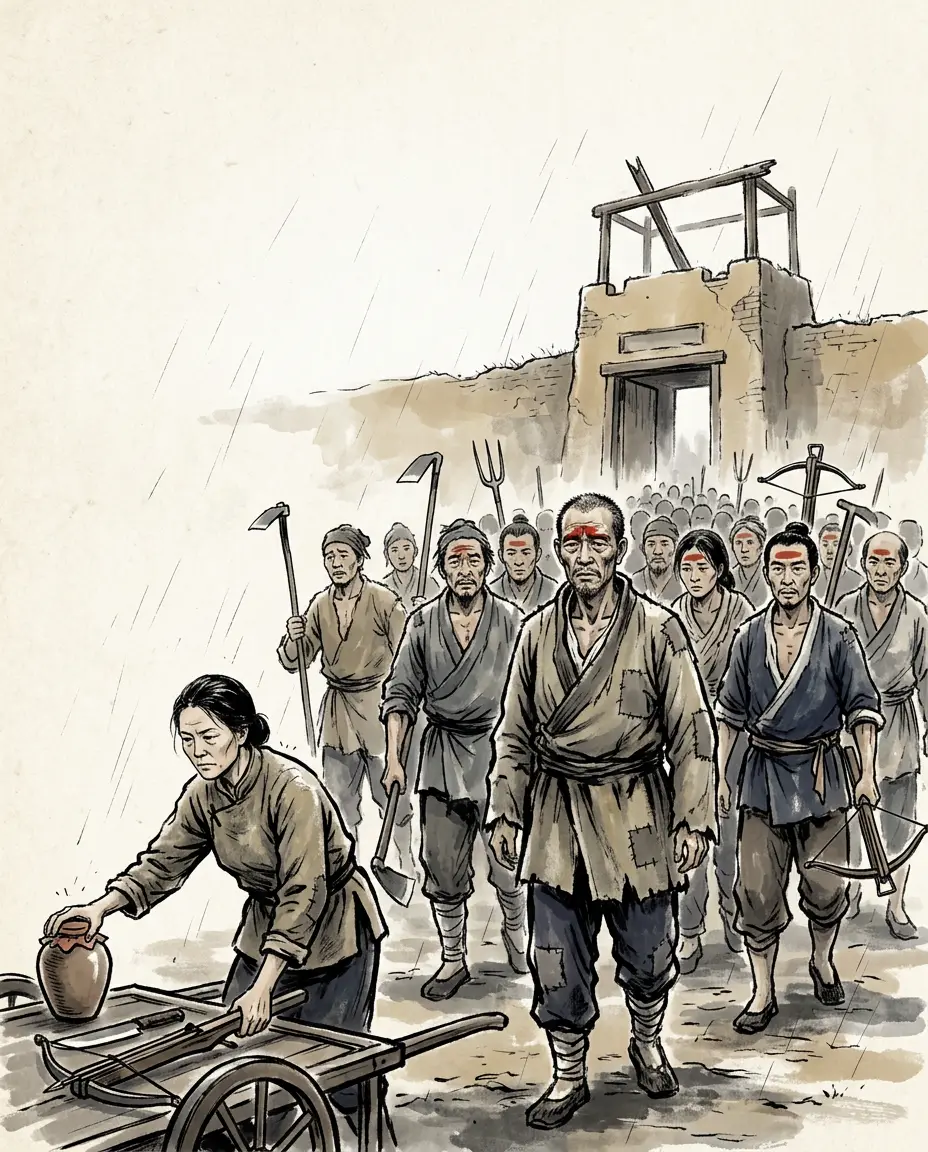
The memoir says the reverse in as many words. They were bandits because they were desperate and had no plan to take cities or hold ground; their entire code was two clauses — a killer dies, a wounder pays for the wound — held by spoken word, with no documents, no banners, no formations and no commands; their senior title was the village title Third Elder; and the red paint on their eyebrows was adopted on the eve of a battle so that they could tell their own men from Wang Mang's soldiers, which is the only reason they have a name at all. They grew because the famine and the law made them grow, ten thousand and odd in a year. The first band of the famine years was raised by a woman who sold wine to buy crossbows so that she could kill the magistrate who had executed her son.
Guangwu took Kunyang with ten thousand and smashed a million by a genius's surprise attack, with heaven visibly on his side.
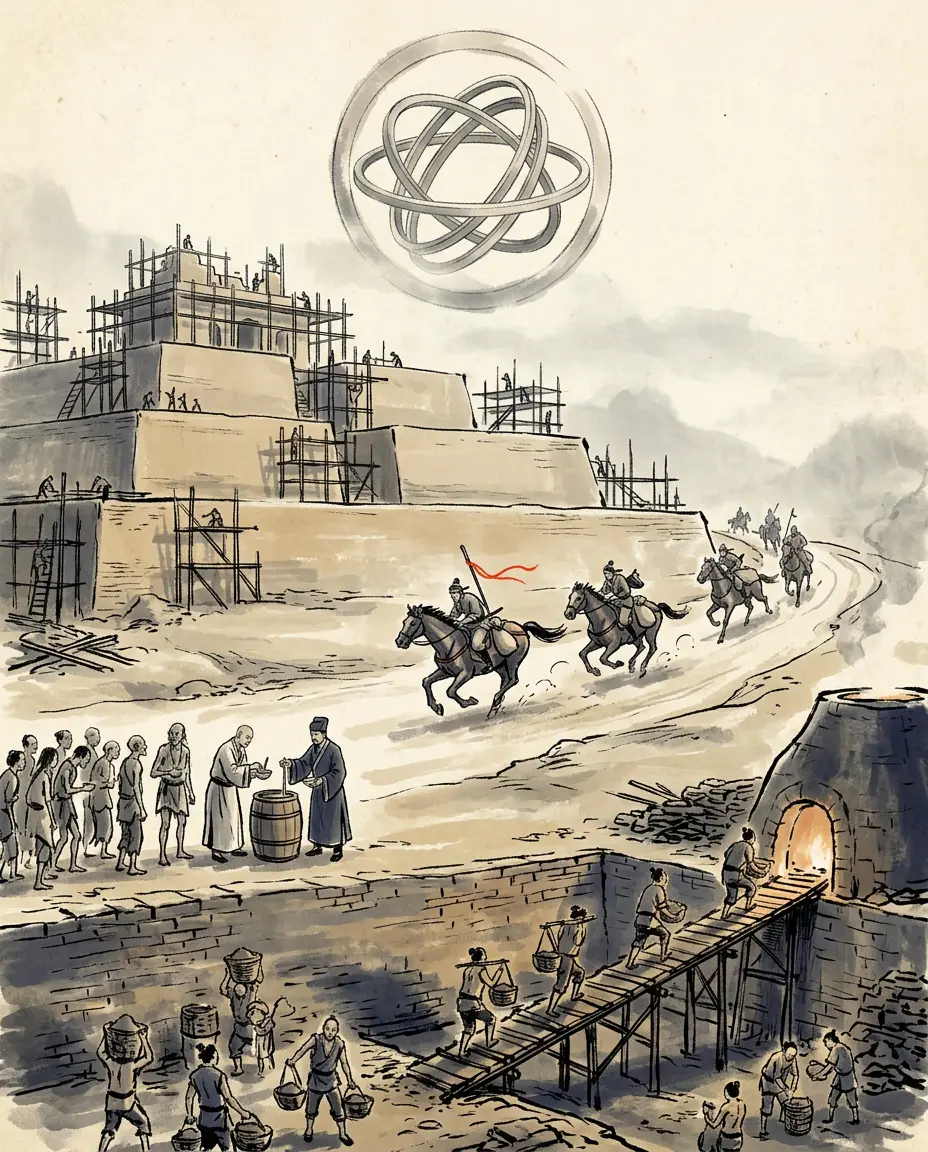
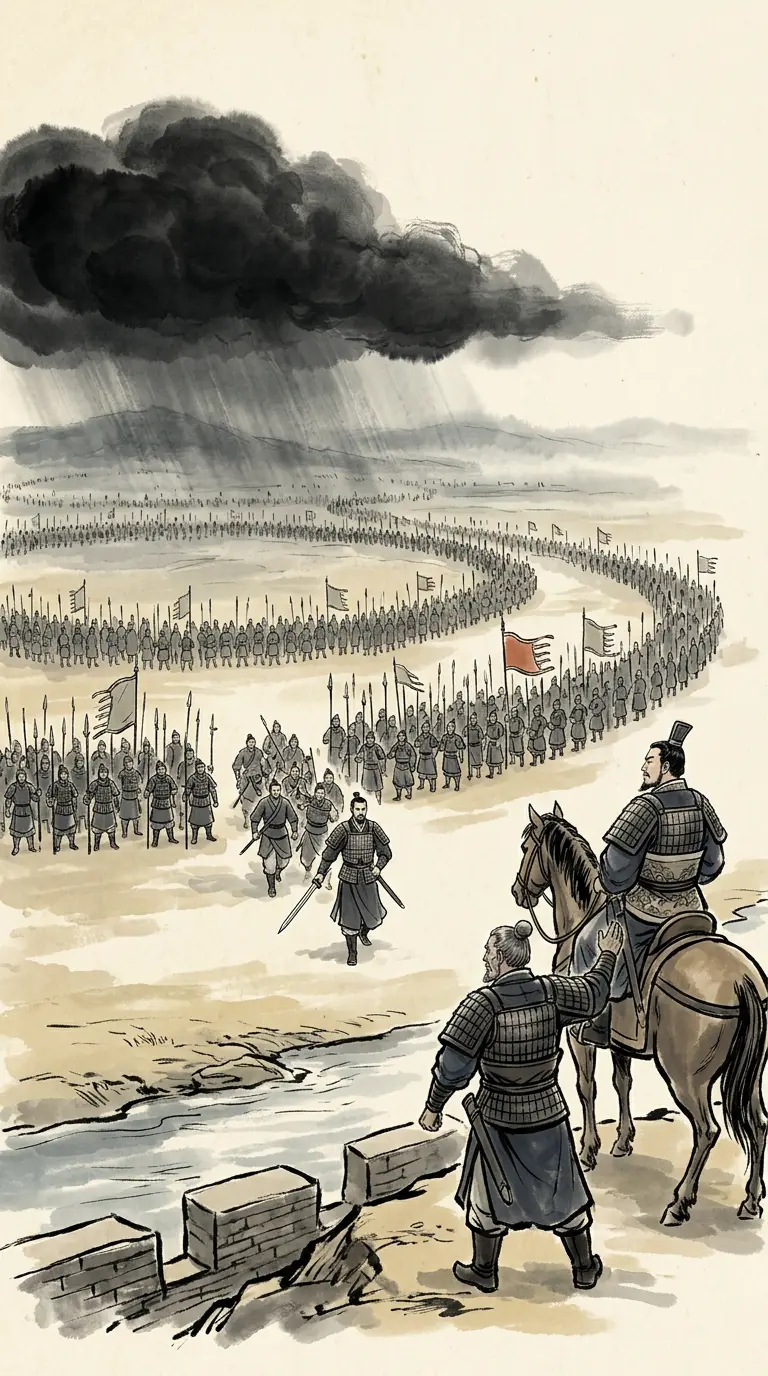
The odds are the historians' own and they do not match. The Book of the Han calls the mobilisation a million and reports four hundred and twenty thousand mustered at Luoyang; the Book of the Later Han keeps both figures, gives eight or nine thousand in the city, a thousand and odd in the relieving column and three thousand at the water — and then adds the meteorite in the camp, the cloud that fell and scattered a foot above the ground, and the drowned tens of thousands that stopped the river running. No early text has ten thousand against a million, and the romances of the restoration, which supply the chivalric pursuit-and-flight version everybody knows, are Ming and Qing books and not evidence. What the records credit is a strike on a stationary ring: the besiegers were ordered not to move from their camps while their commander fought with ten thousand, they could not help one another, and a mass of conscripts held together by the army-marshal's law broke in the rain.
Every caption and quotation in this episode traces to one of these. Where scholars disagree, the panel says so.
The usurper's names did not hold, his currency did not circulate, and his river moved. The distant kinsman who had been laughed at for farming took up the dead dynasty's title: Episode 10 · The Gentle Emperor (Luoyang, 25–57 CE). The man who replaced him farmed his own fields first. Or back to the Han line, or meet the cast.