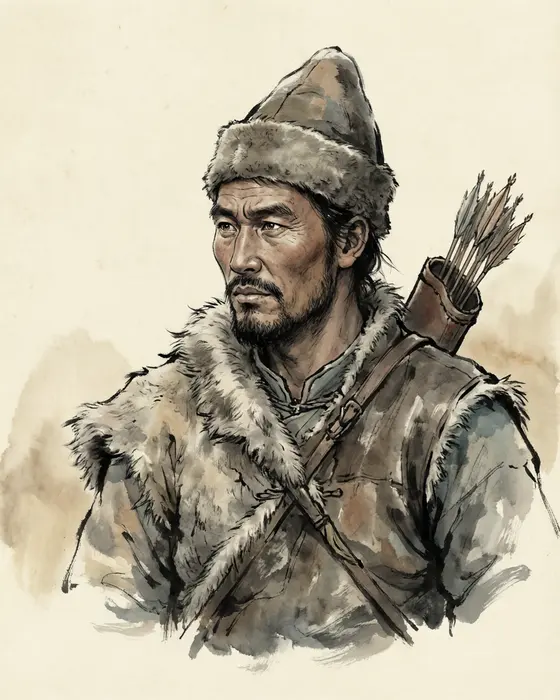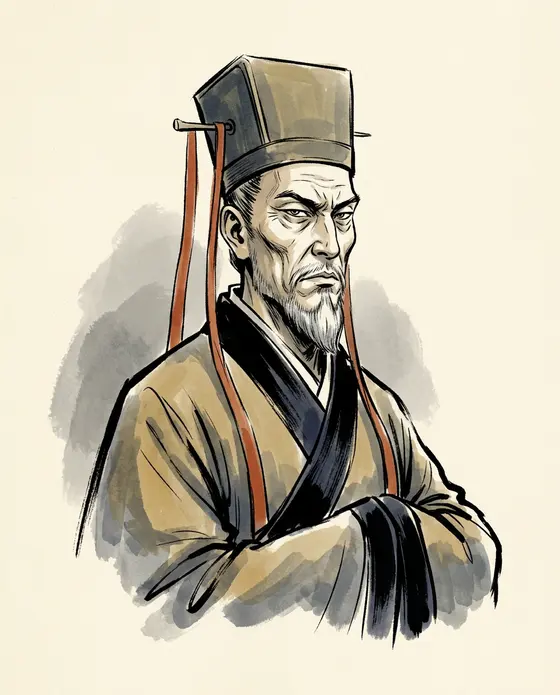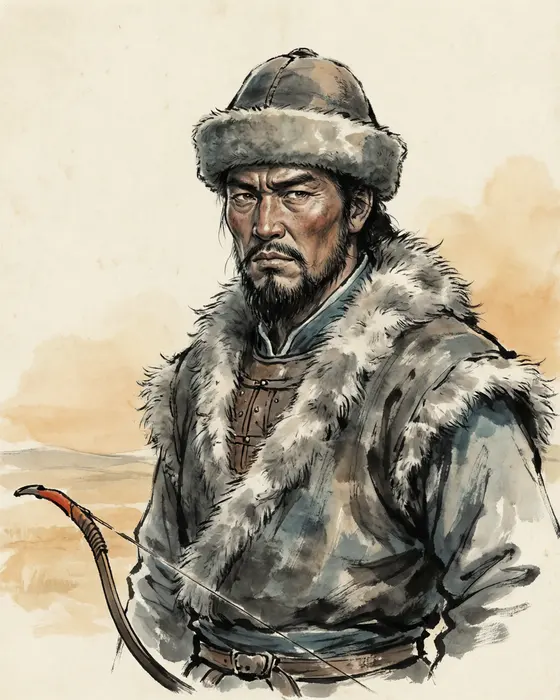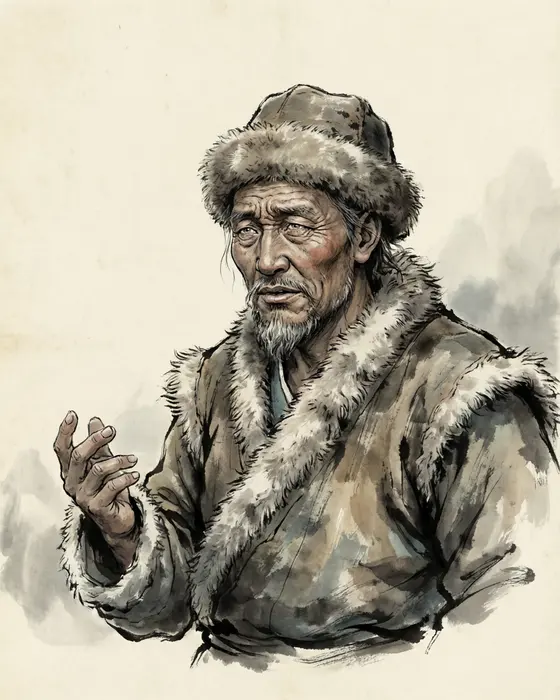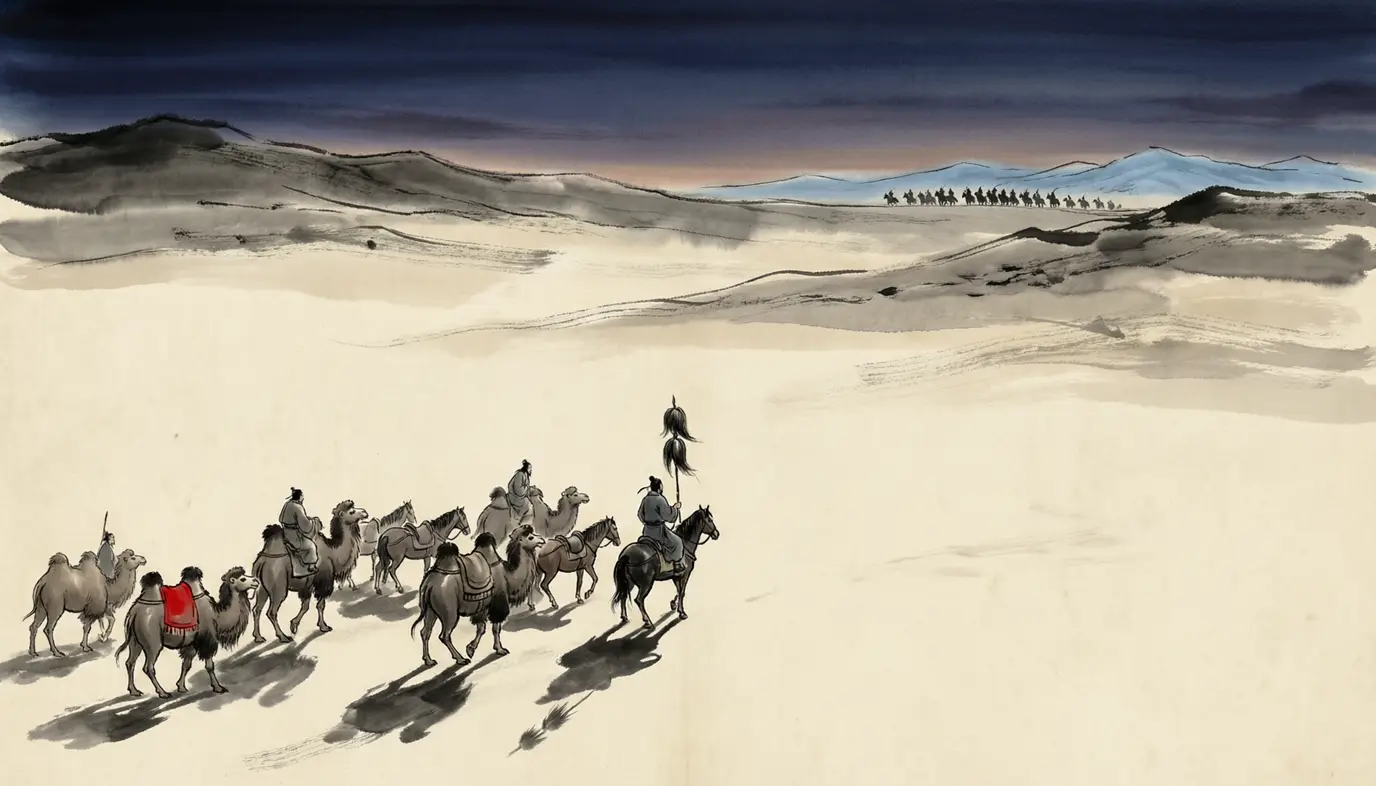
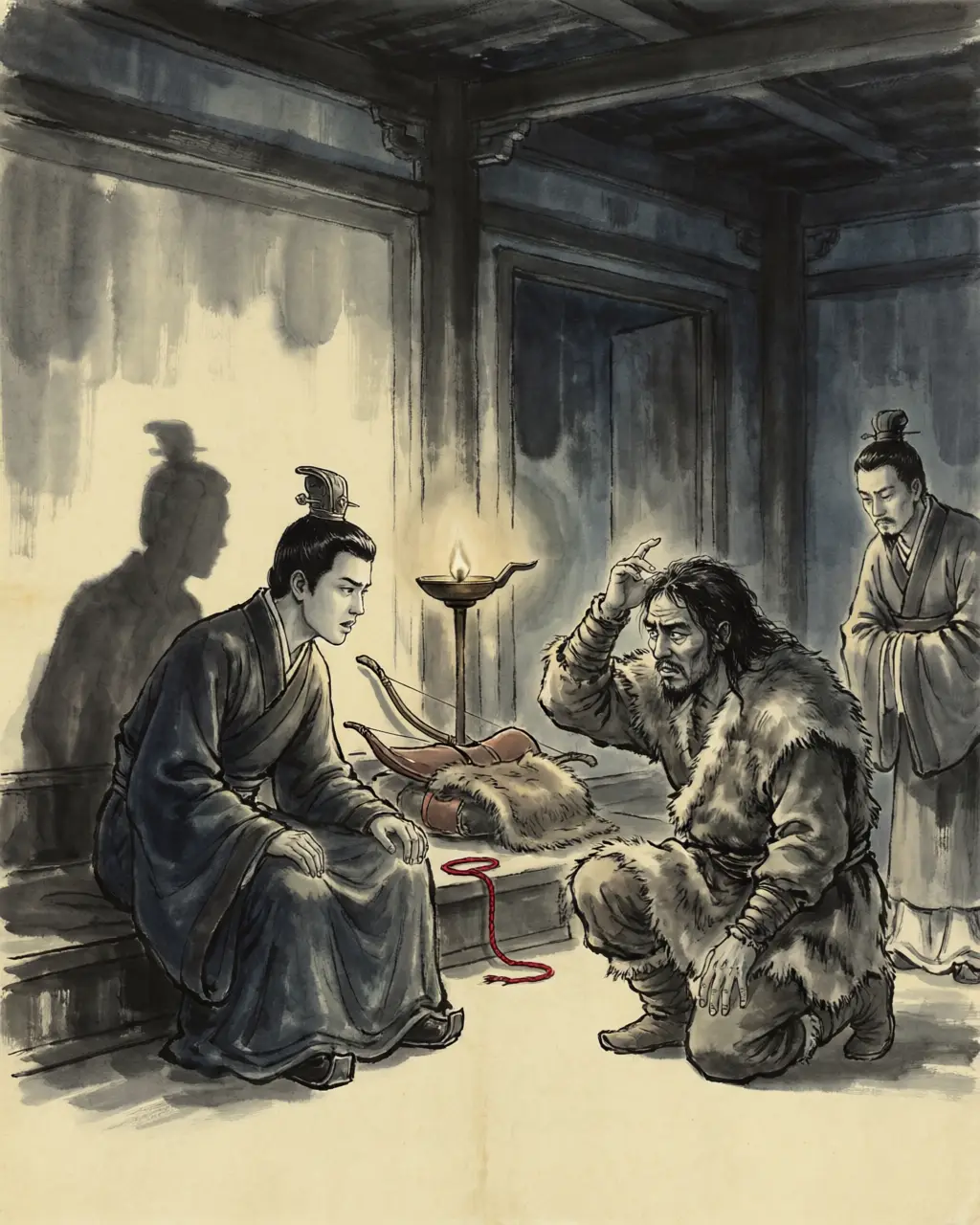
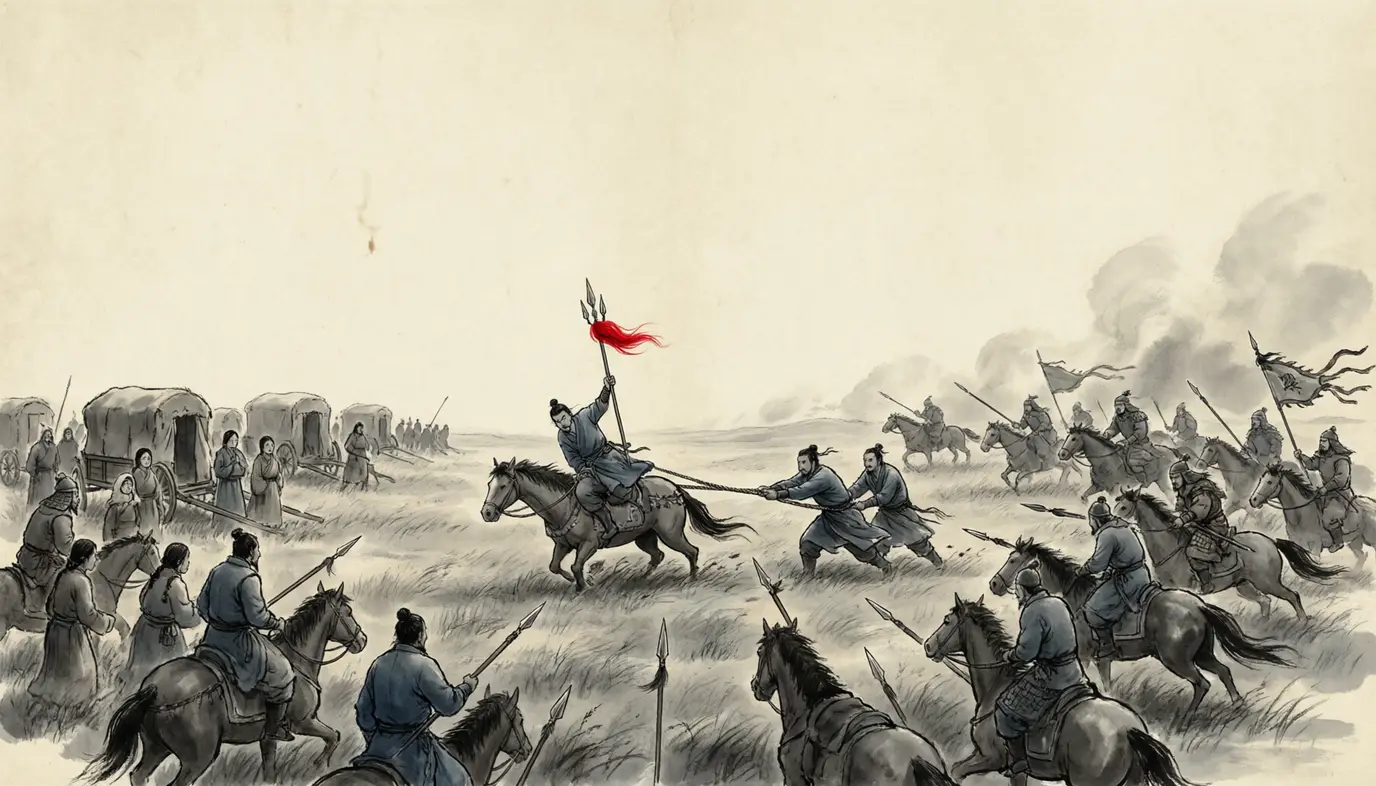
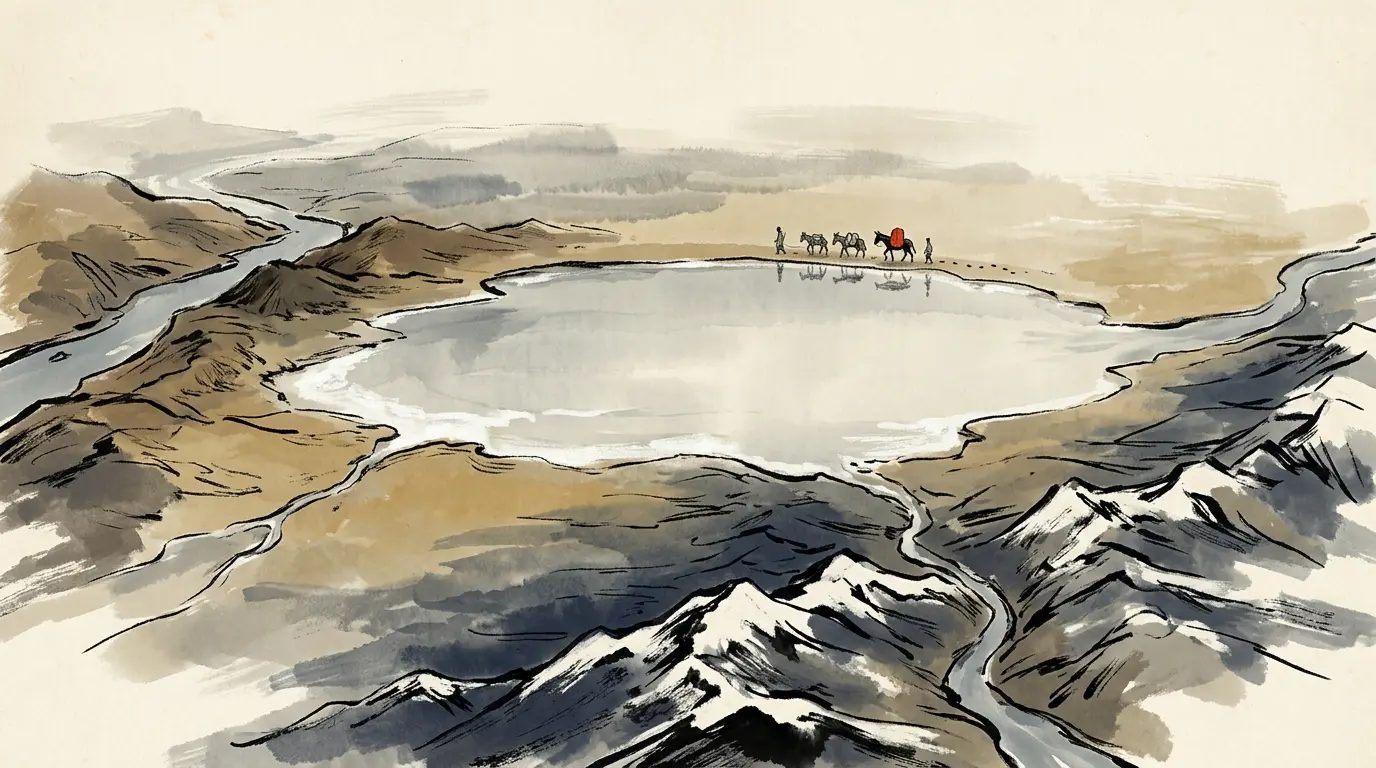
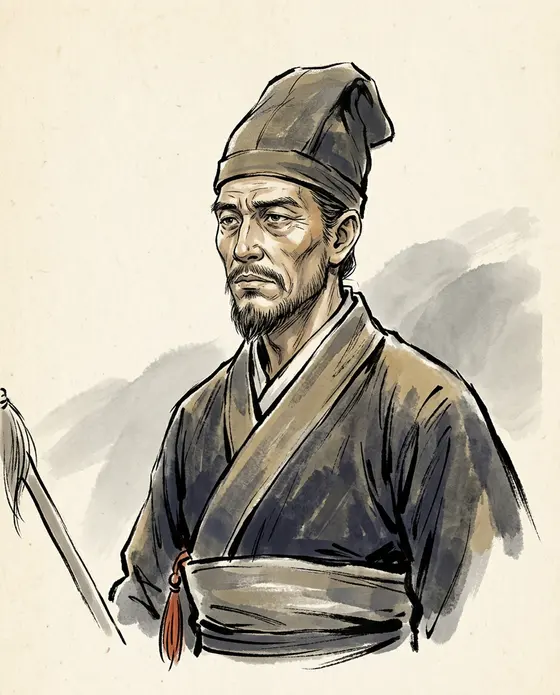


Five people carried 138 BCE, and the two who mattered never meet in the record: the officer who walked west for thirteen years, and the emperor who read what he brought back and kept walking.


The Ming romances of the Han dynasties, the stage plays drawn from them and the serials drawn from those are entertainment — and not a source. Where their famous scenes depart from the histories, we leave them out of the story and put them here.
Zhang Qian opened the Silk Road: a trade route in which Chinese silk crossed Asia to be sold in Rome.
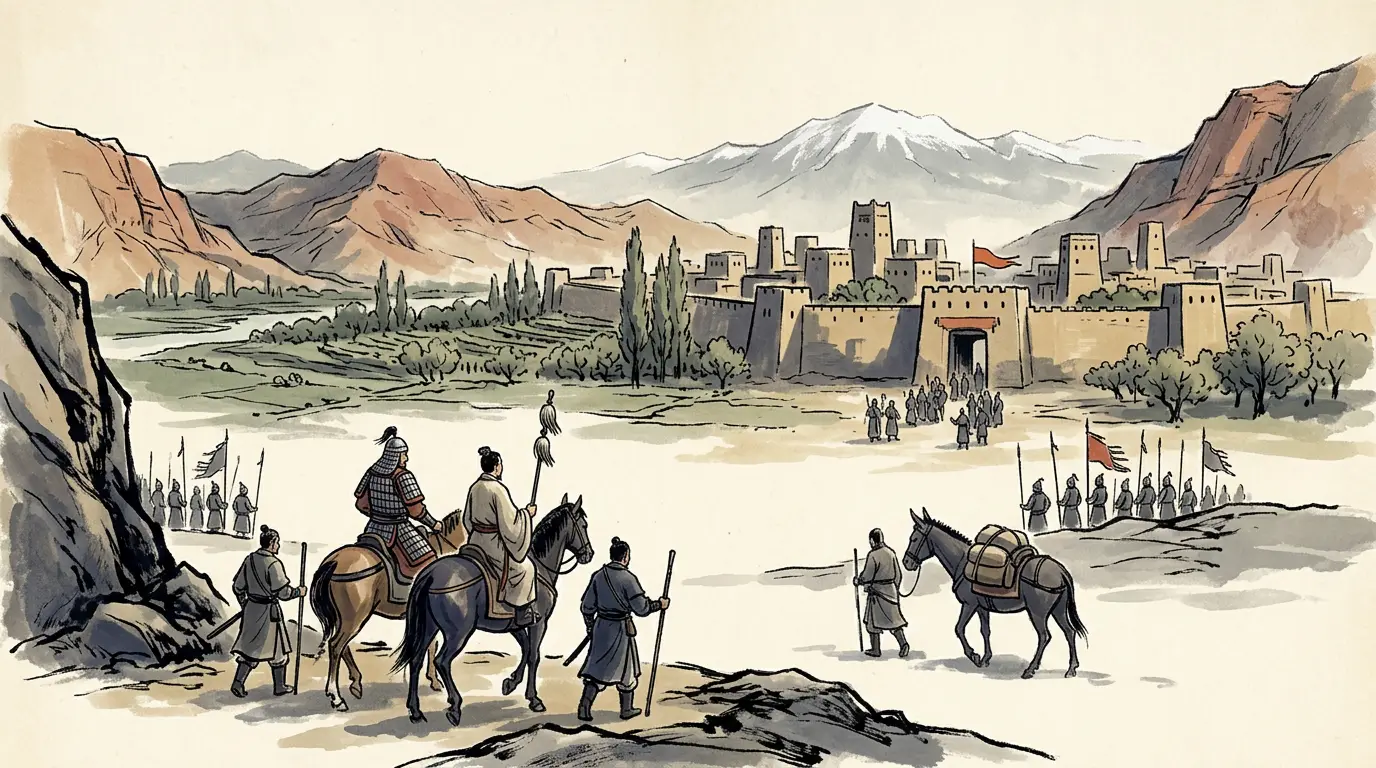
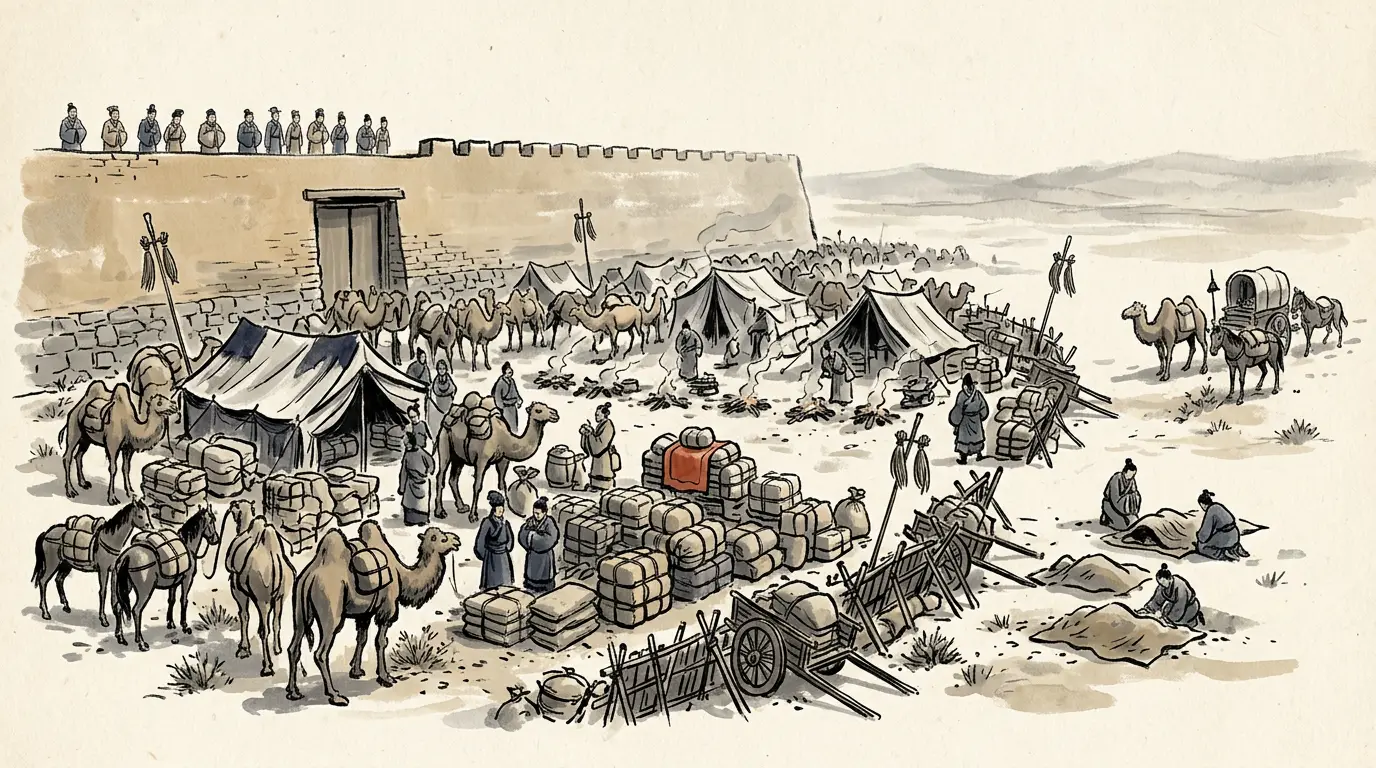
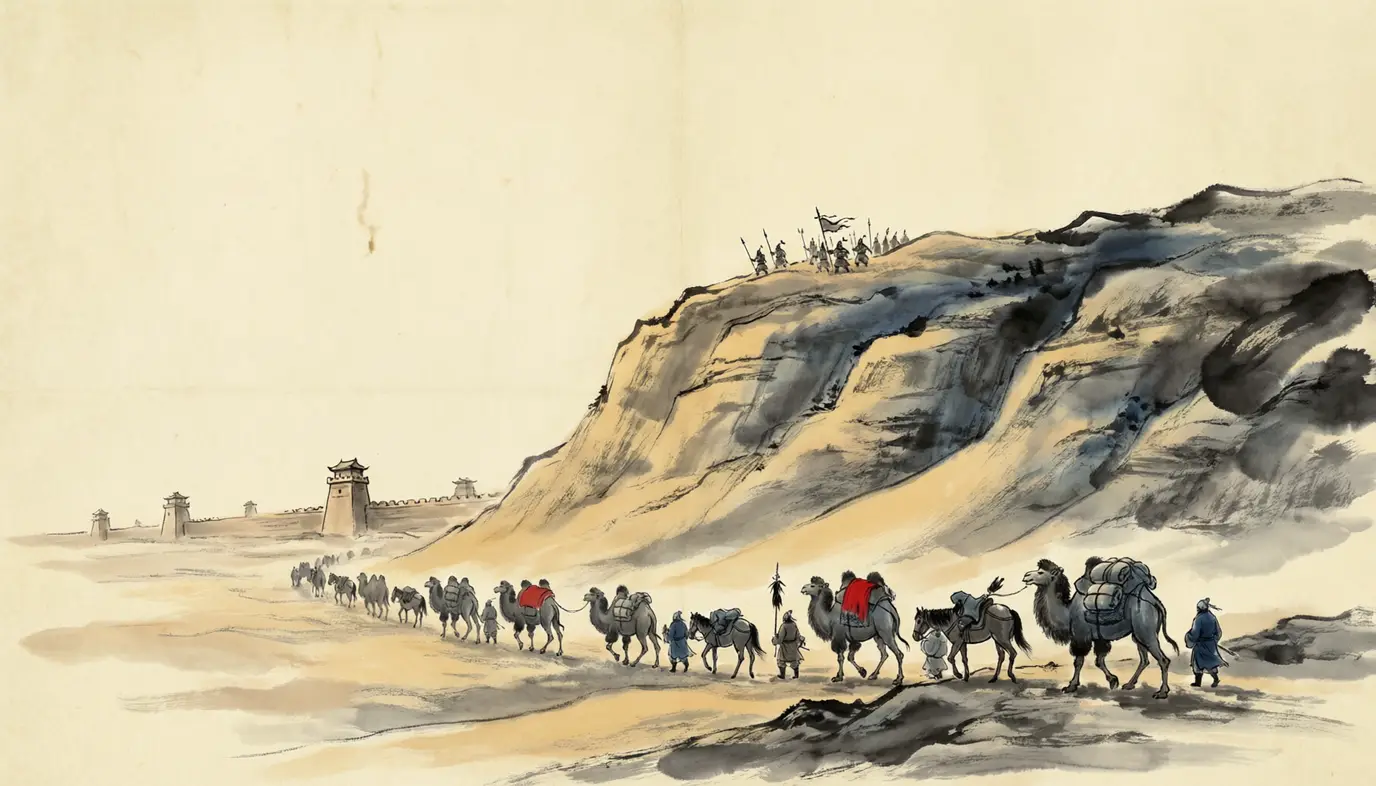
The name is not ancient — Seidenstraße was coined by the geographer Ferdinand von Richthofen in 1877. What the histories call it is zao kong — boring a hole through — and the traffic they describe is state traffic: envoys carrying gold and silk goods worth tens of millions in cash as gifts and bribes, to buy alliances against the Xiongnu. Silk did move west — the Han envoys are caught privately selling the state's goods, and the Parthians are recorded buying and re-exporting — but the mission's purpose was encirclement, not commerce, and Rome is not in any of its reports.
Zhang Qian brought the grape, the walnut, the sesame, garlic and the pomegranate into China.
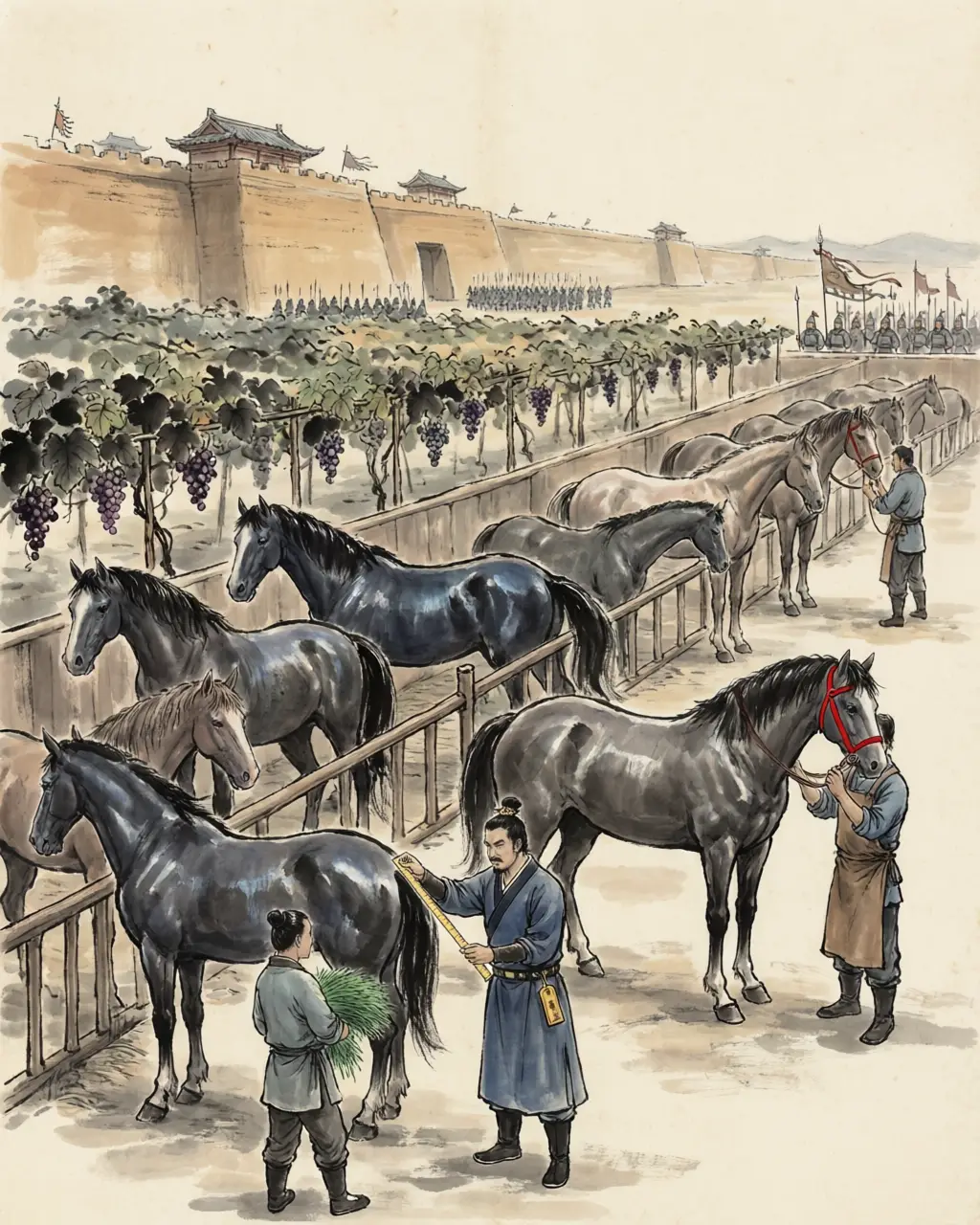
The memoir names two plants coming back out of the west and does not attach them to Zhang Qian personally: grape and alfalfa, whose seed Han envoys collected, and which were then planted on the good ground around the imperial parks until they covered the view. The walnut, the sesame and the pomegranate are added by later books, which like to give an import a name and a date. Sesame in particular is argued from modern finds to have been grown in China well before the mission.
Zhang Qian, or one of his envoys, reached Daqin — the Roman empire — and opened direct relations with it.
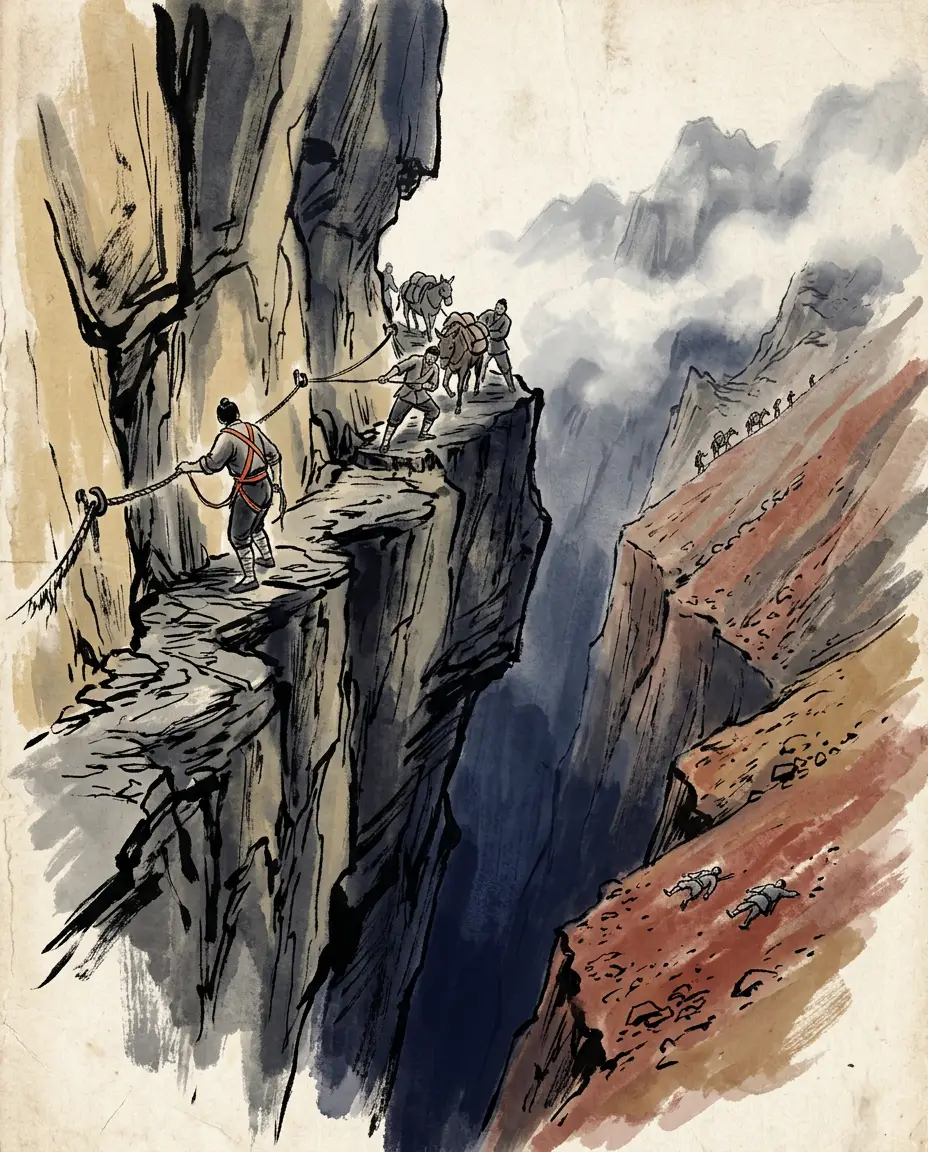
The farthest named destinations in the reports are Tiaozhi and the western sea, and they are second-hand: the Book of Han puts Tiaozhi a hundred-odd days beyond the last state the Han reached, and says that going west by water from there you get somewhere near the setting of the sun. The Book of the Later Han states it plainly as a correction: earlier Han envoys all turned back at Wuyi and not one of them reached Tiaozhi. In 97 CE an officer of Ban Chao got to the shore and gave up when Parthian sailors told him the crossing could take three months with a fair wind or two years without, and that men died of longing on it.
Once Zhang Qian opened it, the Silk Road stayed open for the next thousand years.
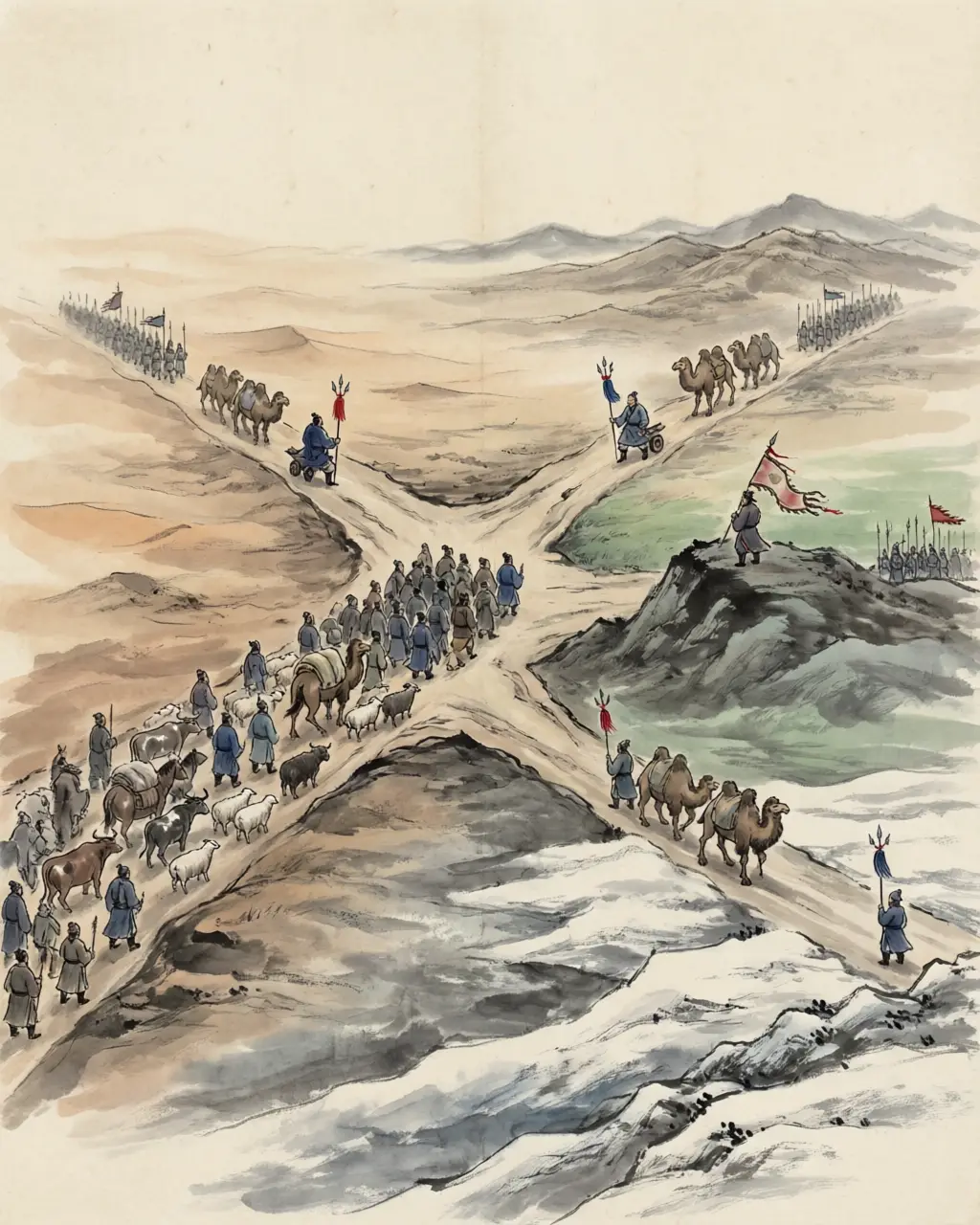
The records date the closures as carefully as the openings. Wang Mang's handling of the western states broke the relation, the Xiongnu took the taxing-post back, and the region was severed from China for the sixty-five years before Ban Chao. The post of Protector-General was then abolished a second time under Emperor An, and men at court proposed shutting the Jade Gate and the Yang Gate. What the Han built in the west was a garrison system — four commanderies, two passes, beacon towers, and farmer-soldiers at Luntai and Queli — and it ran only as long as the treasury paid for it.
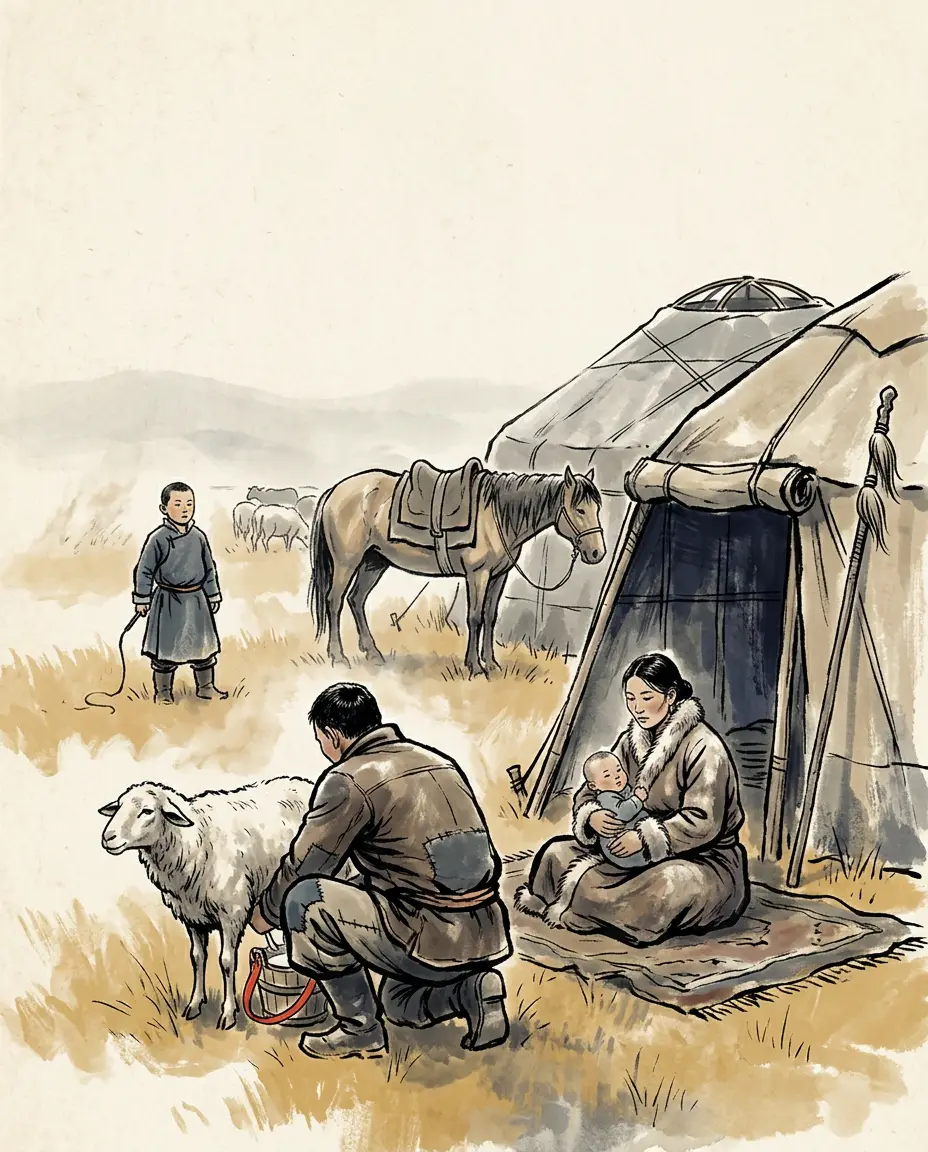
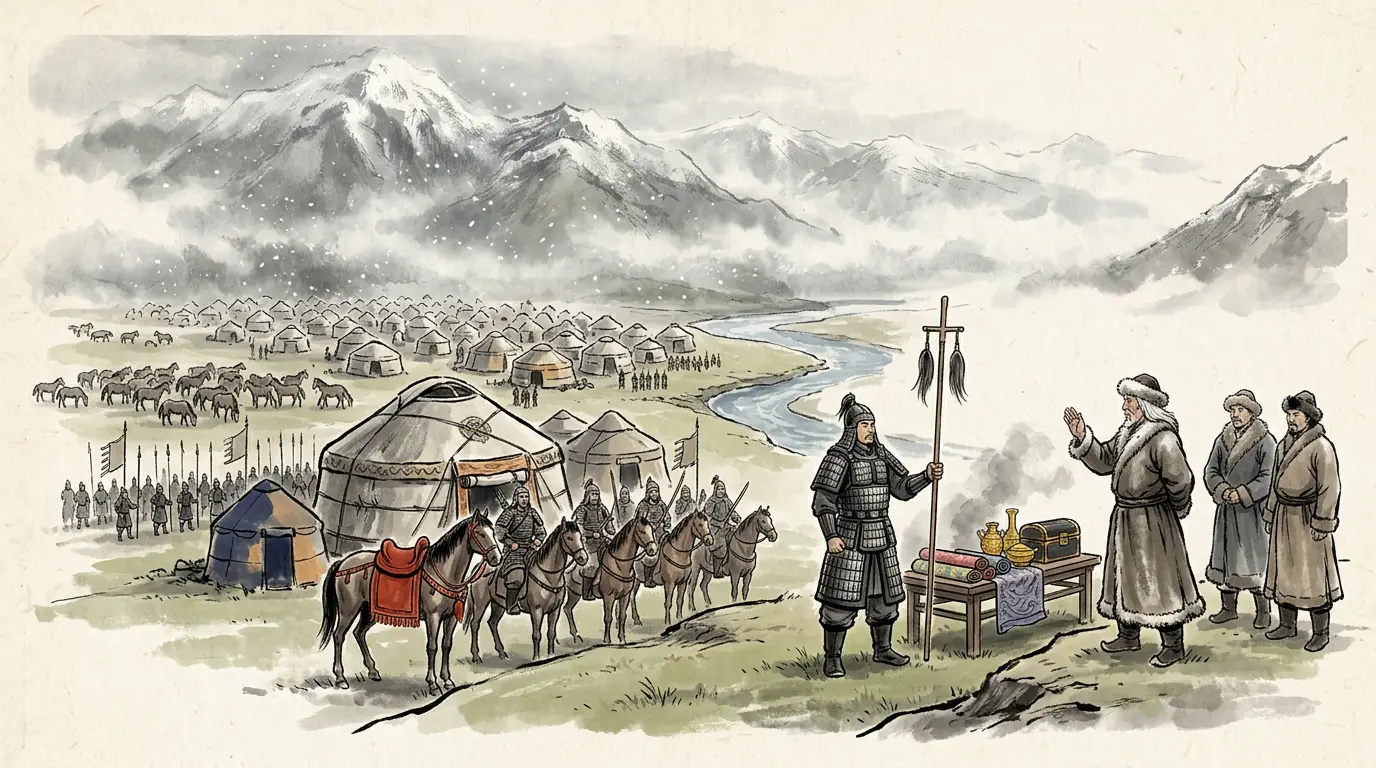
Zhang Qian spent thirteen years a prisoner in chains in the Xiongnu camp.
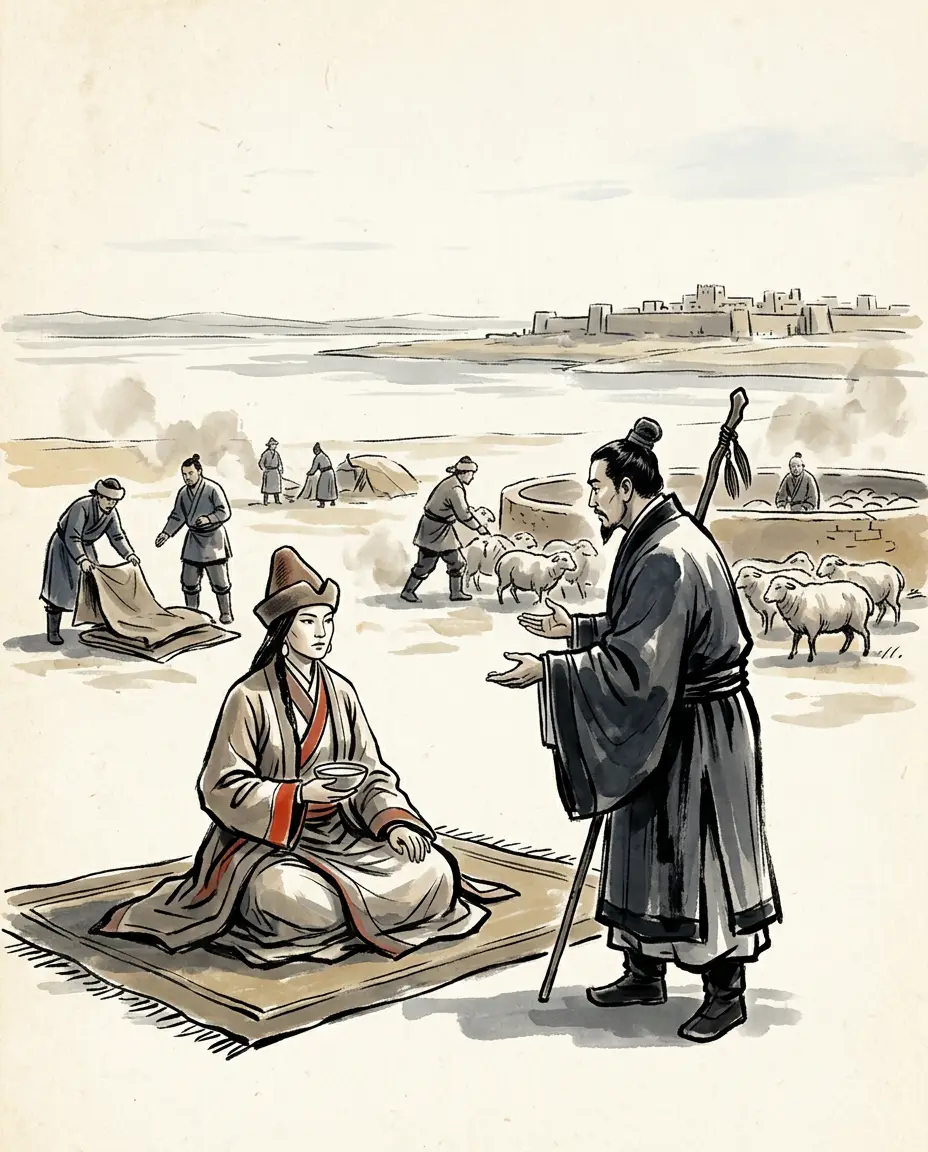
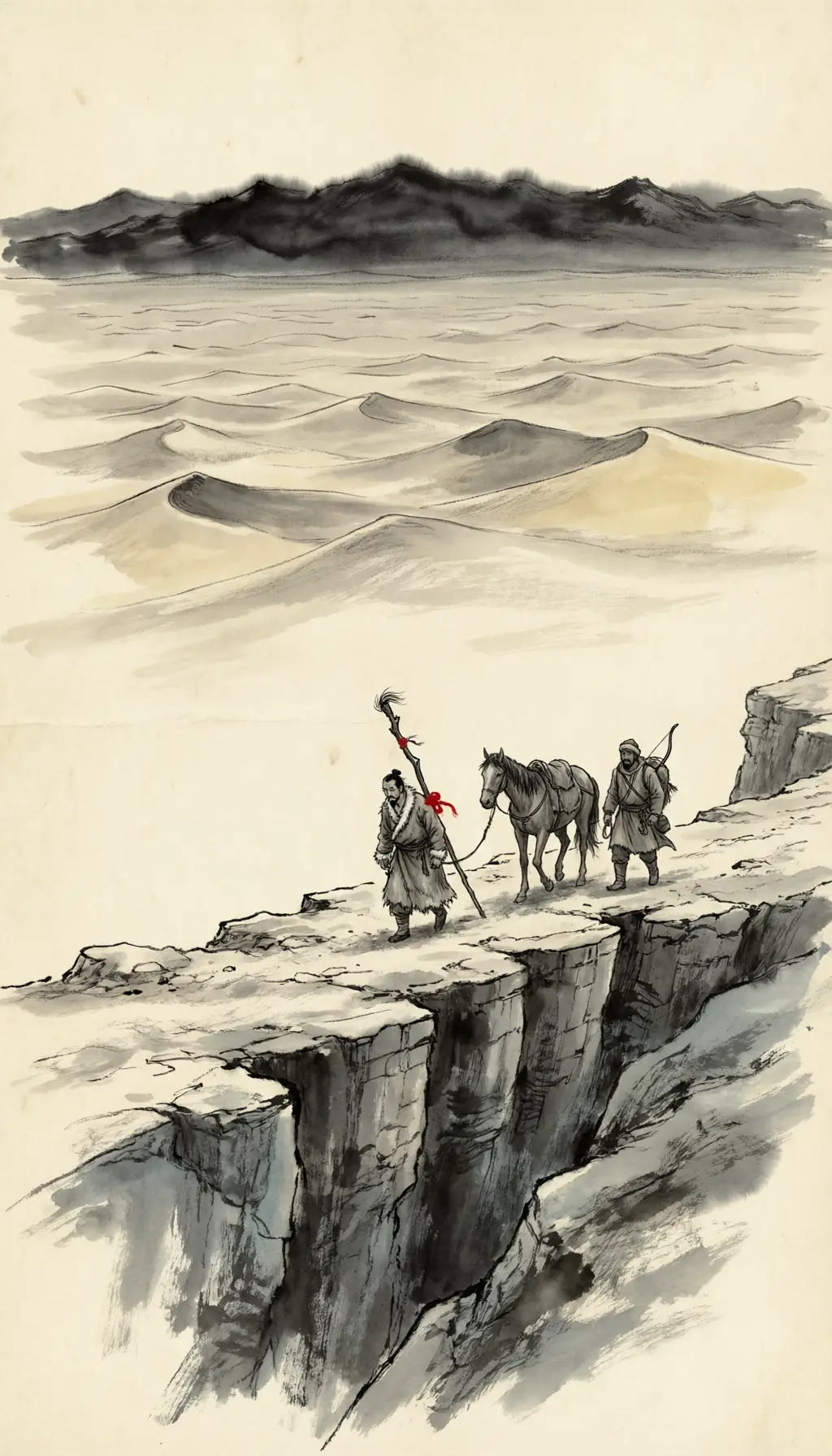
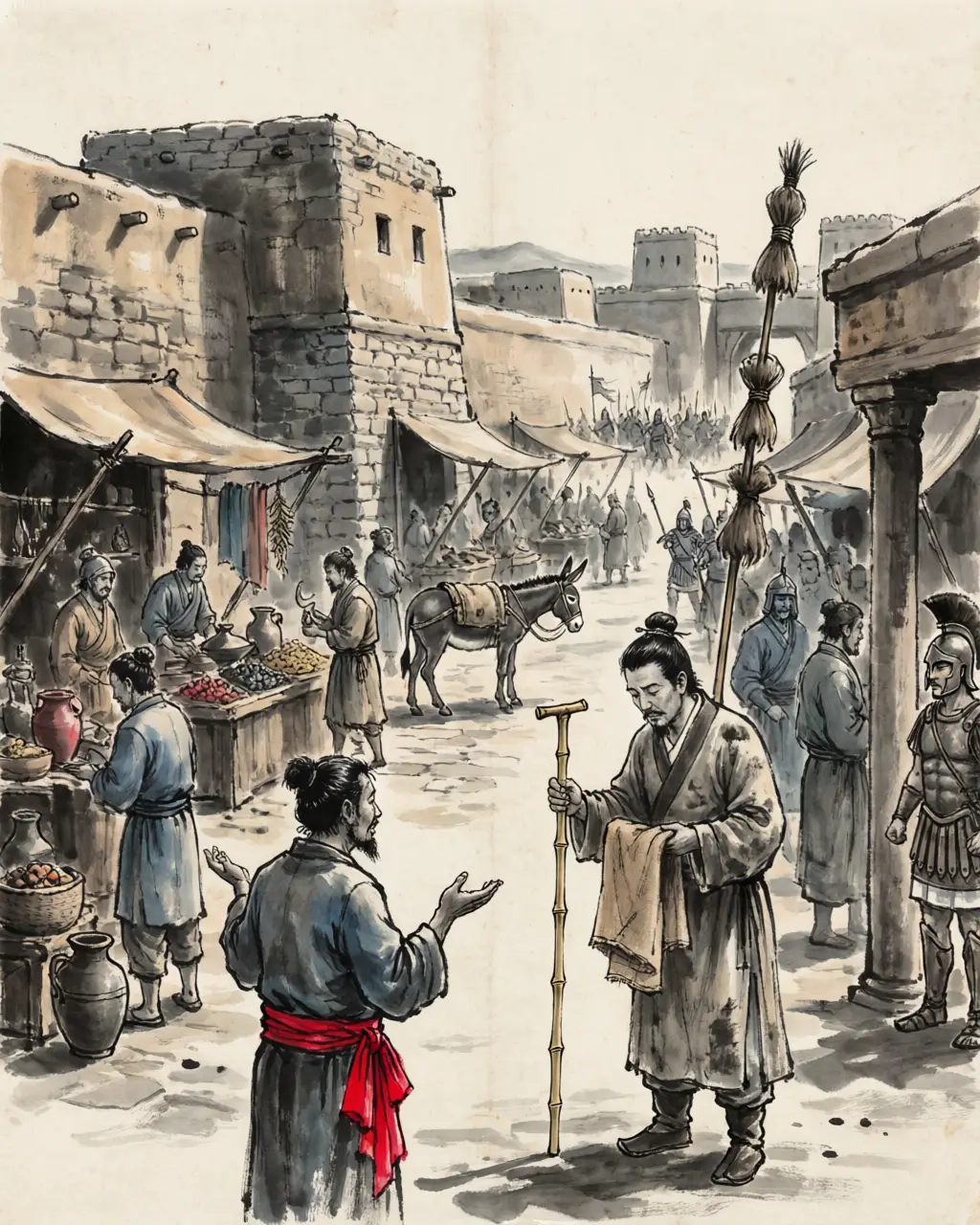
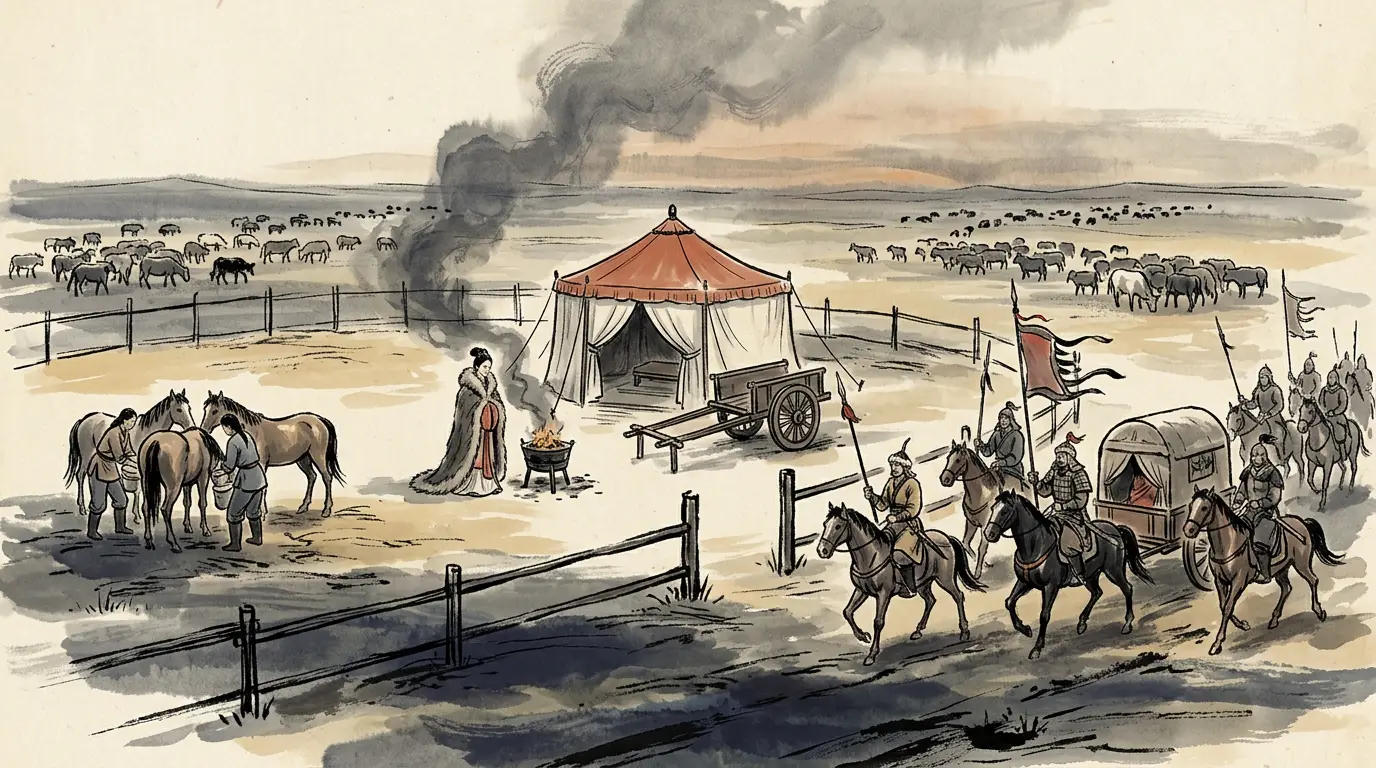
Thirteen years is the length of the absence, not of the captivity, and the record says he was not confined: he was held ten-odd years, given a wife, had a son, and grew familiar enough with his captors to slip away — and was taken a second time, for about a year, on the way home along the southern edge of the plateau. The two details that survive from the decade are the one the historian chose to keep: he never let go of the Han credential, and the staff he carried had an empire's use for it later.
Every caption and quotation in this episode traces to one of these. Where scholars disagree, the panel says so.
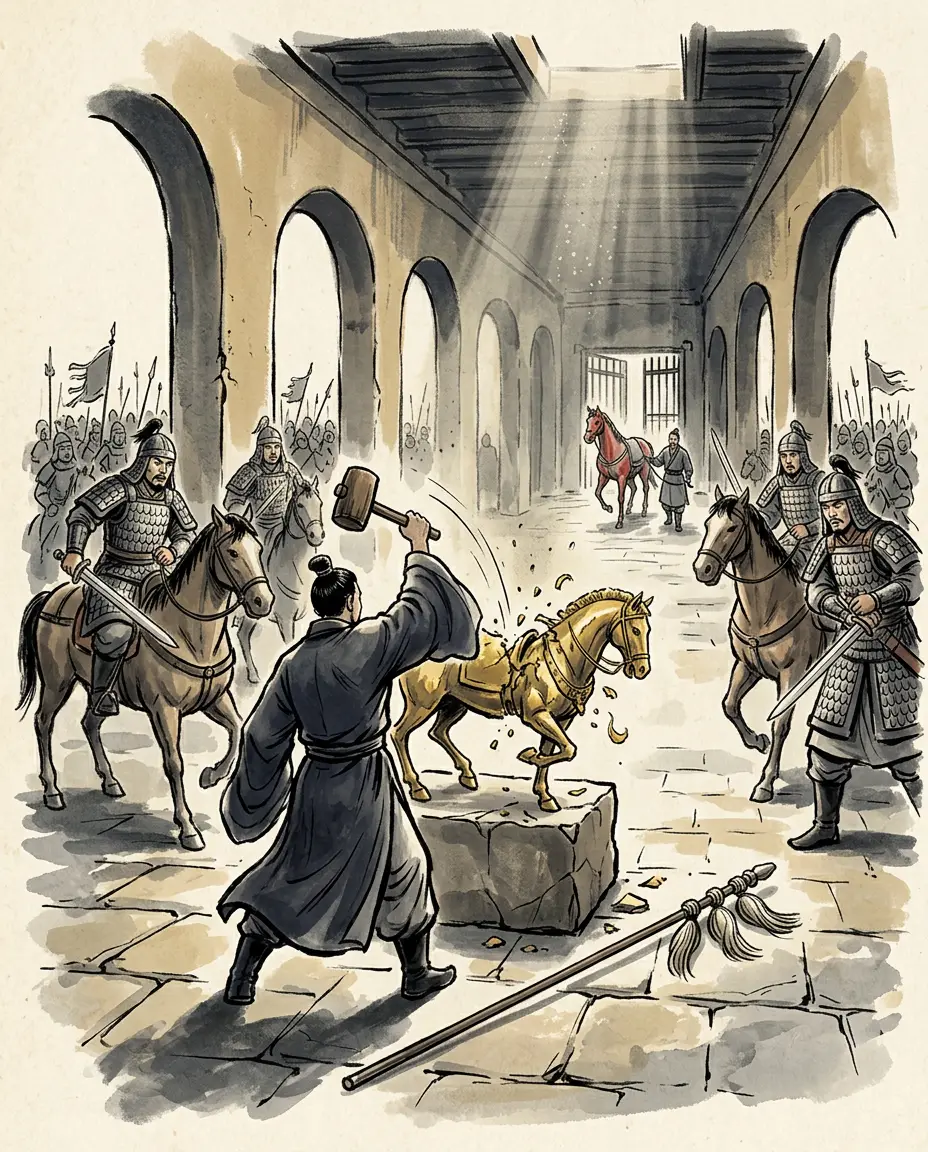
The road was reported, believed, and then paid for in horses and men: Episode 5 · The Great Hammer (The Mobei, 119 BCE). The report he brought back is why the empire rode north. Or back to the Han line, or meet the cast.