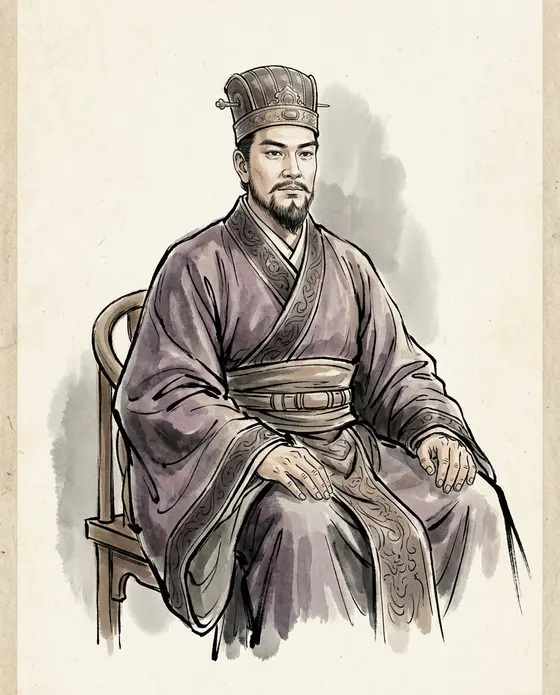
Sun Quan孫權
182–252 CE
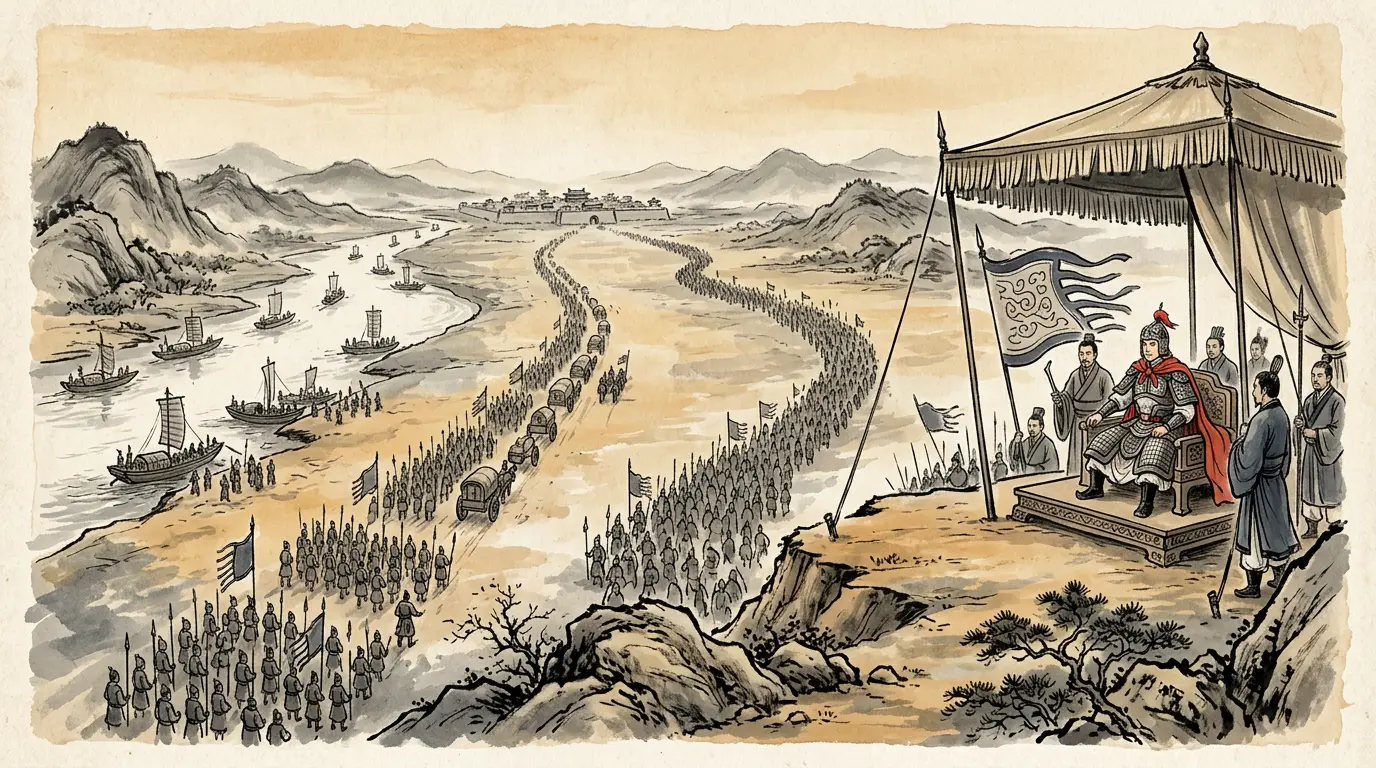
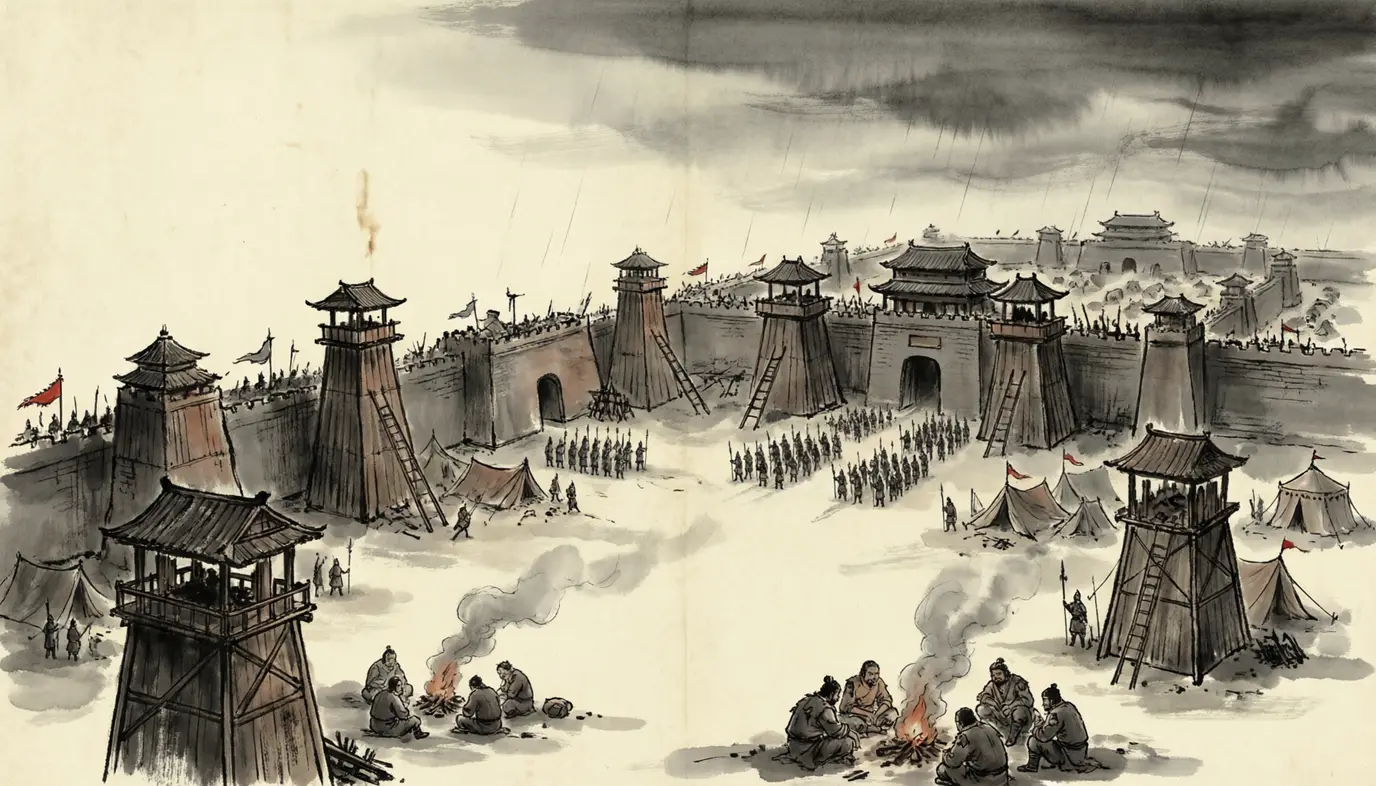
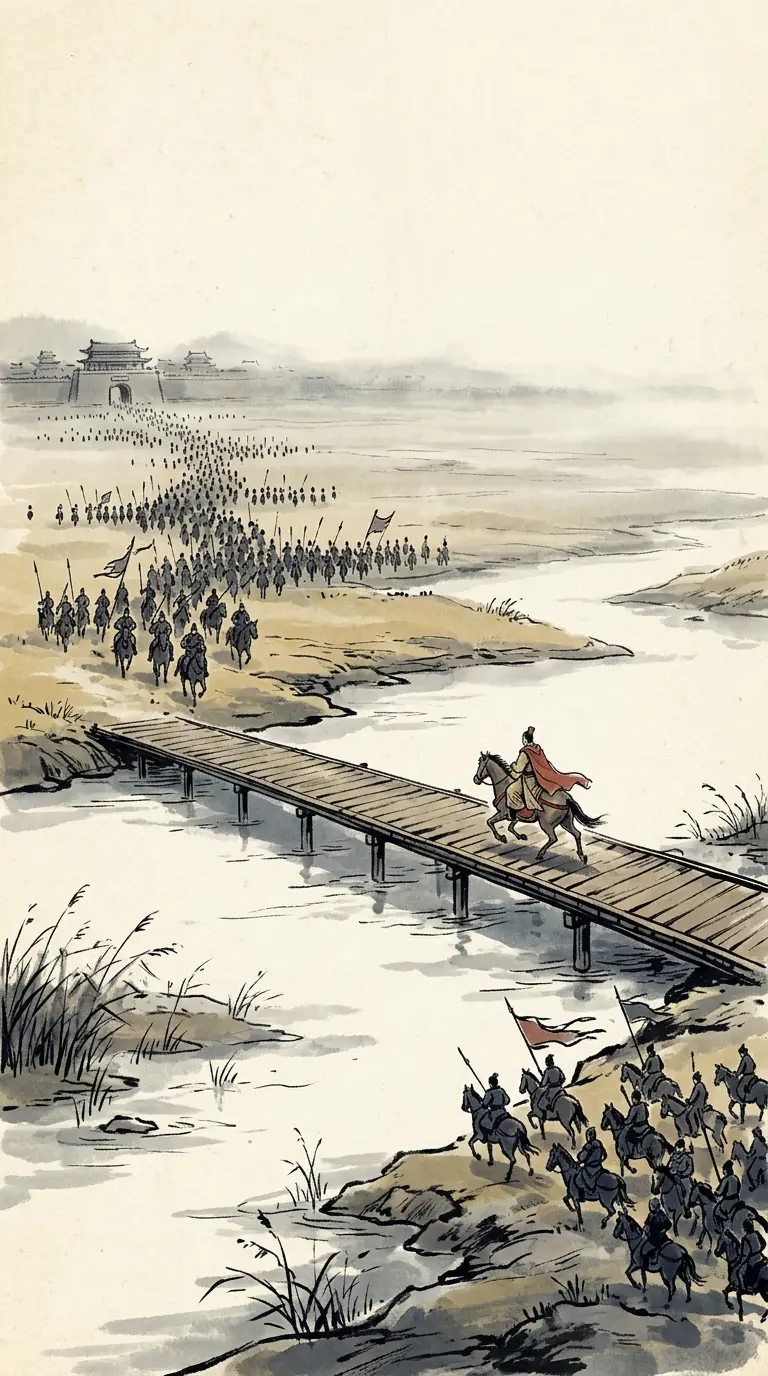
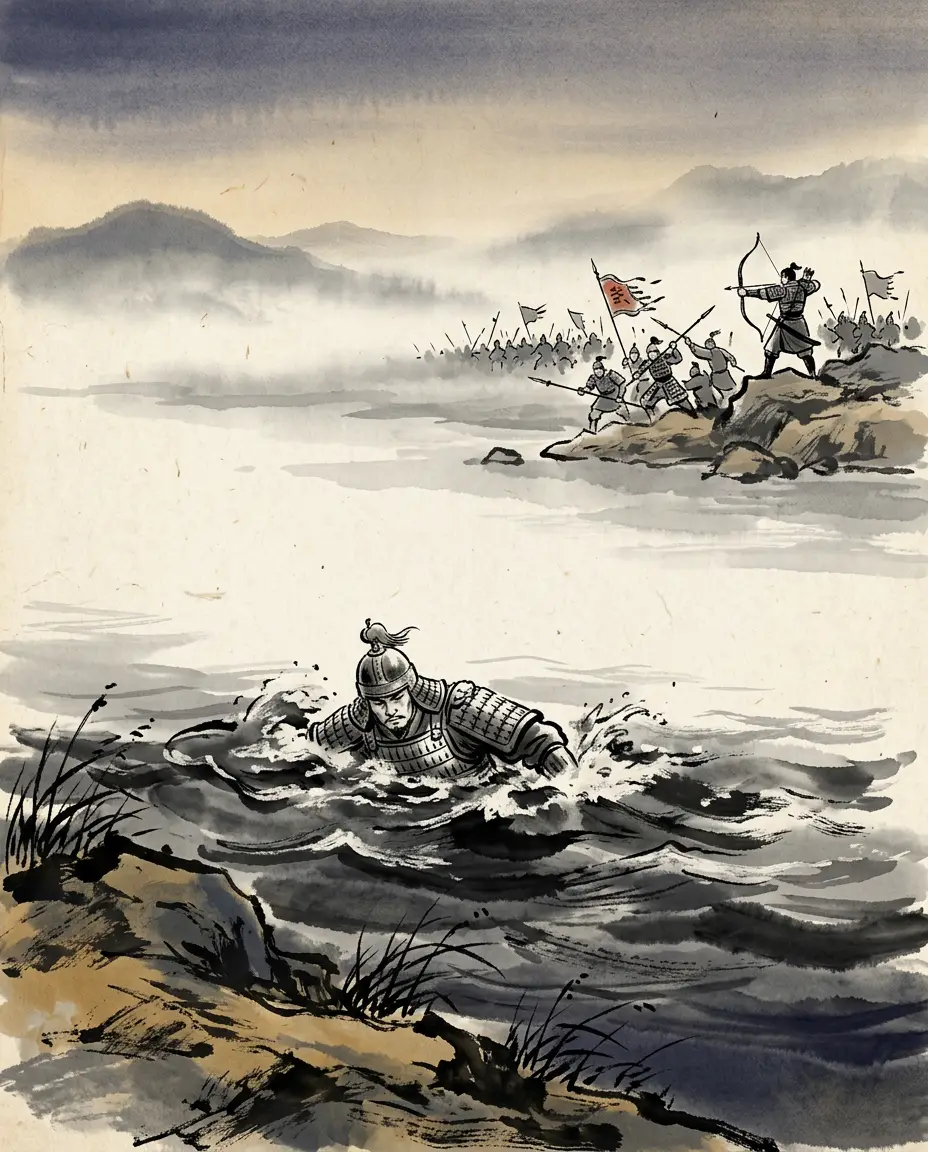
Brought a kingdom's army to Hefei in person, was blunted by a dawn sortie, and left the north bank of Xiaoyao Ford at his horse's one leap.
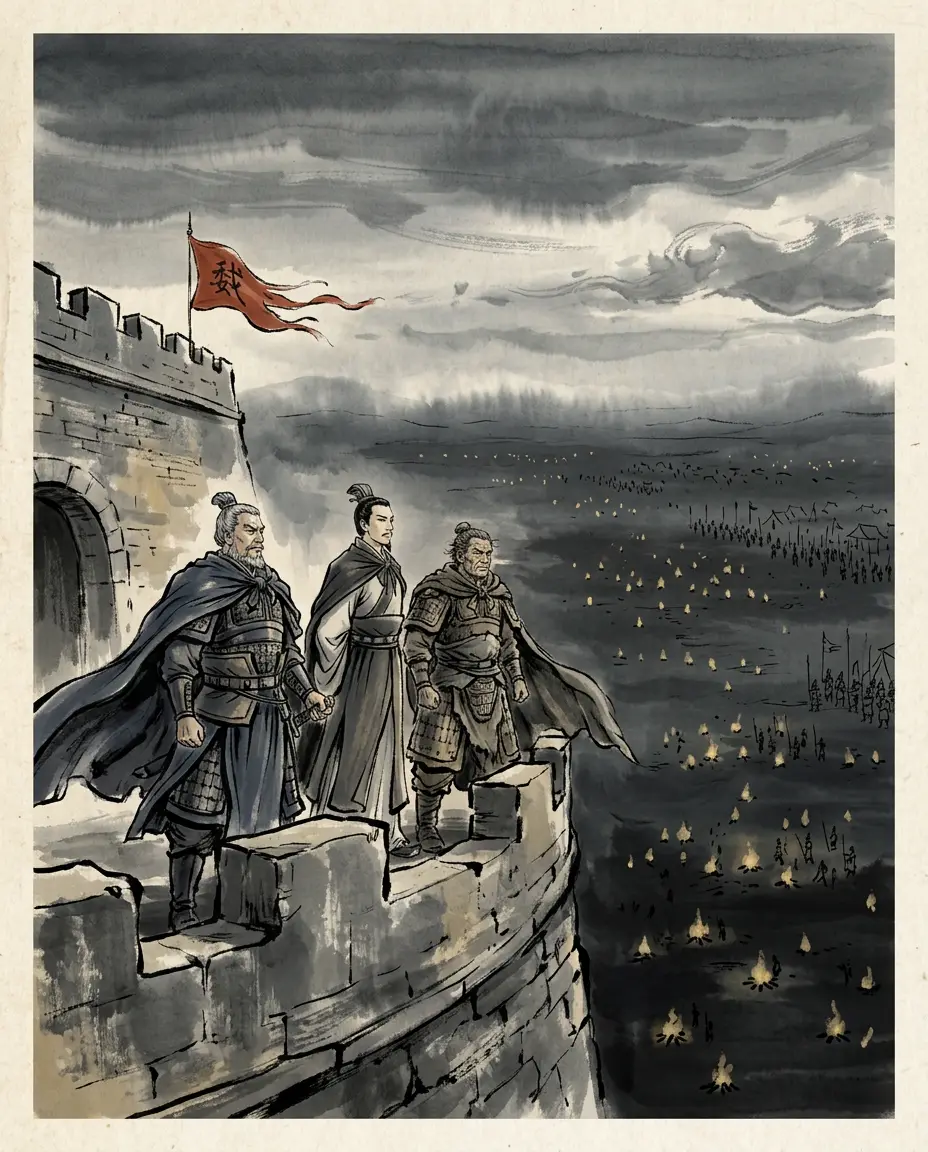
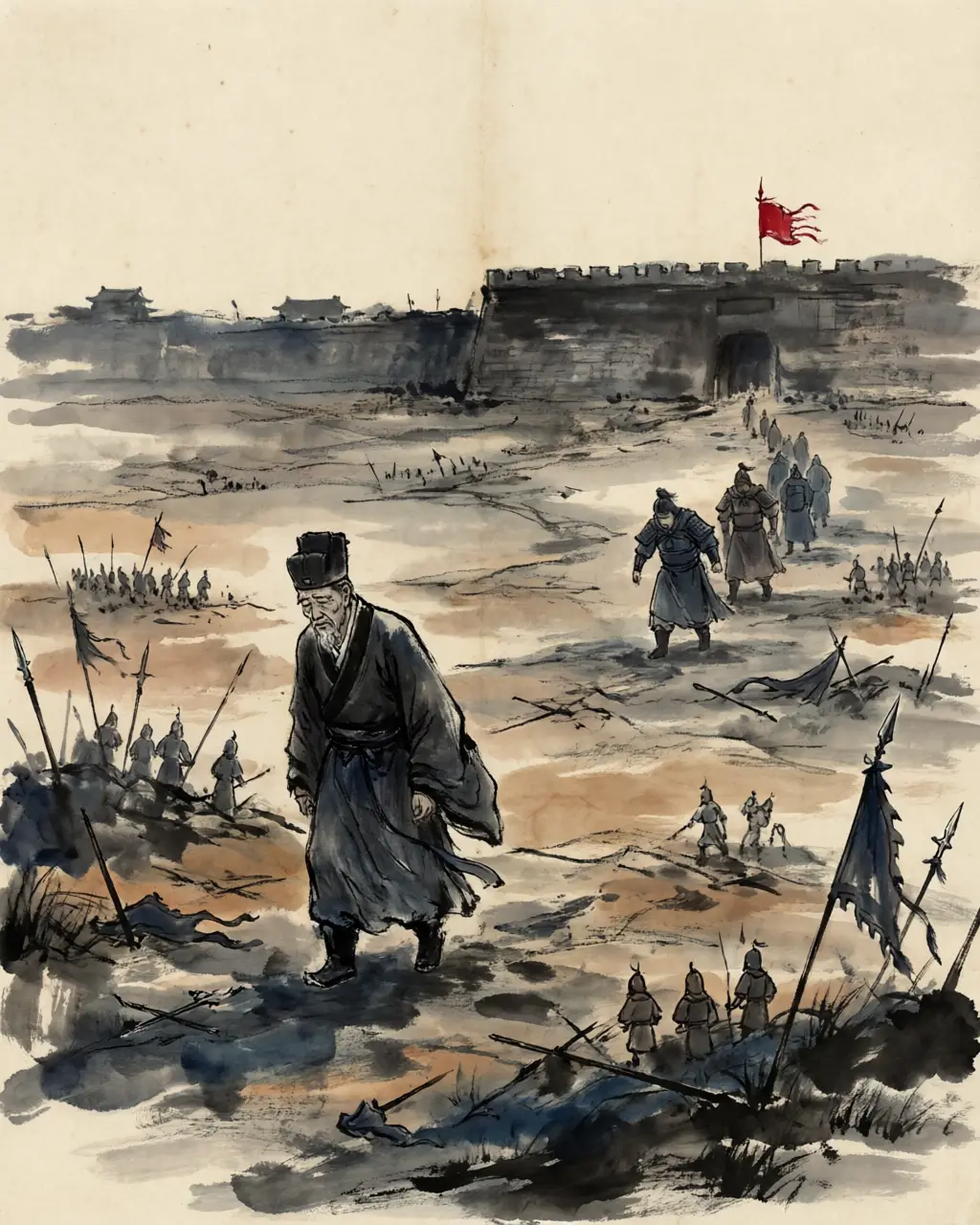
The people who carried this year. The sources disagree about almost everything else.
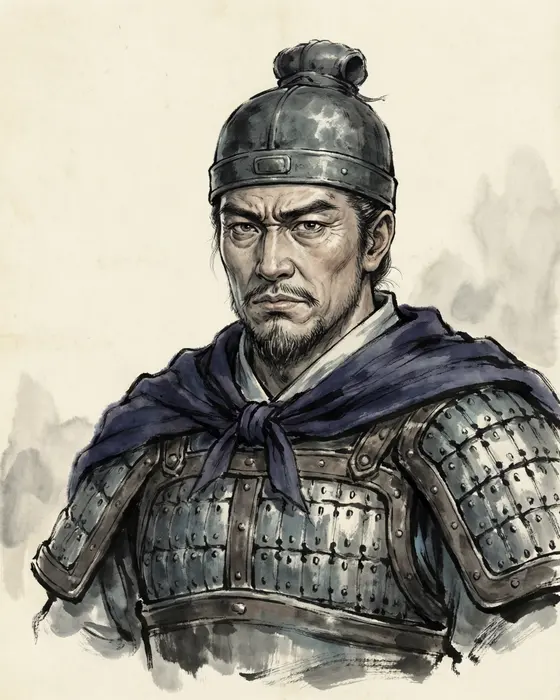
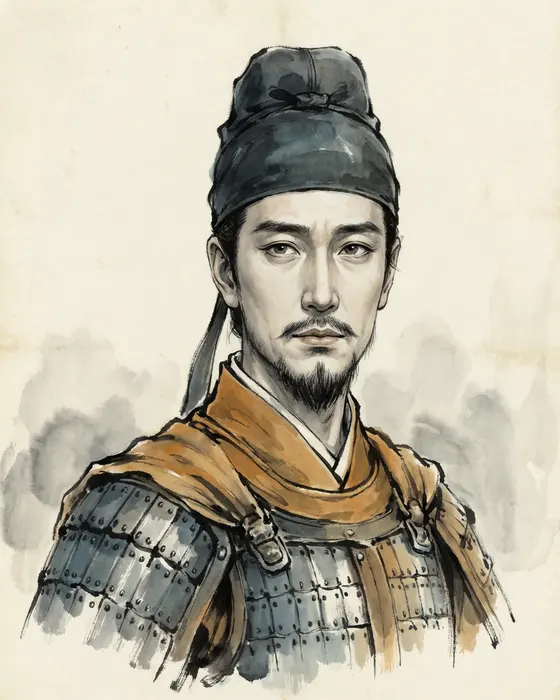
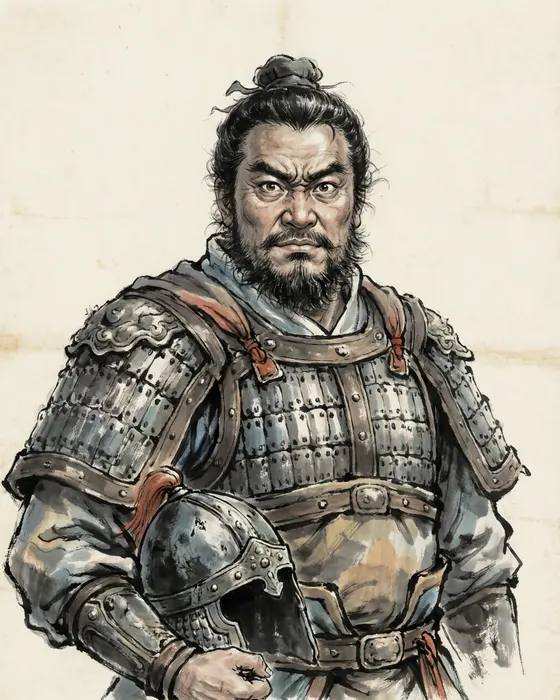
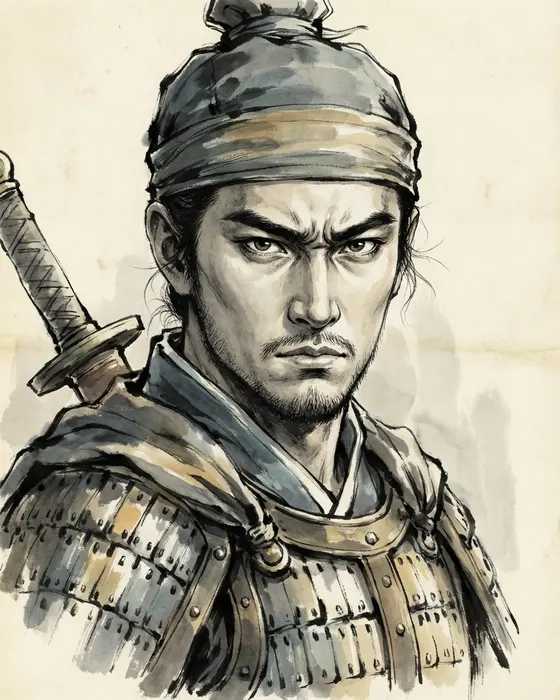
The novel Romance of the Three Kingdoms is a masterpiece — and not a source. Where its famous scenes depart from the histories, we leave them out of the story and put them here.
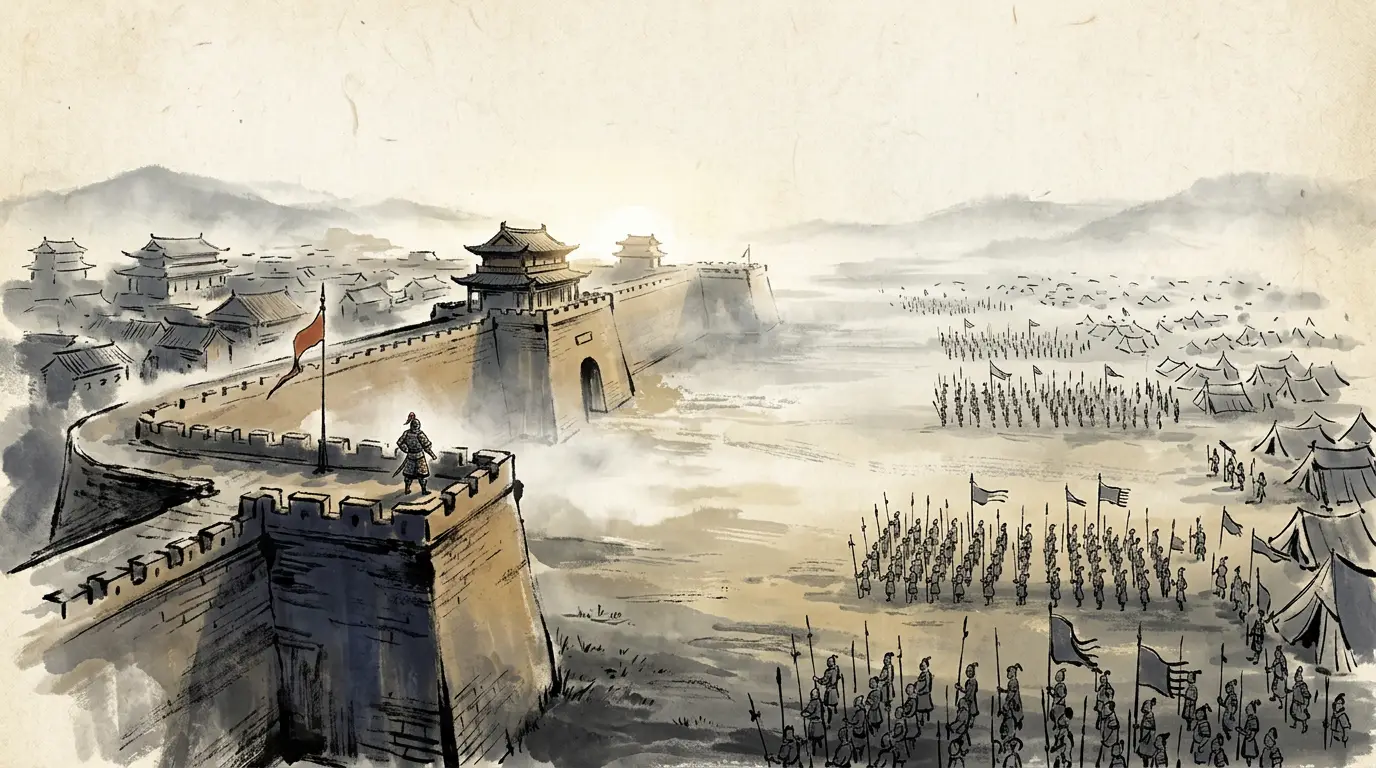
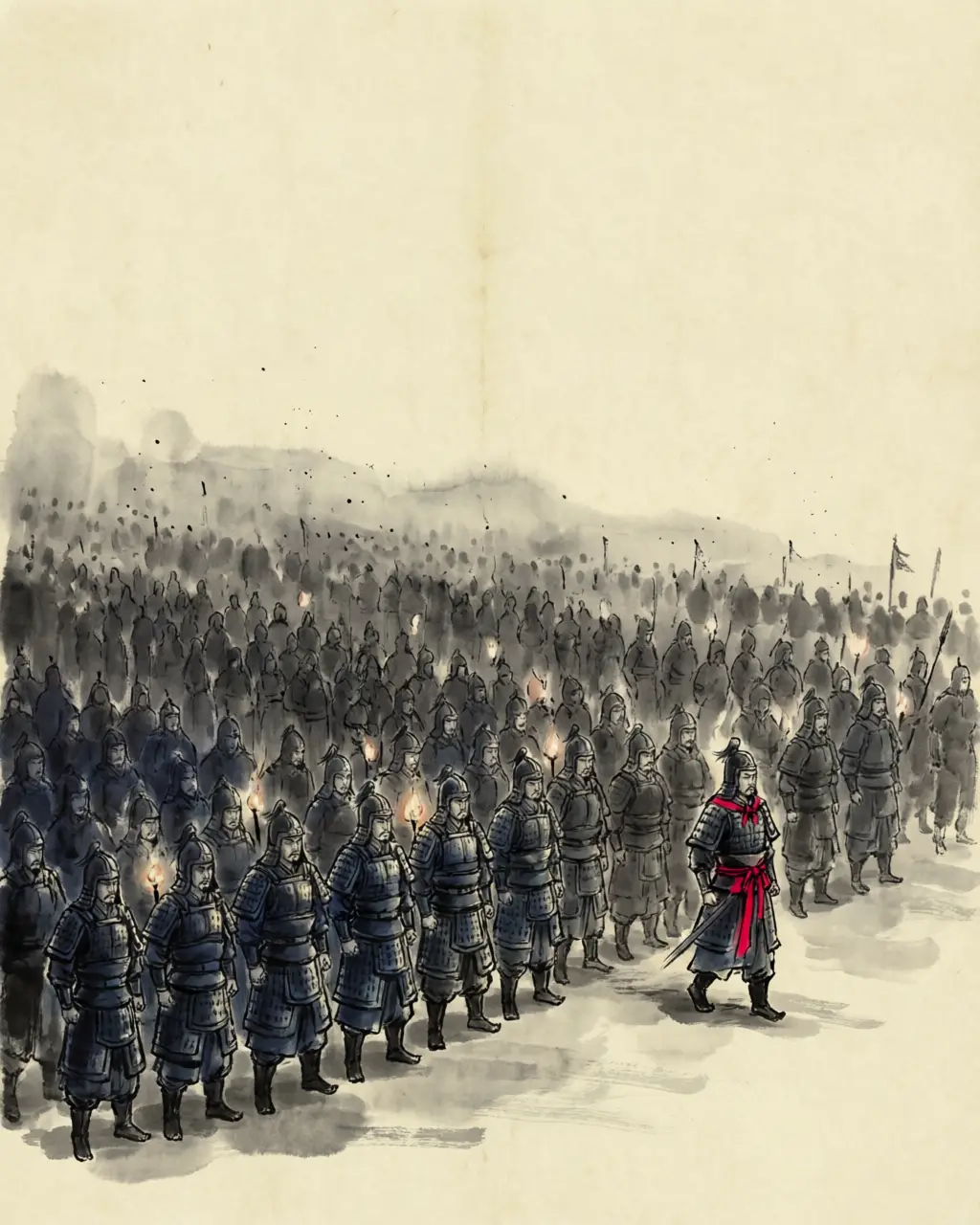
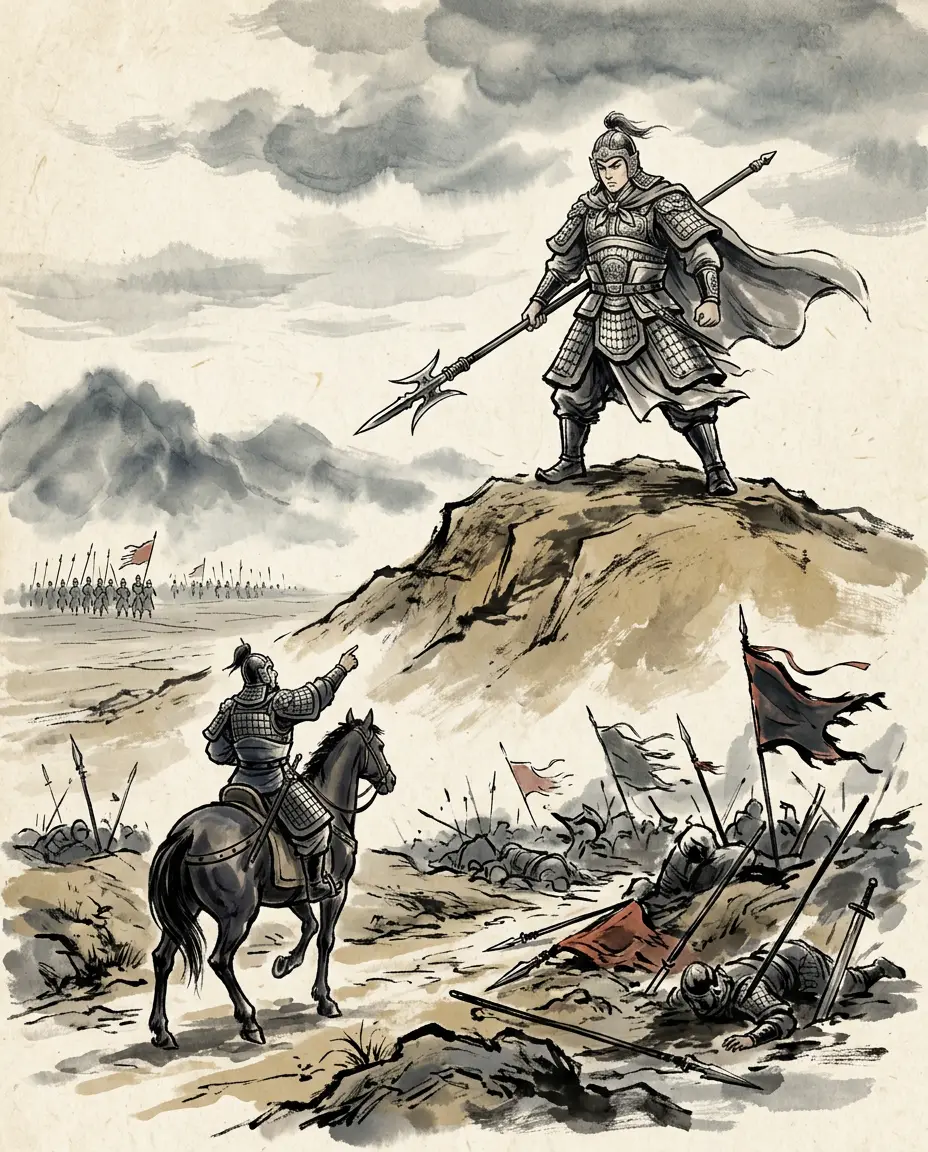
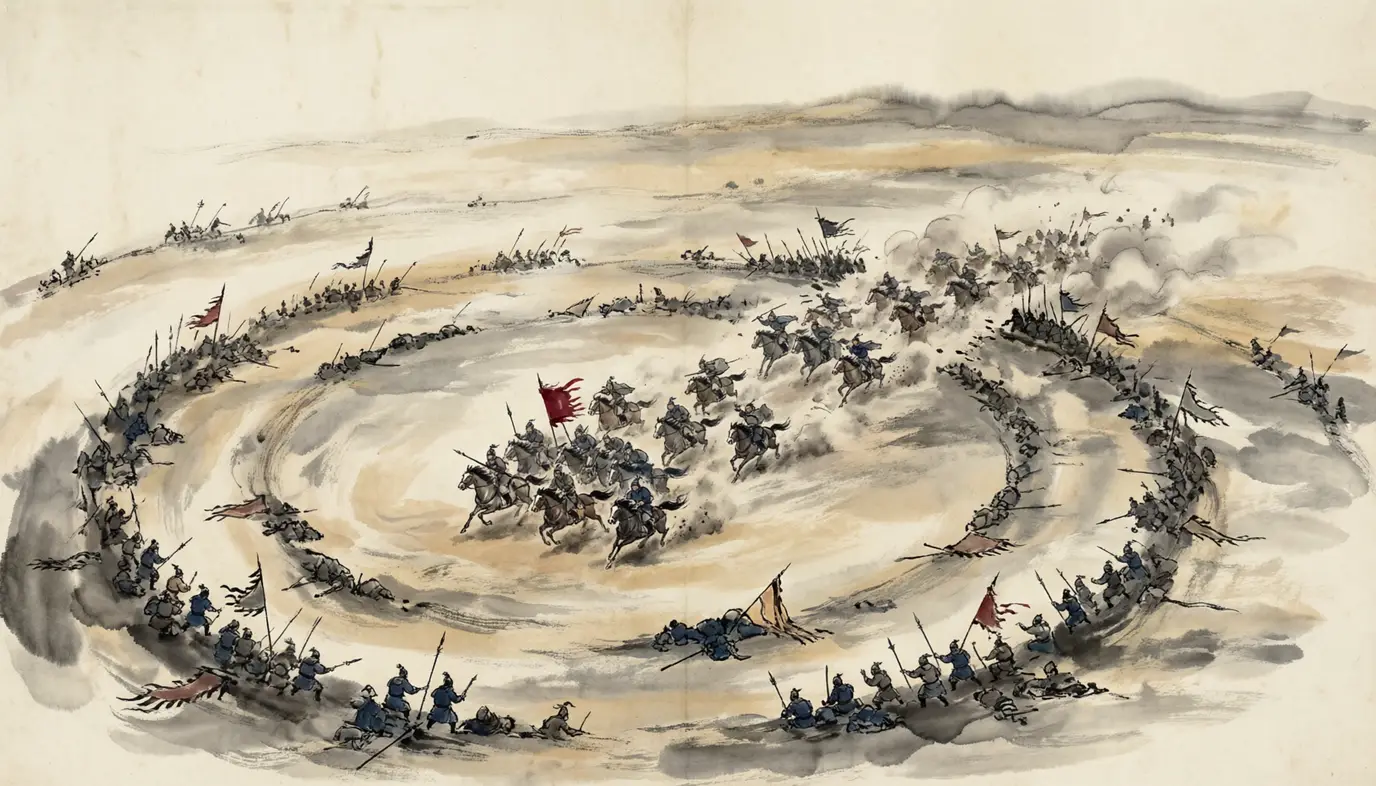
Eight hundred against a hundred thousand — the whole garrison against the whole army.
Both numbers are the sources' claims, not counts. A hundred thousand is the strength given for Sun Quan's army and repeated in a later Wei edict; eight hundred is only the picked sortie force, the edge of a garrison the Zizhi Tongjian puts at rather more than seven thousand. The arithmetic is a verdict, not a muster roll.
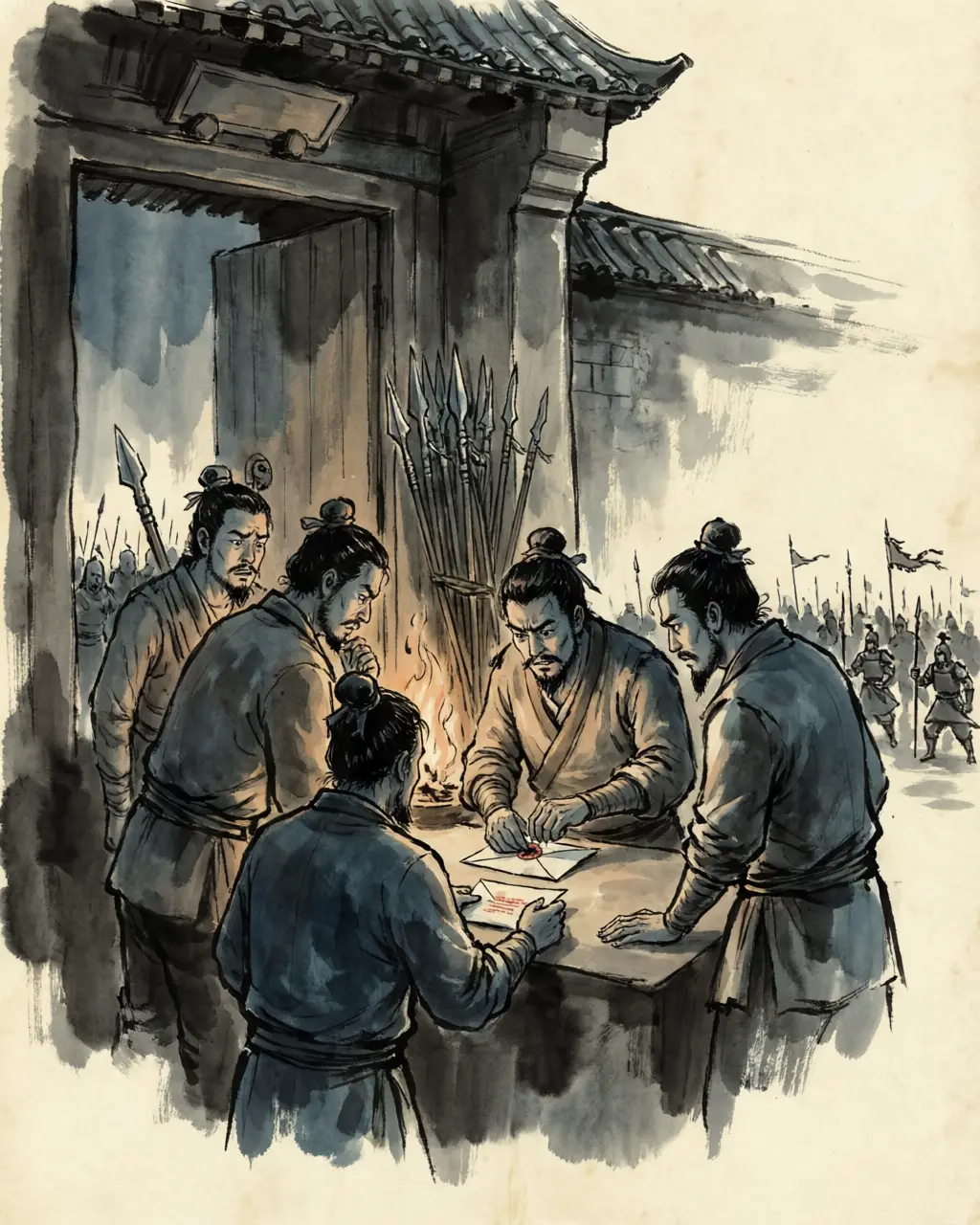
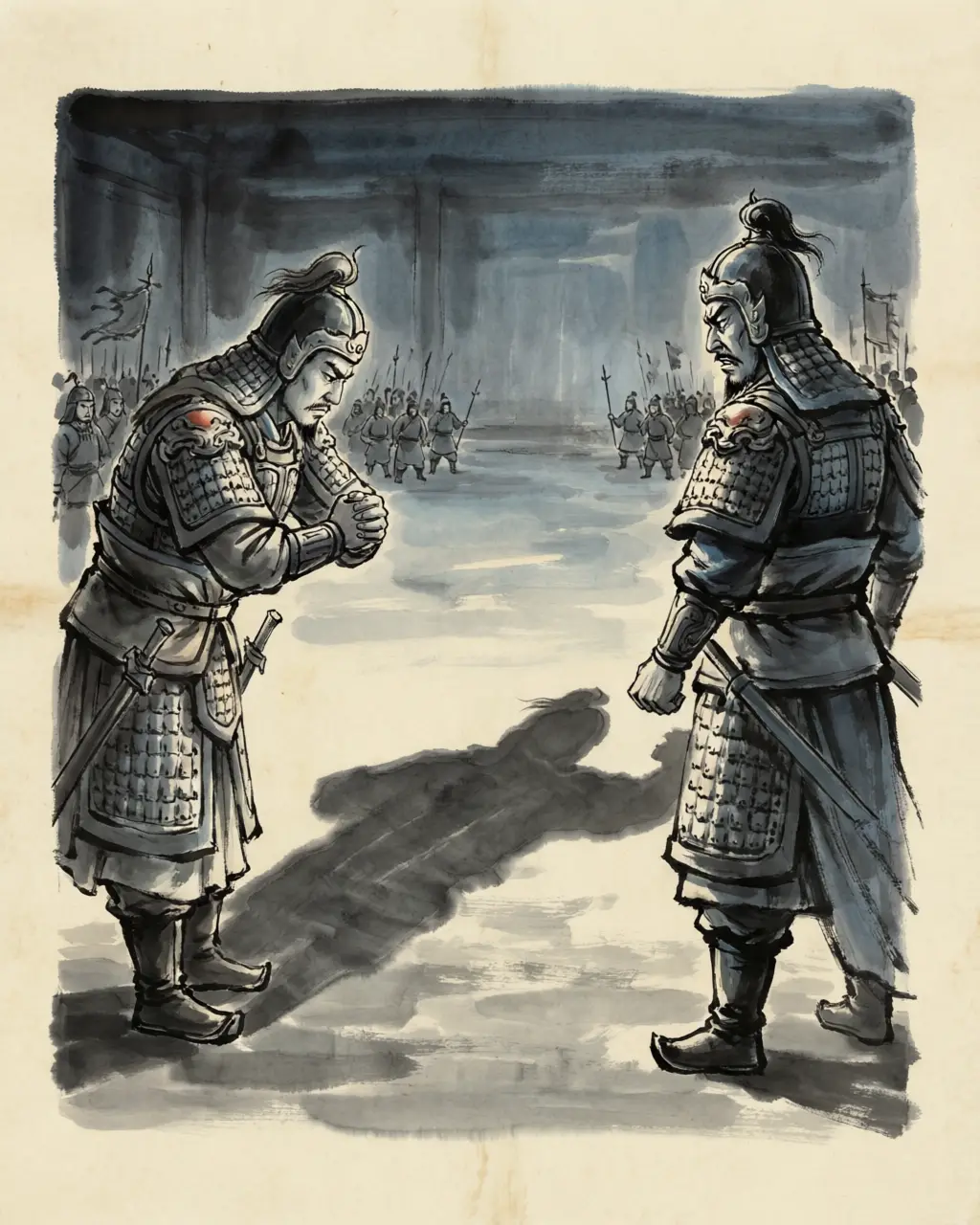
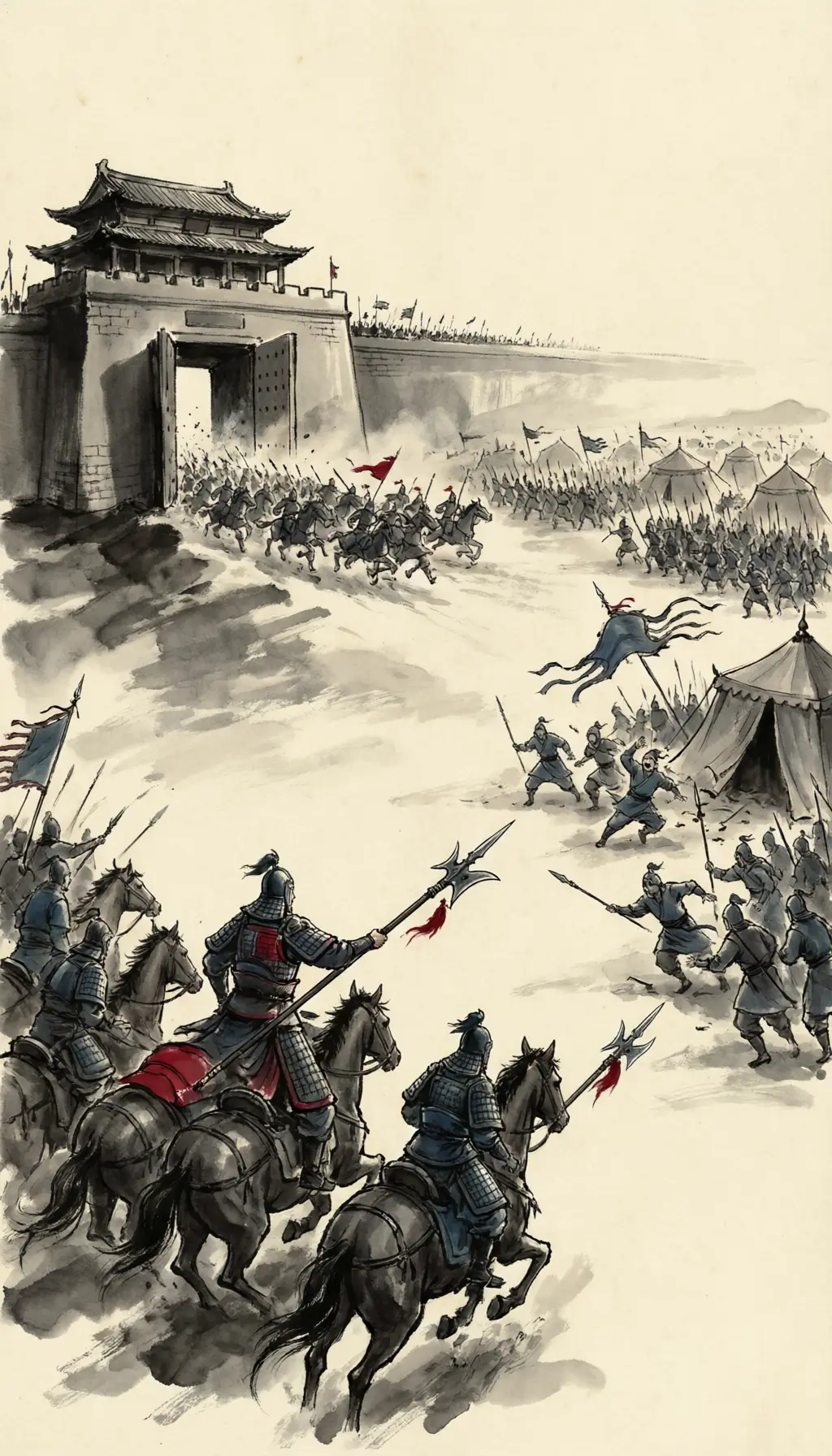
Hefei's three defenders all charged out of the gate together.
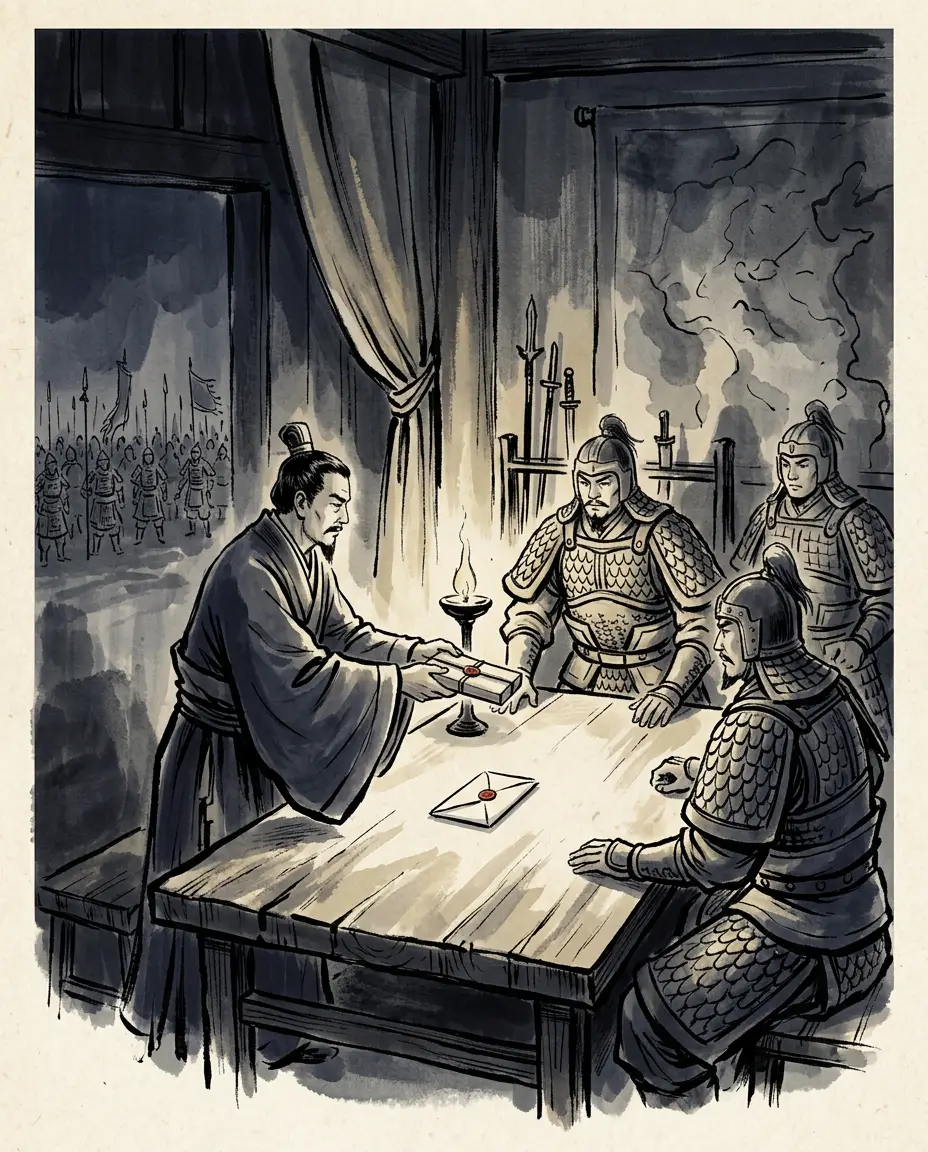
Cao Cao's sealed letter divided them: Generals Zhang and Li go out and fight, General Yue holds the city, and the protector takes no part in the battle. The sortie was Zhang Liao's and Li Dian's; Yue Jin's battle was the wall.
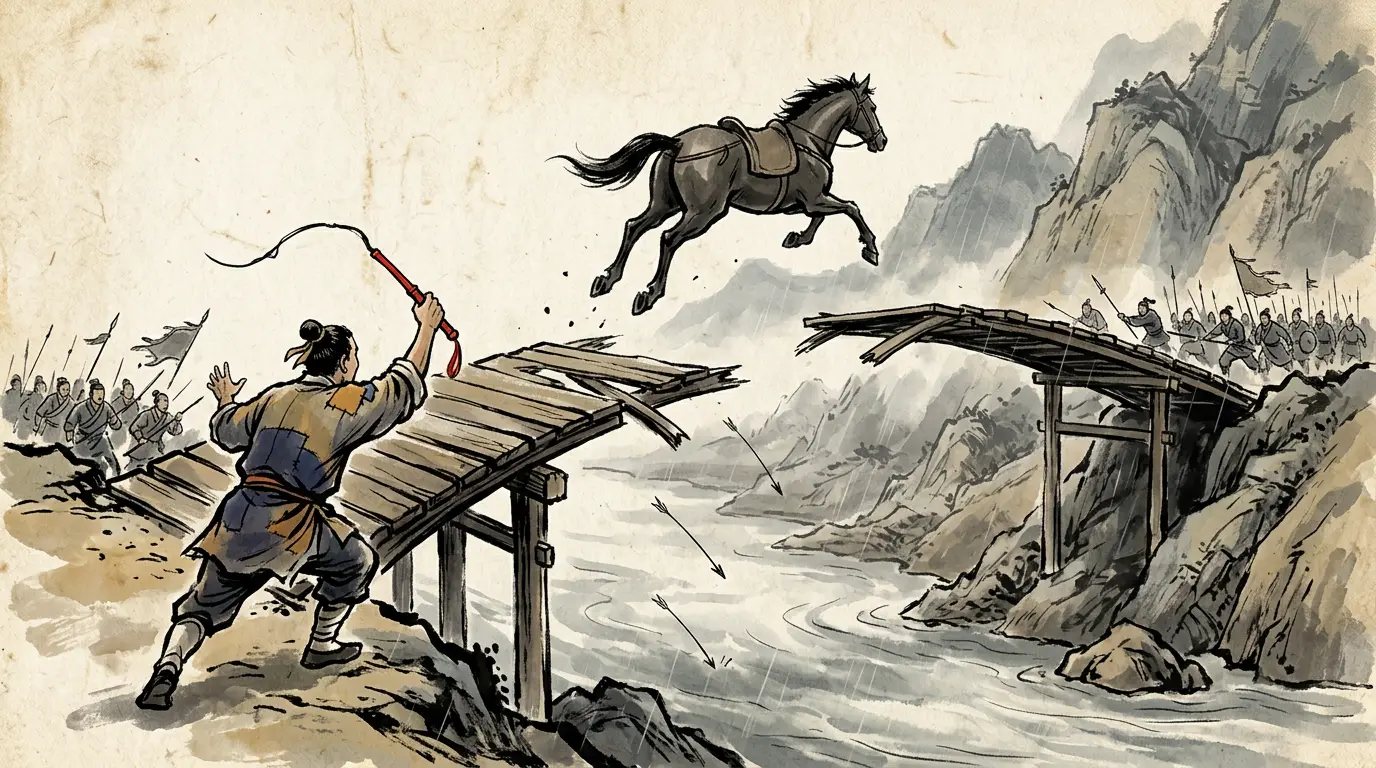
Sun Quan flew the broken bridge on a miracle horse.
The sources make it smaller and more human: the planks of the southern span had been pulled, a zhang and more of bridge still stood, and a servant named Gu Li whipped the horse from behind so it could clear the gap. The leap was paid for by Ling Tong's hundred men, who died on the north bank.
The story that Zhang Liao's name quieted crying children is a folk invention of later ages.
It is in the official history itself: Chen Shou closes the account of the battle by noting that in Wu, when children would not stop crying, their parents frightened them with Zhang Liao's name, and they were quiet.
Every caption and quotation in this episode traces to one of these. Where scholars disagree, the panel says so.
Before this: Episode 5 · The Pass and the River (Tong Pass, 211 CE). Next: Episode 7 · The Heights Above the River (Hanzhong, 217–219 CE). Or meet the cast, or read the chronology of the age.